Calculus - Limits and Some Derivatives
 Studied by 1 person
 Call Kai
 Learn
Learn Practice Test
 Spaced Repetition
 Match
Match Flashcards
 Knowt Play
1/19

Earn XP
Description and Tags
Name | Mastery | Learn | Test | Matching | Spaced |
|---|
No study sessions yet.
20 Terms
indeterminant form
when you take the limit and the result is 0/0
factoring techniques
change of variable
diff of squares
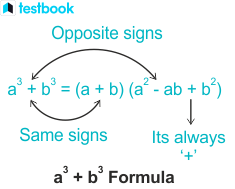
diff/sum of cubes
grouping
common factoring
trinomial factoring
factor theorem
breaking shit down
floor function
f(x) that outputs the greatest integer less than or equal to x
requirements for continuity
no breaks in individual domains
left one-sided limit = right one-sided limit
limit = output of function
a function is continuous at a point if:
the limit taken of the input = the output given by the function
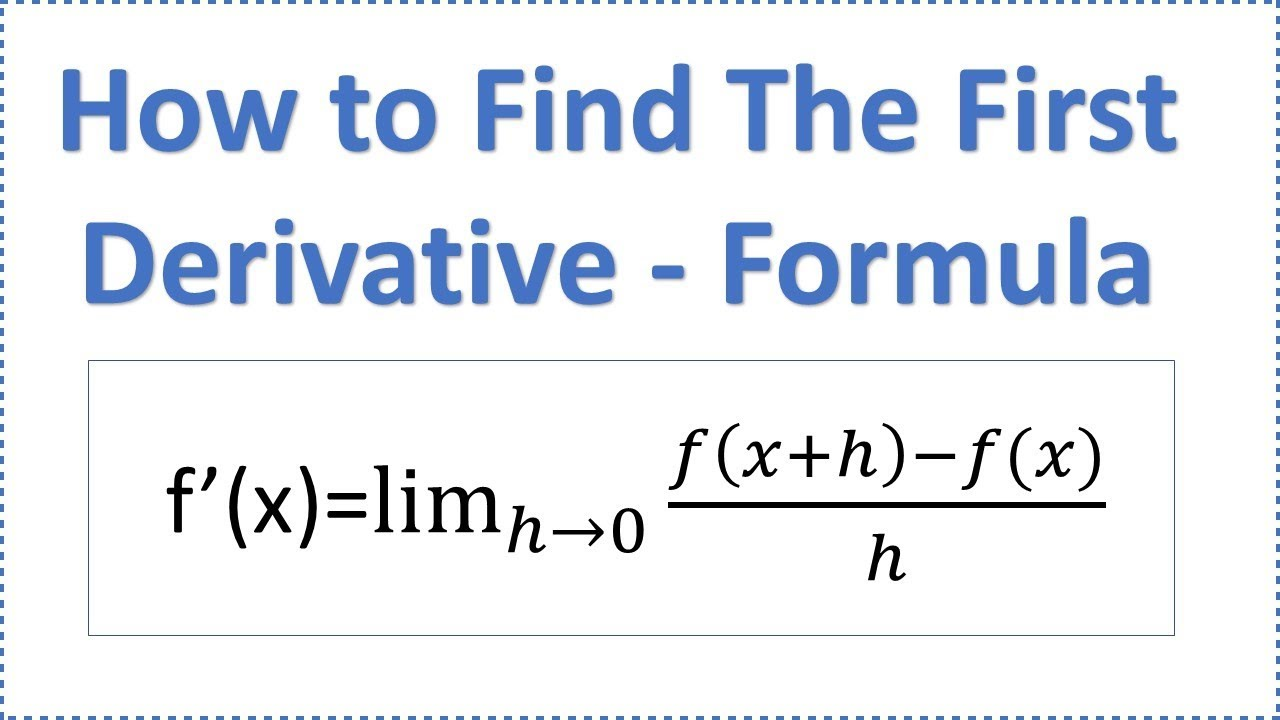
slope from tangent line definition (formula)

derivative f’(x)
a fn is differentiable at a point provided that
f’(t) exists (the limit as h approaches 0 exists)
a fn is differentiable on an interval provided that:
for all points (t) inside the interval domain, f’(t) exists
if a fn is differentiable, it is
continuous
if a fn is continuous, it is
not necessarily differentiable
for parts on the graph f(x) where the slope appears steep, it would
form a VA at the x-coord on the differentiablity graph f’(x)
sum and diff of cubes
diff of cubes is like the same logic but obvi looks opposite
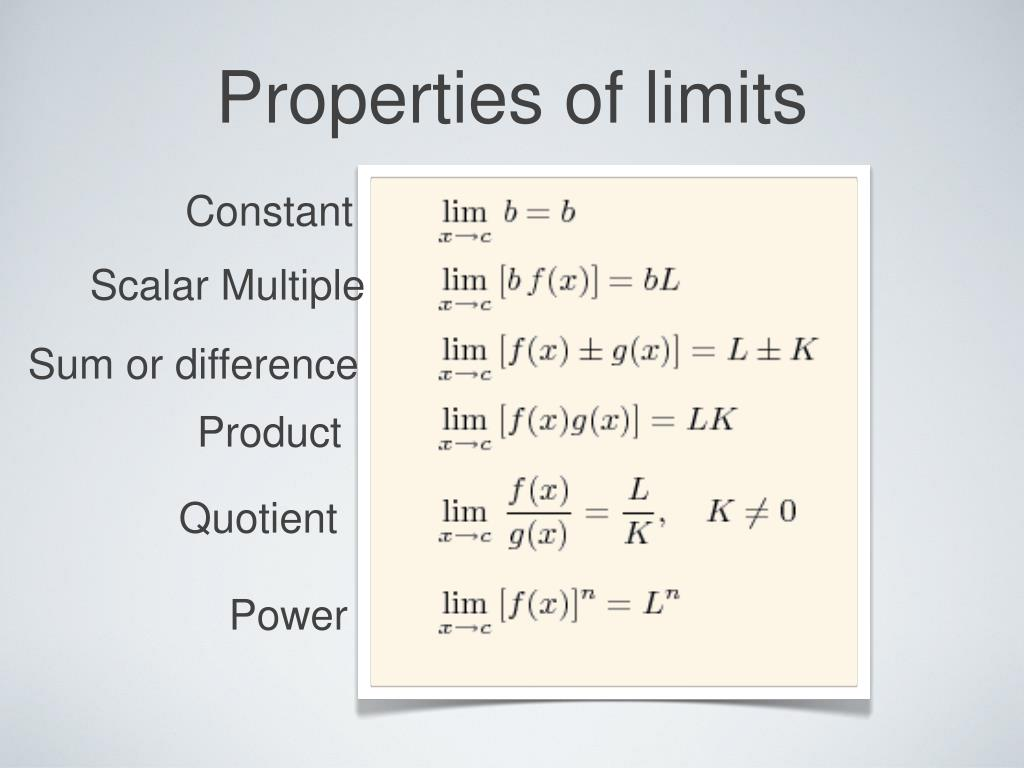
limit properties
function is discontinuous if
limit when approaching from the right does not equal the limit when approaching from the left
limit of the val does not equal the output of the function when you input the val
checking continuity →
check endpoints
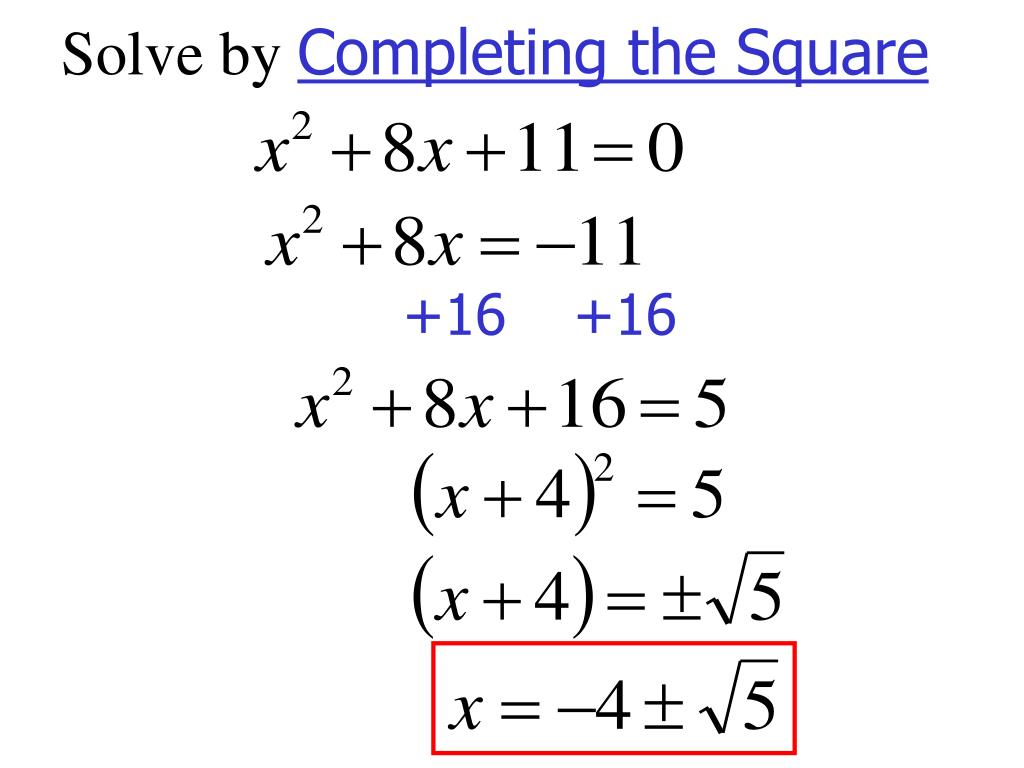
completing the square
when do limits not exist
at a vertical asymptote
when one-sided limits are not equal
(x²-1)^ 3 =
(x-1)³(x+3)³
where is a function not differentiable?
where the derivative of the function is undefined (check the domain)