Pre-Embryonic Development and Embryology
 Call Kai
 Learn
Learn Practice Test
 Spaced Repetition
 Match
Match Flashcards
 Knowt Play
1/26

There's no tags or description
Looks like no tags are added yet.
Name | Mastery | Learn | Test | Matching | Spaced | Call with Kai | Chat |
|---|
No analytics yet
Send a link to your students to track their progress
27 Terms
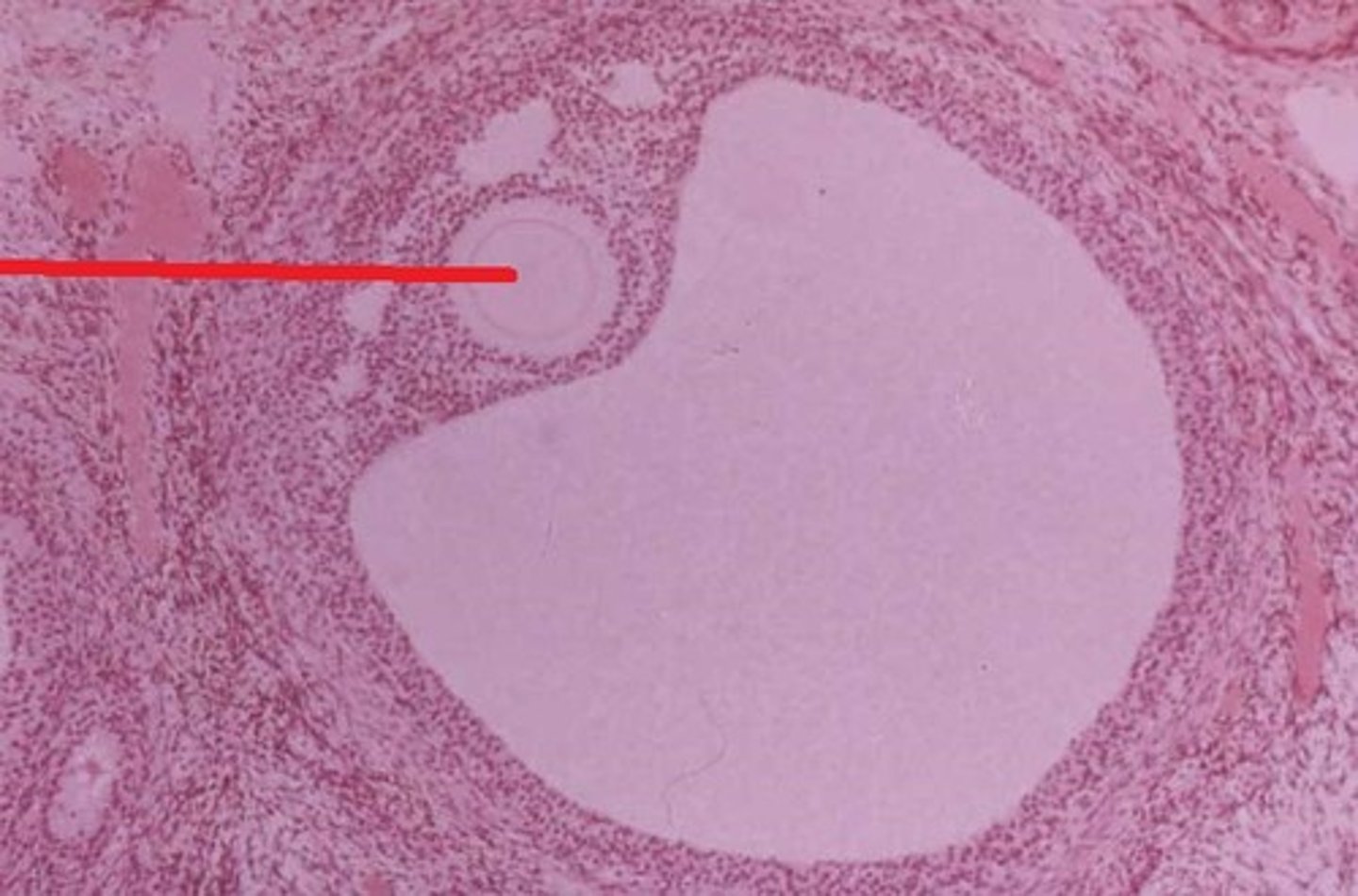
Oocyte
Female gamete (egg cell) that becomes fertilized by sperm to begin development.
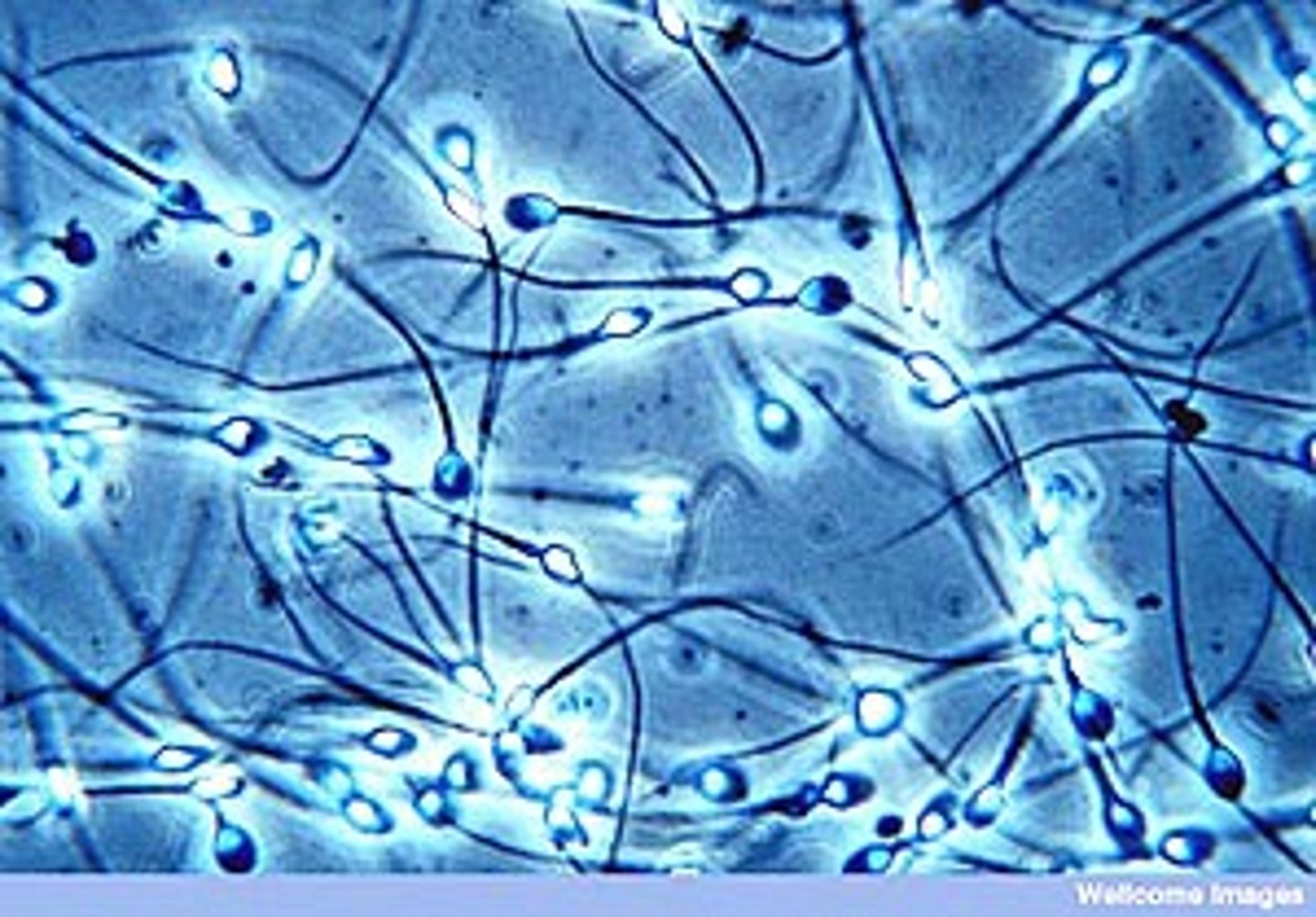
Sperm
Male gamete that delivers paternal DNA to the oocyte.
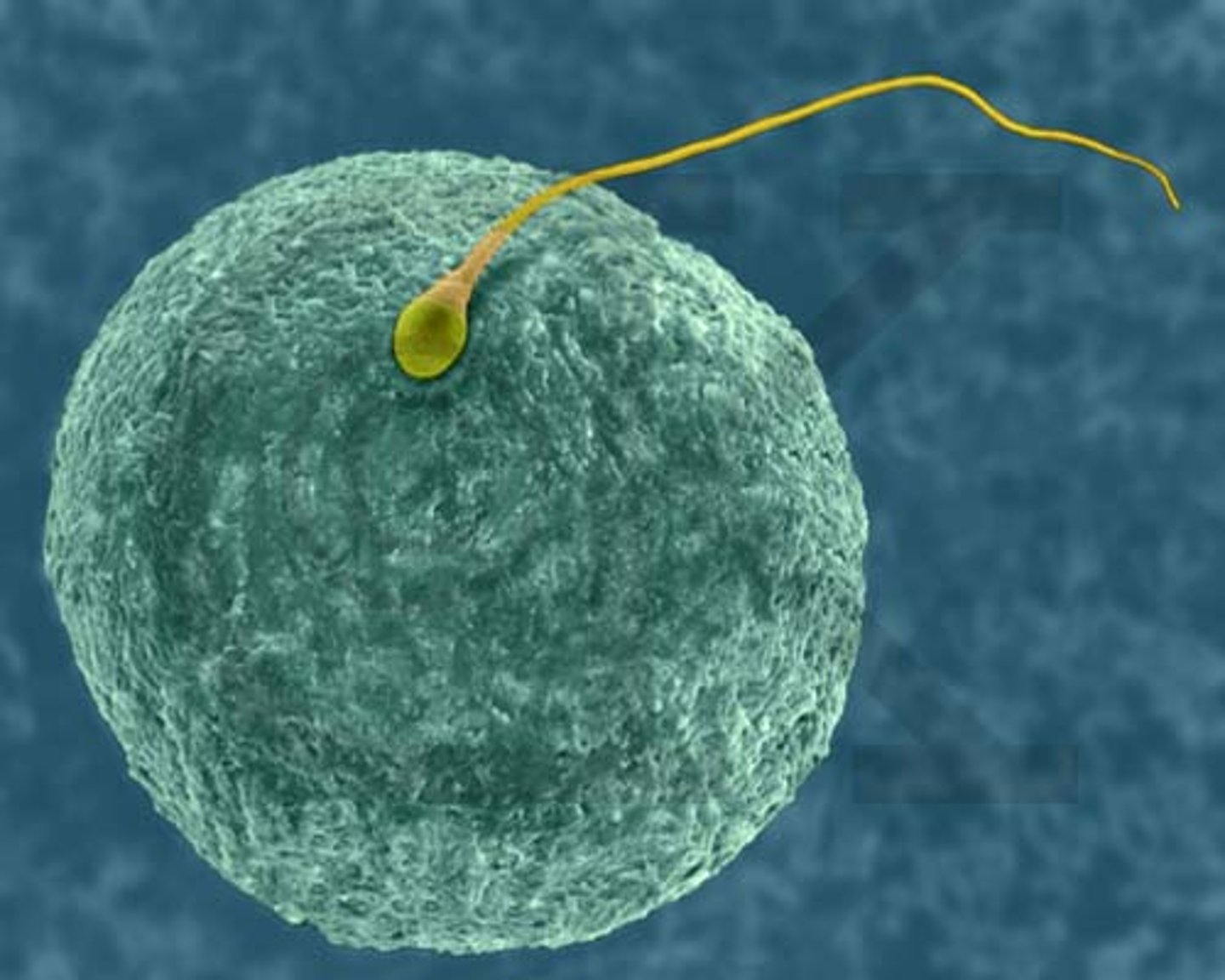
Fertilization
Fusion of sperm and oocyte to form a single diploid cell.
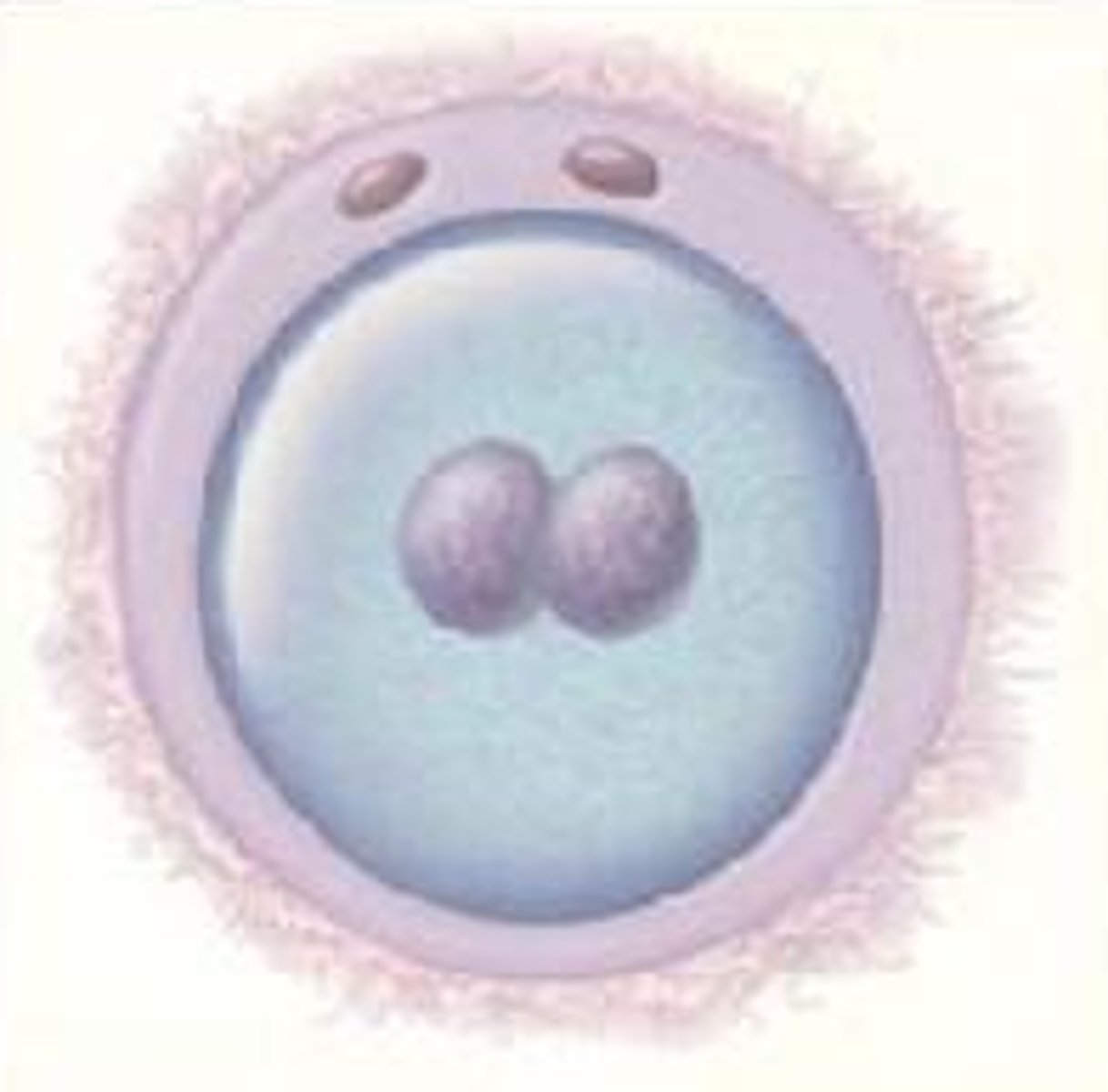
Zygote
First cell formed after fertilization; undergoes rapid mitotic division (cleavage).
Morula
Solid ball of ~16-32 cells formed by cleavage of the zygote.
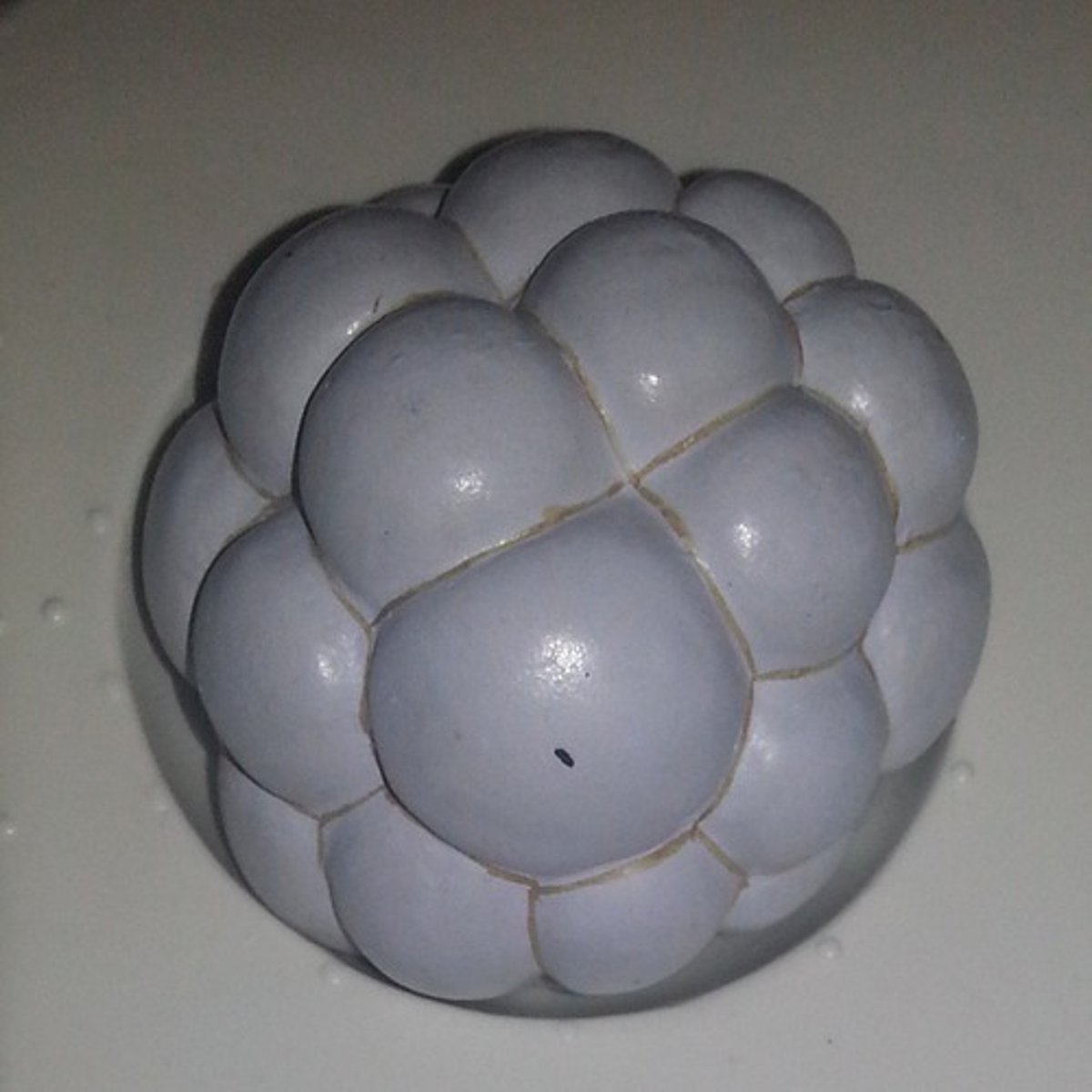
Blastocyst
Hollow sphere of cells containing the trophoblast and inner cell mass.
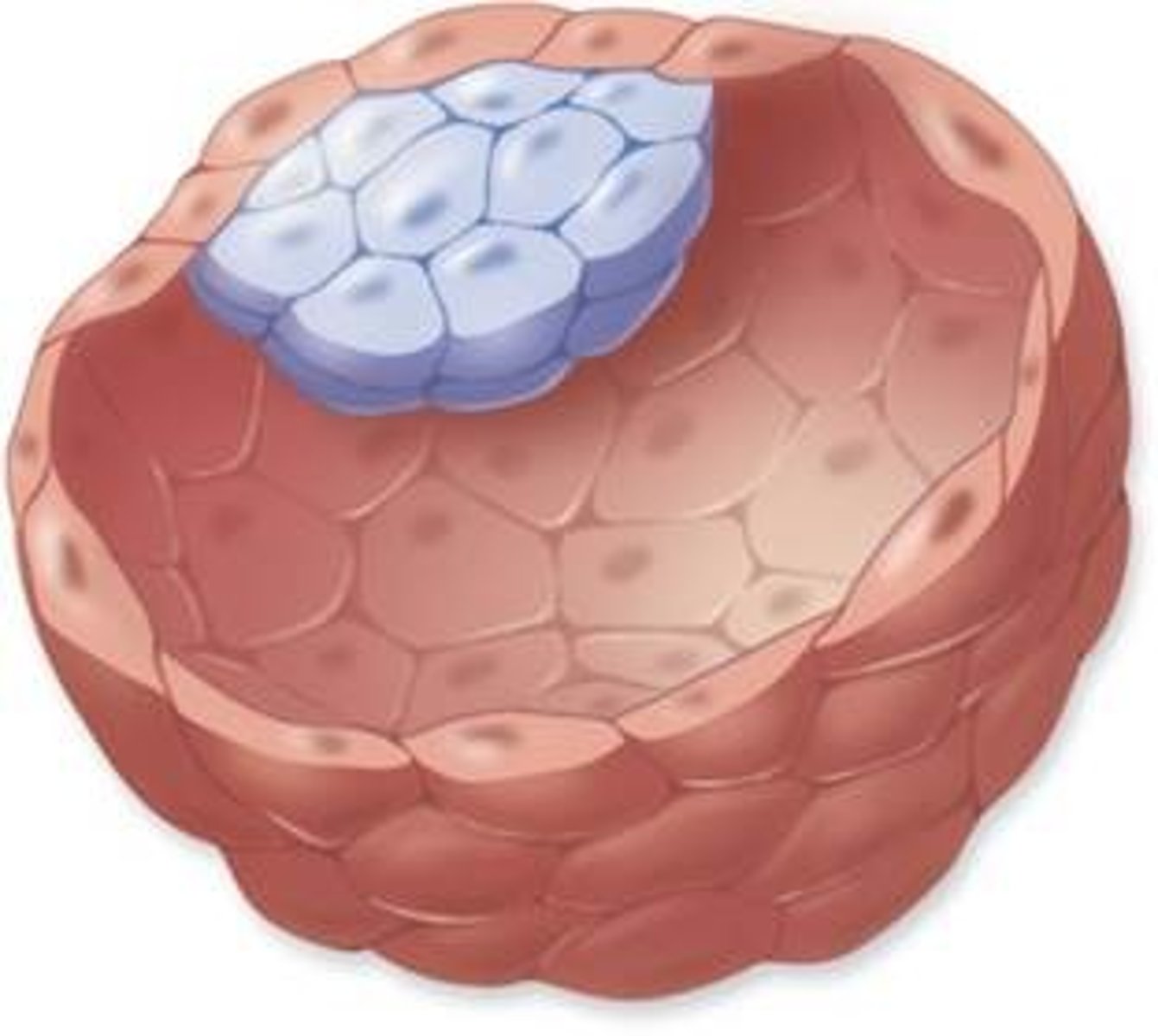
Trophoblast
Outer cell layer of the blastocyst that contributes to placenta formation.
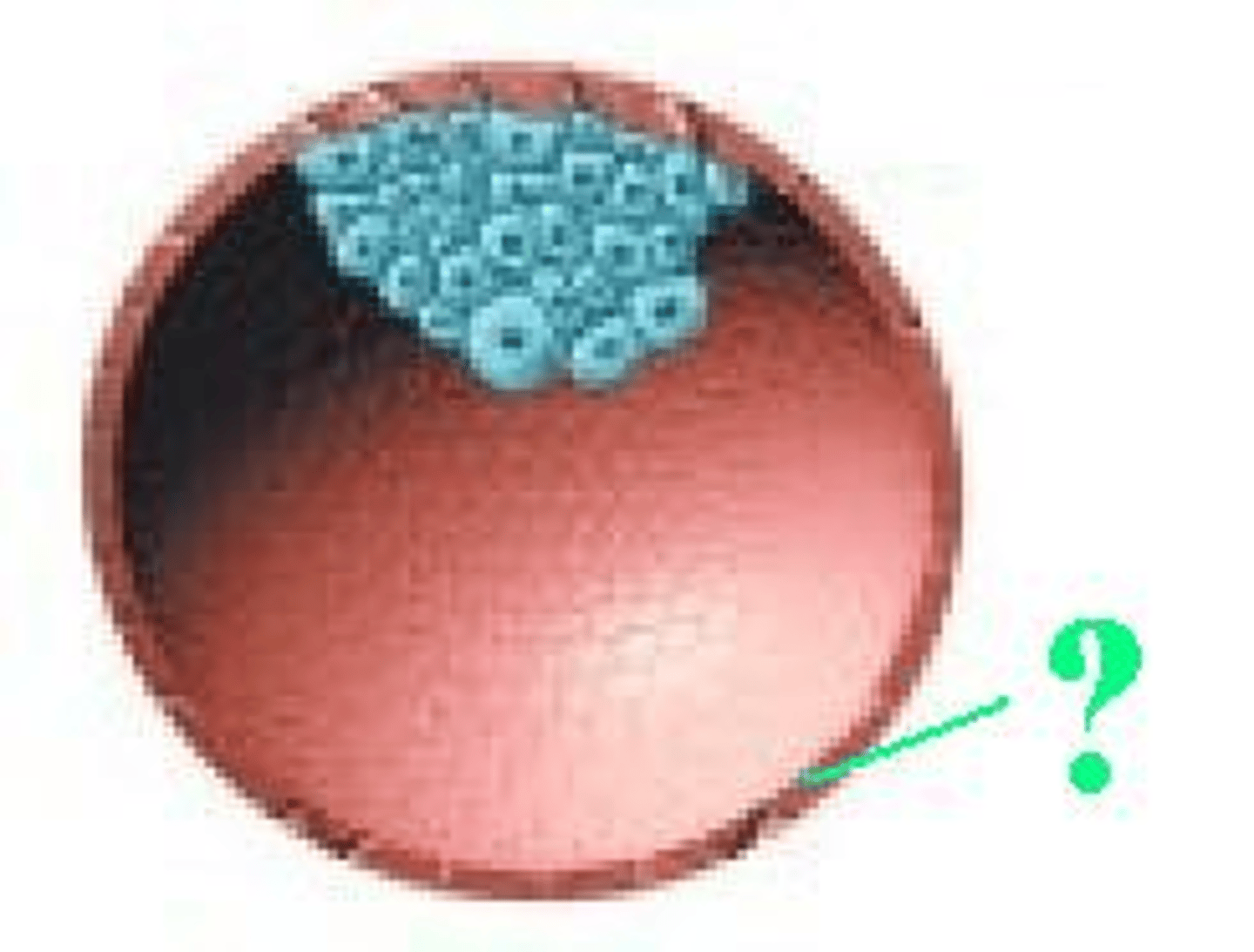
Cytotrophoblast
Inner cellular layer of the trophoblast; contributes to chorion and placenta.
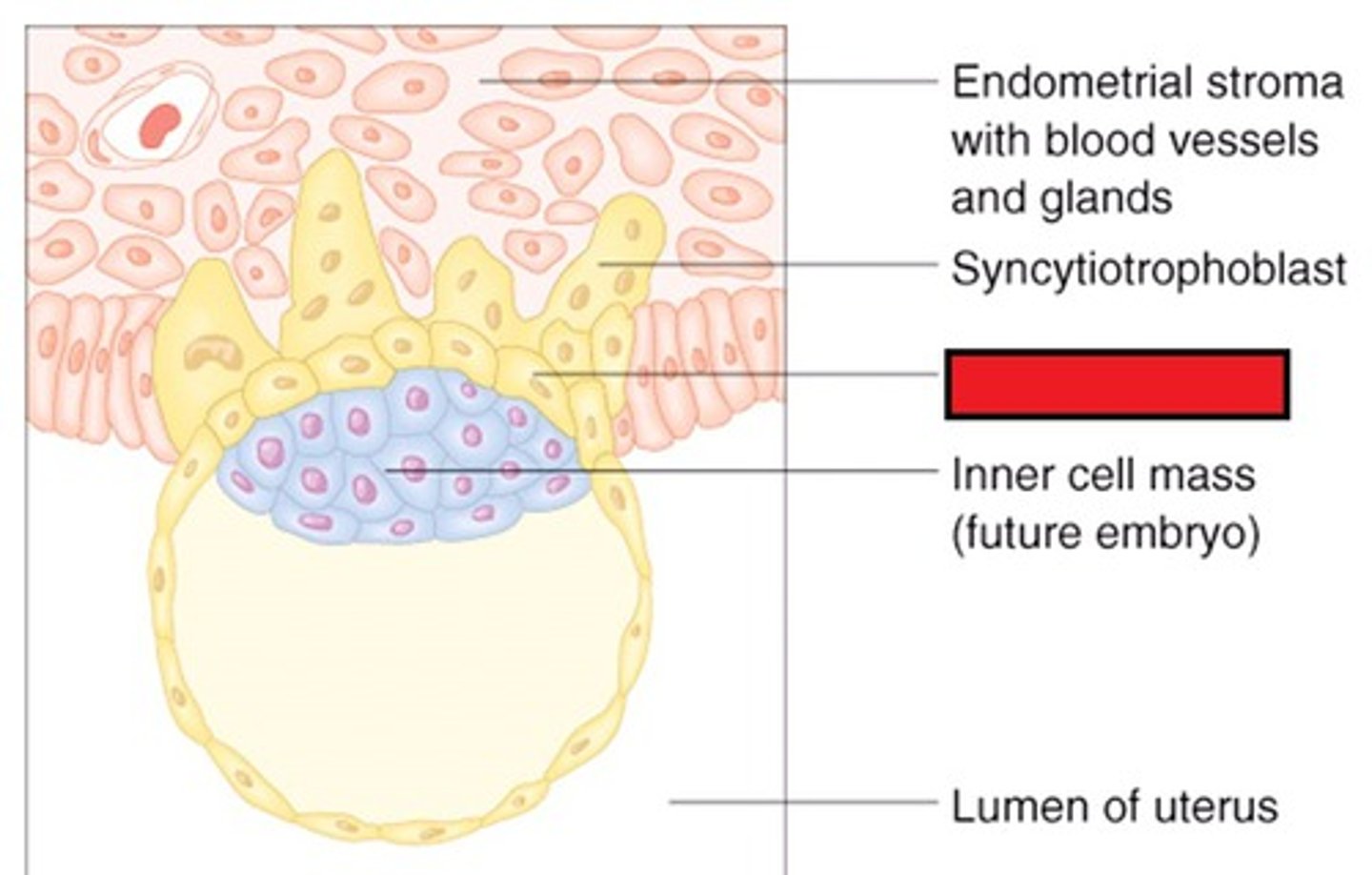
Chorion
Extraembryonic membrane derived from trophoblast layers; forms part of placenta.
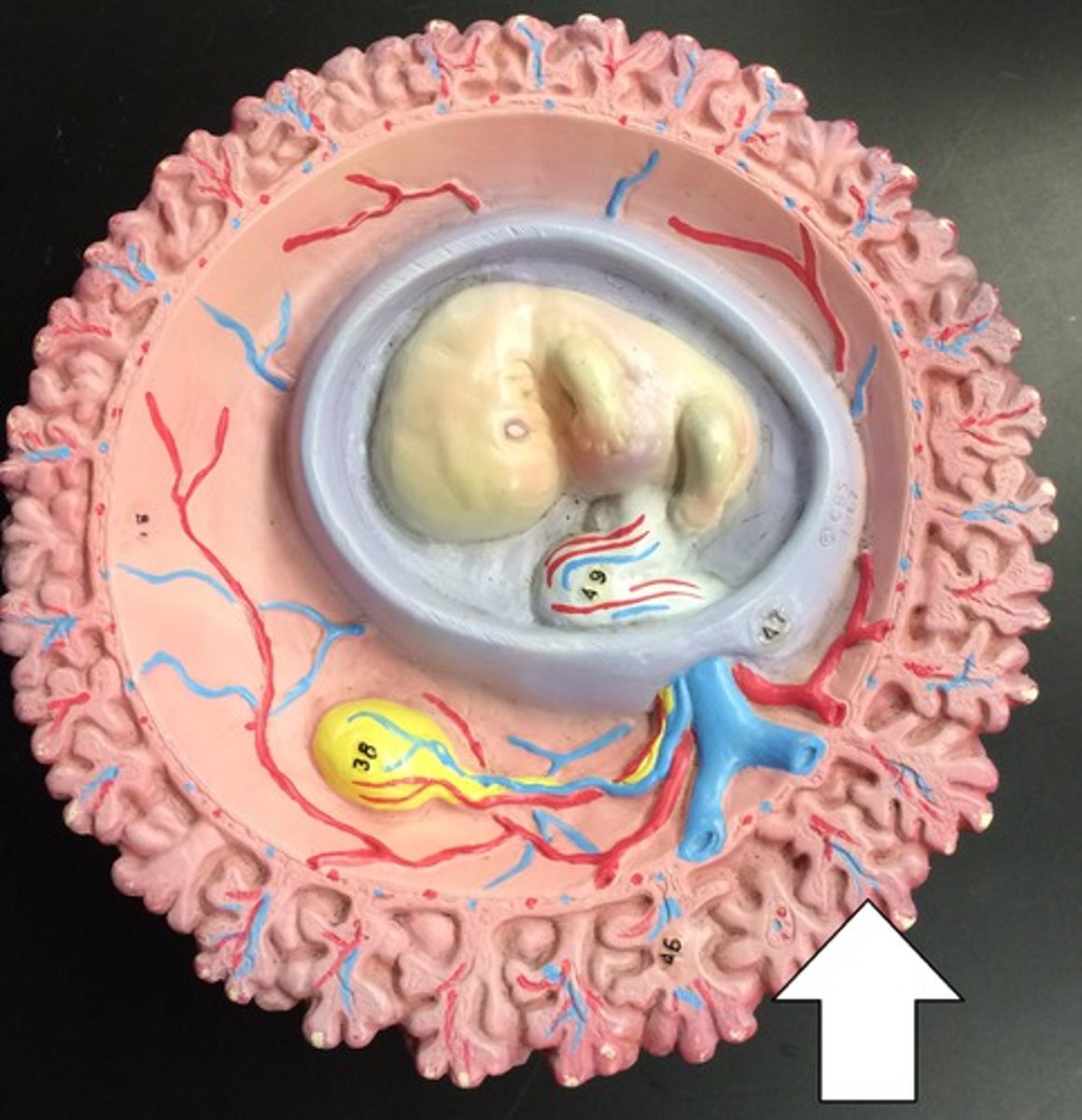
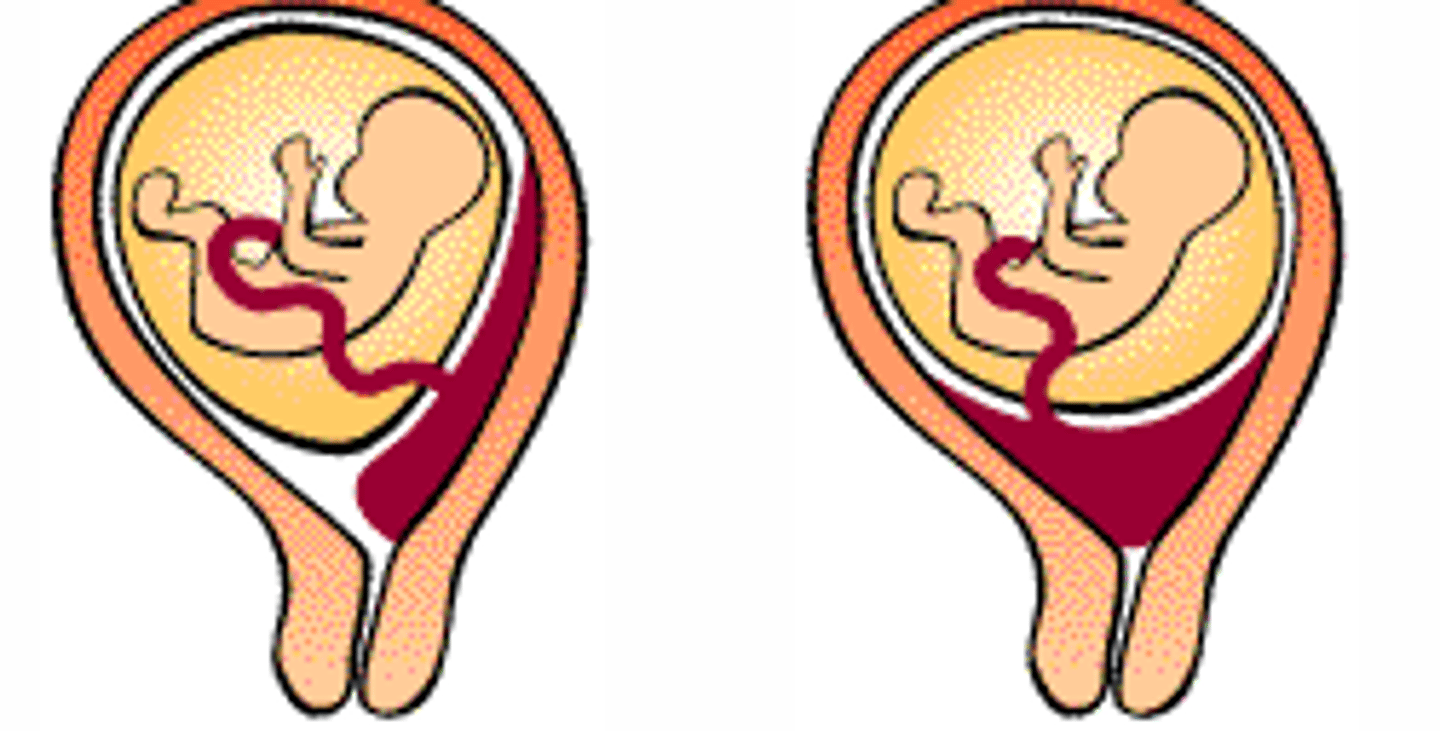
Placenta
Organ facilitating nutrient, gas, and waste exchange between mother and embryo/fetus.
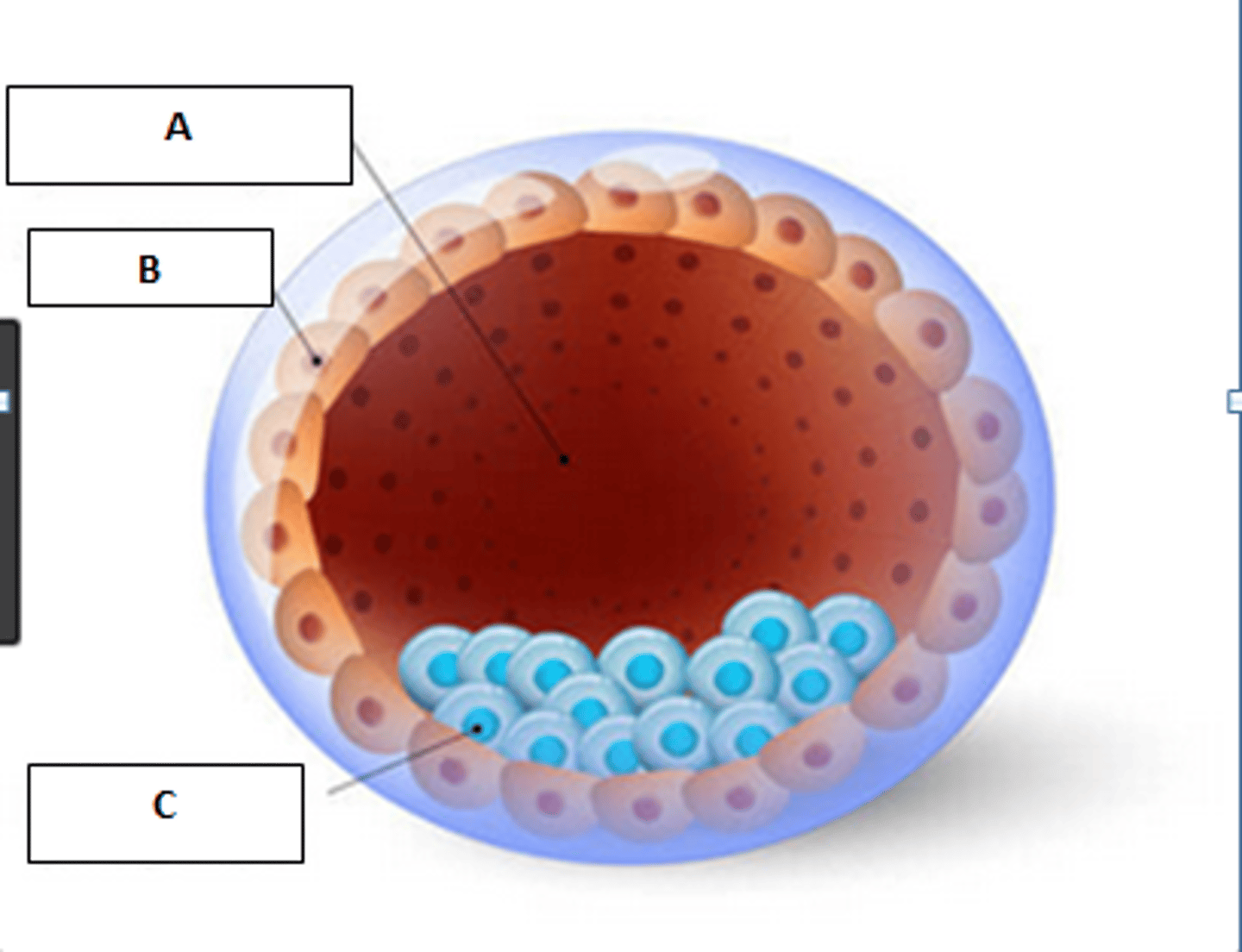
Inner cell mass (Embryoblast)
Cluster of cells inside the blastocyst that becomes the embryo proper. (c)
Bilaminar disc
Two-layered structure formed from embryoblast, consisting of epiblast and hypoblast.
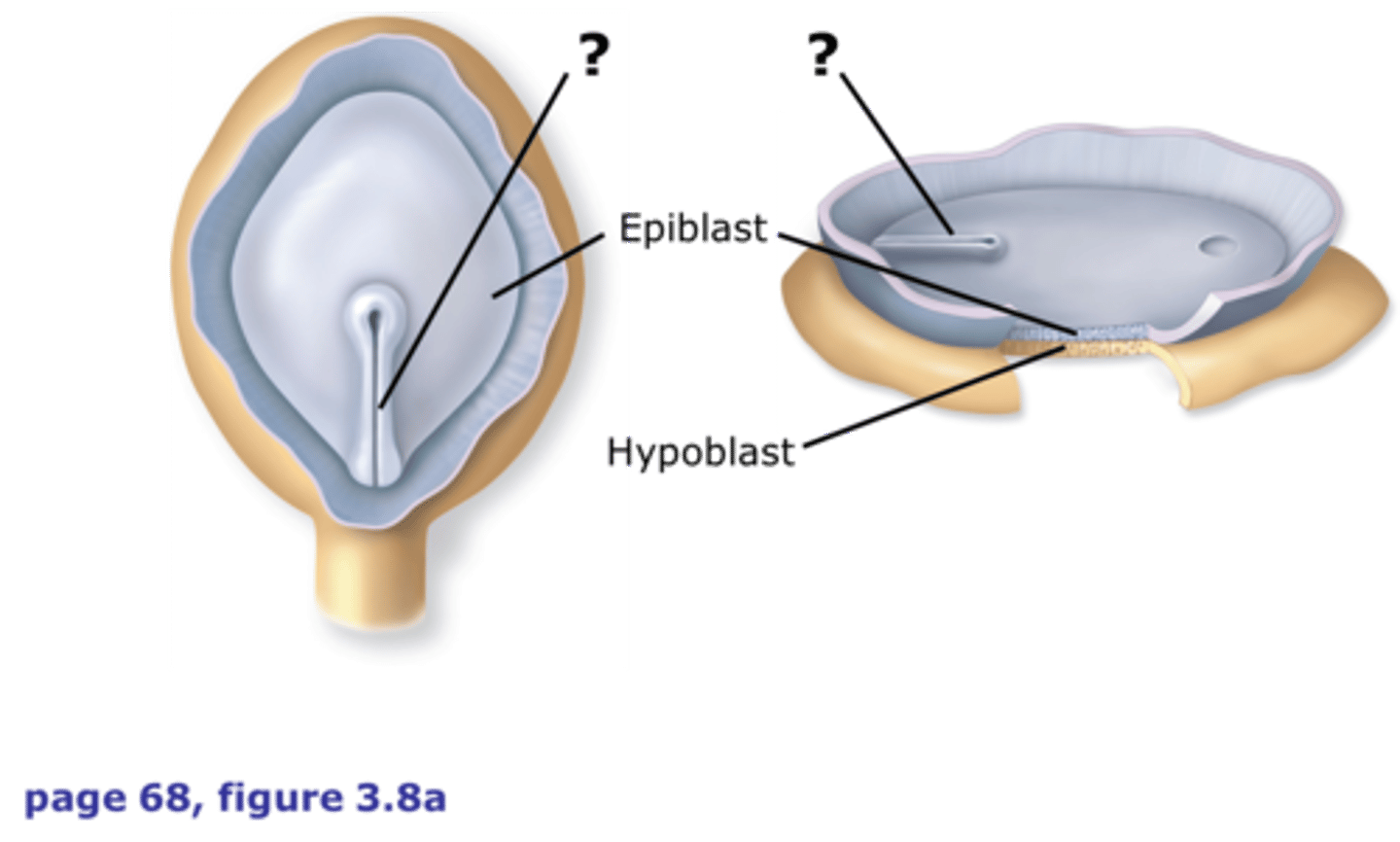
Epiblast
Upper layer of bilaminar disc; gives rise to all three germ layers.
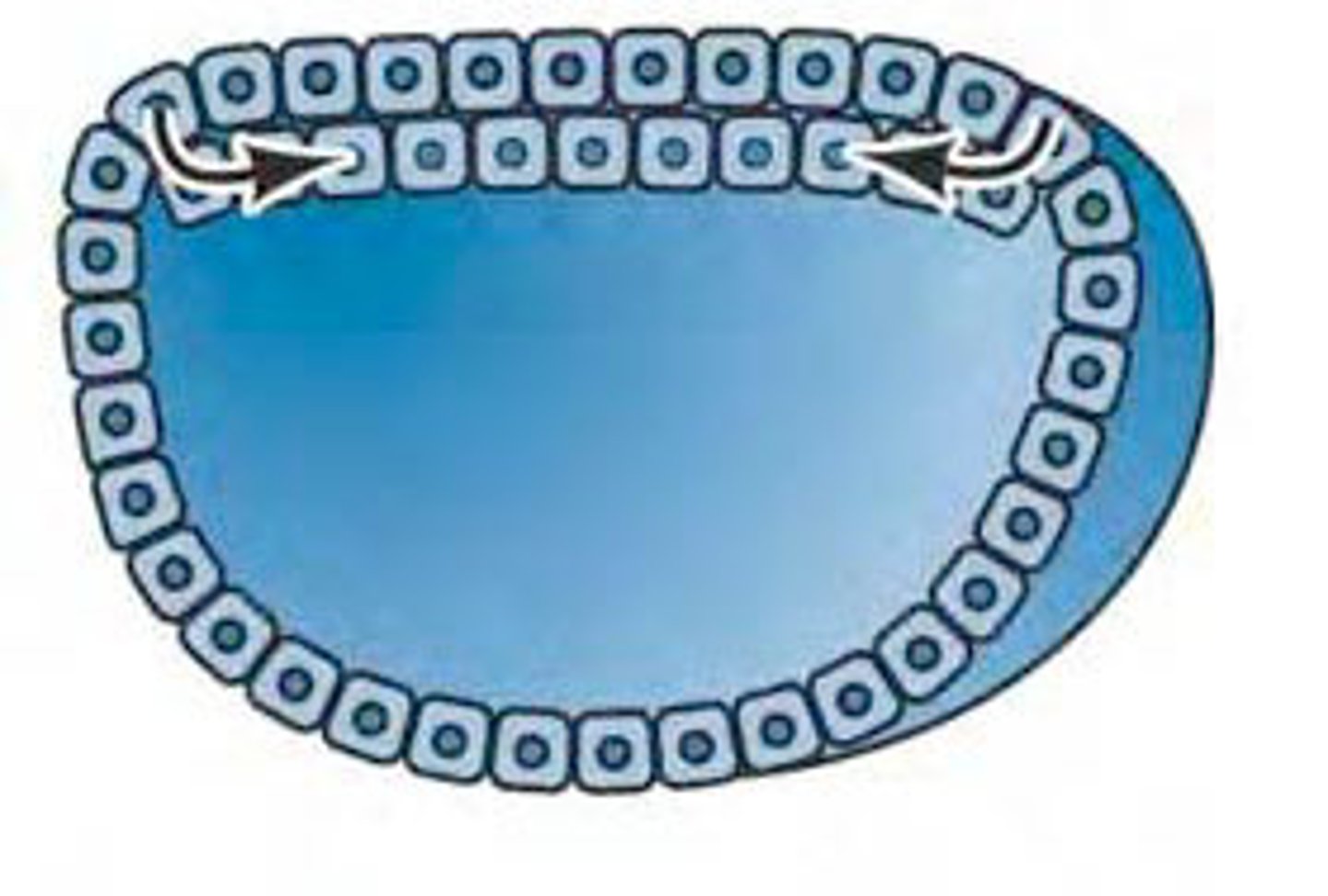
Hypoblast
Lower layer of bilaminar disc; contributes to extraembryonic tissues like yolk sac. (b)
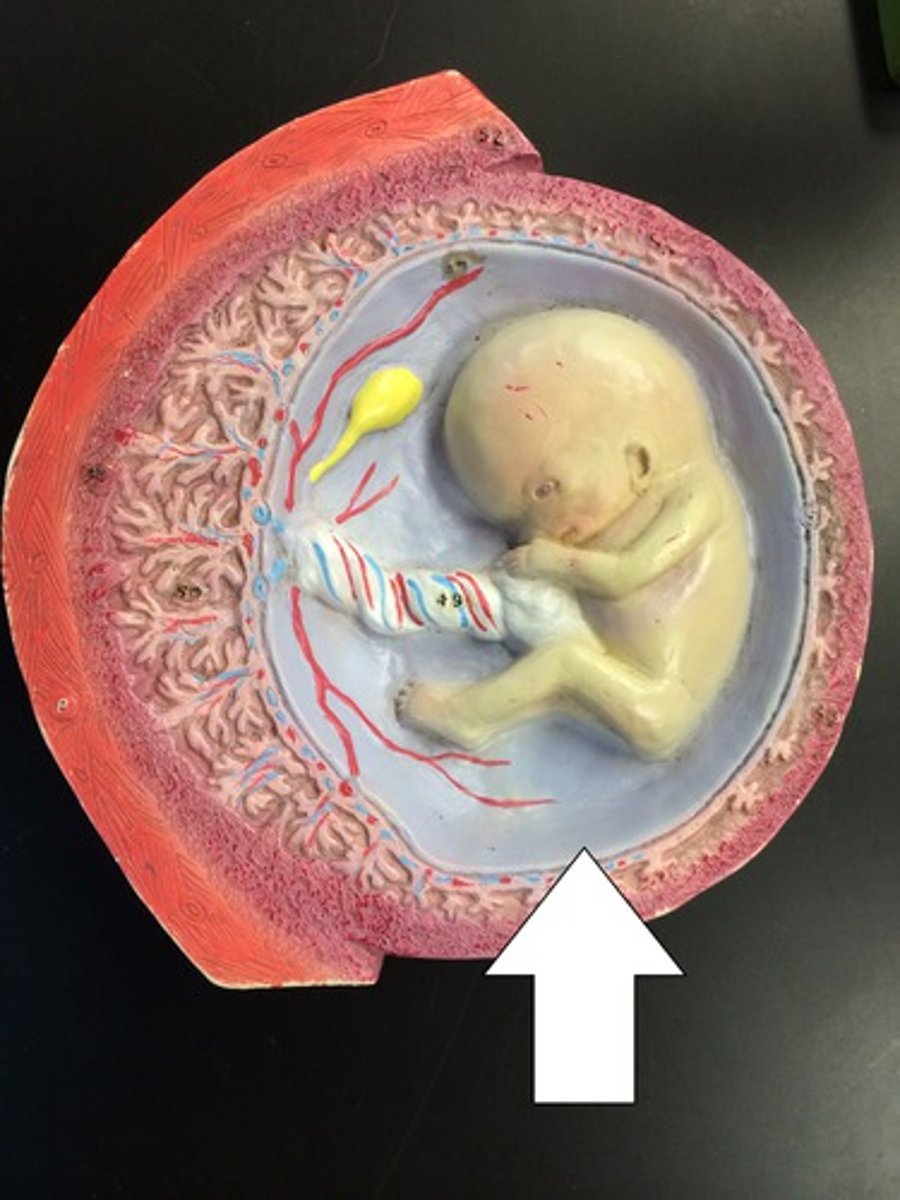
Amnion
Membrane derived from epiblast that surrounds the embryo in amniotic fluid.
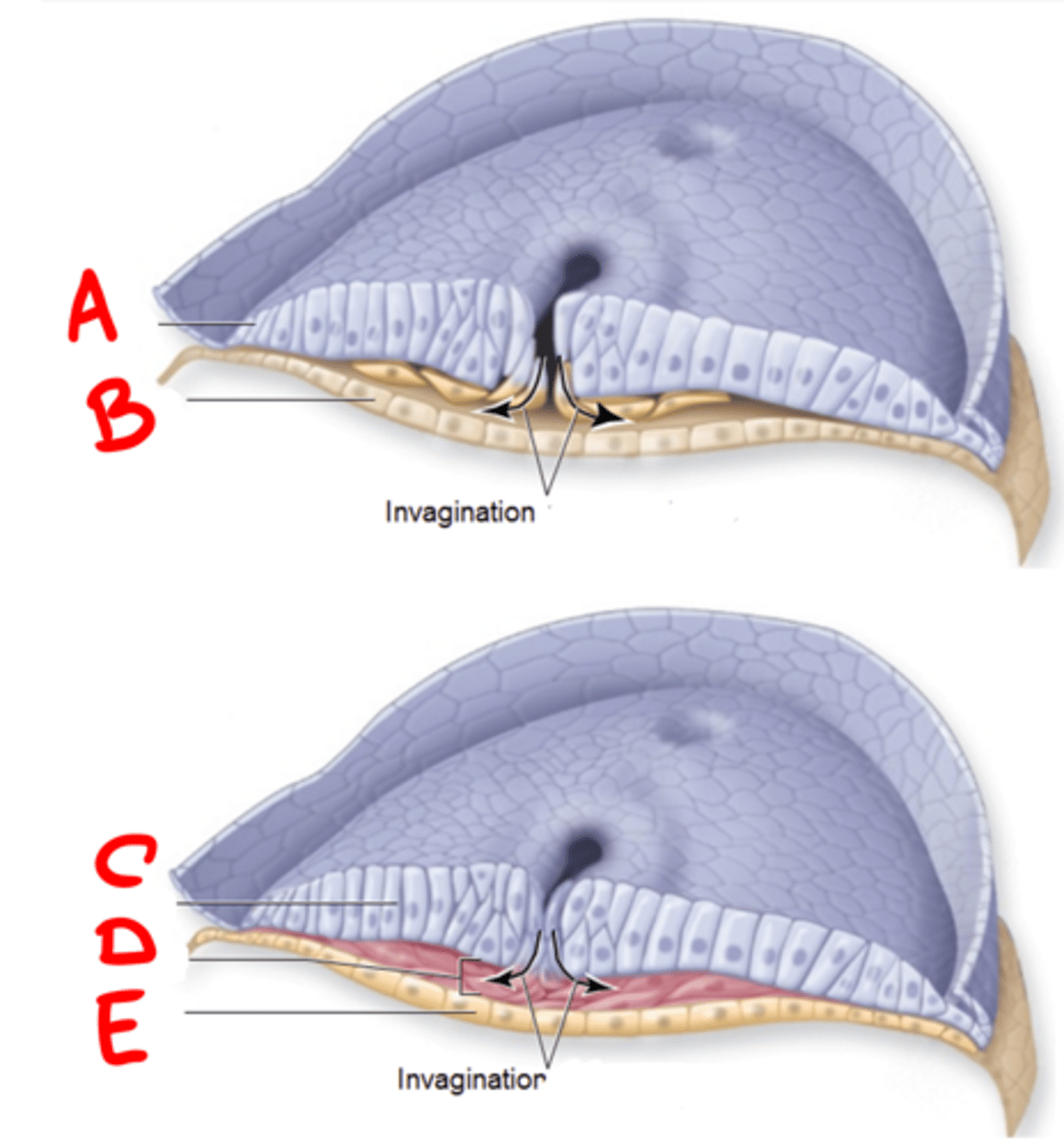
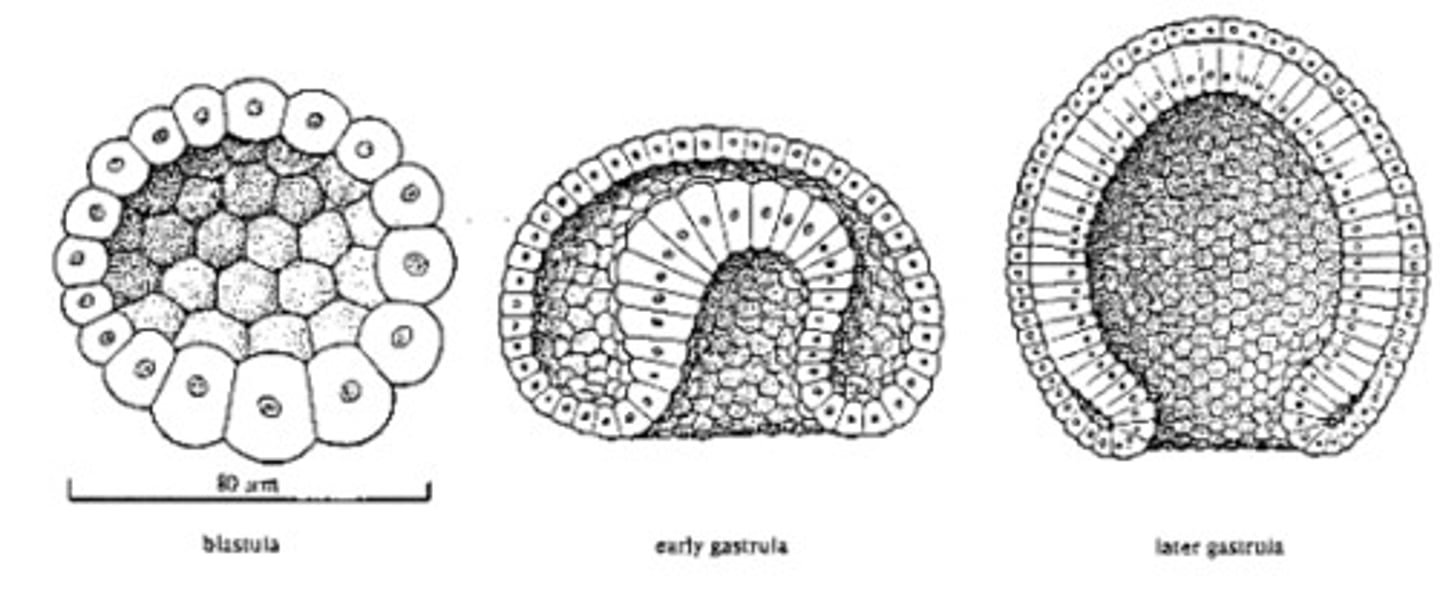
Gastrulation
Process where the epiblast forms three primary germ layers.
Ectoderm
Germ layer that forms skin, nervous system, and sensory organs. (a)
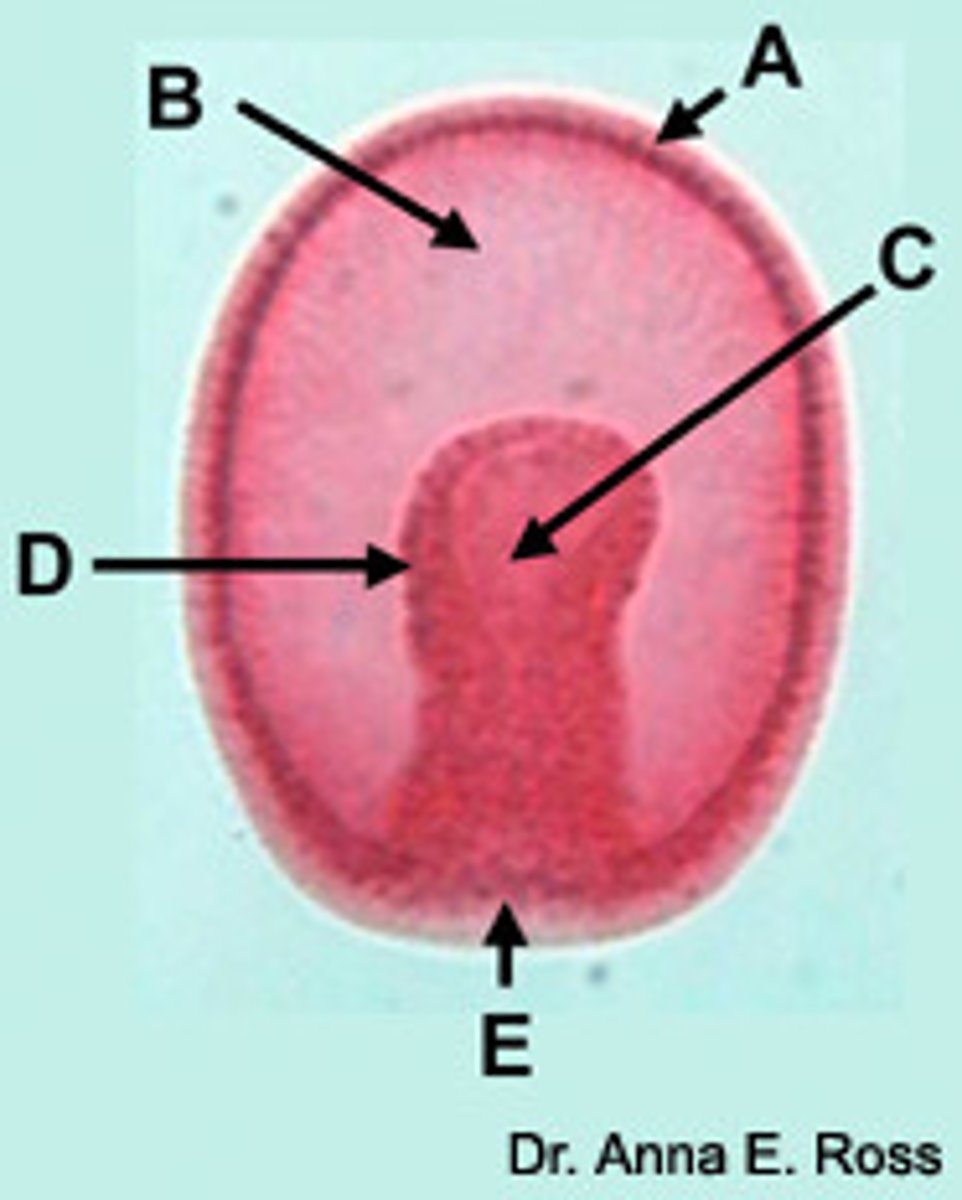
Mesoderm
Germ layer forming muscle, bone, blood, kidneys, and connective tissues.
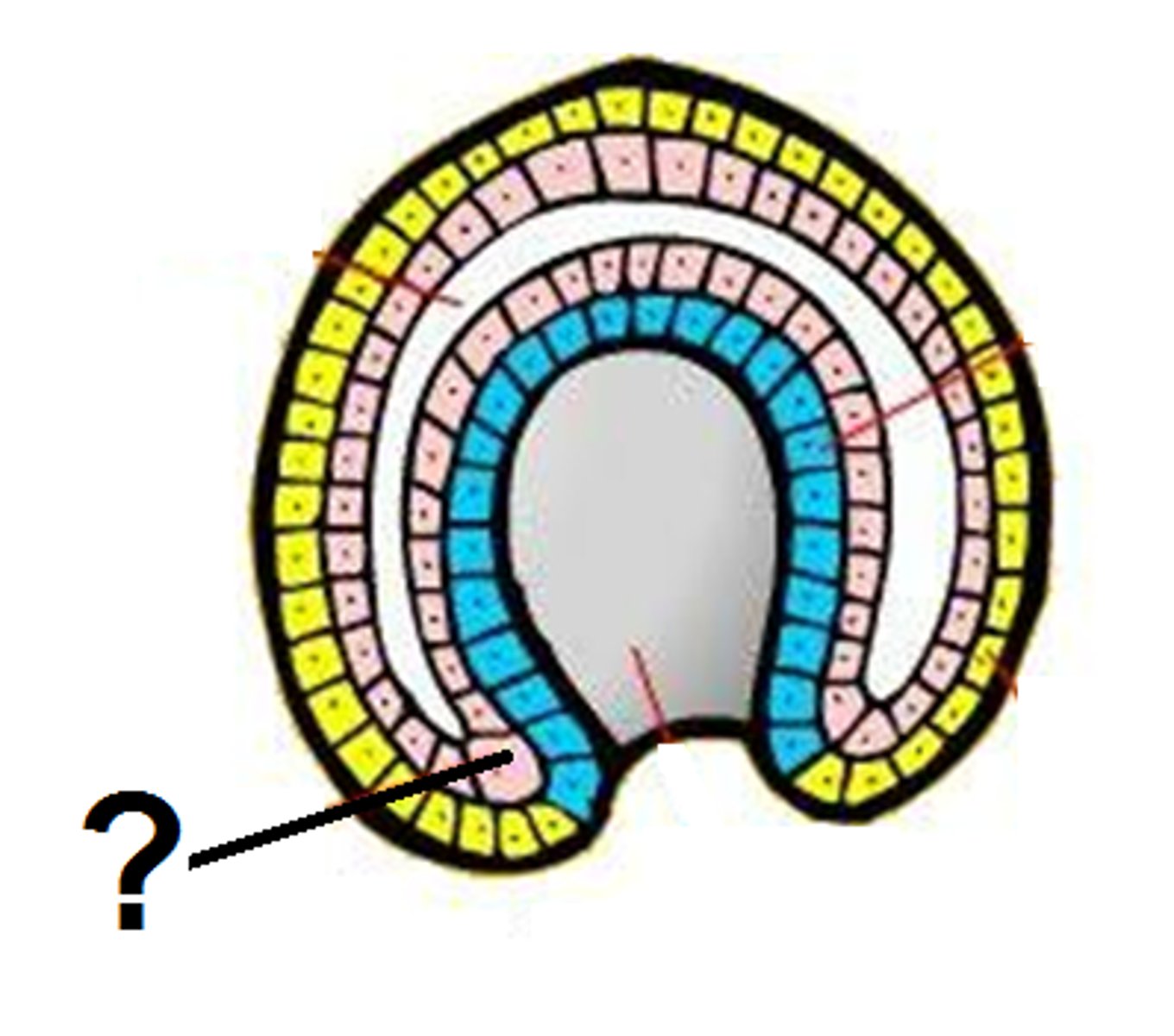
Endoderm
Germ layer forming digestive/respiratory tract linings and associated organs. (c)
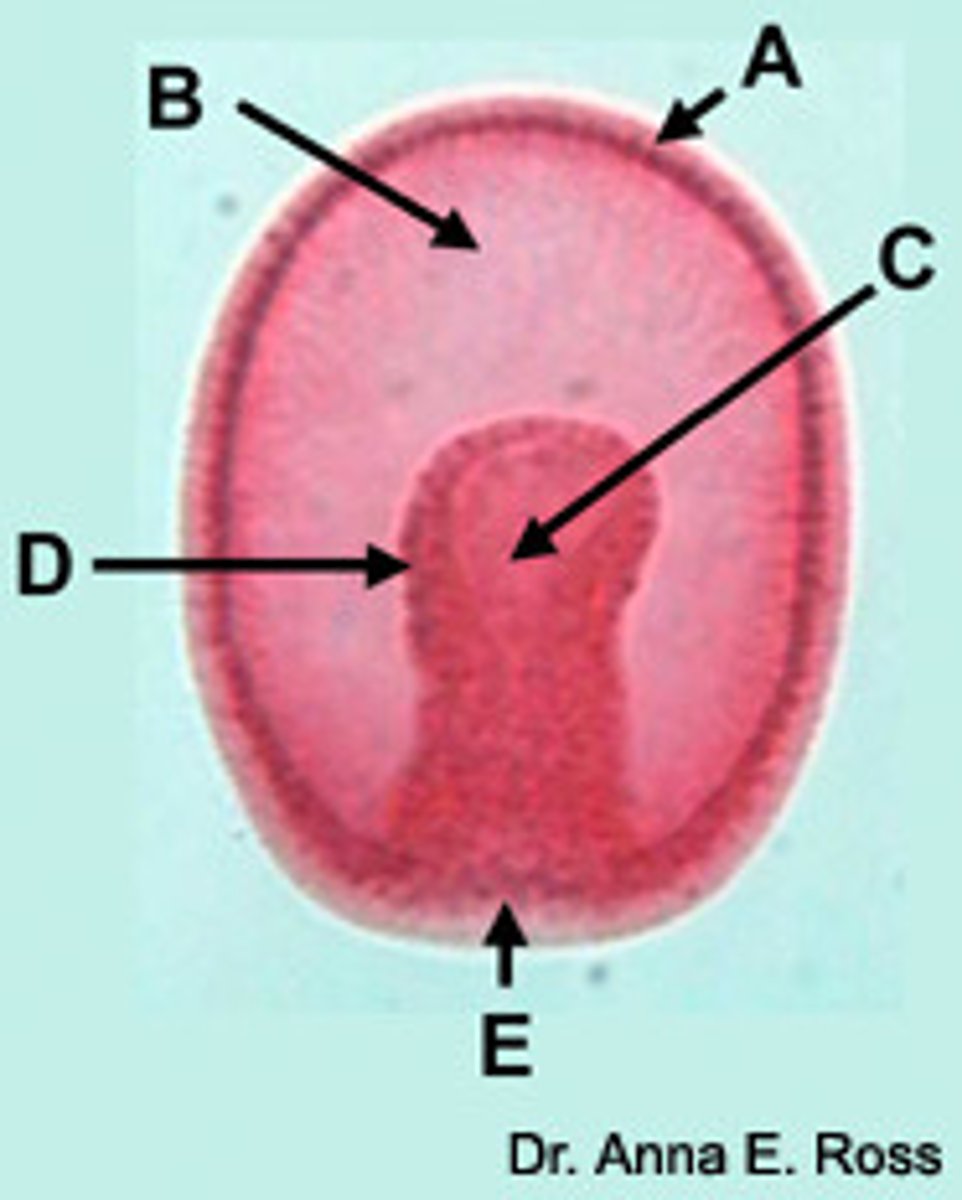
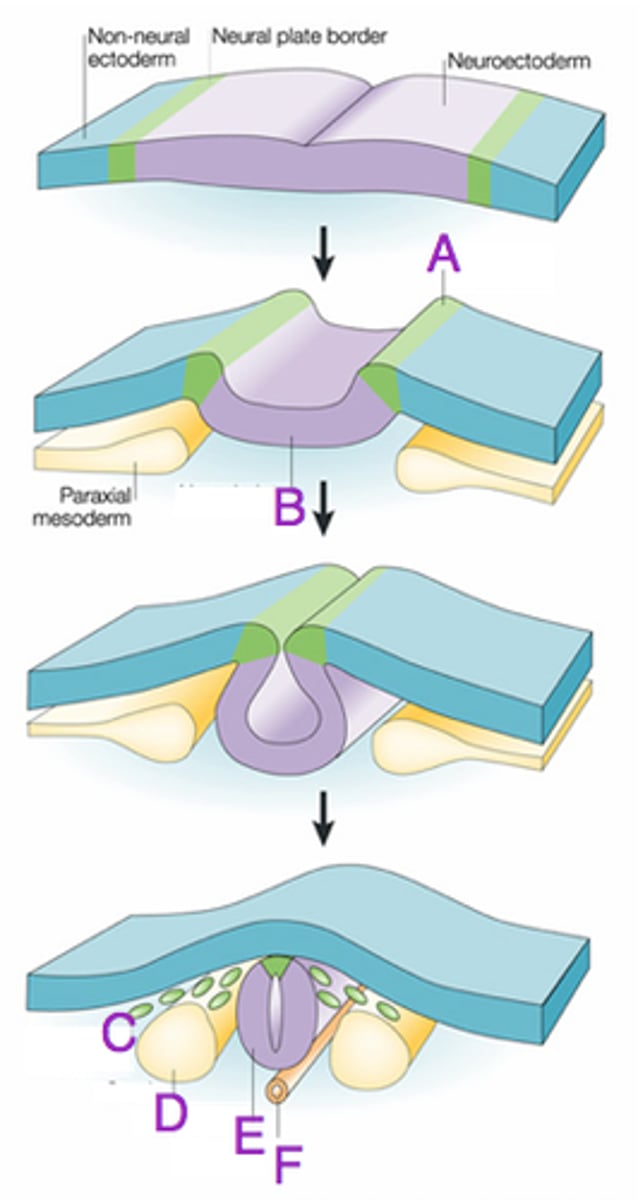
Neurulation
Process by which the ectoderm forms the neural tube.
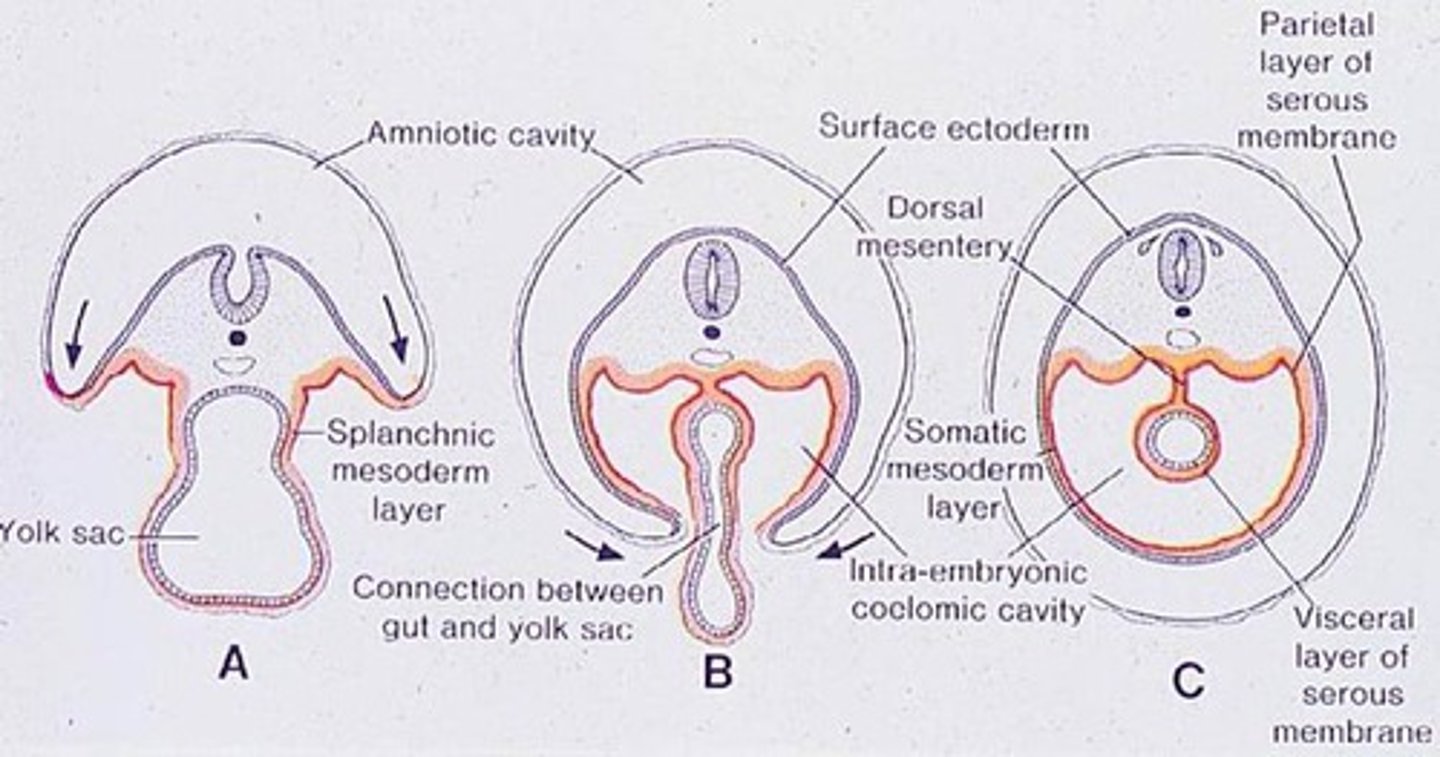
Transverse folding
Lateral folding that transforms the flat embryo into a cylindrical body shape.
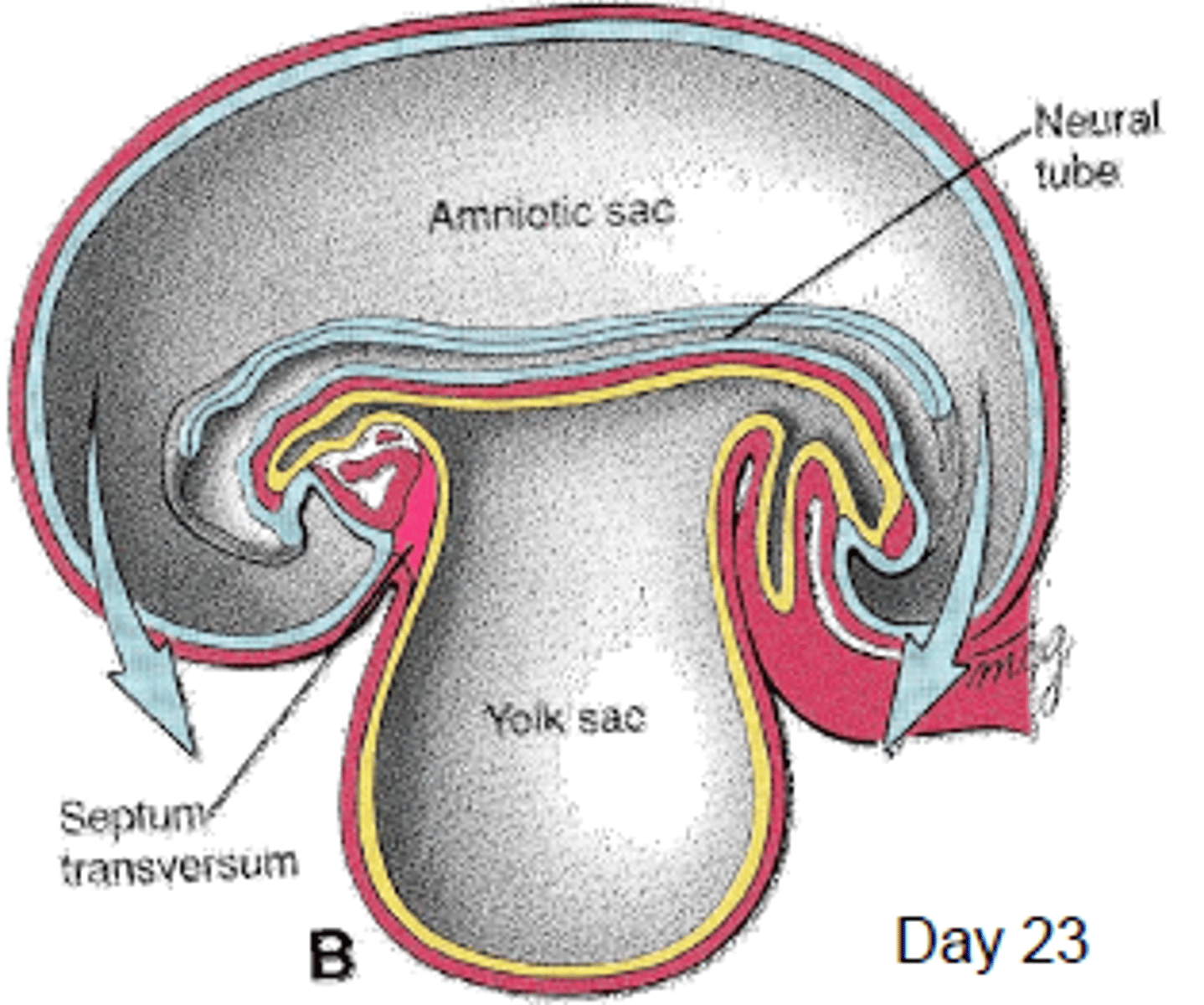
Cephalocaudal folding
Head-to-tail folding that establishes basic body plan and positions organs.
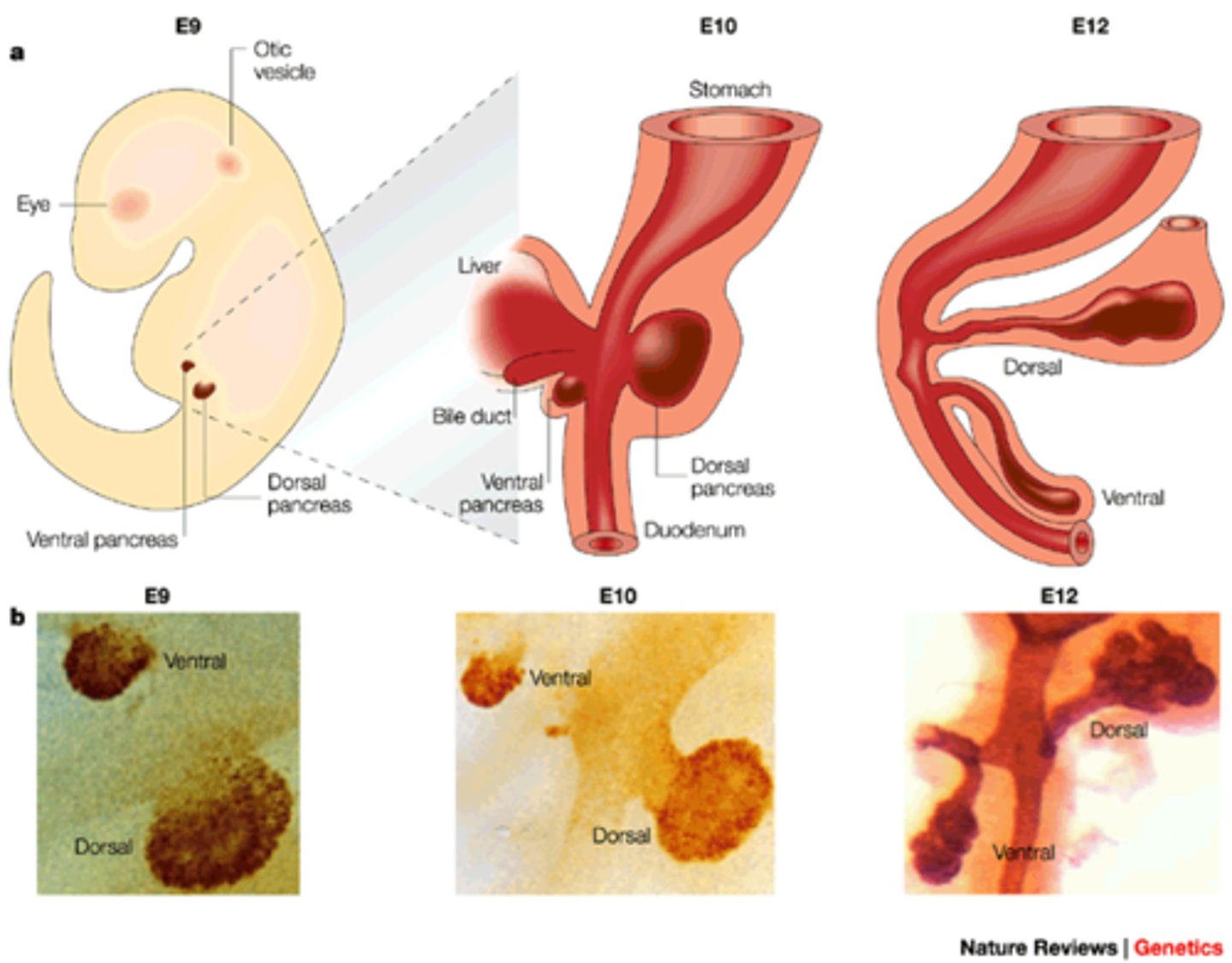
Organogenesis
Formation of organs from the three germ layers during weeks 3-8.
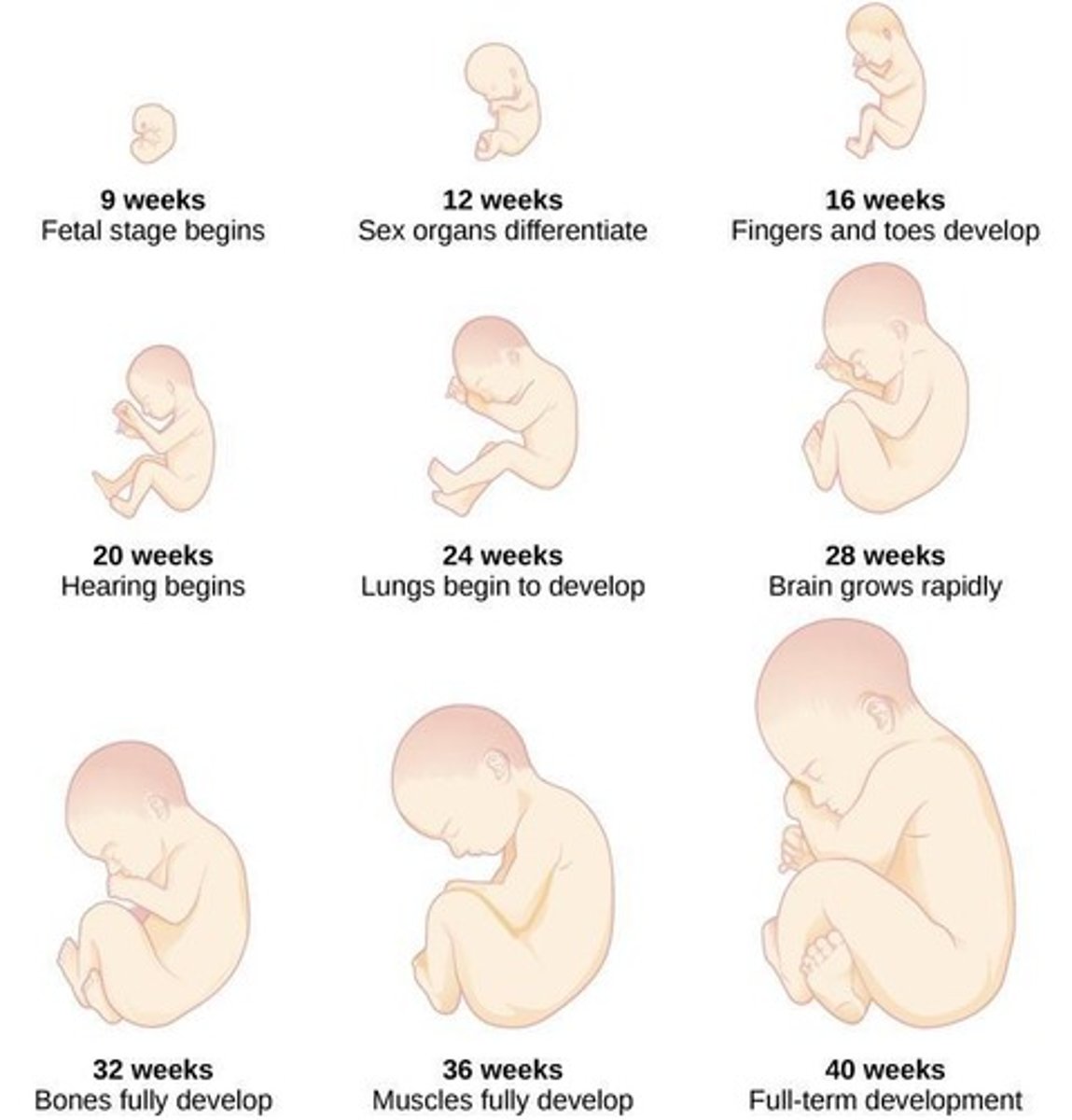
Fetal period
Period starting at week 9 characterized by growth and maturation.
Birth defects
Structural or functional abnormalities present at birth.
Teratogens
Environmental agents (drugs, chemicals, infections) that cause birth defects.
Critical periods
Time windows when organs are most vulnerable to teratogens (weeks 3-8).