AH Biology 1.2 Proteins
 Call Kai
 Learn
Learn Practice Test
 Spaced Repetition
 Match
Match Flashcards
 Knowt Play
1/34

There's no tags or description
Looks like no tags are added yet.
Name | Mastery | Learn | Test | Matching | Spaced | Call with Kai | Chat |
|---|
No analytics yet
Send a link to your students to track their progress
35 Terms
Proteome
The entire set of proteins expressed by a genome
Larger than the genome as multiple proteins can be produced from a single gene as a result of alternative RNA splicing and PTM
Non-coding RNA genes
Genes that are transcribed to produce tRNA, rRNA and other RNA molecules that control the expression of other genes
(genes that are not expressed as proteins)
The set of proteins expressed by a given cell type is affected by
Cellular stress
Healthy vs diseased cells
Response to signaling molecules
Metabolic activity of the cell - cell function

Eukaryotic cells have a system of internal membranes, which increases the total area of membrane
Endoplasmic reticulum
Forms a network of membrane tubules continuous with the nuclear membrane
rough ER has ribosomes
smooth ER synthesizes lipids
Cells that synthesize and release lots of proteins have a large amount of ER as they need larger surface area of internal membrane (e.g. liver/pancreas cells)
Gogli apparatus
A series of flattened membrane discs
Lysosomes
Membrane-bound organelles containing a variety of hydrolases that digest:
proteins
lipids
nucleic acid
carbohydrates
This membrane bilayer prevents hydrolases inside the lysosomes from destroy the cell
Vesicles
Transport materials between membrane compartments
(small spheres of membrane)
Membrane is made out of two main components
Lipids
Proteins
Lipids are synthesized in the smooth ER and inserted into its membrane
The components for lipids are floating in the cytosol
Cytosolic proteins
Proteins for nucleus, mitochondria, chloroplast etc
Synthesis start and end in the cytosol
Remain in the cytosol
Transmembrane proteins
Carry a signal sequence [short strand of amino acids at one end of the polypeptide that determines the eventual location of the protein]
Signal sequence halts translation and direct the ribosome to dock with the ER forming rough ER, before resuming translation
Membrane protein is inserted into the membrane of the ER
Secreted protein enter the lumen of the ER
Post-Translational Modification
Addition of chemical groups in the Golgi apparatus
Proteolytic cleavage after the protein leaves the cell
Addition of chemical groups in the Golgi apparatus
Proteins in the ER are transported by vesicles that bud off from the ER and fuse with the Golgi apparatus
Molecules move through the golgi discs in vesicles that bud off from the last disc and fuse with the next one
They undergo PTM catalysed by enzymes while moving through the discs (e.g. addition of a carbohydrate - adding various sugars in multiple steps to form a carbohydrate)
Vesicles leaving the apparatus may…
carry proteins to the plasma membrane and lysosomes
move along microtubes to fuse with other membranes
Proteolytic cleavage (for secreted proteins)
Secreted proteins are packaged into secretory vessels which fuse with the plasma membrane, releasing proteins out of cell
Many secreted proteins are synthesised as inactive precursors and require proteolytic cleavage to become acive proteins (e.g. digestive enzymes) [usually involves removing parts of the proteins]
R groups of amino acids vary in
Size
Shape
Charge
Chemical reactivity
Hydrogen bonding capacity
Amino acids are classified according to their R groups
hydrophobic
polar*
acidic* (-)
basic* (+)
*hydrophilic
Levels of proteins structure
Primary structure
Secondary structure
Tertiary structure
Quaternary structure
Primary structure
The sequence in which amino acids are synthesised into the polypeptide
Secondary structure
Arise from hydrogen bonding along the backbone of the polypeptide
Alpha helices
Beta-pleated sheet [parallel/anti-parallel]
Turns
Tertiary structure
Further folding of the polypeptide stabilised by interactions between R groups:
Hydrophobic interactions
Hydrogen bonds
Ionic bonds
London Dispersion Forces
Disulfide bridge (covalent bond between R groups containing sulfur)
Quaternary structure
Exists in proteins with multiple connected polypeptide subunits (e.g. haemoglobin)
Prosthetic groups
Non-protein unit tightly bound to a protein
necessary for its function
Factors affecting R groups interaction in proteins
pH →
ionic interaction between charged R groups are lost when pH increase/decrease from the optimum
temperature →
disrupt interactions between R groups causing unfolding of protein [denature]
Ligand
A substance that can bind to a protein
R groups not involved in protein folding form binding sites that have complementary shape and chemistry to the ligand
Ligand bind → conformation change → function change
Allosteric enzymes
Enzymes whose activity is regulated by changing its conformation
active site → substrate
allosteric site → ligand [modulators]
Modulator bind → conformation change → affinity change
Positive modulators increase the active site’s affinity for substrates
Negative modulators reduce the enzyme’s affinity for substrates
Co-operativity
= changes in binding at one subunit alter the affinity of the remaining subunits
Most allosteric proteins have quaternary structure & show cooperativity in binding. (e.g. haemoglobin)
When an oxygen bind to a haem group
Affinity of other haem groups for oxygen increase
→ easier to gain oxygen
When an oxygen is released by a haem group
Affinity of the other haem groups for oxygen decrease
→ easier to lose oxygen
Haemoglobin hold more oxygen in a high oxygen environment (lungs) and hole less oxygen in a low oxygen environment (tissues)
Exercise increase body temp and produce CO2, acidifying the blood
→ high temp + low pH
→ haemoglobin’s affinity for oxygen decrease
→ release more oxygen into tissues
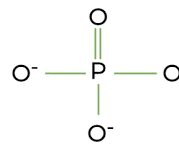
The addition/removal of phosphate (a form of PTM) can cause reversible conformational changes in proteins which affect their activity.
Adding a phosphate group adds -ve charges which affect ionic interactions in proteins
The activity of many cellular proteins [enzymes/receptors] are regulated by activating/inhibiting them using phosphorylation
Protein kinase → phosphorylate
Catalyse the transfer of the terminal phosphate of ATP to (specific R groups in) other proteins
Phosphatase → dephosphorylate
Catalyse the removal of a phosphate group from proteins