Blood Vessels Traits and Measuring Heart Rate
 Studied by 1 person
 Call Kai
 Learn
Learn Practice Test
 Spaced Repetition
 Match
Match Flashcards
 Knowt Play
1/37

There's no tags or description
Looks like no tags are added yet.
Name | Mastery | Learn | Test | Matching | Spaced |
|---|
No study sessions yet.
38 Terms
Arteries: lumen width
narrow/small
Arteries: direction of flow
away from heart
Arteries: number of layers
3 layers
Arteries: muscles
thick (circular and longitudinal)
Arteries: valves
no valves
Arteries: blood pressure
high blood pressure
Arteries: fenestrations (pores)
no pores
Arteries: diagram→ identify A and B
A: thick muscle
B: small lumen
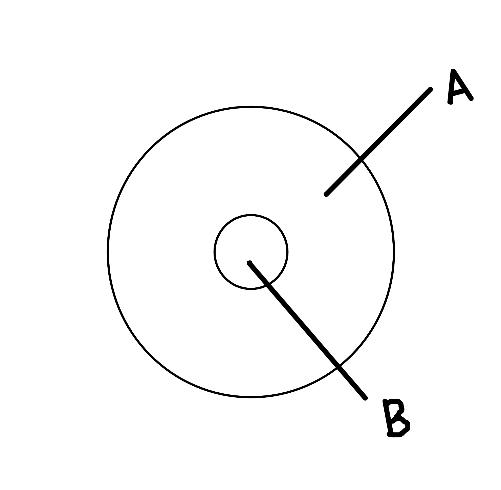
Examples of arteries
Renal artery (kidney), Hepatic artery (liver), and Pulmonary artery (lungs)
Vein: lumen
wide/large
Vein: direction of flow
towards the heart
Vein: number of layers in wall
3 layers
Vein: muscles
thin muscle, flexible (rely on skeletal muscle)
Vein: valves
yes, cup valves
What is the purpose of cup valves?
prevent back flow of blood
Vein: blood pressure
low blood pressure
Veins: fenestrations (pores)
no pores
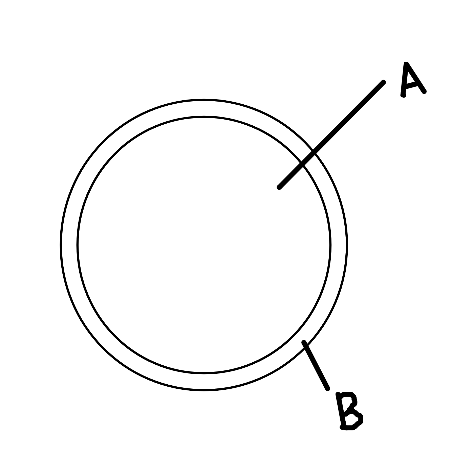
Veins: diagram → identify A and B
A: large lumen
B: thin muscle
What is the purpose of capillaries?
site of gas, nutrient, and waste exchange
Capillaries: lumen
small lumen
Capillaries: direction of flow
connects arteries and veins
Capillaries: number of layers in wall
1 layer (1 cell thick)
Capillaries: muscles
no muscles
Capillaries: valves
no valves
Capillaries: blood pressure
low blood pressure
Capillaries: fenestrations (pores)
pores in the membrane
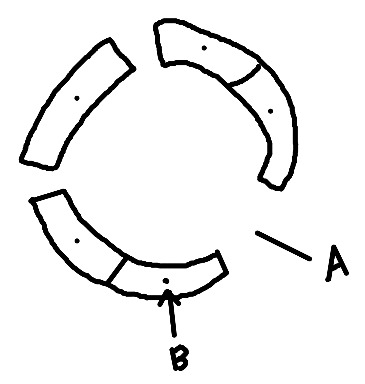
Capillaries: diagram→ identify A and B
A: pore
B: nucleus
What is the unit used for measuring heart rate?
bpm/BPM
What is the unit used for measuring blood pressure?
mmHg
Which blood vessel is used to measure pulse rate?
artery
Where is radial measured? How is it measured?
wrist; count the number of pulses for 15s and multiply by 4
Where is carotid measured? How is it measured?
neck; count the number of pulses for 15s and multiply by 4
What does cardiac cycle equal to?
one heart beat
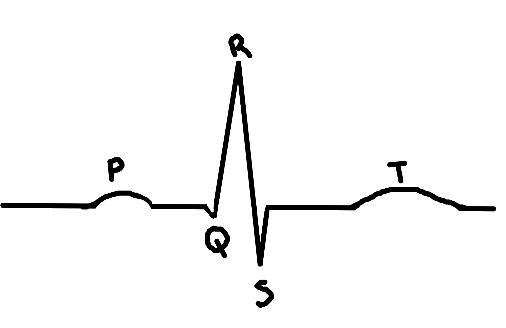
Identify the event during P in the EKG/ECG
atria contracting
Identify the event during QRS in the EKG/ECG
ventricle contracting
Identify the event during T in the EKG/ECG
recovery
What is the purpose of an EKG/ECG?
measures electrical activity of the heart