APWORLD UNIT 6 REVIEW QUESTIONS Diagram | Quizlet
 Call Kai
 Learn
Learn Practice Test
 Spaced Repetition
 Match
Match Flashcards
 Knowt Play
1/86

There's no tags or description
Looks like no tags are added yet.
Name | Mastery | Learn | Test | Matching | Spaced | Call with Kai | Chat |
|---|
No analytics yet
Send a link to your students to track their progress
87 Terms
TERM
A range of cultural, religious, and racial ideologies.
DEFINITION
Served as justifications for imperialism.
TERM
Social Darwinism
DEFINITION
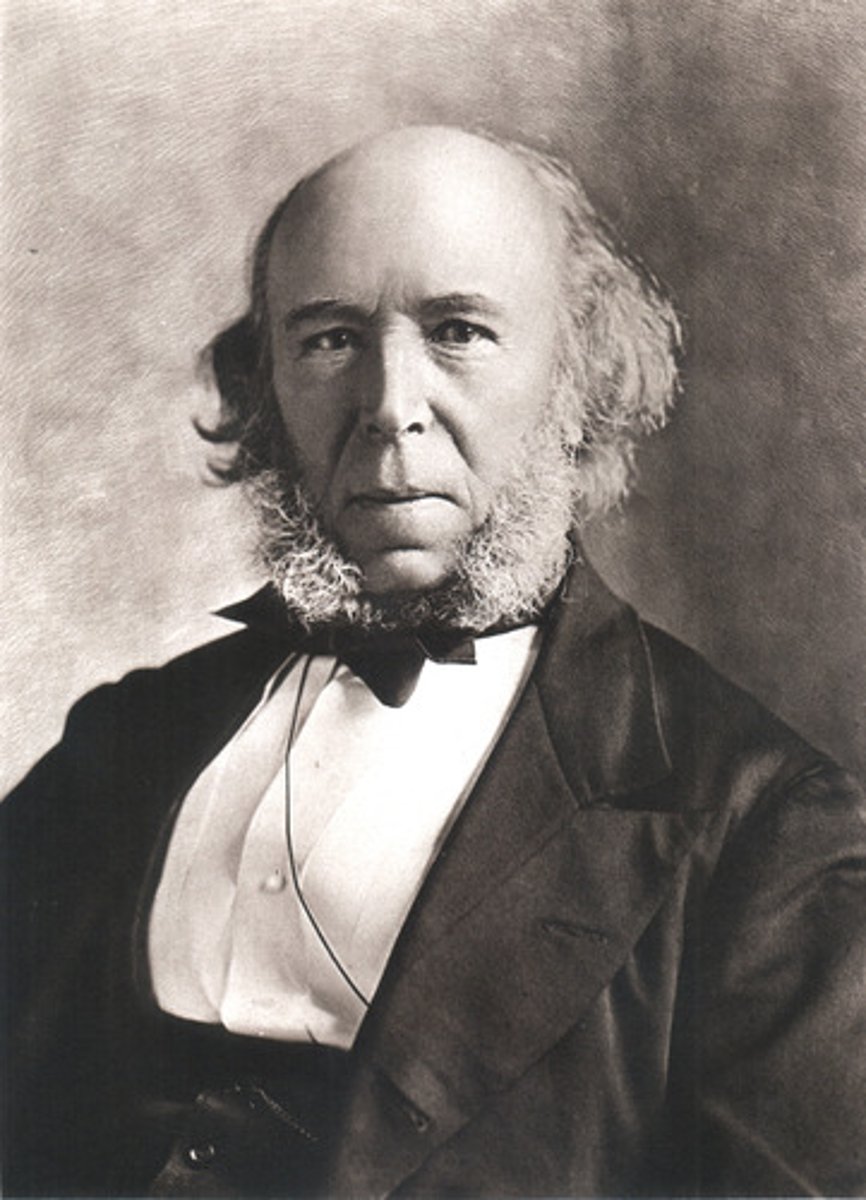
Various theories that applied the biological concepts of natural selection and survival of the fittest to society, economics, and politics; used to justify imperialism.
Nationalism
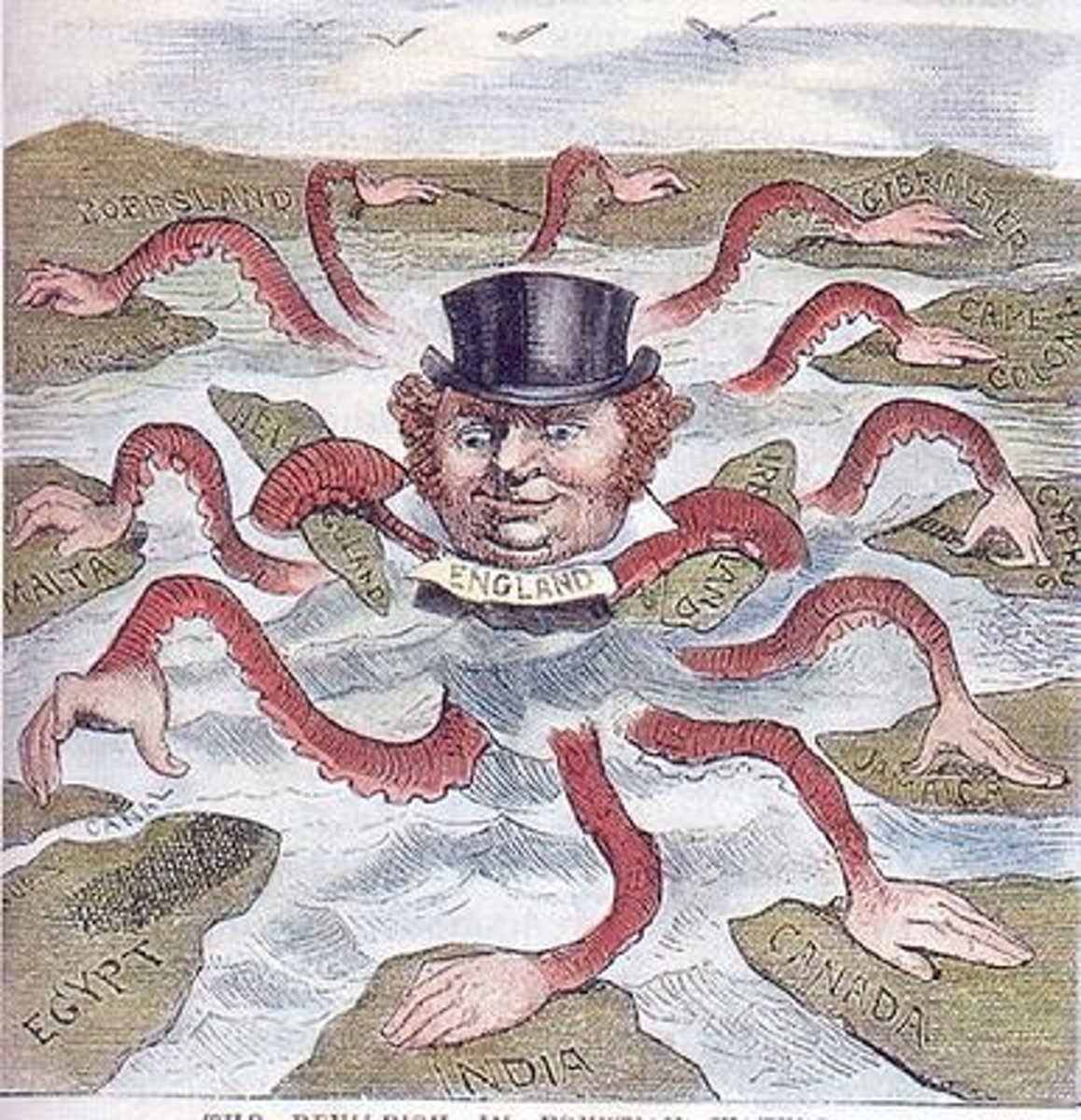
Loyalty and devotion to a particular nationality; used to justify imperialism.

Religious justification for imperialism
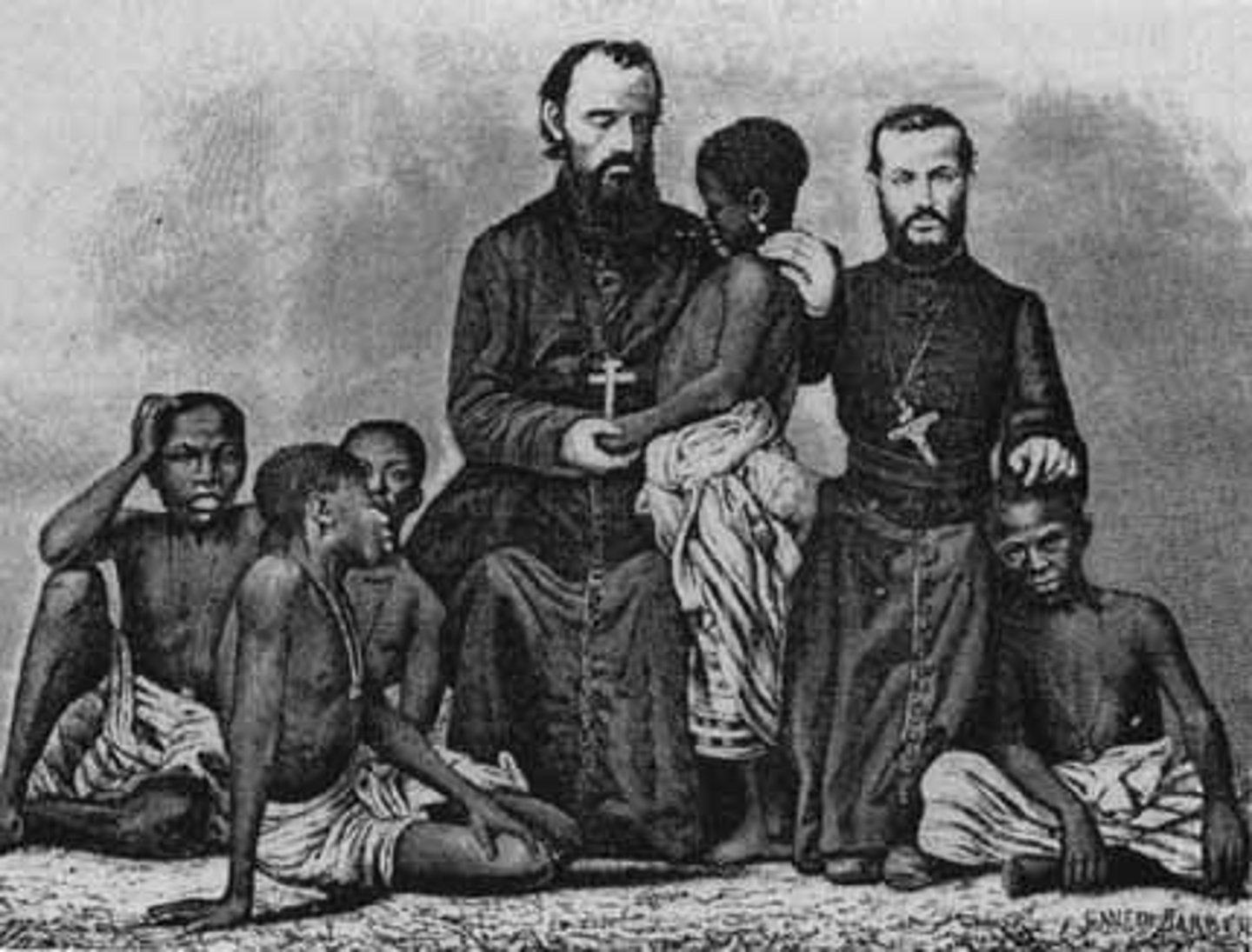
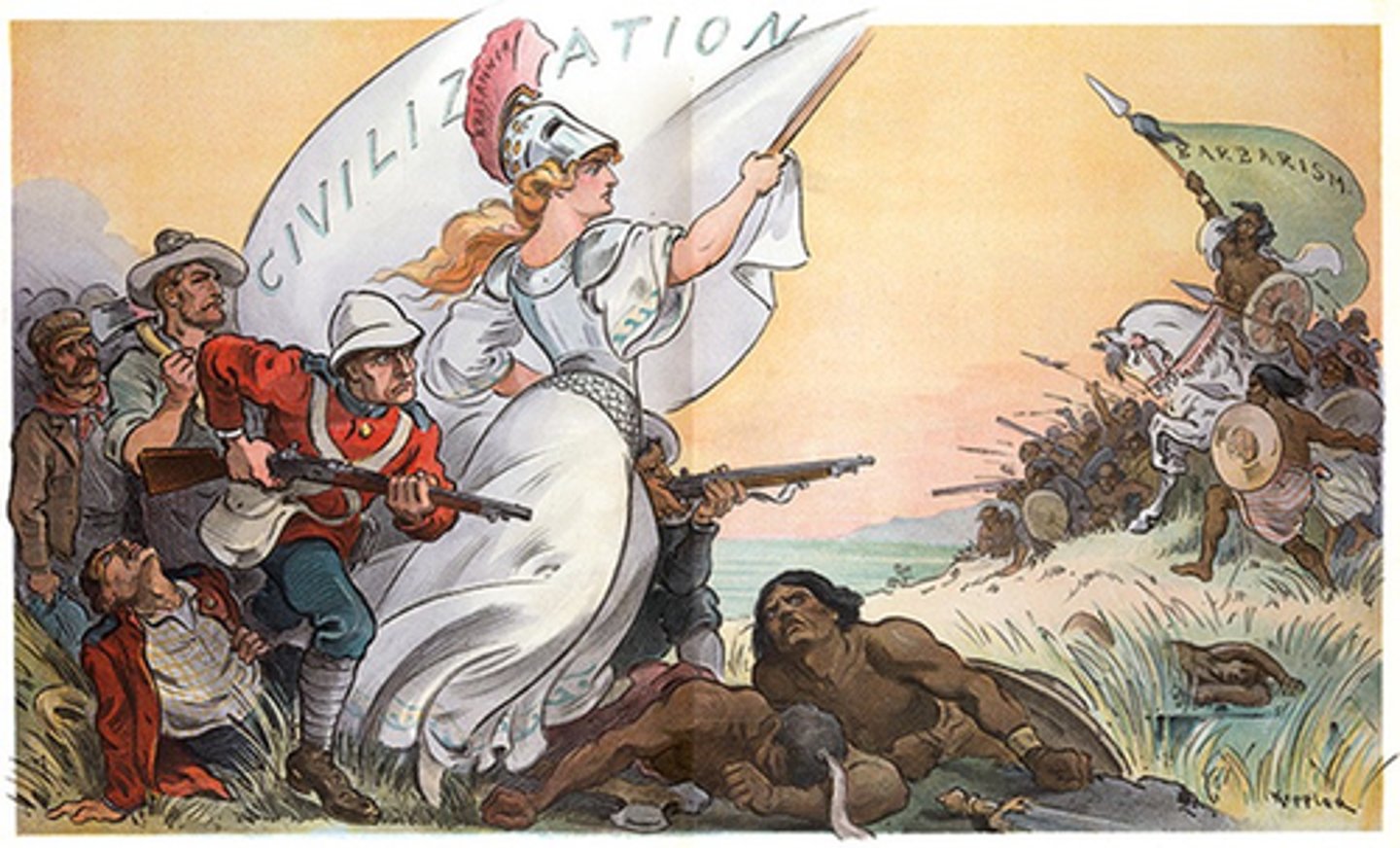
During the 19th century, many missionaries sought to convert indigenous peoples of Africa and Asia to Christianity.
Civilizing Mission
The concept that Western nations should bring advanced science and economic development to non-Western parts of the world that justified imperial administration; sometimes referred to as the "White Man's Burden".
During the second wave of European imperialism
Britain, France, Germany, the U.S. and Japan gained territories throughout Asia and the Pacific, while Spanish and Portuguese influence declined.
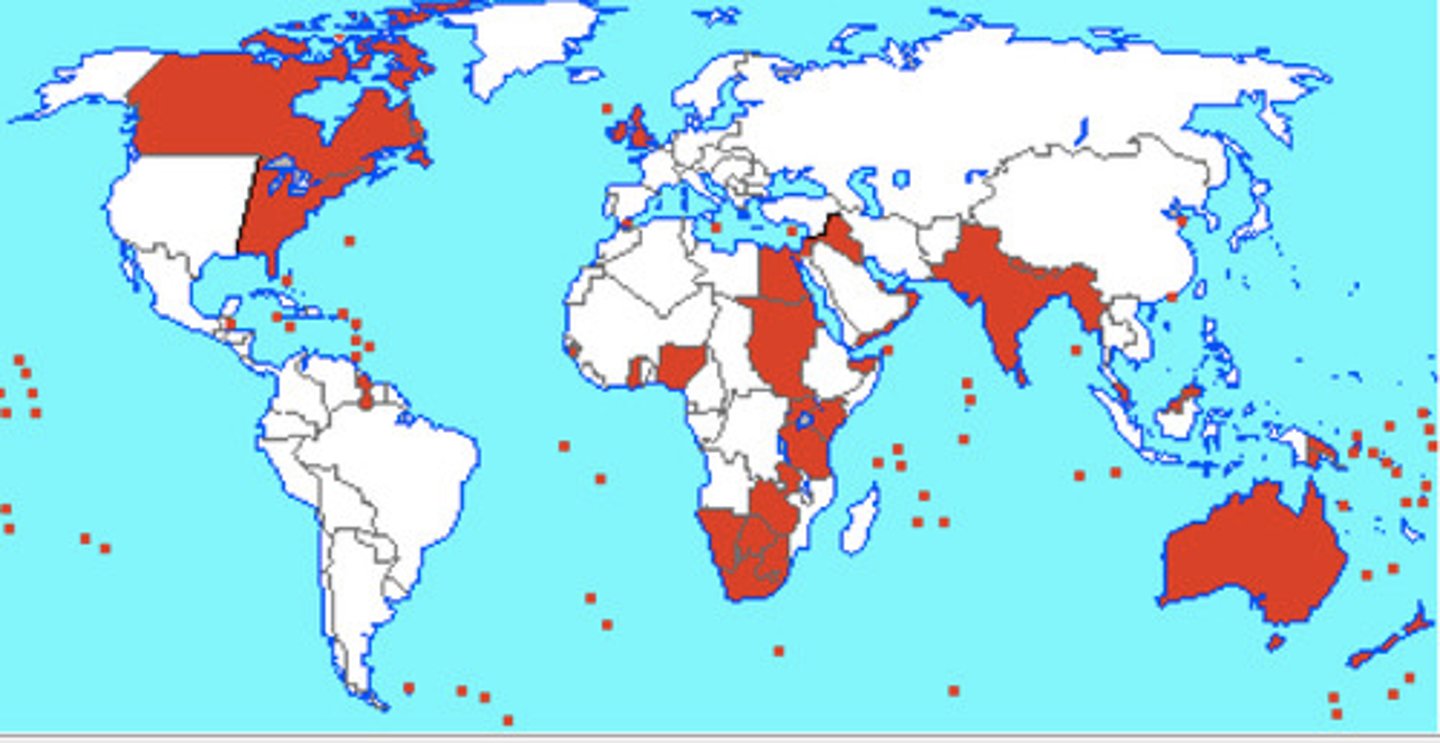
Example of states assuming control over colonies previously held by non-state entities.
Belgium taking control of the Congo Free State, Britain taking control of India, Netherlands taking control of Indonesia
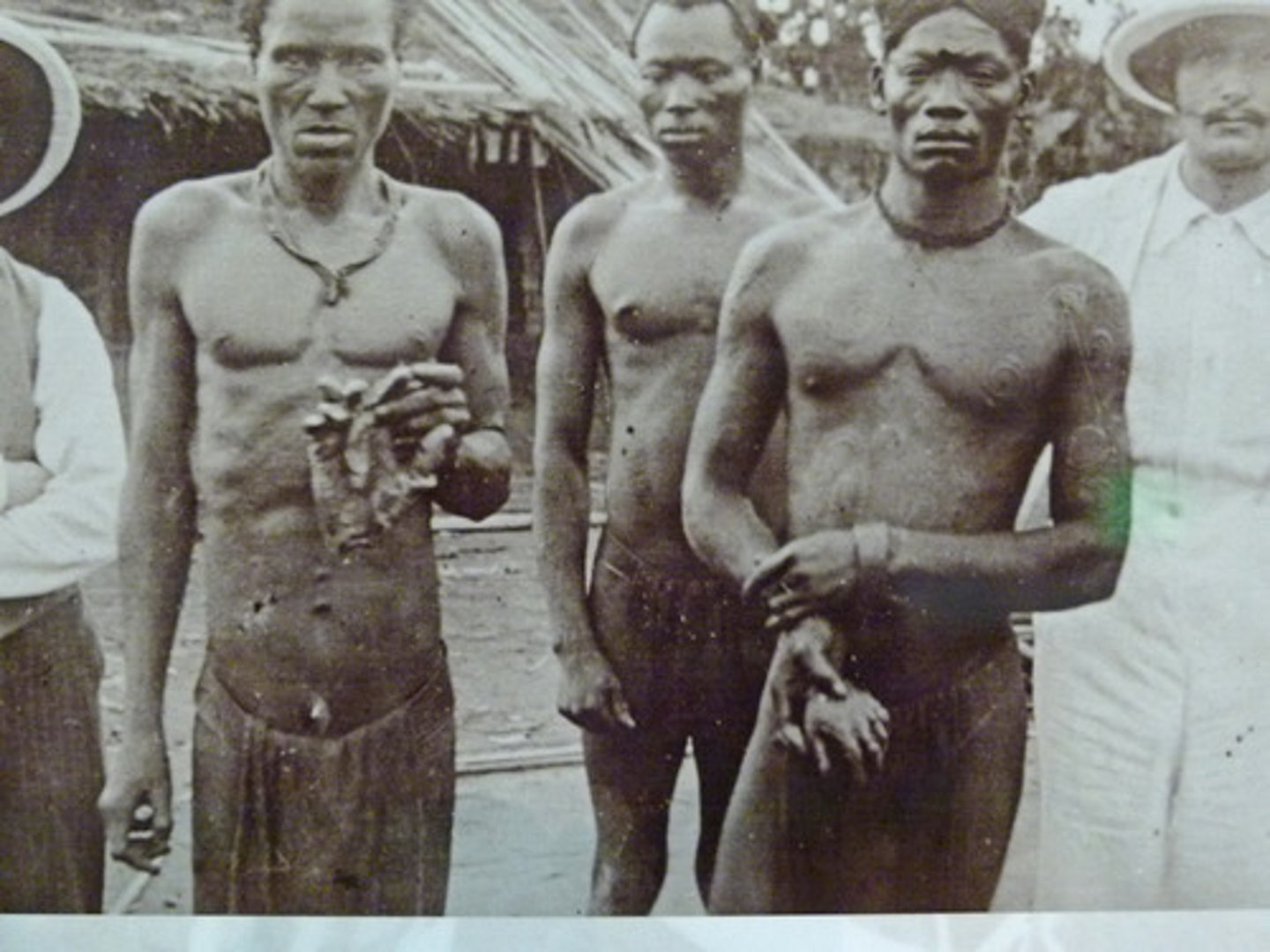
Ways that Europeans expanded their empires in Africa.
Warfare and diplomacy.
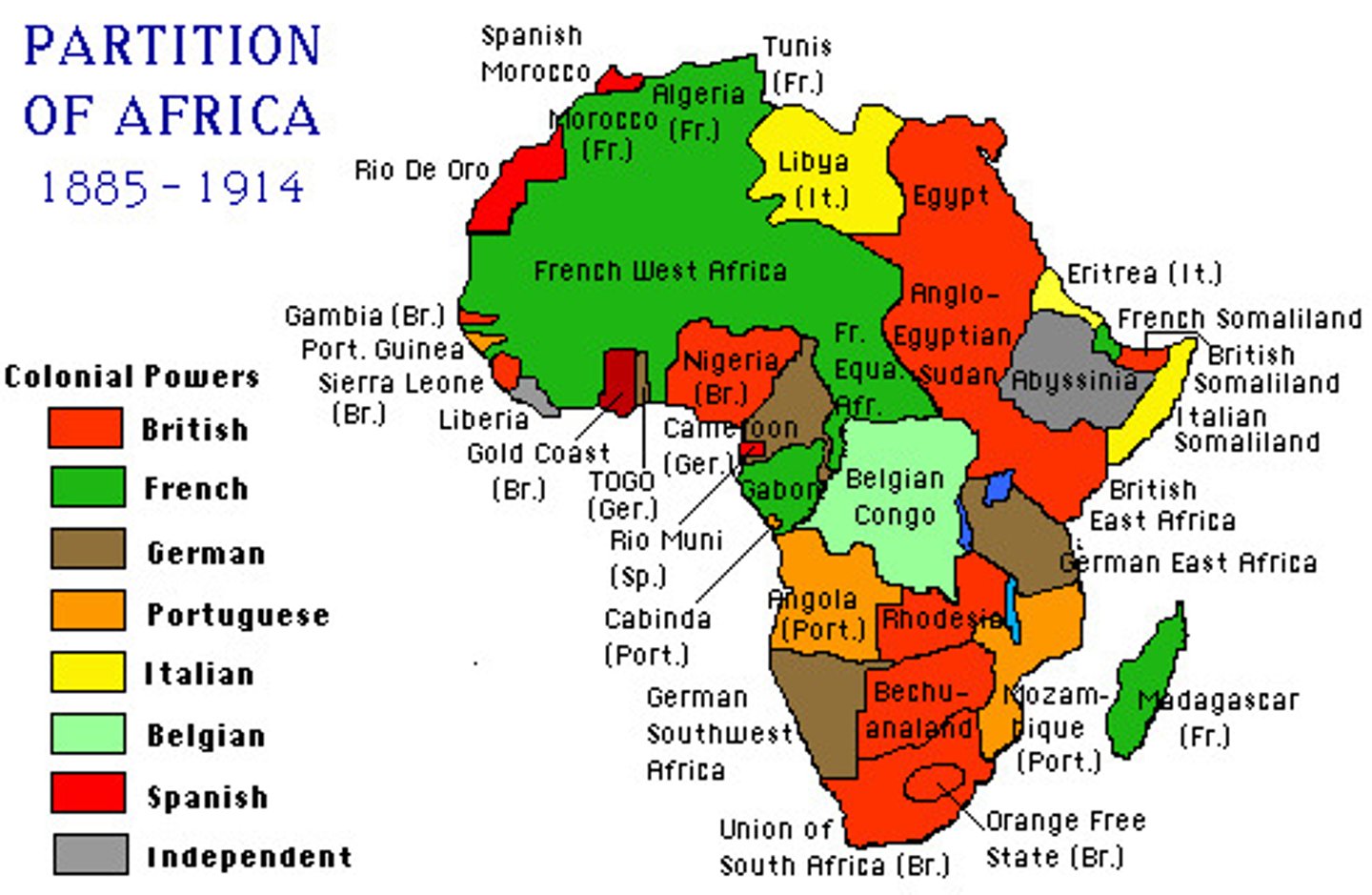
Berlin Conference
A meeting from 1884-1885 at which representatives of European nations agreed on rules regarding the colonization of Africa
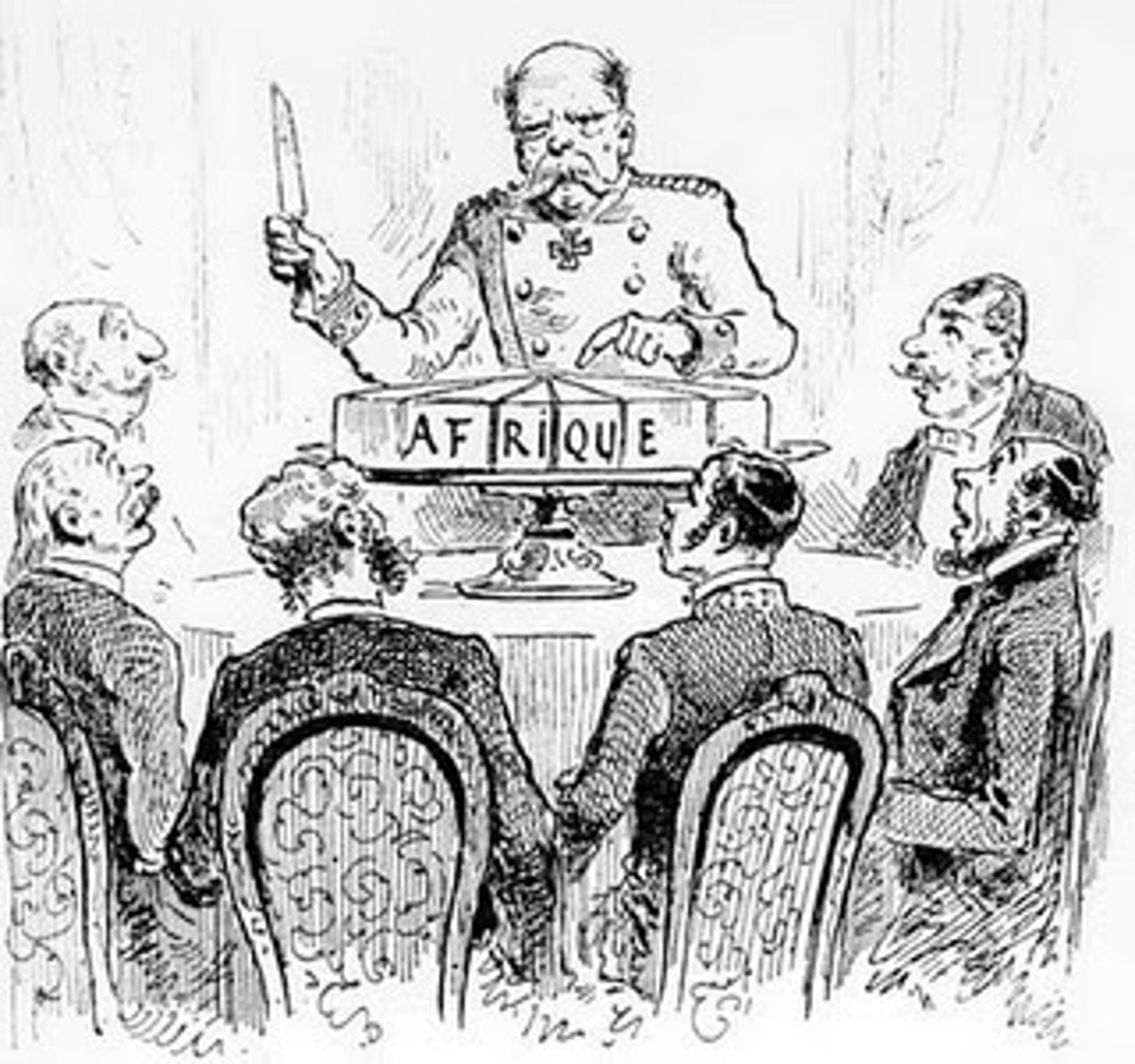
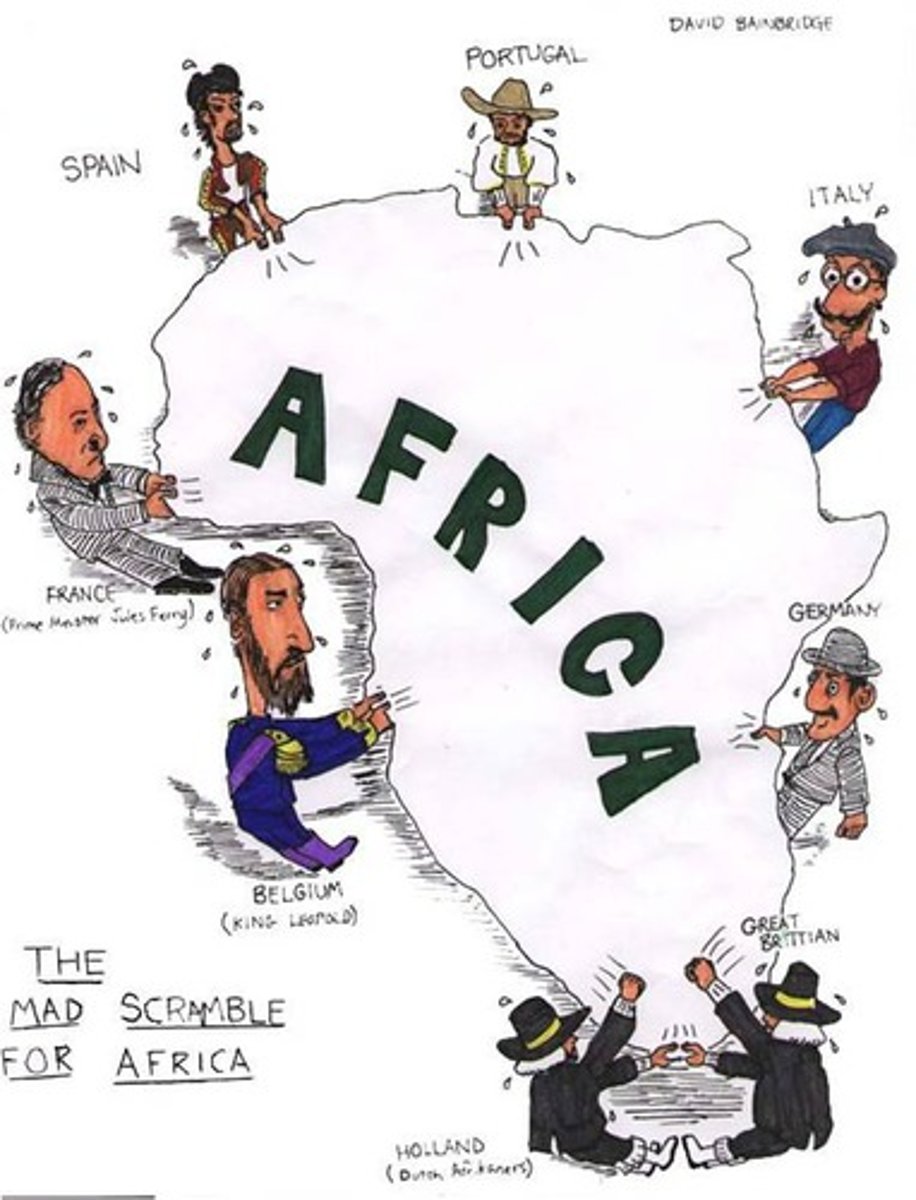
Scramble for Africa
Term given for the rapid colonization of Africa by the various European powers. This began imperialism in Africa.
Settler Colony
A form of colonization where foreign families move into a region and an imperial political power oversees the immigration of these settlers.
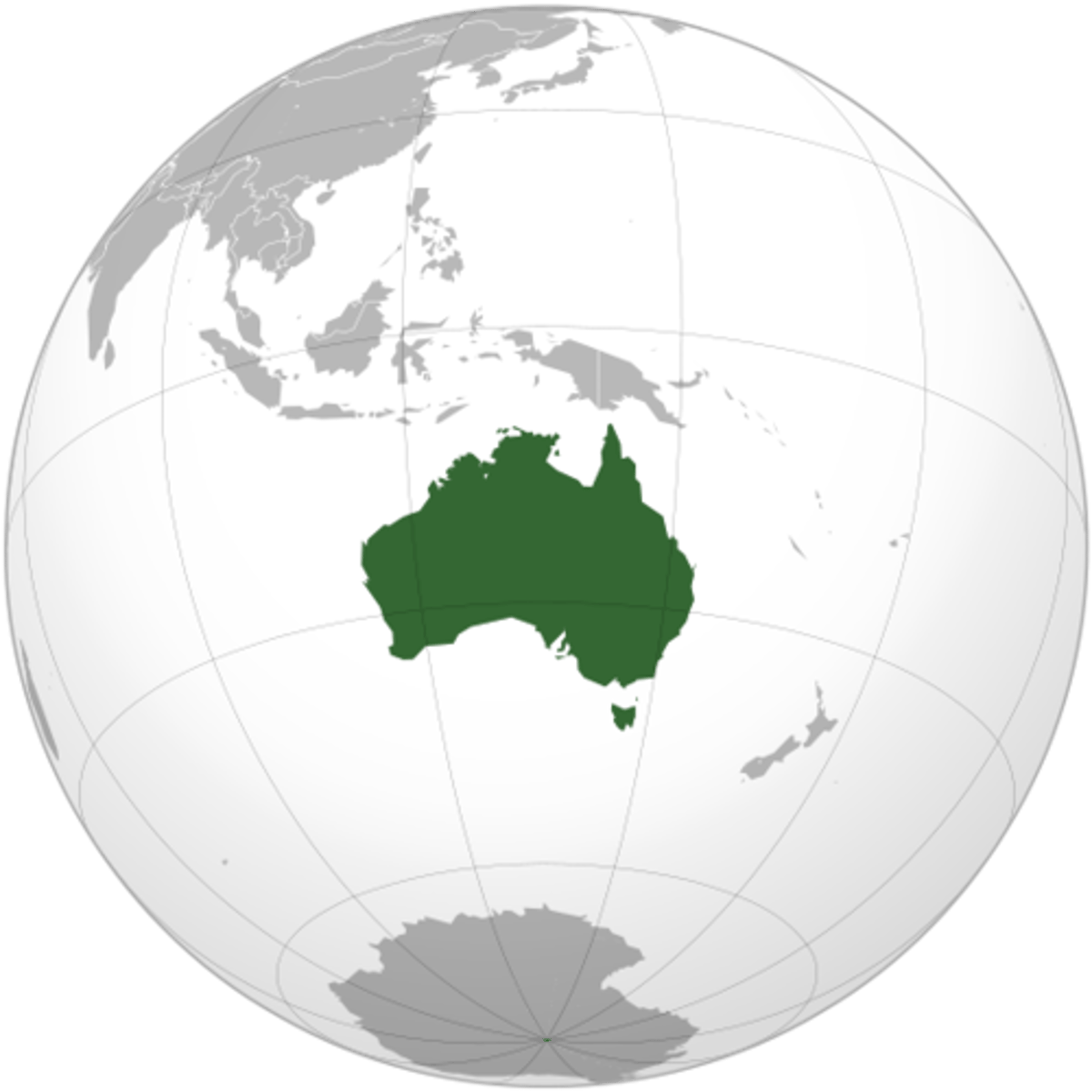
Examples of settler colonies
Australia, New Zealand, South Africa

Nations that expanded their land holdings by conquering and settling neighboring territories.
United States, Russia, and Japan
Examples of US Imperialism
1. Purchase of Alaska from Russian 1867; 2. Annexation of Hawaii as a territory 1898;
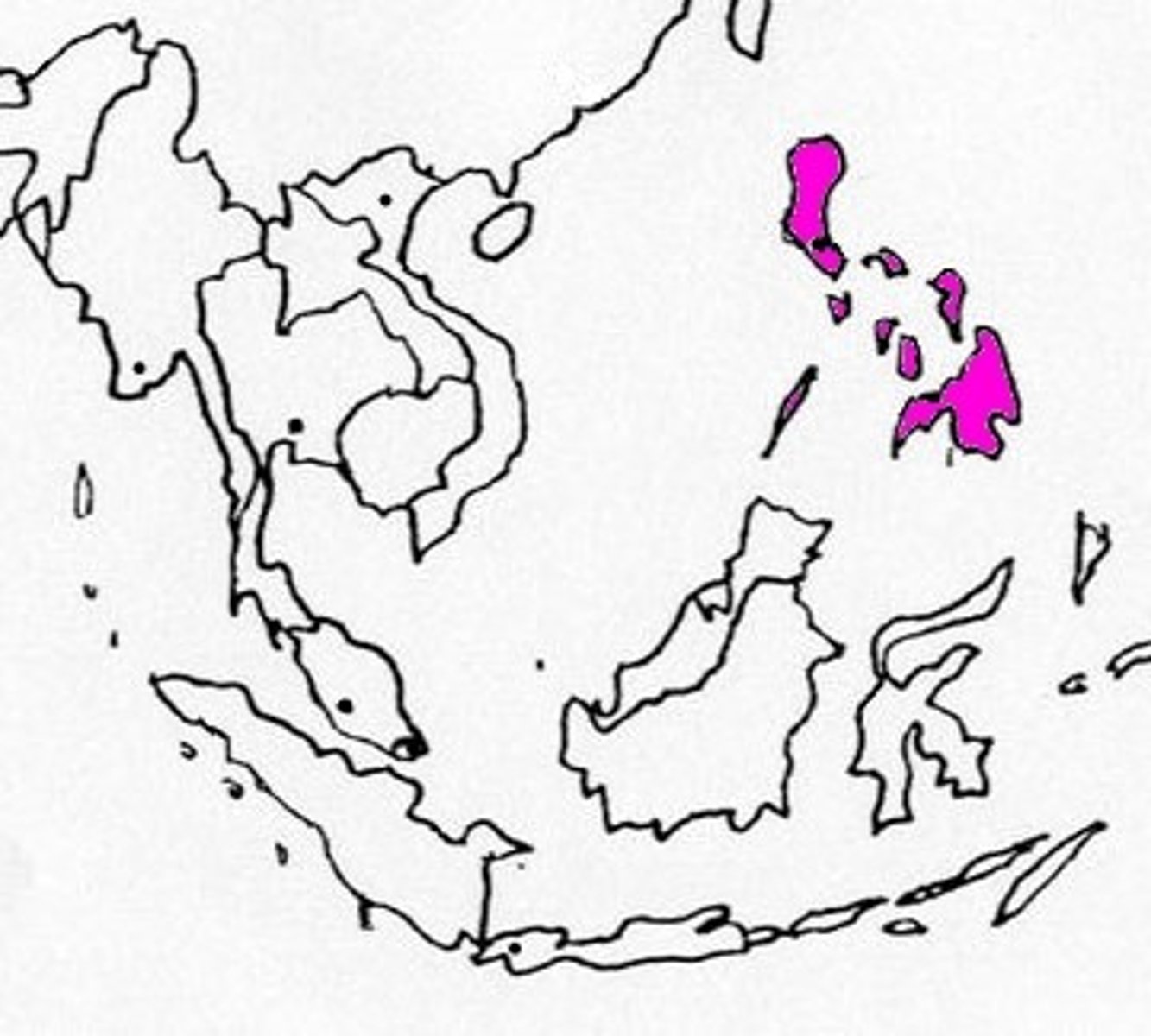
3. Philippines, Puerto Rico, and Guam gained as colonies from Spain after the Spanish American War.
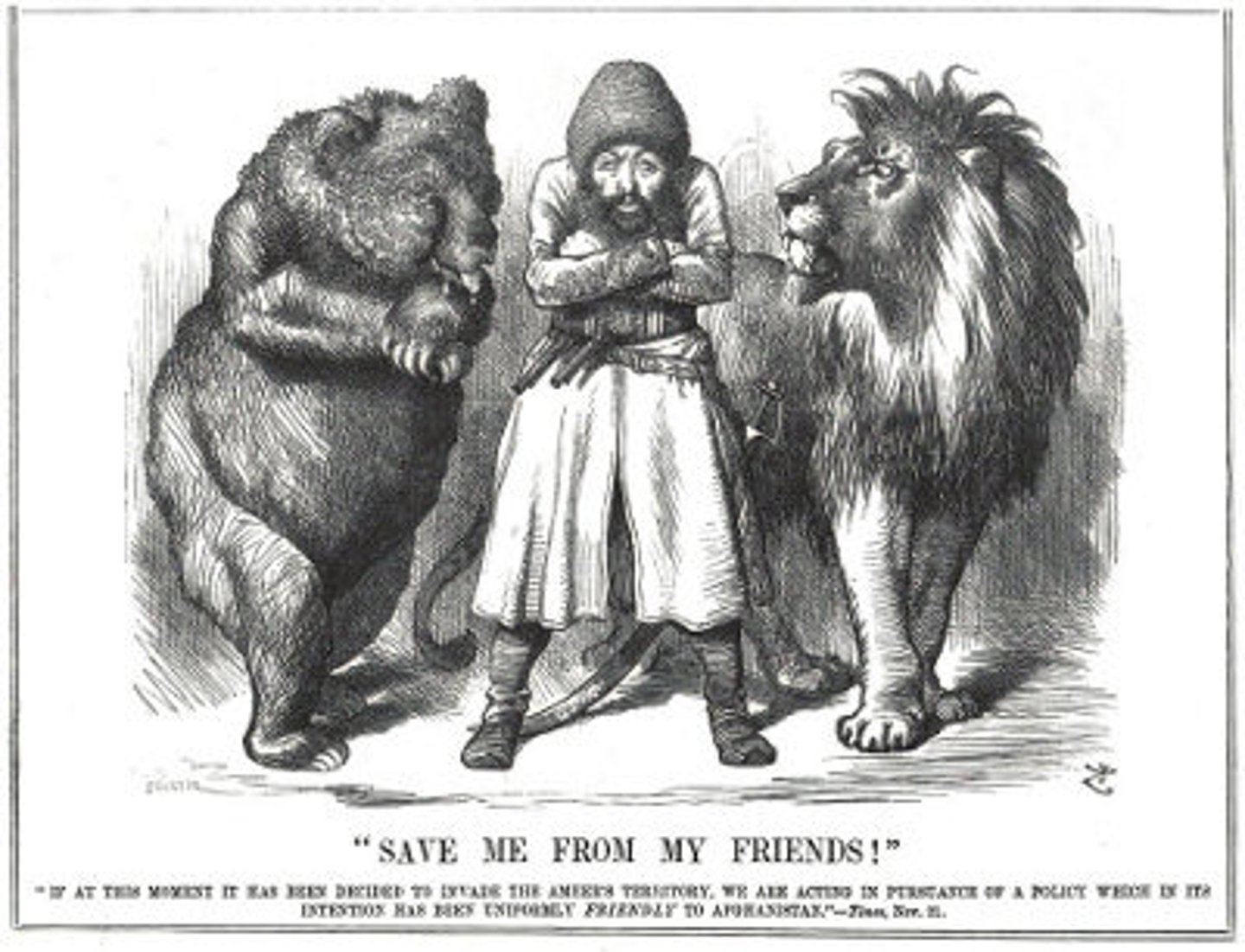
The "Great Game"
Political and diplomatic confrontation that existed for most of the 19th century and beginning of the 20th century between the British Empire and the Russian Empire over Afghanistan and neighboring territories in Central and South Asia
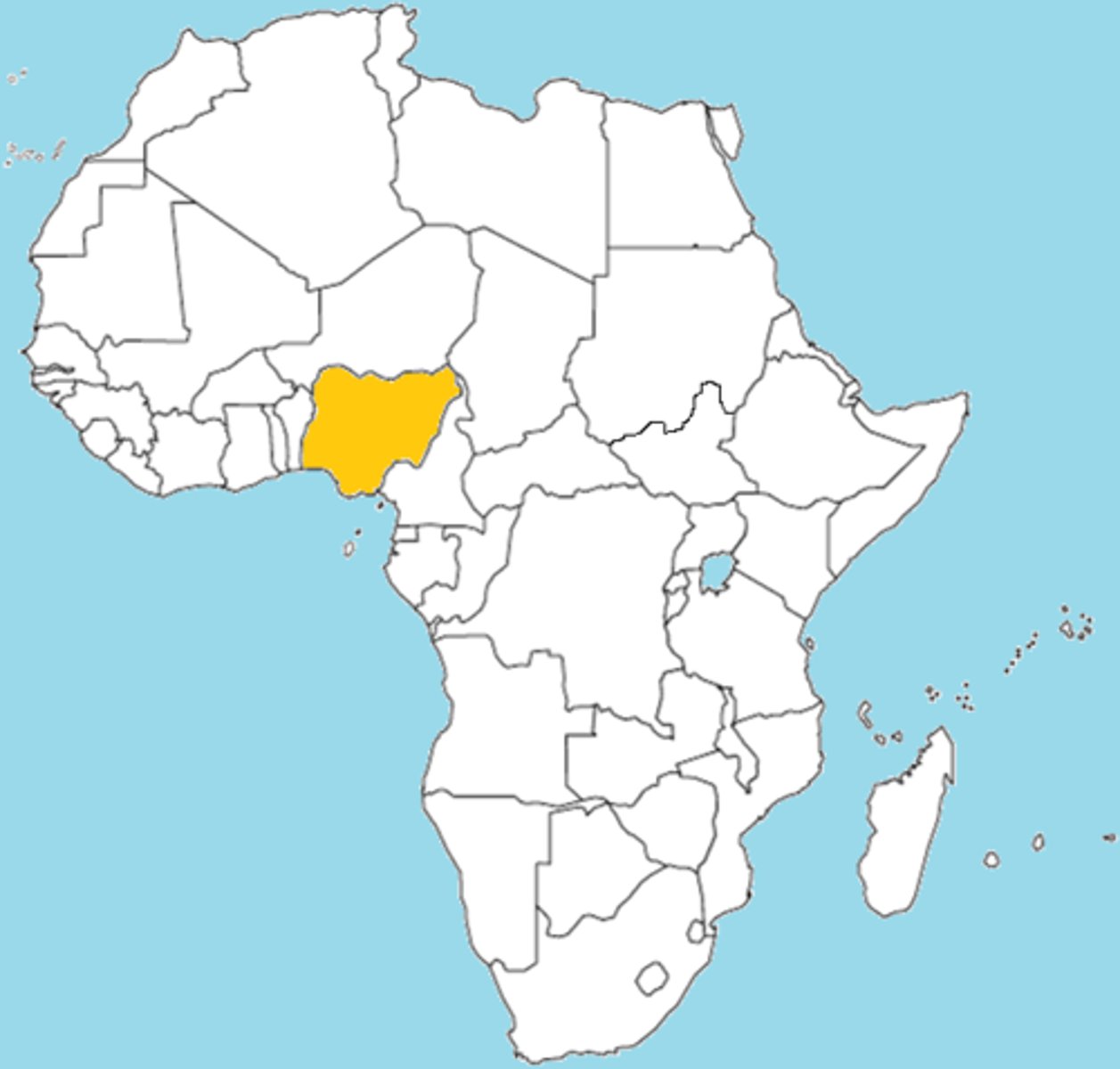
British colonies in West Africa
Gambia, Ghana, Nigeria, Southern Cameroon, and Sierra Leone
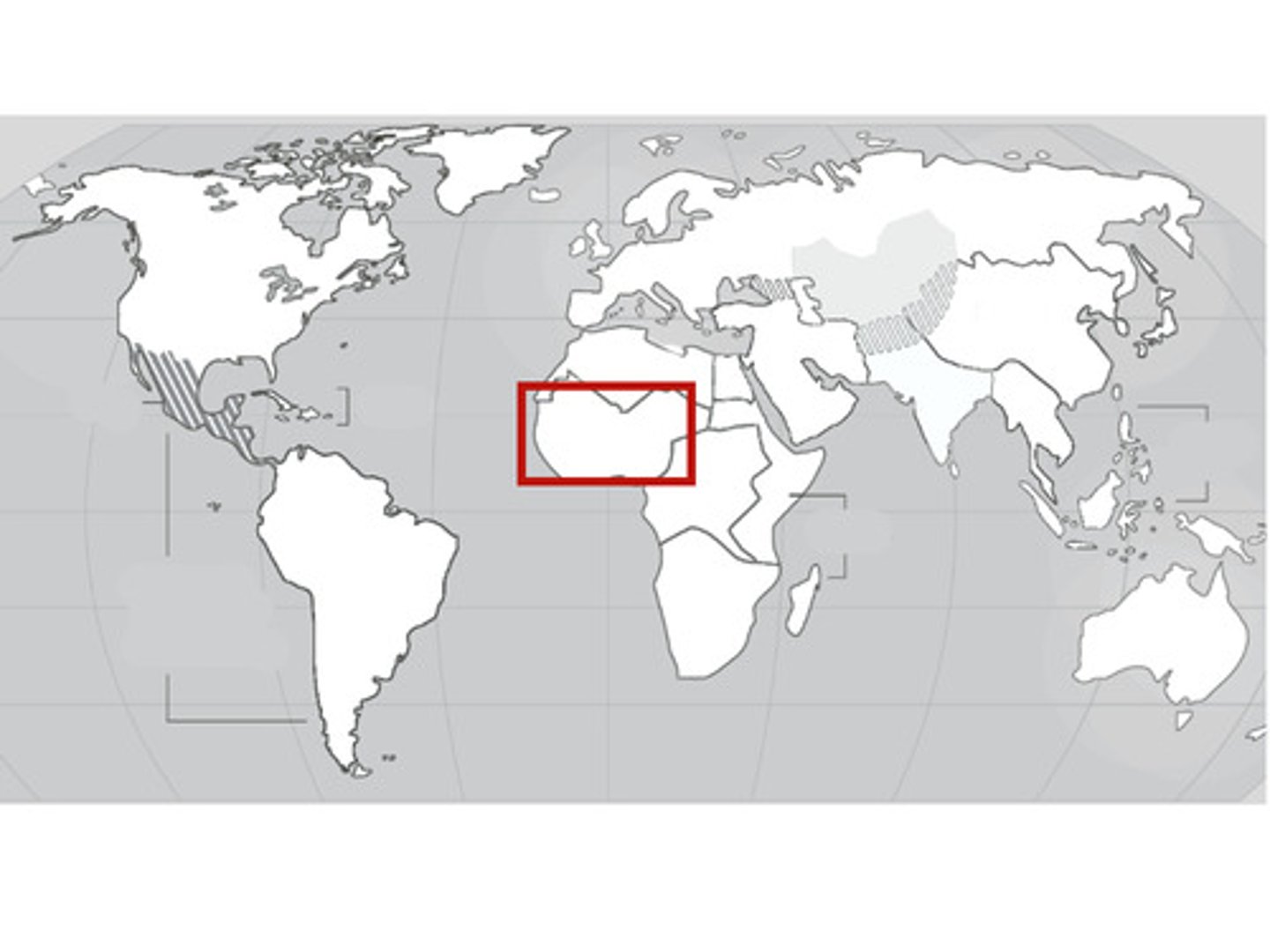
French Imperialism in Africa
The French became a major African colonial power in Algeria and across most of Northwest Africa.
Contributed to anti-colonial movements
Increasing questions about political authority and growing nationalism
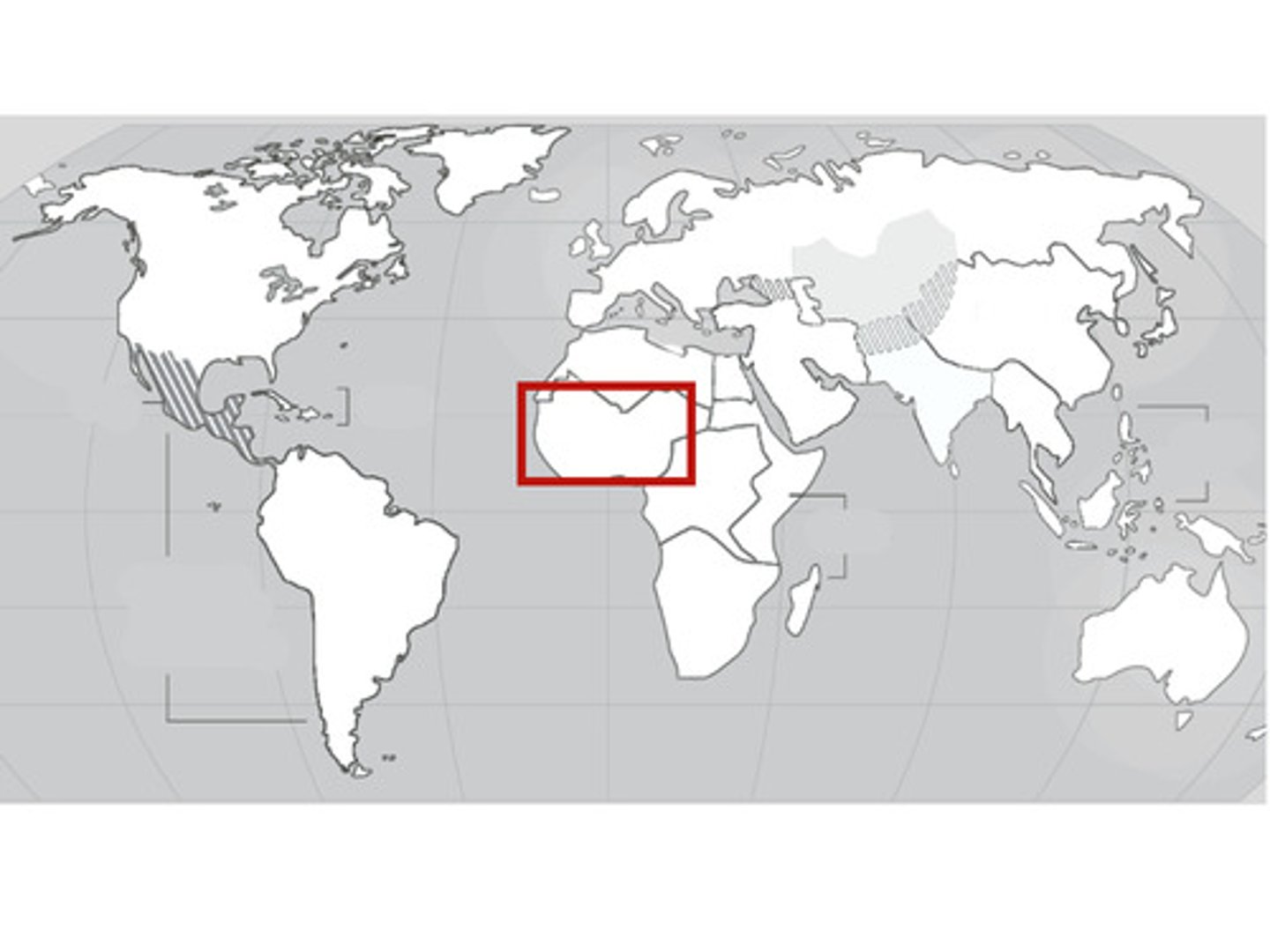
How were 19th century empires different from earlier forms of empire?
Race was more significant and the impact on societies was greater.
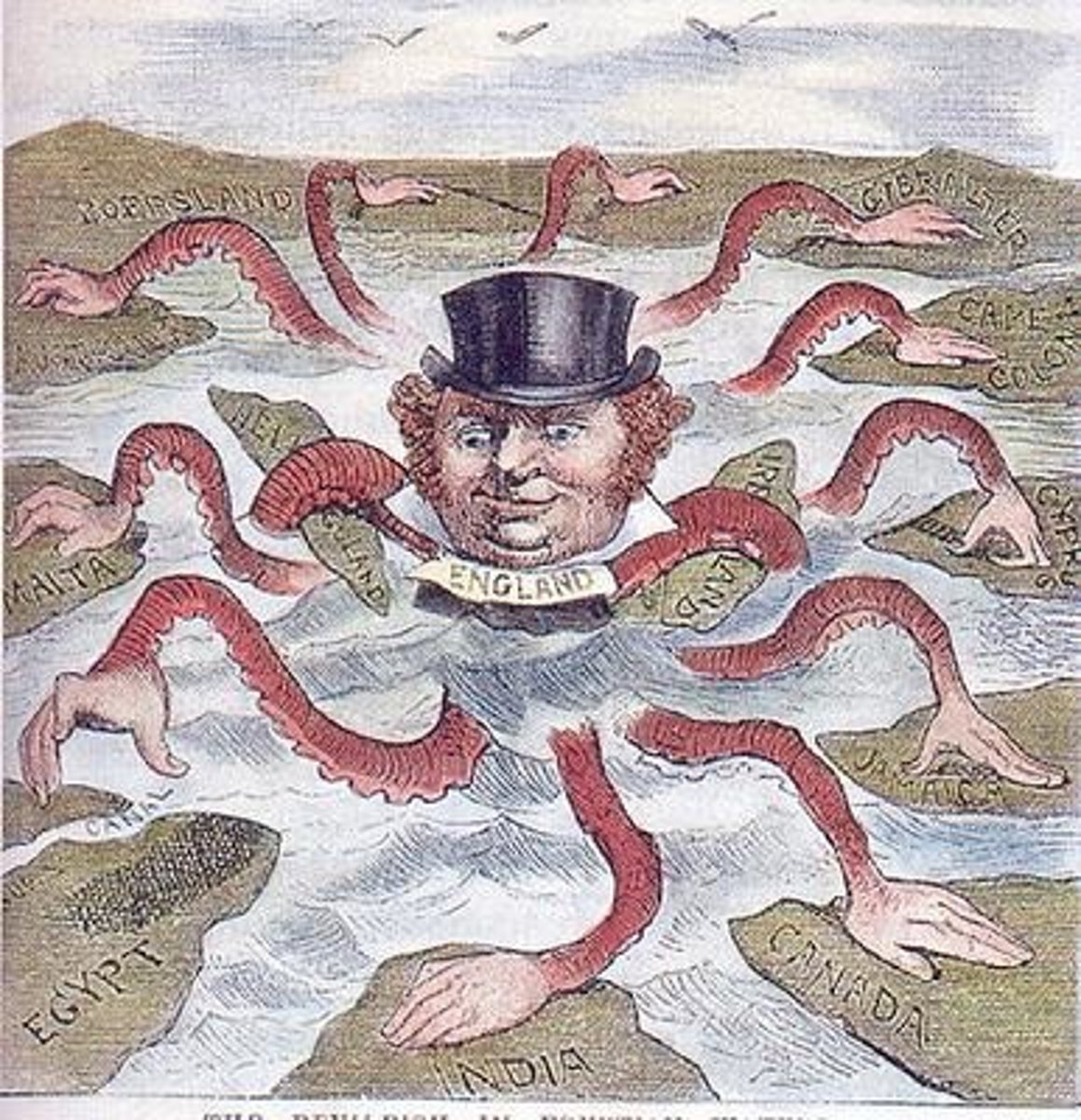
Examples of direct resistance to colonial rule.
Tupac Amaru in Peru; Savory Toure in West Africa; Yaa Asantewaa in West Africa; Sepoy Rebellion in India
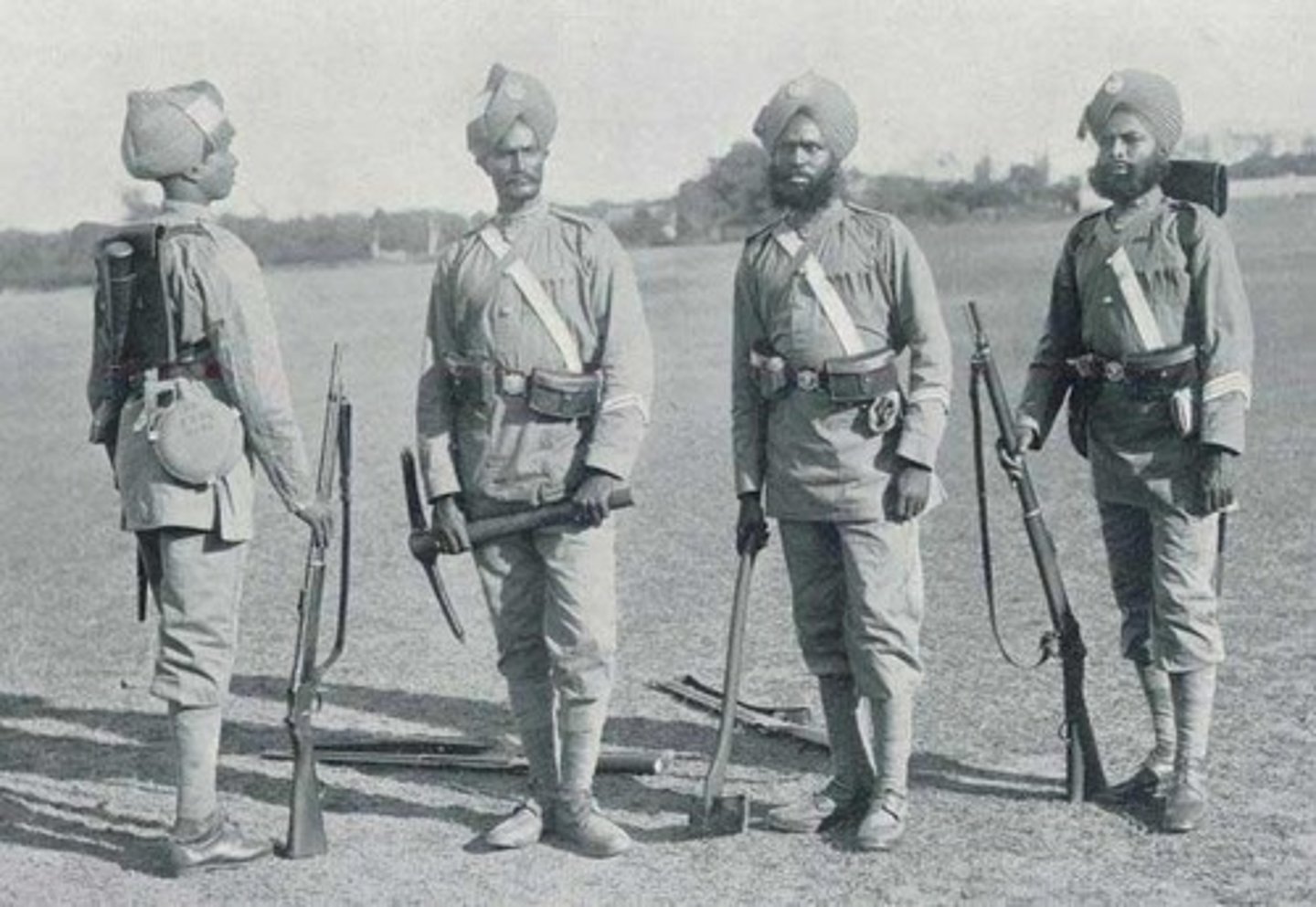
Tupac Amaru
The last Inca emperor; in the 1780s, a Native American rebellion against Spanish control of Peru took place in his name.
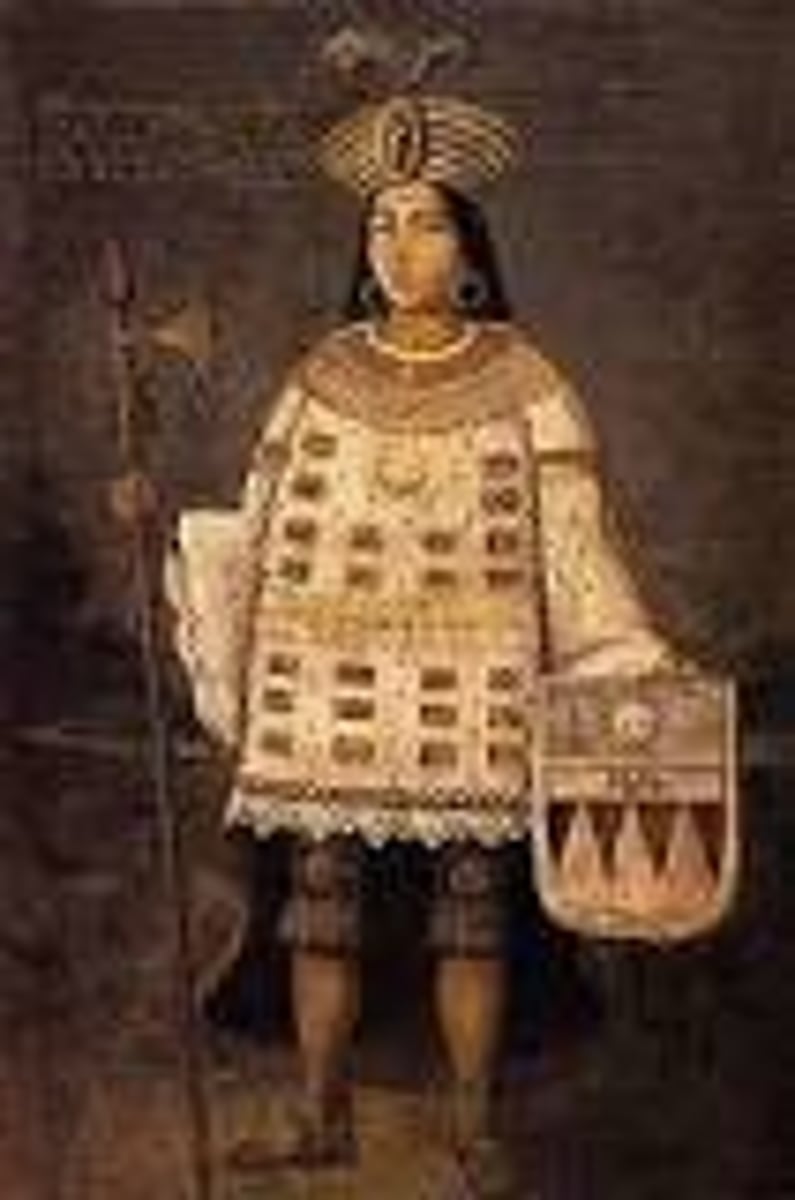
Samory Toure
Led a revolt against the French in Senegal
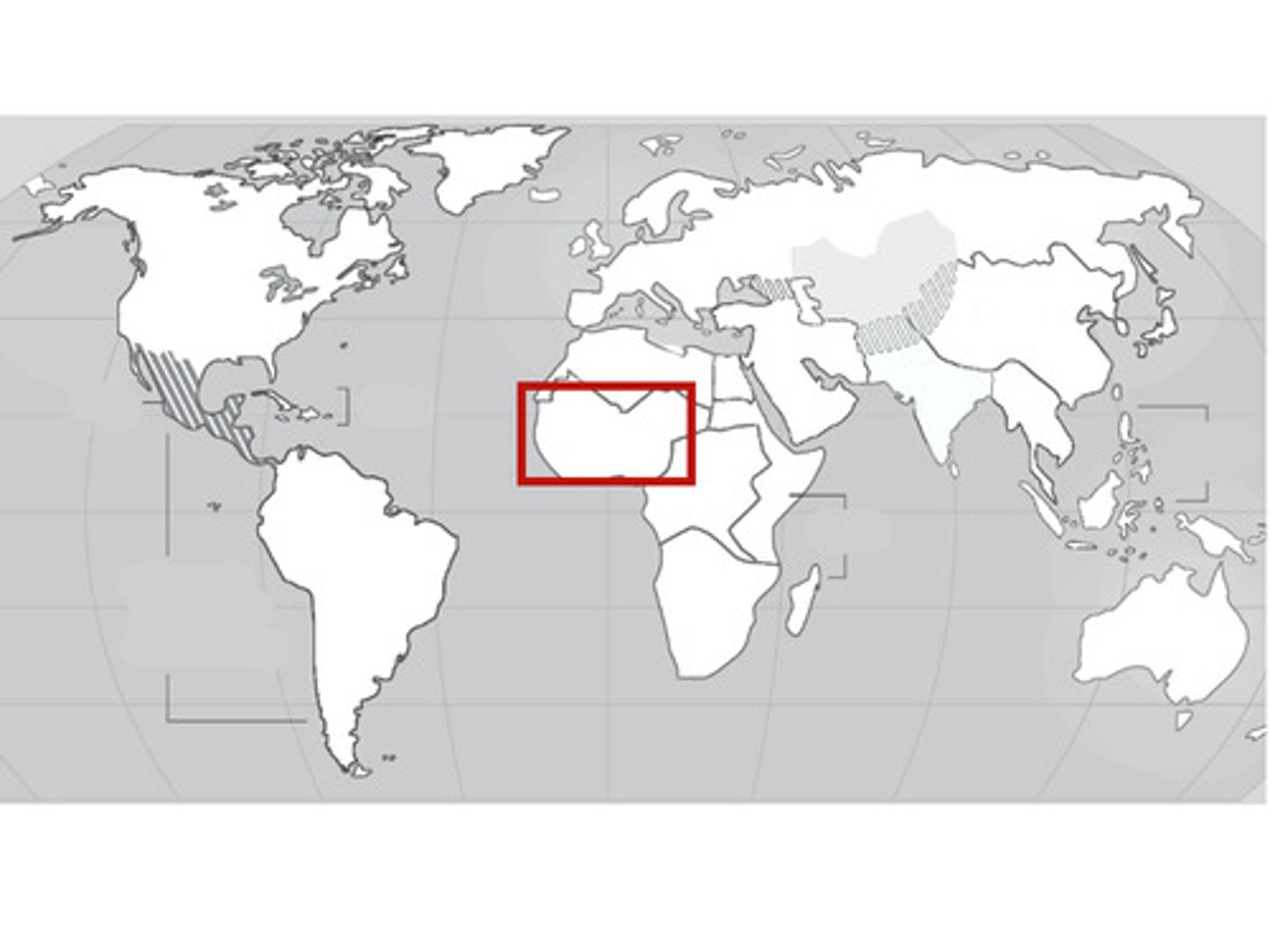
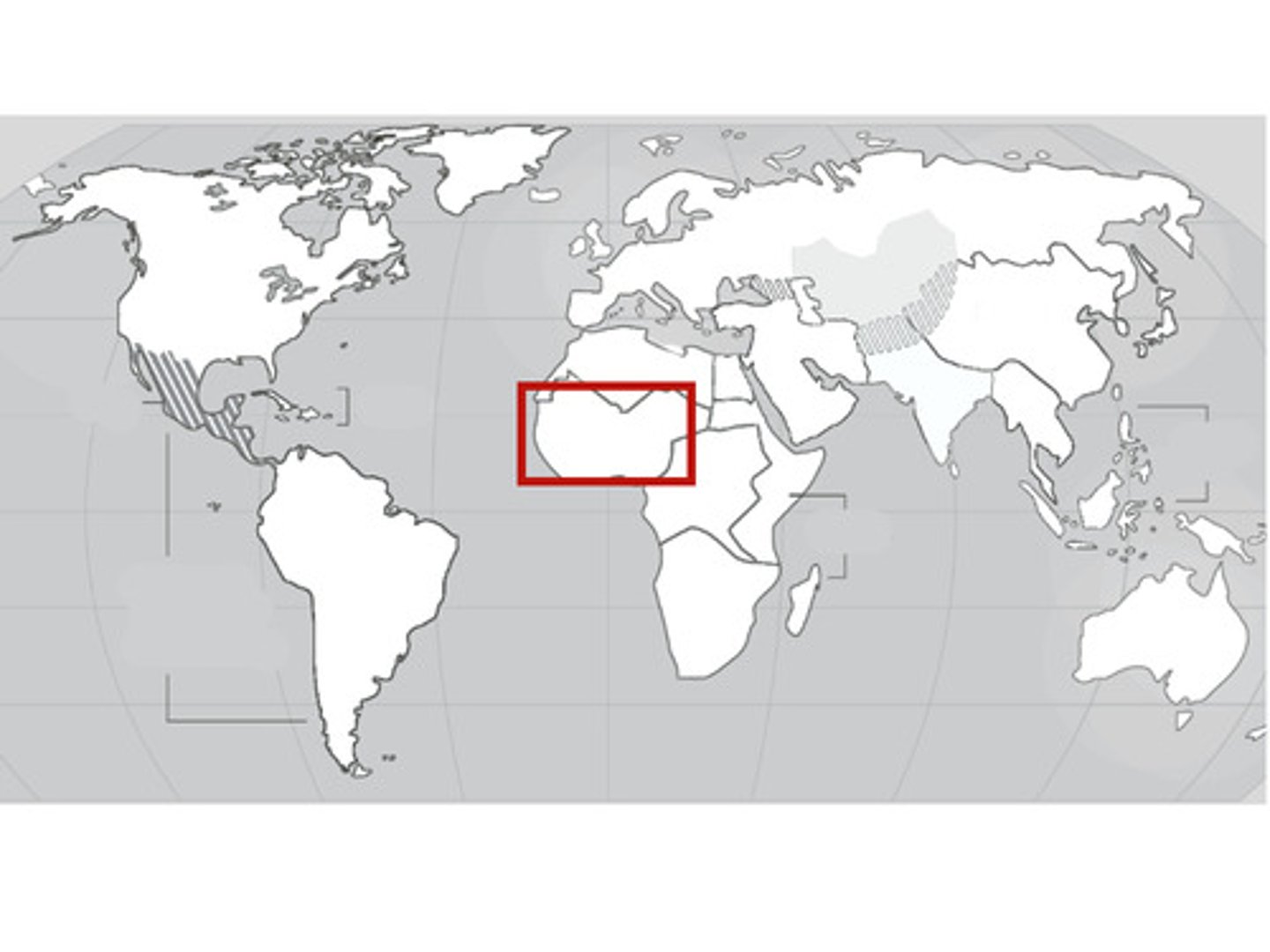
Yaa Asantewaa
African Queen who led a revolt of the Ashante against British colonial rule in West Africa
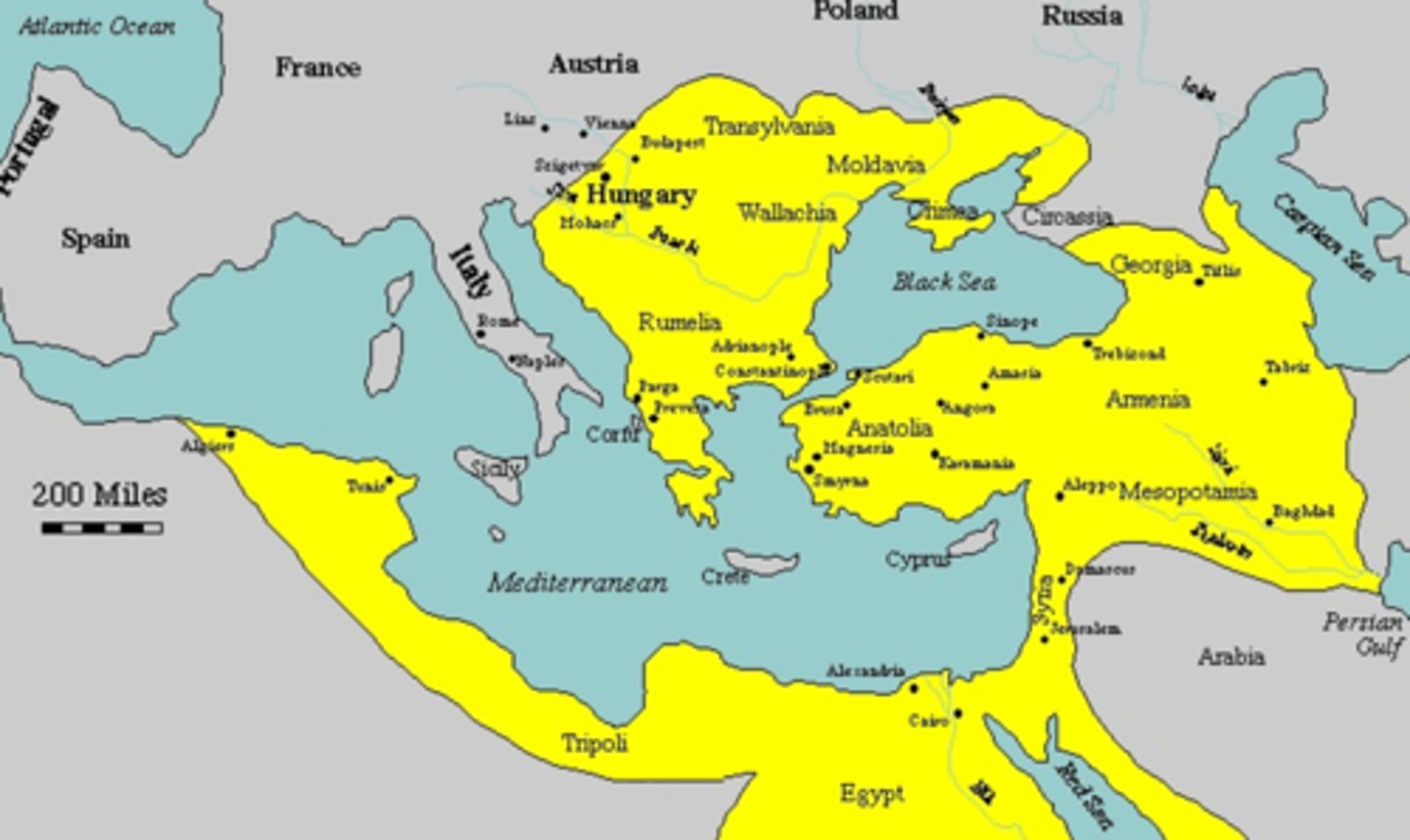
Ottoman Empire
Faced resistance during this time due to nationalism
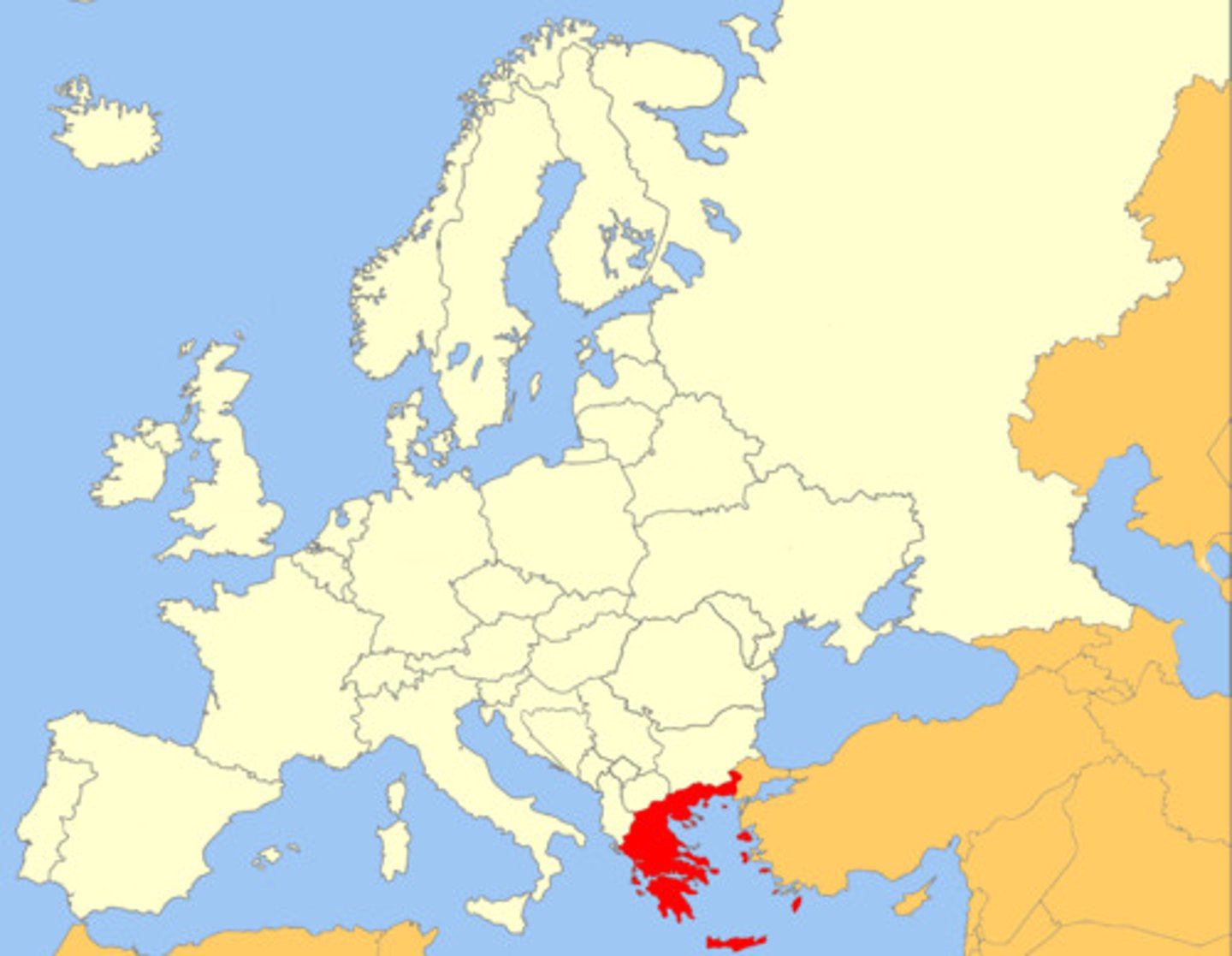
Greece, Serbia, Romania, Bulgaria
Four Balkan regions that gained independence from the Ottoman Empire as a result of nationalist rebellions/movements.
Increasing discontent with imperial rule
Led to rebellions, some of which were influenced by religious ideas
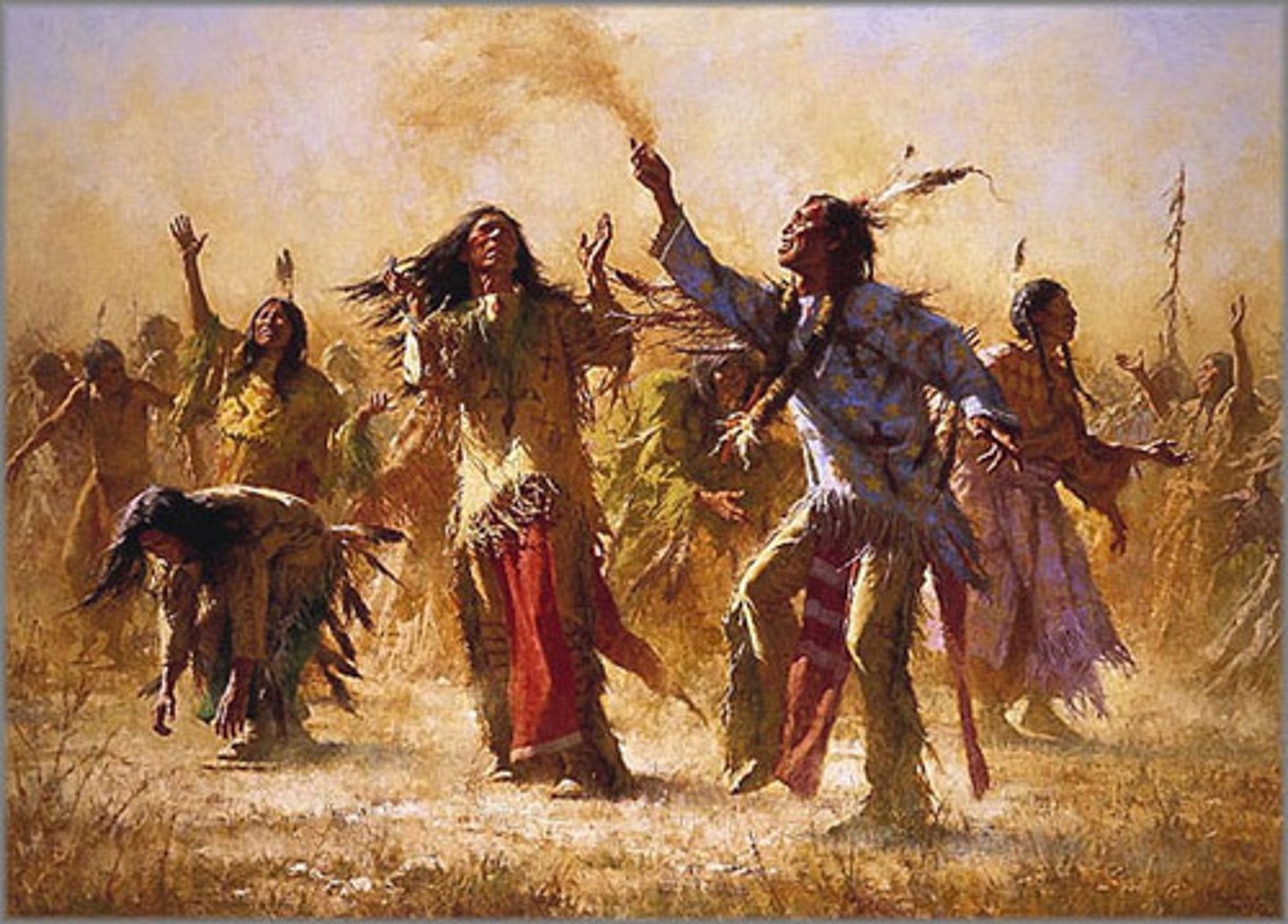
Examples of anti-colonial movements that were influenced by religious ideas
Ghost Dance movement in the U.S.; Sepoy Rebellion in India; Xhosa Cattle Killing Movement in South Africa; Sokoto Caliphate in modern day Nigeria; Mahdist Wars in the Sudan.
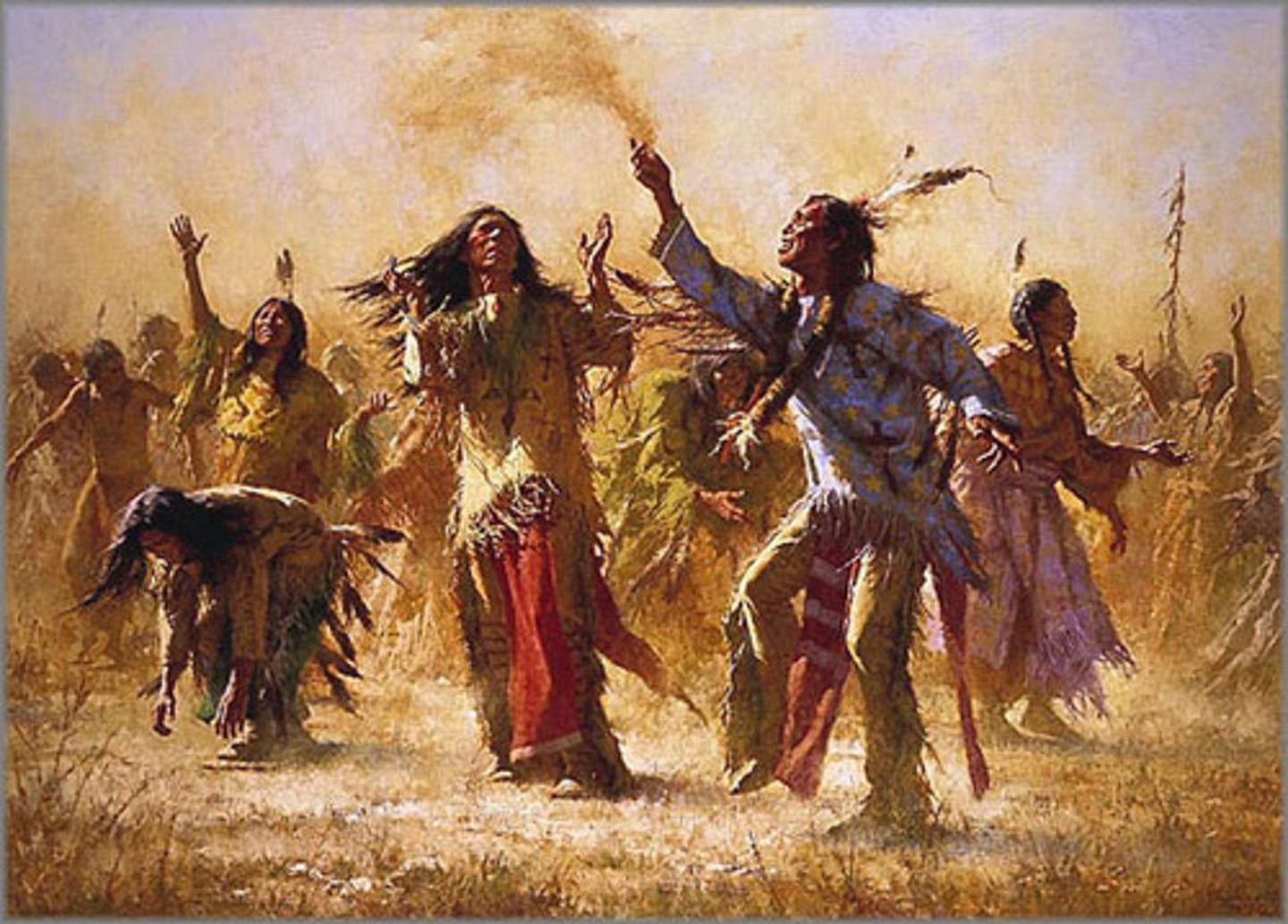
Ghost Dance Movement
A Native American movement that called for a return to traditional ways of life and challenged white dominance in society. Led to the massacre at Wounded Knee.
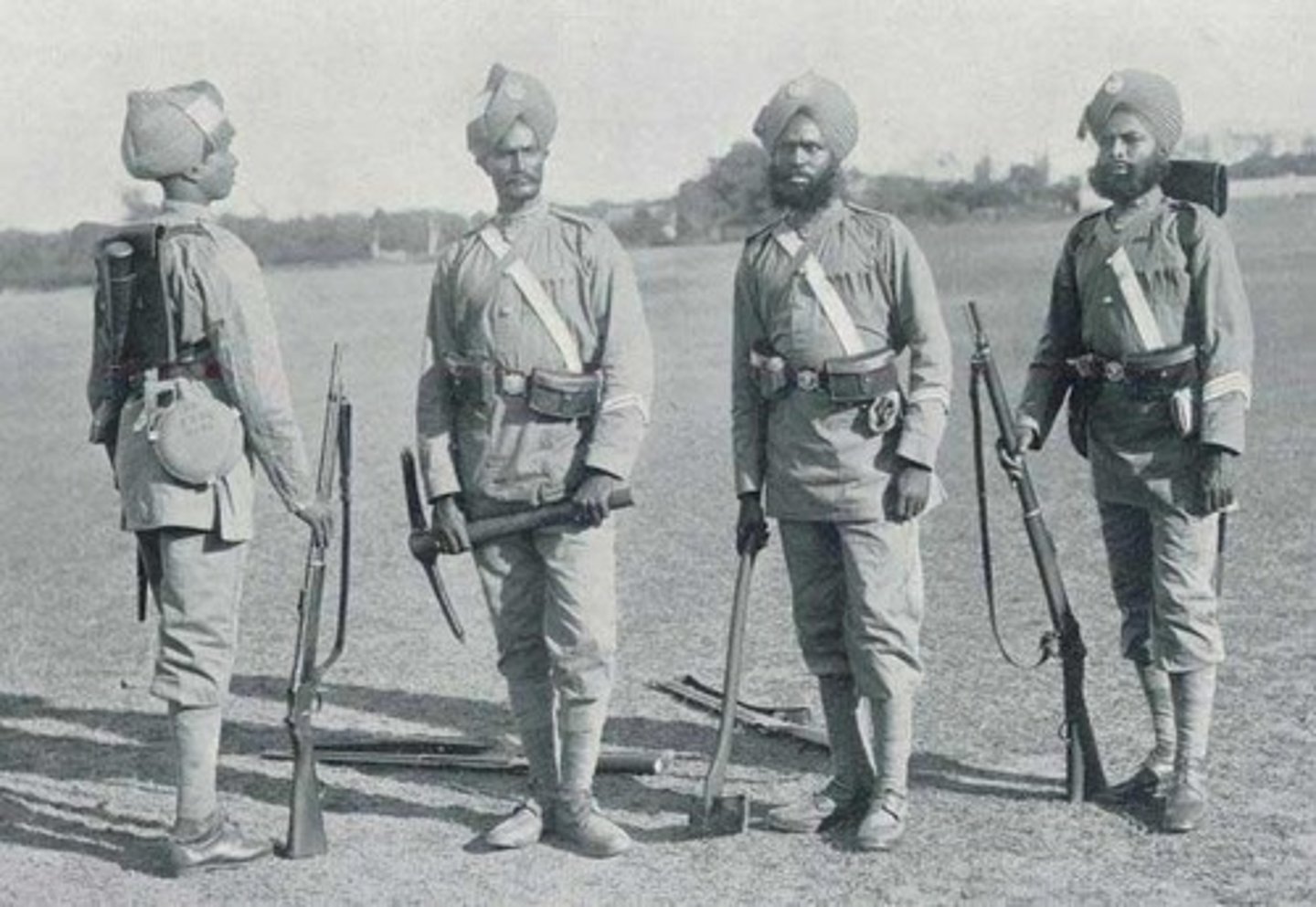
Sepoy Rebellion
The revolt of Indian soldiers in 1857 against certain practices that violated religious customs; also known as the Sepoy Mutiny.
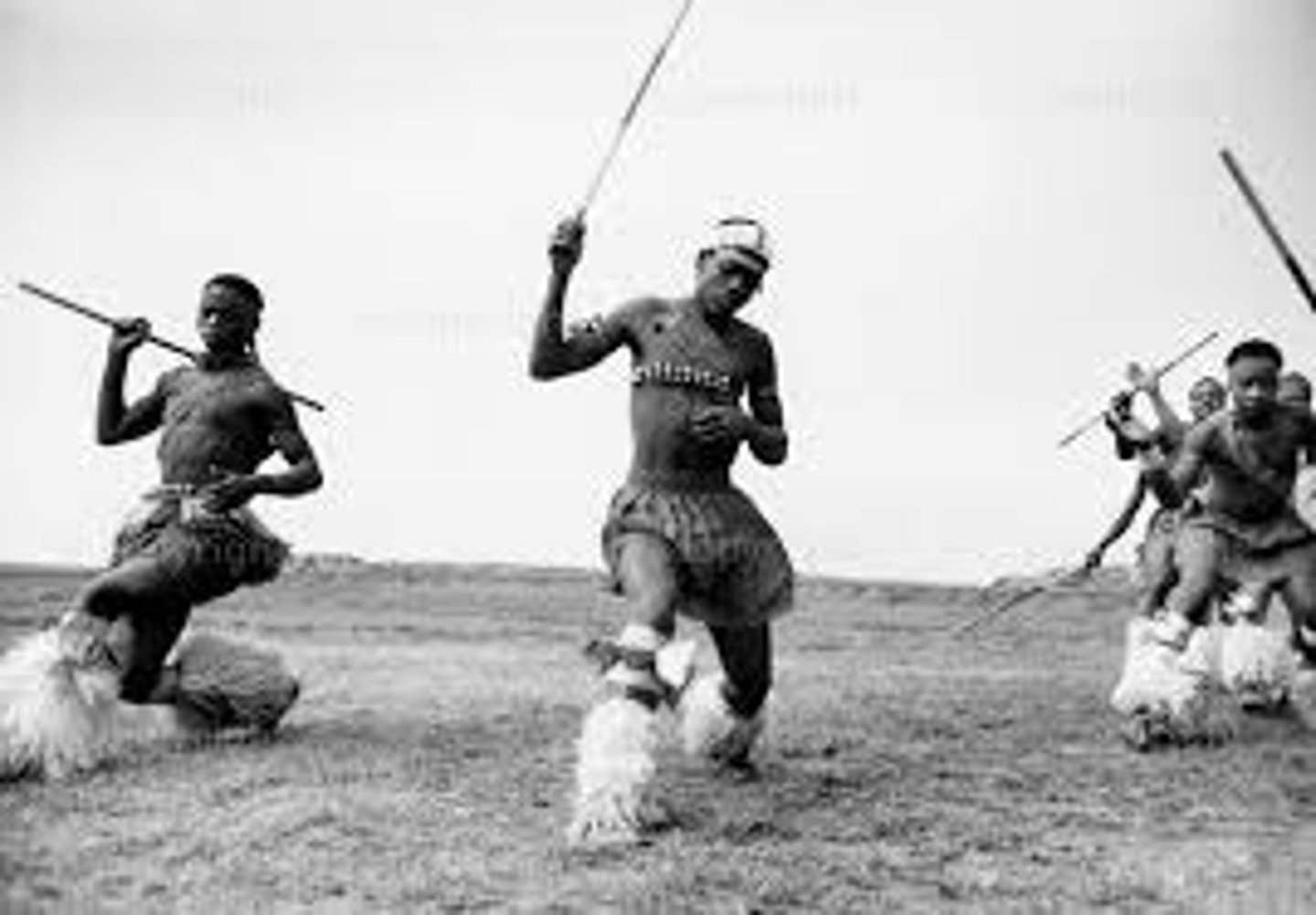
Xhosa Cattle Killing Movement
Pivotal movement that broke the back of the Xhosa and ushered in a new era of colonial expansion and domination of South Africa by the British. The prophecy was that killing all cattle would bring back ancient chiefs and ancestors.
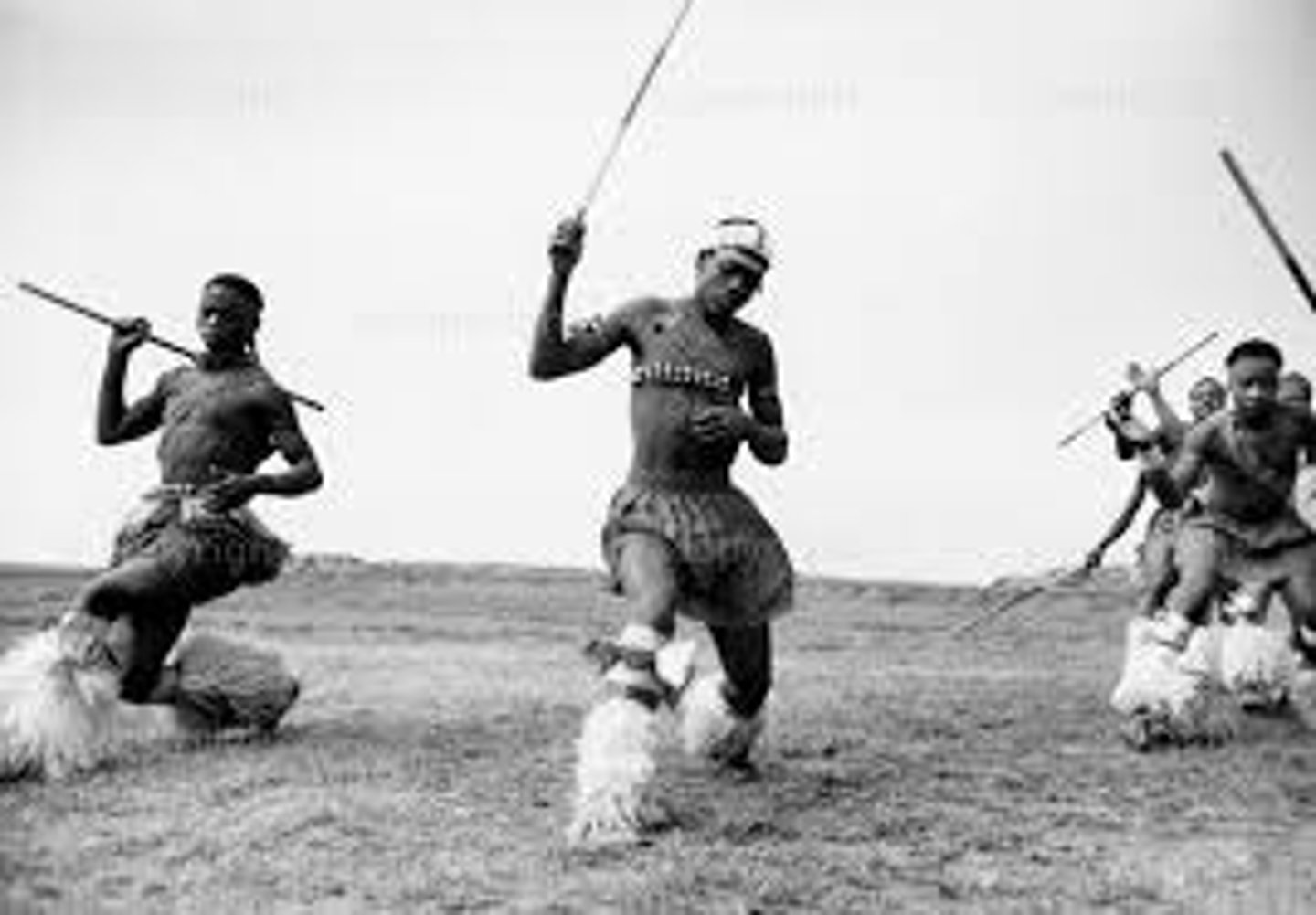
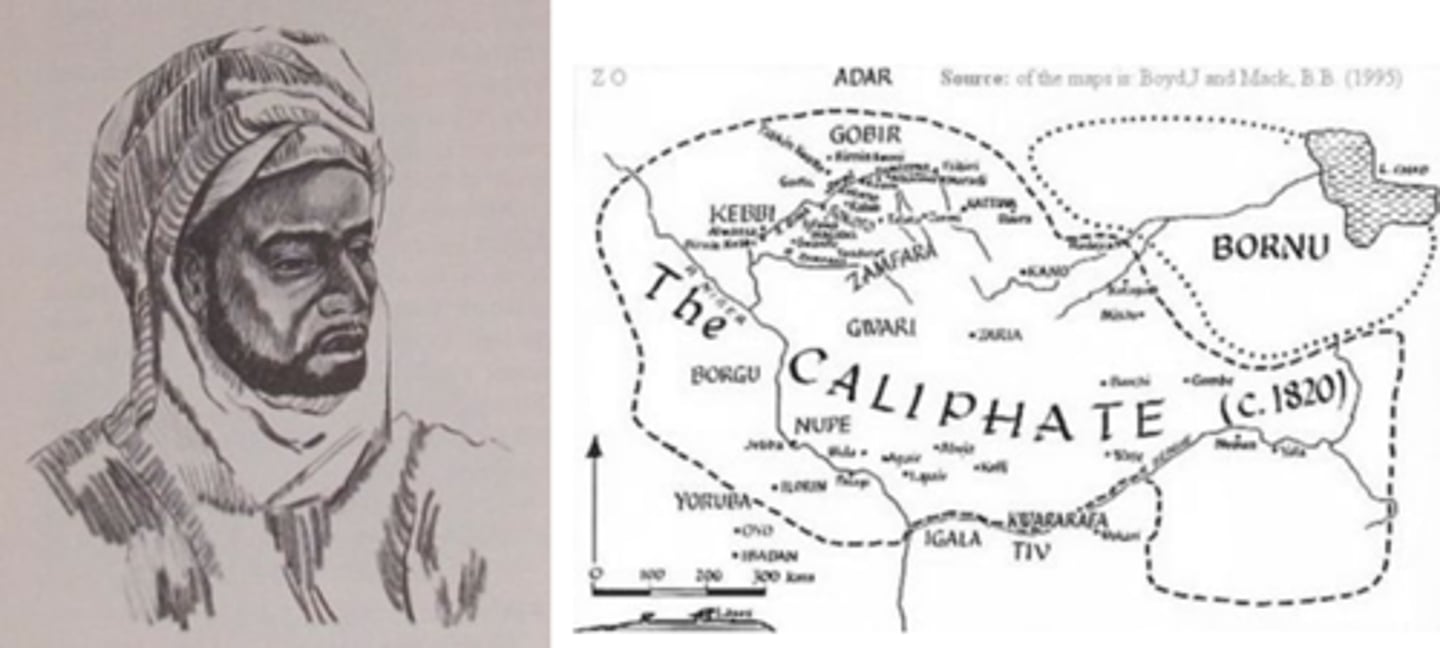
Sokoto Caliphate
Founded in 1809 by Uthman dan Fodio, this African state was based on Islamic history and law.
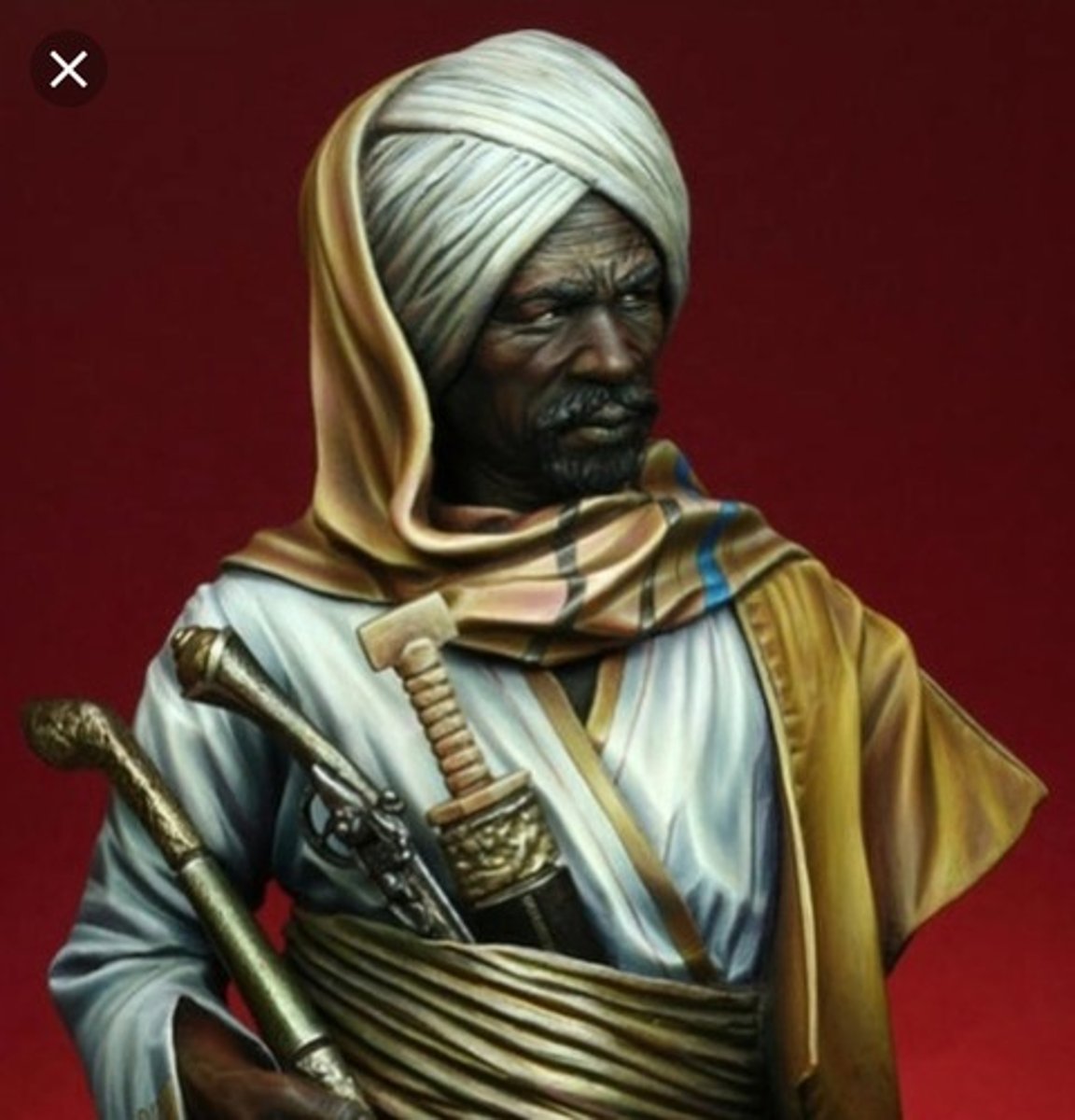
Mahdists
Disciples of Muhammad Ahmed, a Sudanese mystic who claimed to be al-Mahdi, "the divinely-inspired one," and who fought the British to establish a radical anti-Western Islamic regime in the 1880s.
Economic motives for imperialism
Desire for raw materials and markets

The need for raw materials and increased food supplies for the growing population in urban centers
Led to the growth of export economies around the world
Export economy
Economies that specialize in the extraction of natural resources and the production of foods and industrial crops for export.
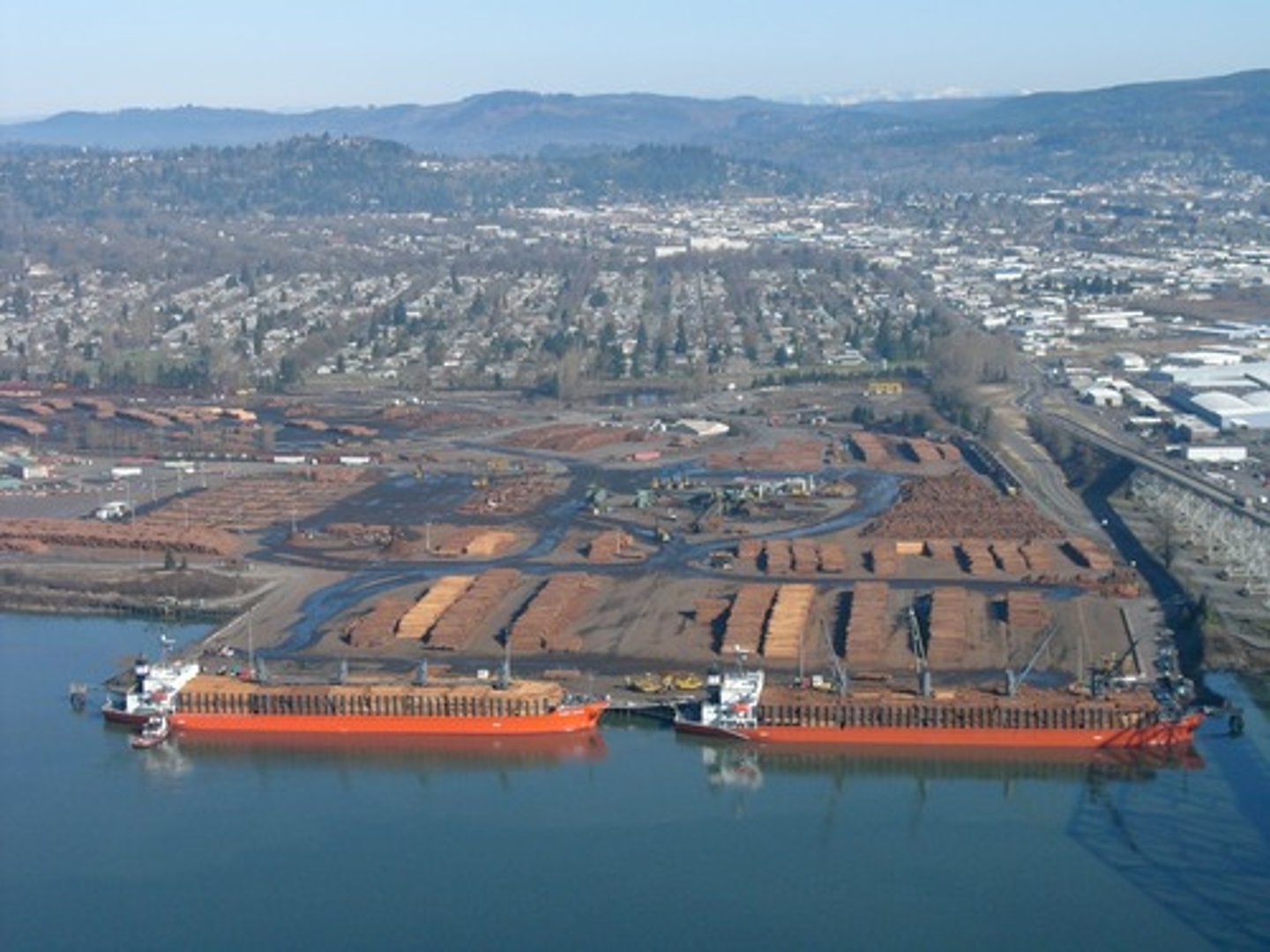
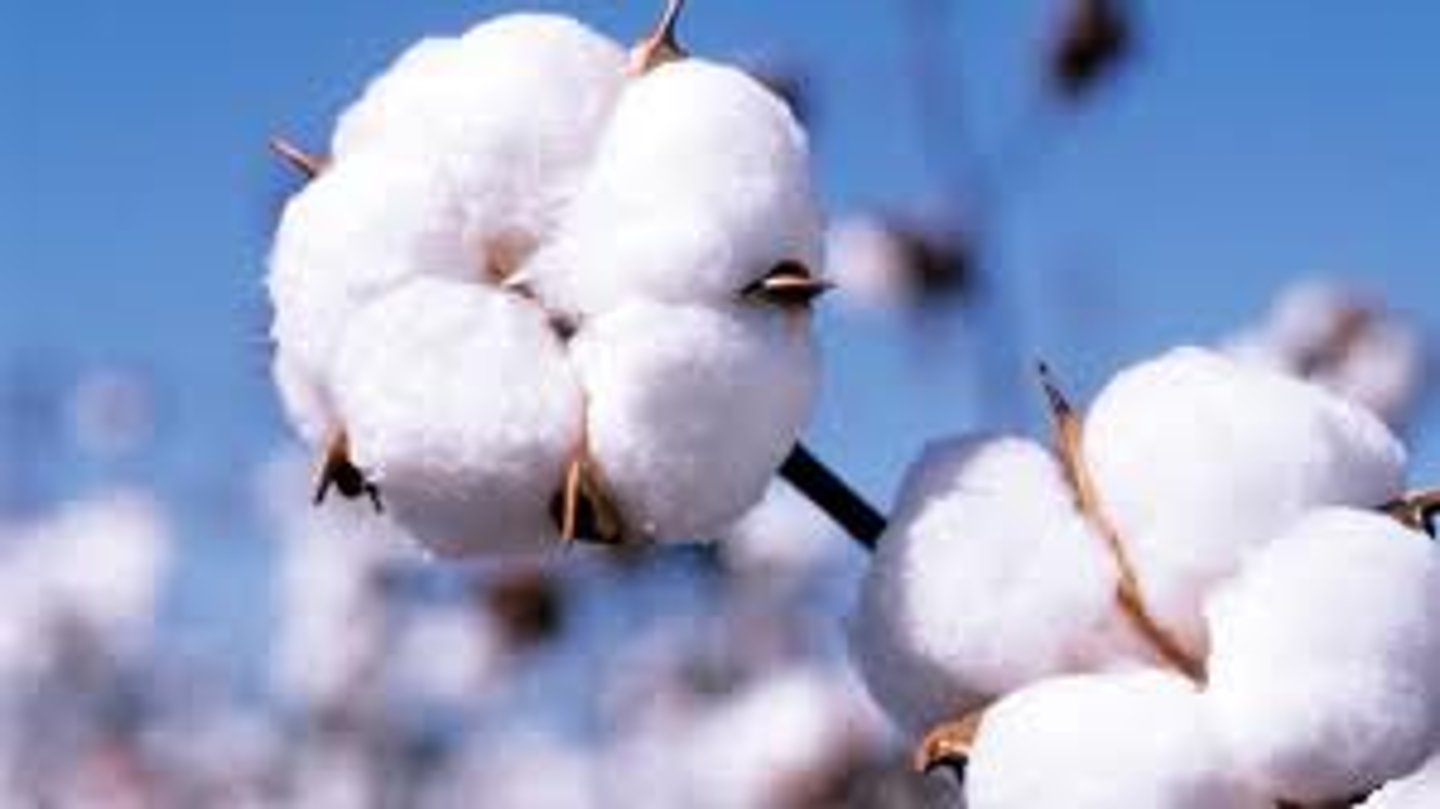
Examples of export economies/products
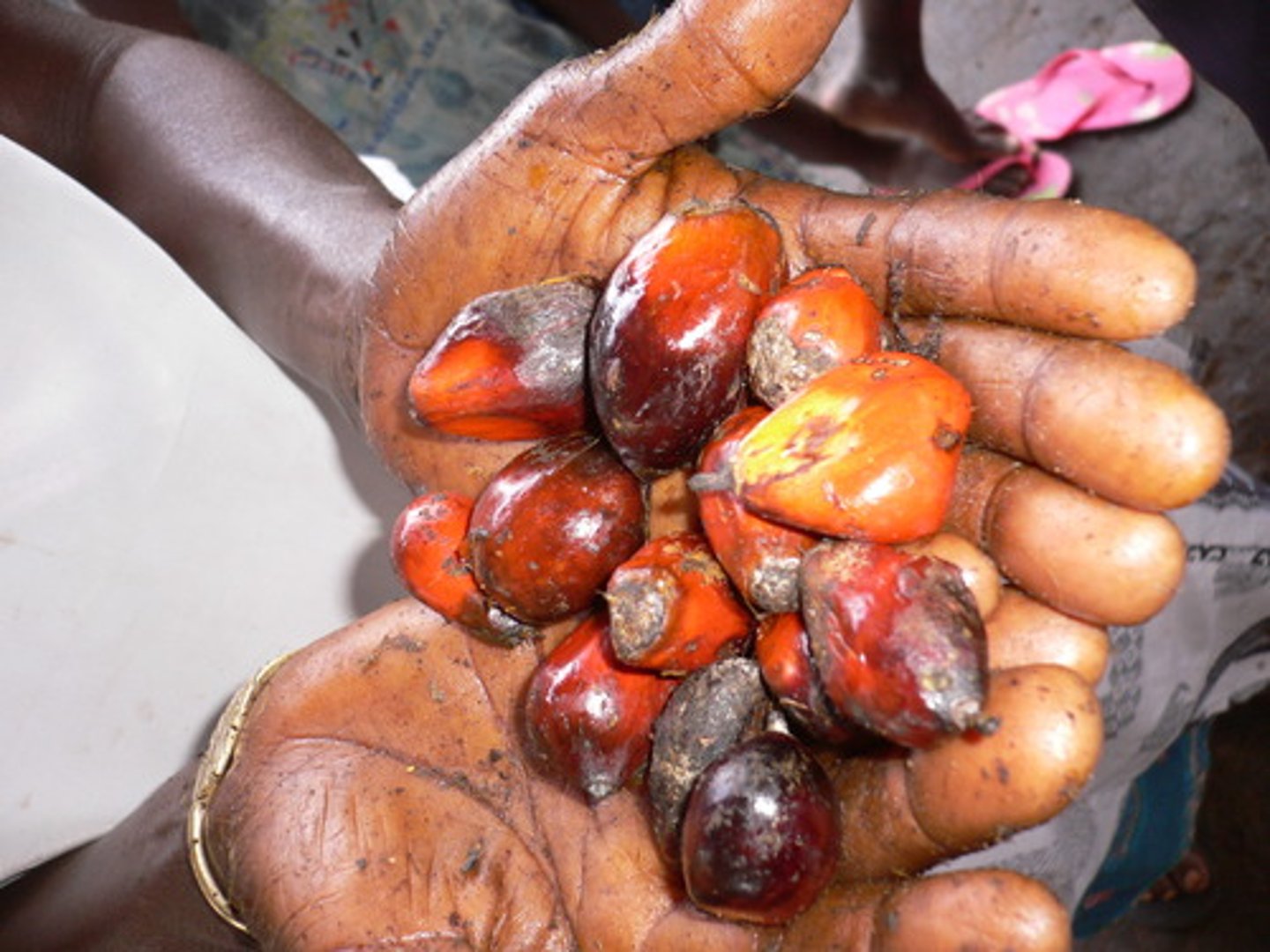
India and Egypt (cotton); Amazon and Congo Basins (rubber); West Africa (palm oil); Peru and Chile (guano); Argentina and Uruguay (beef); South Africa (diamonds)
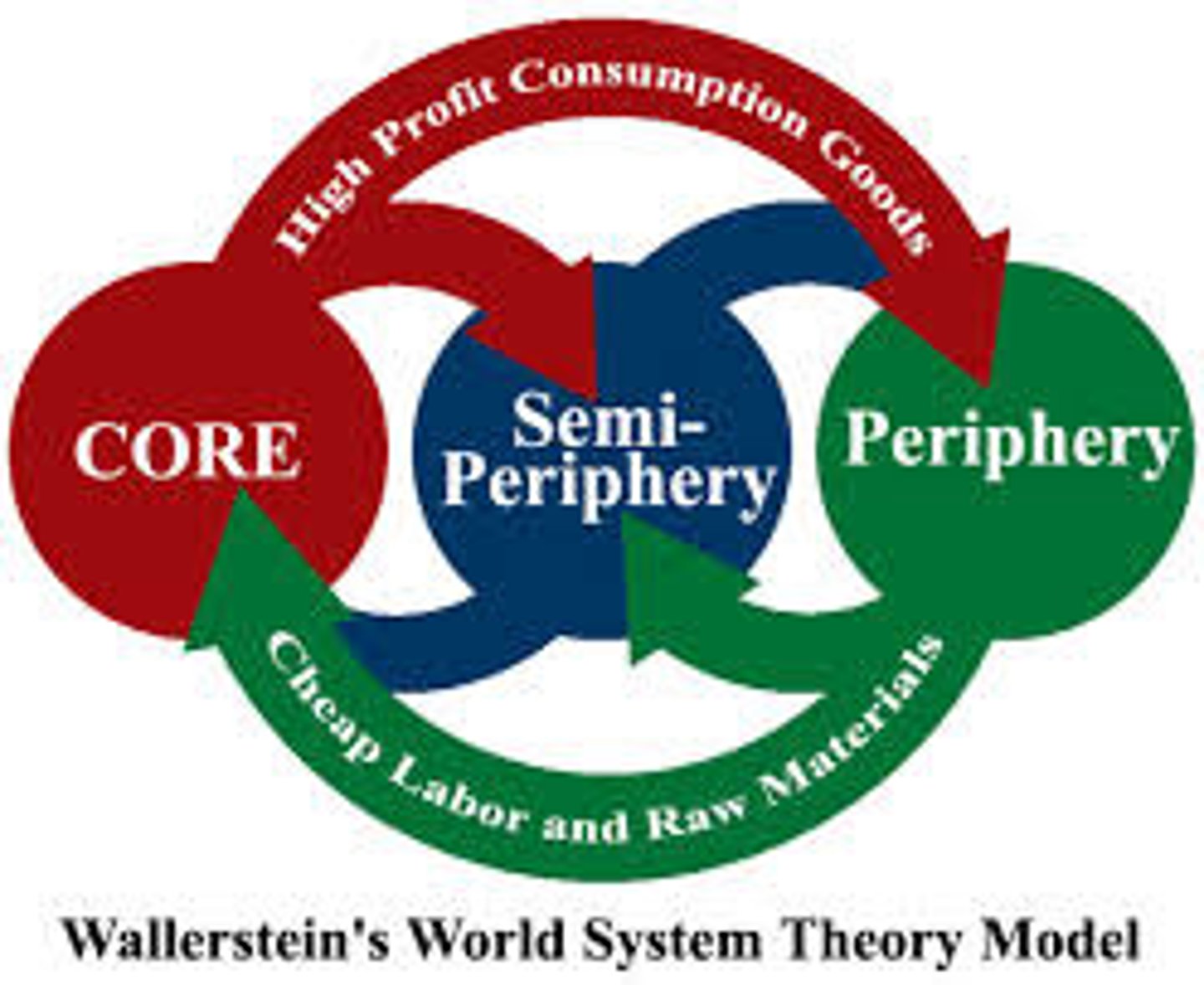
World Systems Theory
Theory originated by Immanuel Wallerstein proposing that core countries (industrialized countries) control the world economy and benefit at the expense of semi-periphery and periphery countries (non-industrialized countries).
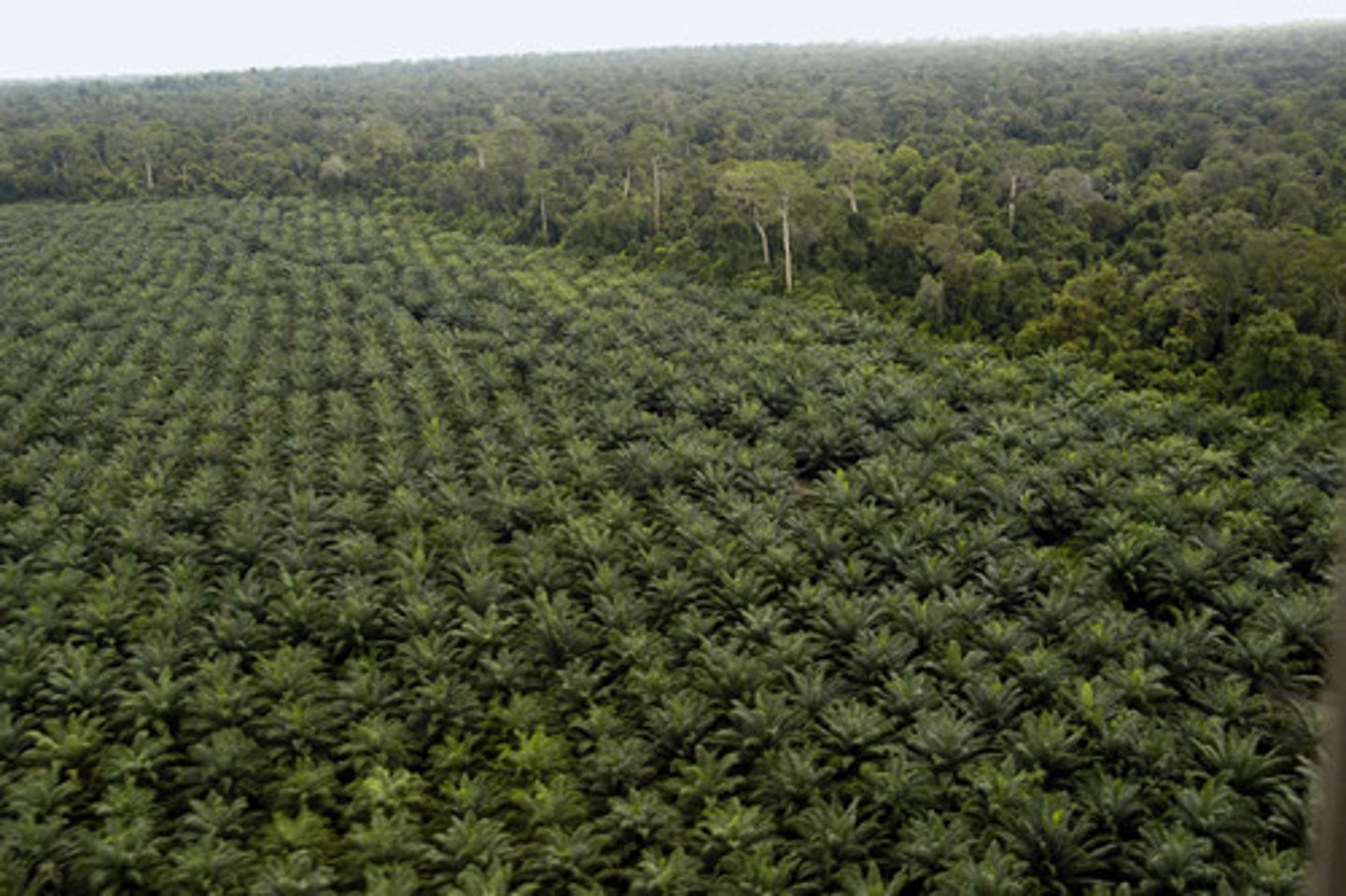
Palm oil
A West African tropical product often used for lubrication of machinery and soap.
India and Egypt
Two regions where large amounts of raw cotton were produced for export.
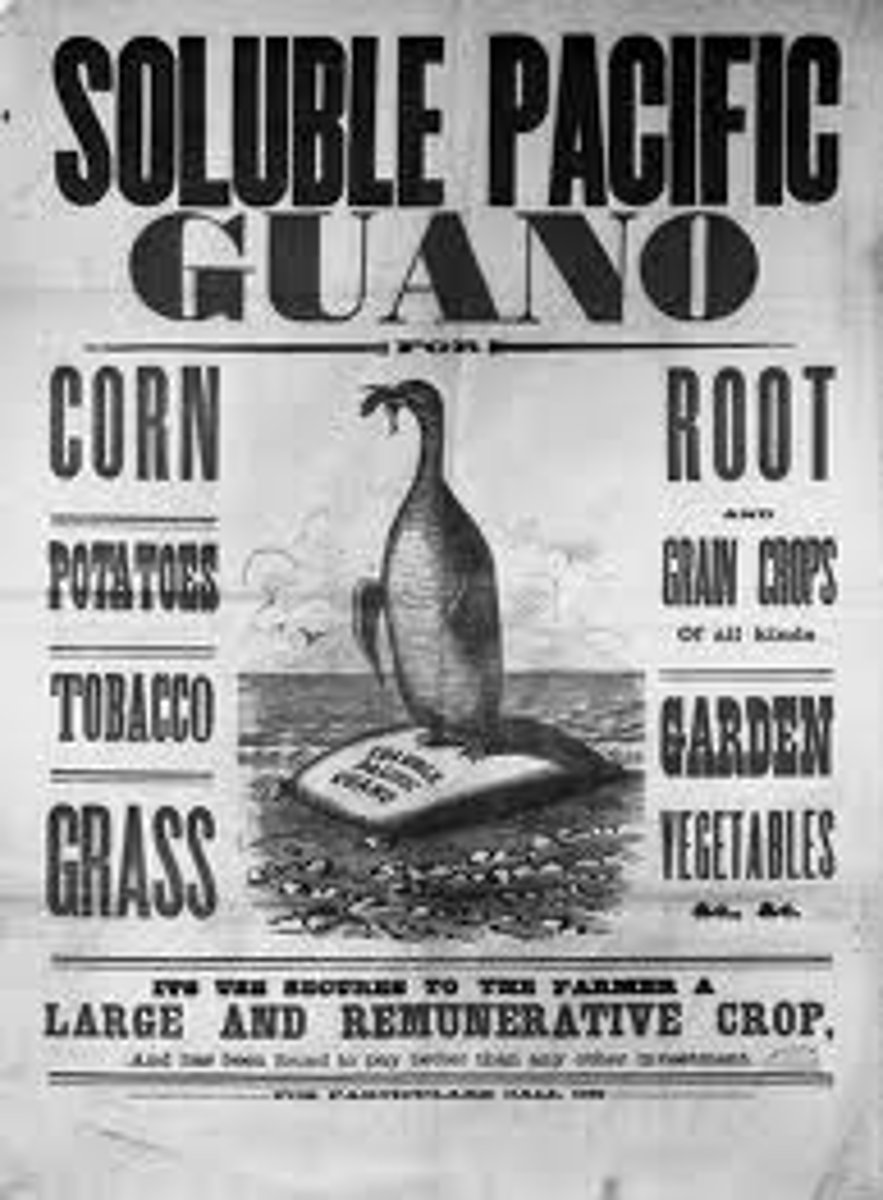
Guano
Bird droppings used as fertilizer; a major trade item of Peru in the late nineteenth century
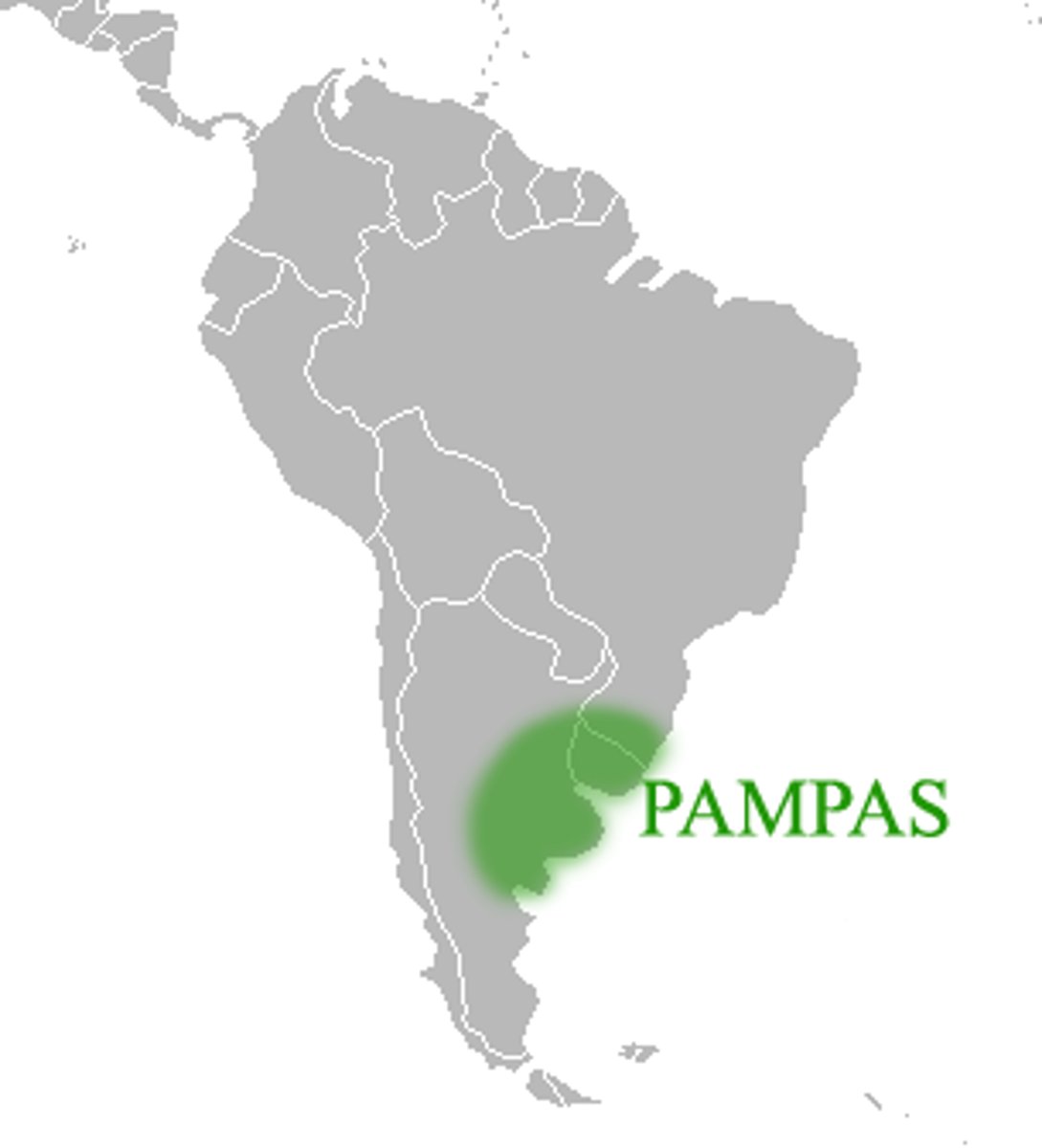
Cattle
Raised on the pampas of Argentine and Uruguay; beef was a major export
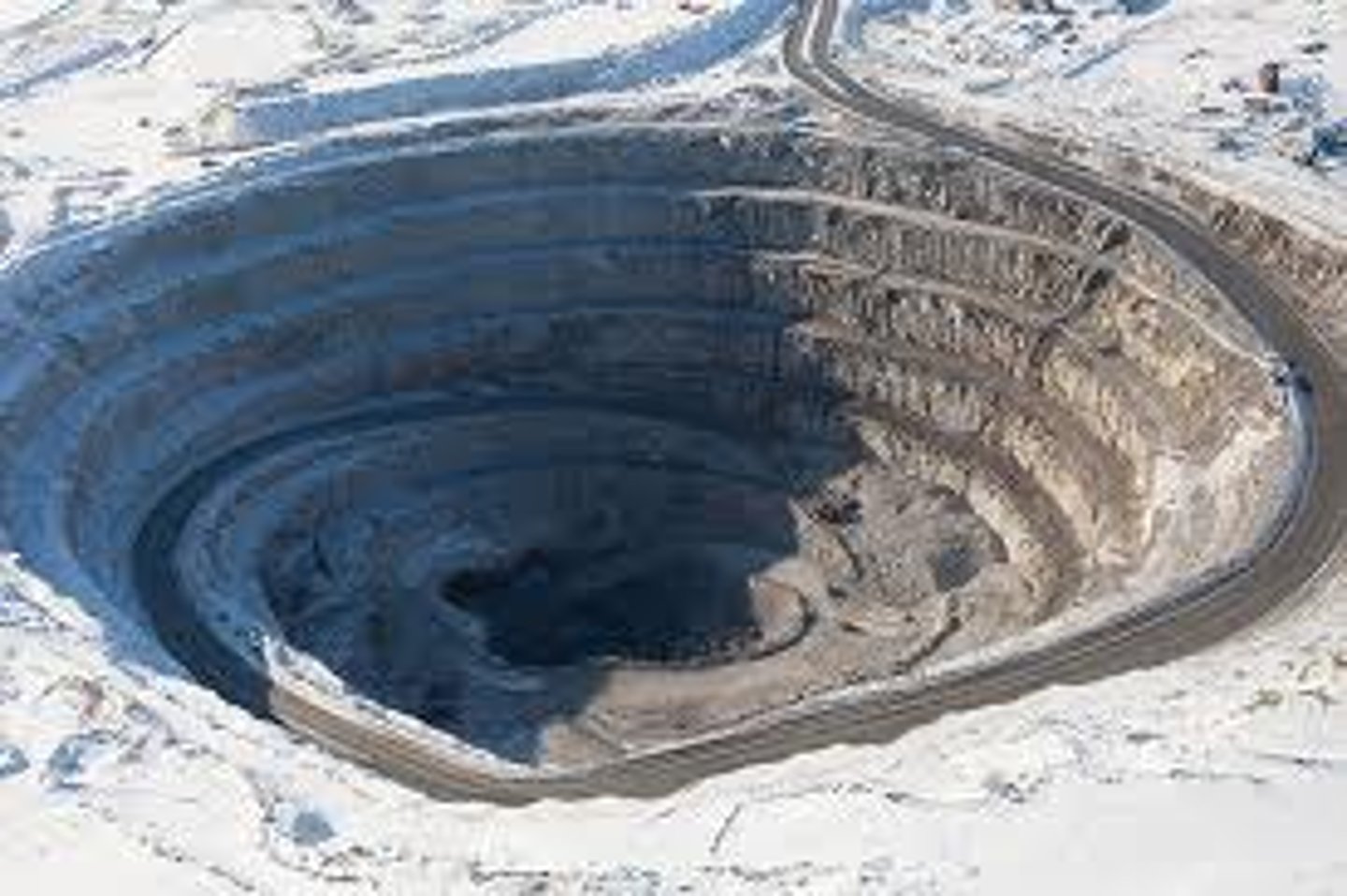
Diamond and gold mines
Located in South Africa
Rubber Plantations
Plantations that grew rubber trees in the Amazon and Congo River Basins.

Economic Imperialism
Independent but less developed nations controlled by private business interests rather than by other governments.
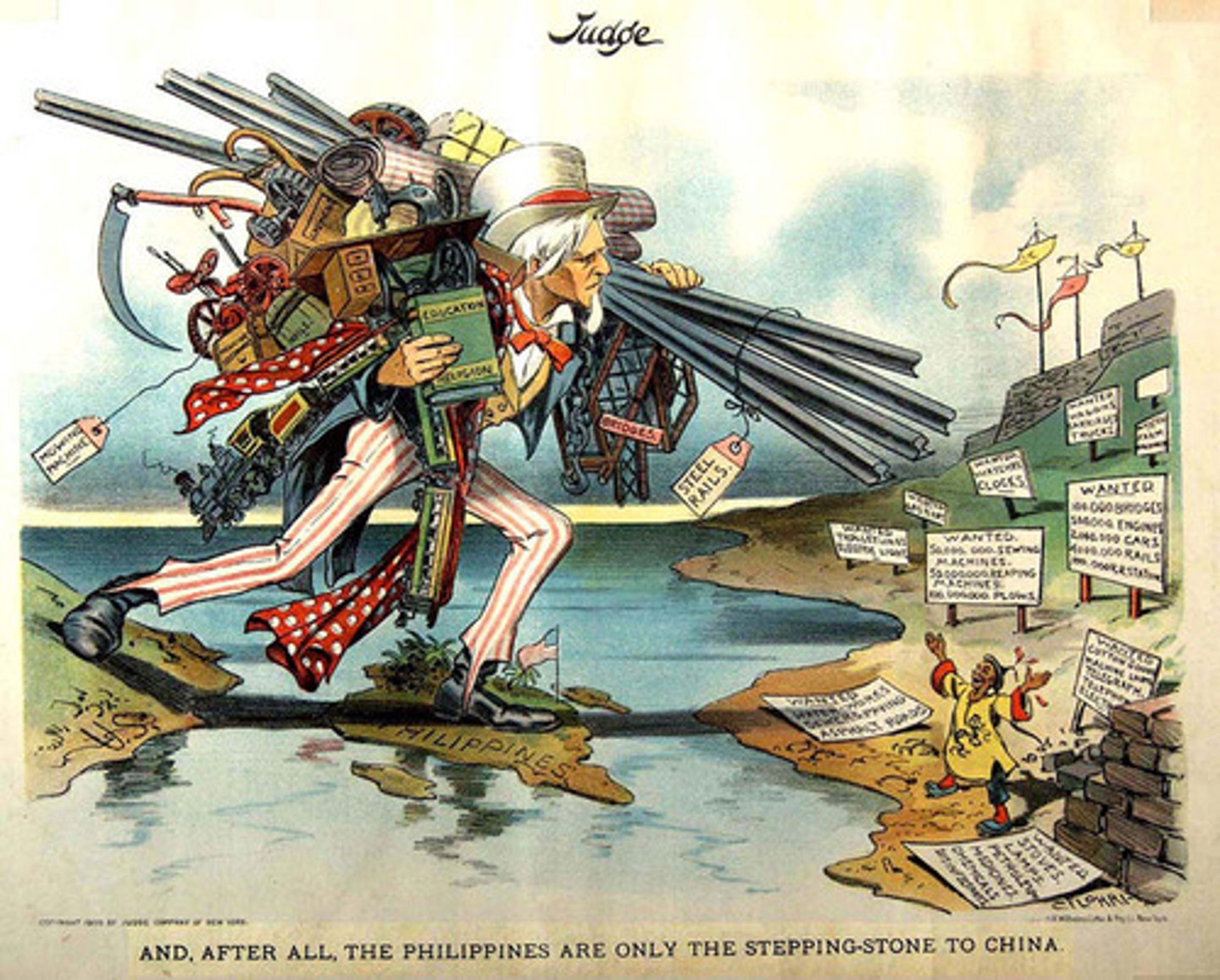
The export boom of the second half of the nineteenth century in Latin America drew large amounts of ___________ from the United States and Europe.
investment
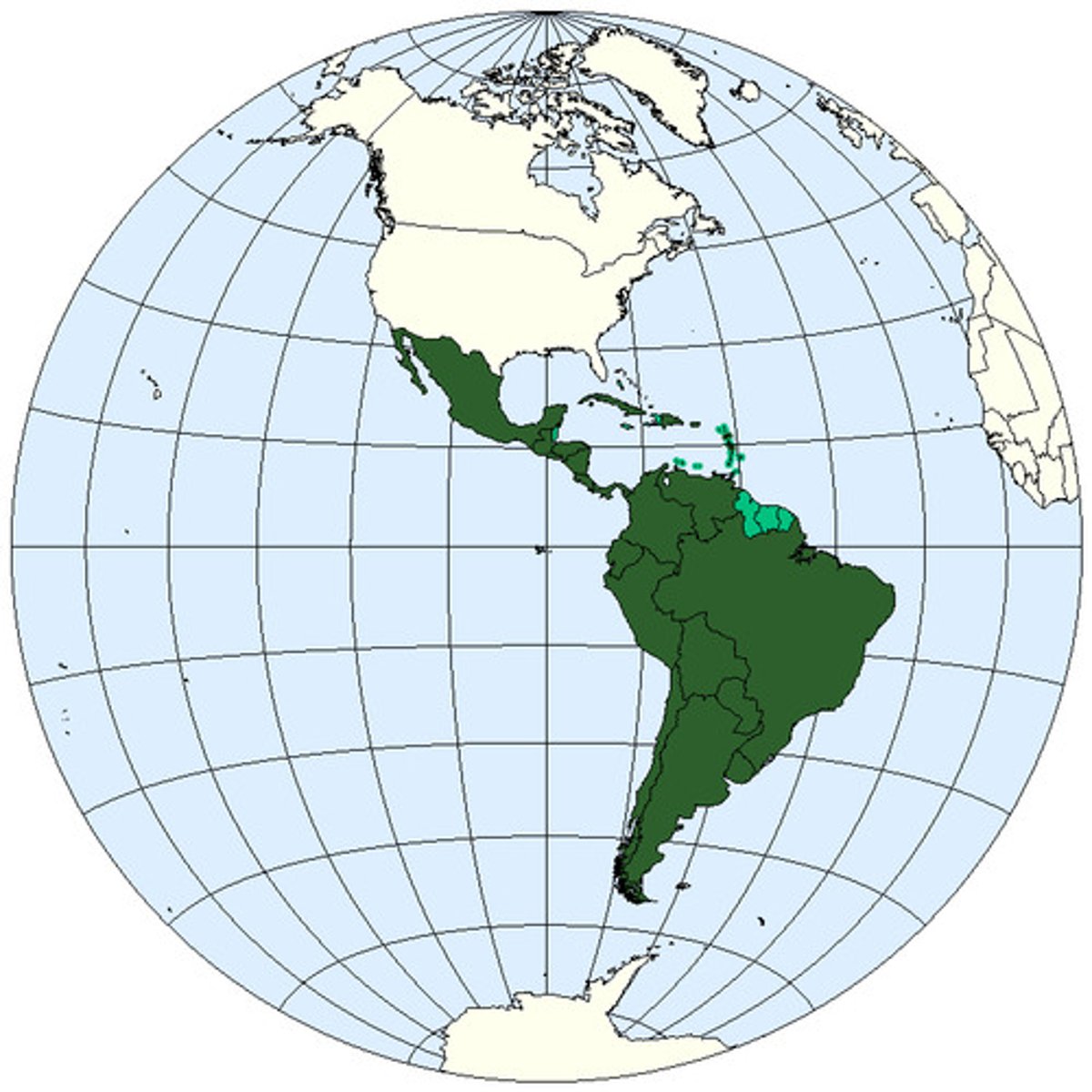
Neocolonialism
Also called economic imperialism, this is the domination of newly independent countries by foreign business interests that causes colonial-style economies to continue, which often caused monoculture (a country only producing one main export like sugar, oil, etc).
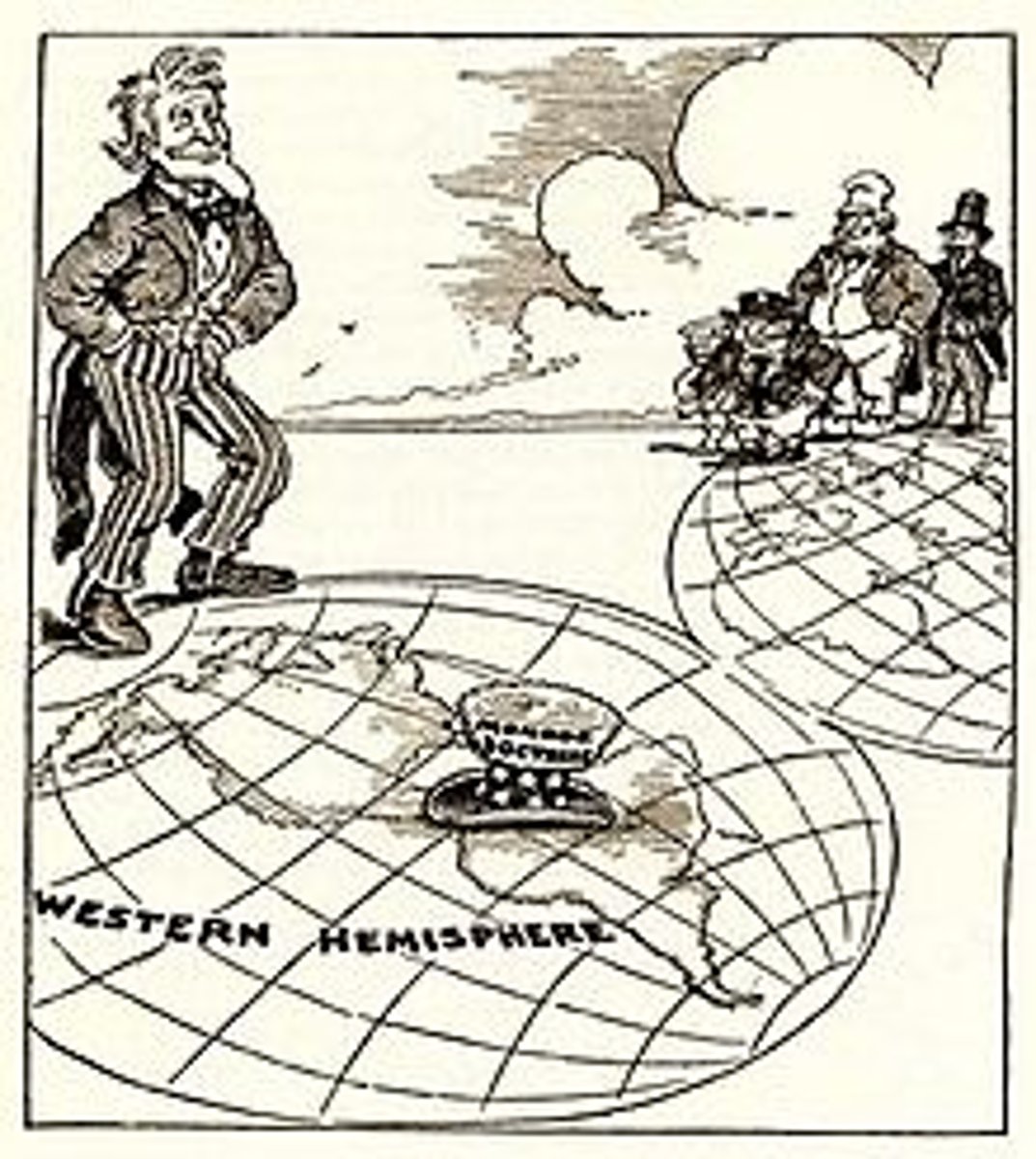
Dependent development
Term used to describe Latin America's economic growth in the nineteenth century, which was largely financed by foreign capital and dependent on European and North American prosperity and decisions.
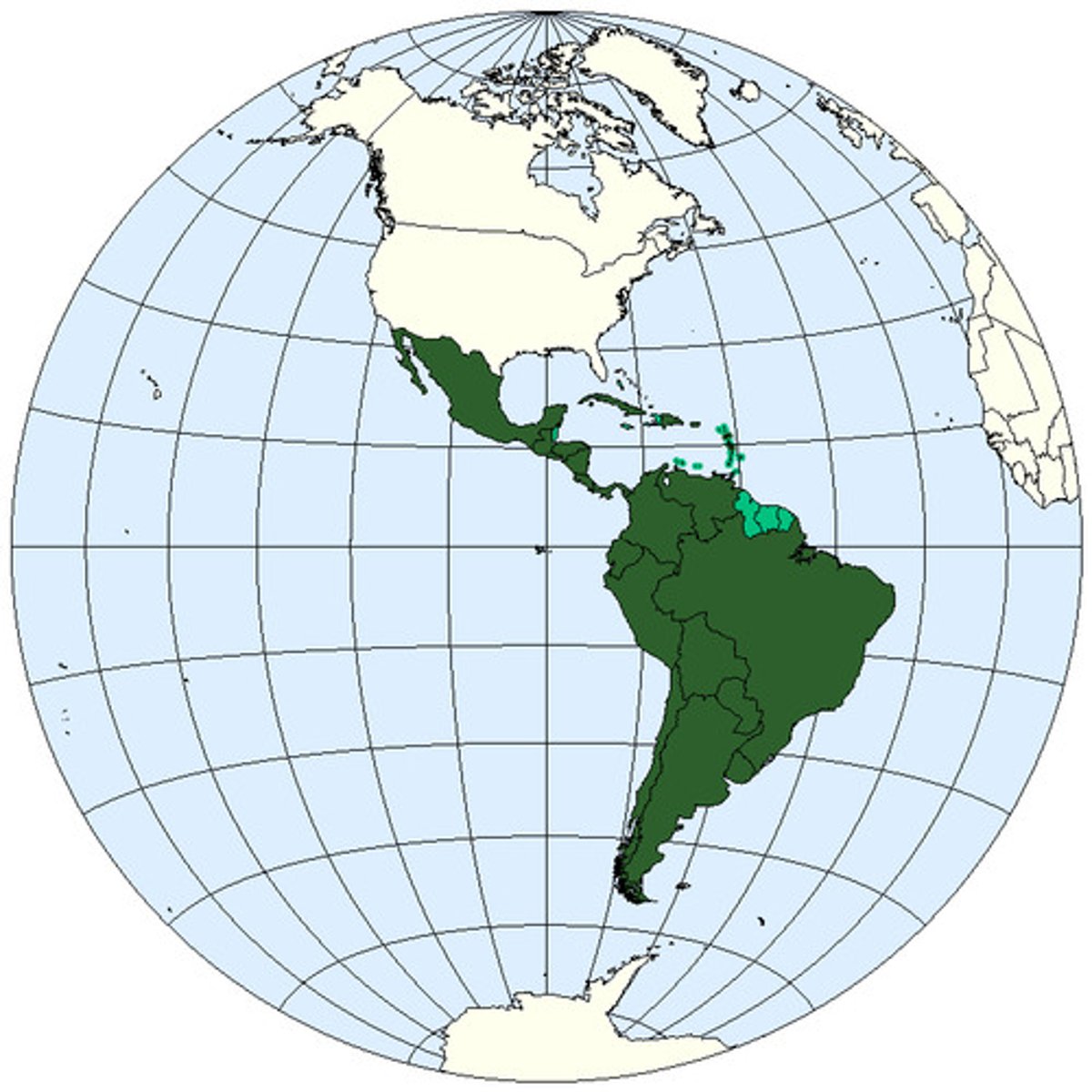
Mexican Revolution
(1910-1920 CE) Populist uprising. Fought over a period of almost 10 years form 1910; resulted in ouster of Porfirio Diaz from power; opposition forces led by Pancho Villa and Emiliano Zapata.
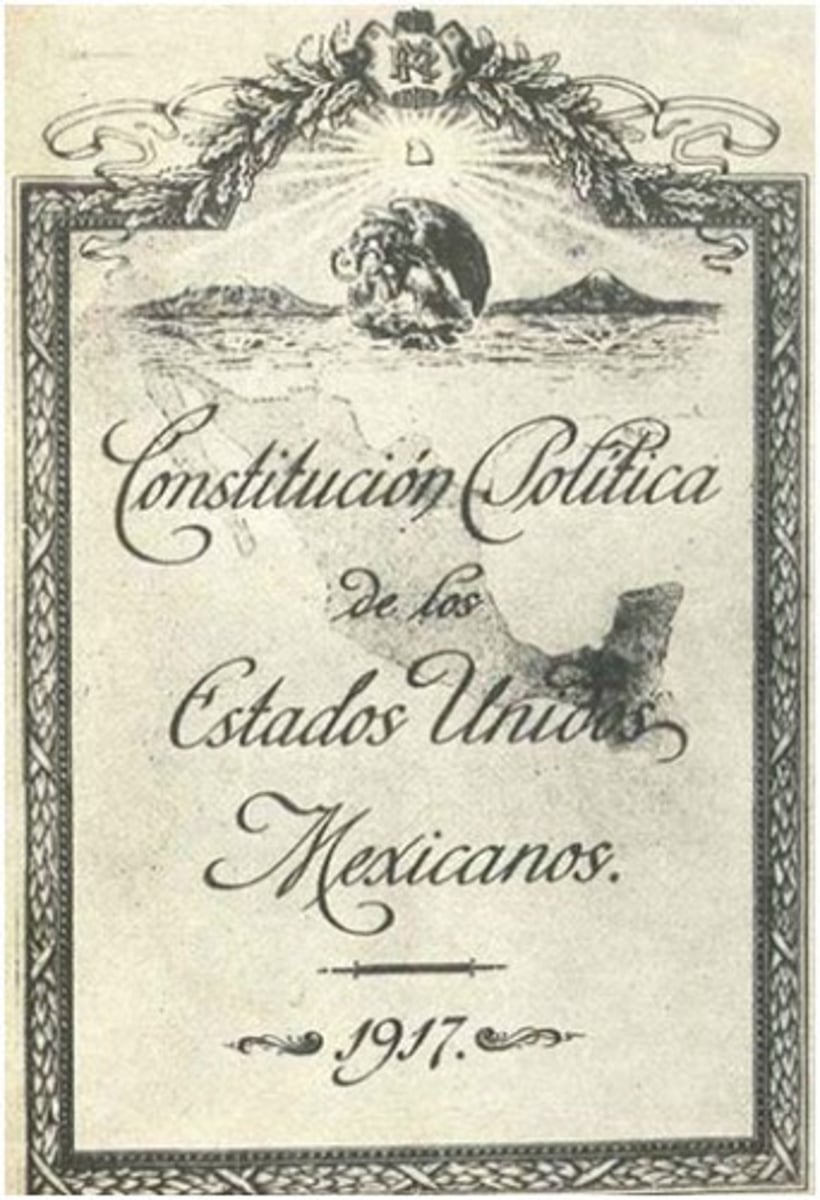
Mexican Constitution of 1917
Promised land reform, limited foreign ownership of key resources, guaranteed the rights of workers, and placed restrictions on religious education; marked formal end of Mexican Revolution.
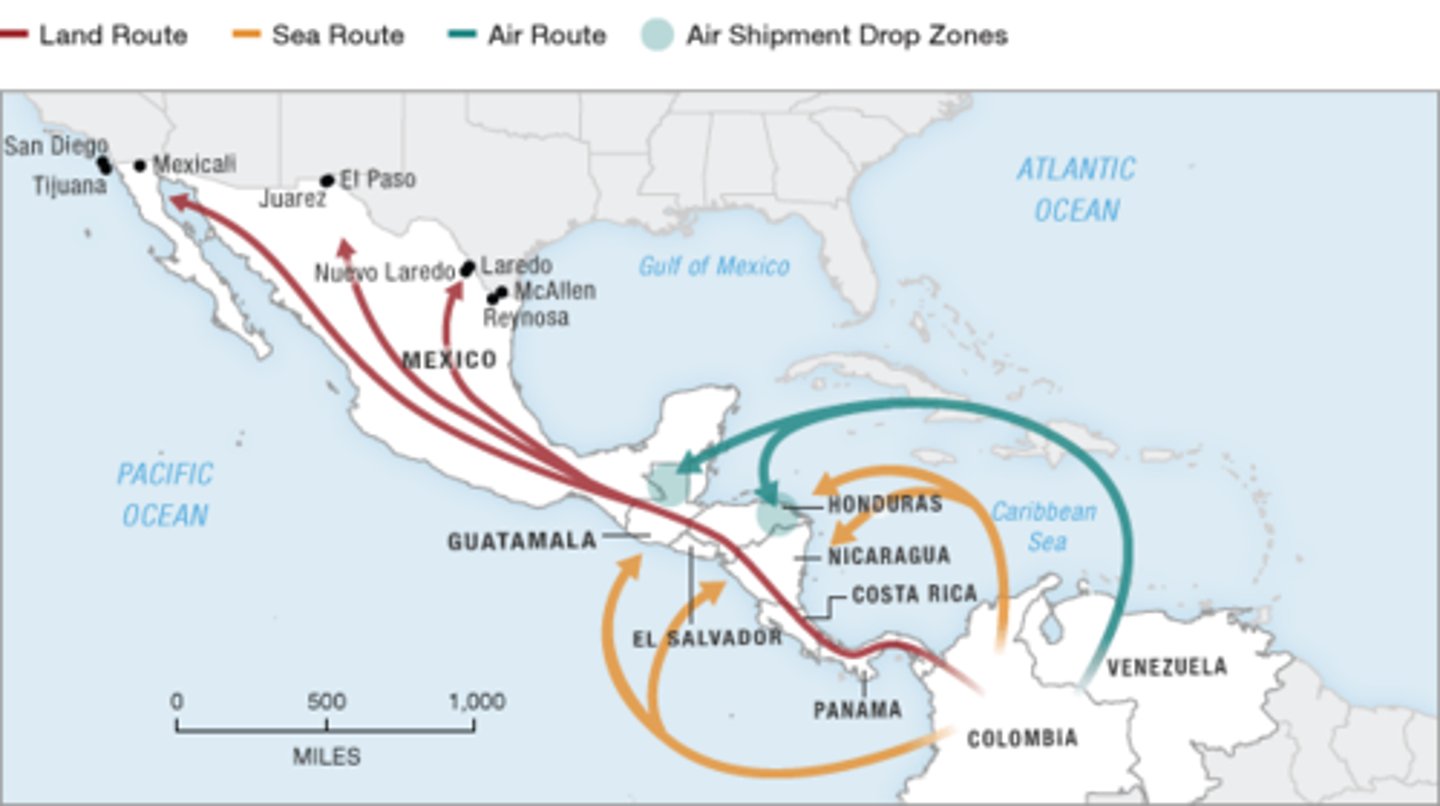
United Fruit Company
U.S. corporation that controlled the banana trade in much of Latin America; an example of economic imperialism.

Banana Republic
Term used to describe a Central American nation dominated by United States business interests
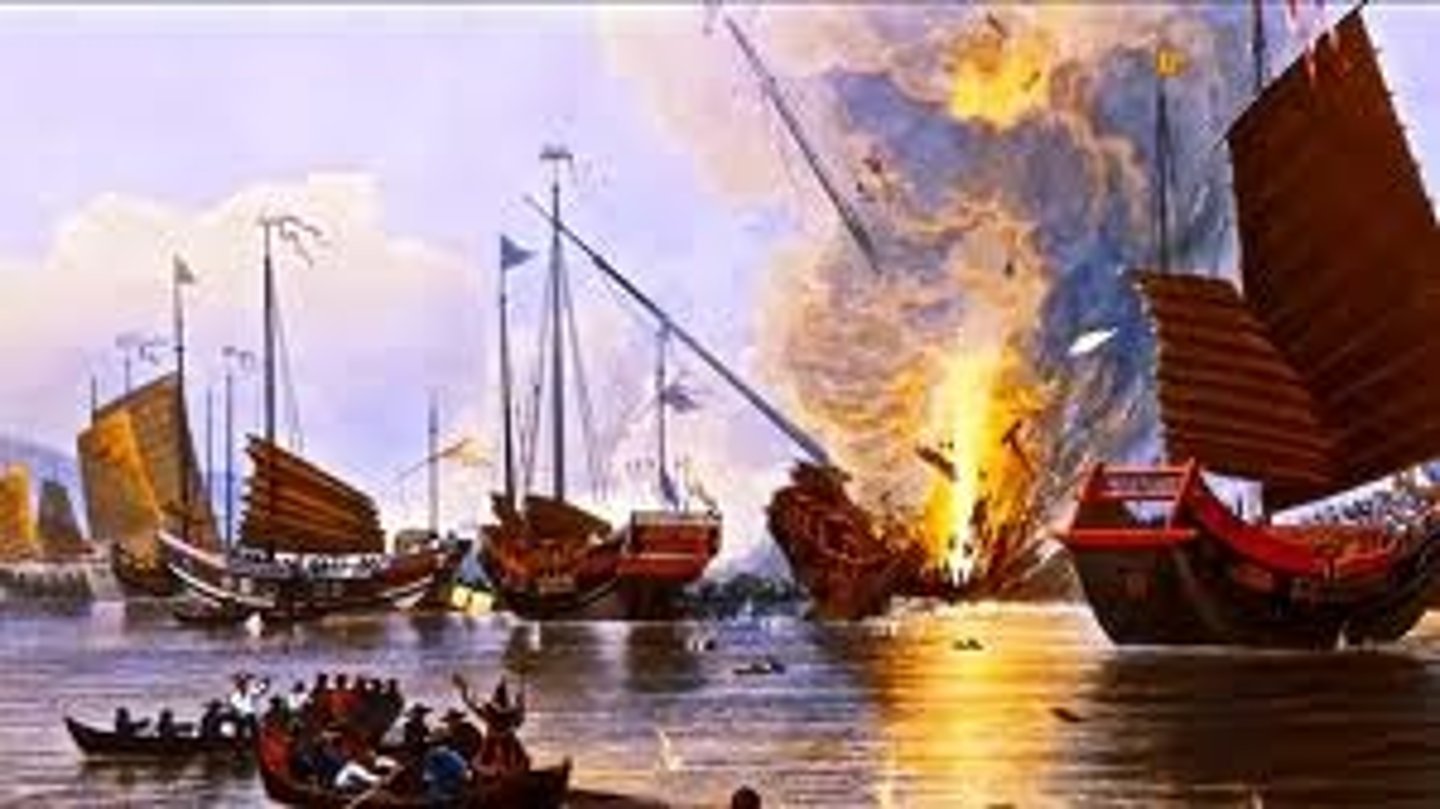
Opium Wars (1839-1842 1856-1860)
The wars between China and Britain. Britain faced an imbalance of trade with China over silk and tea, so Britain sold opium to the Chinese. The Chinese foreign minister Lin Xezu closed the ports. This led to Britain attacking the Chinese fleet for access. The result was the Treaty of Nanking, in which Britain got access to Chinese ports and control of Hong Kong.
Treaty of Nanking (Nanjing)
Peace treaty signed by China and Great Britain, ending the Opium War, but also greatly restricting Chinese control over their own trade with western countries
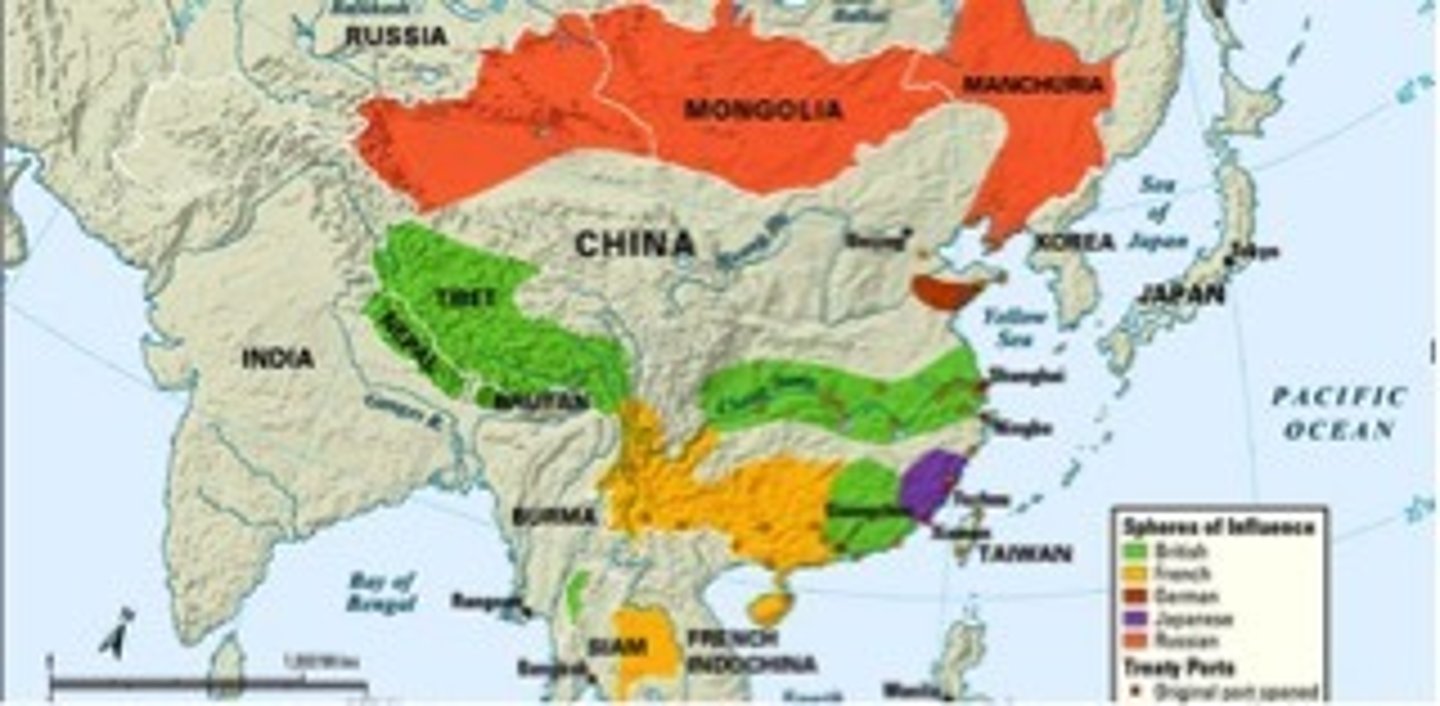
Spheres of Influence in China
Areas of China where foreign nations (Great Britain, Germany, Japan, France) controlled economic developments such as railroad construction and mining; an example of economic imperialism.
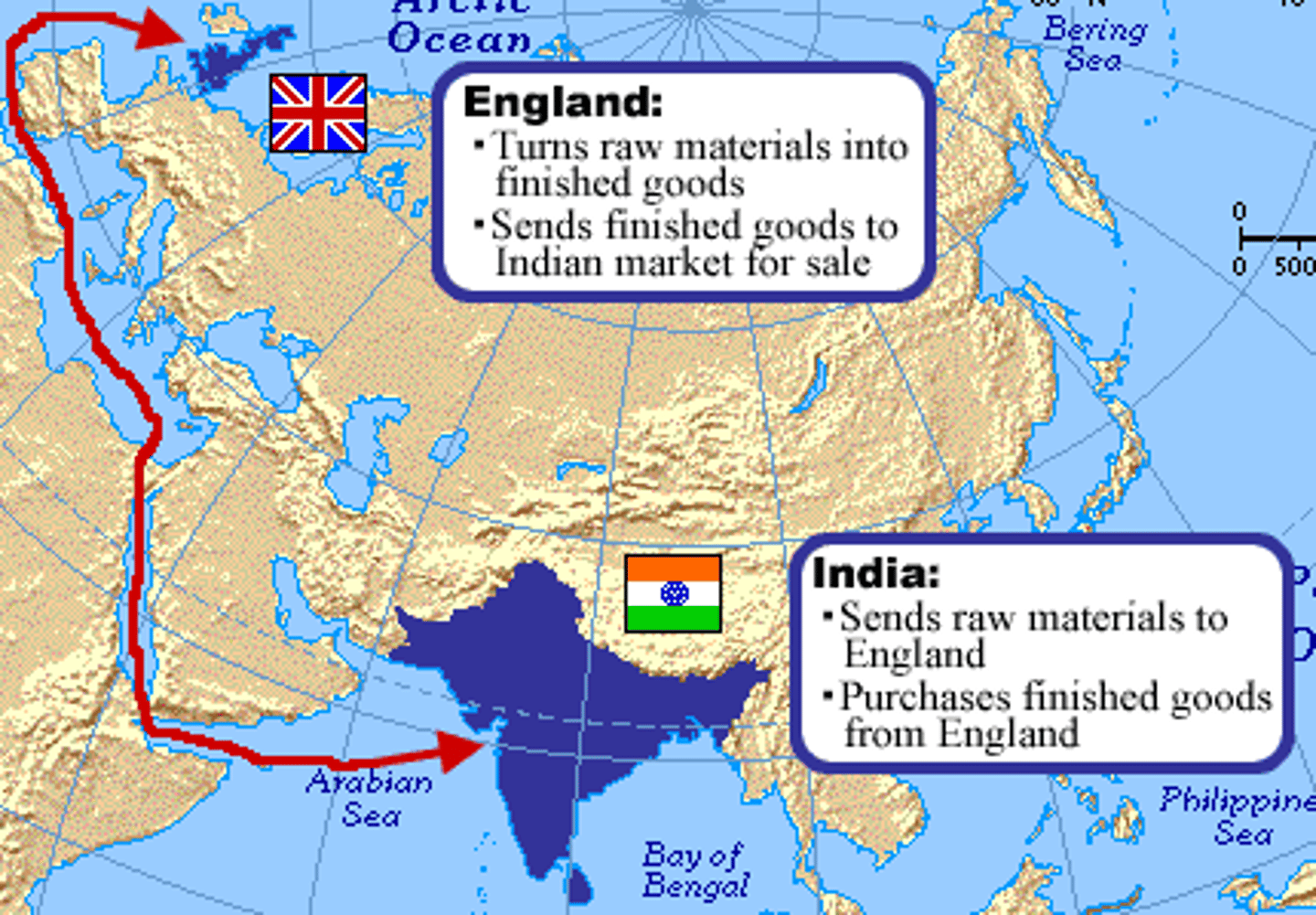
International division of labor
The specialization, by countries, in particular products for export.
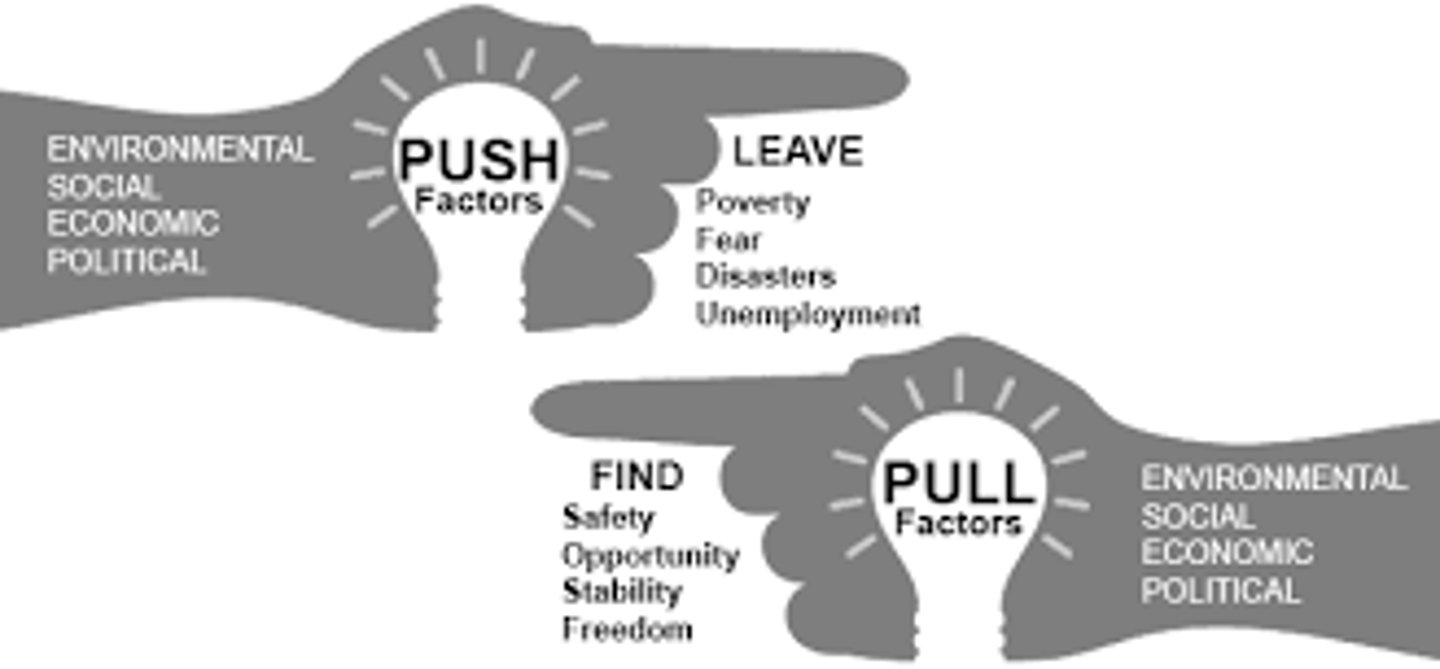
Push-pull factors of migration
Conditions that draw people to another location (pull factors) or cause people to leave their homelands and migrate to another region (push factors)
Demographics
The distribution of human population groups

Population pressure, political unrest, religious persecution, famine
Push factors for migrations of the 19th and 20th centuries

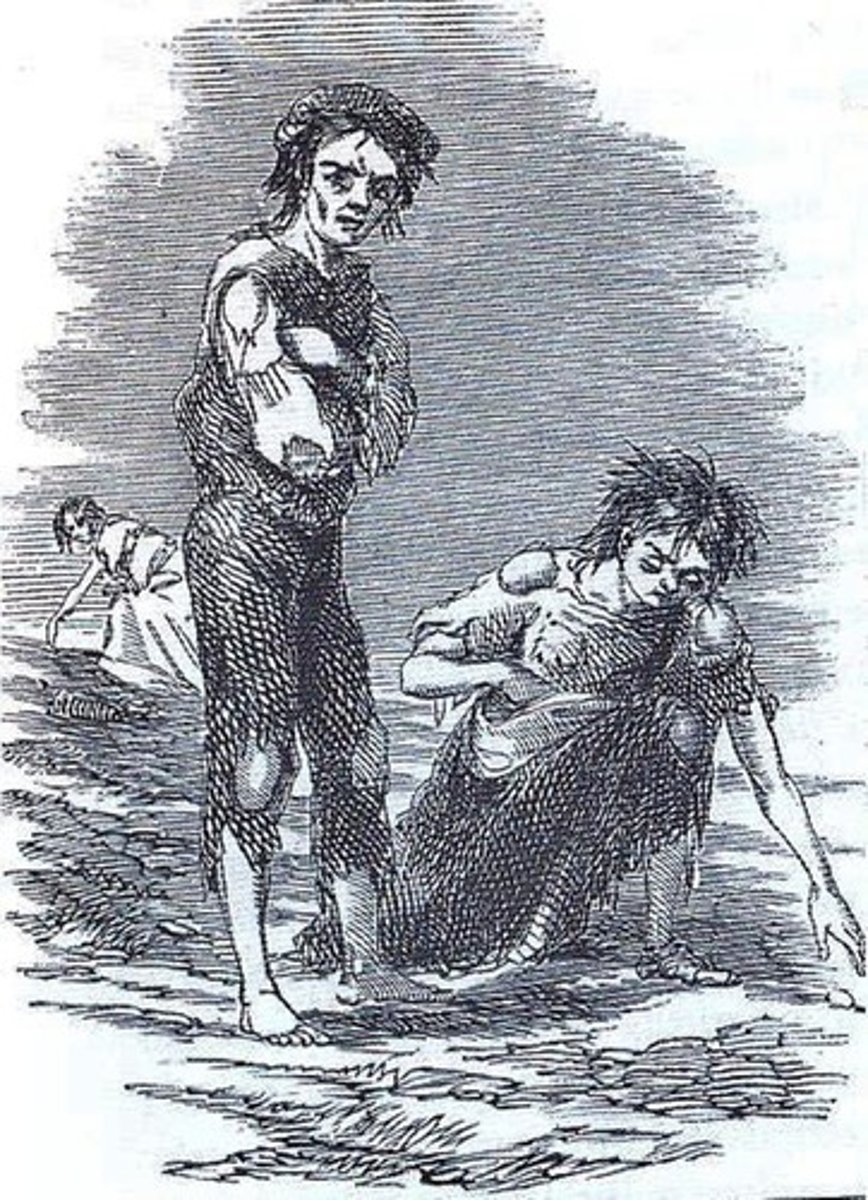
Irish Potato Famine
A famine in 1845 when the main crop of Ireland, potatoes, was destroyed by disease. Irish farmers grew other food items, such as wheat and oats, but Great Britain required them to export those items to them, leaving nothing for the Irish to live on. As a result, over 1 million Irish died of starvation or disease, while millions of others migrated to the United States.
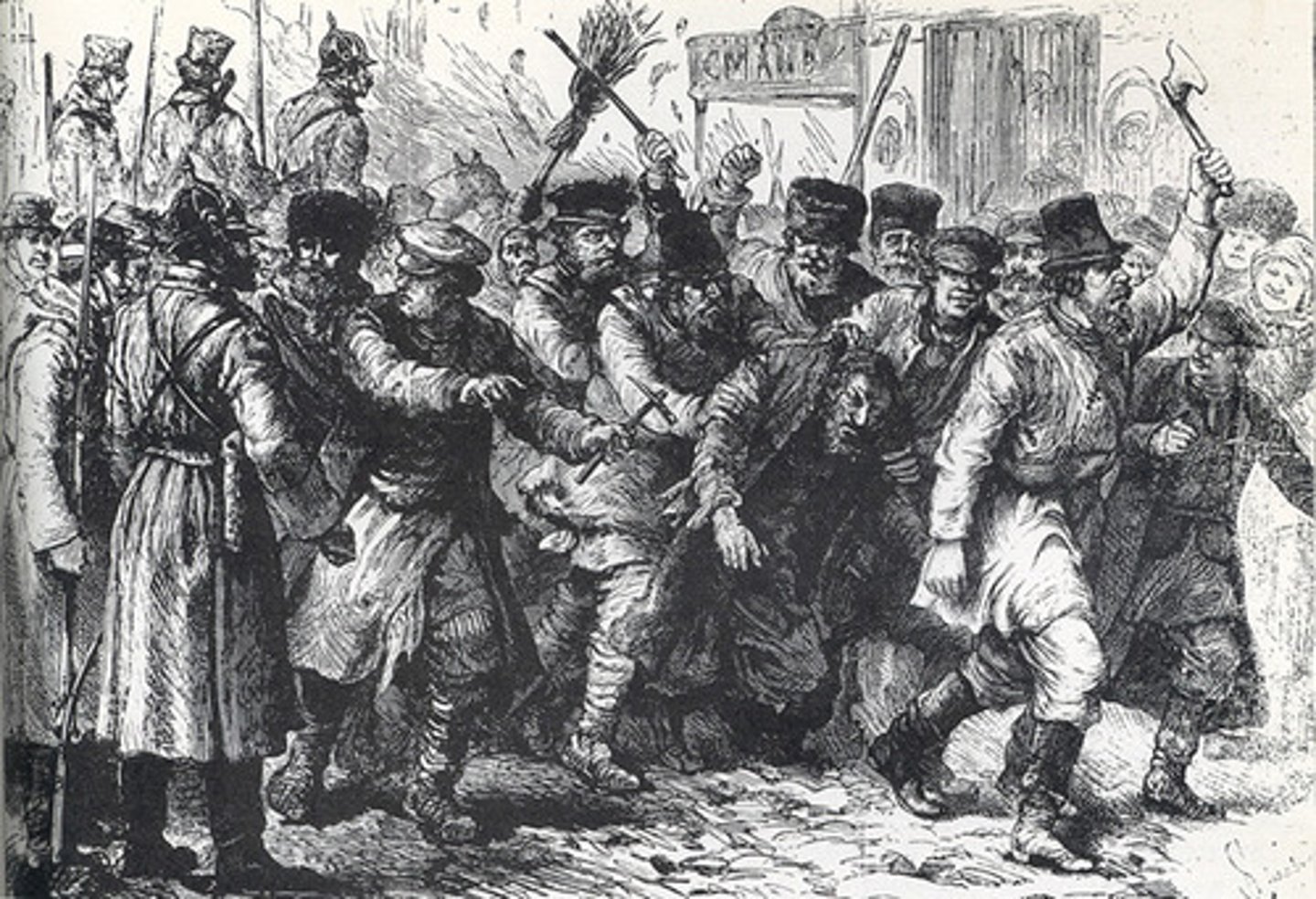
Pogrom
An organized massacre of a particular ethnic group, in particular that of Jews in Russia or eastern Europe.
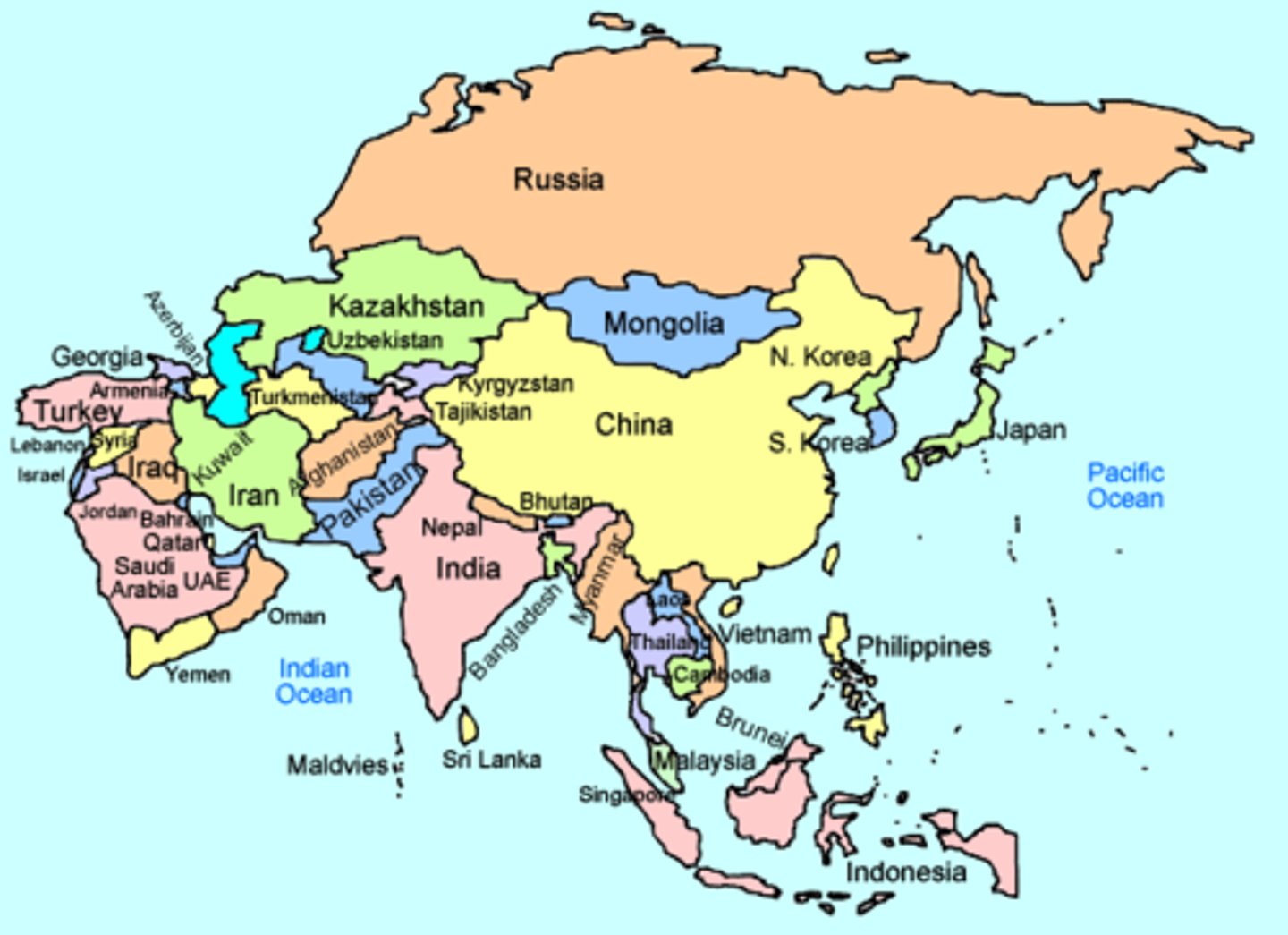
India, China, Japan
Impacted by population pressures that led to migrations.
Available farmland, work opportunities for migrants
Pull factors for migrations of the 19th and 20th centuries.
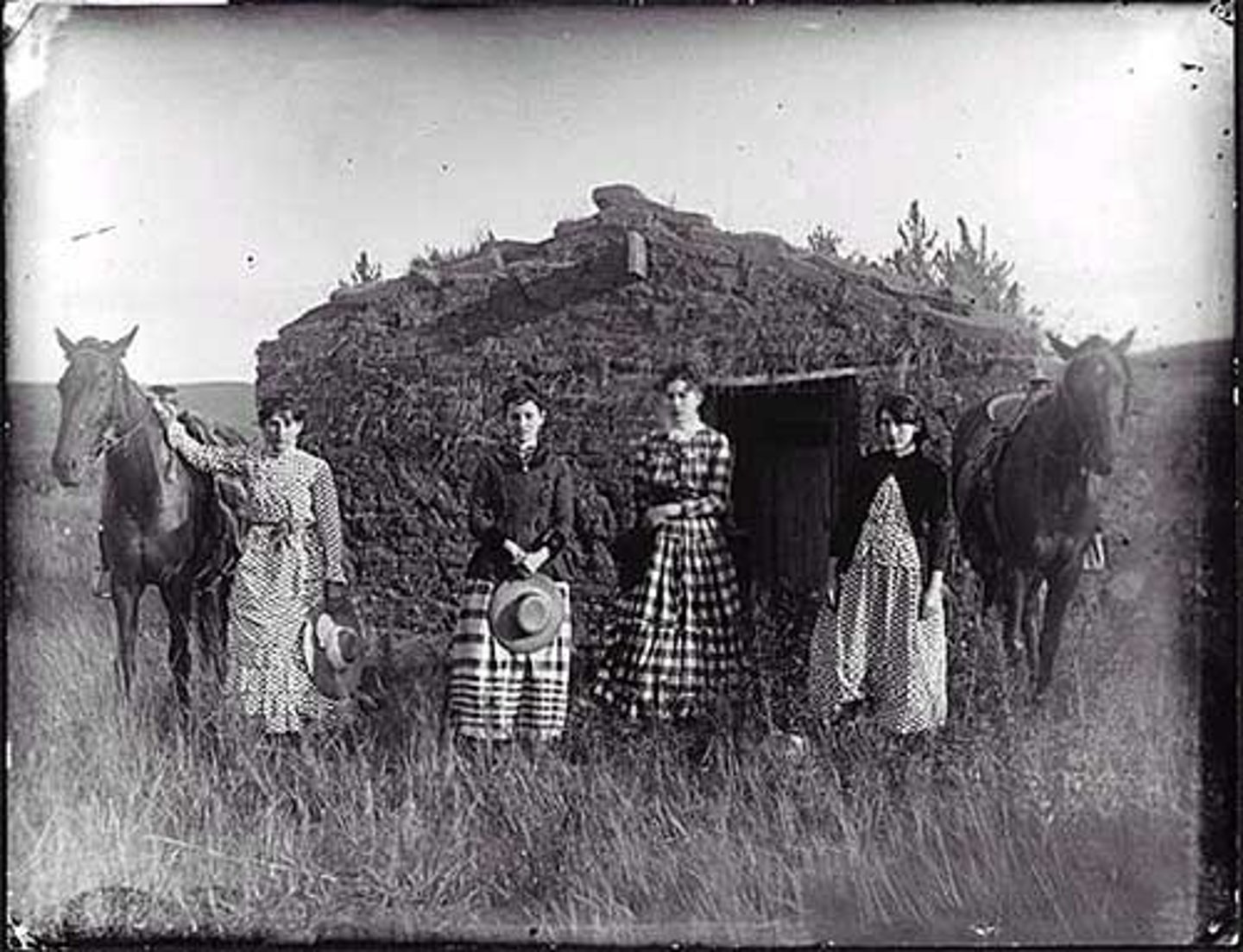
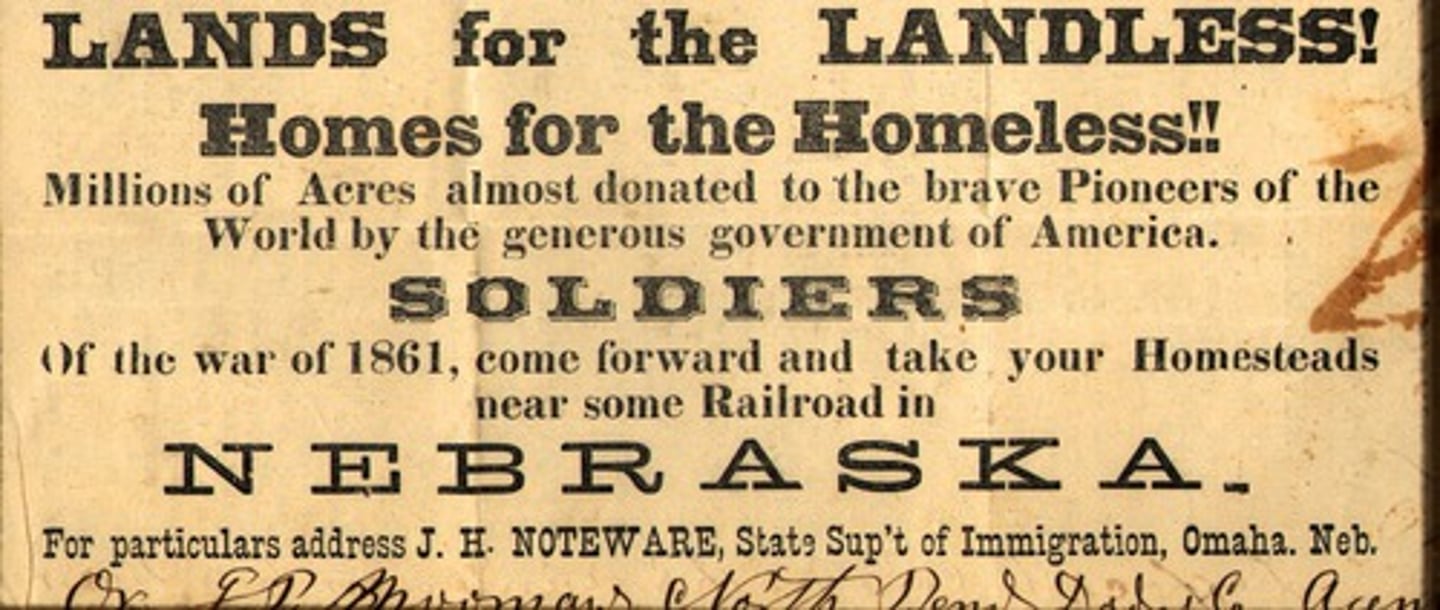
Homestead Act of 1862
U.S. law that this allowed a settler to acquire 160 acres by living on it for five years, improving it and paying about $30; encouraged internal and external migration.
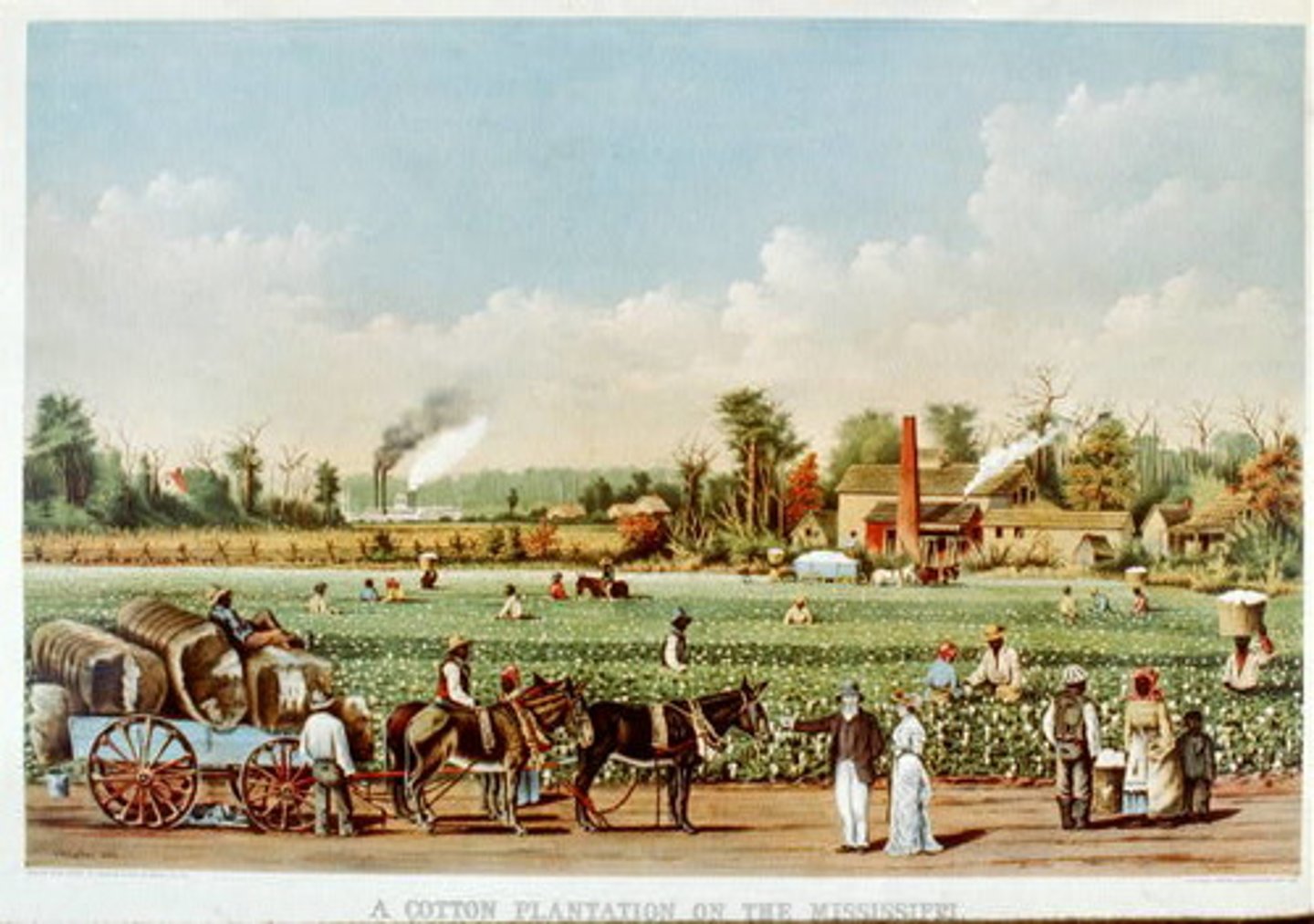
End of slavery
Resulted in an increased demand for agricultural workers in the Caribbean, islands of the Indian Ocean, and South Africa.
Increased industrial production
Resulted in an increased demand for factory workers; resulted in external migration from Europe to the United States and internal migration from the countryside to the cities in Britain and Europe.
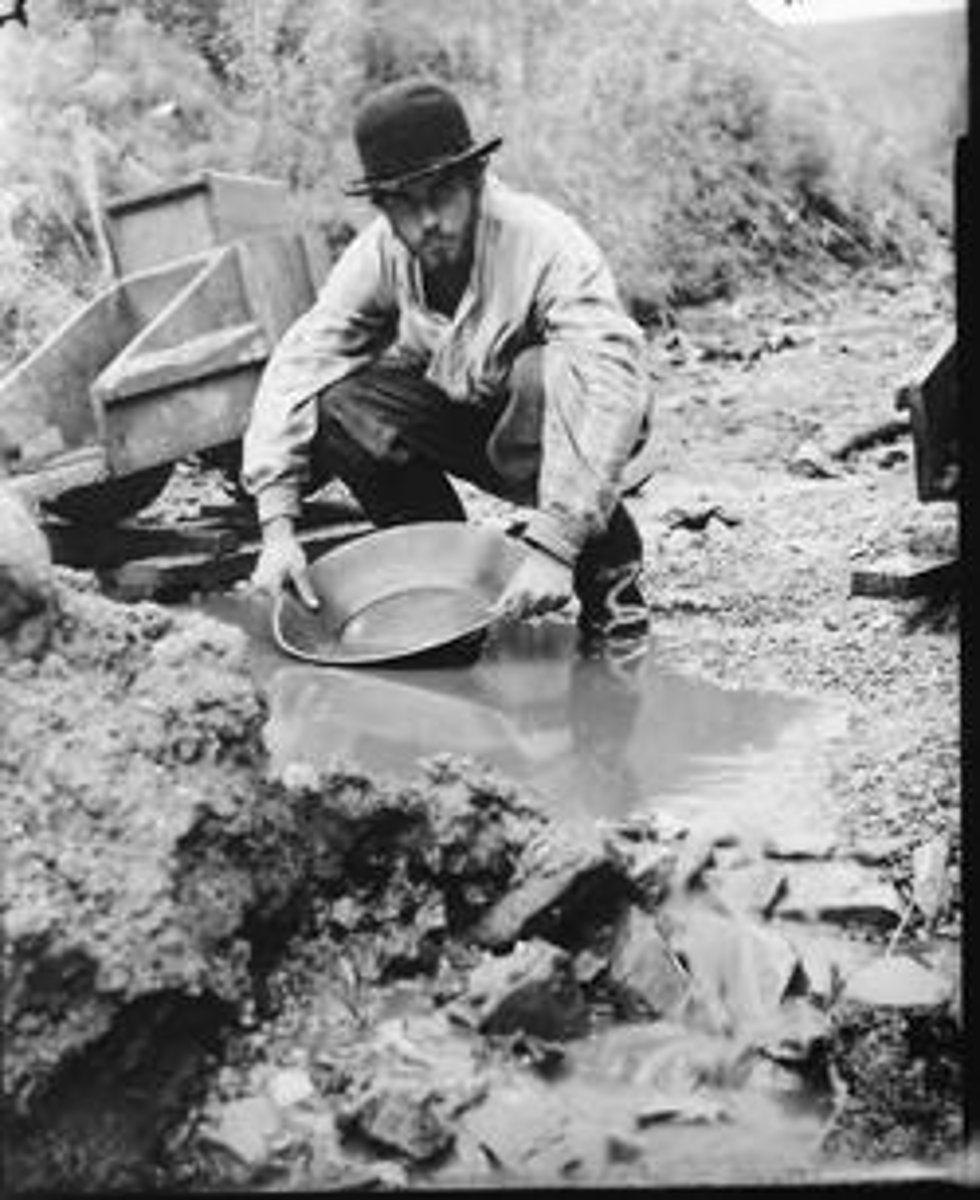
Gold strikes in California, Alaska, and Australia
Led to large migrations
Development of mining industries in South Africa and Latin America
Led to large scale internal and external migrations.
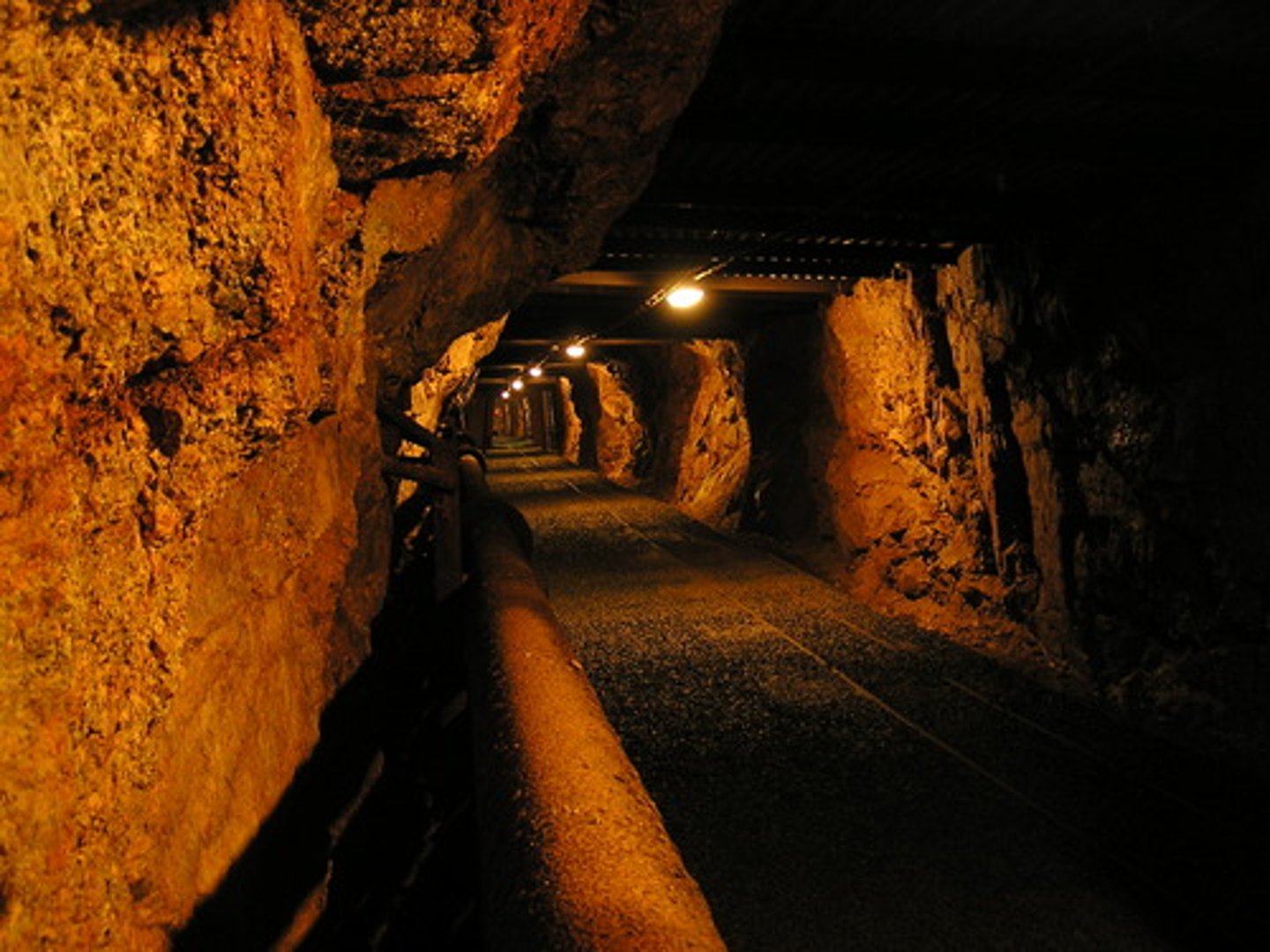
British engineers and geologists
Migrated to South Asia and Africa to work in the mining industries.

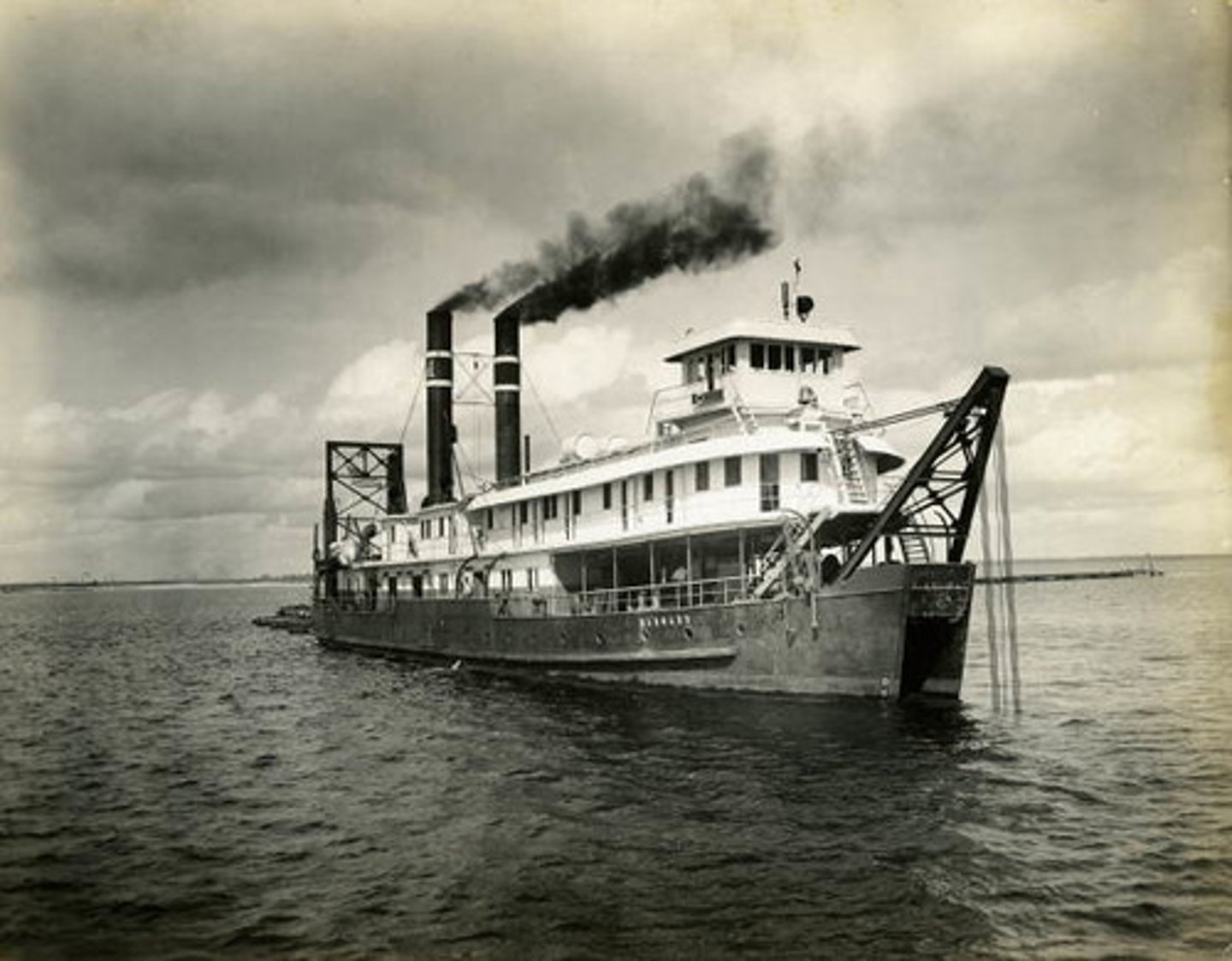
Steamships and trains
Facilitated internal and external migrations; led to increased urbanization as many migrants settled in cities.
Urbanization
An increase in the percentage and in the number of people living in cities; resulted from internal and external migrations.
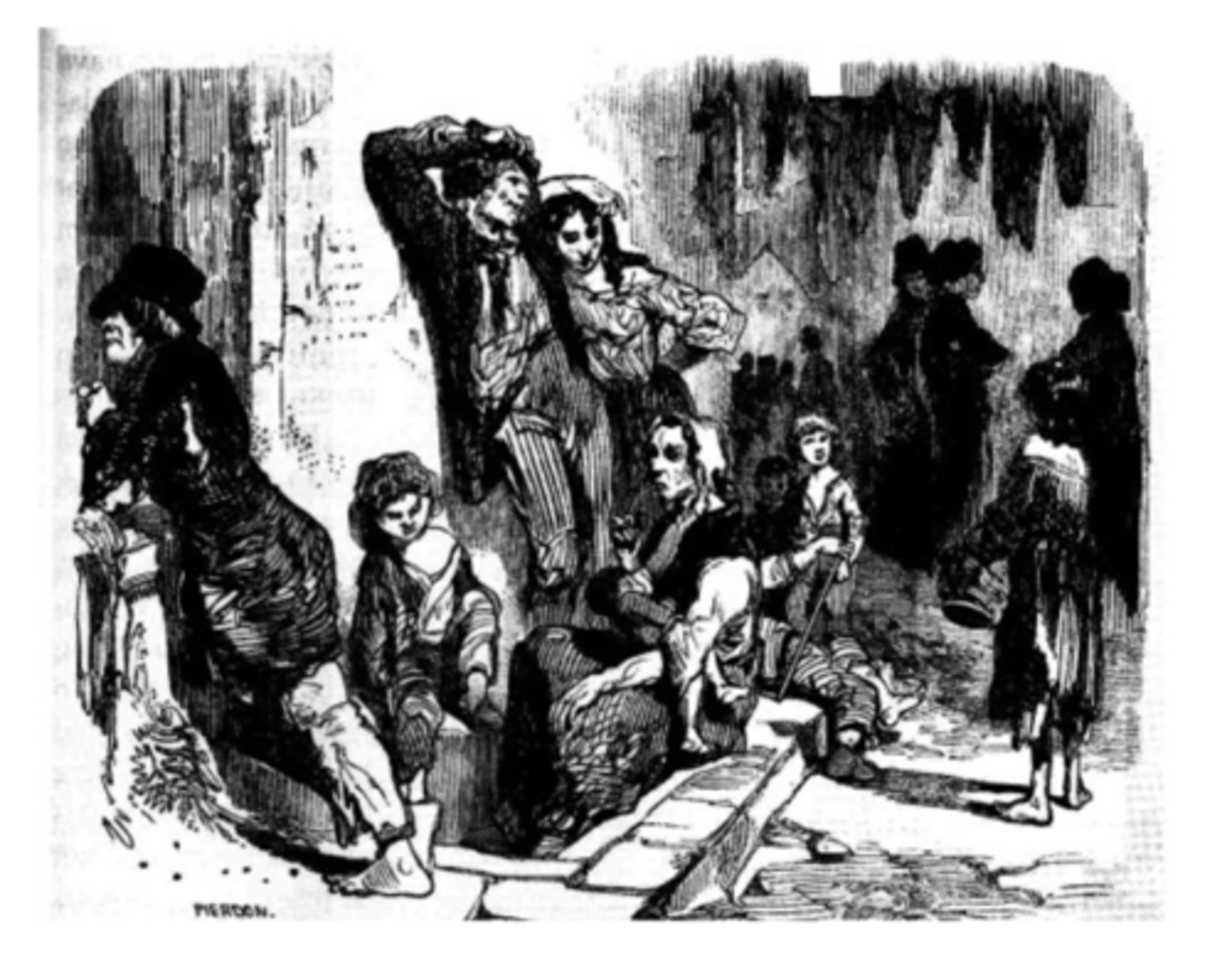
London, Paris, New York
Cities where populations increased dramatically as a result of internal and external migrations.
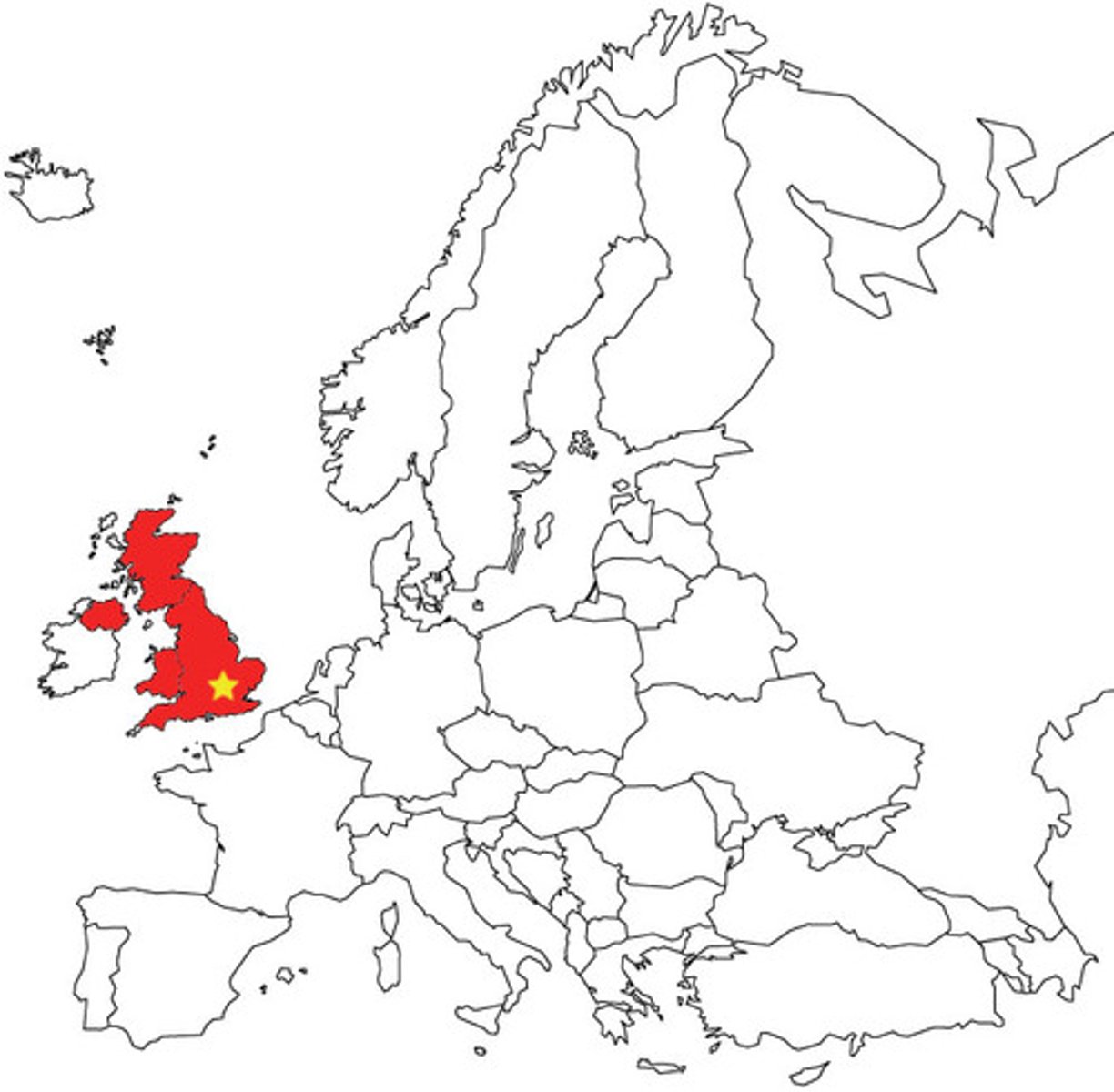
Migrants that returned either periodically or permanently to their home countries.
Japanese agricultural workers in the Pacific, Lebanese merchants in the Americas, Italian industrial workers in Argentina
Japanese agricultural workers in the Pacific
Temporary and seasonal migrants that returned to their home societies. Often worked on sugar plantations in Hawaii or California.
Lebanese merchants
Often worked as "peddlers" in North and South America. Returned to Lebanon periodically.
Golandrinas
"Swallows," Italian workers who traveled between Europe and South America in order to work the harvests in both hemispheres. This work allowed many families to buy their own land for farms.

Example of migrants who relocated freely in search of work
Europeans who migrated from Europe to the United States during the 19th and early 20th centuries; Africans who migrated within Africa.
Example of coerced labor (slavery)
Slavery continued to the a source of labor in the U.S. until 1865; in Cuba until 1886; in Brazil until 1888; slavery continued in the Islamic world and Africa into the 20th century.
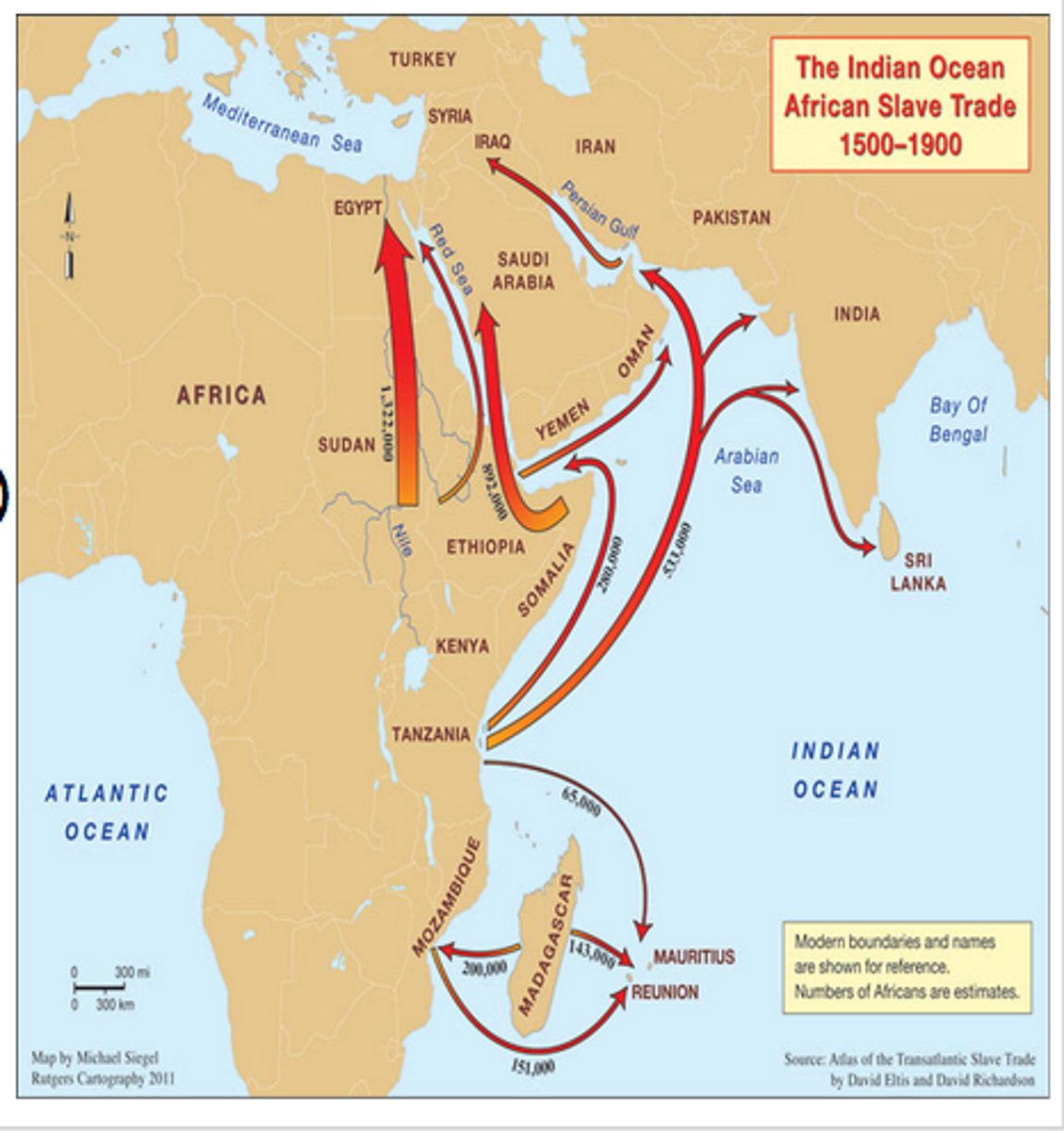
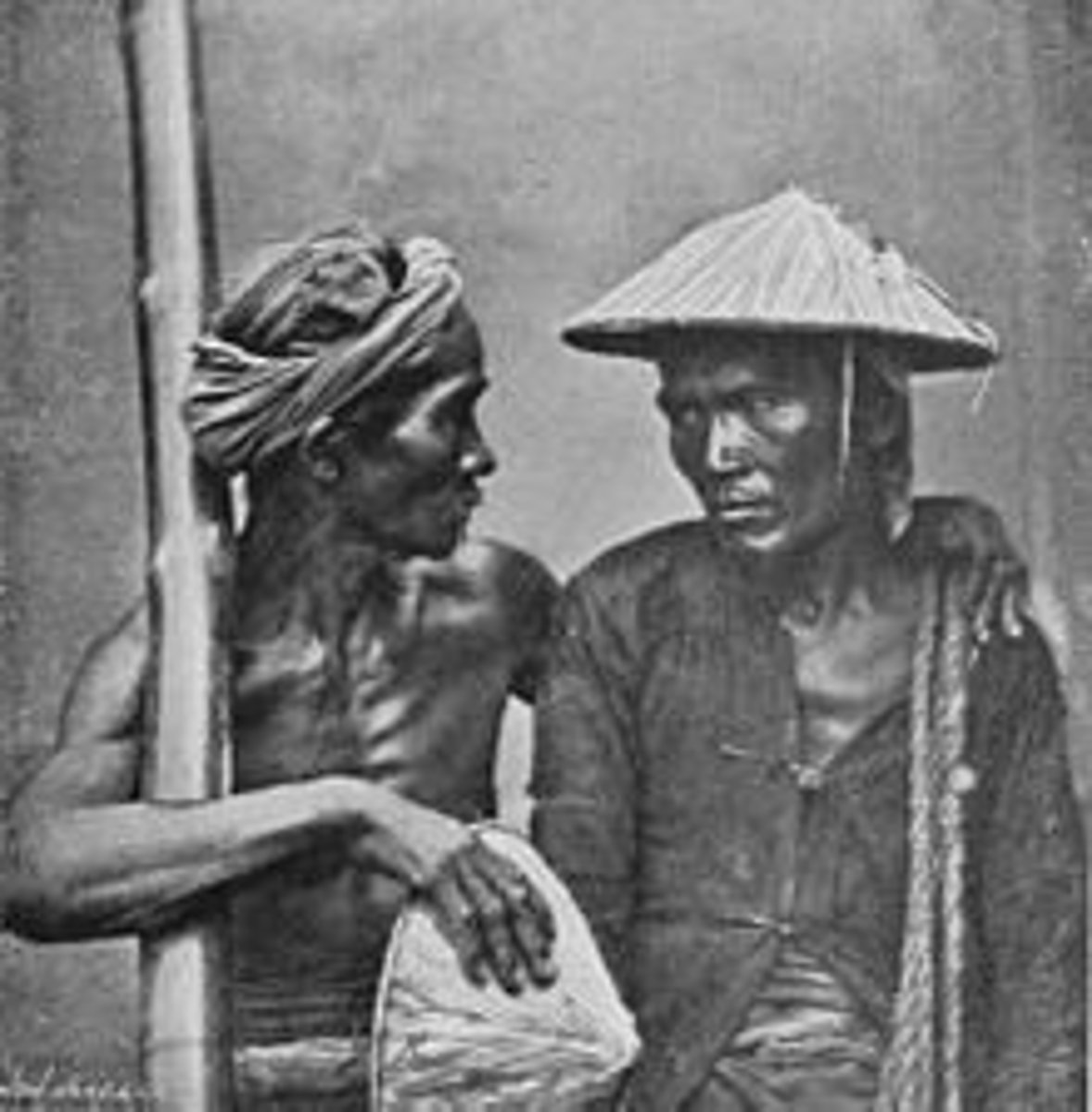
Chinese and Indian Indentured Servitude
The end of slavery led to labor shortages that were largely filled by Chinese and Indian indentured servants traveled to Southeast Asia, the South Pacific, East and South Africa, the Caribbean Islands or lands around the Indian Ocean basin. They worked on plantations that grew sugarcane, rubber, tea, tobacco, sisal, and more.
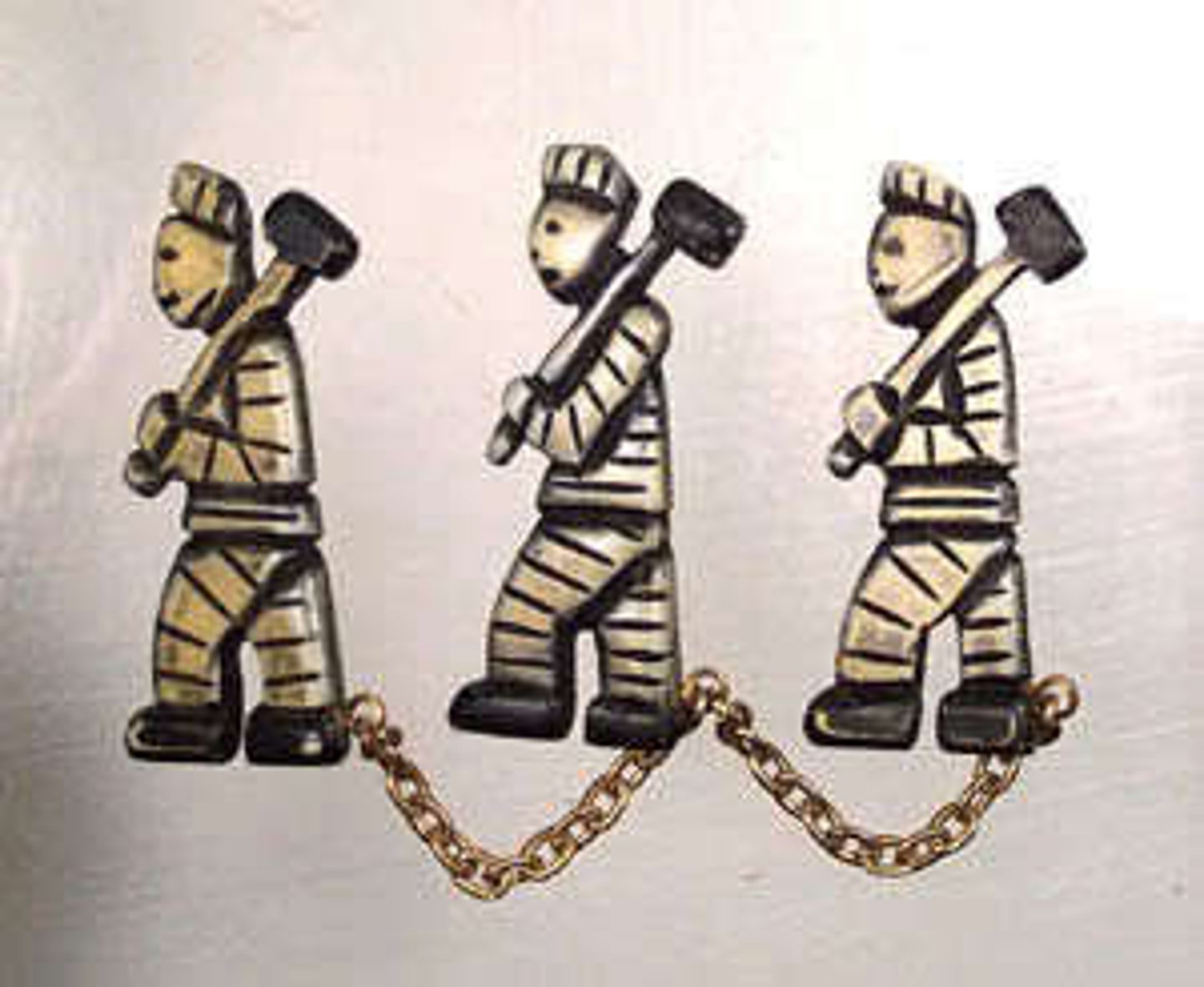
Convict labor
Convict leasing was a system of penal labor practiced in the Southern United States, beginning after the emancipation of slaves at the end of the Civil War in 1865; In Australia, petty criminals were transported from England and forced to perform labor as part of their punishment; prison labor is still legal in the U.S.
Impact of migrations on women in home countries
Women took on more responsibility: Engaging in trade, agriculture, and mining. Women acted as head of the household in their husband's absence.
Social impact of migrations on women in Africa
Women stayed with their own families instead of their husband's family; women stayed in villages and farmed and their husbands moved to cities and worked for wages.
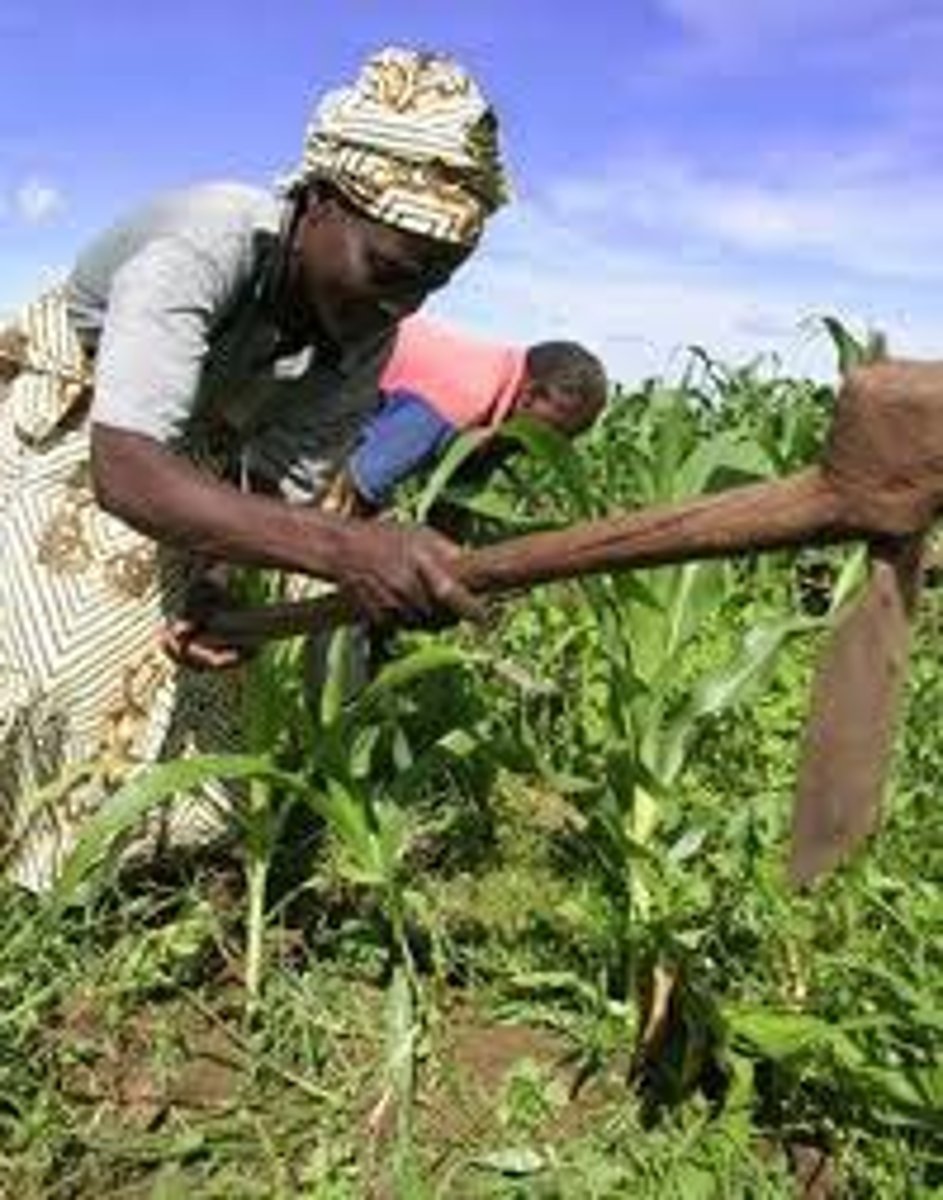
Ethnic enclave
A place with a high concentration of an ethnic group that is distinct from those in the surrounding area; migrants tended to settle in these enclaves

Examples of ethnic enclaves
Chinatown in San Francisco, Little Italy in New York, Little India in Singapore

Examples of ethnic and racial prejudice against migrants
Anti-Irish sentiment, Chinese Exclusion Act, White Australia Policy
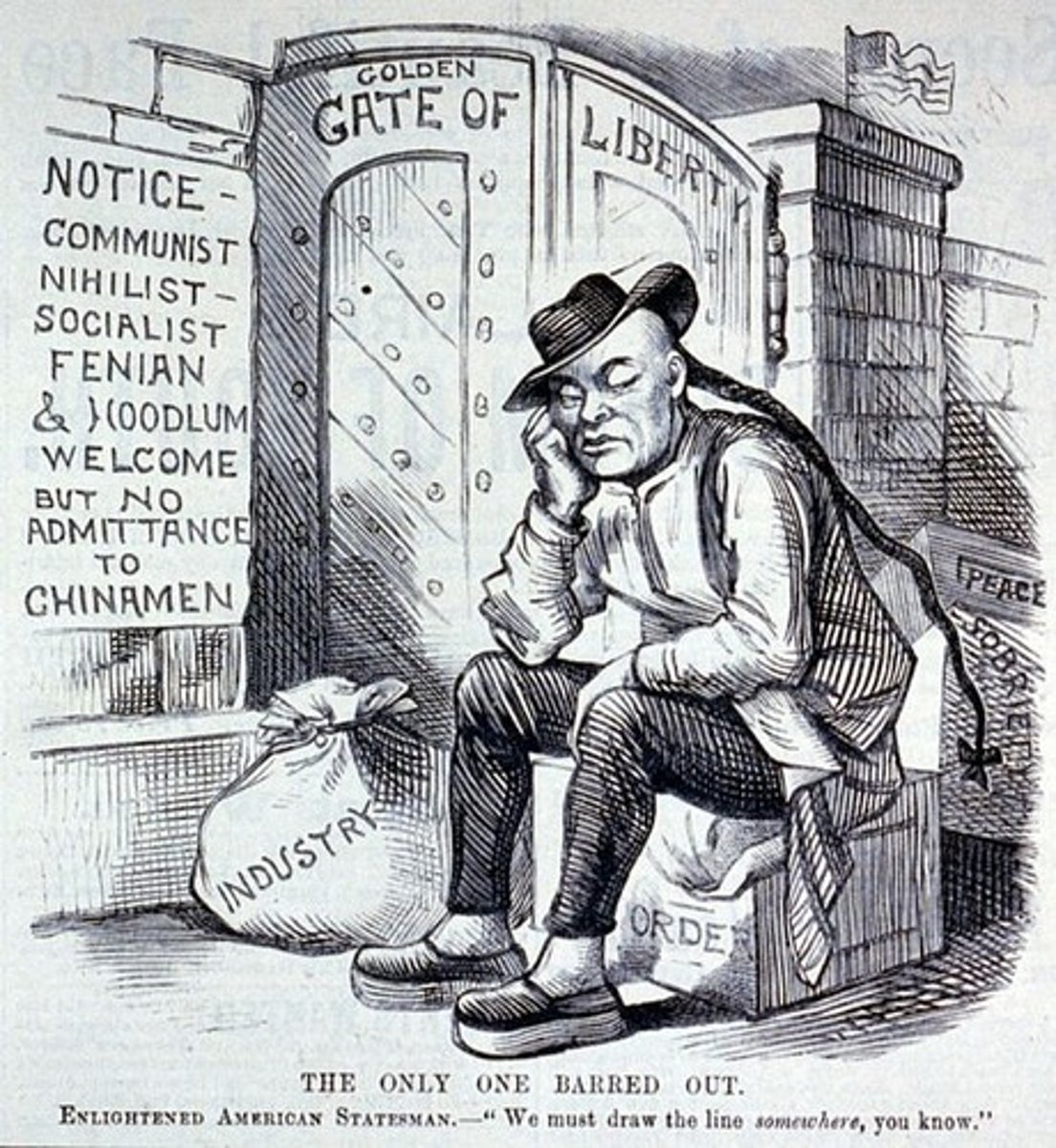
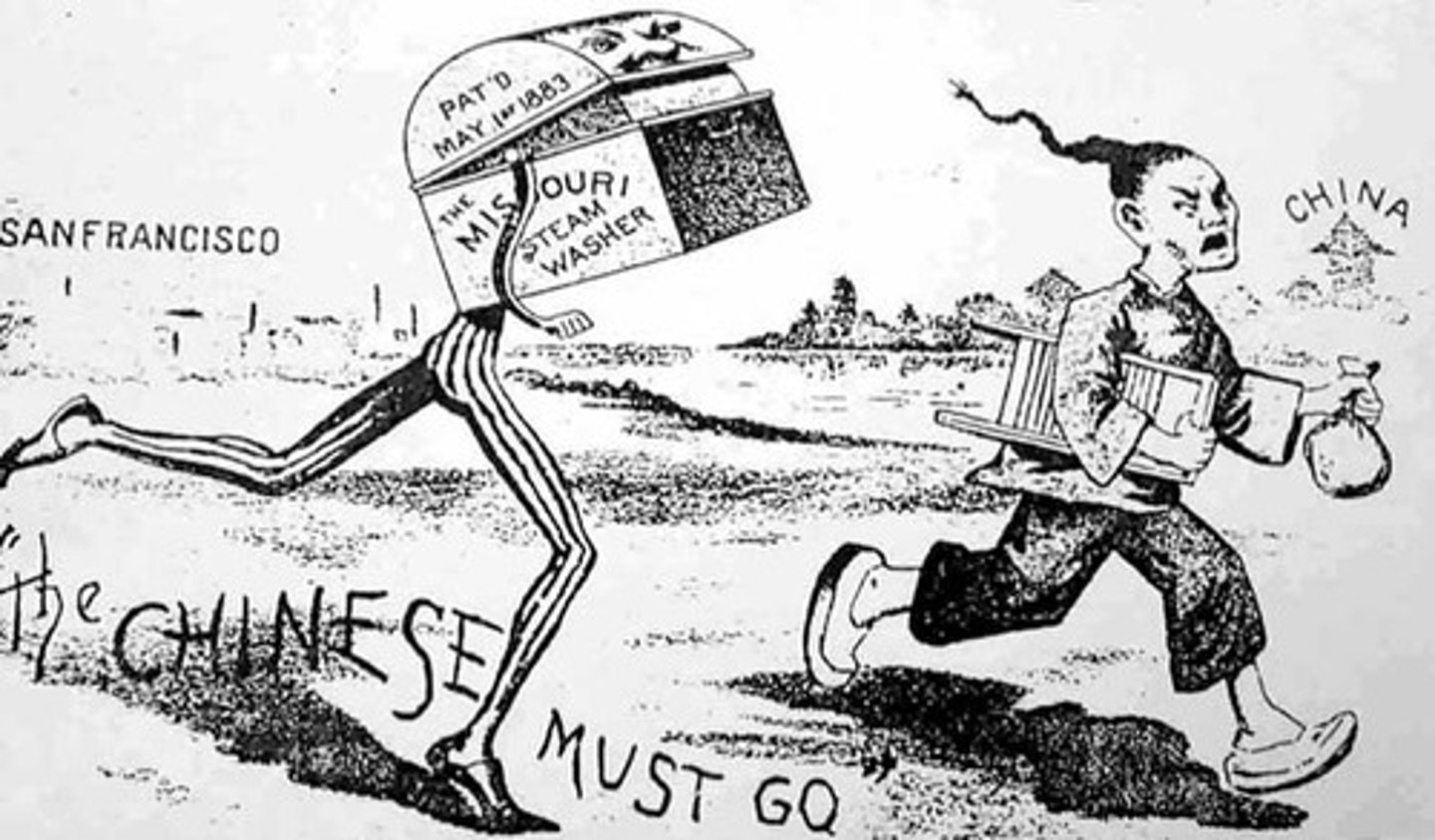
Chinese Exclusion Act of 1882
Law that suspended Chinese immigration into America. The ban was supposed to last 10 years, but it was expanded several times and was essentially in effect until WWII. The Chinese Exclusion Act of 1882 was the first significant law that restricted immigration into the United States of an ethnic working group. Extreme example of anti-migrant sentiment.
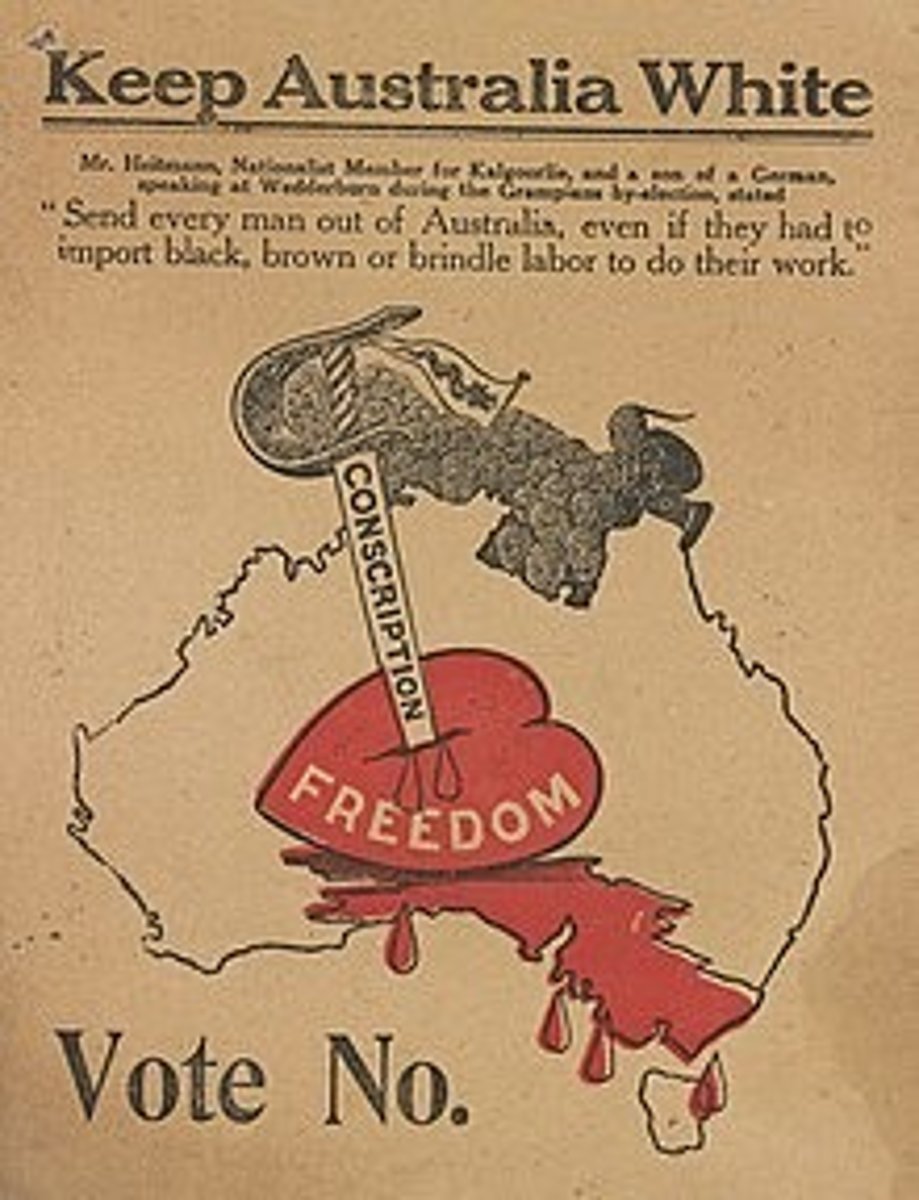
White Australia Policy
A policy that intentionally restricted non-white (especially Chinese) immigration to Australia; an example of anti-migrant sentiment.
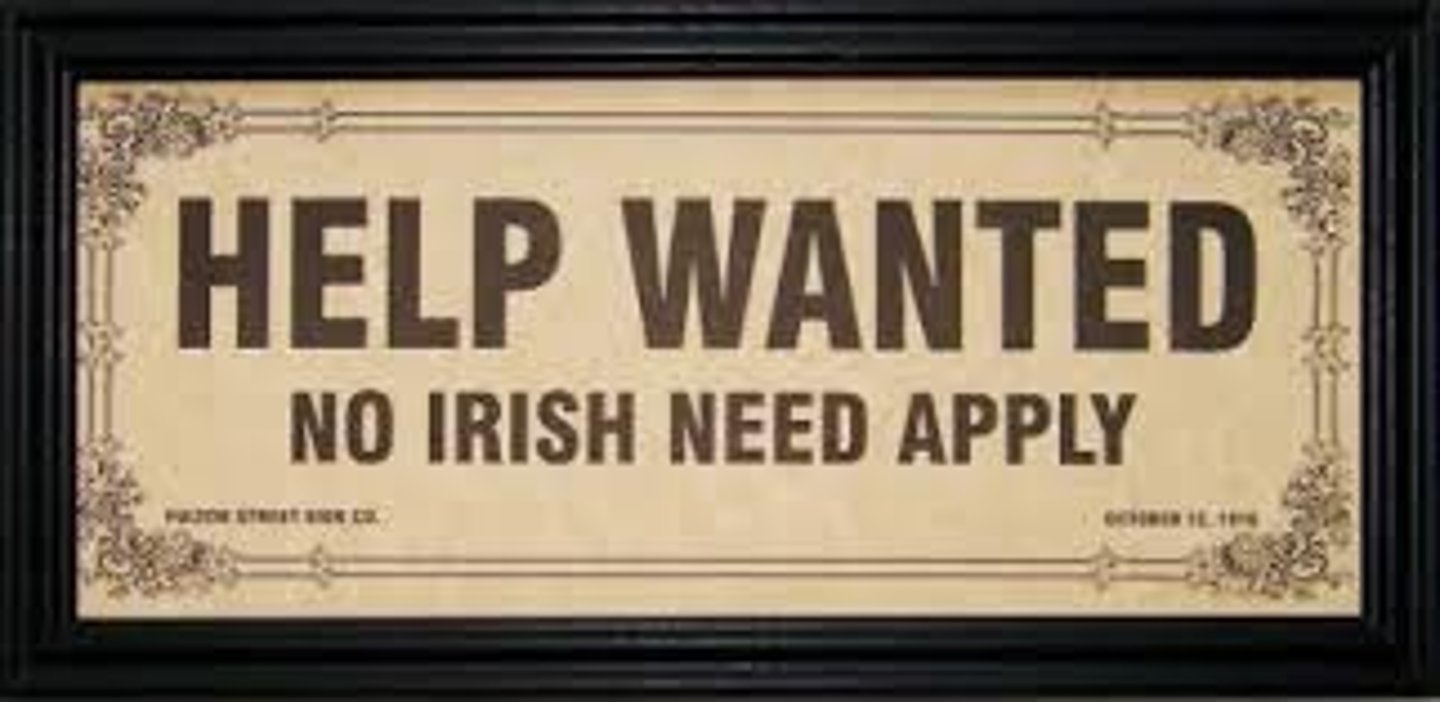
No Irish Need Apply
Nativist rhetoric used to discourage Irish from taking "American jobs"