Driver License Practice Test
 Call Kai
 Learn
Learn Practice Test
 Spaced Repetition
 Match
Match Flashcards
 Knowt Play
1/94

There's no tags or description
Looks like no tags are added yet.
Name | Mastery | Learn | Test | Matching | Spaced | Call with Kai | Chat |
|---|
No analytics yet
Send a link to your students to track their progress
95 Terms
The speed limit approaching a school crosswalk is:
15 mph
A school bus is stopped on a four-lane road with its stop-sign arm extended, you must:
Stop regardless of your direction of travel
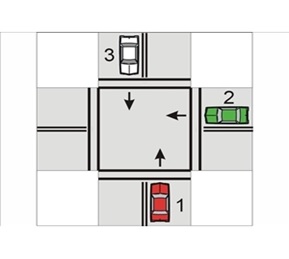
All arrived at an uncontrolled intersection at the same time. Which has the right-of-way?:
Car 3
When you see or hear an emergency vehicle approaching:
Immediately drive to the right side of the road and stop
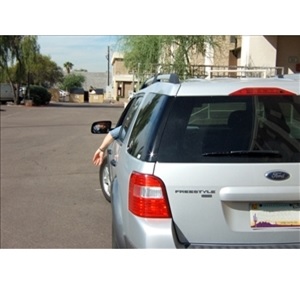
This hand signal means:
Stopping or slowing
You should give the right-of-way to any pedestrian who is:
Crossing any street
When driving on wet roads you should:
Switch to low beam headlights
Before entering a road from an alley or driveway, you must:
Stop before reaching the sidewalk
When backing, you should:
Turn and look out the rear window
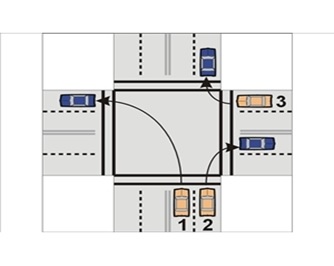
The car that made a correct turn was:
Car 3
If you are parking uphill and there is a curb, you should:
Turn your wheels to the left, away from the curb
When no speed limit is posted, the maximum speed in a business or residential area is:
25 mph
When driving a vehicle, you may:
Talk to more than one passenger in the vehicle
If you intend to turn beyond an intersection, you should:
Wait to signal your turn until you are in the intersection
It is illegal to follow fire vehicles traveling in response to an alarm, within:
500 feet
If you approach a school bus that is picking up or dropping off children, you must:
Stop until the bus is moving or the stop sign arm is no longer extended
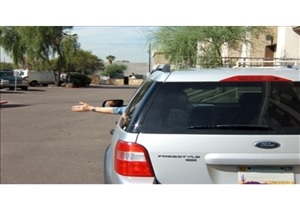
This hand signal means:
Left turn
It is safe to return to your lane after passing when:
You can see both headlights of the vehicle in your inside rearview mirror
If you are parking downhill, you should:
Turn your wheels to the right, toward the edge of the road
Before you make a turn, use your turn signals:
For at least 4 seconds
It is illegal to park if a crosswalk is within:
20 feet
Before you turn, you must signal continuously for at least:
100 feet
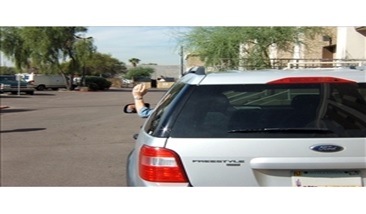
This hand signal means:
Right turn
The wheelchair symbol in a parking space means that it is reserved for disabled persons:
With no exceptions
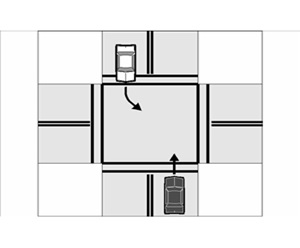
The white car will turn left. The black car will go straight. Which has the right-of-way?:
Black car
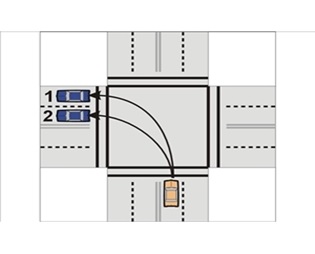
To make a left turn, you should turn into:
Lane 2
It is illegal to park if a fire hydrant is within:
15 feet
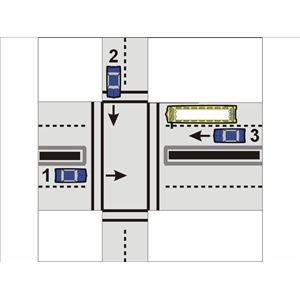
A school bus with flashing lights has stopped on a divided highway. Who must stop?:
Cars 2 and 3
If you are parking uphill and there is no curb, you should:
Turn your wheels to the right, toward the edge of the road
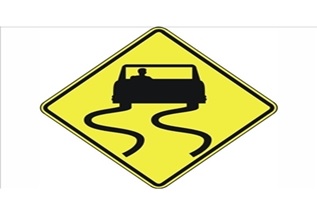
This sign means:
Slippery when wet
When observing law enforcement lights and/or sirens activated behind you, drivers should:
Immediately yield to the right side of the roadway
When stopped by law enforcement, drivers should:
Put the car in park and remain in the vehicle
Keep your seatbelt fastened and hands on the steering wheel in a visible location
When stopped by law enforcement, if there is a firearm in the vehicle, the driver should:
Keep your hands on the steering wheel in a visible location
If requested, let the officer know that you have a firearm in the vehicle and where the firearm is located.
Signing for or accepting a citation from a law enforcement officer:
Is not an admission of guilt or responsibility
Is a promise to appear in the case of a criminal violation
What do you do after a non-injury, fender bender collision?
A driver involved in a minor crash without injuries, should remove the vehicle from the roadway (Quick Clearance) if it is operable and can be moved safely.
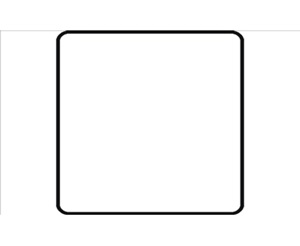
A sign with this shape means:
Speed and direction regulation
A red painted curb means you may:
Not stop, stand or park
A green lighted arrow on a traffic light means you may:
Proceed in the direction of the arrow without stopping
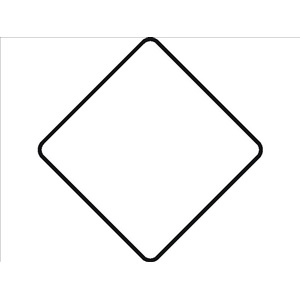
A sign with this shape means:
Warning
You are approaching an intersection where the lighted arrow has just changed to yellow:
You must stop and wait for the light to turn green
Unless prohibited by a sign, a left turn on red is permitted:
From a one-way road to a one-way road
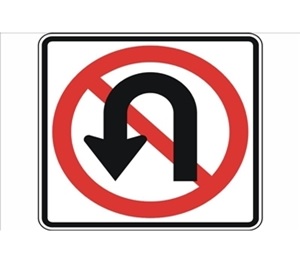
This sign means:
U-turn is not permitted
A broken yellow line in the middle of the road means:
Passing is permitted in either direction
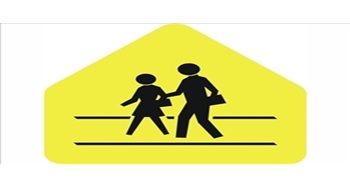
This sign means:
School crossing
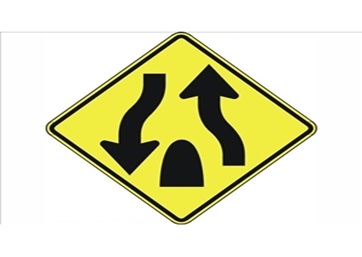
This sign means:
Divided highway ends
A flashing red traffic light at an intersection means the:
Same as a Stop sign
A sign with this shape means:
Railroad warning
A yellow line in the middle of the road means:
Two-way traffic
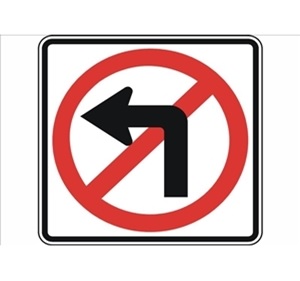
This sign means:
No left turn permitted
A broken yellow line alongside a solid yellow line in the middle of the road means:
You may pass if the broken line is on your side
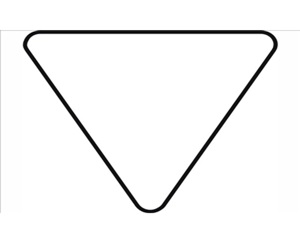
A sign with this shape means:
Yield right-of-way
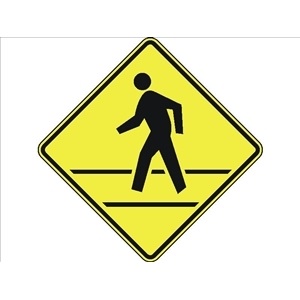
This sign means:
Pedestrian crossing
You are approaching an intersection where the traffic light has just changed to yellow:
You must stop and wait for the light to change to green
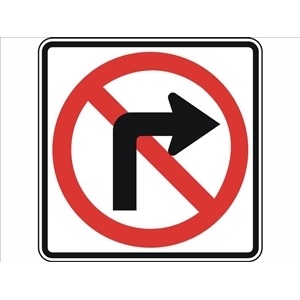
This sign means:
No right turn permitted
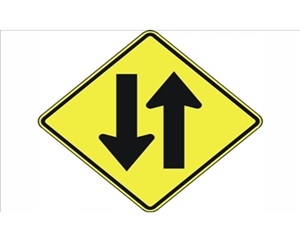
This sign means:
Two-way traffic
A broken white line in the middle of the road means:
Traffic on both sides is moving in the same direction
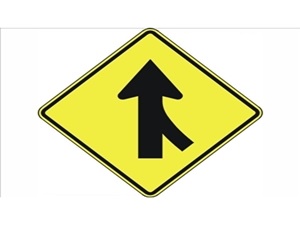
This sign means:
Traffic merging
A flashing red traffic light at an intersection means you must:
Stop, check for traffic, then proceed with caution
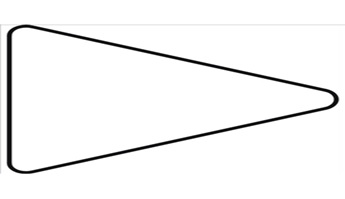
A sign with this shape means:
No passing zone
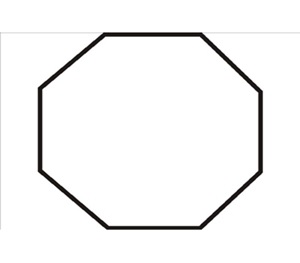
A sign with this shape means:
Stop
A right turn on red is allowed:
Except where prohibited by a sign
A flashing yellow light at an intersection means you must:
Slow down, check for traffic, then proceed with caution
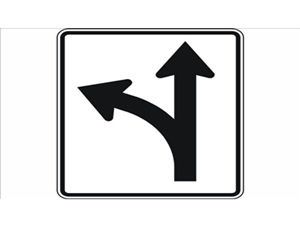
This sign means:
You may turn left or go straight
A red lighted arrow on a traffic light means:
Stop and wait for the arrow to change to green before turning
A double, solid yellow line in the middle of the road means:
No passing in either direction
When following a vehicle at night, lower your high beam headlights when you are within:
200 feet
When entering a freeway, you should not:
Cross a solid line
To avoid the glare from oncoming headlights:
Glance back and forth between the side of the road and straight ahead
If your vehicle begins to hydroplane you should:
Release the accelerator
You should avoid the right lane of the freeway during rush hour:
To leave room for vehicles entering and exiting
Switch to low beams when oncoming traffic is within:
500 feet
When driving on wet roads you should:
Reduce your speed
If you have a tire blowout:
Do not brake, but slow down and pull off the road
If you drive in fog, you should turn on the:
Low beam headlights
If you come upon a severe dust storm, you should:
Reduce speed and pull off the road
When you merge onto a freeway, you should be driving:
At the same speed as the traffic in the right lane
The best way to bring your vehicle out of a skid is to:
Turn the wheel in the direction of the skid
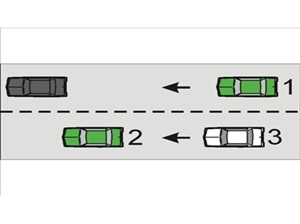
If you are in the black car, the most difficult car for you to see is:
Car 2
You should leave enough space between you and the vehicle directly in front of you:
To allow for a sudden stop
When changing lanes, check your side mirrors for other traffic and:
Turn your head quickly and look over your shoulder
To keep aware of the position of traffic behind you, it is best to:
Check your rearview mirror often
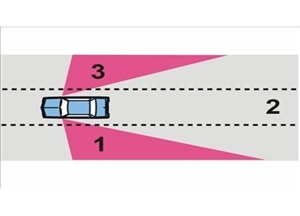
The driver of this vehicle has a "blind spot" in:
Areas 1 and 3
Normally, the distance from you to the vehicle ahead should be at least equivalent to:
3 seconds
If you come to an intersection and your view to the side is blocked, you should:
Stop, then inch forward until you can see clearly in both directions
You are required by law to notify the Motor Vehicle Division of a change of address within:
10 days
Penalties for the first conviction for driving under the influence are:
10 days jail, $1,250, alcohol treatment, community service and ignition interlock.
Penalties for the second conviction for driving under the extreme influence are:
120 days jail, $3,250, 1 year revocation, alcohol treatment, community service and ignition interlock
You are driving under the influence if your blood alcohol concentration is:
0.08% or above (0.04 if the vehicle requires a commercial license)
If under age 21, your license may be suspended if your blood alcohol concentration is:
Any amount
You are driving under the extreme influence if your blood alcohol concentration is:
0.15% or above
Bicyclists should:
Ride with the flow of traffic
When passing a bicycle traveling in the same direction, leave a distance of at least:
3 feet
Bicyclists must:
Obey the same traffic laws as motor vehicles
It is illegal to follow fire vehicles traveling in response to an alarm, within:
500 feet500 feet
The Arizona Distracted Driver law prohibits:
Holding or supporting a wireless device