AP Econ I Chapter 4 and 5 (comparative and absolute advantage & price elasticity) 12.03.25.
 Studied by 3 people
 Call with Kai
 Learn
Learn Practice Test
 Spaced Repetition
 Match
Match Flashcards
 Knowt Play
1/30

There's no tags or description
Looks like no tags are added yet.
Name | Mastery | Learn | Test | Matching | Spaced | Call with Kai |
|---|
No study sessions yet.
31 Terms
why do people trade?
because you can’t make everything yourself
everyone should specialize in the production of g/s and trades for everything else.
more trade = better standard of living
two ways to measure production
input: what goes into making it (time)
output: how MANY can you make (the good itself)
absolute advantage
who can produce more of something with the same resources
productivity, efficiency
Adam Smith’s concept
specialize and trade things you can make quicker and more of (absolute advantage).
example of absolute advantage
I can make 10 cookies in an hour.
Lahari can make 5 cookies in an hour.
I have absolute advantage in making cookies because I can make the most.
comparative advantage
lower opportunity cost of making something
the thing you’re giving up is not valuable so who gives up LESS
example of comparative advantage
you can make cookies or cupcakes.
I can make 1 cookie but I give up 3 cupcakes.
Lahari can make 1 cookie but she gives up 1 cupcake.
Lahari has comparative advantage of making cookies because she gives up less.
overall differences between absolute and comparative advantage
absolute advantage: who can make the most
comparative advantage: who gives up the least to make it
input vs. output
input: how long does it take to produce
output: how much can they produce
math application for absolute advantage
input: who makes it quicker → absolute advantage
output: who makes more → absolute advantage
math application for comparative advantage
input: IOU → Input: Other goes Under
output: OOO → Output: Other goes Over
based on the data, who should do which chore and why? base your answer only on the information above and on comparative advantage considerations
based on the combinations, this will produce most at lower opportunity cost and take the least time.
price elasticity of demand
determines how sensitive buyers are to a change in price
if price changes, how much does quantity demanded change?
do people still buy it if the price increases/decreases?
formula for elasticity of demand

what is quantity demanded?
the amount of a good/service that consumers are willing and able to buy at a specific price
elastic demand
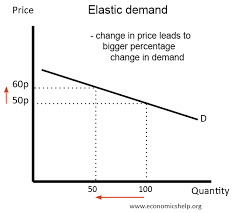
Qd changes a lot when prices change
fancy restaurant meals, luxury items, etc
elastic goods have substitutes so people switch easily
inelastic demand
Qd doesn’t change much when prices change
gasoline, insulin, basic necessities
what type of relationship do price and Qd have?
negative relationship
As price decreases, Qd increases
As price increases, Qd decreases
when is demand inelastic and elastic?
demand is more elastic at lower quantities (higher $)
demand is more inelastic at higher quantities (lower $)
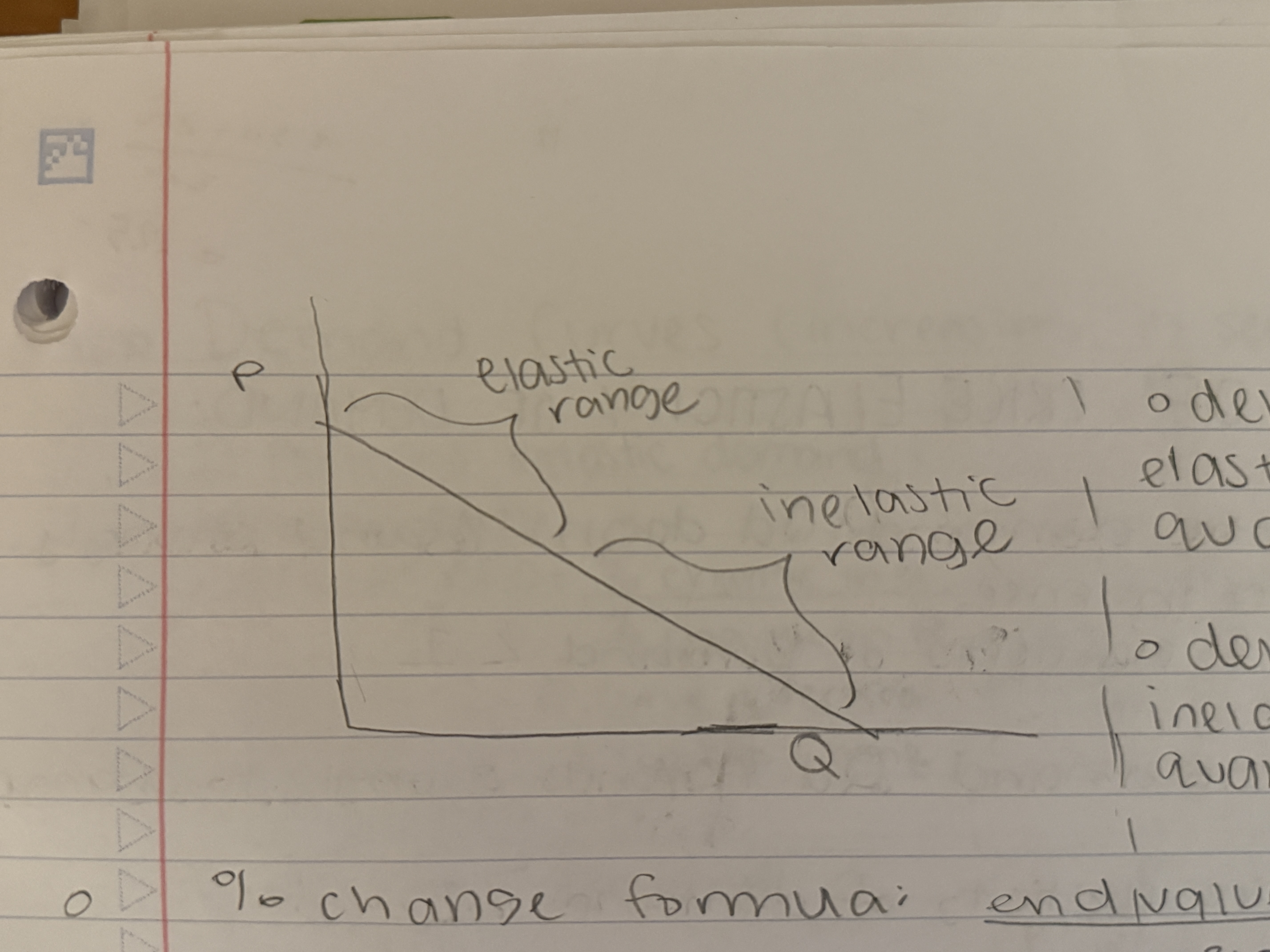
percent change formula
end - start/ start x 100
midpoint method
use this when start and endpoints aren’t given
end value - start value/ midpoint value x 100
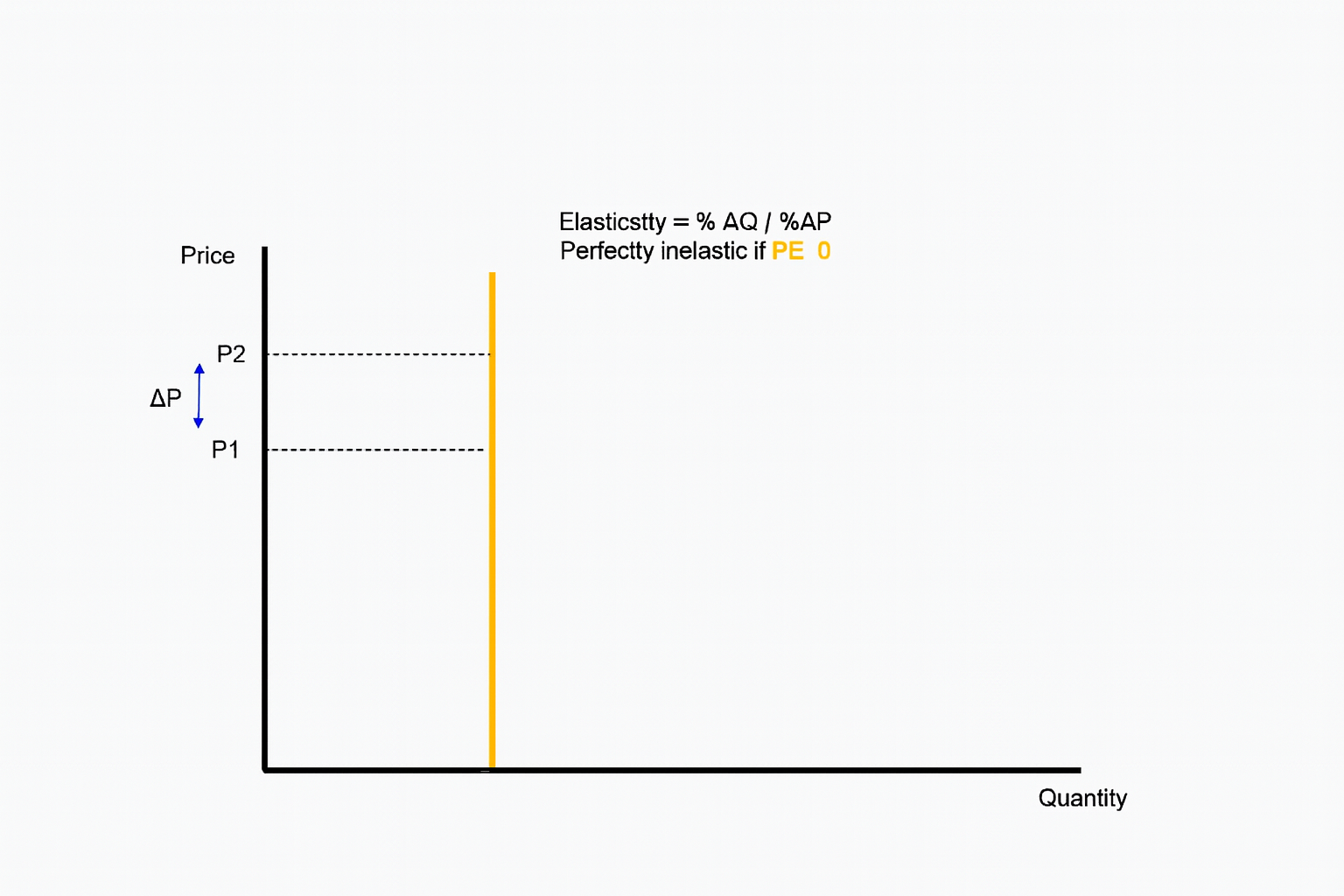
1) perfectly inelastic demand
Qd does not change when price changes
price elasticity of demand (PED) =0
2) inelastic demand
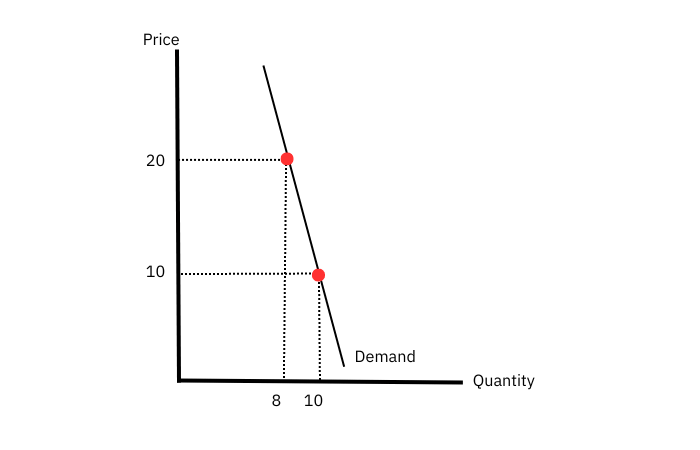
Qd doesn’t respond strongly to changes in price
price elasticity of demand < 1
3) unit elastic
Qd changes by the same % as price changes
price elasticity of demand = 1
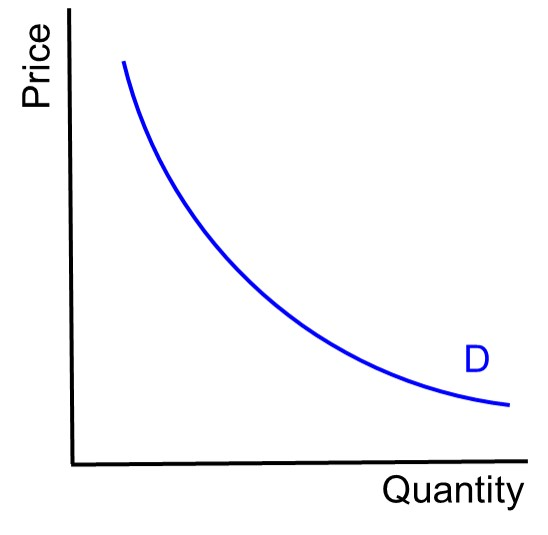
4) elastic demand
Qd responds strongly to changes in price
price elasticity of demand > 1
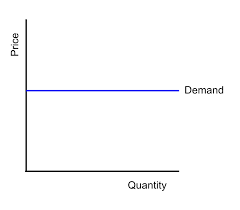
5) perfectly elastic demand
Qd changes infinitely with any change in price
price elasticity of demand = infinity
determinants price elasticity of demand
(SNITT)
S - substitutes ( a lot or a few?)
N - necessity vs. luxury
I - income share (portion of income) - ( don’t need to know?)
T - type of market (broad or narrow?)
T - time horizon - elasticity is higher in the long run than in the short run
supply determinants
(FAC)
F - flexibility of production
A - availability of inputs
C - capacity
why does price elasticity of demand matter?
helps firms predict how consumers will react to price changes → affects revenue
why does price elasticity of supply matter?
helps firms know how quickly they can increase production when prices rise
total revenue
price x quantity demanded