Anatomy lab 2
 Call Kai
 Learn
Learn Practice Test
 Spaced Repetition
 Match
Match Flashcards
 Knowt Play
1/103

There's no tags or description
Looks like no tags are added yet.
Name | Mastery | Learn | Test | Matching | Spaced | Call with Kai | Chat |
|---|
No analytics yet
Send a link to your students to track their progress
104 Terms
skeletal muscle
long, cylindrical, multinucleate cells, obvious striations, nuclei are located along edge of cell
skeletal muscle
voluntary movement
locomotion
manipulation of the environment
facial expression
voluntary control
skeletal muscle
attached to bones or occasionally to skin
cardiac muscle
branching
striated
generally uninucliated cells that interdigitate at specialized junctions (one nucleus centrally located)
cardiac muscle
as it contracts it pumps blood into circulation, involuntary control
smooth muscle
spindle shaped cells with central nuclei
no striations
cells arranged closely to form sheets
smooth muscle
propels substances or objects along internal passageways
involuntary control
smooth muscle
mostly in walls of hollow organs
nervous tissue
branching cells
cell processes that may be long extended from nucleus containing cell body
nervous tissue
transmit electrical signals from sensory receptors and to effectors which control their activity
nervous tissue
brain
spinal cord
nerves
simple columnar epithelium
single layer of tall cells with round, oval nuclei
some bear cilia
layer may contain mucus secreting unicellular glands (goblet cells)
simple columnar epithelium
absorption
secretion of mucus
enzymes
ciliated type propels mucus by ciliary action
simple columnar epithelium (nonciliated)
lines most of the digestive tract, gallbladder, excretory ducts of some glands
simple columnar epithelium (ciliated)
lines small bronchi
uterine tubes
some regions of uterus
cilia on apical surface
simple squamous epithelium
single layer of flattened cells with disc shaped central nuclei
sparse cytoplasm
the simplest of the epithelium
simple squamous epithelium
allows passage of materials by diffusion and filtration sites where protection is not important
secretes lubricating substances serosae
simple squamous epithelium
kidney
glomeruli
air sacs of lungs
lining of heart, blood vessels
lymphatic vessels
lining of ventral body cavity
simple cuboidal epithelium
singe layer of cubelike cells
large spherical central nuclei
often forms tubes of circles
simple cuboidal epithelium
secretion and absorption
simple cuboidal epithelium
kidney tubules
ducts and secretory portions of small gonads
ovary surface
reticular connective tissue (loose)
network of fibers in loose ground substance
cells lie on the network
reticular connective tissue (loose)
fibers form soft internal skeleton (stroma) that supports other cell types including white blood cells, mast cells, and macrophages
looks like spiderweb/net supporting lots of cells
reticular connective tissue (loose)
lymphoid organs (lymph nodes, bone marrow, spleen)
areolar connective tissue (loose)
gel like matrix with all three fiber types: cell, fibroblasts, macrophages, mast cells, and some white blood cells
areolar connective tissue (loose)
wraps and cushions organs
its macrophages phagocytize bacteria
plays a role in inflammation, holds and conveys tissue fluid
areolar connective tissue (loose)
widely distributed under epithelia of body, i.e. forms lamina proper of mucous membranes, packages organs, surrounds capillaries
adipose connective tissue (loose)
matrix as in areolar
very sparse
closely packed adipocytes or fat cells
have nucleus pushed to the side by large fat droplet
cells look like empty bubbles
adipose connective tissue (loose)
provides reserve food fuel
insulates against heat loss
supports and protects organs
adipose connective tissue (loose)
under skin in hypodermis
around kidneys and eyeballs
within abdomen
in breasts
pseudostratified columnar epithelium
single layer of cells of differing heights
all cells touch basement membrane
nuclei seen at different levels
may contain mucus secreting goblet cells and bear cilia
cilia on apical surface
pseudostratified columnar epithelium
secretion (particularly of mucus)
propulsion of mucus by ciliary action
pseudostratified columnar epithelium (nonciliated)
males sperm carrying ducts
ducts of large gonads
pseudostratified columnar epithelium (ciliated)
lines trachea
most of upper respiratory tract
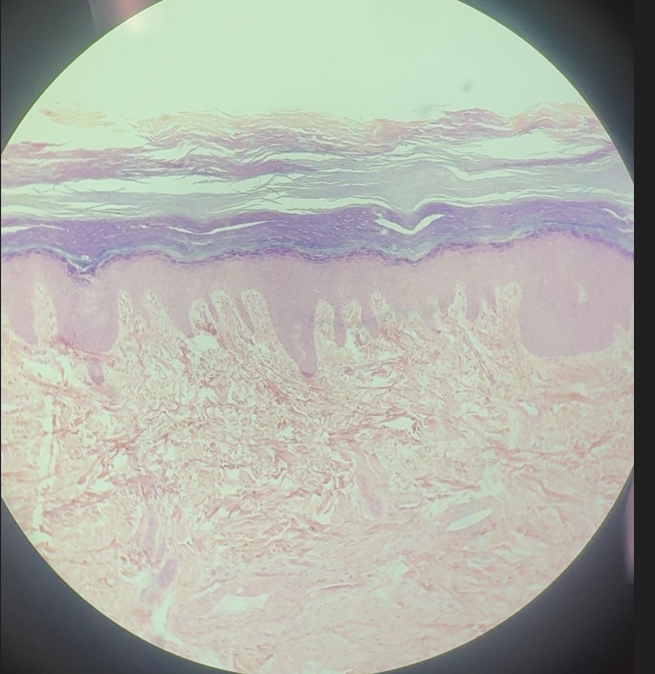
stratified squamous epithelium
thick membrane composed of several layers
base cells are cuboidal or columnar and metabolically active
surface cells are flattened
stratified squamous epithelium
protects underlying tissues in areas subject to absorption
protection from abrasion
stratified squamous epithelium (nonkeratinized)
forms moist linings of esophagus, mouth, vagina
stratified squamous epithelium (keratinized)
epidermis of skin
a dry membrane
transitional epithelium
resembles both stratified squamous and stratified cuboidal
basal cells are cuboidal or columnar
surface cells dome shaped or squamous like depending on degree of organ stretch
allows urinary organs to expand and contract
transitional epithelium
stretched readily
permits distension of urinary organ by contained urine
transitional epithelium
lines ureters
bladder
part of urethra
blood
red and white blood cells in a fluid matrix (plasma)
blood
transport respiratory gases, nutrients, wastes, and other substances
blood
contained within blood vessels
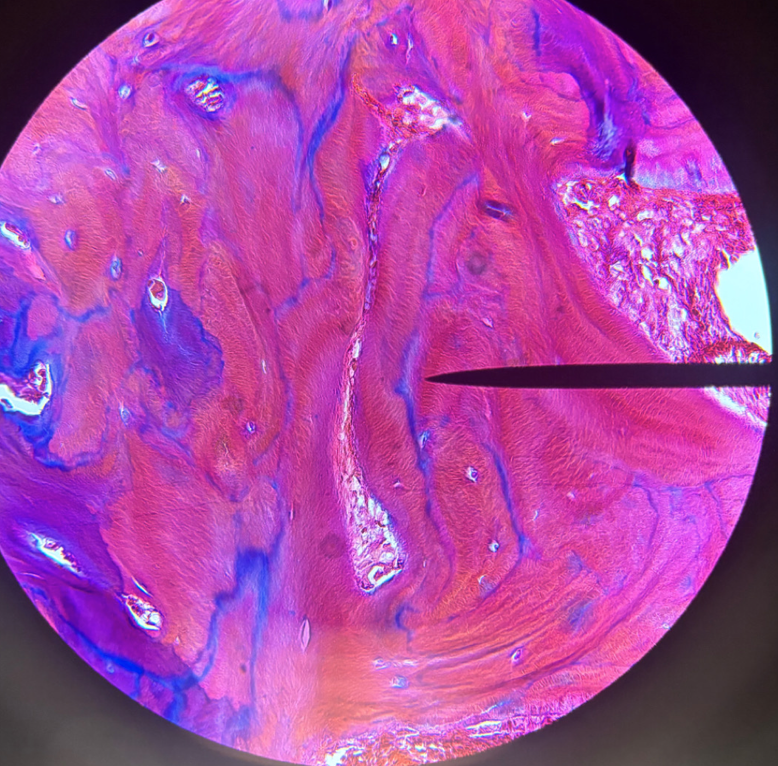
bone (osseous tissue)
hard
calcified matric containing collagen fibers
osteocytes line in lacunae
well vascularized
bone (osseous tissue)
supports and protects
provides levers for muscles to act on
stores calcium and other minerals and fat
marrow inside is the site of blood cell formation
dense regular connective tissue
primarily parallel collagen fibers
few elastic fibers
major cell type is the fibroblasts
dense regular connective tissue
attaches muscles to bones or to muscles
attaches bones to bones
withstands great tensile stress when pulling force is applied in one direction
dense regular connective tissue
tendons
most ligaments
aponeuroses
dense irregular connective tissue
irregularly arranged collagen fibers
some elastic fibers
major cell type is fibroblast
dense irregular connective tissue
able to withstand tension exerted in many directions
provides structural strength
dense irregular connective tissue
fibrous capsules of organs and joints
dermis of skin
submucosa of digestive tract
hyaline cartilage
amorphous but firm matrix
collagen fibers form imperceptible network
chondroblasts produce the matrix when mature lie in lacunae
hyaline cartilage
supports and reinforces
has resilient cushioning properties
resists comprehensive stress
hyaline cartilage
forms most of embryonic skeleton
covers ends of long bones in joint cavities
forms coastal cartilages of the ribs, nose, trachea and larynx
elastic cartilage
similar to hyaline but more elastic fibers in matrix
elastic cartilage
maintains shape of a structure
allows great flexibility
elastic cartilage
supports external ear and epiglottis
fibrocartilage
matrix similar but less firm than hyaline
thick collagen fibers predominate
fibrocartilage
tensile strength
ability to absorb compressive shock
fibrocartilage
intervertebral discs
pubic symphysis
discs of knee joints
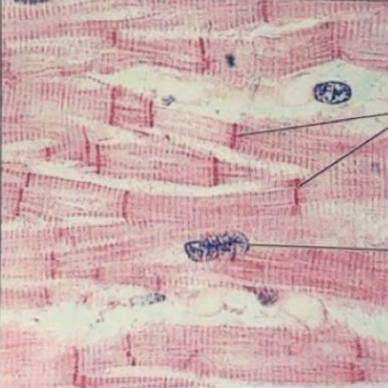
cardiac muscle


skeletal muscle
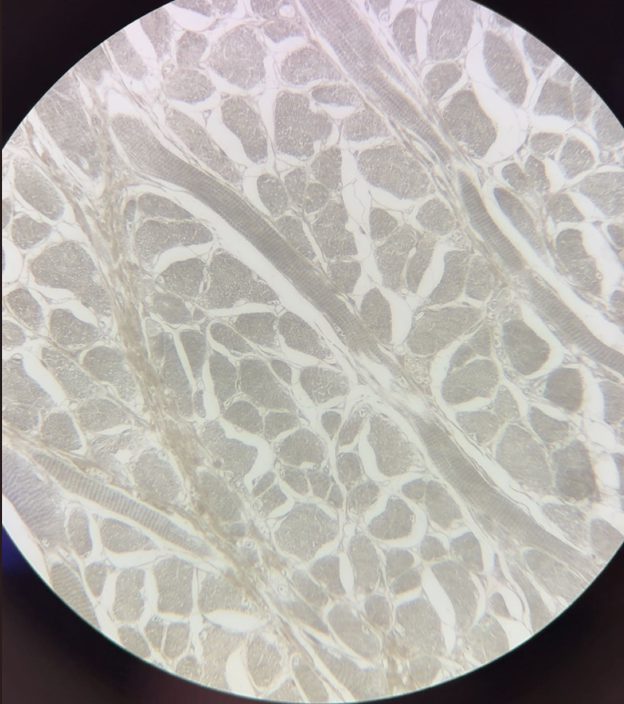

nervous tissue


smooth muscle tissue


simple squamous epithelium


simple columnar epithelium
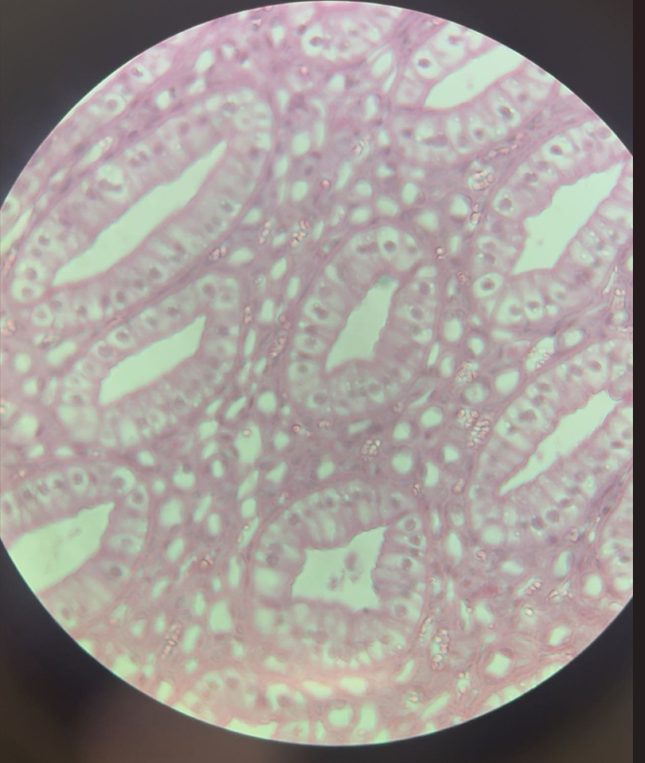

simple cuboidal epithelium


areolar connective tissue (loose)


adipose connective tissue (loose)

dense elastic connective tissue


reticular connective tissue (loose)


bone tissue


blood

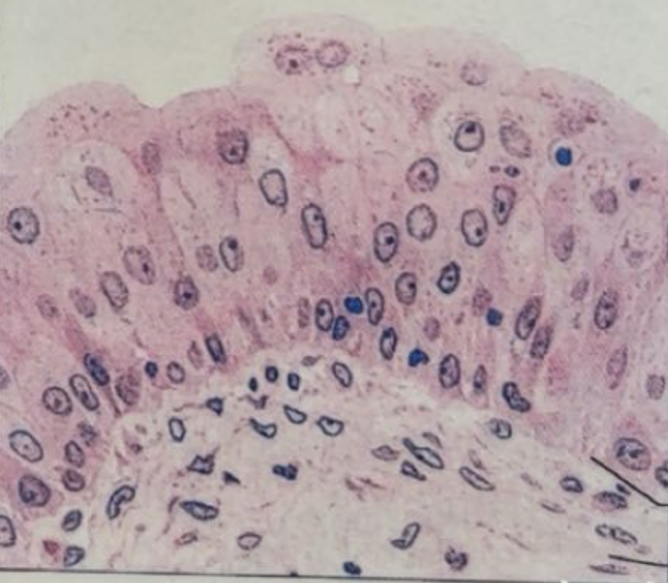
transitional epithelium


pseudostratified columnar epithelium

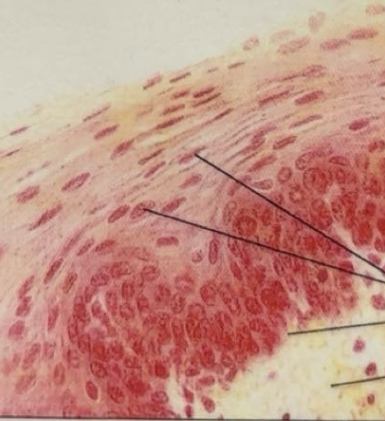
stratified squamous epithelium


dense irregular connective tissue
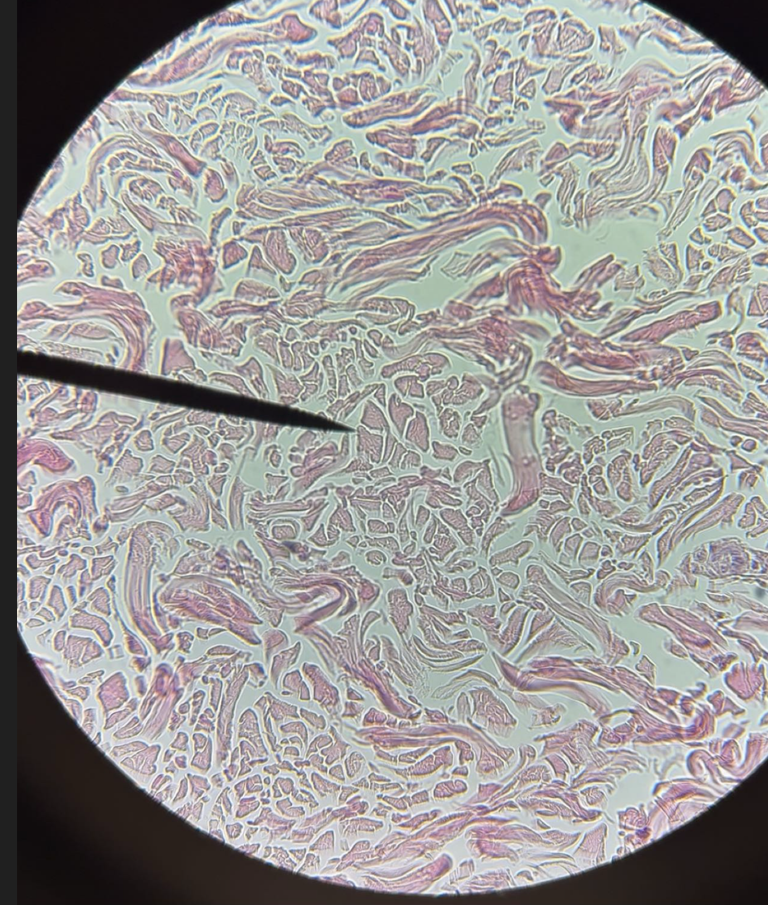

dense regular connective tissue
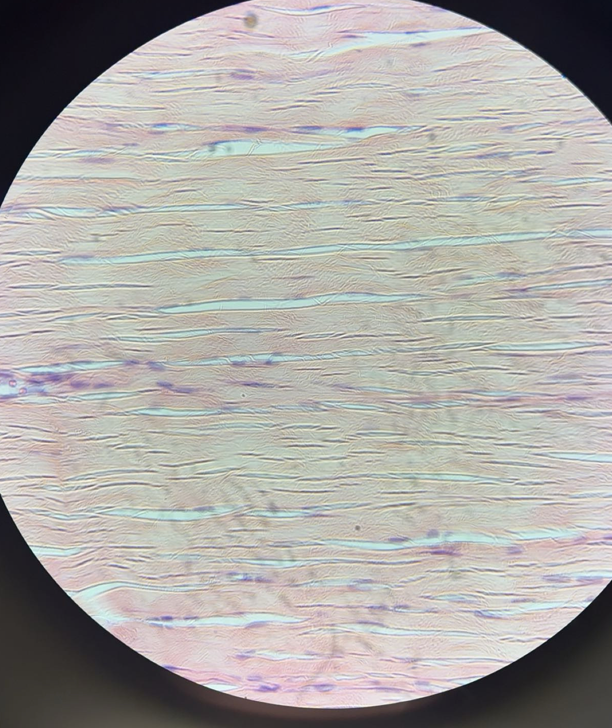

elastic cartilage
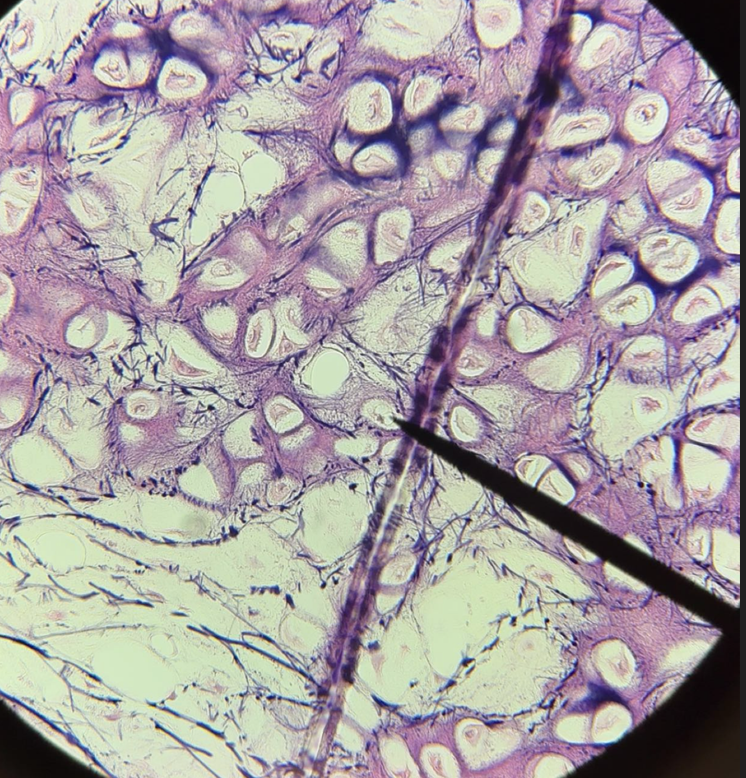
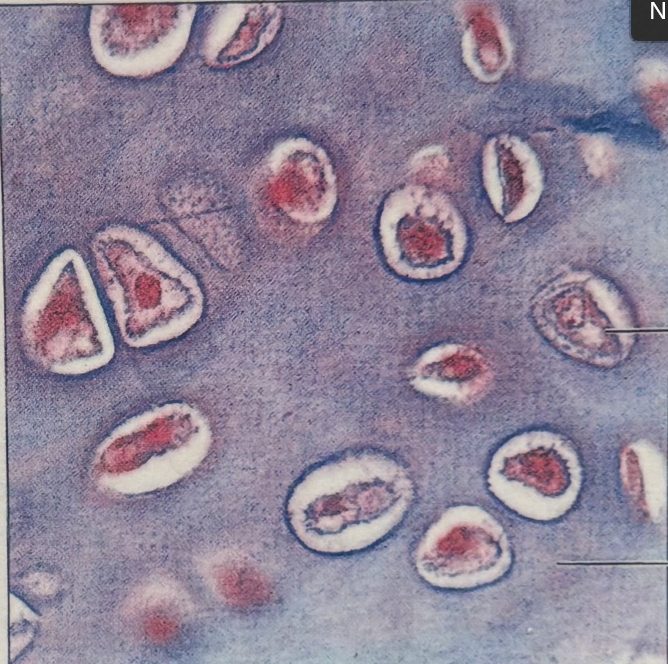
hyaline cartilage

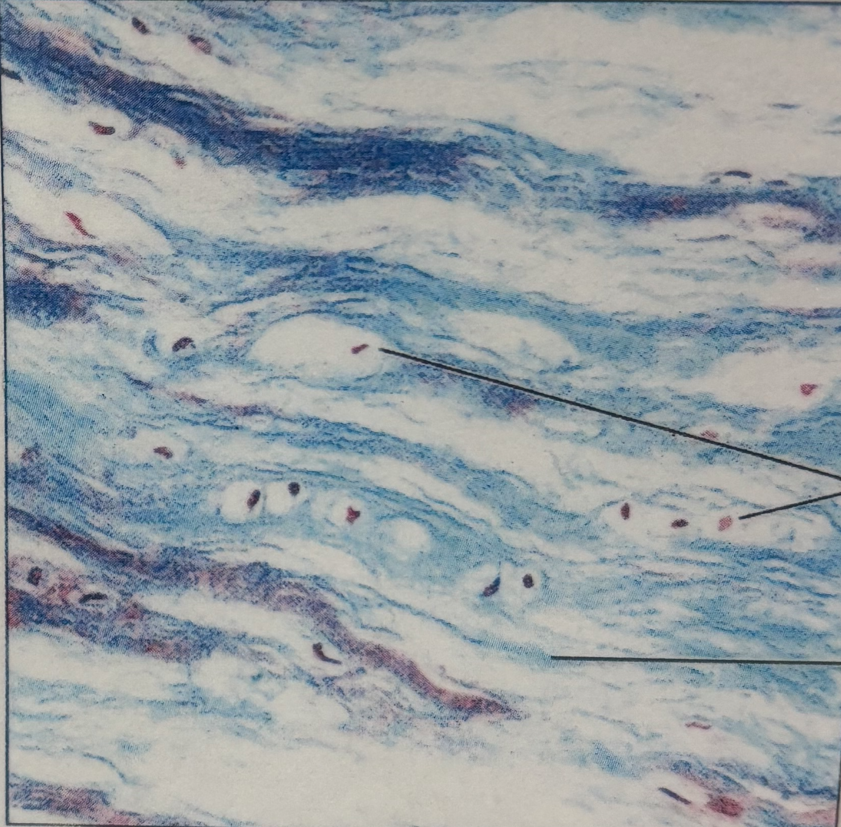
fibrocartilage
cutaneous membrane
mucosal membrane

serous membrane
