Lecture 11: Toxicity: circulatory and hematopoietic systems
 Call Kai
 Learn
Learn Practice Test
 Spaced Repetition
 Match
Match Flashcards
 Knowt Play
1/34

There's no tags or description
Looks like no tags are added yet.
Name | Mastery | Learn | Test | Matching | Spaced | Call with Kai | Chat |
|---|
No analytics yet
Send a link to your students to track their progress
35 Terms
fumonisins
mycotoxins produced by the fungus Fusarium verticillioides
fumonisins is a good example of
a toxin type that produces different lesions in different species
what deoes fumonisins cause it multiple species
liver damage
what species specific affects does fumonisins have
lungs in pigs
brain in horses
kidney in rats, rabbits and sheep
esophagus in rats and pigs
manifestation of fumonisin

toxins causing periphreal vascular dysfunction
ergot
fescue
black walnut
ergot toxicity agent
claviceps purpurea
where is ergot typically seen
rye
ergot symptoms
seizures, hallucinations, abortions, paralysis, GI distrurbance, gangrene of extremities and death
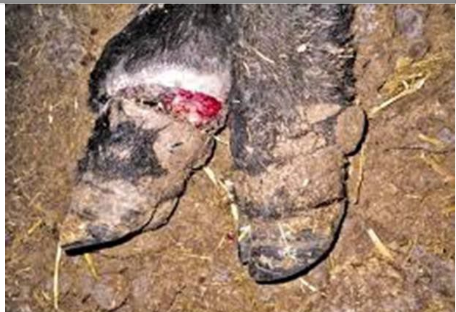
ergot
what is the fescue toxicity relationship
the fungal endophyte has a mutualistic relationship with the plant and produces alkaloids that help protect it from pest
clinical causes of fescue toxicity
vascular dysfunction (constriction)
altered thermoregulation
altered hormone regulation
most prevalent ergopeptine
ergovaline
a cow presents in the summer time panting, drooling, heavy respiration, not eating, not moving, not shedding, long periods in water
fescue toxicity
what is a common way black walnuts are ingested
wood shavings that are used for bedding of horses
what does black walnut poisoning do to horses
laminitis and ingestion is toxic
what does hematopoietic toxicity result in
off target inhibition leading to decreased bone marrow response or a result of peripheral effects leading to destruction of blood cells
what is the classic anticoagulant drug
warfarin
sweet clover toxicity
molding of sweet clover promotes the likelihood of formation of dicumarol in the hay
first generation anticoagulants feeding needs
require multiple feedings to result in toxicity
intermediate anticoagulant feeding needs
requirer fewer feedings
the second generation anticoagulants are highly toxic to
non target species
what is antidotal to anticoagulant rodenticides
vitamin K1
what species is onion
allium spp
allium toxicologic mechanism
oxidative hemolysis, which occurs when the concentration of oxidants in the
erythrocyte exceeds the capacity of the antioxidant metabolic pathways.
what species are more susceptible to allium toxicity
cats and dogs
what causes the formation of heinz bodies with allium toxicity
sulfhemoglobin being less soluble than hemoglobin, so it precipitates, aggregates and binds to the cell membrane
zinc toxicity
-Oxidative damage to RBCs
-Does not usually form metHb
-Can see hemoglobinuria and secondary
renal injury
-Regenerative hemolytic anemia
acetaminophen metabolism is what in nature
hepatic
what animal is very sensitive to acetaminophen
cats
acetaminophen toxicity results in
excess of NAPQI
increase levels of PAP
glutathione is depleted
clinical effects of acetaminophen toxicity
hepatic injury
hematologic injury
clinical signs of acetaminophen toxicity
chocolate blood
cyanosis/dypsnea
icterus
hemolytic anema
facial/paw edema
acetaminophen toxicity treatment
acetylcysteine
a cat comes into the clinical with a puffy face, puffy paws, pale mucous membrane. blood shows low PCV, methemoglobinemia
what is your top differentials
acetaminophen
allium spp
distances but zinc