New Academic Word List & More Words
 Call Kai
 Learn
Learn Practice Test
 Spaced Repetition
 Match
Match Flashcards
 Knowt Play
1/962

There's no tags or description
Looks like no tags are added yet.
Name | Mastery | Learn | Test | Matching | Spaced | Call with Kai | Chat |
|---|
No analytics yet
Send a link to your students to track their progress
963 Terms
repertoire
(n.) a collection of skills or accomplishments.
obtain
(v.) to get
distribution
(n.)
in statistics: an arrangement of values showing frequency of occurrence
in engineering: the way in which the fuel-air mixture is supplied to each cylinder of an engine
in commerce: delivery of products or services.
parameter
(n.) a characteristic or constant factor, a limit.
aspect
(n.) a quality, part, or element
dynamic
(adj.) always active or changing; in physics: a force related to motion
impact
(n.) a striking effect or result (v.) to hit with force
domain
(n.)
a field of action, thought or influence
an area of knowledge
publish
(v.) to print in a book, journal or online
denote
(v.) be a name or symbol for
authority
(n.) people in power; an expert whose views are accepted by most.
semantic
(adj.) the different meanings of words
par
(n.) the usual amount
ion
(n.) a charged atom
matrix
(n.) a substance, situation, or environment in which something has its origin - in math: an arrangement of numbers in rows and columns
linear
(adj.) made of lines
cognitive
(adj.) the process of knowing and remembering
graph
(n.) a diagram that shows how variables are related.
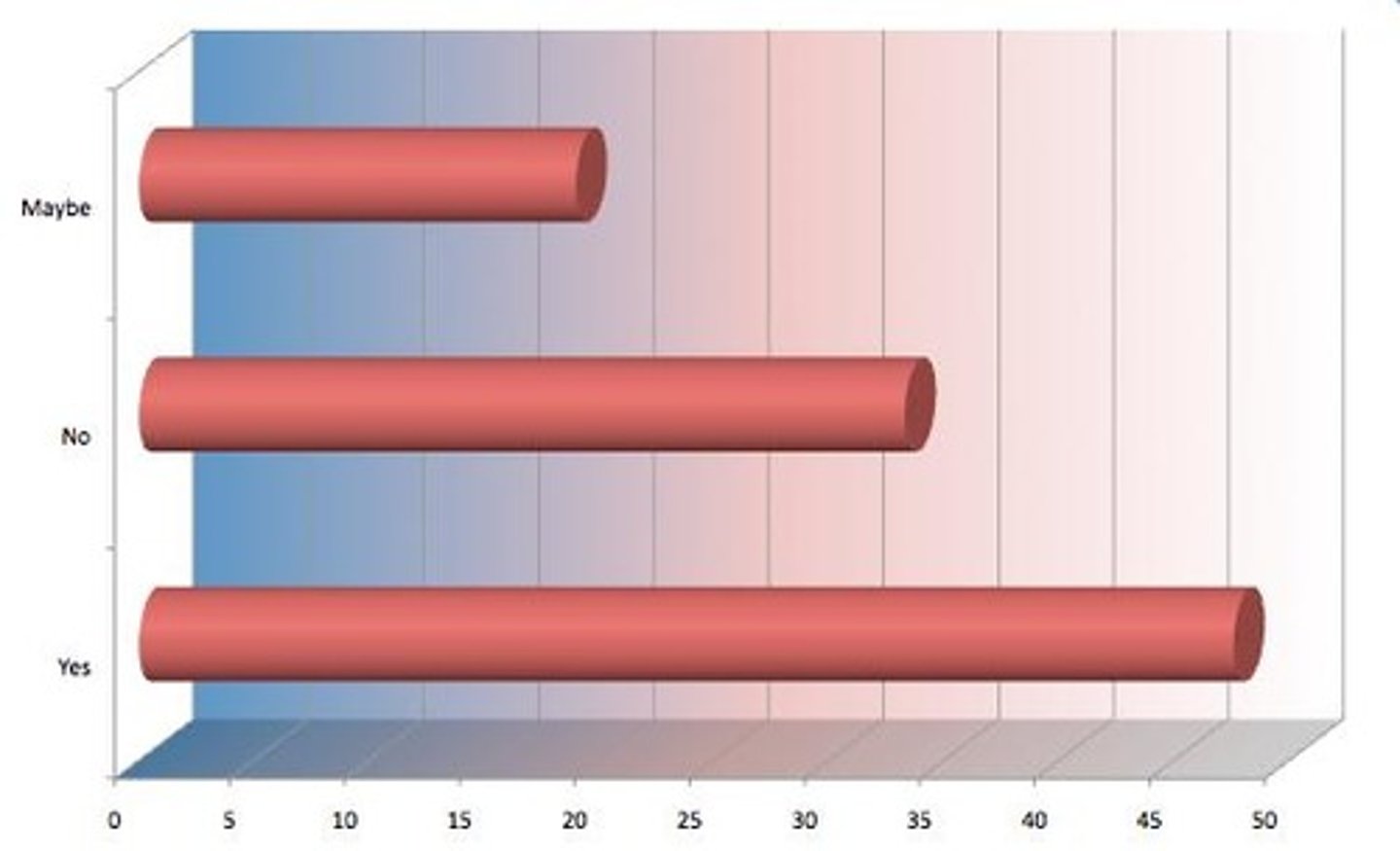
correlation
(n.) a measure of the relationship between two variables
linguistic
(adj.) belonging to language
acid
(n.) a substance that tastes sour, reacts with metals and carbonates, and turns blue litmus red. e.g. lemon juice
induce
(v.) to cause, to persuade
velocity
(n.) speed in a given direction
interval
(n.) the distance between two points, numbers or times
discourse
(n.) talk, conversation

finite
(adj.) having limits; lasting for a limited time
stimulus
(n.) something that makes a change.
vector
(n.) a quantity that has both size and direction.
electron
(n.) a negatively charged particle

receptor
(n.) a device that receives information; in physiology: a nerve ending that changes stimuli into impulses
theorem
(n.) a statement that can be proved
algorithm
(n.) a logical rule or procedure that guarantees solving a problem
fluid
(n.) a material that can easily flow. e.g. water

developmental
(adj.) concerning the development or growth of a thing or person
bound
(v.) to go to a specified place; to jump
molecular
(adj.) about or caused by molecules

transformation
(n.) a change
spatial
(adj.) about space
coefficient
(n.) a number multiplied by a variable in an algebraic expression.
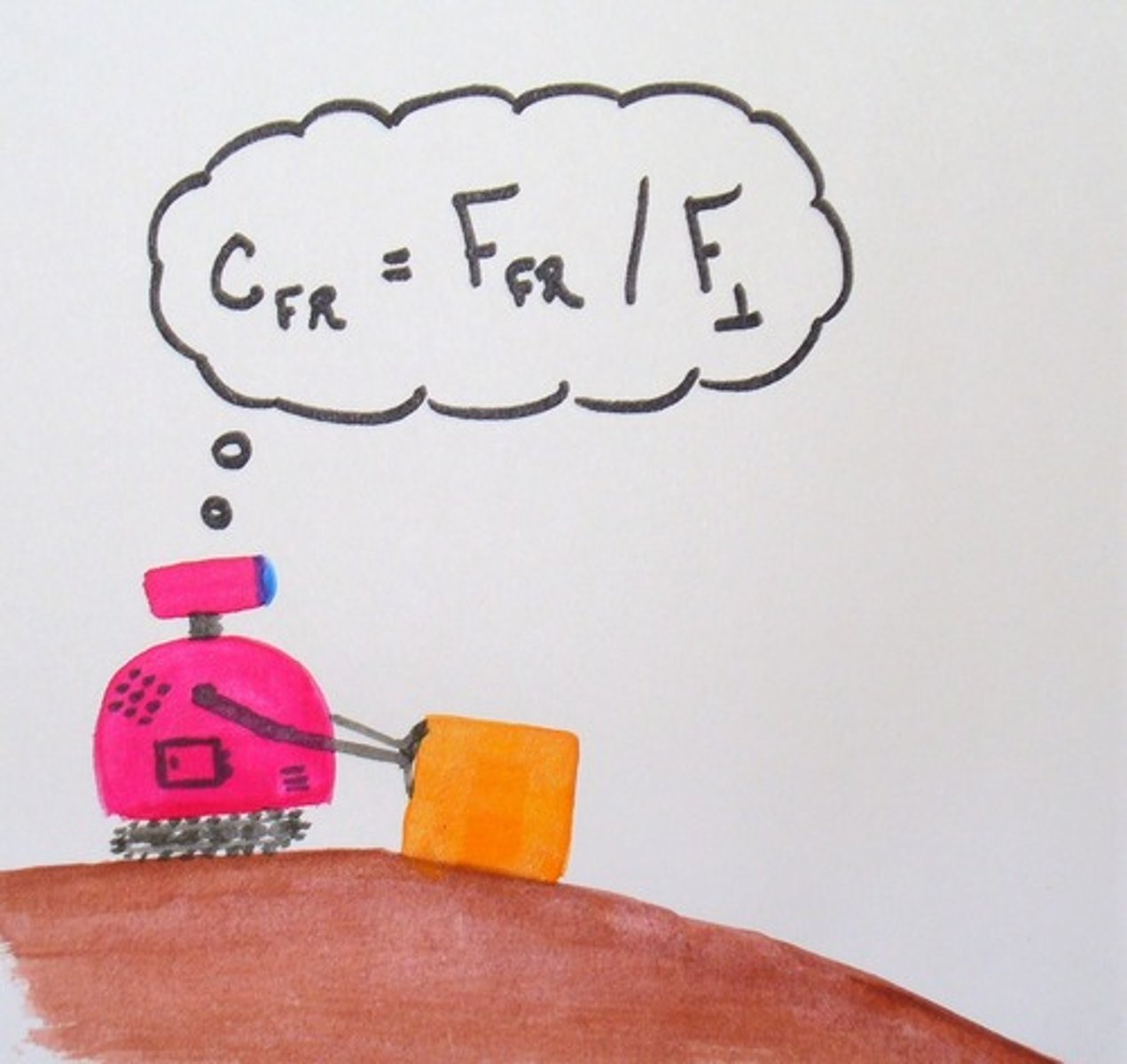
translation
(n.) changing from one form to another. e.g. changing from one language to another

membrane
(n.) a thin covering of tissue.
neuron
(n.) a nerve cell; the basic building block of the nervous system.

simulation
(n.) a copy; a method that is used to study and analyze the characteristics of the real world
lexical
(adj.) about words
regime
(n.) a system of management; a form of government
variance
(n.) the amount of difference; a statistic that measures the variability of a distribution.
molecule
(n.) two or more atoms chemically combined

marker
(n.) something that is easy to recognize or identify
empirical
(adj.) based on observation or experiment
robot
(n.) a mechanical creature that acts like a human

statistical
(adj.) about statistics
vowel
(n.) a speech sound; a, e , i, o, u and sometimes y
equilibrium
(n.) a state of balance

intensity
(n.) great energy, strength, concentration; in physics: Intensity = Power/Unit of area
regression
(n.) going back; in statistics: a type of correlational procedure that focuses on predicting the values of an outcome based on its correlation with another variable.
diagnosis
(n.) a decision a doctor makes based on a patients history and the results of an examination.
identification
(n.) the state of being identified; something that identifies a person

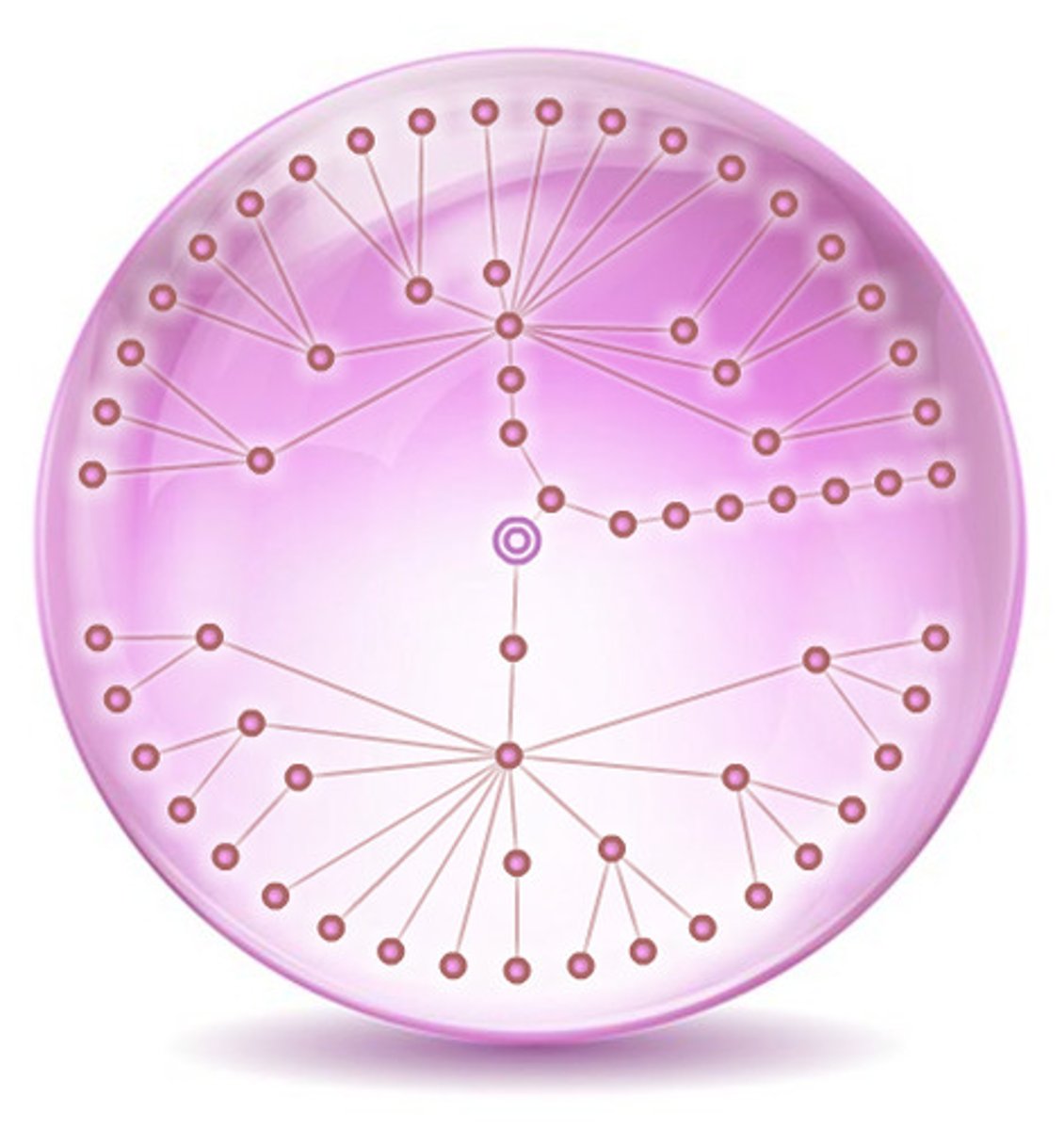
node
(n.)
an intersection or junction point in a network
a part on a plant where a new leaf grows
candidate
(n.) a person who is selected by others as a contestant for an office or honor
partial
(adj) not complete; favoring one side over another
correlate
(v.) to show the relationship between two items or events.
mortality
(n.) the quality or state of being human and being able to die
antibody
(n.) a defense provided by the body against disease
temporal
(adj.) concerning time
particle
(n.) a very small piece of something
duration
(n.) the length of time that something lasts
behavioral
(adj.) concerning the way someone acts
consumption
(n.)
how much is spent on things
the process of eating and drinking
bilingual
(n.) a person who speaks two languages
sensitivity
(n.) being sensitive; in physiology: the ability of an organism or part of an organism to react to stimuli; in electronics: the ability of a radio device to react to incoming signals
similarity
(n.) the degree to which people or things are the same
optimal
(adj.) best
explicit
(adj.) definite, clearly stated
mutation
(n.) a change; in genetics: any event that changes genetic structure
colonial
(adj.) concerning living in a colony
spectrum
(n.) the wavelengths of colors from red to violet

phonological
(adj.) concerning sound
nucleus
(n.) control center of a cell
onset
(n.) the beginning
integration
(n.) bringing things together into a whole
dominant
(adj.) strongest
pathway
(n.) a route; in biochemistry: a sequence of reactions
coordinate
(v.) to bring order and organisation to something.
(n.) in maths: any of the magnitudes that serve to define the position of a point or line by reference to a fixed figure or system of lines.
calculation
(n.) the answer to a sum; the act of calculating

precede
(v.) to go before
subset
(n.) a small set that is part of a larger set
syntactic
(adj.) grammatical
orientation
(n.) the ability to locate oneself in one's environment with reference to time, place, and people
proposition
(n.) an idea; a suggestion
inequality
(n.) not the same; in maths: a statement that compares two quantities using <, >, ≤,≥, or ≠
identical
(adj.) the same in every way
prevalence
(adj.) widespread, common, general
differential
(adj.)
difference
diversity
generalize
(v.) to make a common idea or conclusion from facts
beam
(n.) a long piece of metal or wood; a line of light or energy

pulse
(n.) beat of the heart
norm
(n.) an established standard of performance or behavior
trait
(n.) a characteristic
prediction
(n.) a statement of what will happen next.
correspondence
(n.) communication by writing; a similarity