3.1 Cell Shapes / Basic Components of Cells & 3.2 Plasma Membrane
 Call Kai
 Learn
Learn Practice Test
 Spaced Repetition
 Match
Match Flashcards
 Knowt Play
1/15

There's no tags or description
Looks like no tags are added yet.
Name | Mastery | Learn | Test | Matching | Spaced | Call with Kai | Chat |
|---|
No analytics yet
Send a link to your students to track their progress
16 Terms
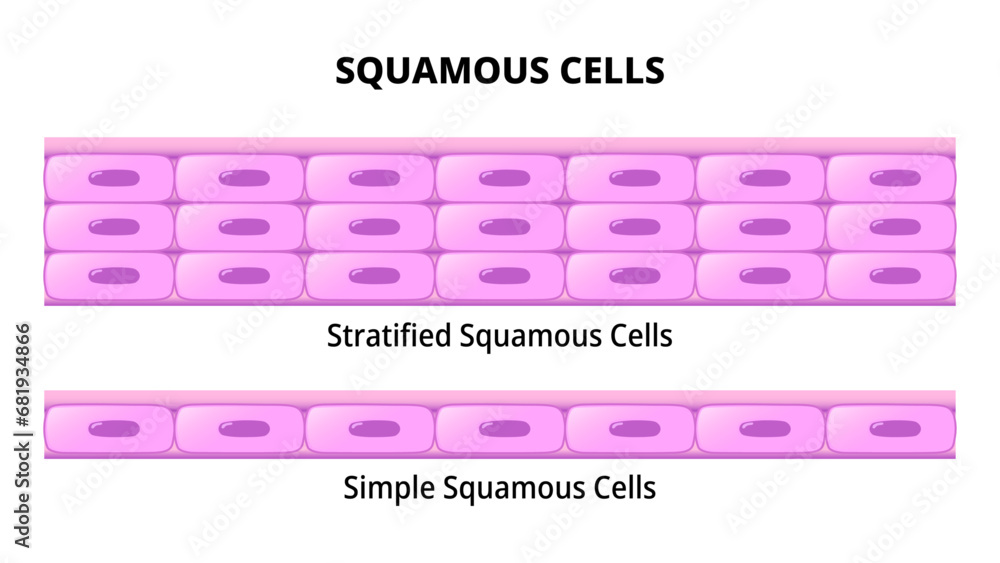
Squamous Cells
Thin, flat, scaly
Bulge where nucleus is at
Kind of like a fried egg sunny side up
Found in: esophagus and form surface layer (epidermis) of skin
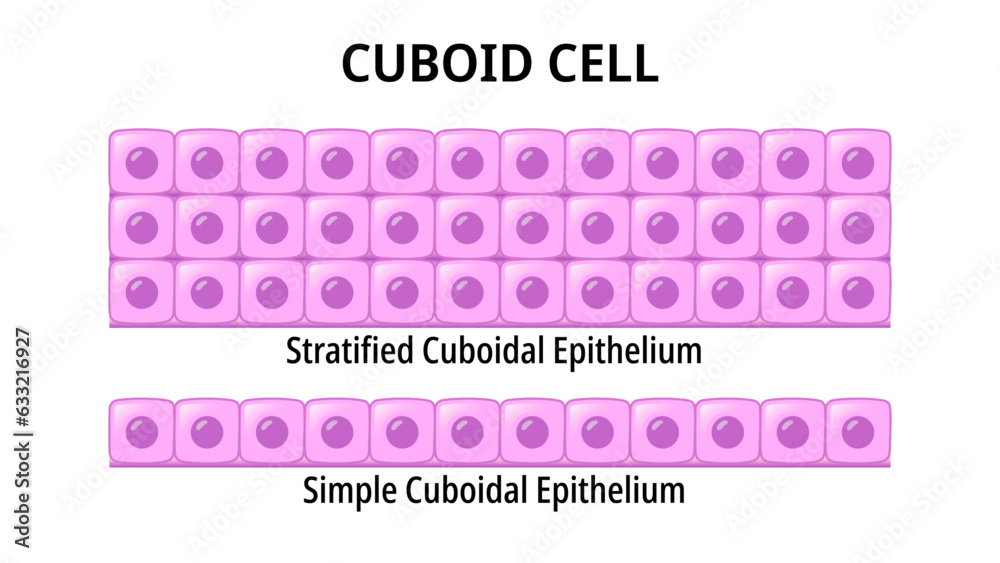
Cuboidal Cells
Squarish front section
Equal in height and width
Found in: liver
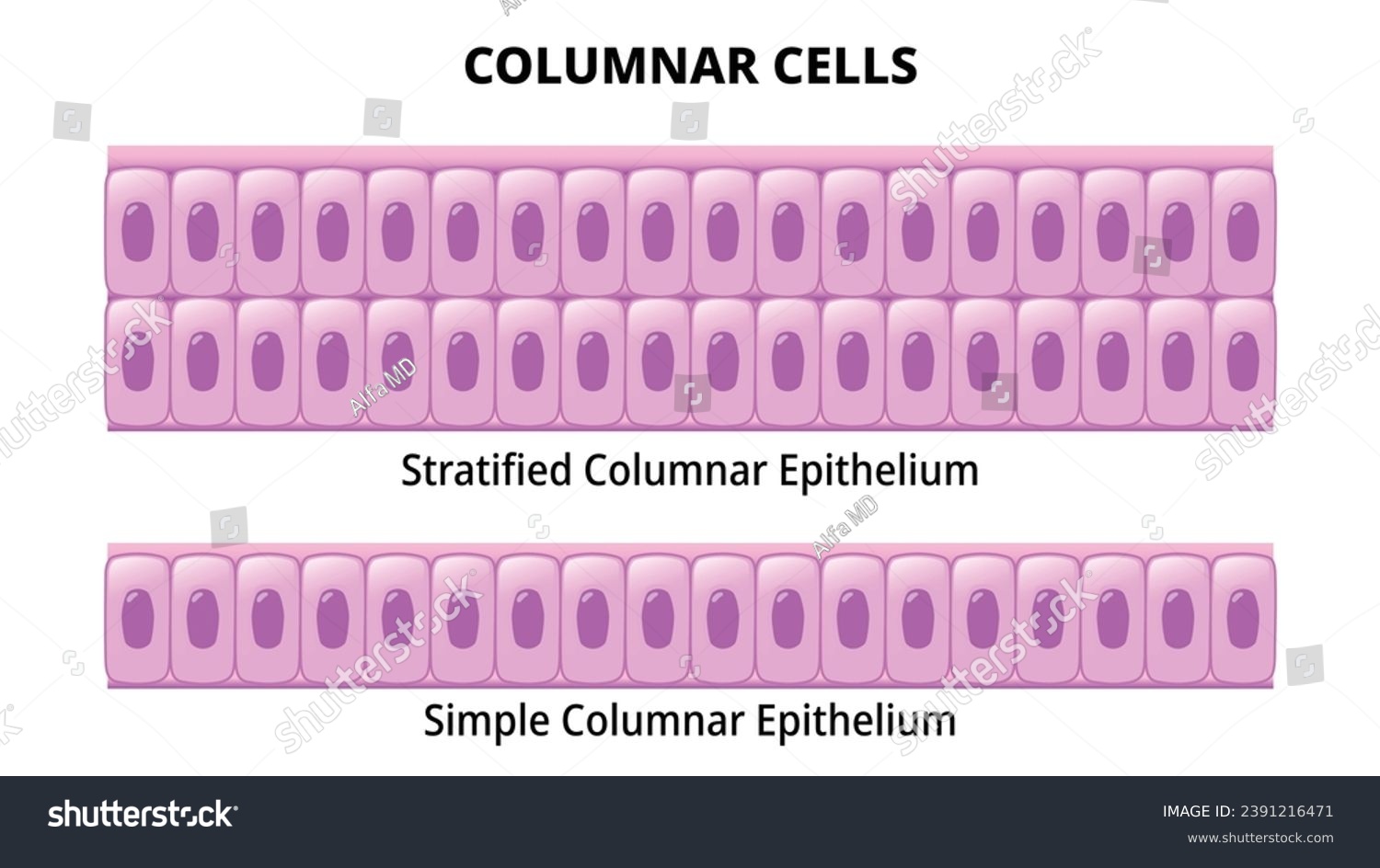
Columnar Cells
Taller than wide
Found in: inner lining of stomach and instestines
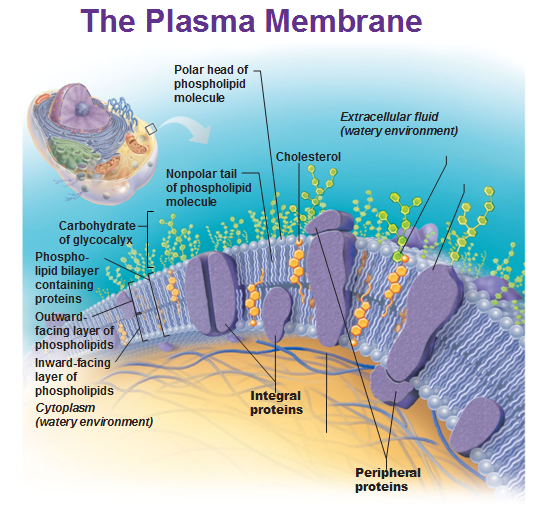
Plasma cell Membrane
Made of proteins and lipids
Is selectively permeable through either active or passive mechanisms
Cytosol / Intracellular fluid (ICF)
Clear gel containing cytoskelteon organelles and more
Extracellular fluid (ECF)
All body fluids not contained in cells
ECF amid cells are called tissue interstitial fluid
Also include blood plasma, lymph, and cerebrospinal fluid
Cytoplasm
Fluid between nucleus and surface membrane
Plasma membrane
Defines boundaries of the cell, governs interactions with other cells, and controls passage in and out of cell
Membrane proteins
Functions include
receptors: chemical signals bind to them for cell communication, chemical cannot enter directly, so bind instead
Second-messenger systems: messengers bind to surface receptors it can trigger second messenger in cytoplasm
Enzymes: Carry out final stages of starch and protein digestion in small intestine, produce second messengers, break down hormones, and other signaling molecules
Channel proteins: passages that allow water and hydrophillic solutes to move through membrane - more info below
Carriers: transmembrane proteins that bind to glucose, electrolytes, and other solutes, transfering them to the other side of the membrane. Some can be called pump - they consume ATP
Cell identity markers: glycoproteins contribute to glycocalyx which id’s cells that belong to us and those that do not
Channel Proteins
leak channels: always open, allow materials to pass though continually
gates (gated channels): open and close under specific circumstances, allow solutes through sometimes and not others
ligand-gated channels: respond to chemical messengers
voltage-gated channels: respond to changes in electrical potential (voltage) across plasma membrane
mechanically gated channels: respond to physical stress on a cell such as stress or pressure
Second messengers / G proteins
Second messengers are very important for transmitting chemicals
G proteins are vitals for drugs, up to 60% require G proteins to work
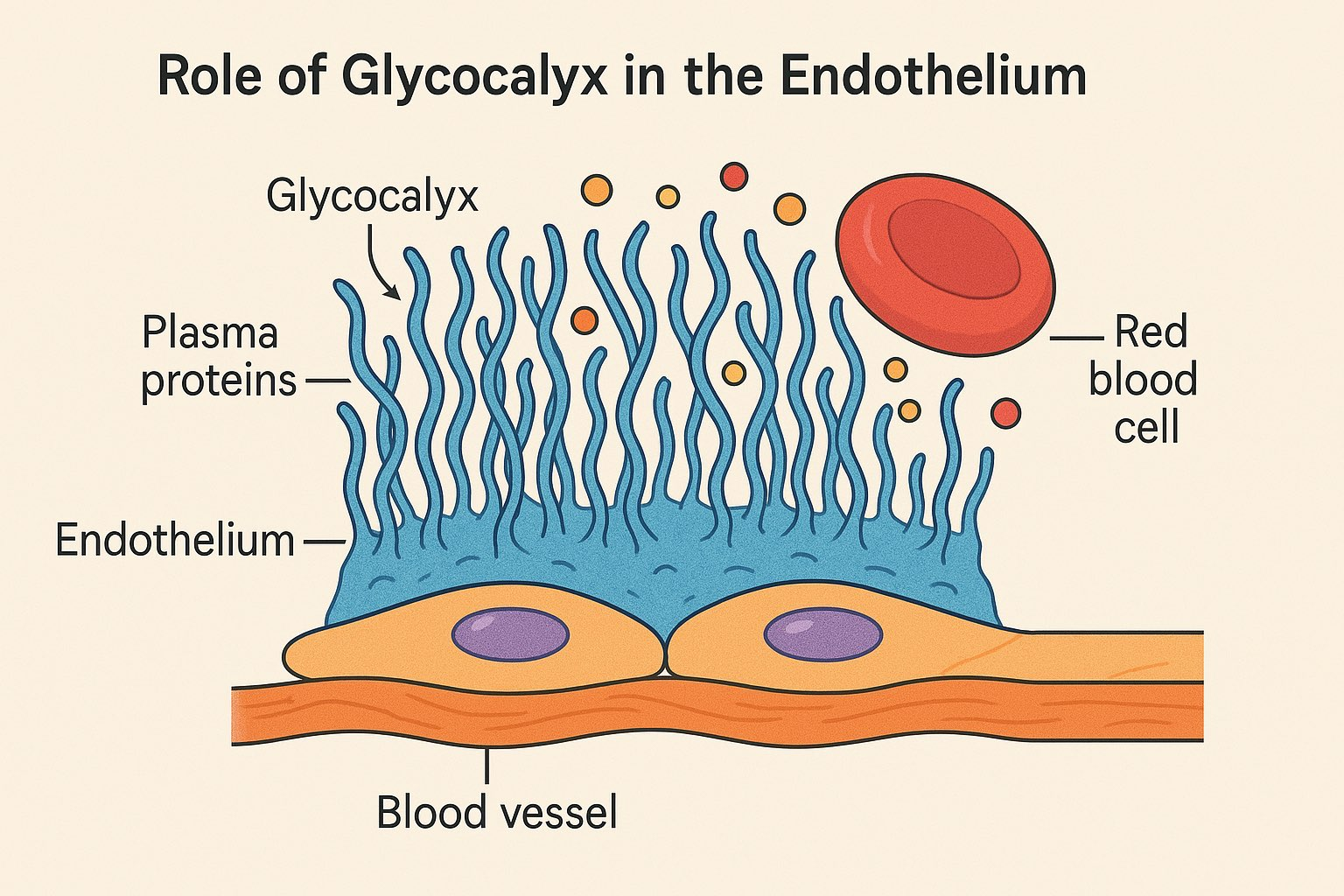
Glycocalyx
A fuzzy coat that all animals cells external to plasma membrane
It’s chemically unique to all animals except for identical twins
Acts as a ID tag so that the body can distinguish it’s own healthy cells and invading cells
Protects the plasma membrane from physical or chemical injury
Enables immune system to recognize and attack foreign organisms
Changes in glycocalx of cancerous cells enables the body to recognize and destroy
How compatibility is determined for blood transfusions, tissue graft, and organ transplants
Binds cells together so tissue doesn’t fall apart
Enables sperm to recognize and bind to eggs
Guides embryonic cells to destination in the body
Microvilli
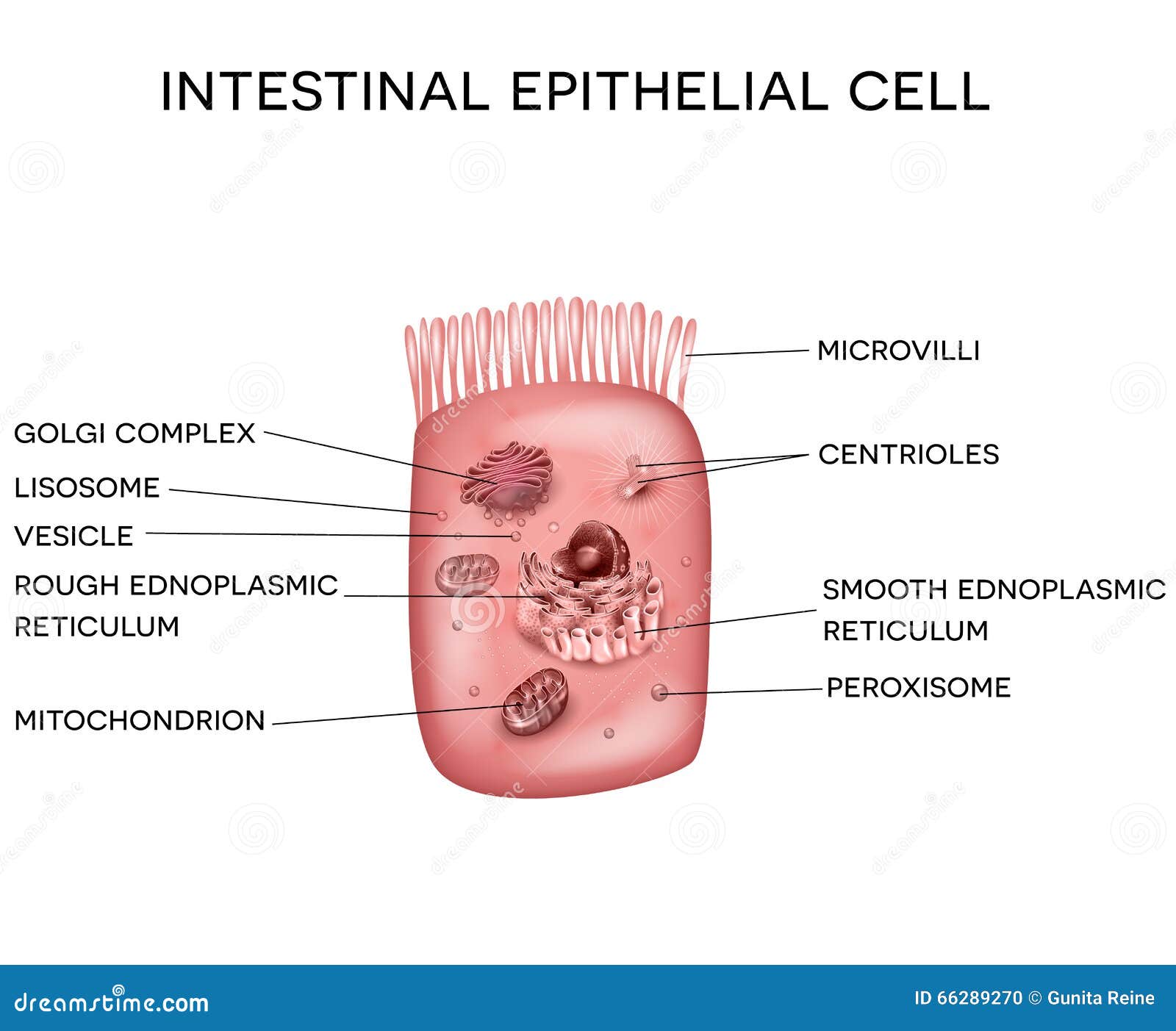
Extension of plasma membrane
Increase cells surface area
Best developed in cells that specialize in absorption (epithelial cells of intestines and kidneys)
15 - 40 times as much absorption surface
On some cells they are dense and appear as fringe called brush boarder
Little internal structure except for bundles of stiff filaments called actin, they extend in and out of the cell and they are able to pull things through so that absorption can happen
Can also be sensory as seen on the taste buds and inner ear
Cilia
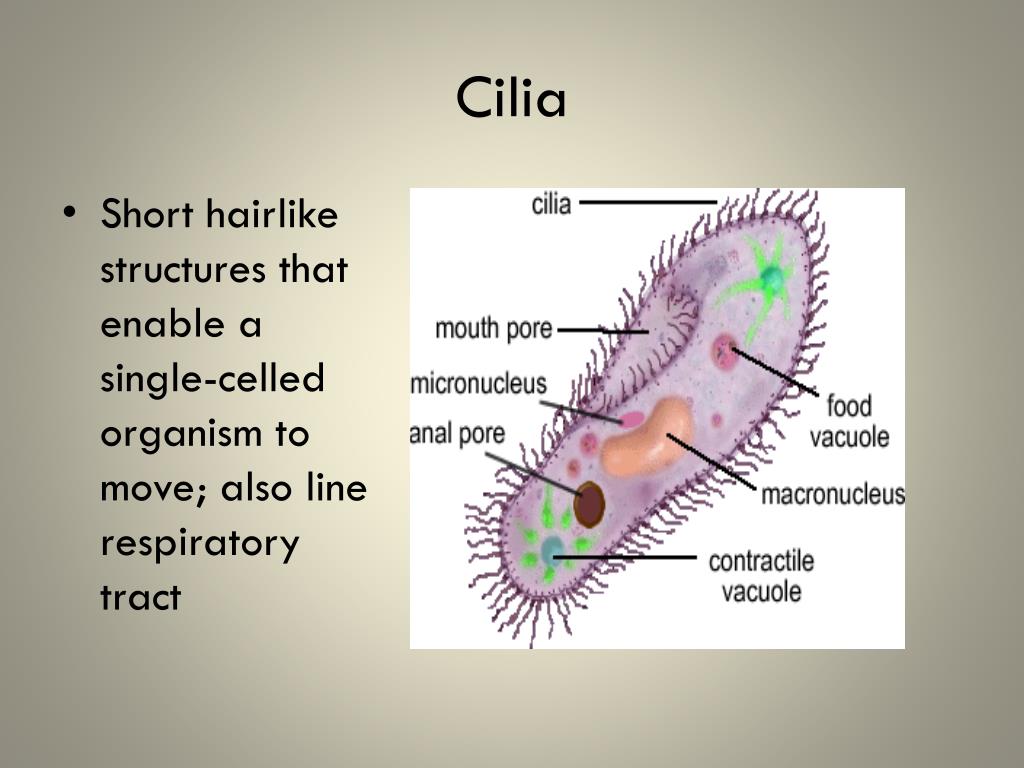
Hairlike processes on nearly every cell that is singular and doesn’t move
Sometimes it is sensory, other times its unknown why it is there
Some are motile, they beat in waves in the same direction and help to move materials such as mucus onward
Flagellum
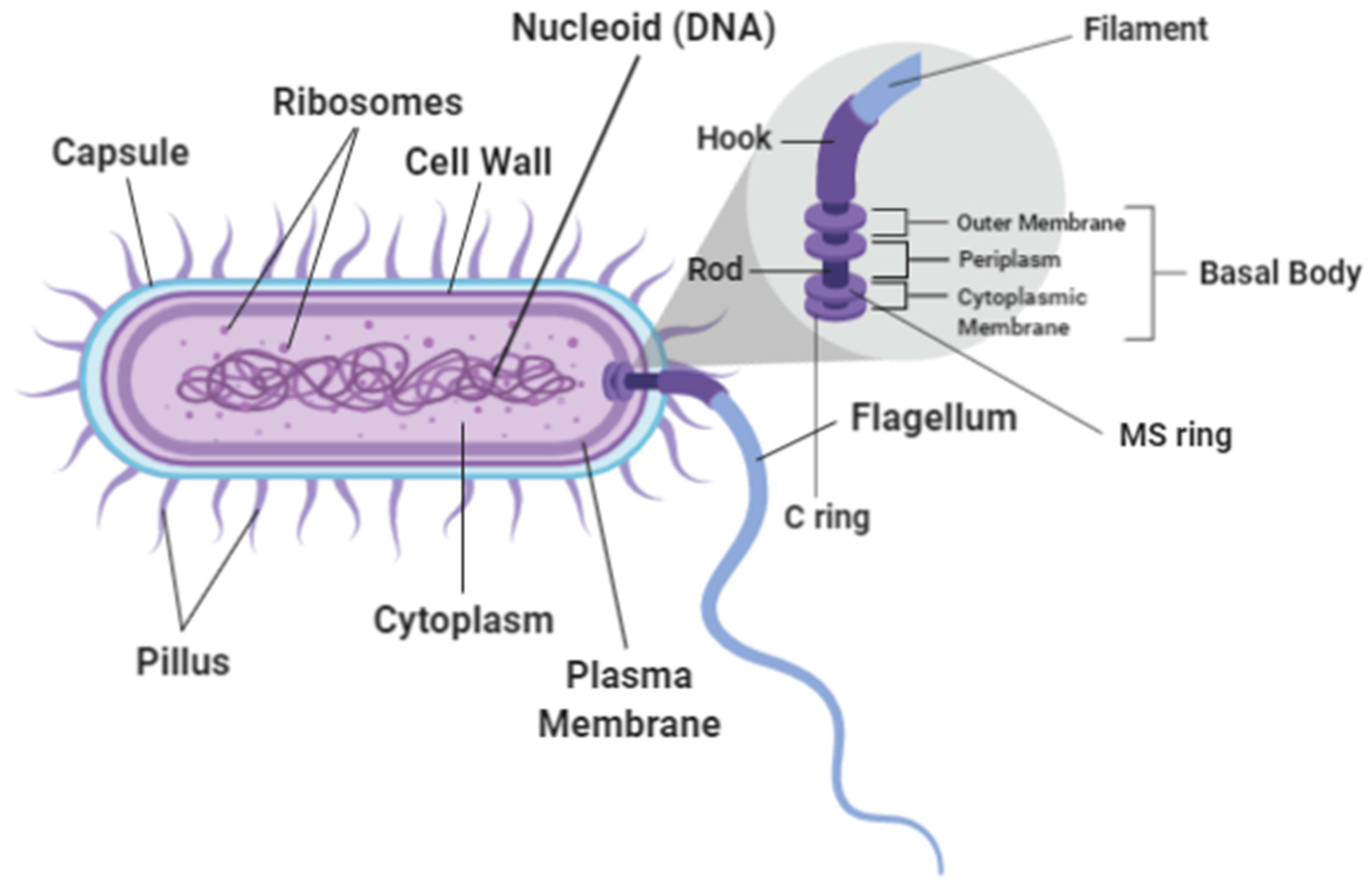
Only instance is whip like tail of sperm
Longer than cilium
Pseduopods
Cytoplasm filled extensions of their cell varying shape
Change continually