Eschatological Verification - Religious Language
 Call Kai
 Learn
Learn Practice Test
 Spaced Repetition
 Match
Match Flashcards
 Knowt Play
1/8

There's no tags or description
Looks like no tags are added yet.
Name | Mastery | Learn | Test | Matching | Spaced | Call with Kai | Chat |
|---|
No analytics yet
Send a link to your students to track their progress
9 Terms
Eschatology
Refers to what will happen at the end of time
Eschatological Verification
The view that the "facts" of Christianity will be verified / falsified at death.

Who established Eschatological Verification ?
Hick
Hick's two claims about religious language
- Its claims are cognitive
- They are therefore subject to verification

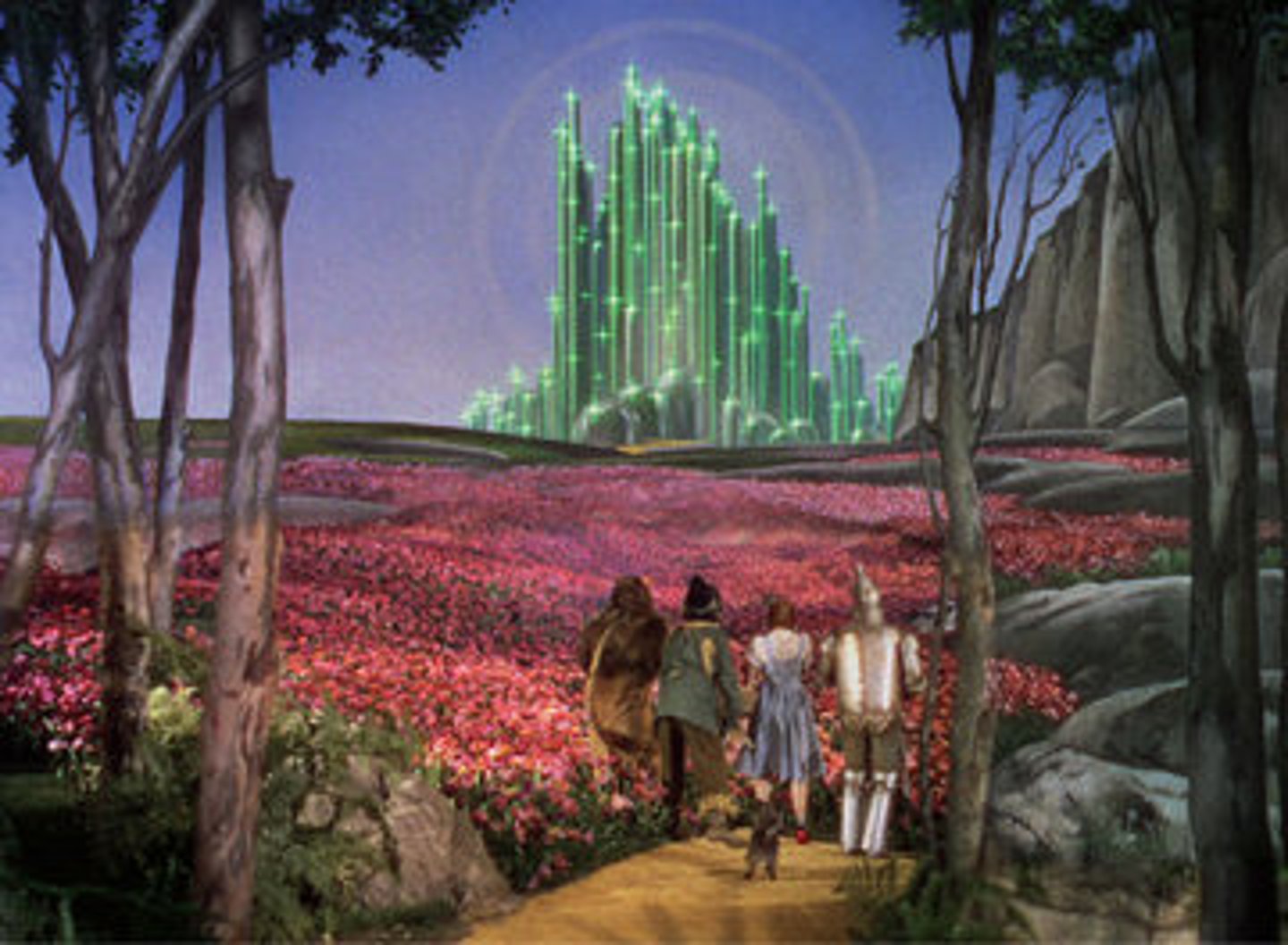
Parable of the Celestial City
- Two people walking along a long road
- One believes there is a Celestial City at the end
- The other believes there is nothing at the end
- The only way to know what is at the end is to walk to the end of the road
How does the Parable link to religious language ?
There is no way to know that religious statements such as "There is life after death" are true until death, so for now we should treat all religious language as cognitive.

Strengths of Eschatological Verification
- Identifies Heaven as a real possibility
- Supports view of religious claims as cognitive

Weaknesses of Eschatological Verification
- Atheists would likely dismiss the parable, as it doesn't make Heaven a true or even strong possibility
- Doesn't work like standard falsification: Statement can be verified if true but can't be falsified because it happens after death

Responses to theory's weaknesses
- There is evidence for life after death, e.g. NDE & Reincarnation memories
- Hick pointed to statements in mathematics which cannot be falsified