integ. sci quiz 1 study guide
 Call Kai
 Learn
Learn Practice Test
 Spaced Repetition
 Match
Match Flashcards
 Knowt Play
1/23

Earn XP
Description and Tags
dr. lewis pop quiz on 9/1
Name | Mastery | Learn | Test | Matching | Spaced | Call with Kai | Chat |
|---|
No analytics yet
Send a link to your students to track their progress
24 Terms
completely deconstruct the body into its smallest components parts.
body systems, organs, tissues, cells and chemical: macromolecules → elements
why do we say that living systems are composed of lifeless molecules?
the individual atoms and molecules that make up the body are not alive by themselves. life emerges when these nonliving components are organized into a highly ordered system that can perform the functions of life.
which elements are referred to as bioelements?
C, H, O, N, P, S — carbon, hydrogen, oxygen, nitrogen, phosphorus, and sulfur.
what are the unique properties of the bioelements?
the unique properties of the bioelements are that they readily form covalent bonds by electron-pair sharing, they are among the lightest elements capable of forming strong covalent bonds, and they can react with each other to form a very large number of different compounds.
explain why we can infer that all living organisms have a common ancestor.
we can infer that all living organisms have a common ancestor because they are complicated and highly organized, and each component part of a living organism appears to have a specific purpose or function (wings, eyes, flowers, leaves, etc.). they also have the capacity to extract and transform energy from the environment.
name the 4 major macromolecules found in living organisms.
proteins, polysaccharides, nucleic acids, and lipids
name the building-block molecules that make up the macromolecules
proteins → amino acids
polysaccharides → monosaccharides
nucleic acids → nucleotides
lipids → fatty acids + glycerol
what are supramolecular systems? give an example.
a supramolecular system is an organized assembly of multiple molecules or macromolecules that associate to perform a larger function. example: a ribosome, which contains rRNA and proteins.
differentiate between homeostasis and disease
homeostasis is a state of balance or equilibrium maintained by physiological processes of the body. disease is a departure from homeostasis.
carbonyl

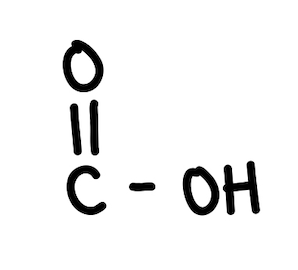
carboxyl/carboxylic acid
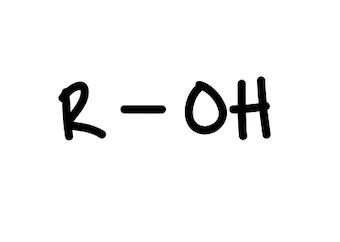
hydroxyl/alcohol
aldehyde

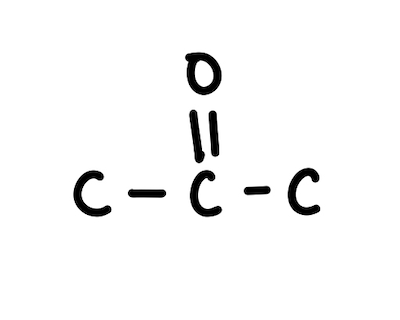
ketone
amino

sulfhydryl/thiol

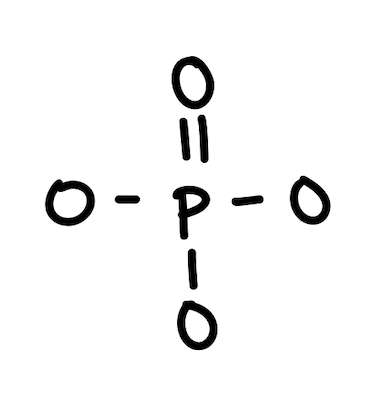
phosphate
differentiate between the functional nature of a cell of a multicellular & unicellular organism.
a multicellular organism has cells that specialize for particular jobs and cooperate with other cells to maintain the whole organism. whereas unicellular organisms have one cell is the entire organism, so that single cell must perform all functions needed for survival.
name the 2 types of cells based on their nuclear structures & their internal components.
eukaryotic cells have well-defined nucleus and membrane-bound organelles. prokaryotic cells have a nucleoid and no organelles; cytoplasmic structures.
name the organisms that contain a eukaryotic cell structure.
animals, plants, fungi etc
name the organisms that contain a prokaryotic cell structure.
bacteria and archaea
name the total size of ribosomes in eukaryotic cells; prokaryotic cells.
eukaryotic cytoplasmic ribosome = 80S.
prokaryotic ribosome = 70S.
name the sizes of the ribosomal subunits in eukaryotic cells; prokaryotic cells.
eukaryotic: 80S ribosome = 60S large + 40S small
prokaryotic: 70S ribosome = 50S large + 30S small
name the organism that is acelluar & referred to as an obligate intracellular parasite.
virus