Psych Chapters 4 and 8
 Studied by 14 people
 Call Kai
 Learn
Learn Practice Test
 Spaced Repetition
 Match
Match Flashcards
 Knowt Play
1/166

There's no tags or description
Looks like no tags are added yet.
Name | Mastery | Learn | Test | Matching | Spaced | Call with Kai |
|---|
No analytics yet
Send a link to your students to track their progress
167 Terms
sensation
physical process: the experience of having your sense organs stimulated (sound waves, light waves, odorant molecules, the touches you feel)
perception
psychological process: interpreting the sensations that are experienced, to recognize meaningful objects and events (i see my car parked in the parking lot)
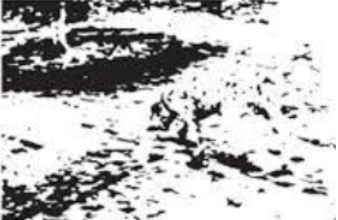
ambiguous images
images with multiple interpretations = same sensation with different perception
filling-in (pattern completion)
phenomena that perception goes beyond sensation (filling in information that is not there from past experiences)
sensory adaptation
diminishing sensitivity to an unchanging stimulus (when you first turn a fan on you will notice it, but after a while you stop noticing it)
transduction
converting physical into neural information
psychophysics
study of relationship between physical characteristics of stimuli (ex: intensity) and our psychological experiences of them
wavelength
long wavelengths (deep sound), short wavelengths (high pitched), amplitude gives you volume
absolute threshold
the minimum stimulation needed to detect particular stimulus 50% of the time (is the stimulus there or not?)
how low can the stimuli be to be able to notice its there (hearing test at the doctors with headphones)
signal detection theory
you have two different possibilities of the presentness of the stimuli (yes i see a stimuli or no i don’t see a stimuli)
hit
the stimulus is present and you say it’s present
miss
if the stimulus is present but you don’t detect it
false alarm
if the stimulus is absent but you say it’s present
correct rejection
if the stimulus is absent and you say it is
hit and correct rejection
what are accurate responses to the participants responses in an absolute threshold?
when background noise is high
when is signal intensity hard to understand?
experience
when you have greater exposure you’ll have a greater job at detecting signal
expectation
if there’s an expectation set, there’s a greater chance to recheck something
motivation
if a researcher gives you a stronger drive to look for something, you will be more likely to look
fatigue
need a greater amount of intensity in order to reach comfort (louder music to make you more awake)
stimuli
when you get sleep it is easier to detect what?
difference threshold (just noticeable difference, jnd)
the minimum difference a person can detect between 2 stimuli half the time (i know the stimulus is there, if it changes, do I detect the change)
weber’s law
finding that the size of a jnd is a constant fraction of the intensity of the stimulus (no major number but there is a major proportion)
all 5 senses
what are there difference thresholds for?
pupil
little black hole in the middle of your eye that allows light to enter
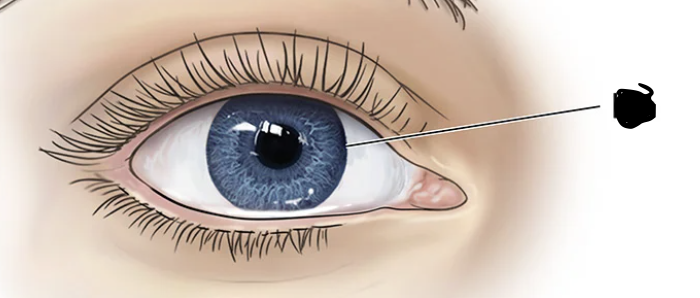
iris
gives your eye the color that you have, regulates the size of the pupil
light, attention, interest, and drugs
what factors influence pupils to dilate?
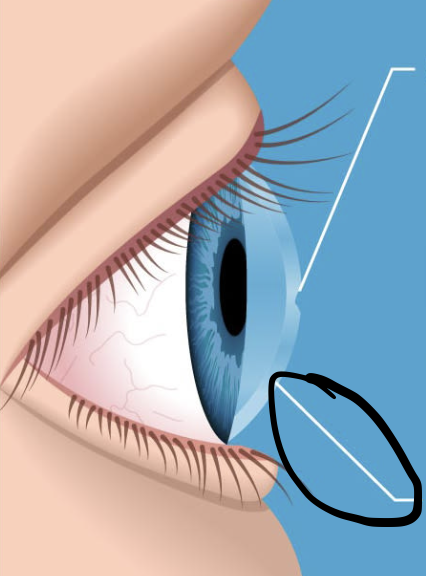
cornea
the clear outer covering of your eye (protects from outside stuff getting into your eye)
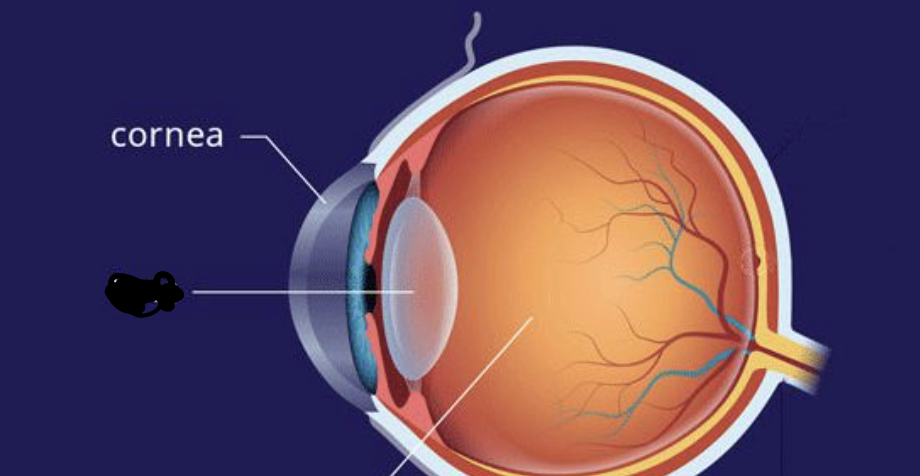
lens
sits behind the pupil, responsible for focusing the light, bends the light rays in process called accommodation
accommodation
changes shape of lens because the muscles are attached to it, in order to focus the light (something that’s close vs something thats far)
where the muscles around the lens alter its shape to adjust to viewing objects at different distances
retina
contains all of the photoreceptors that are found in the back of the eye (rods are strong here)
photoreceptors
in the back of the eye that detect the light (stimulus)
fovea
part of the retina that is located directly behind the pupil, the point of fixation (whatever you are directing your gaze at, that is the object that is falling here)
greatest amount of cones here
on the other parts of the retina
where does peripheral vision fall?
rods and cones
what are the two types of photoreceptors?
rods
help you see black, white, and shades of gray and gross shapes (work better at nighttime - dark adapted)
cones
help you see color and clarity (visual acuity)
need good ambient light in order to work (work best in daytime)
visual acuity
to see the details of things
rods and cones
what are the sensory neurons/input neurons for vision?
rods and cones to bipolar cells to the ganglion cells
what is the order of visual perception?
the axons of the ganglion cells
what comes together to make up the optic nerve?
blind spot
the part of the eye where the optic nerve leaves (no rods or cones) no stimulation
your brain fills in the gap
nearsightedness
the lens focuses the image in front of the retina (uncorrected)
in nearsightedness
with a minus lens for correction, the image focuses directly on the retina (corrected)
farsightedness
the lens focuses the image past the retina (uncorrected)
in farsightedness
with a plus lens for correction, the image focuses directly on the retina (corrected)
right
information from your left visual field, falls on which side of your eye?
from the retina then along the optic nerve
where does information travel in the eye?
optic chiasm
the crossover point in the brain where the switch of images from the retina to the optic track of the other side
the thalamus (the lateral geniculate nucleus - LGN)
where does information end up after the crossing the optic chiasm?
goes into the visual cortex in the occipital lobe
where does information go after it reaches the thalamus?
feature detectors
neurons in visual cortex that analyze the retinal image and respond to specific aspects of shapes (ex: angles and movements)
feature detectors combine and fire at the same time
how do you see certain images?
simple cells
respond to a bar of light oriented at a particular angle
complex cells
get input from many simple cells, receptive to movement
hypercomplex cells
input from many complex cells, respond to patterns
an image is created
what happens when you combine simple, complex, and hypercomplex cells?
wavelength
corresponds to the hue/color you see
blue and lighter colors
shorter wavelengths =
reds and oranges
longer wavelengths =
amplitude
corresponds to brightness
bright
high amplitude =
dull
low amplitude =
blue, green, and red
what colors can humans see (trichromat)
blues and greens
what colors can dogs see (dichromat)
they are tetrachromat meaning they can see more colors at a time
why are birds and other animals different from humans when seeing?
trichromatic color theory
theory that all color that we experience results from mixing three colors of light (red, green, and blue)
it cannot explain various colorblind problems (people can’t see red or green but can still see yellow?)
what is the problem with the trichromatic color theory?
afterimages
when you stare at one image for so long and switch to another image, your neurons overshoot to see the opposite colors
opponent process theory
color vision results from cones linked together in three pairs of opposing colors, so activation of one member of the pair inhibits activity of the other
red-green
yellow-blue
white-black
what are the opposing colors in the opponent process theory?
color processing of cones in retina
what does the trichromatic theory explain?
LGN and visual cortex process color information
what does the opponent process theory explain?
color blindness
weakness or deficiency in perception of certain colors
binocular cues
depth cues that result from the use of both eyes
retinal disparity
compare images from retinas of both eyes. greater disparity means object is closer (if images coming into the eyes is very different it means that the object is closer to you)
binocular convergence
information about how much eyes must rotate inward to look at an object. more rotation means object is closer
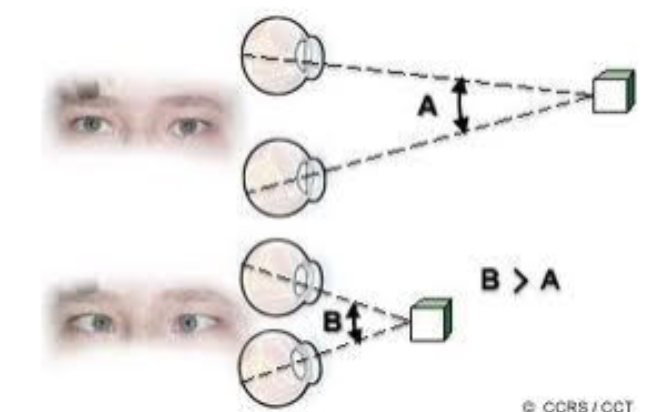
binocular
what cue is retinal disparity and binocular cues part of?
monocular cues
depth cues that are available to each eye separately
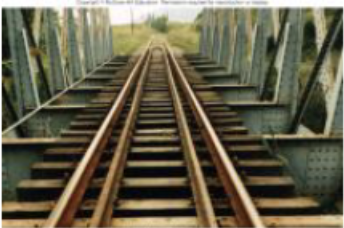
linear perspective
lines that are parallel seem to converge on a vanishing point as they move further away
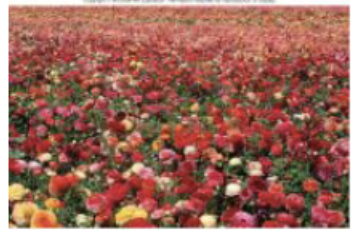
texture gradient
objects that are closer to you it’s easier to pick out individual objects and you can see the features of them more clearly (objects that are further away, they all blur together)
atmospheric perspective
objects that are further away take on a purply/bluish hue to them and they appear hazier (not as clear)

interposition
whether you can see the whole object or not, objects that are closer will block objects that are farther away (if it’s closer you will see the whole thing)
monocular
what cue is linear perspective, texture gradient, atmospheric perspective, and interposition part of?
size illusions
using previous knowledge to make it look like one’s bigger than the other
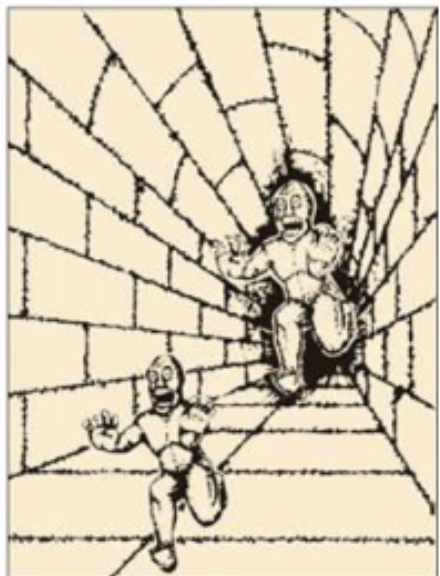
perceptual constancy
perceiving objects as unchanging even as the image on the retina changes
size constancy
you perceive an object as being the same size even though the image on your retina grows or shrinks (ames room)
shape constancy
you understand that the shape of objects does not change even though the image on your retina changes
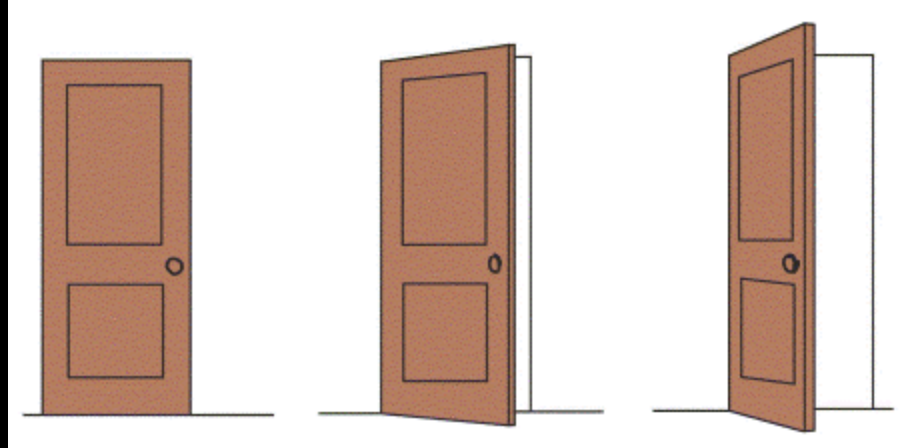
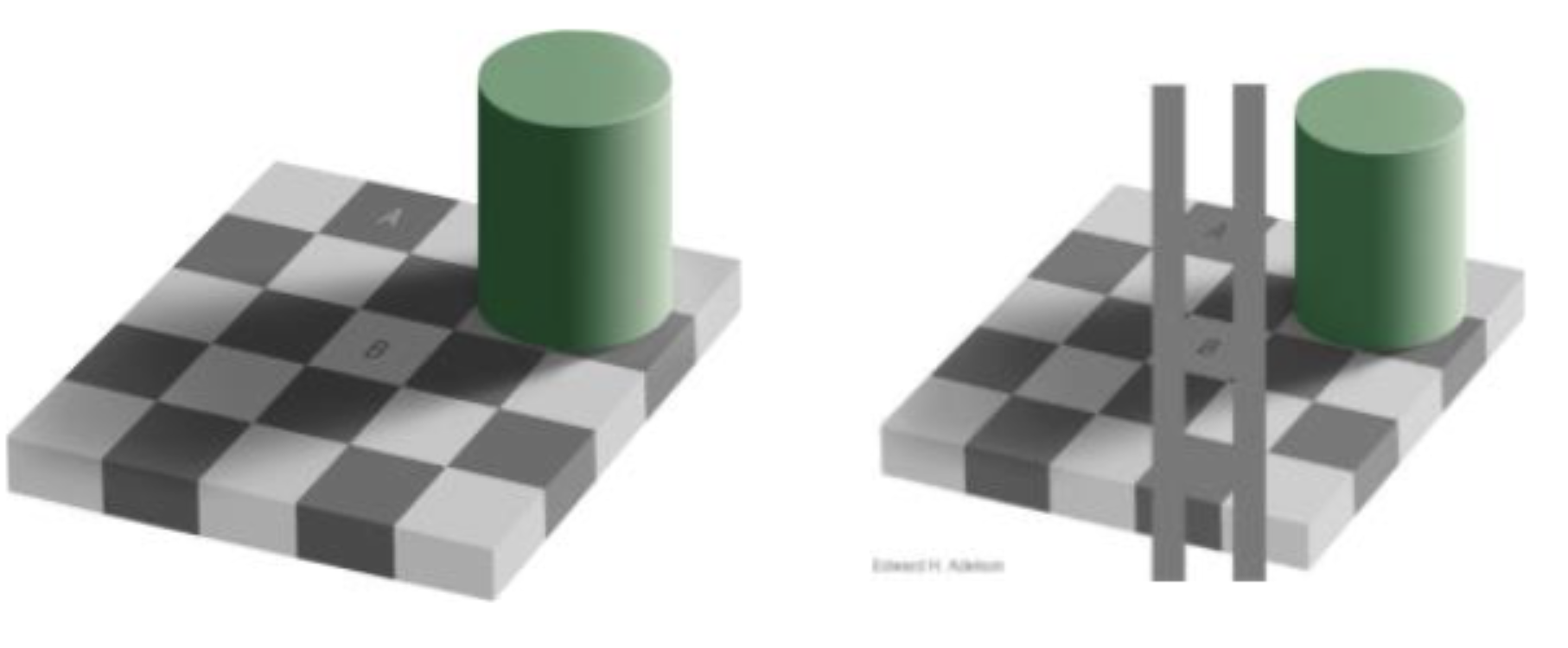
lightness constancy
objects seem to have constant lightness even when illumination varies
relative luminance
amount of light an object reflects relative to its surroundings
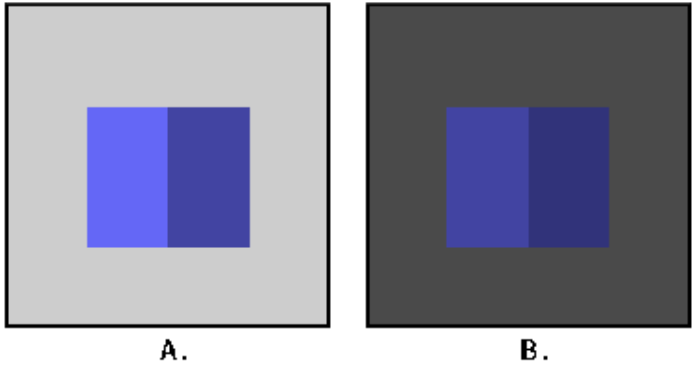
color constancy
perceiving familiar objects as having constant color even when changing illumination alters reflected wavelengths
gestalt
an organized whole (the whole is different than some of its parts)
if you look at bits and pieces it’s random on a page, but if you organize them, you can see some shapes
form, pattern, or shape
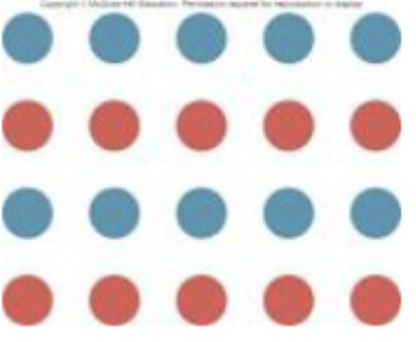
similarity
taking like images and grouping them together
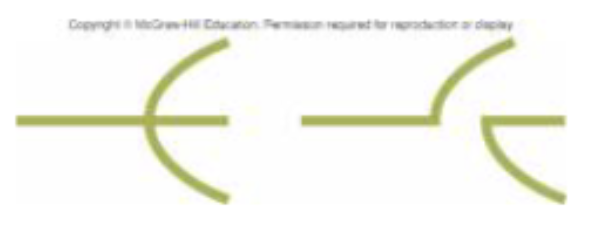
continuity
it is similar to perceive things as continuous (not broken into pieces)
proximity
things that are nearer to each other are grouped together

closure
you will perceive lines and edges even when they are not physically present

figure-ground
organization of visual field into its objects (figures) and surroundings (ground)
if you are looking at a screen, that becomes the figure, and the surrounding environment becomes the ground
iris
cornea
lens
 Note
Note  Flashcards (276)