lecture 13 & 14 capillaries and viens + cardiovascular control mechanisms
 Studied by 0 people
 Call Kai
 Learn
Learn Practice Test
 Spaced Repetition
 Match
Match Flashcards
 Knowt Play
1/20

There's no tags or description
Looks like no tags are added yet.
Name | Mastery | Learn | Test | Matching | Spaced |
|---|
No study sessions yet.
21 Terms
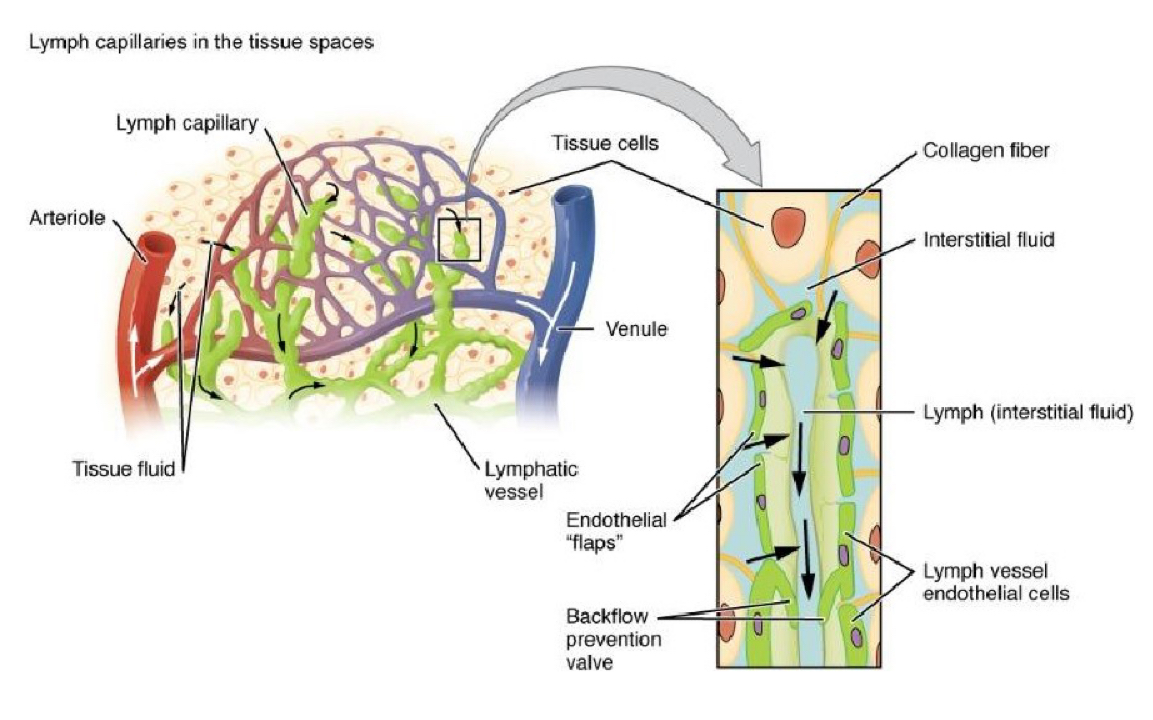
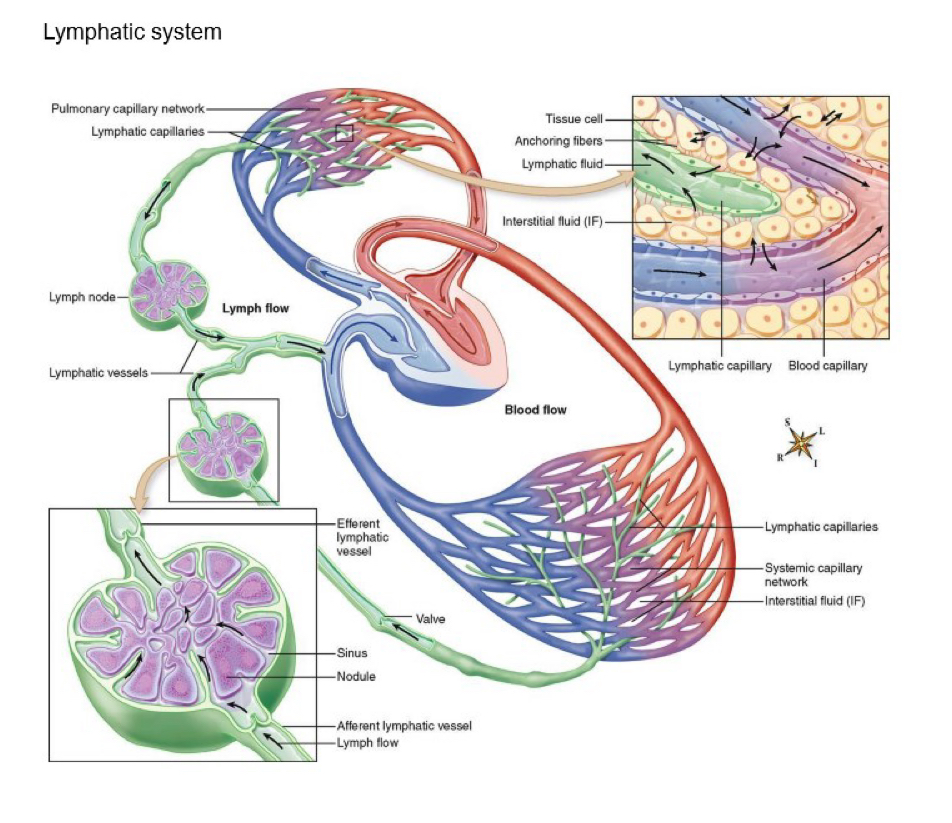
functions of lymphatic system include:
returning fluid to the cardiovascular system
clearing proteins from interstitial fluid
role in absorption of fat in the intestines
role in immune system
emphasis on site of exchange
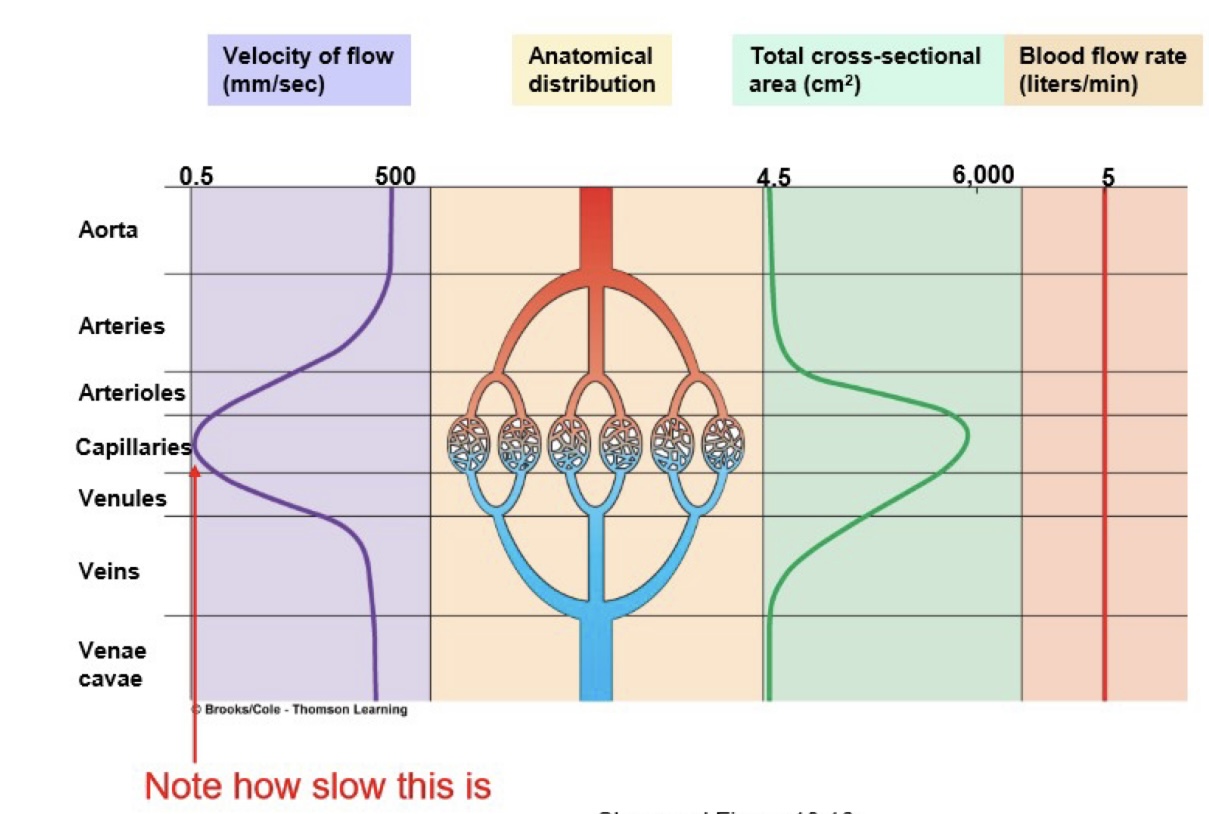
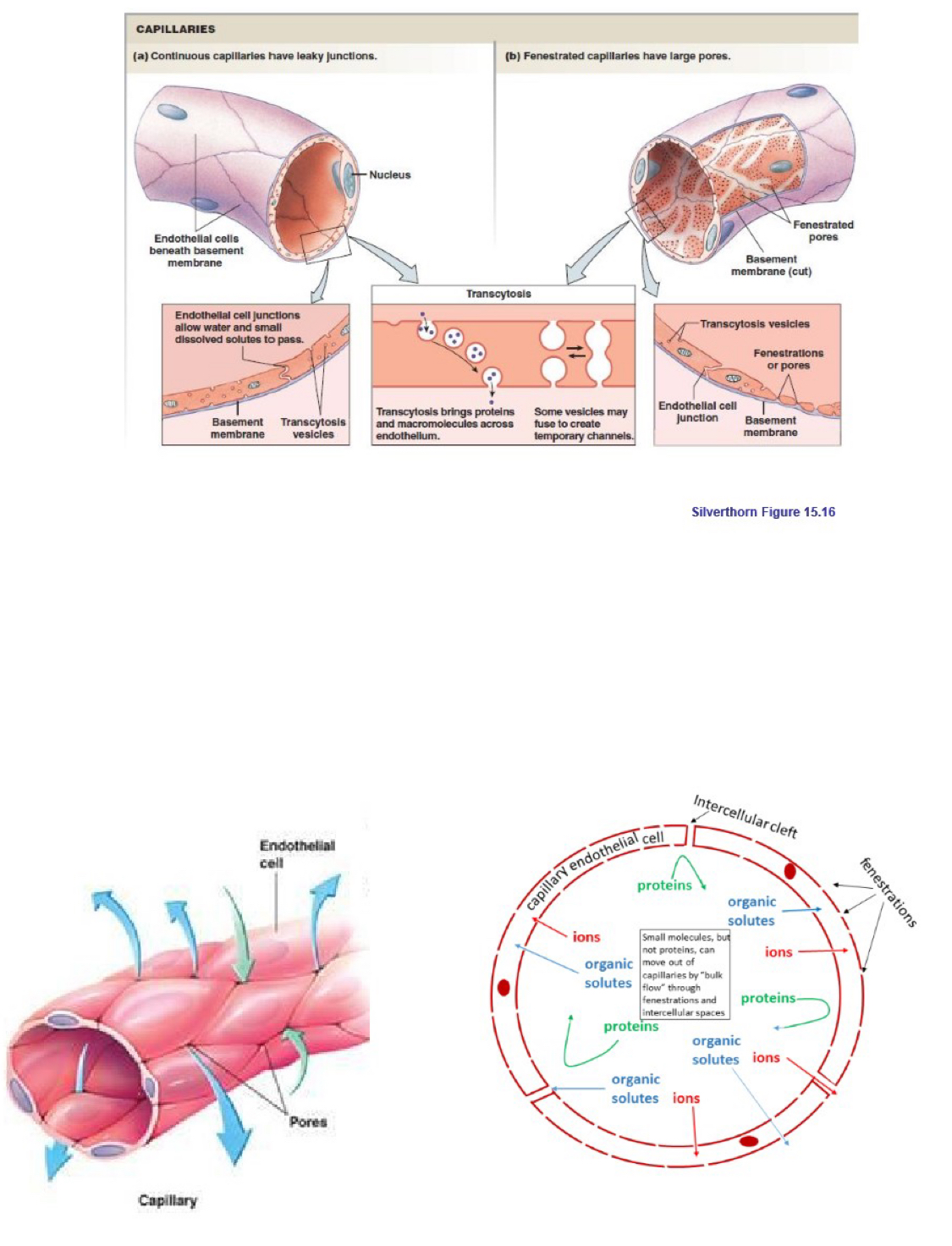
capillaries
the site of exchange between the circulatory system and interstitial fluid
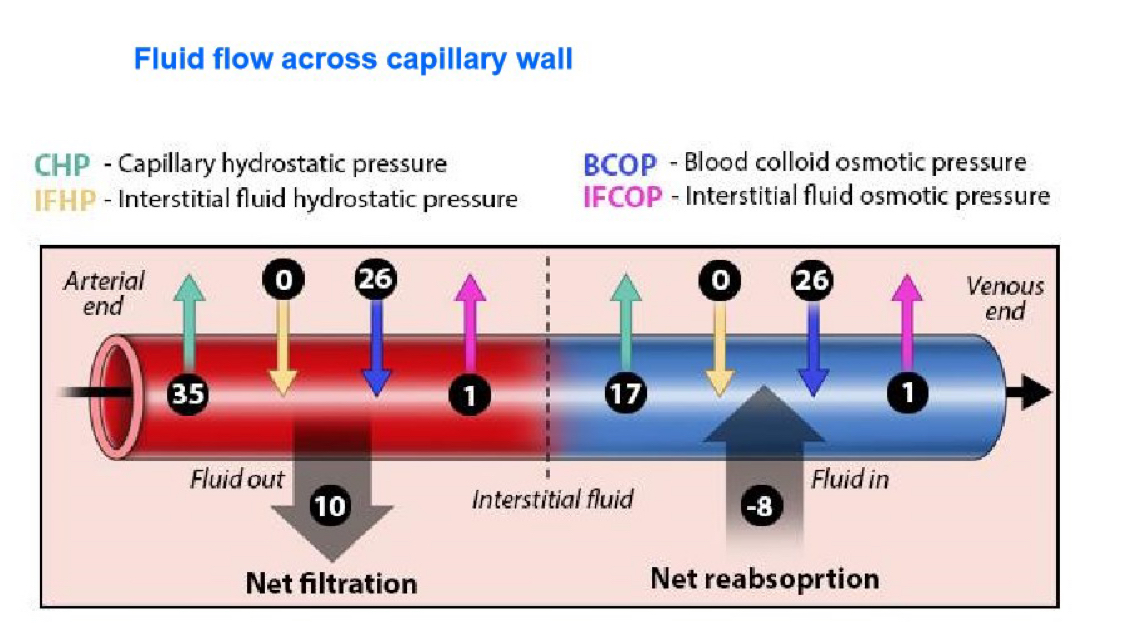
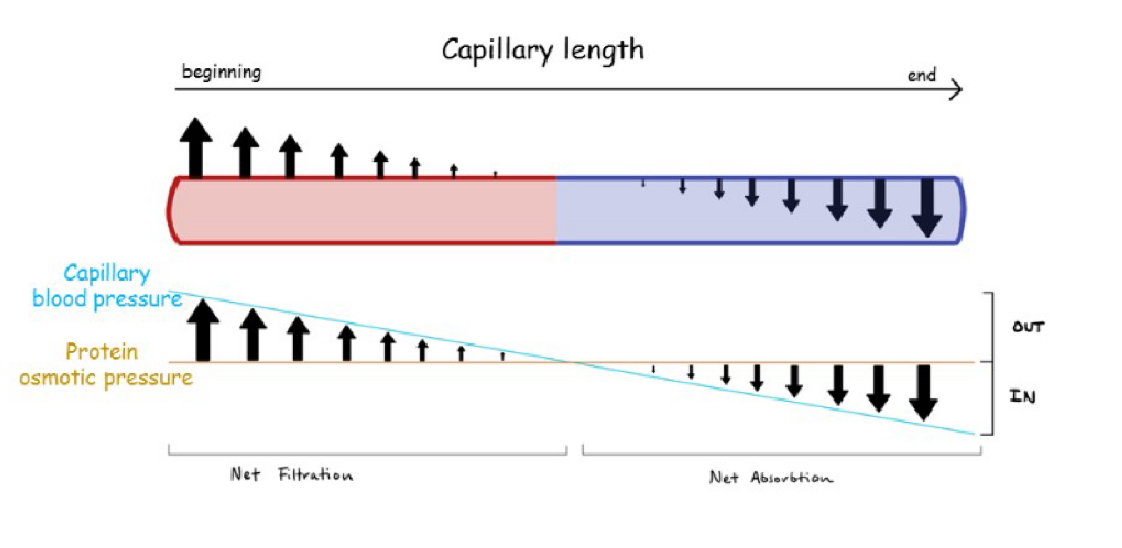
fluid flow across capillary wall
capillary length
lymph capillaries in the tissue spaces
lymphatic system
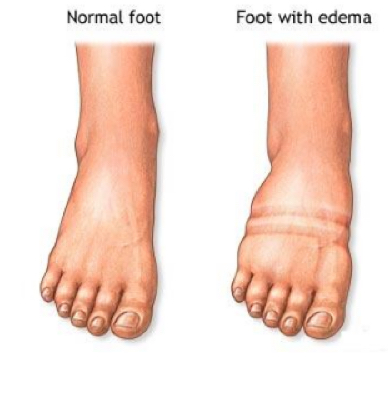
edema
the accumulation of fluid in the interstitial fluid
if lymphatic drainage is compromised, fluid will accumulate
if balance of pressures between capillary hydrostatic and osmotic pressures may favor movement of fluid into interstitial space:
increased capillary pressure (typically due to increased venous pressure)
decreased plasma protein concentration (e.g. liver failure)
increased interstitial fluid protein (leakage, tissue damage)
venules and veins return blood to heart
low resistance
pressure is low coming out of the capillaries
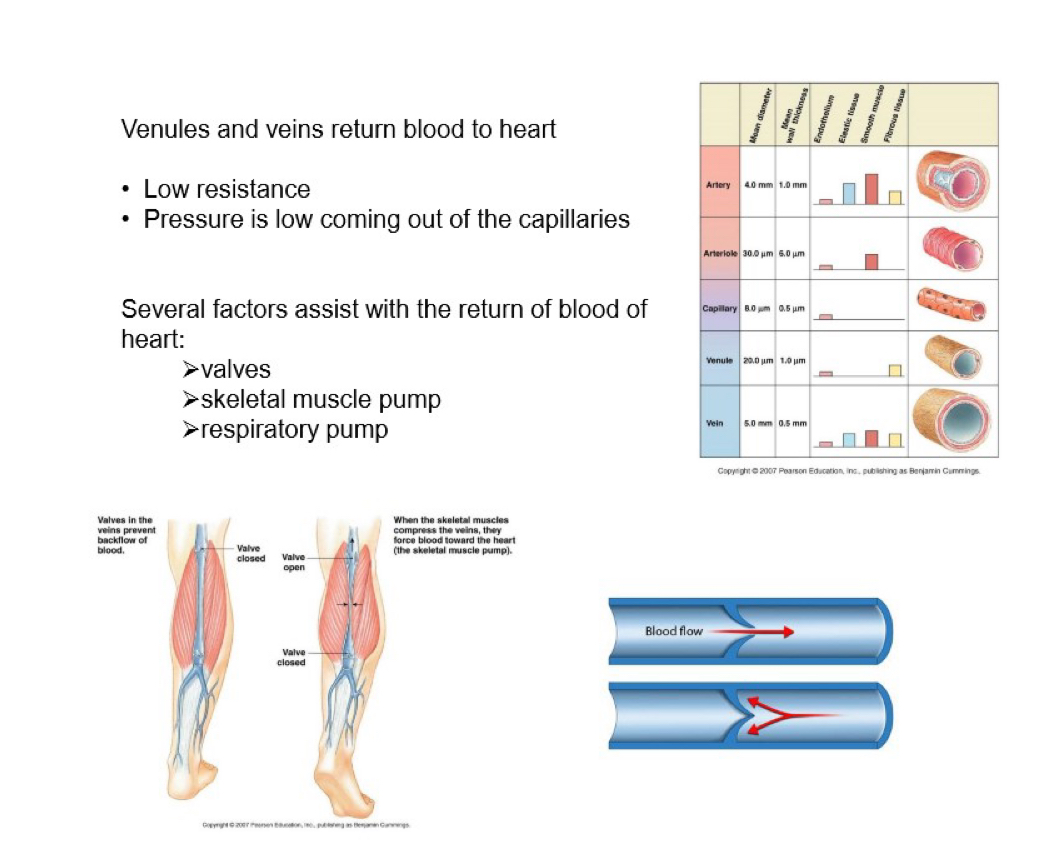
several factors assist with the return of blood of heart
valves
skeletal muscle pump
respiratory pump
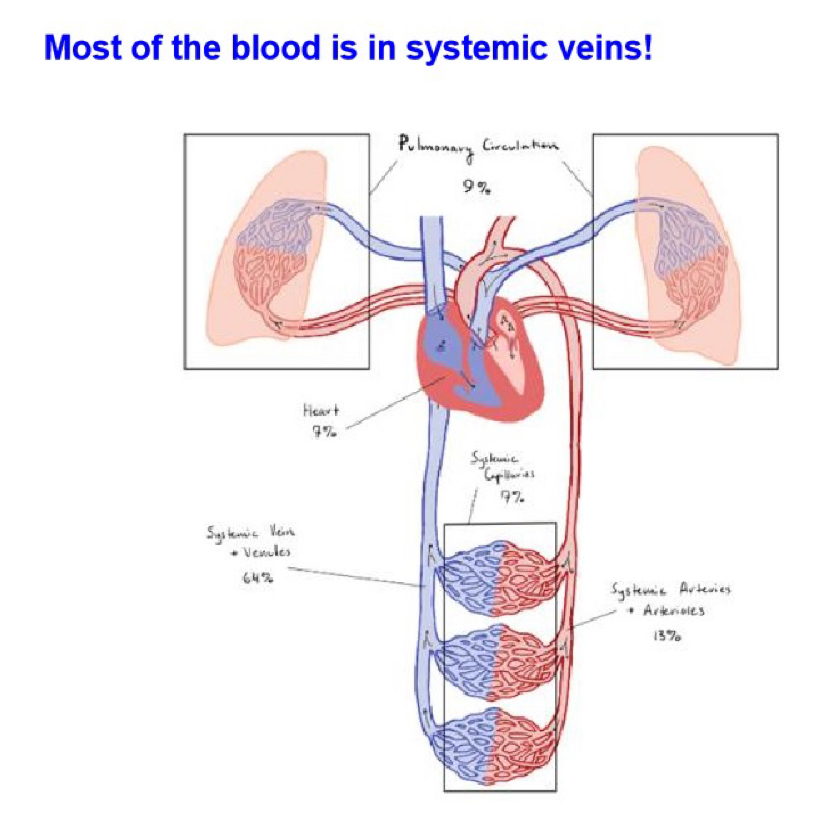
most of the blood is in systemic veins
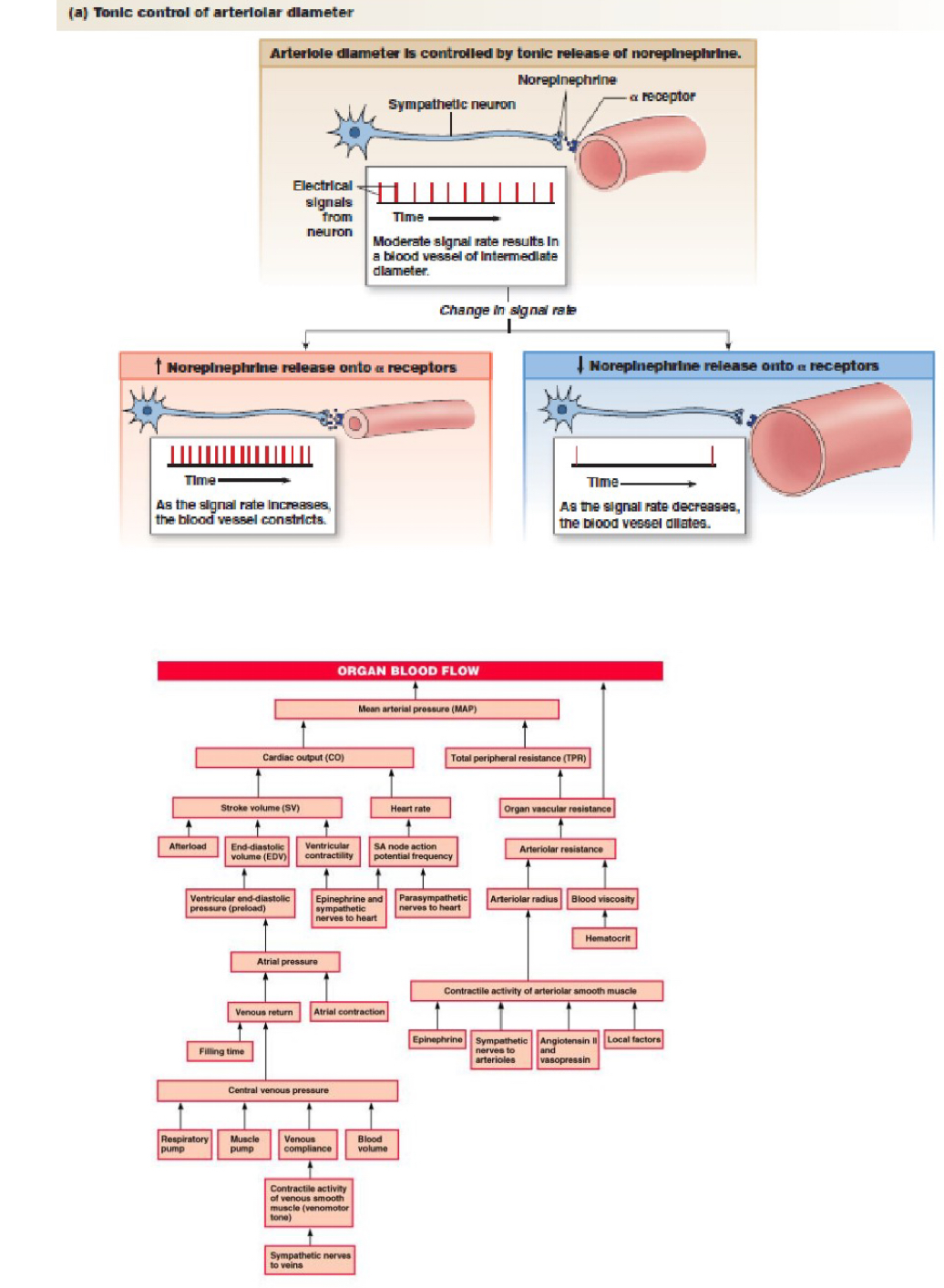
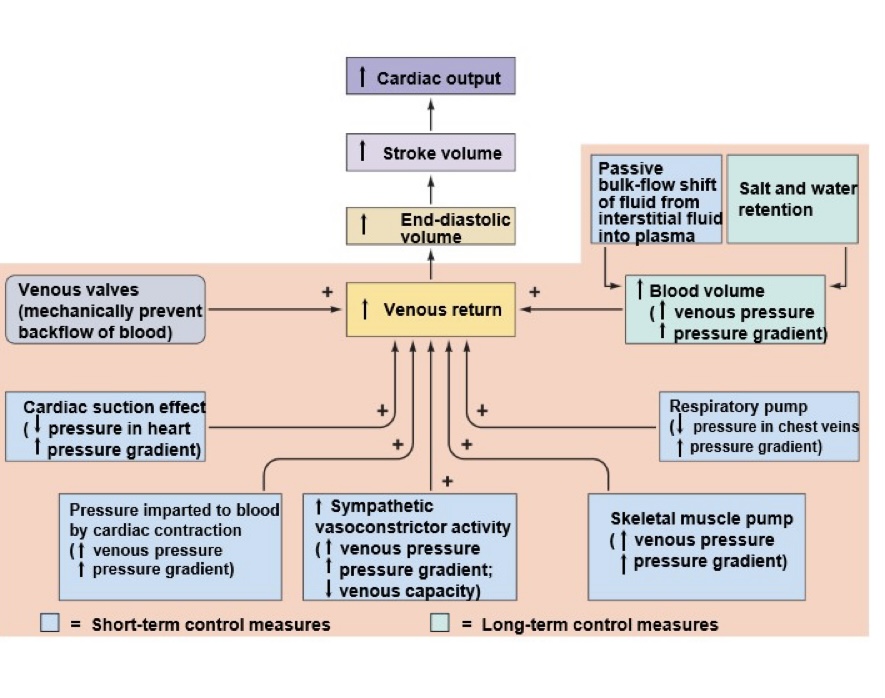
the factors that influence cardiac output
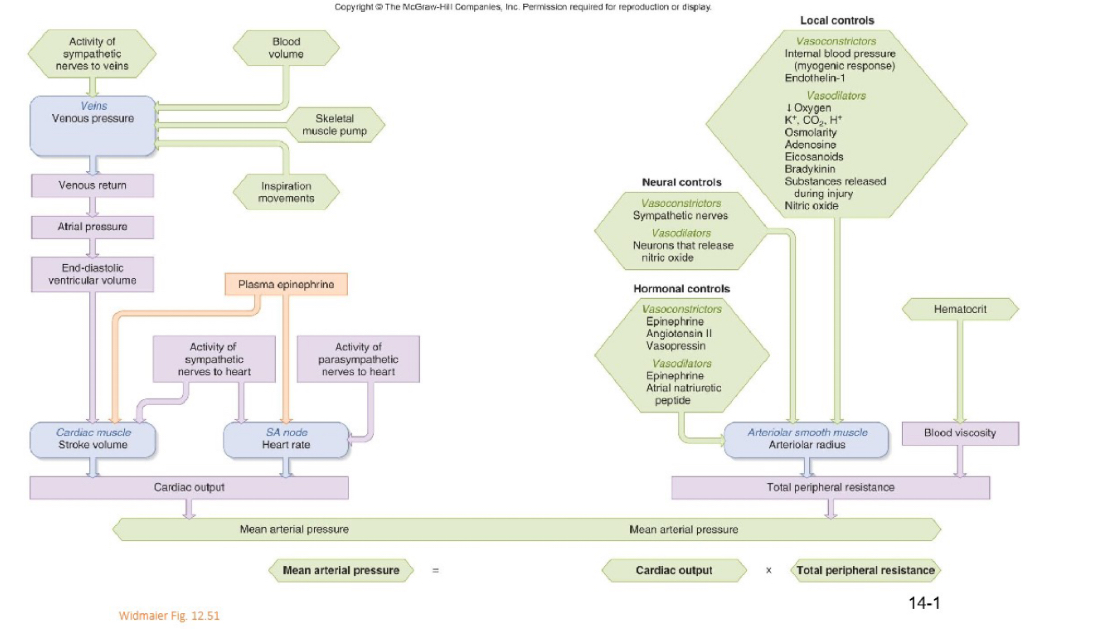
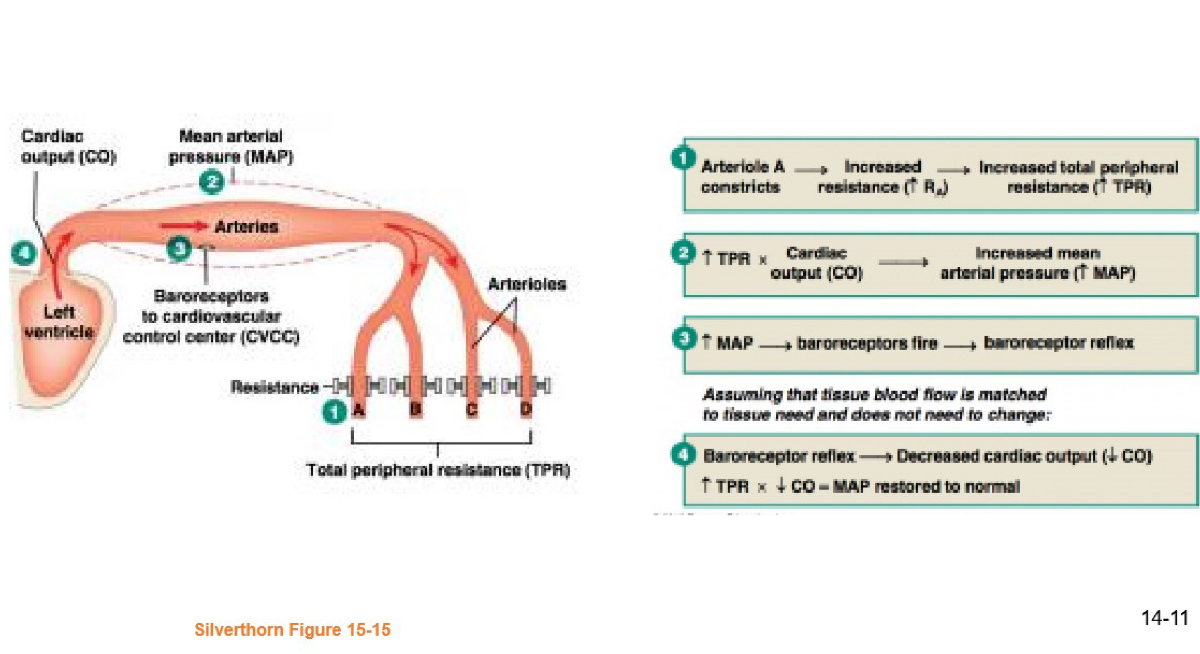
factors that influence mean arterial pressure with 2 main pathways : one for cardiac output & another for total peripheral resistance
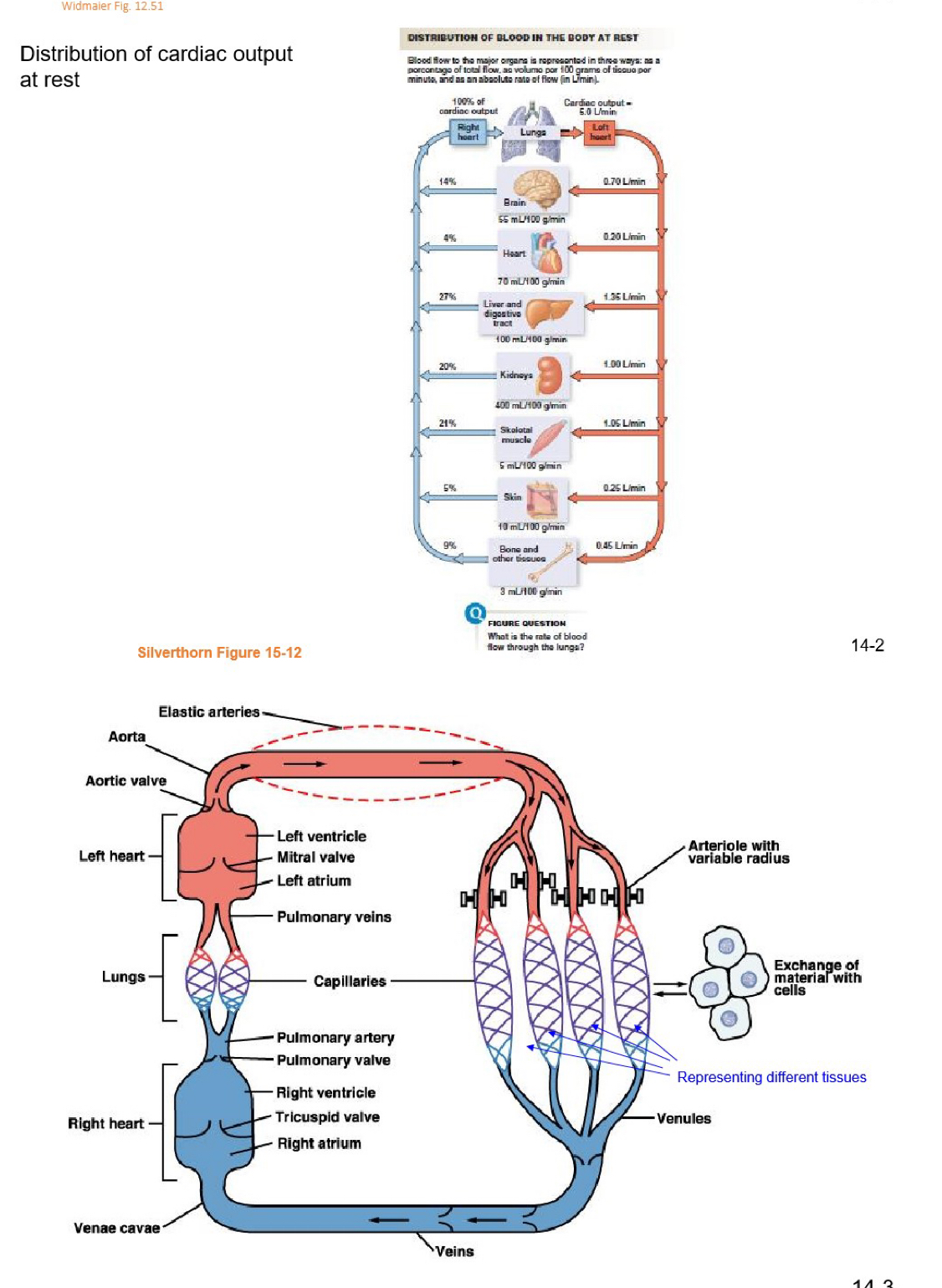
distribution of cardiac output at rest:
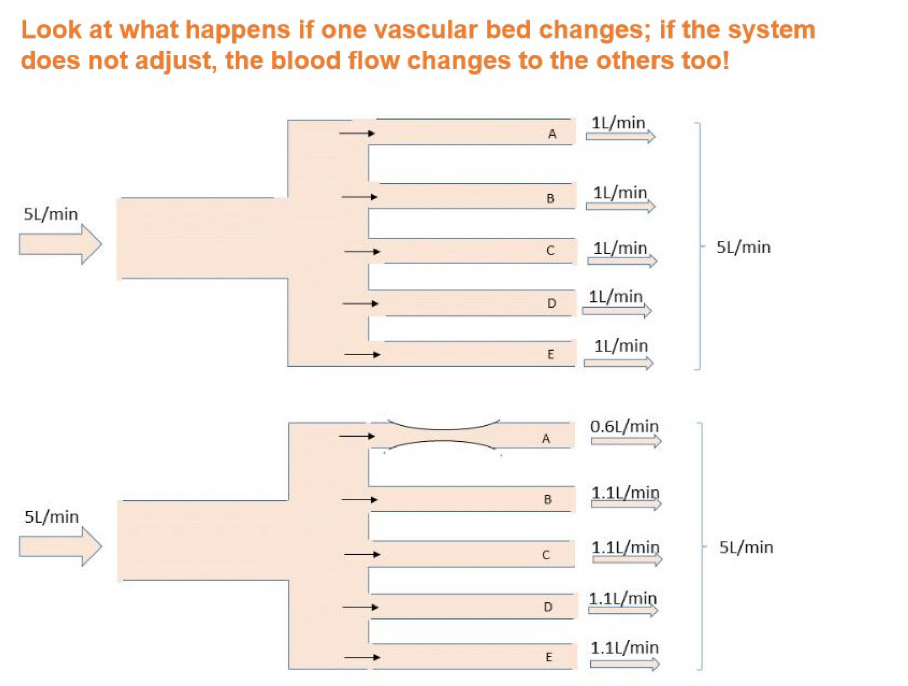
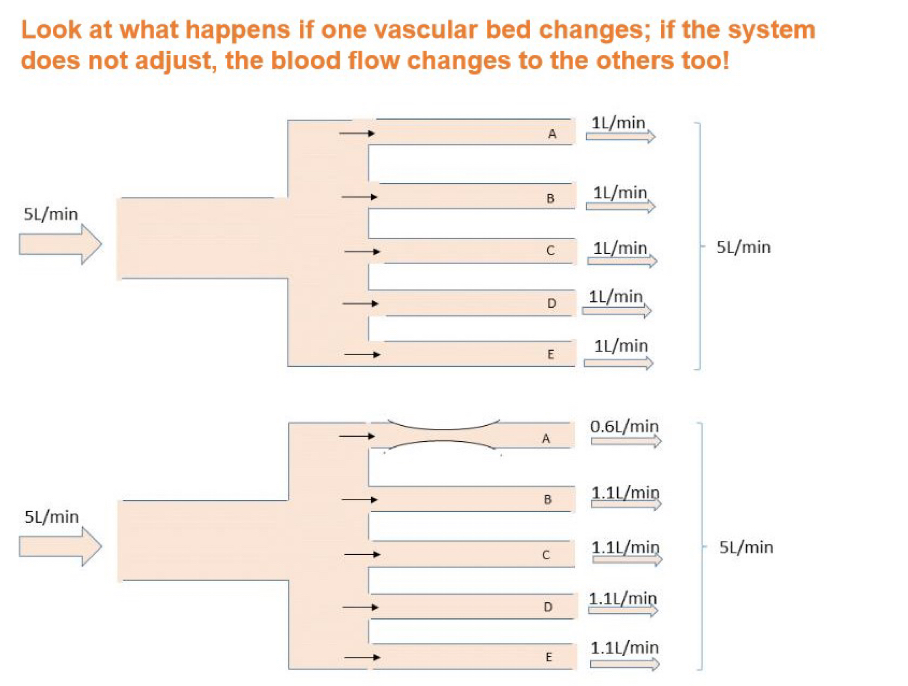
look at what happens if one vascular bed changes; if the system does not adjust, the blood flow changes to the others too!
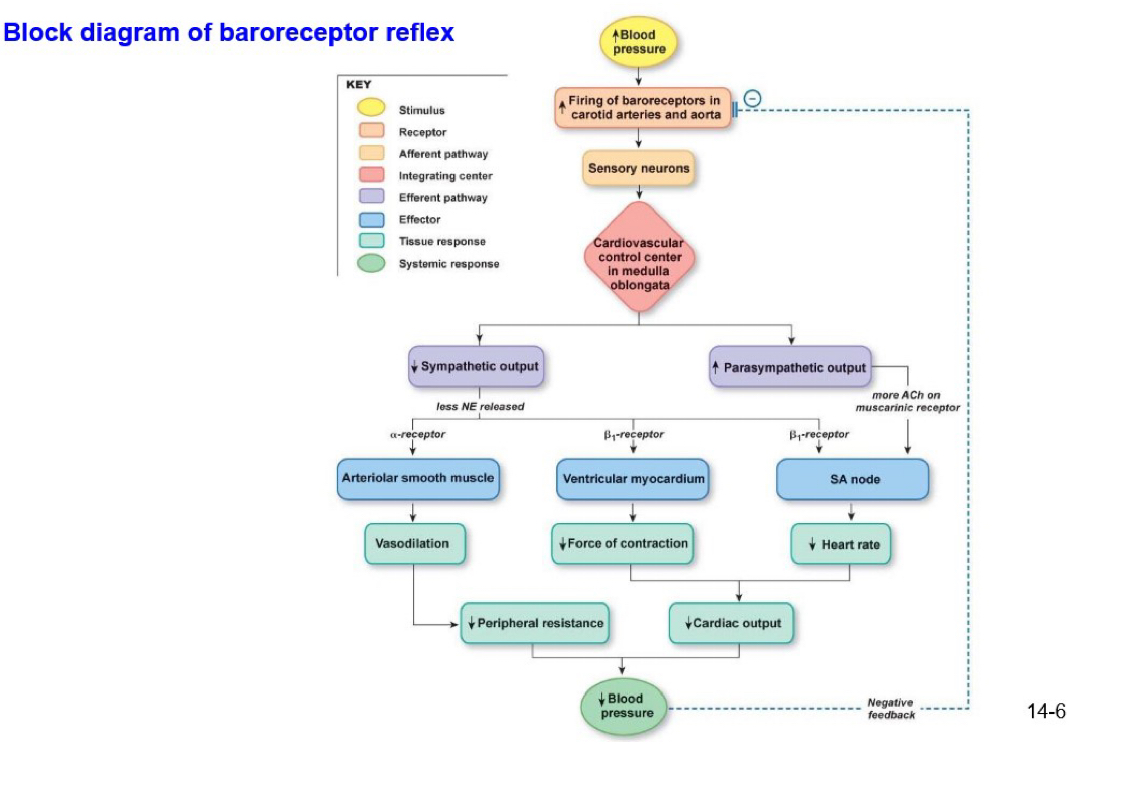
block diagram of baroreceptor reflex
location of baroreceptors
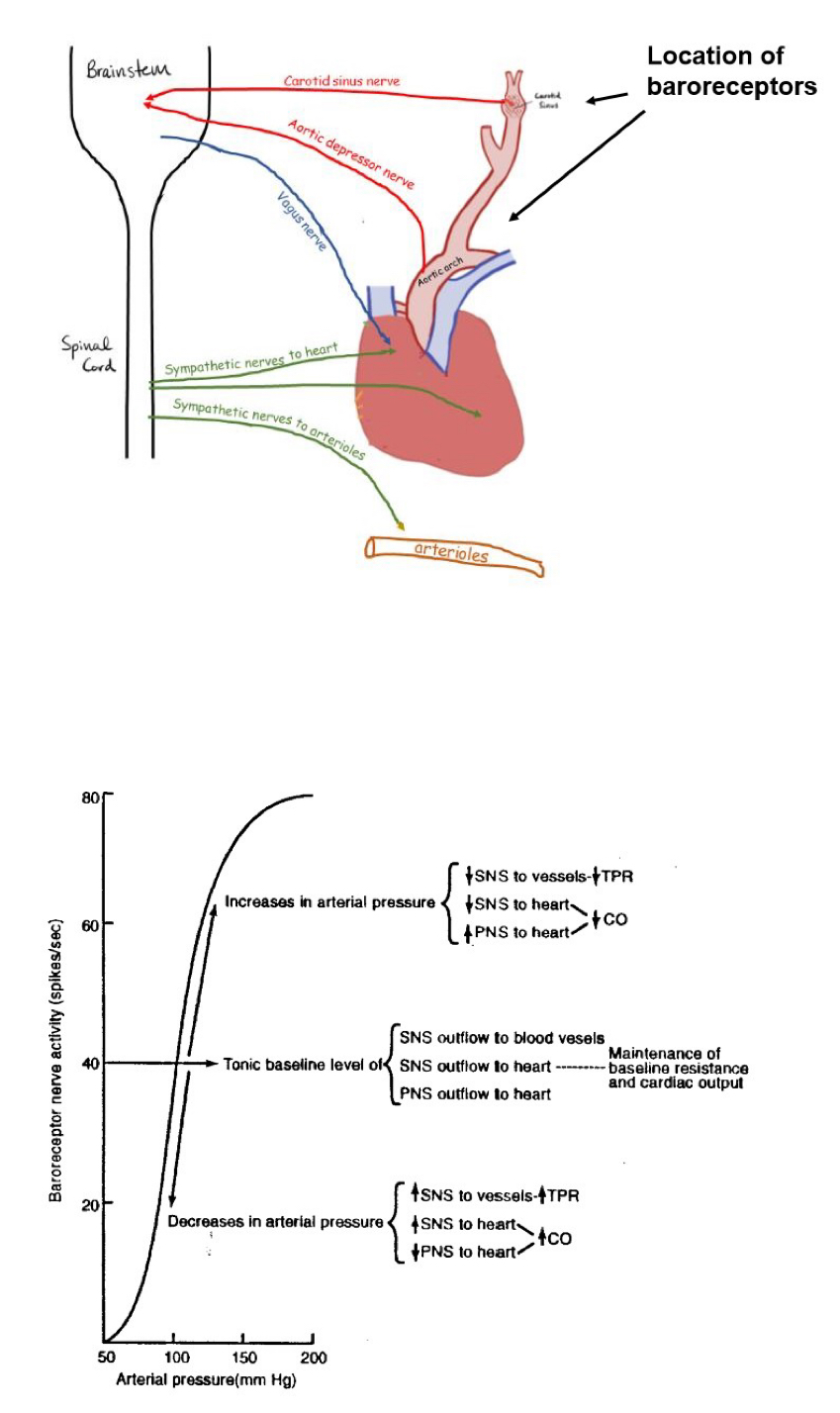
baroreceptors and the orthostatic response: arterial pressure stays constant, even with gravity causing blood to pool in the lower part of the body
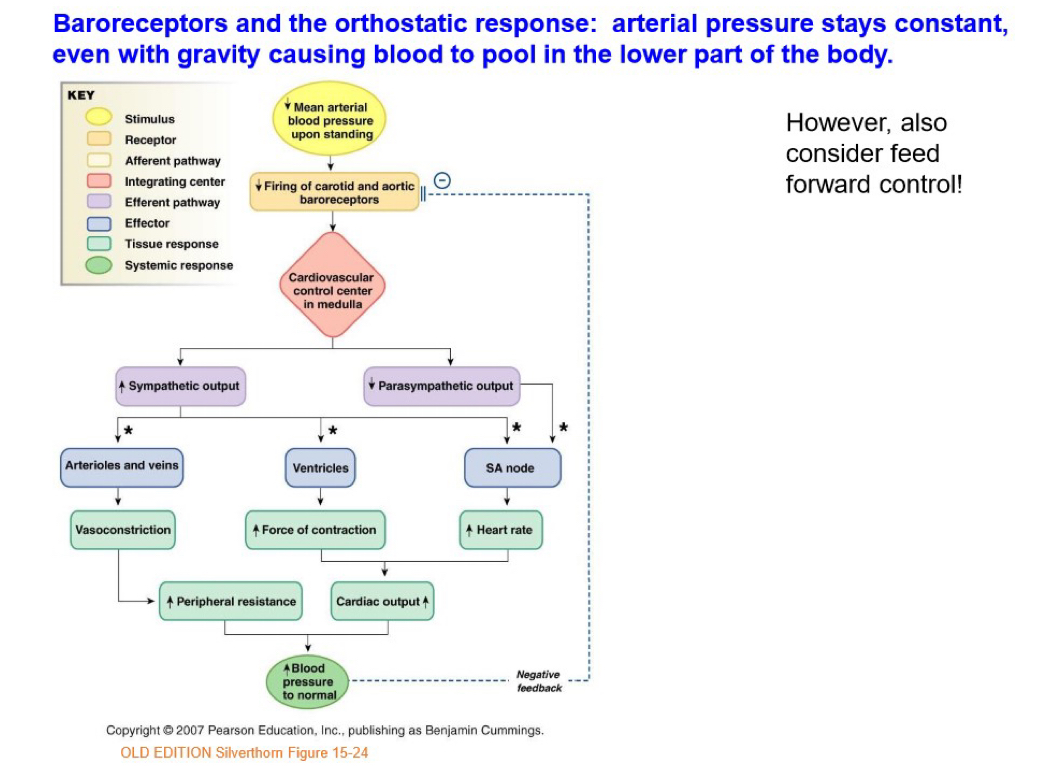
baroreceptor reflex maintains pressure
tonic control of arteriolar diameter
organ blood flow