Unit 1A (1.1-1.3) AP Precalculus Long
 Multiple Choice & FRQ
 Call Kai
1/12

Earn XP
Description and Tags
Vocabulary based on Unit 1A lecture notes covering characteristics of functions, average rate of change, and identification of linear and quadratic functions.
13 Terms
Average Rate of Change (AROC)
The slope of the secant line that contains the endpoints of the interval.
AROC formula on the interval [a,b]
AROC=b−af(b)−f(a)
Instantaneous rate of change
The slope of the tangent line at a single point.
Estimating using AROC
The formula ye=AROC(xe−x1)+y1 used to estimate values.
Positive Function
A function where Y values are positive and the graph is above the x axis.
Increasing Function
A function where Y values are increasing and the AROC is positive.
Negative Function
A function where Y values are negative and the graph is below the x axis.
Decreasing Function
A function where Y values are decreasing and the AROC is negative.
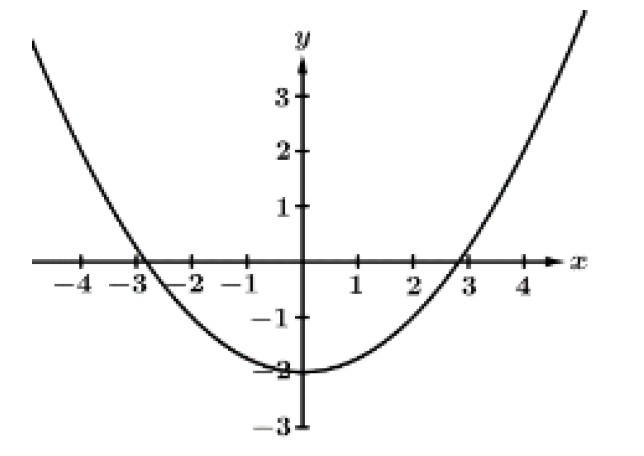
Concave Up
A characteristic of a function where the AROC is increasing.
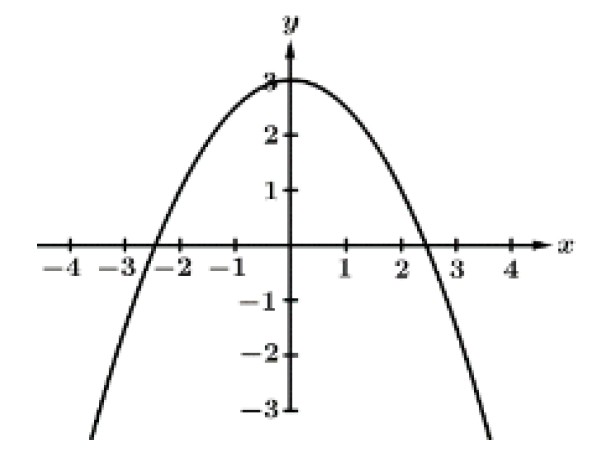
Concave Down
A characteristic of a function where the AROC is decreasing.
Point of Inflection
Occurs when a function changes from concave up to concave down or vice versa, and the rate of change is at its steepest (largest or smallest value).
Linear Functions
Functions where the rate of change is a constant value of #, over equal length input intervals.
Quadratic Functions
Functions where the ROC of the ROC is a constant value of #, over equal length input intervals.