GACE 726 testlet 317 practice 2 DONE
 Call Kai
 Learn
Learn Practice Test
 Spaced Repetition
 Match
Match Flashcards
 Knowt Play
1/69

There's no tags or description
Looks like no tags are added yet.
Name | Mastery | Learn | Test | Matching | Spaced | Call with Kai | Chat |
|---|
No analytics yet
Send a link to your students to track their progress
70 Terms
A student looks at a painting and says, “I see three figures standing beside a river. The artist used mostly blue and green.” Which stage of art criticism is the student using?
Describe
Which aesthetic theory places the greatest emphasis on accurate or convincing representation of visible reality?
Imitationalism
Which aesthetic theory evaluates an artwork primarily according to its ability to express or evoke emotion?
Emotionalism
Which aesthetic theory is most concerned with an artwork’s social, political, moral, or practical purpose?
Instrumentalism
Which statement is an example of description?
“Three figures stand beneath a large red circle.”
Which statement is an example of analysis?
“The repeated diagonal lines lead the viewer’s eye toward the central figure.”
Which statement is an example of interpretation?
“The broken chain may symbolize liberation.”
Which statement is an example of interpretation?
“The broken chain may symbolize liberation.”
Which statement is an example of judgment/evaluation?
“The artist successfully creates a sense of danger through contrast, scale, and dramatic lighting.”
Which professional is primarily responsible for preserving and stabilizing artworks?
Conservator
Which classroom activity best supports development of a student’s artistic voice?
Allow students to develop personal ideas, experiment with materials, receive critique, revise, and explain their choices.
Which aesthetic theory focuses primarily on the organization of elements and principles such as line, color, shape, balance, rhythm, and composition?
Formalism
A student says, “The repeated vertical lines create rhythm, while the large central figure establishes emphasis.” Which stage of art criticism is this?
Analyze
After examining a portrait, a student says, “The dark background and lowered eyes suggest that the subject is experiencing loneliness.” Which stage of art criticism is represented?
Interpret
AnsA critic states, “The sculpture effectively communicates a sense of movement because its twisting forms lead the viewer’s eye upward.” Which stage of art criticism is most directly represented?
Judge/Evaluate
Which question would BEST prompt students to begin the description stage of an art critique?
What objects, colors, lines, and shapes can you identify?
Which student response is an example of analysis rather than interpretation?
The repetition of circular shapes creates unity throughout the composition.
An art teacher wants students to make interpretationshat are well supported rather than based only on personal opinion. Which instruction would BEST accomplish this goal?
Explain your interpretation and identify visual evidence that supports it.
During a critique, which statement provides the STRONGEST example of a supported judgment?
The composition successfully creates a focal point because contrasting values direct attention to the central figure.
10. A teacher structures a critique by asking students first to identify what they see, then examine how visual elements are organized, then propose possible meanings, and finally assess the artwork’s effectiveness. Which sequence is the teacher using?
Describe → Analyze → Interpret → Judge
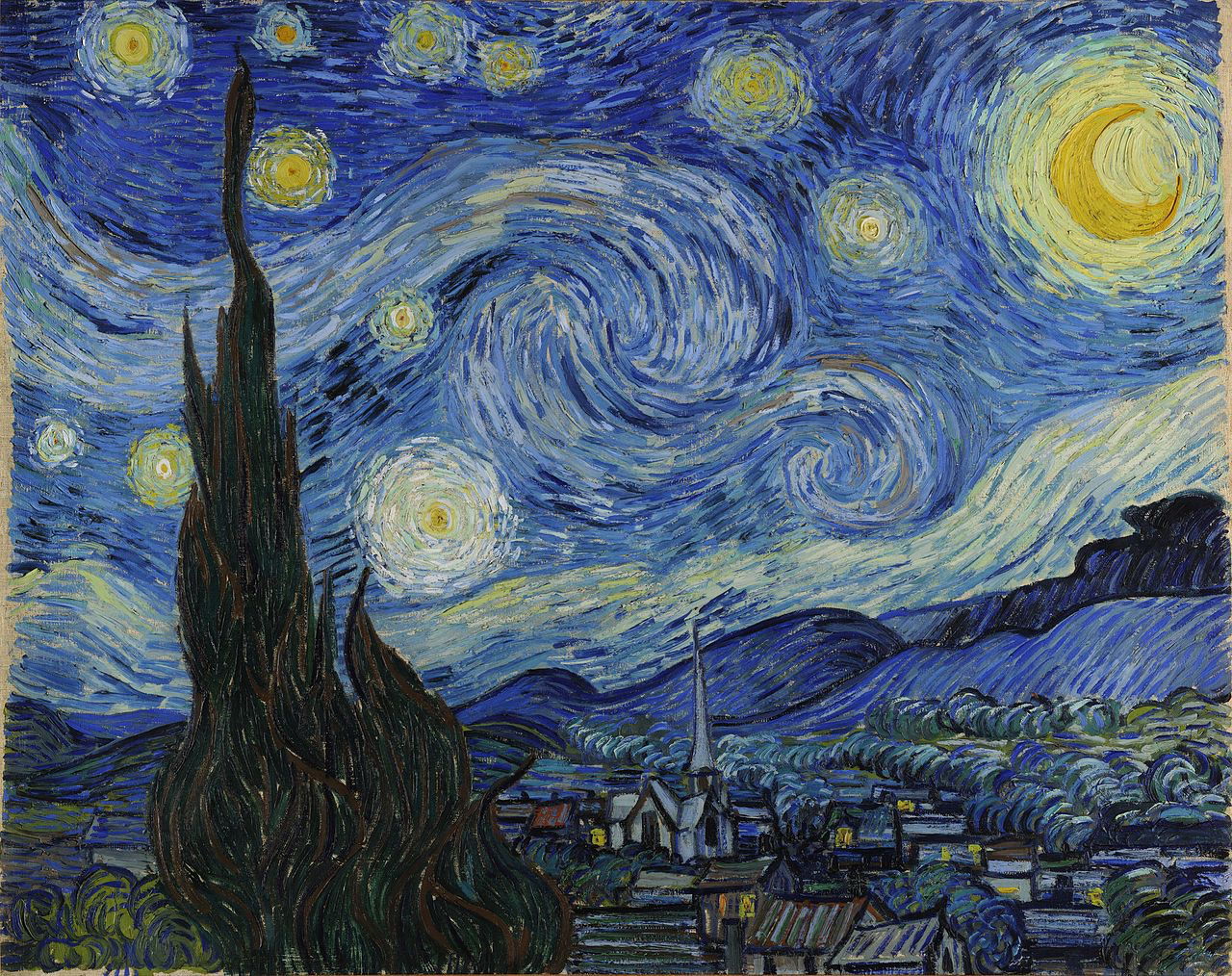
A student says, “The calm village beneath the turbulent sky may suggest a contrast between outward quiet and inner emotional turmoil.” Which stage is the student primarily using?
Interpretation
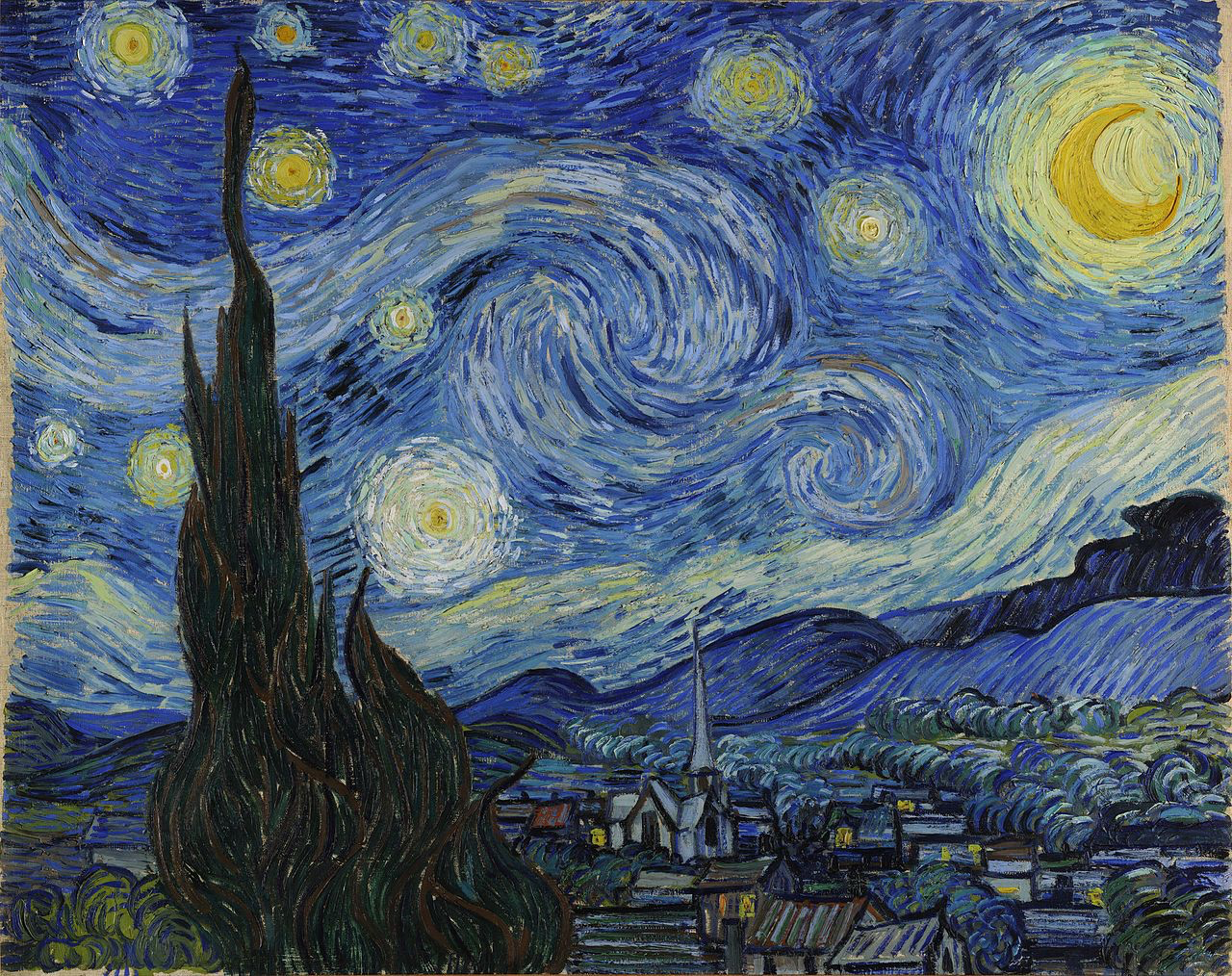
Which observation is primarily an ANALYSIS of the painting?
Repeated curved lines create movement throughout the sky and contrast with the more stable forms of the village.
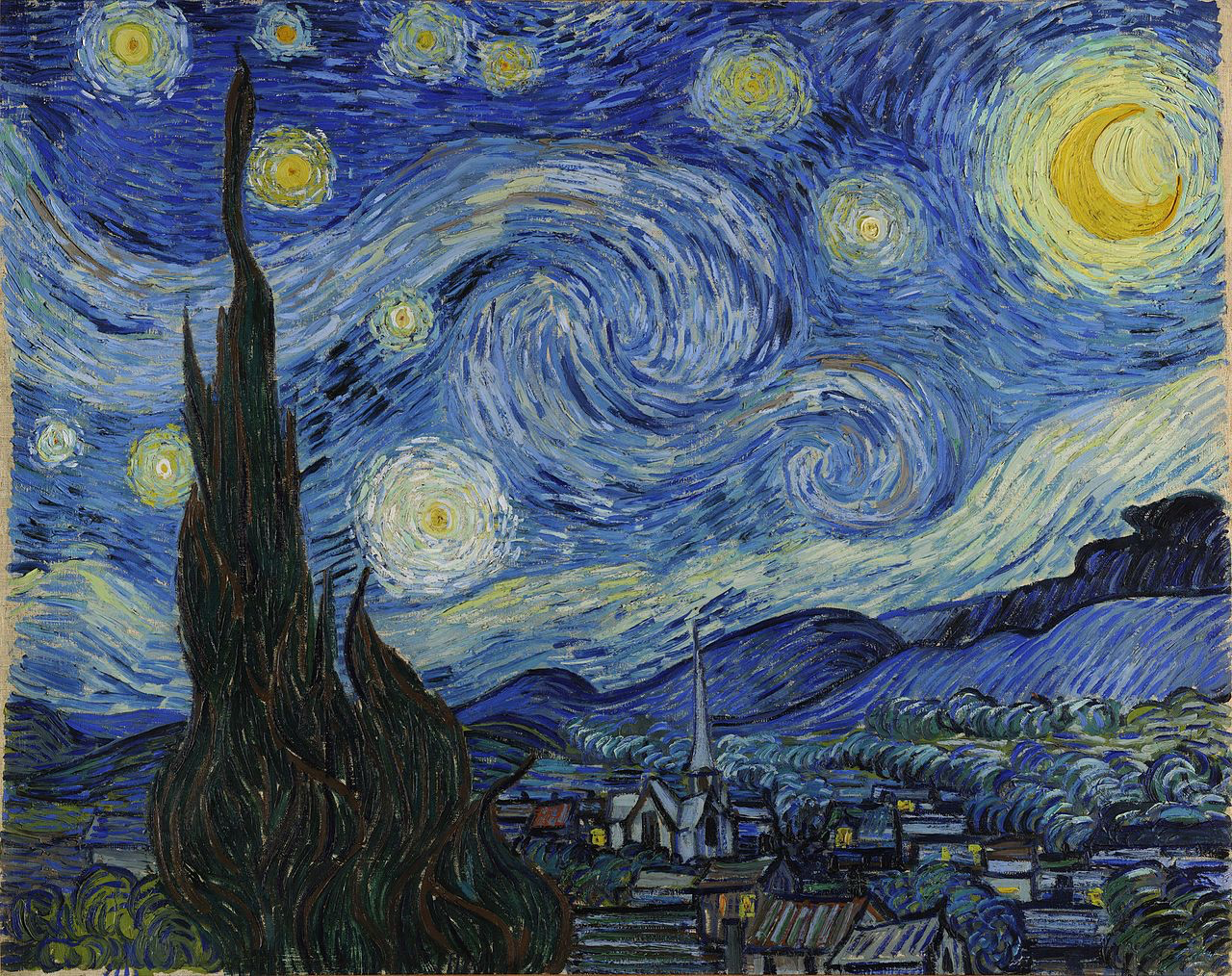
Which statement is the BEST example of the DESCRIPTION stage when examining this painting?
The painting contains a dark tree, a village, hills, stars, and a crescent moon.
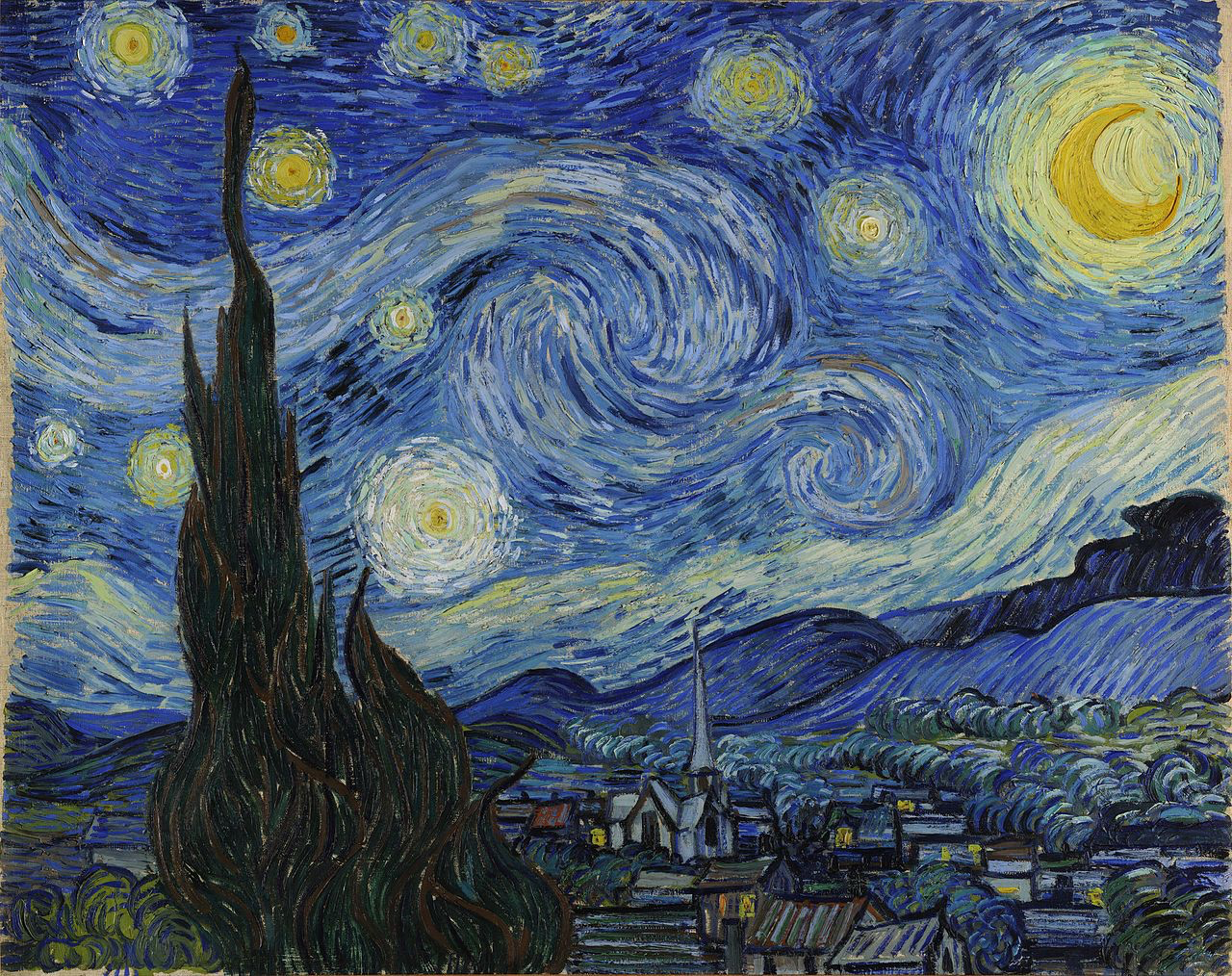
4. Which statement is the BEST example of an evidence-based JUDGMENT of this work?
The dramatic movement and contrasting colors successfully create an intense emotional atmosphere.
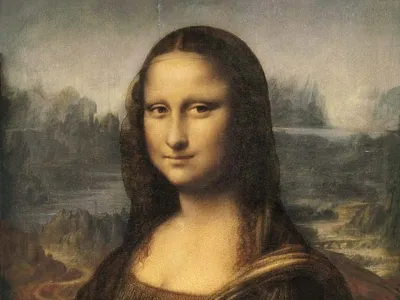
5. Which statement about the Mona Lisa is primarily DESCRIPTION rather than interpretation?
A seated woman faces the viewer with her hands crossed in front of her.

6. A student says, “The artist places the figure near the center and uses gradual transitions between light and dark, directing attention toward her face.” What type of criticism is this?
Analysis
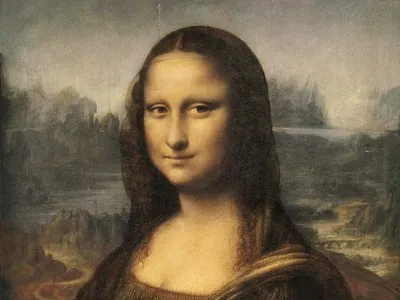
7. Which statement would be the BEST example of INTERPRETATION?
Her subtle expression may deliberately create a sense of mystery or ambiguity.
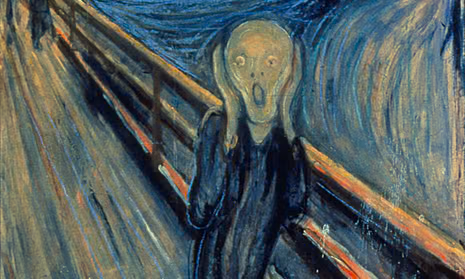
8. A student notices the curving lines of the sky, water, and figure and explains that they create a strong sense of movement and instability. Which stage of criticism is the student primarily demonstrating?
Analysis
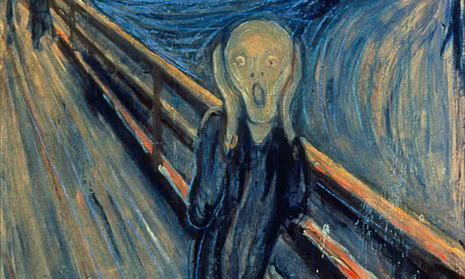
9. Another student says, “The distorted figure and unnatural colors may communicate intense anxiety or fear.” Which stage does this BEST represent?
Interpretation
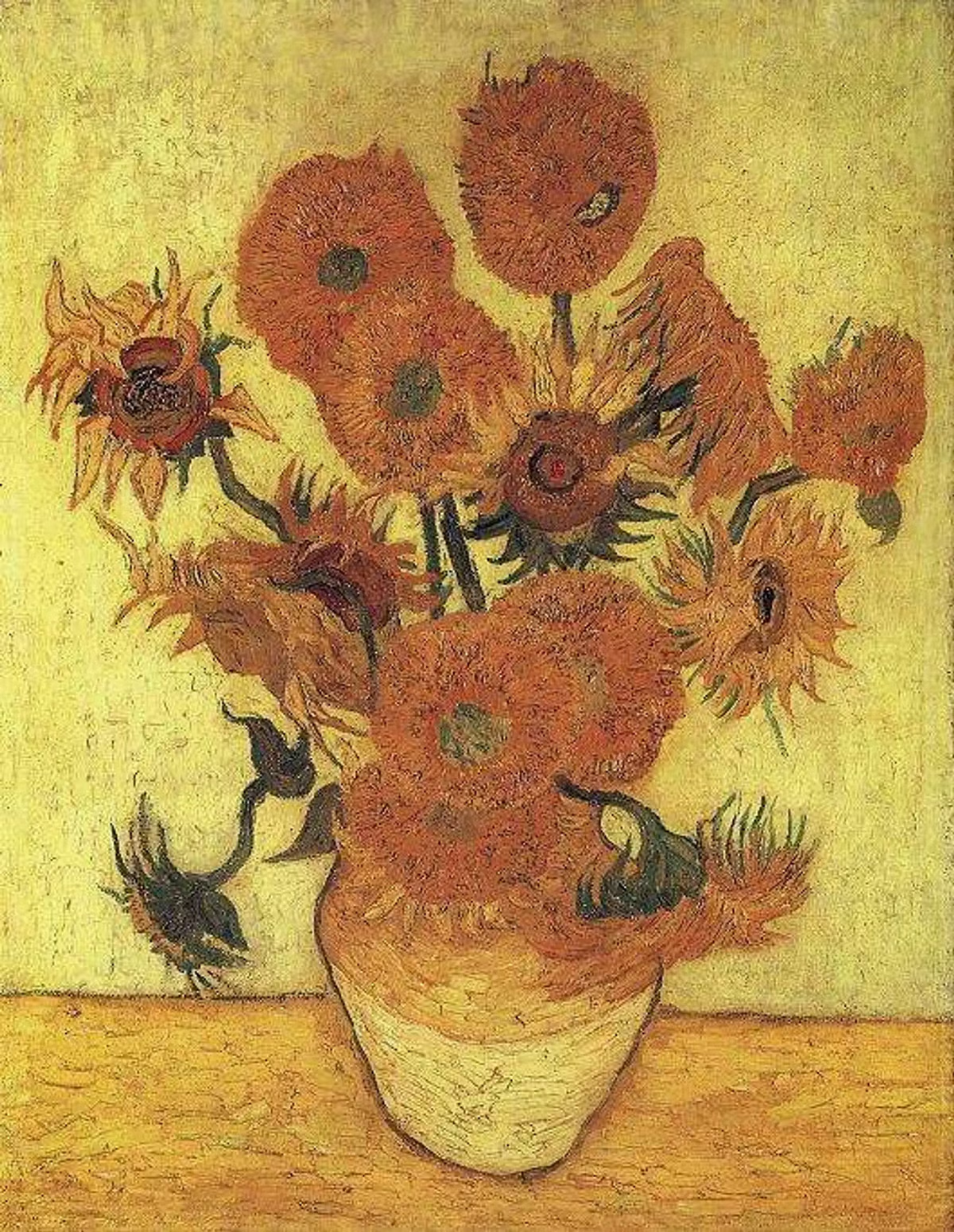
Which response represents the MOST COMPLETE evidence-based JUDGMENT of the painting?
The painting effectively makes an ordinary subject visually compelling through repeated organic shapes, variations in texture, and a strongly unified warm palette.

Which statement best reflects an imitationalist evaluation of the Mona Lisa?
The portrait succeeds because sfumato creates soft transitions that make skin and space appear convincingly lifelike.
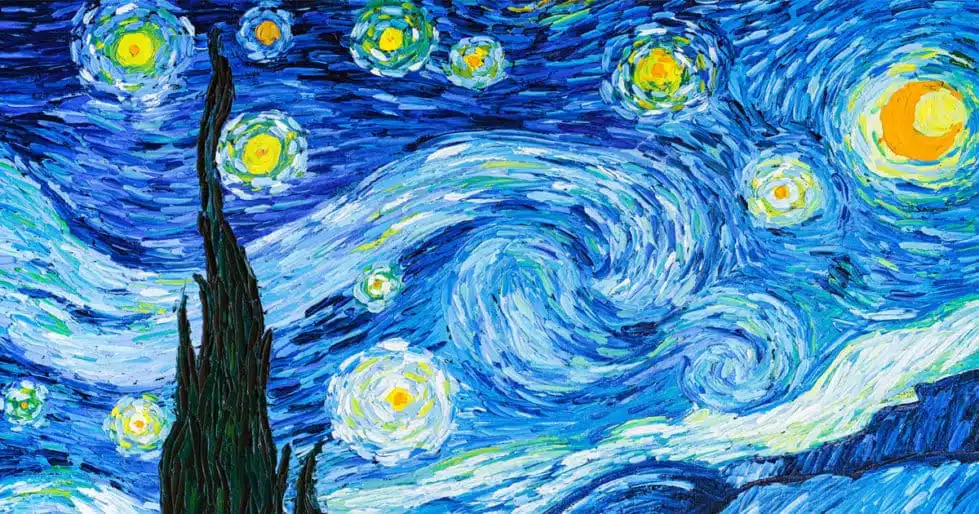
Which aesthetic theory is most directly reflected in this statement?
“The exaggerated color and energetic brushwork make the landscape feel emotionally charged.”
Emotionalism
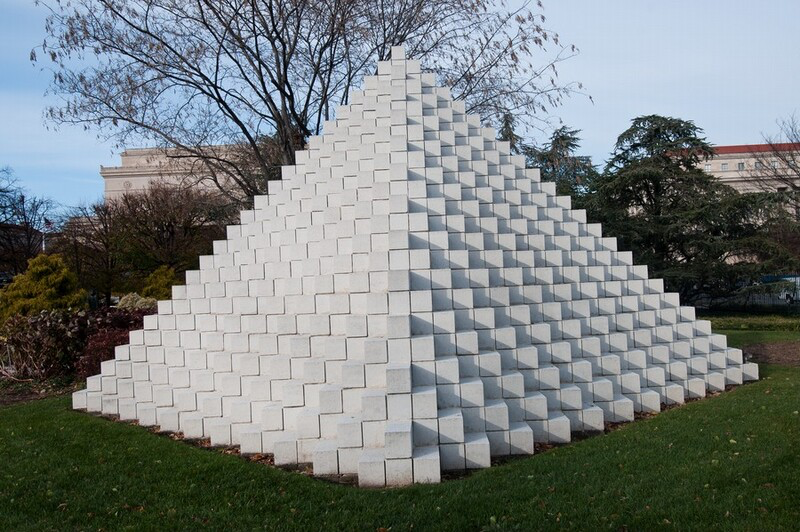
Sol LeWitt, Four-Sided Pyramid
Which claim best applies a formalist lens?
The repeated modules, changing height, and geometric order produce rhythm and alter the viewer’s sense of scale and space.
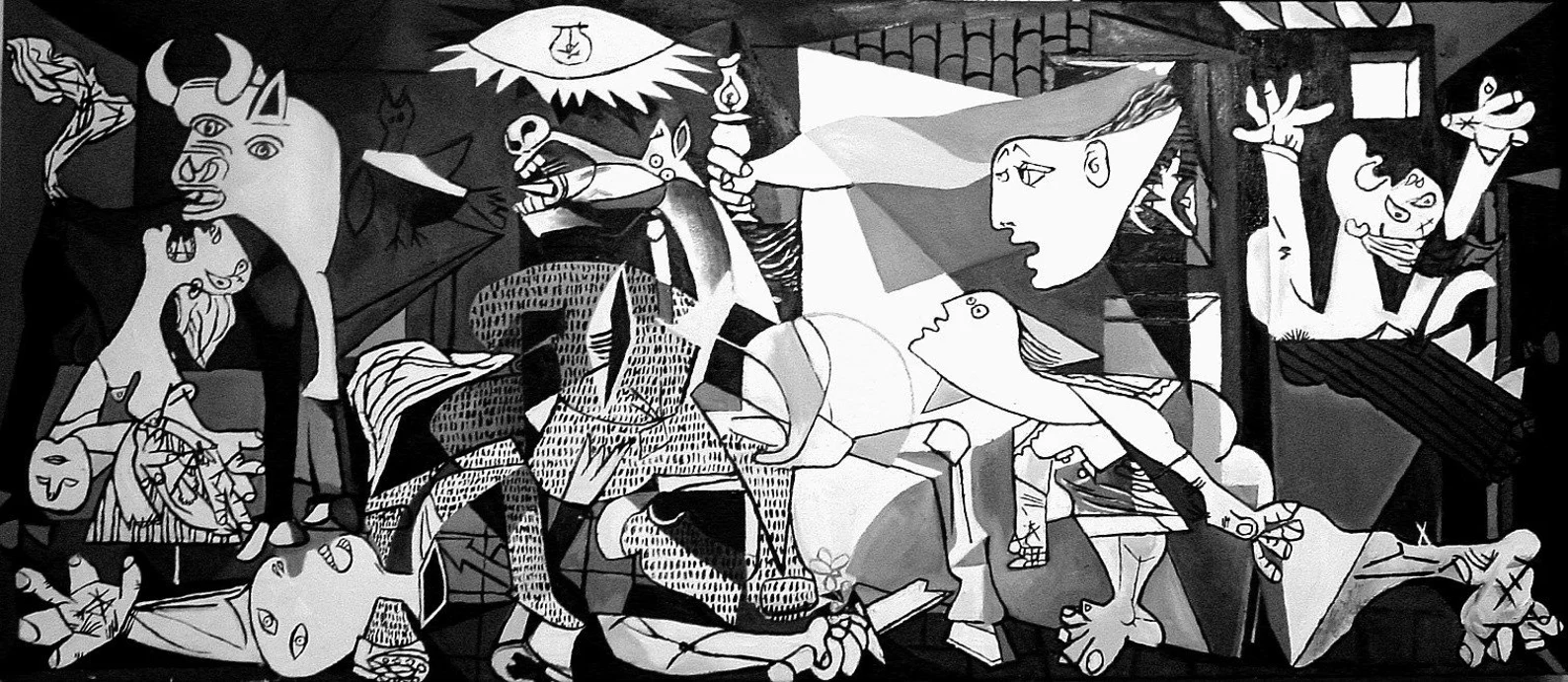
Which statement best reflects an instrumentalist evaluation?
The work is effective because it serves a social or political purpose.

Which student statement is analysis, rather than interpretation?
“The curved wave crest frames the small boats, while diagonal forms direct attention toward Mount Fuji.”
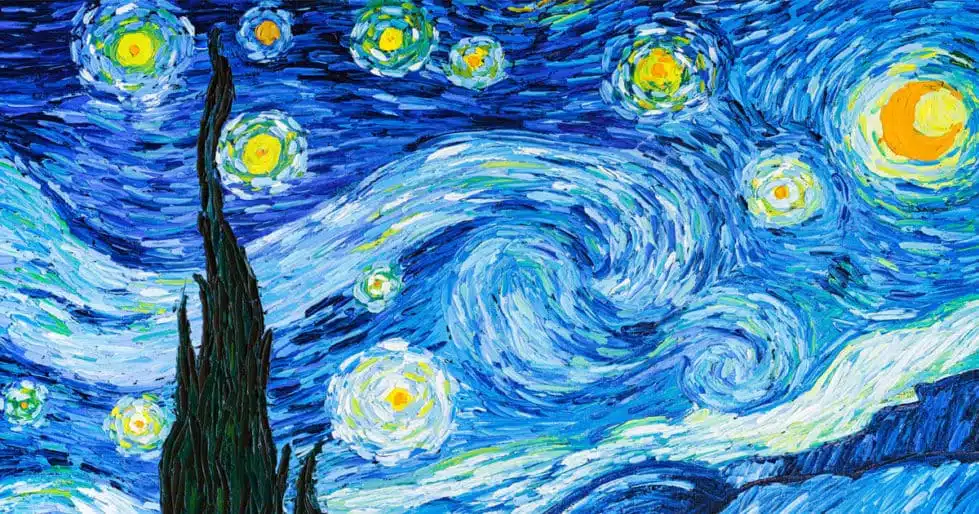
Which student statement is an interpretation, rather than an analysis?
The swirling sky may suggest that the artist experienced the night as unstable or intensely alive.

Which statement is the strongest formal analysis?
The enormous curved wave frames the boats while diagonal forms direct the eye toward the small triangular form of Mount Fuji.
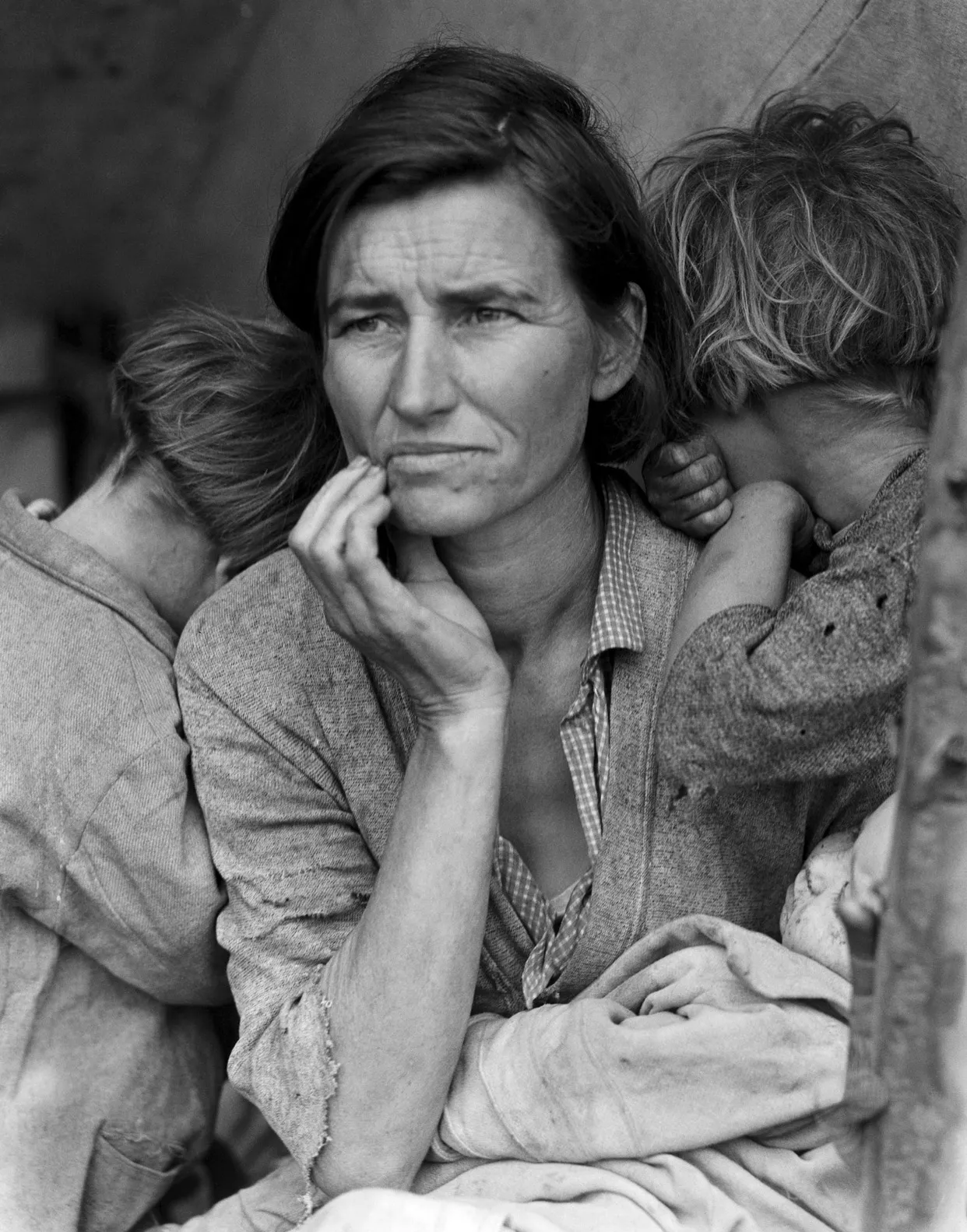
Which critique prompt most directly develops students’ ability to examine both the photograph’s persuasive power and its ethical implications?
How do framing, cropping, facial expression, captioning, historical context, and the photographer’s choices shape what viewers know, feel, and assume about the subject?

Which task best assesses visual literacy?
Compare audience, purpose, emotional appeal, typography, image-text relationship, omission, and call to action, then evaluate which strategies are likely to influence viewers.
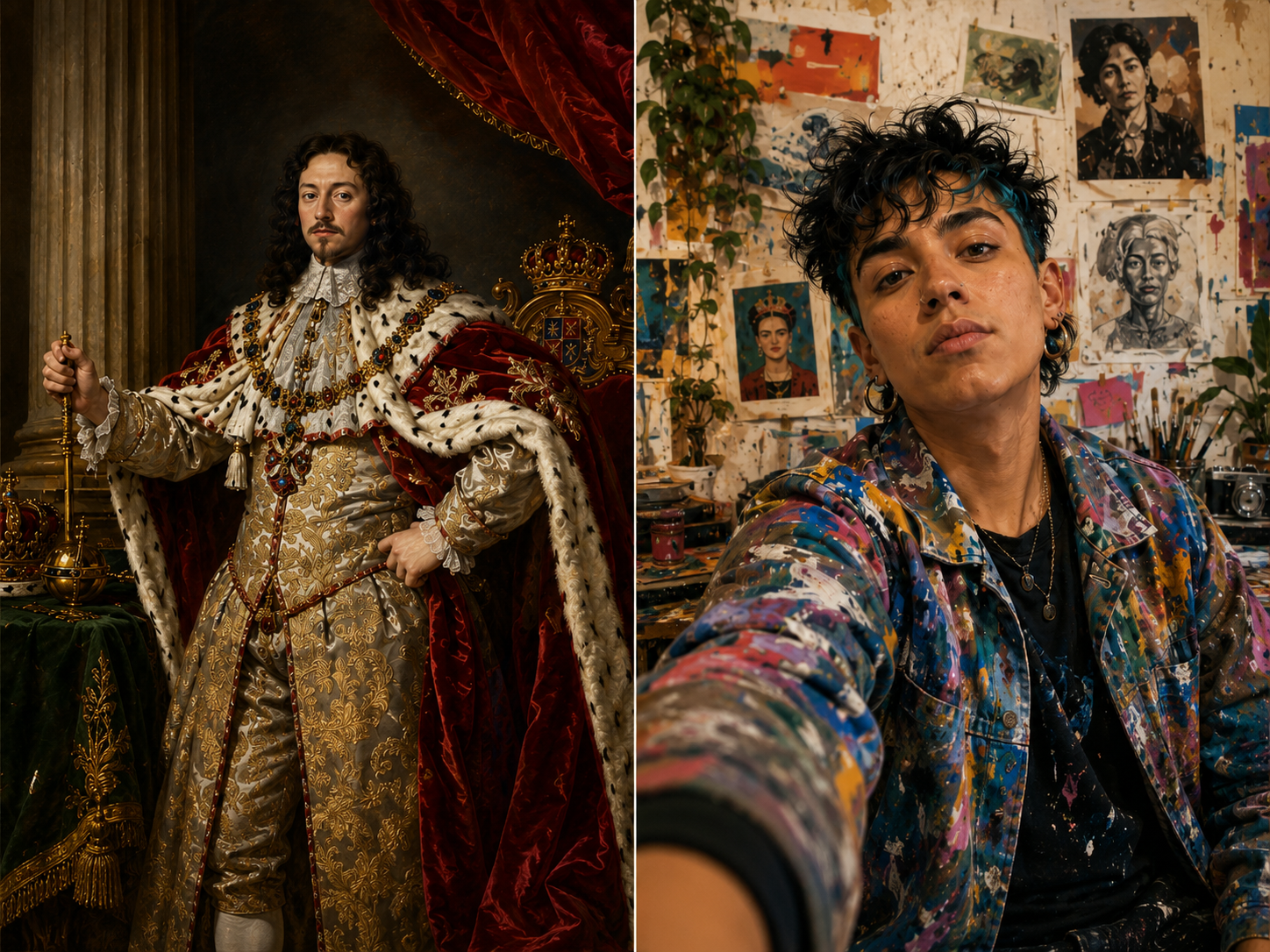
A teacher’s goal is for students to analyze how visual images construct authority and identity. Which critical approach best aligns with the objective?
Contextual and social analysis of patronage, audience, pose, clothing, platform, circulation, and power

Which question best applies a social-justice/postcolonial criticism lens?
How does the monument reflect the values and beliefs of the community it represents?
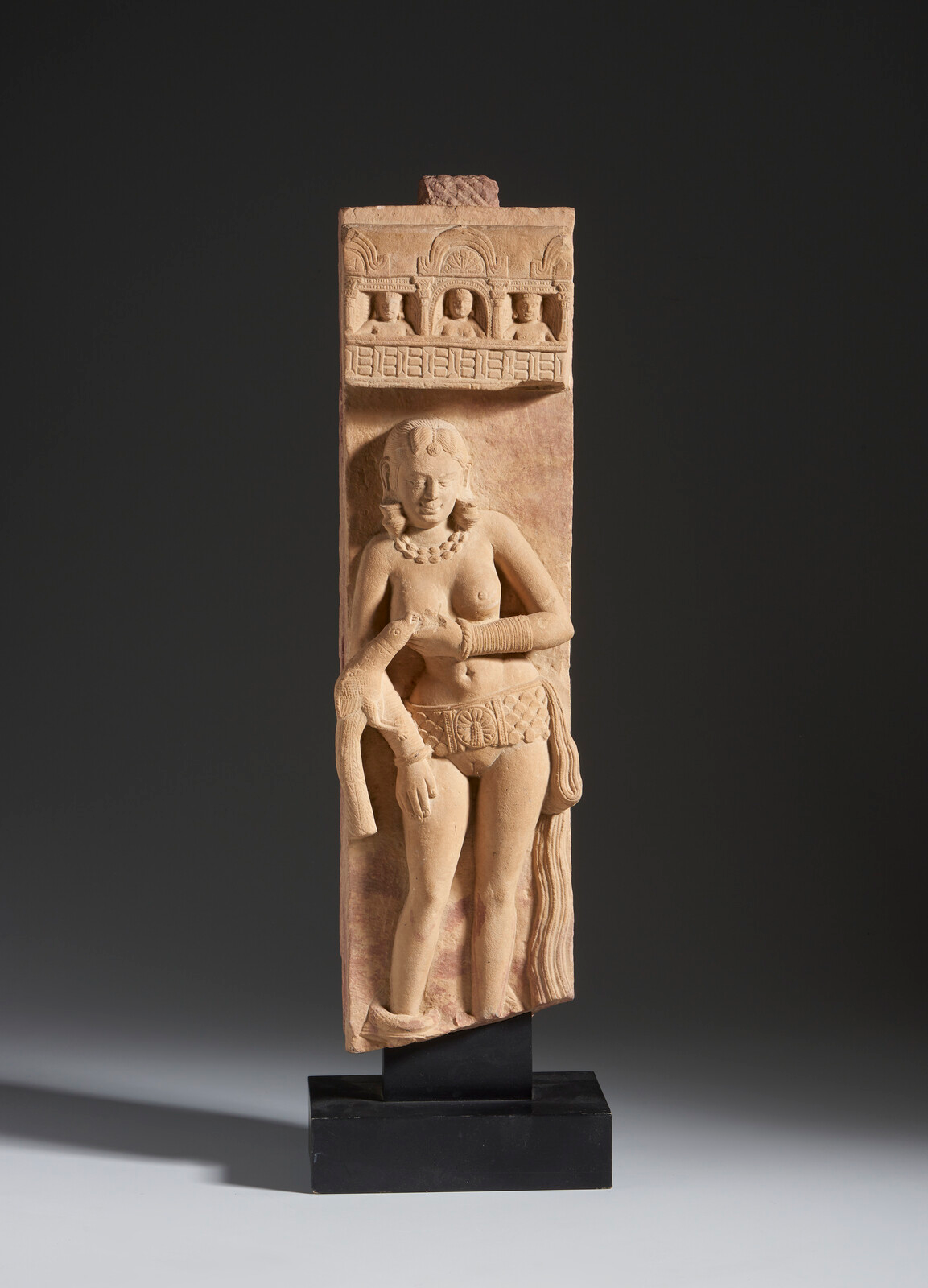
Which instructional strategy best promotes culturally responsive analysis?
Guide students to describe form, pose, scale, material, and carving; provide reliable context; then invite evidence-based interpretations while acknowledging limits.
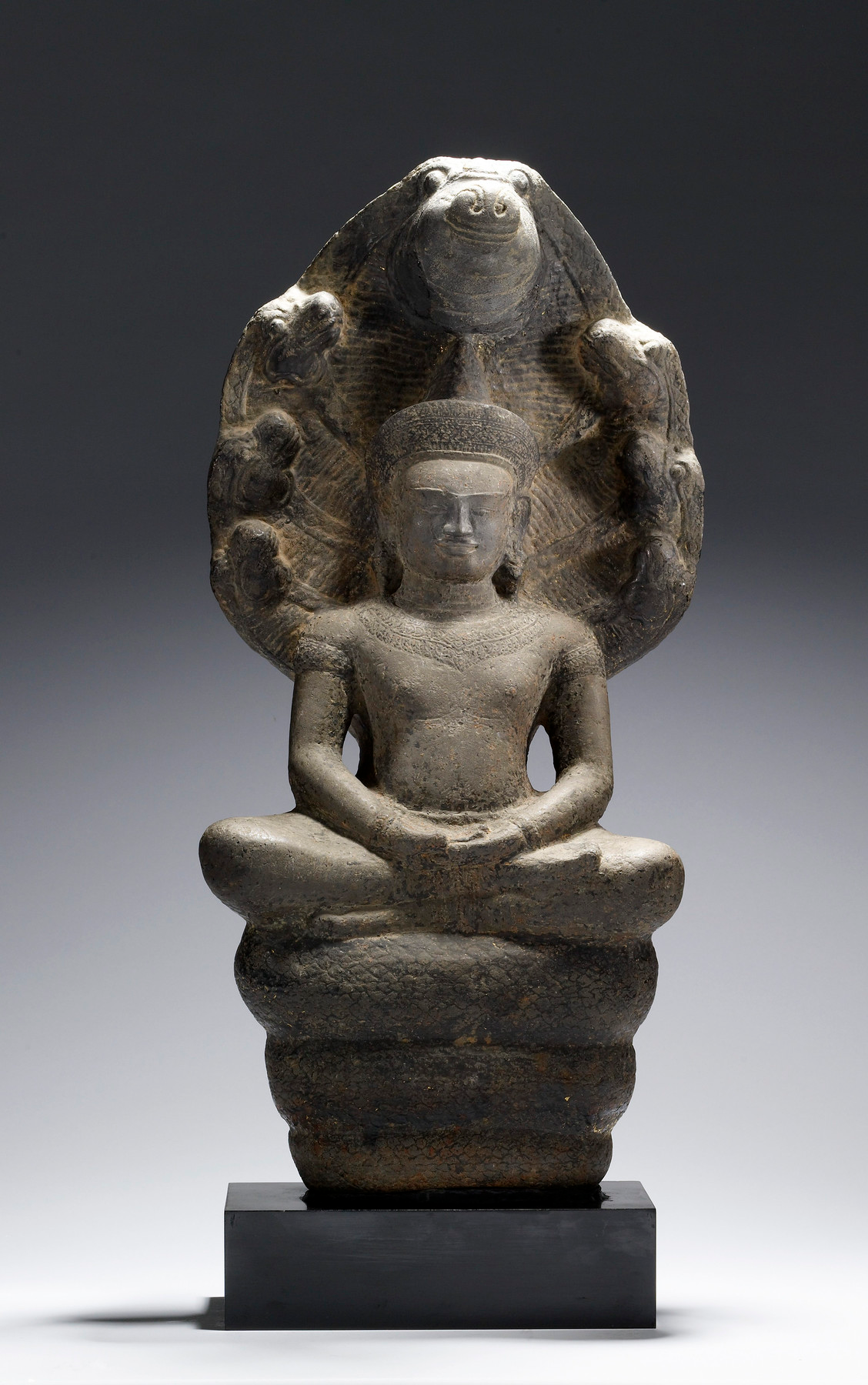
Which assignment best allows creative response while avoiding inappropriate imitation of sacred imagery?
Research the work’s context and symbolism, then create an original work about protection, resilience, or refuge using personally chosen imagery.
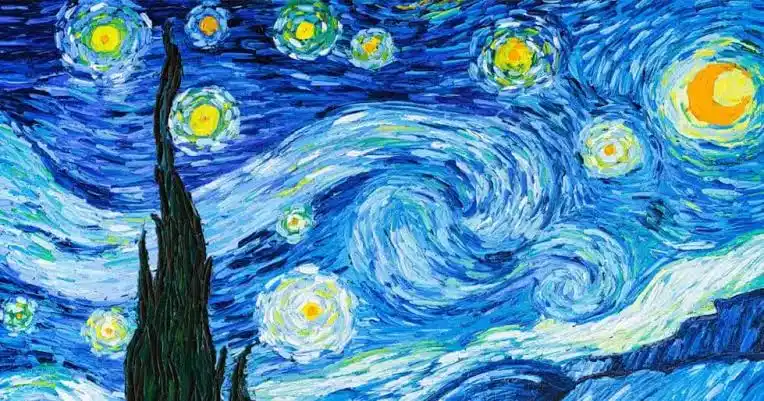
Which art-science activity is strongest?
Compare an astronomical image with the painting, discuss differences between scientific observation and expressive art, and create a night-sky image based on observation or mood.
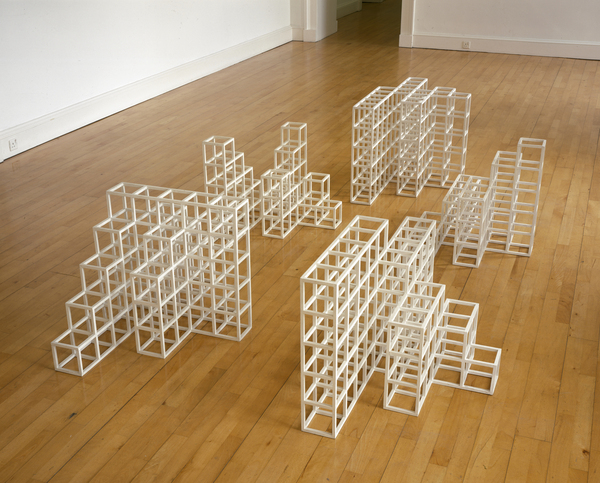
Which requirement provides the strongest art-math integration?
Students calculate dimensions, scale, material quantities, stability, and site layout while explaining how repetition, proportion, and viewer pathways support an artistic intention.
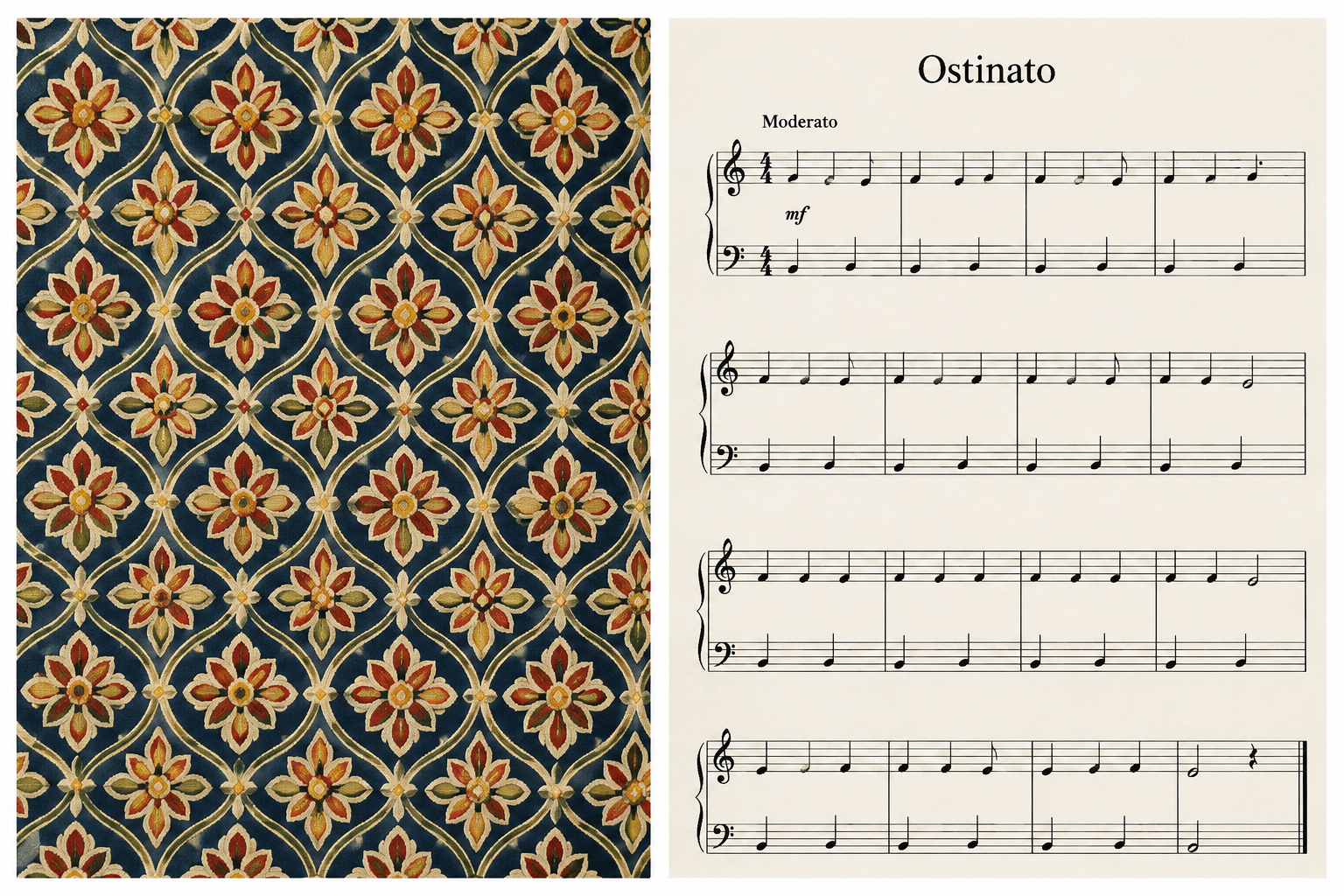
Which assignment demonstrates the strongest authentic connection between visual art and music?
Create a visual pattern using repetition and variation to produce a rhythmic effect and explain how the structure parallels a musical ostinato.
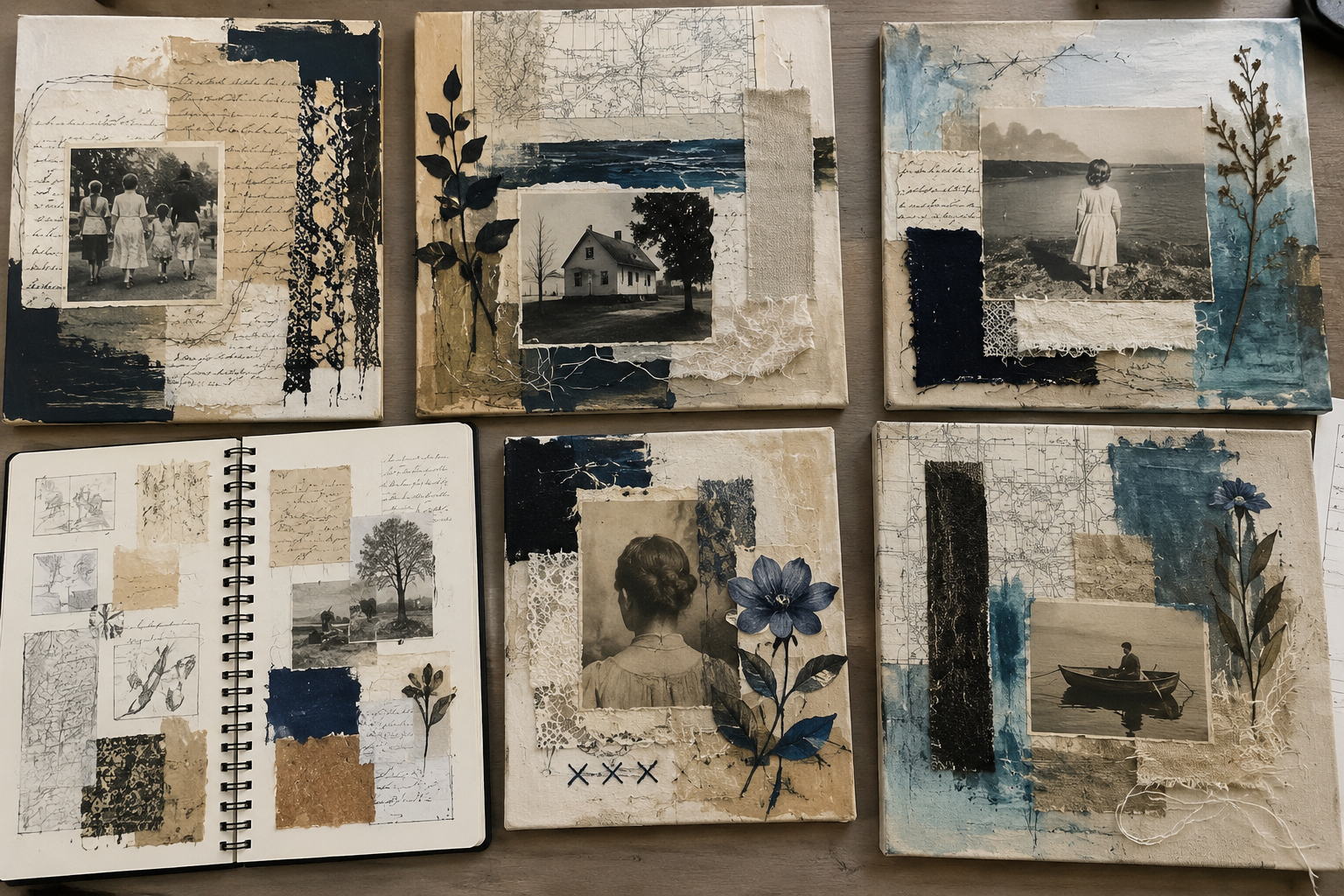
Which teacher feedback best supports development of artistic voice?
Identify recurring ideas and formal choices, experiment with materials, seek feedback, and revise the artist statement as intentions evolve.
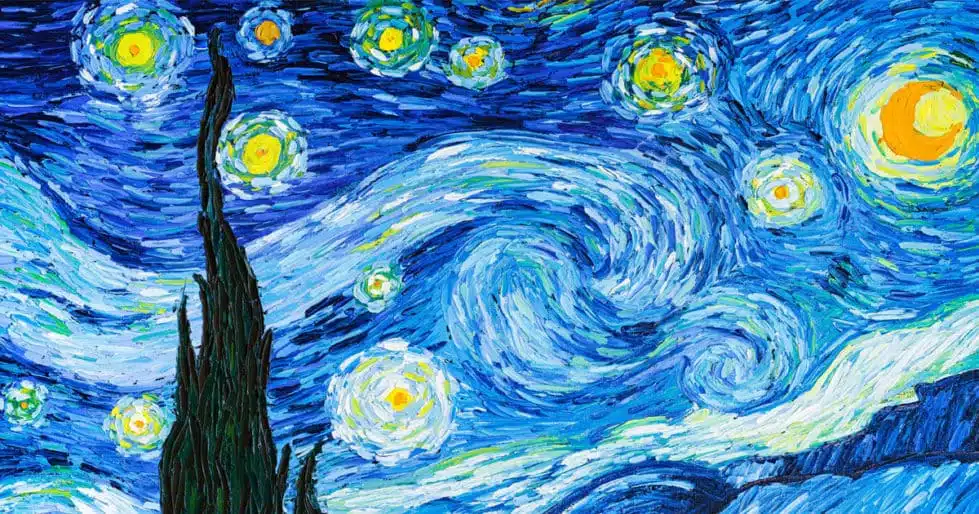
Which assessment best supports artistic voice after a unit on expressive landscape?
Have students create a landscape communicating a chosen mood, document experiments, write an artist statement, and revise after peer feedback.
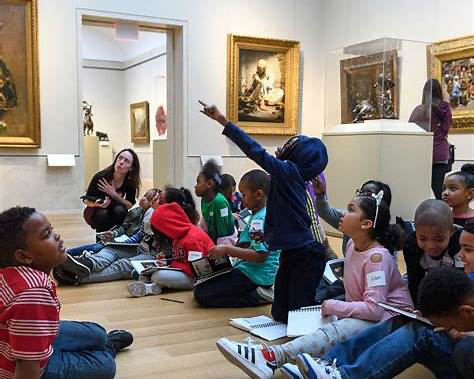
Which project is most likely the responsibility of a museum educator?
Designing age-differentiated gallery prompts, teacher materials, tours, and participatory learning activities

Which assessment best measures the intended art learning and life skills?
Use a rubric assessing community research, clarity of visual message, composition, ethical source use, collaboration, critique, revision, and reflection.
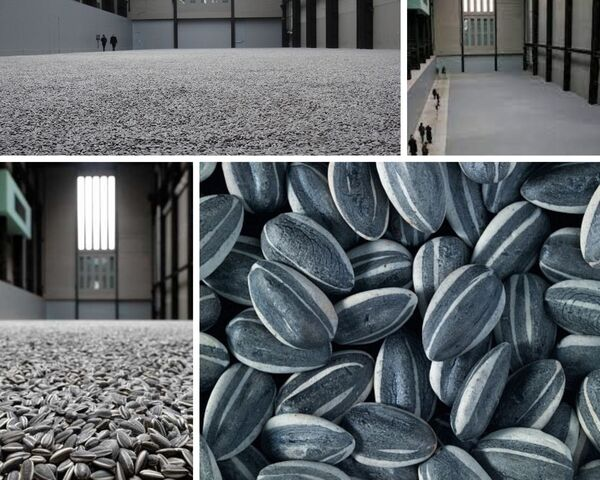
Which aesthetic theory is most applicable when evaluating whether the work prompts viewers to think about labor, mass production, consumption, or collective identity?
Instrumentalism
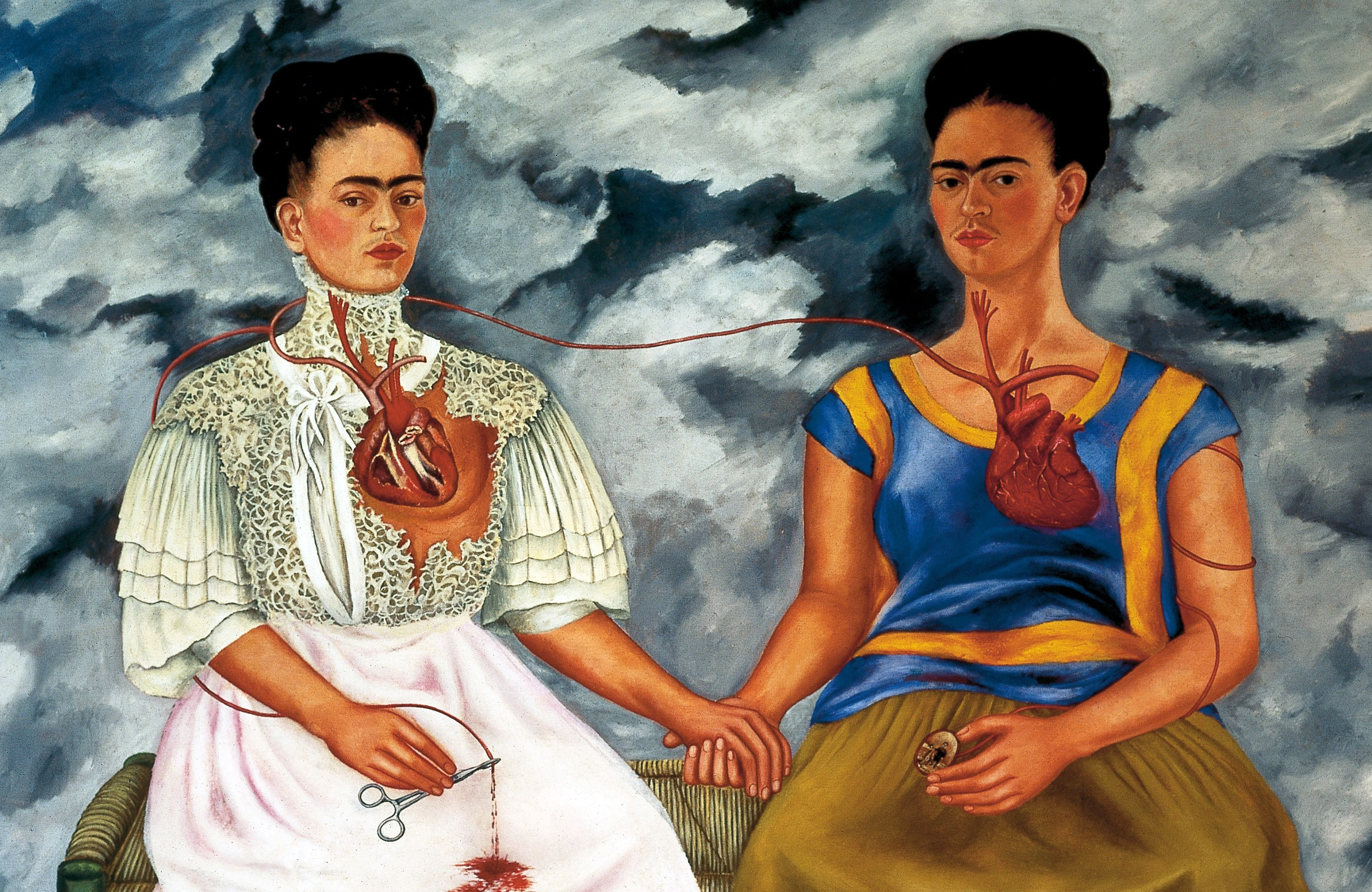
Which statement best reflects emotionalist theory?
The painting succeeds because its paired composition and contrasting costumes express emotional tension and vulnerability.

Which statement best reflects instrumentalism in this image, Palette of Narmer?
The work can be evaluated by how it communicates royal authority and a political message concerning Narmer’s rule.
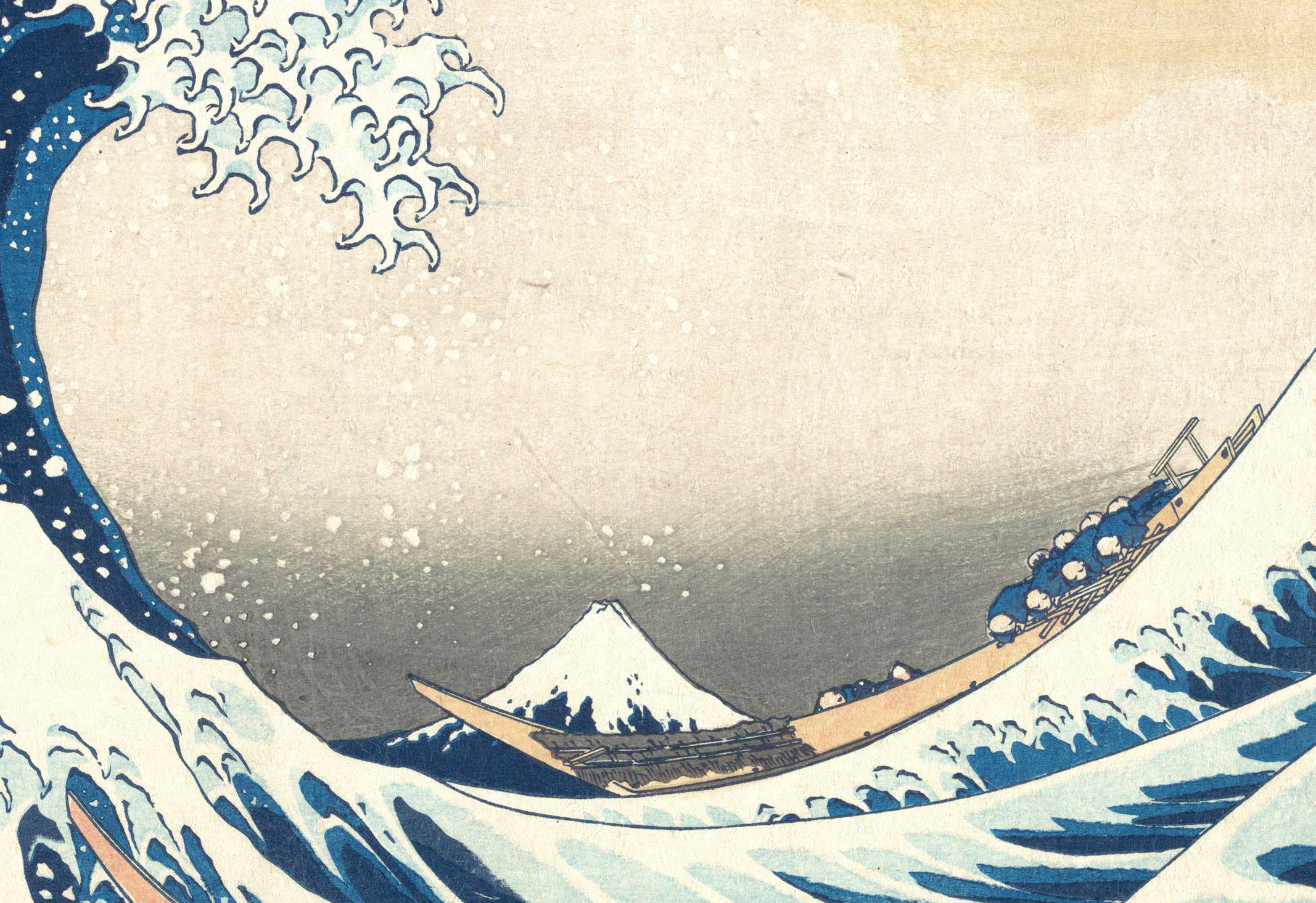
A student claims Mount Fuji is visually unimportant because it is small. Which response is strongest?
Mount Fuji’s triangular shape, position, and contrast can establish it as an important visual counterpoint despite its size.
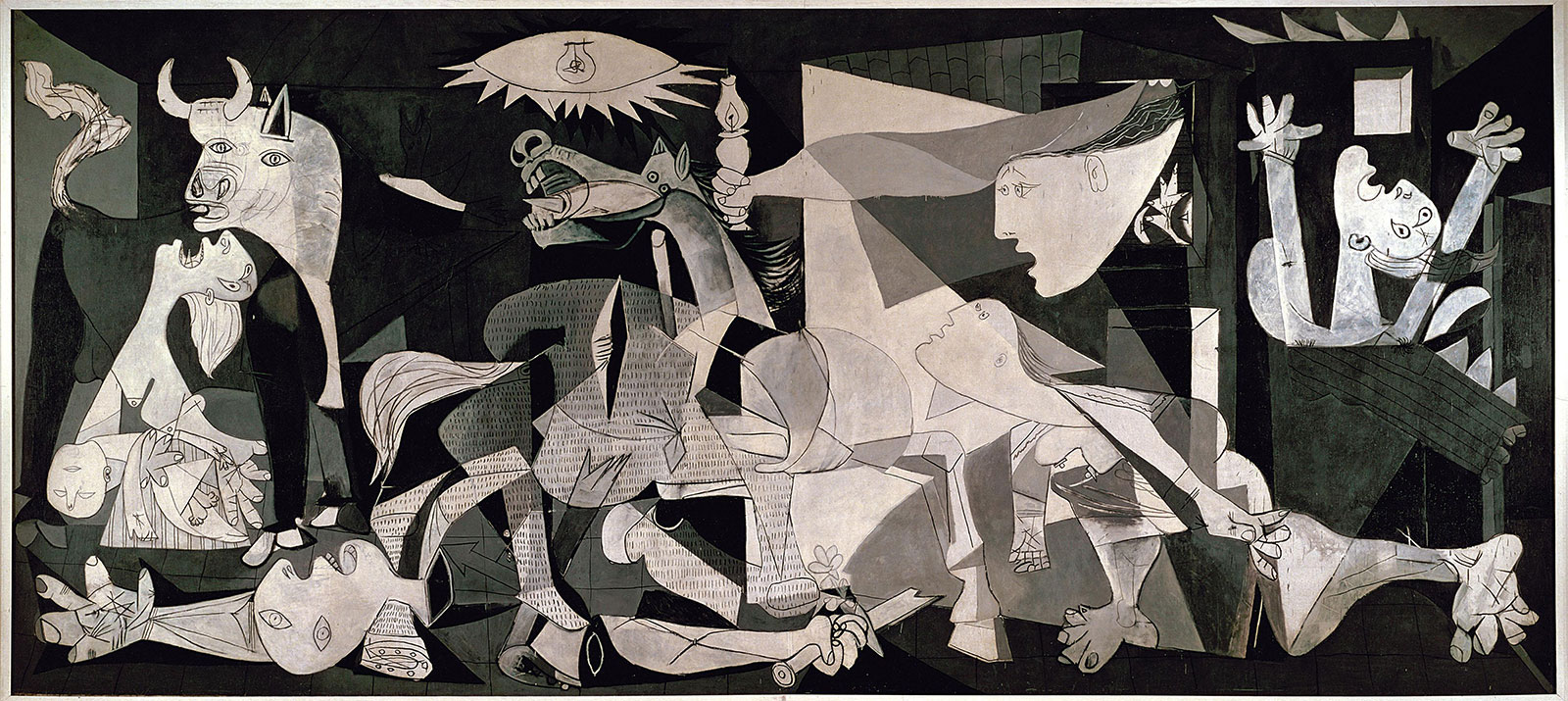
A student says, “The distorted figures prove that Picasso did not know how to draw realistically.” Which response is strongest?
“Abstraction and distortion can be intentional; examine how fragmented forms, scale, and contrast contribute to meaning and emotional force.”

A student argues that the textile border is merely decorative. Which response is strongest?
Material, pattern, framing, and text can contribute to narrative meaning and connect the work with textile traditions, memory, and storytelling.
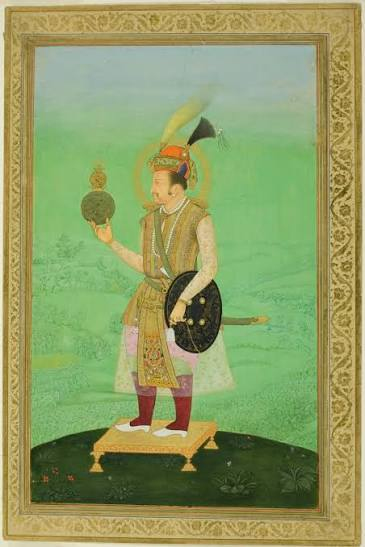
Which question best analyzes the Portrait of Emperor Jahangir as communication of political authority?
How do scale, posture, clothing, gold, inscriptions, and framing construct an image of rulership for an intended audience?
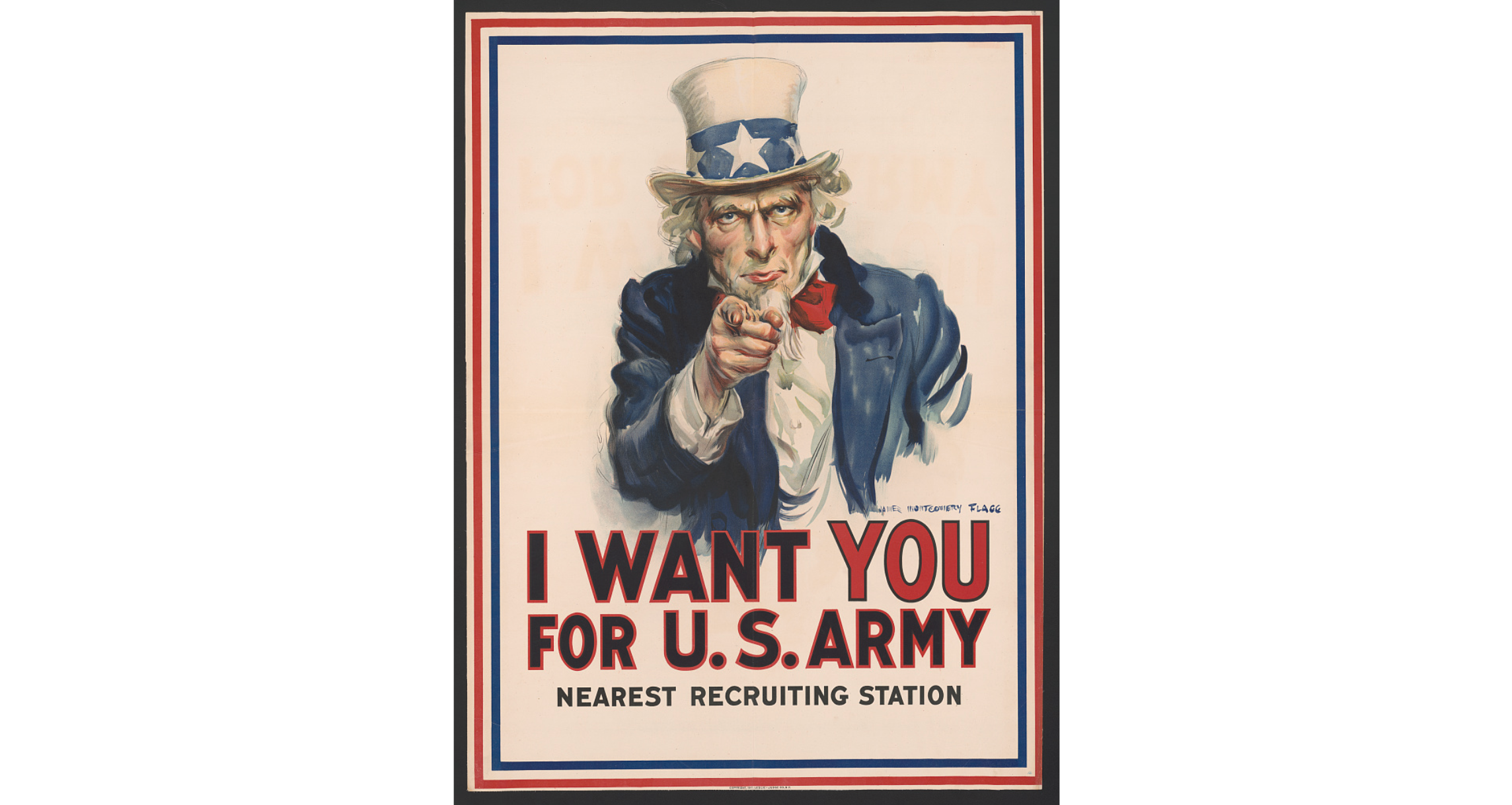
Which analysis most directly addresses the poster’s persuasive strategy?
Selective imagery, emotionally charged framing, enemy characterization, and the title guide viewers toward a particular interpretation.

Which task demonstrates the most advanced visual literacy?
Analyze authorship, audience, platform, and the socio-political context to understand how these factors impact viewer interpretation.

Which task best develops visual literacy?
Analyze framing, intended audience, distribution method, image-text relationship, visual style, and how each image communicates social values.
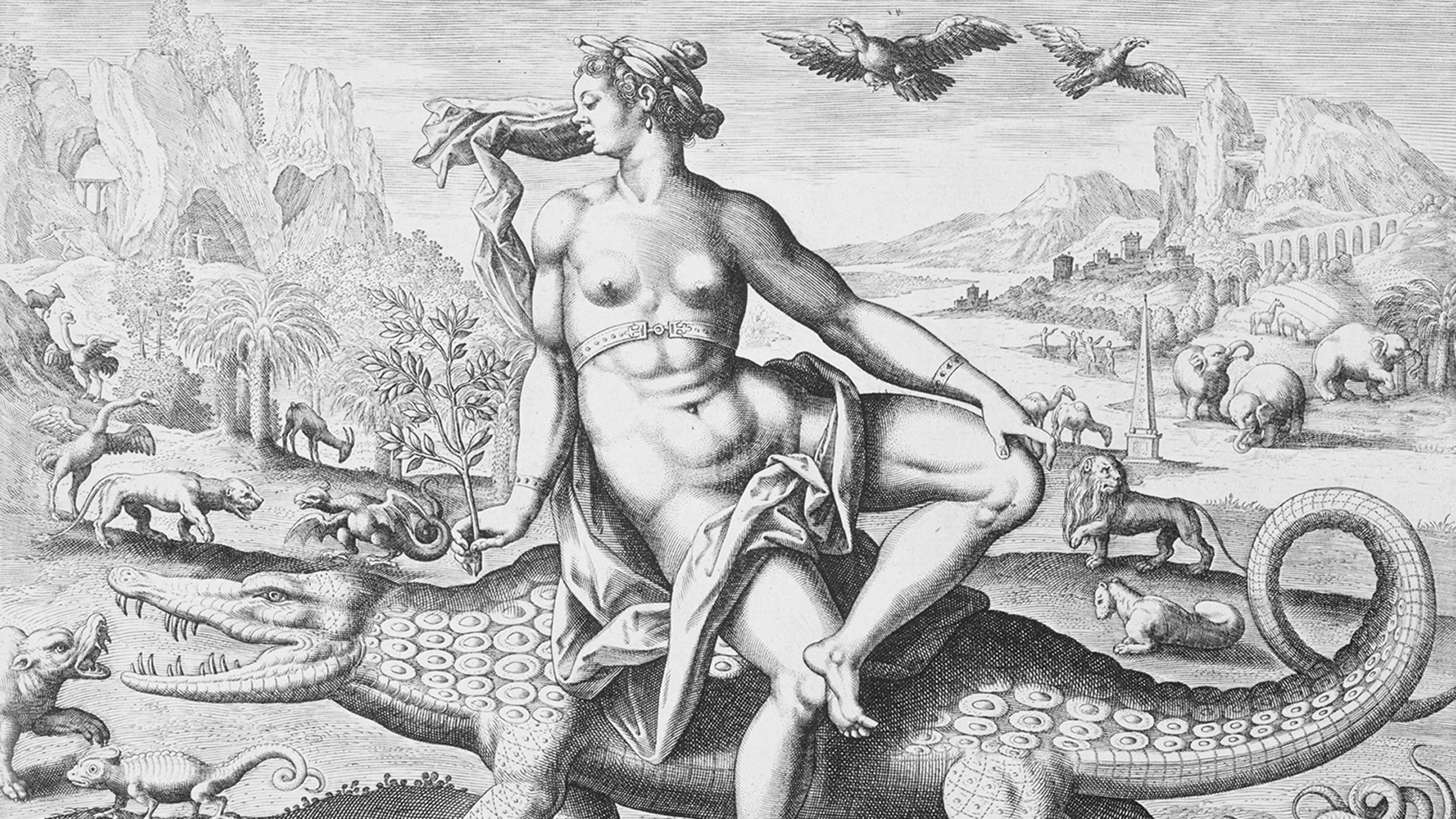
Which question is most appropriate for studying visual literacy and representation in the art work: Allegorical Figure Representing Africa?
What conventions, symbols, materials, pose, and historical assumptions are used to represent “Africa,” and whose realities might be simplified or absent?
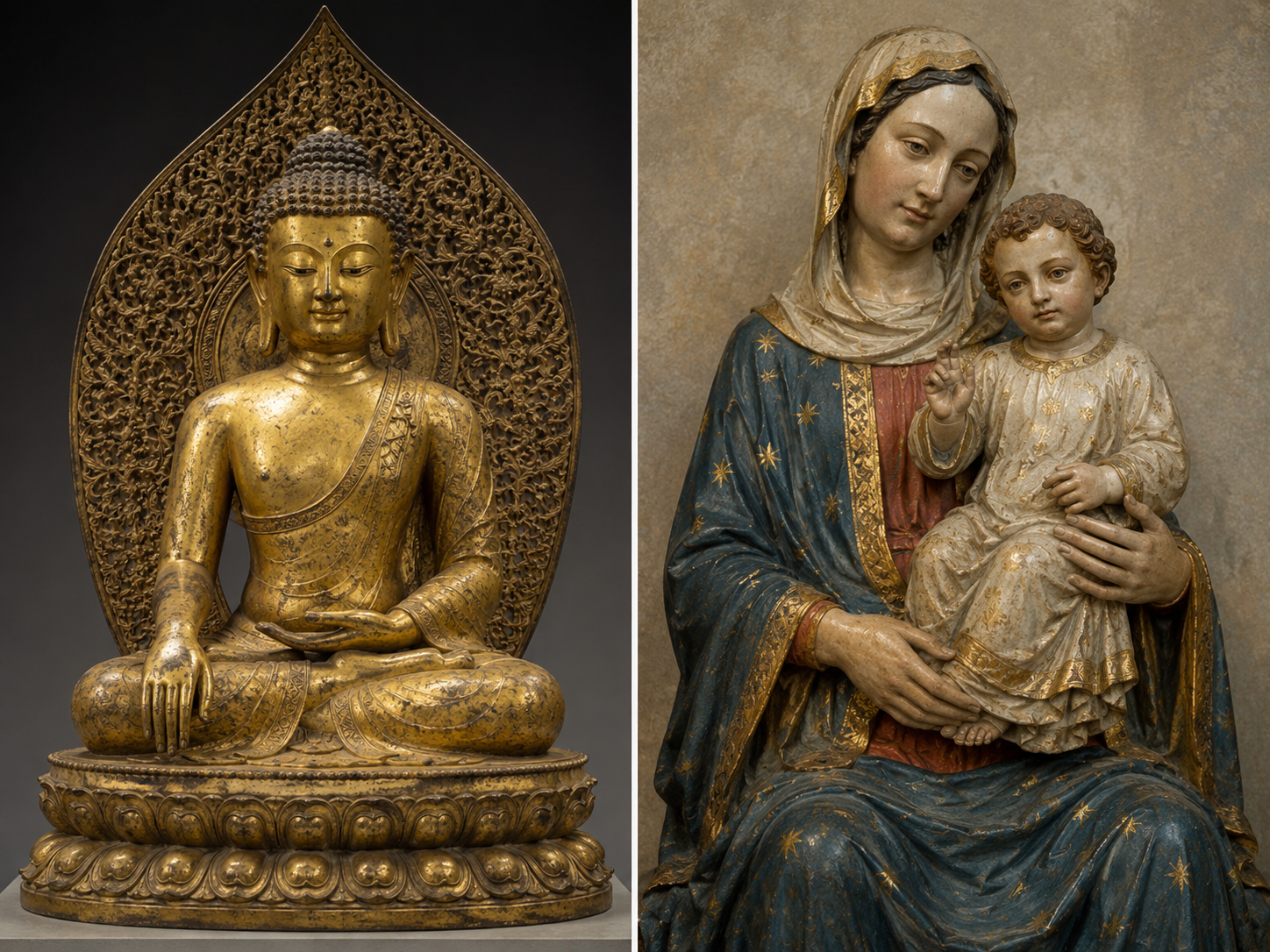
Which instructional approach is most appropriate?
Provide specific context for each, examine function and visual choices, establish respectful discussion norms, and avoid having students imitate sacred forms.

Which activity provides the strongest connection among visual art, chemistry, and design related to this art object, Phoenix-Headed Ewer?
Investigate how ceramic form, firing, and glaze chemistry affect surface and color, then design a vessel for a specific use and audience.
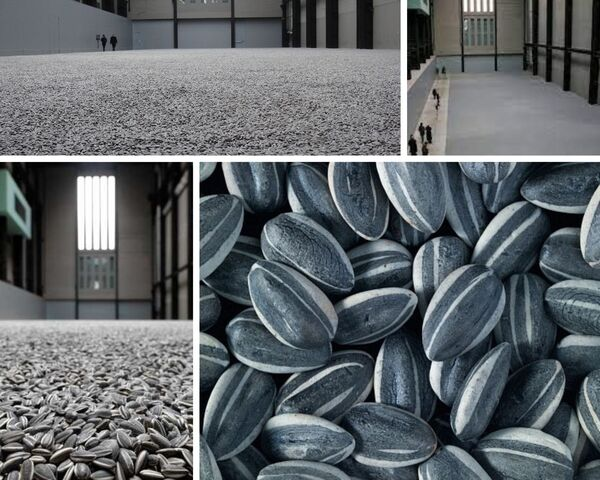
Ai Weiwei, Sunflower Seeds
Which project most effectively connects the installation to mathematics and social studies?
Investigate units, aggregates, sampling, labor, production networks, and scale, then create a collaborative installation showing how individual contributions form a collective message.
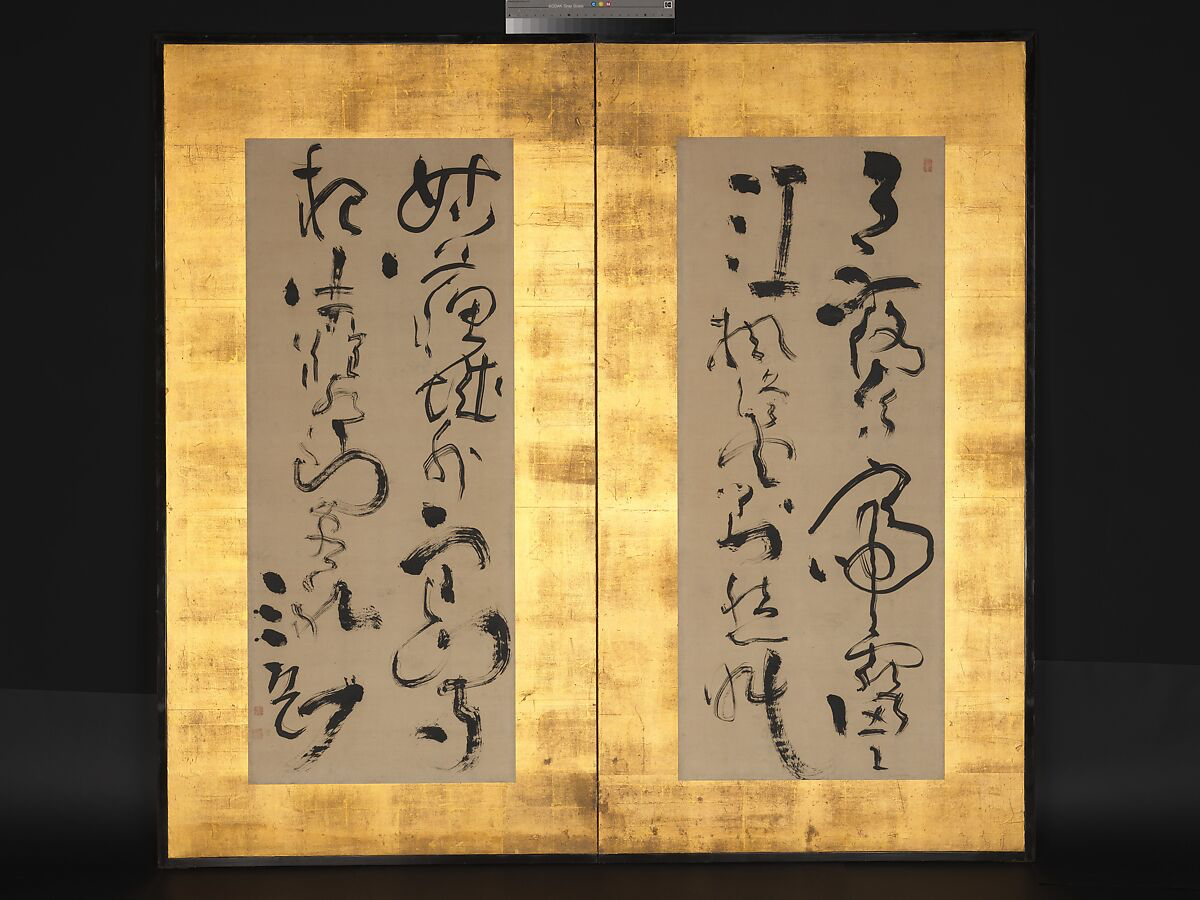
Which assignment creates the strongest connection among visual art, poetry, and calligraphy in Maple Bridge Night Mooring by Ike no Taiga which is calligraphy depicting the famous melancholic poem about a traveler moored at night?
Analyze text placement, brushwork, empty space, imagery, and format, then create an original image-text composition with an artist statement.
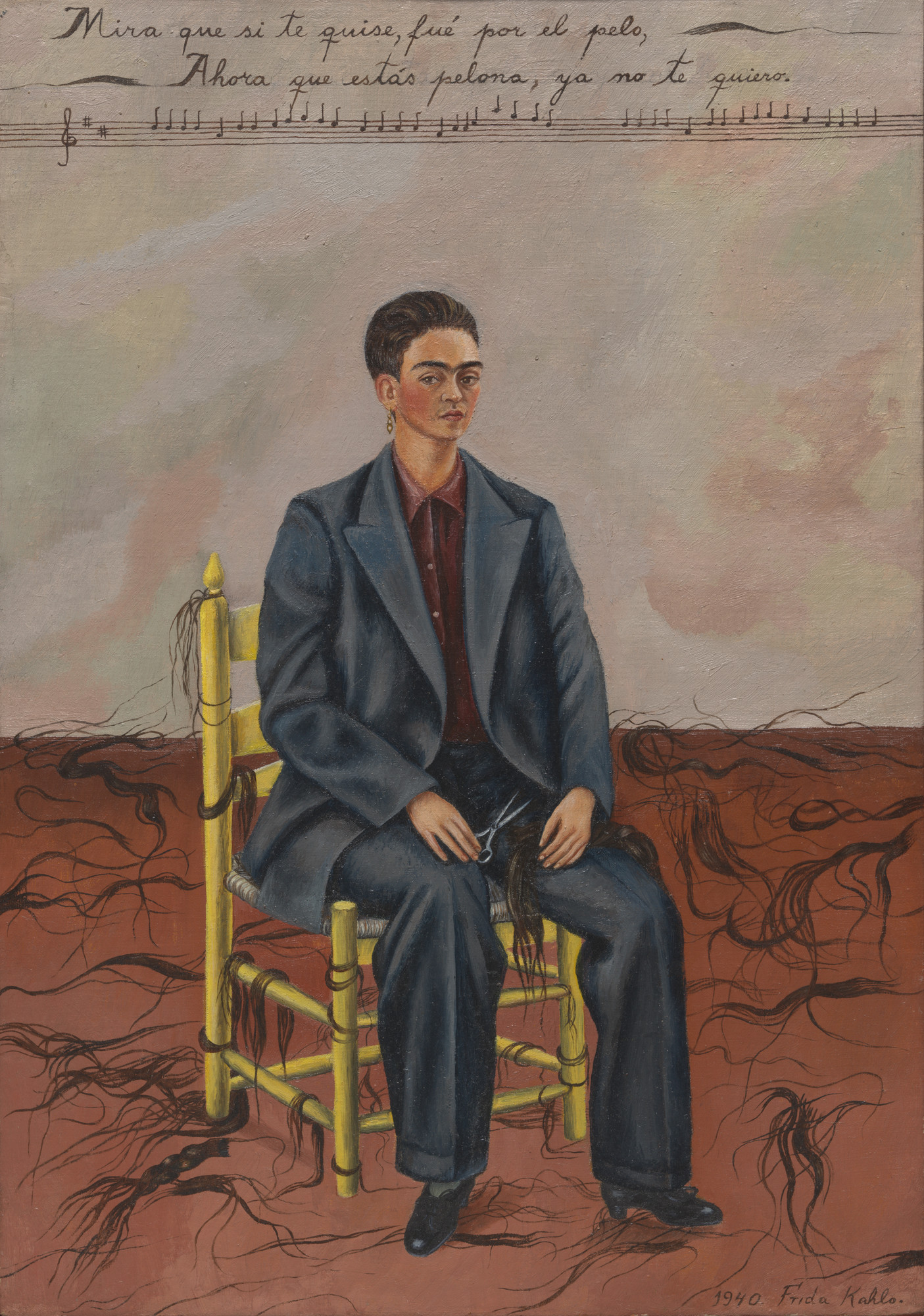
Which activity best supports personal artistic voice?
Create an original double self-portrait exploring two aspects of identity, using personally chosen symbols and an artist statement.

A student’s artist statement only lists the materials used. Which revision prompt is strongest?
Explain your intention, identify visual/material choices supporting it, discuss influences or context, and explain how revision changed the work.
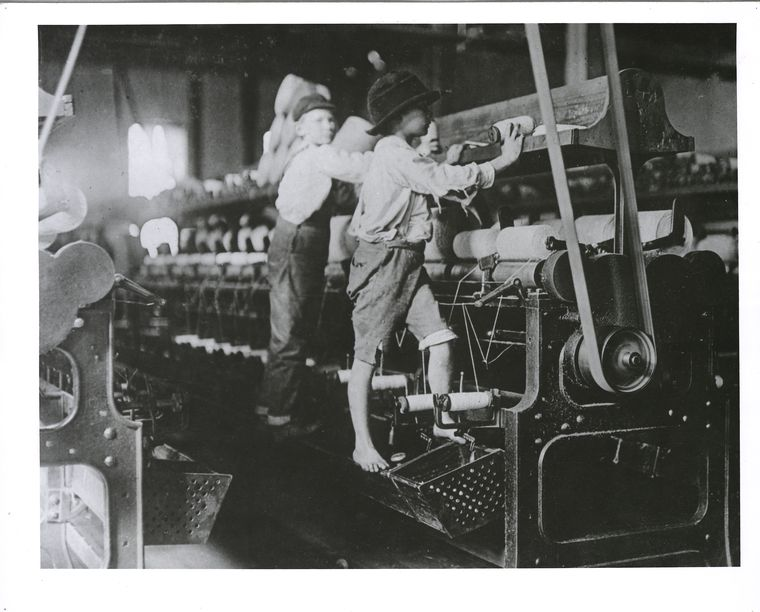
A teacher shows a class a historical photograph showing very young children working in a cotton mill. The teacher ask the class two write two labels for this image, one label for third graders and another for adults. Which approach is best?
Use shorter, concrete language and an open-looking question for children; include additional historical context and nuanced interpretation for adults.
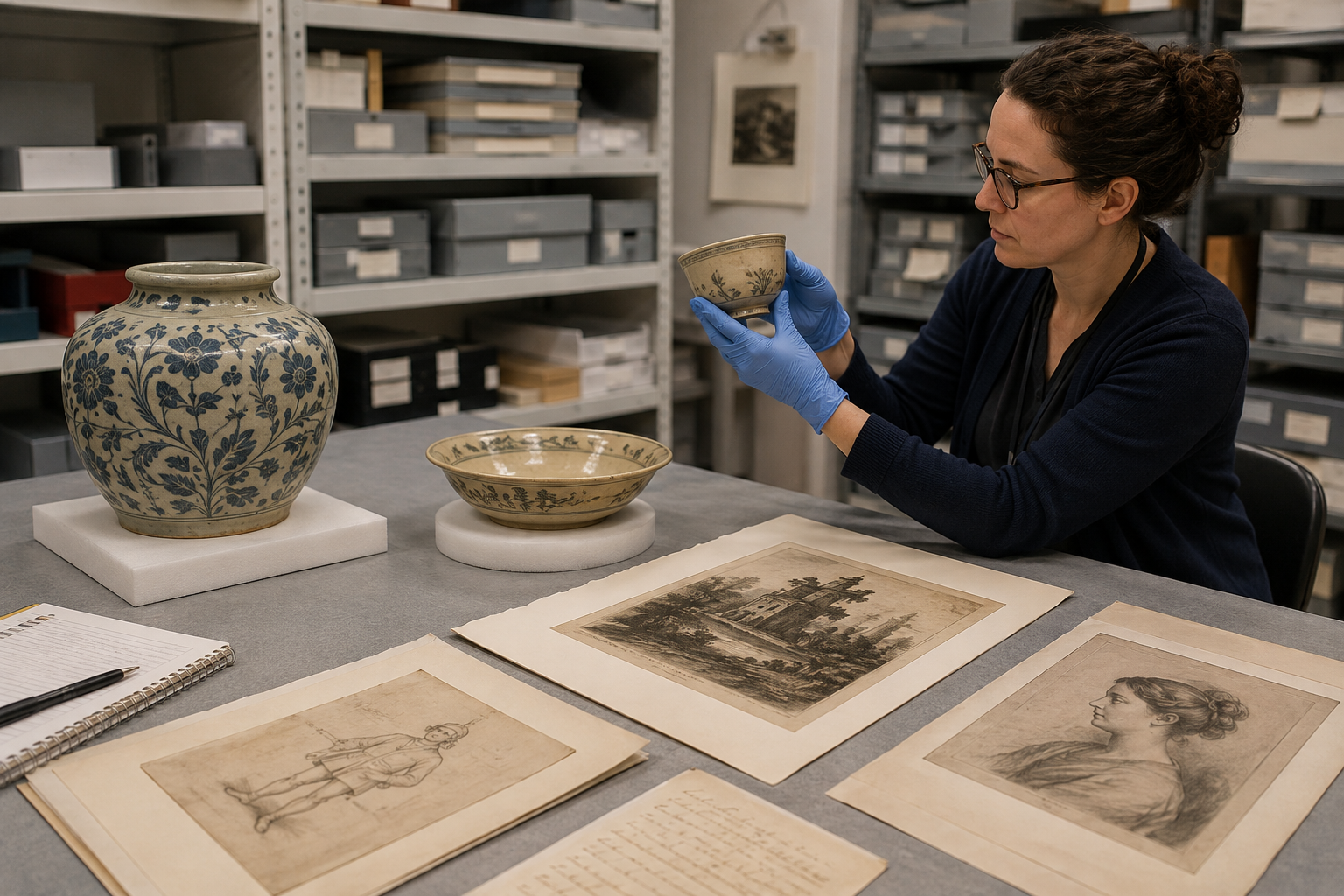
Which profession and role can be seen in this picture?
Conservator — examines, stabilizes, and preserves fragile objects
Which self-assessment prompt best supports revision?
What visual choices support my intended message, what feedback did I receive, what evidence shows viewers understood it, and what will I revise?