Anatomy Exam
 Call Kai
 Learn
Learn Practice Test
 Spaced Repetition
 Match
Match Flashcards
 Knowt Play
1/31

There's no tags or description
Looks like no tags are added yet.
Name | Mastery | Learn | Test | Matching | Spaced | Call with Kai | Chat |
|---|
No analytics yet
Send a link to your students to track their progress
32 Terms

Name the facial bones
A - frontal, B - parietal, C - temporal, D - occipital, E - zygomatic, F - maxilla, G - mandible

What vertebrae is this? What bony feature is ‘A’
Cervical, Vertebral body
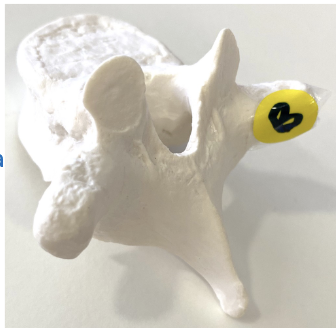
What vertebrae is this? What bony feature is ‘B’
Thoratic, Transverse process (two wing-like bony projections)

What vertebrae is this? What bony feature is ‘C’
Lumbar, Spinous process (the pointy bump)
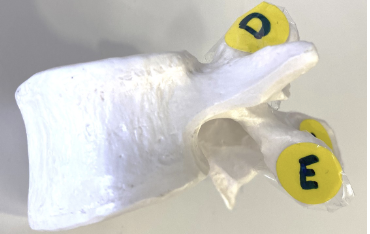
What bony feature is ‘D’ and ‘E’
Superior Articular Process (top), Inferior Articular Facet (bottom)

What are the bony features of the sternum
A - Manubrium, B - Body, C - Xiphoid process
Concentric Contraction
Shortening, If you move it, Applying a force, Gravity resisted, Movement of limb is typically upwards
Eccentric Contraction
Lengthening, It moves you, Absorption of force, Gravity assisted, Movement of limb is typically downwards. A muscle performs the opposite joint movement in an eccentric contraction
Isometric
No change, Holding a position, Application of force. An isometric contraction involves the same muscles for the intended joint movement.

What is this bone
Scapula (forms the shoulder girdle with the clavicle)
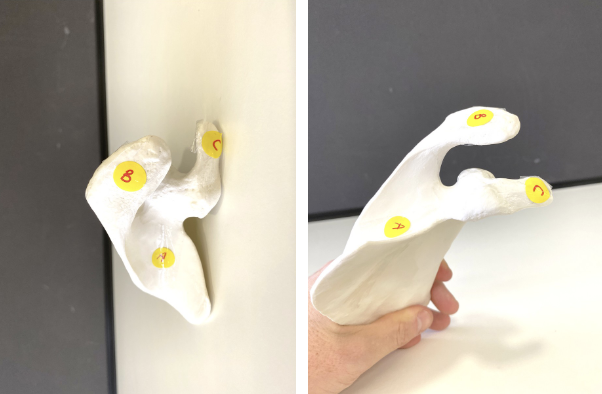
Name the bony features of the scapula
A - Supraspinous fossa, B - Acromion, C - Coracoid process

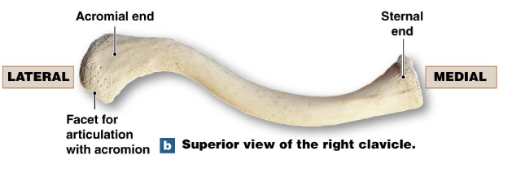
Lable the bony landmarks of the clavicle
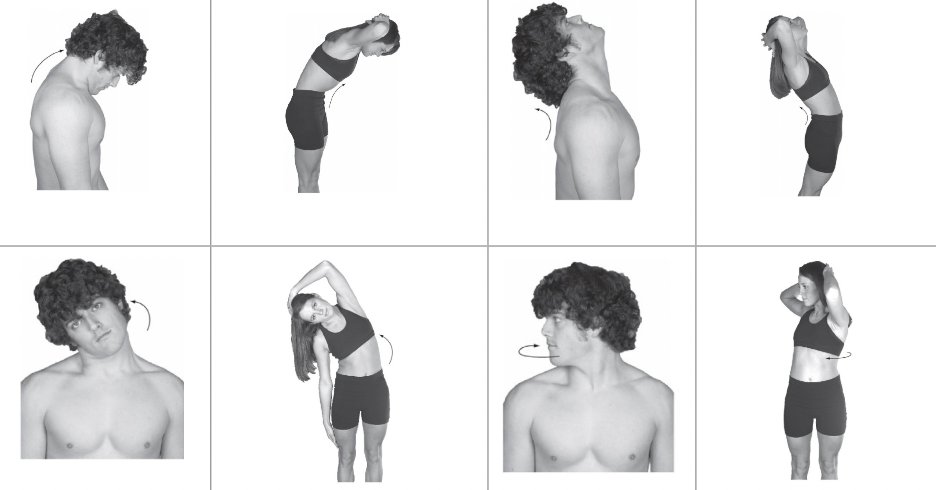
Movements of the neck and trunk
Remember if you are tilting neck to the left shoulder, it its lateral flexion on the right side (vice versa)


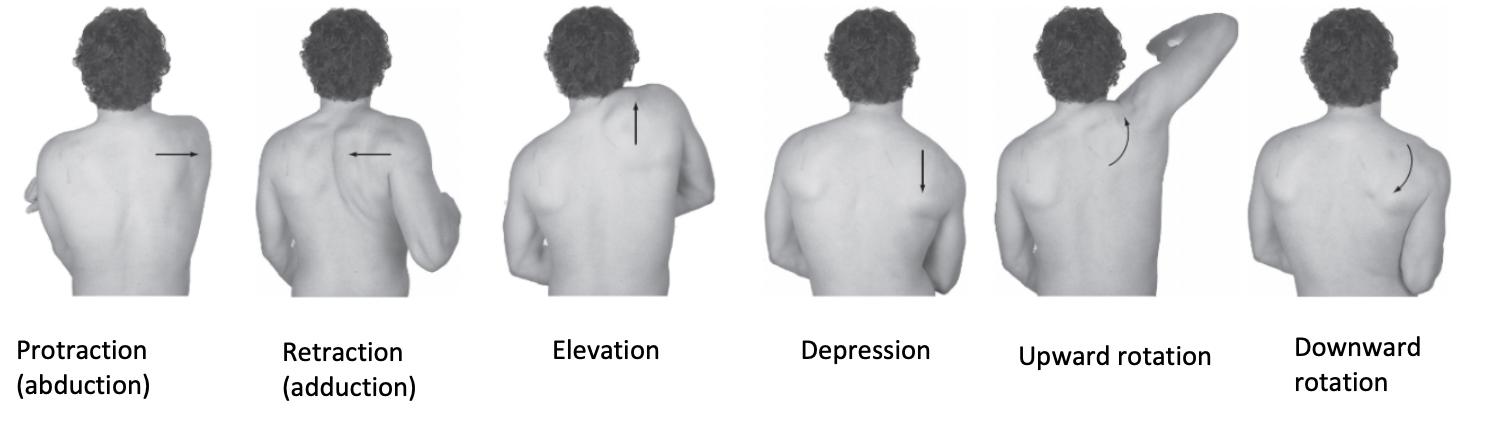
Movements of the shoulder girdle (think the shoulder blade)
Any time the glenohumeral joint does flexion or abduction (anytime your arm goes up) the shoulder girdle must also do upward rotation

Movements of the glenohumeral joint (think the shoulder)

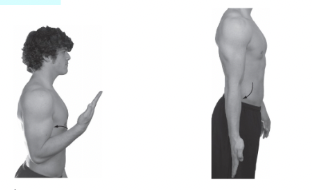
Name the movements of the elbow


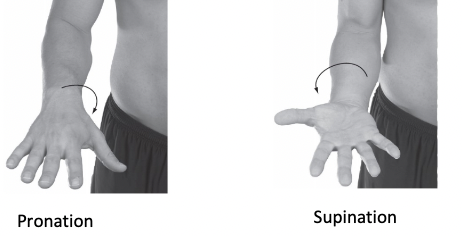
Name the movements of the radioulnar joint (forearm)
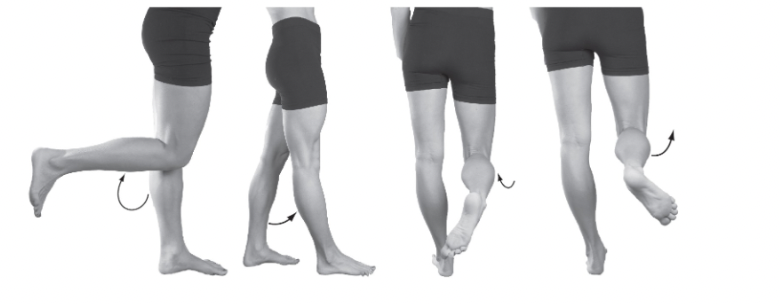
Name the movements of the knee joint
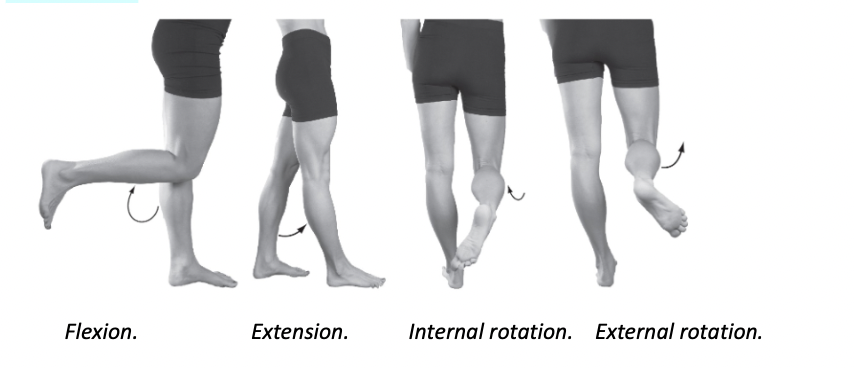

Name the movements of the hip joint


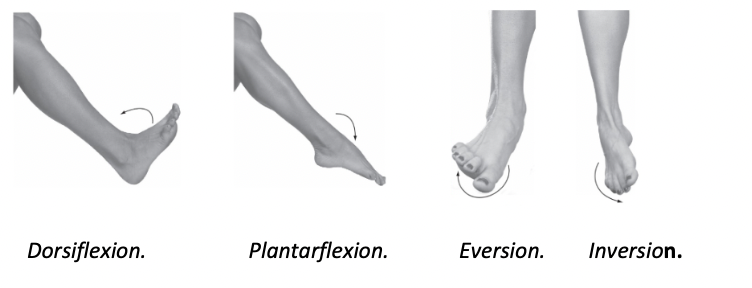
Name the movements of the talocrural and subtalar joint

What is this bone
Humerus (forms the glenohumeral joint with the scapula). When the head (opposite side to greater tube) is on the left, the medial epicondyle is on the left.

Label the bony features of the humerus
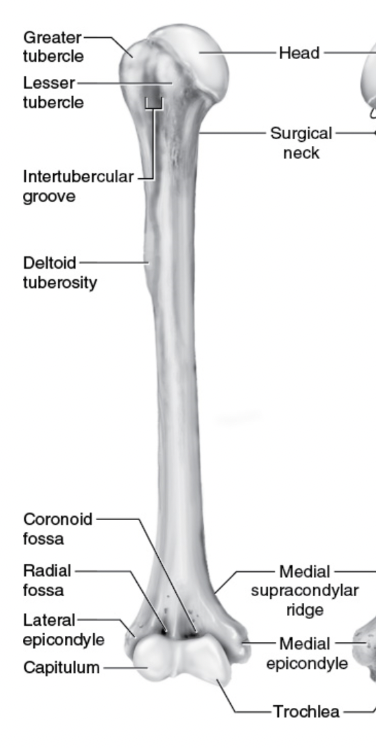
List one soft tissue (muscle, ligament) that attaches onto or from the following landmarks on the humerus. 1. Medial epicondyle, 2. Lateral epicondyle. Deltoid tuberosity
1. wrist flexor muscles, ulnar collateral ligament. 2. wrist extensor muscles, radial collateral ligament. 3. deltoid muscle
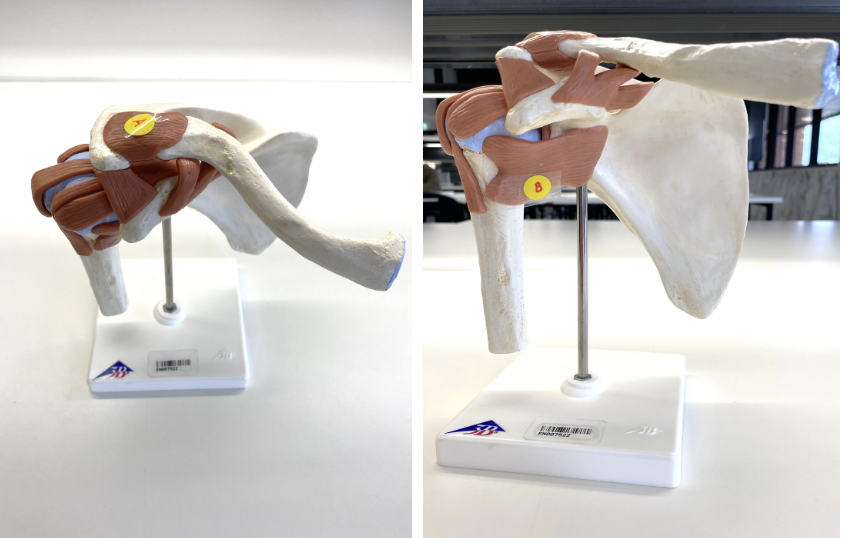
Name the ligaments of the shoulder joint
A - Acromioclavicular, B - Inferior glenohumeral

What bone is this? What it the bony feature ‘A’? What muscle attaches to it?
Radius, Radial tuberosity, Biceps brachii

Label the bony features of the radius and ulna
Triceps brachii attaches to olecranon


What is the name of ligament ‘A’
Annular

Label the bony features of the pelvis


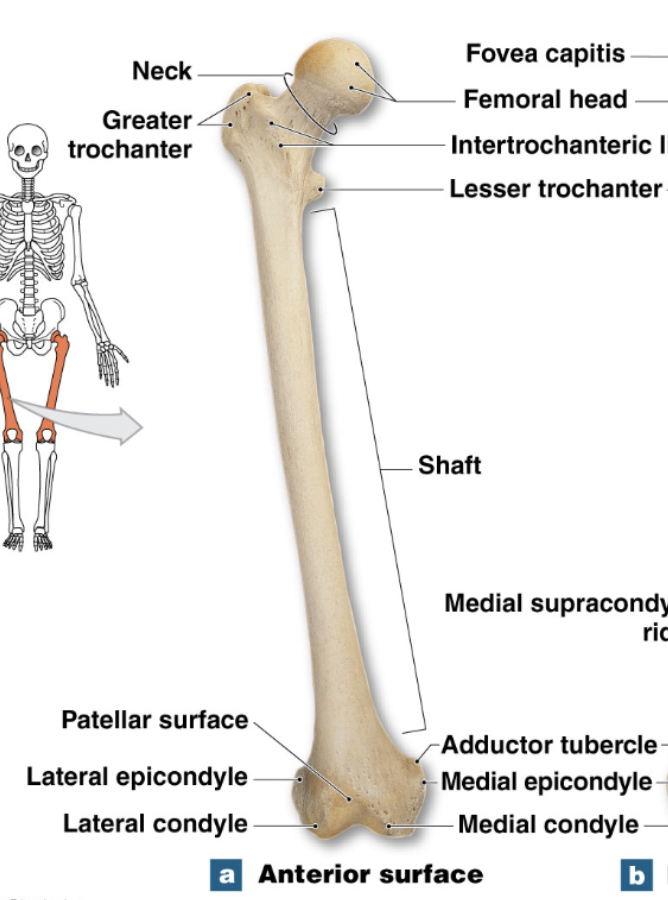
Label the bony features of the femur

Name the ligaments ‘A’ and ‘B’ (these are anterior). What is the posterior ligament?
A - Iliofemoral ligament, B - pubofemoral ligament, C - ischiofemoral ligament


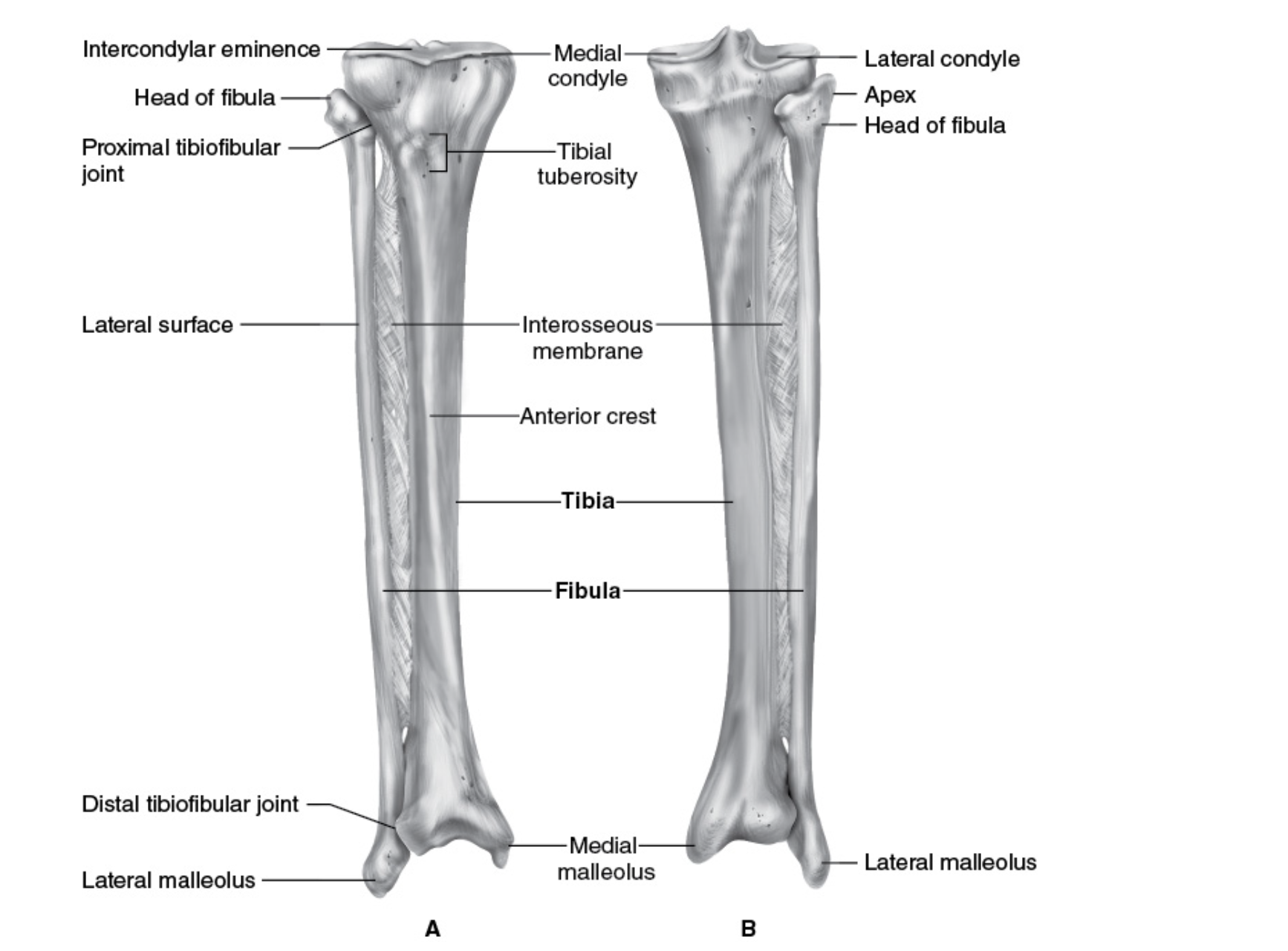
Label the bony features of the tibia and fibula
Tibia is the bigger bone, Fibula is skinner

Label the knee joint ligaments
