yr 11 eco - topic 3 markets
 Call Kai
 Learn
Learn Practice Test
 Spaced Repetition
 Match
Match Flashcards
 Knowt Play
1/50

There's no tags or description
Looks like no tags are added yet.
Name | Mastery | Learn | Test | Matching | Spaced | Call with Kai | Chat |
|---|
No analytics yet
Send a link to your students to track their progress
51 Terms
market
situation where buyers and sellers are in contact with each other for the purpose of exchange
types of markets:
g.a.s market
factor markets — market for resources
examples of factor markets
labour market, capital market
equilibrium
refers to a situation where at a certain price, the quantity demanded and the quantity supplied are equal
market equilibrium
when demand and supply are in equilibrium so that there is no tendency for the price of quantity demanded or supplied to change
demand
The quantity of a particular good or service that consumers are willing and able to purchase at various price levels at a given point in time
factors affecting demand
price of good or service
price of substitutes/complements
expected future prices
changes in consumer tastes and preferences
technological progress
income levels
size of population
age
behaviour of other consumers
supply
the quantity of a good or service that all firms in a particular industry are willing and able to offer for sale at different price levels, at a given point in time
explain how the factor affects supply: price of good or service itself
influences the producer’s ability and willingness to supply it
explain how the factor affects supply: future expectations about price
if supplier believe price will rise in future, they are likely to increase production to meet an expected increase in demand, as this would likely lead to higher profits
explain how the factor affects supply: changes in the costs of factors of production
falls in cost of factors of production would allow firms to supply more of a particular good, and vice versa
other factors affecting supply
fall in cost of factors of production
improvement in technology used in production process
The price of other goods or services
The quantity of the good available
Climate and seasonal influence
supply schedule
Quantity of a good that will be supplied over a range of prices at a given point in time
law of supply
As the price of a certain product rises, the quantity supplied by producers will rise
increase in supply
firms are willing and able to supply more of a product at each price level than before
i.e if supply increases, it means firms can now supply more of the good at the same price
and they can produce a given quantity at a lower price than before
decrease in supply
firms are willing and able to supply less of a good at each price level than before
i.e it costs more to supply a given quantity than before
price elasticity of supply
responsiveness of quantity supplied of a product to changes in price
relatively elastic supply
rise in quantity supplied proportionately greater than the increase in price
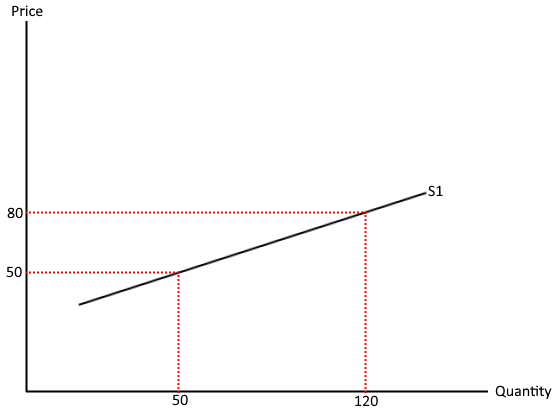
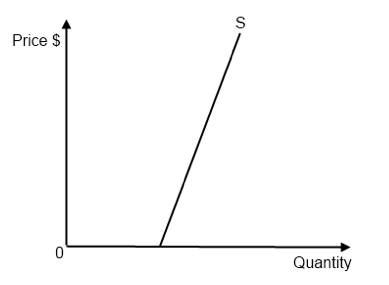
relatively inelastic supply
less than proportionate change in quantity supplied
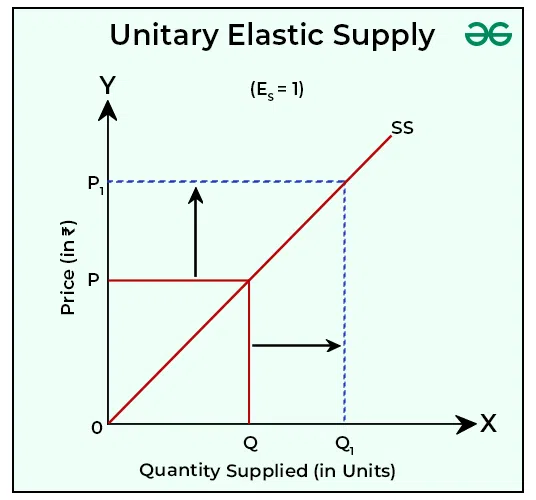
unit elastic supply
if quantity supplied rises by the same proportion as price increase
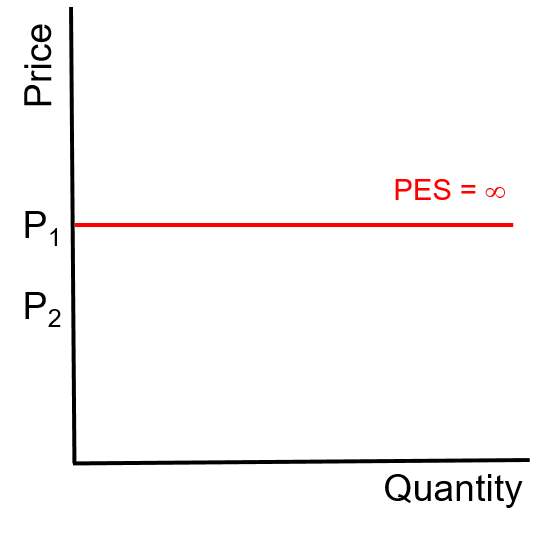
perfectly elastic supply
suppliers supply infinite amount of good at that price, below that price they wouldn’t be willing
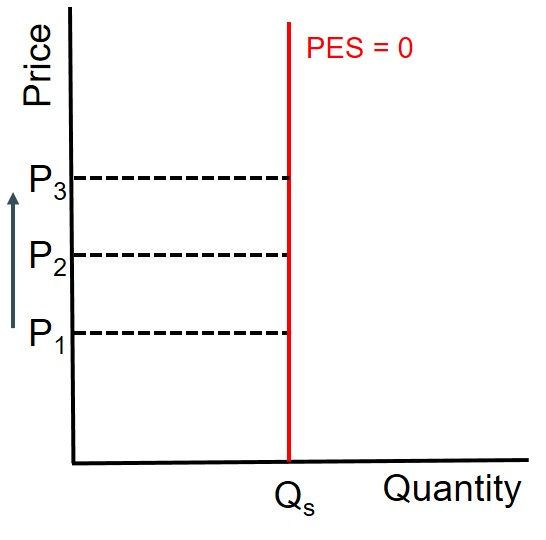
perfectly inelastic supply
quantity supplied remains the same regardless of price
factors affecting price elasticity: time lags after price change
immediately after price change, supply would be perfectly inelastic as producers cannot increase inputs
short term: elasticity increases, though likely to be relatively inelastic
long term: producers increase inputs → increased production → supply relatively elastic
other factors affecting price elasticity
ability to hold + store stock
easier it is to hold stock, more elastic the supply
excess capacity
supply will be more elastic as they can respond more quickly to price increases
price elasticity of demand
a measure of the responsiveness of quantity demanded to a change in price
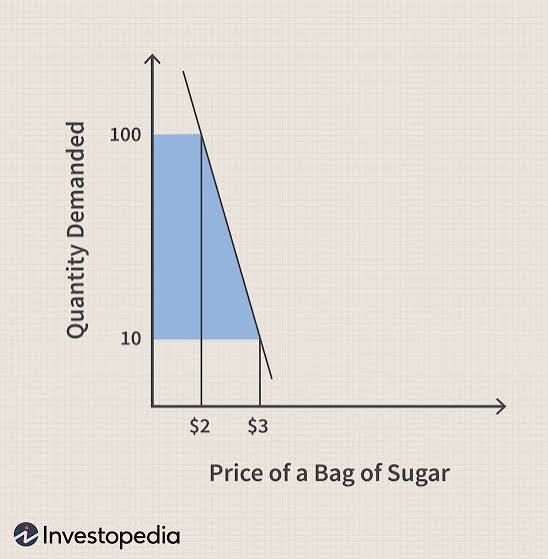
relatively elastic demand
A strong response to a change in price: if price changes, consumer behaviour changes
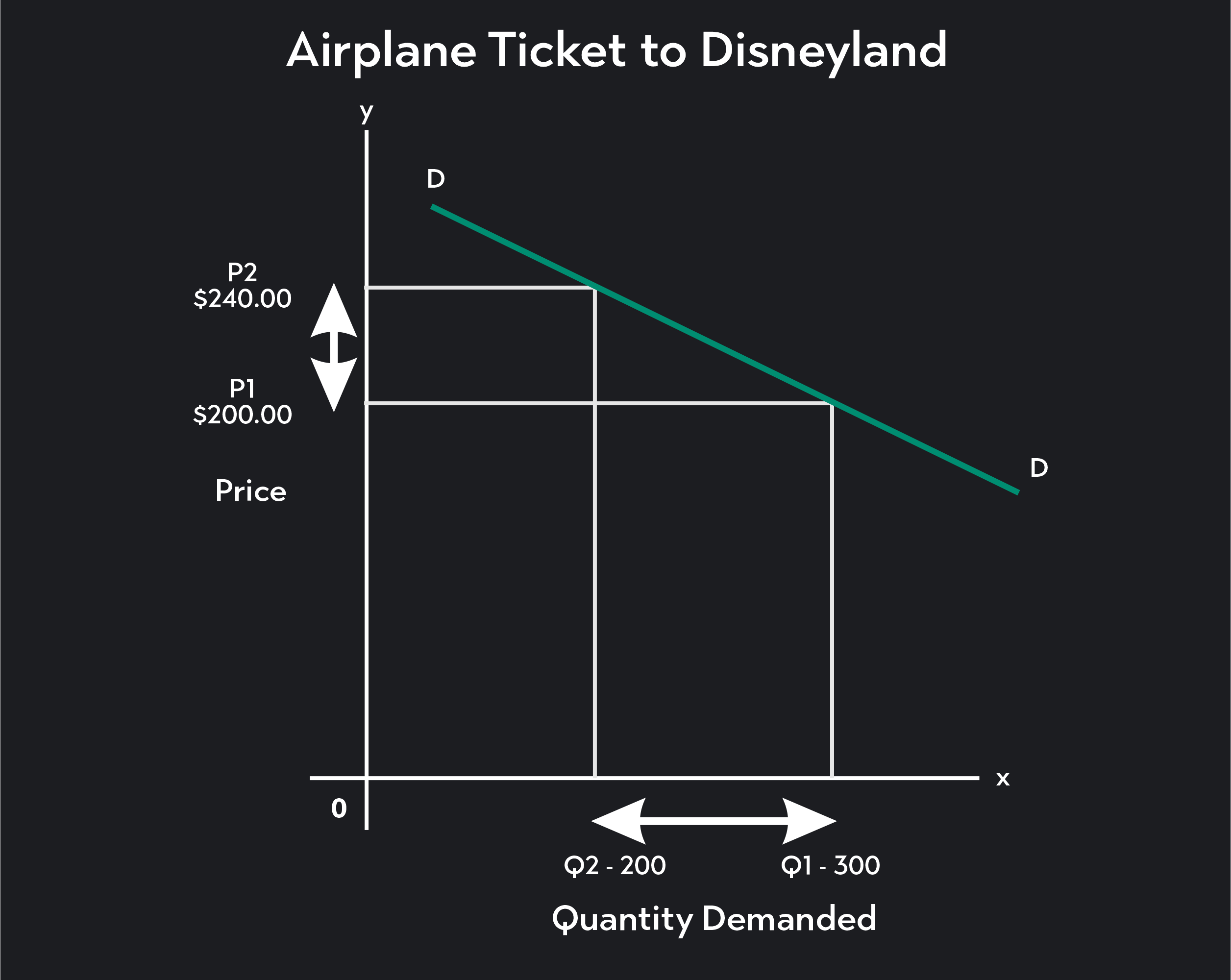
relatively inelastic demand
A weak response to a price change: if price changes, consumer behaviour changes
unit elastic demand
a proportional response to a price change
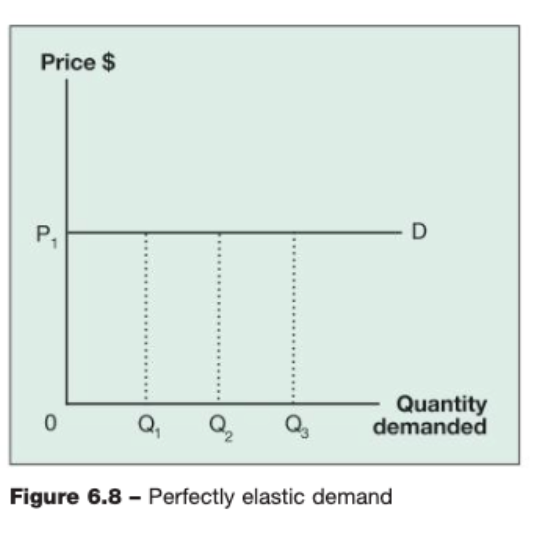
perfectly elastic demand
demand is infinite; if price rises, demand falls to 0
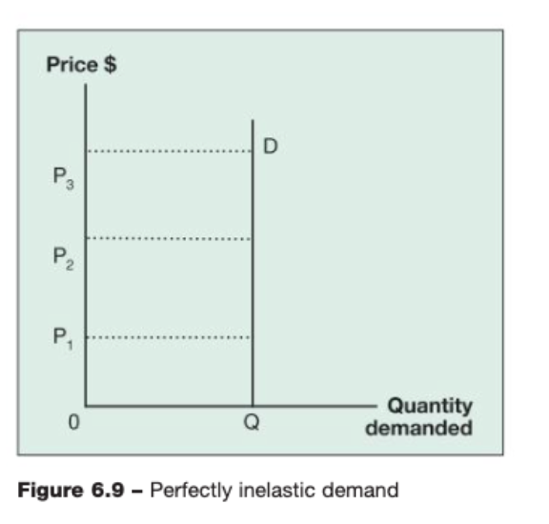
perfectly inelastic demand
no matter how much the price changes the quantity demanded remains constant
total outlay method
price x quantity
total outlay method - inelastic demand (which way does price and total outlay move?)
price and outlay move in the same direction
i.e if price goes up, total outlay goes up
e.g fuel - even if prices go up people still need it so demand is less responsive
total outlay method - elastic demand (which way does price and total outlay move?)
price and total outlay move in opposite directions
i.e if prices increase, total outlay decreases
e.g travel - if prices go up, people are less likely to go
total outlay method - unit elastic demand (which way does price and total outlay move?)
price changes but total outlay remains the same
price and quantity can change but they change in the same proportion so total revenue is the same
factors affecting elasticity of demand: necessities vs luxuries
necessities are inelastic bc consumers need to buy it regardless of price - e.g fuel
luxury is elastic - can be forgone if prices increase
factors affecting elasticity of demand: products and many vs no substitutes
many substitutes - elastic because there are many other options when prices of original good rise
no substitutes - inelastic because you can’t switch
factors affecting elasticity of demand: length of time since a price change - short term + long term
short term
inelastic - takes time for people to notice price changes and find alternatives
long term
elastic - people find cheaper habits/different cheaper brands so demand is more responsive
steps for movement to a new equilibrium in price
non-price factor changes
demand/supply curve shifts
market disequilibrium (surplus/shortage)
price rises/falls to adjust
expansion/contraction occurs
new equilibrium
monopoly: characteristics
one firm selling product - no competition
no close substitutes for product
significant barriers to entry
monopolist has great control over market price
e.g public transport, water supply
monopolistic competition: characteristics
large no. of small firms
similar products; firms engage in product differentiation
small barriers to entry
advertising plays an important role in attracting + maintaining customers
e.g restaurants, hairdressers
oligopoly characteristics
only a few relatively large firms, each of which occupy a significant share of the market
sell similar for differentiated products
extremely high barriers to entry
oligopolist firm constantly monitors behaviour of other rival firms
e.g banks, supermarkets
market failure
occurs when the price mechanism takes into account private benefits and cost of production to consumers and producers,
but fails to account for indirect costs,
such as damage to the environment
how does the government use price floors to intervene in the price mechanism?
price floors → minimum price
e.g minimum wage → guarantees fair wages in labour market
how does the government use price ceilings to intervene in the price mechanism?
price ceiling → maximum price
e.g PBS → sets a maximum limit on what pharmacies can charge people for prescription meds → helps lower income earners have access to cheaper medicine
how does the government intervene in the price mechanism using the provision of public goods (quantity intervention)?
government provides goods that the market fails to provide (public goods)
e.g parks, defense, transport
how does the government intervene in the price mechanism using subsidies (quantity intervention)?
subsidies - cash payments from the government to businesses to encourage production of a g.a.s and influence allocation of resources in an economy
e.g solar panels, EVs
positive externality
unintended positive outcome of an economic activity whose value is not reflected in the operation of the price mechanism
negative externality
unintended negative outcome of an economic activity whose cost is not reflected in the operation of the price mechanism
e.g environmental impacts - such as pollution
merit goods
g.a.s that are not produced in sufficient quantity by the private sector because individuals do not place significant value in them
e.g government subsidies for arts (theatre), education
demerit goods
items that bring harm to the community
e.g tobacco, alcohol
public goods
goods that private firms are unwilling to supply, as they aren’t able to restrict usage and benefits to those willing to pay for the good
as a result governments provides these
e.g parks