Electromotive Force, Circuit Types, and Resistance Calculations in Physics
 Call Kai
 Learn
Learn Practice Test
 Spaced Repetition
 Match
Match Flashcards
 Knowt Play
1/45

There's no tags or description
Looks like no tags are added yet.
Name | Mastery | Learn | Test | Matching | Spaced | Call with Kai | Chat |
|---|
No analytics yet
Send a link to your students to track their progress
46 Terms
What is Electromotive Force?
The push or pressure to push electrons through a conductor.
How should a voltmeter be connected in a circuit?
In parallel.
How should an ammeter be connected in a circuit?
In series.
How should an ohmmeter be connected in a circuit?
In parallel (power off)
What is a parallel circuit?
A circuit with more than one path.
What is a series circuit?
A circuit with exactly one path.
What happens to the current if voltage is increased and resistance remains the same?
The current will increase.
How many mA are equivalent to 0.001 A?
1 mA.
What is the conversion of 0.250 A to mA?
250 mA.
In a series circuit, how is voltage treated?
Voltage is added.
In a series circuit, how is current treated?
Current is the same.
In a series circuit, how is resistance treated?
Resistance is added.
In a parallel circuit, how is voltage treated?
Voltage is the same.
In a parallel circuit, how is current treated?
Current is added.
In a parallel circuit, how is resistance treated?
Resistance is inverse.
What factors affect resistance?
Temperature, length, material, cross-sectional area.
What is a potentiometer used to regulate?
Voltage; connected in parallel.
What is a rheostat used to regulate?
Current; connected in series.
How many electrons are in 1 Coulomb?
6.28×10^18 electrons.
What happens to resistance when temperature increases?
Resistance increases.
What is the value of a resistor with color code green, black, red, gold?
5000 ± 5%.
What is the color code for a resistor with a numeric value of 6500 ± 5%?
Blue, Green, Red, Gold.
Find the resistance of a circuit that draws 3 A with 28 volts applied.
9.33 ohms.
What amount of current supplies a lightbulb that expends 40 W from a 120 V source?
0.33 A.
If a current of 90 mA flows through an 1800 ohm resistor, what is the applied voltage?
162 V.
What is the total resistance of 4 equivalent resistors in parallel at 640 ohms each?
160 ohms.
If a resistor uses 0.5 A at 28 V, how many amperes will it use at 12 V?
0.214 A.
What is the current running through a 400 ohm resistor in a series circuit with resistors of 200 ohm, 400 ohm, 500 ohm, and 650 ohm connected to a 28V source?
0.016 A.
What is the operating resistance of a 2 W lightbulb designed for a 12V system?
70.6 ohms.
What is the total resistance of two resistors wired in parallel with values of 390 ohm and 750 ohm?
256.58 ohms.
Series Circuit
A circuit in which the current flows through each component in sequence.
Parallel Circuit
A circuit where the current can flow through multiple paths.
Current/Amperage
The current is the same in all parts of a series circuit. Current is added in parallel
Voltage/EMF
Total voltage equals the sum of the voltages across the different parts of the circuit.
Potential Difference
E₁ = E₁ + E₂ + E₃ + etc.
Total Current in Parallel Circuit
Total current supplied to the circuit equals the sum of the currents flowing through the individual paths.
Voltage in Parallel Circuit
The voltage across each branch of the parallel circuit is the same as the total voltage for that parallel section.
Total Resistance in Series Circuit
R₁ = R₁ + R₂ + R₃ + etc.
Total Resistance in Parallel Circuit (Equal Value)
RT = R/N, where R is the resistance of one equal size resistor and N is the number of resistors.
Total Resistance in Parallel Circuit (Unequal Value)
RT = 1/(1/R₁ + 1/R₂ + 1/R₃ + etc.)
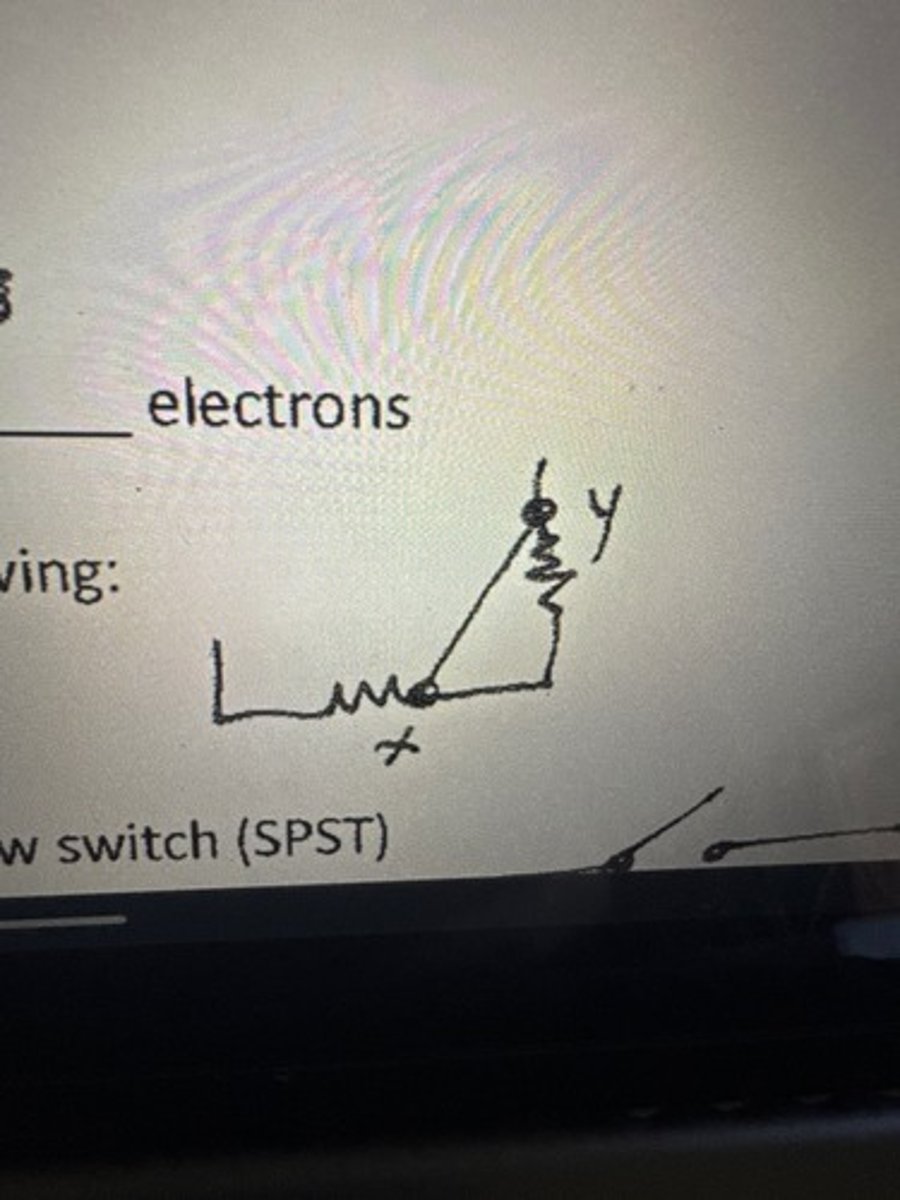
Component short
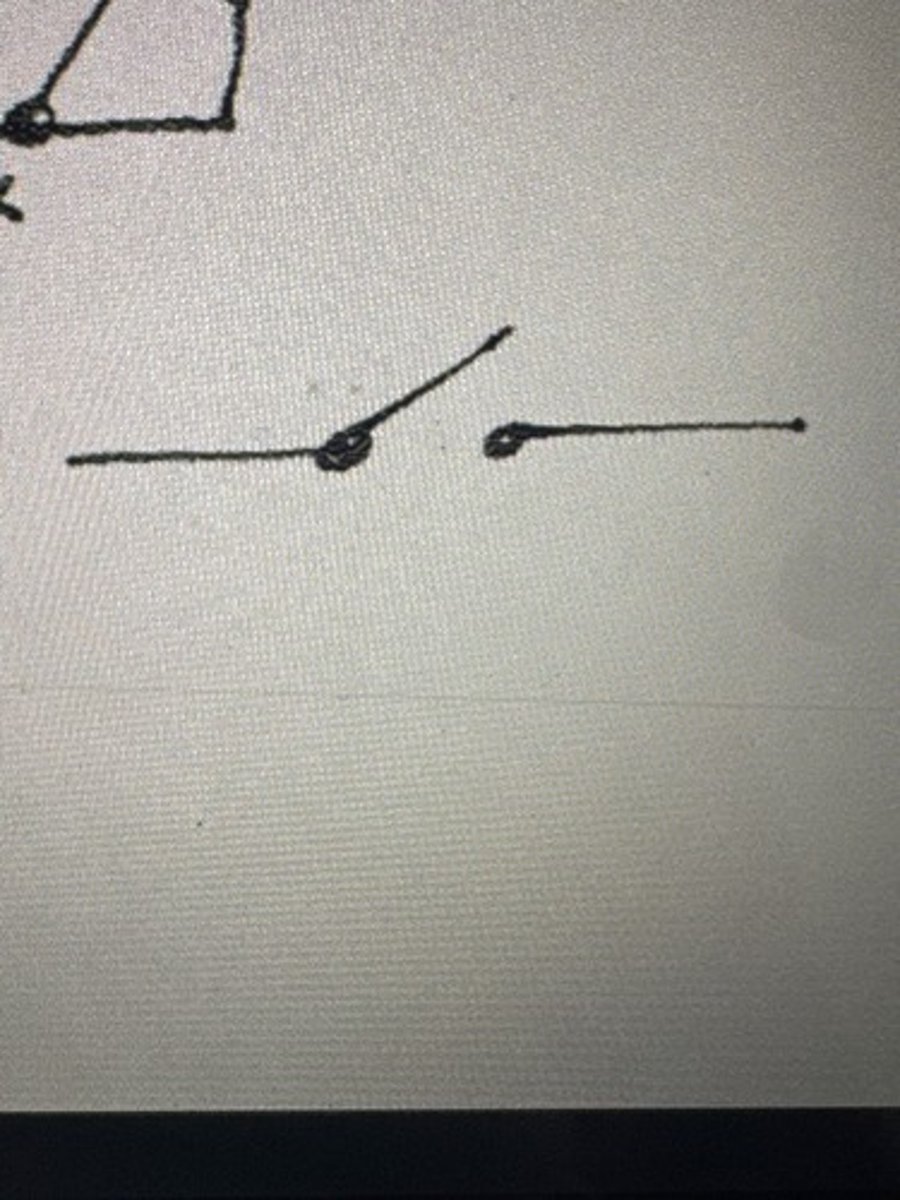
Single Pole Single Throw Switch (SPST)
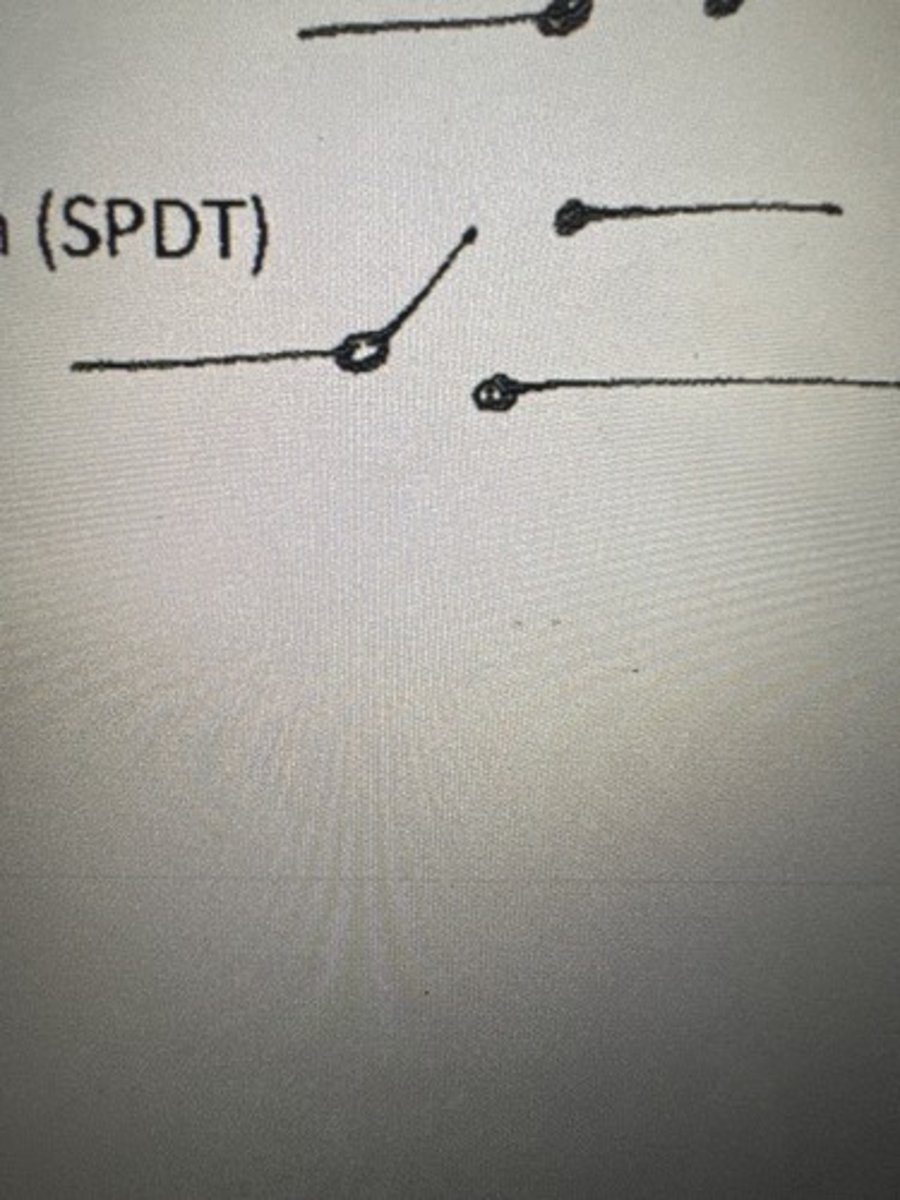
Single pole double throw switch (SPDT)
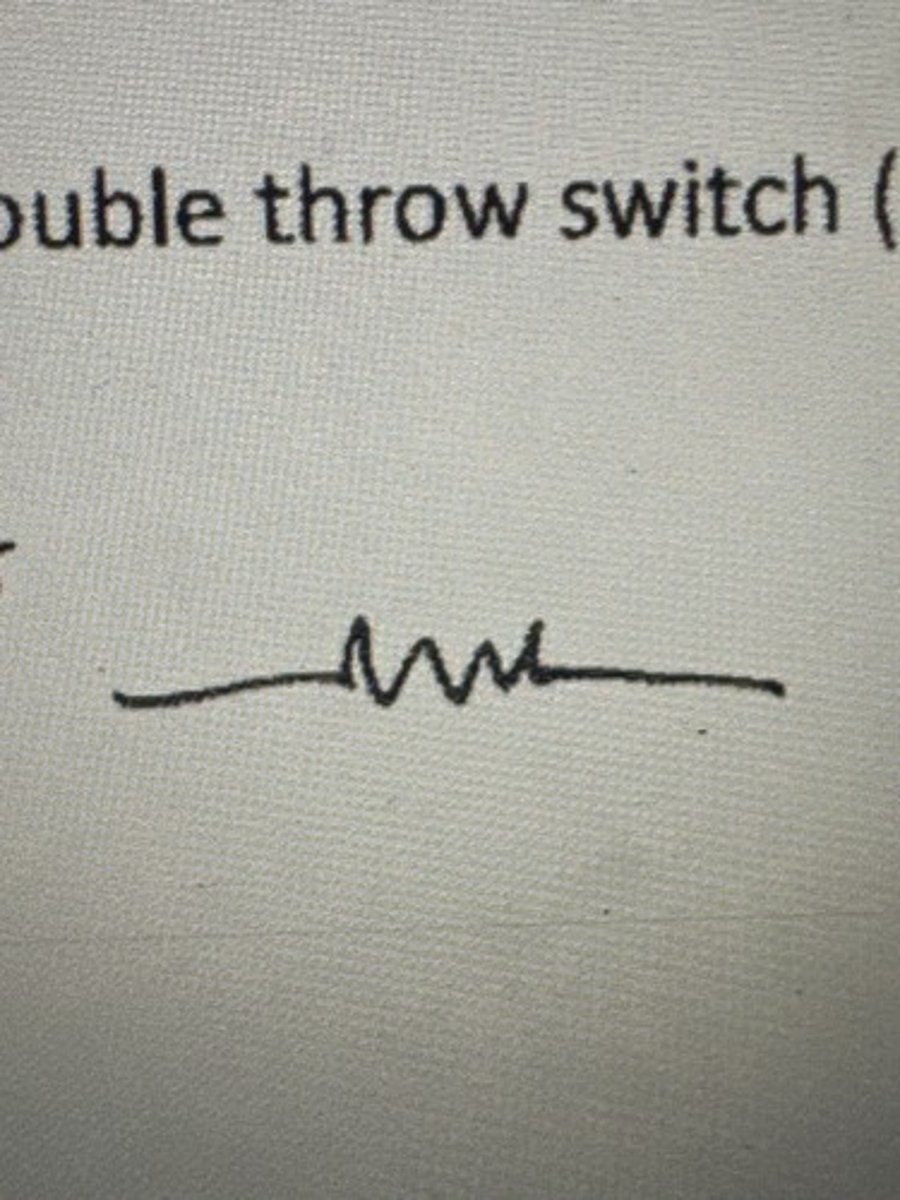
Fixed resistor
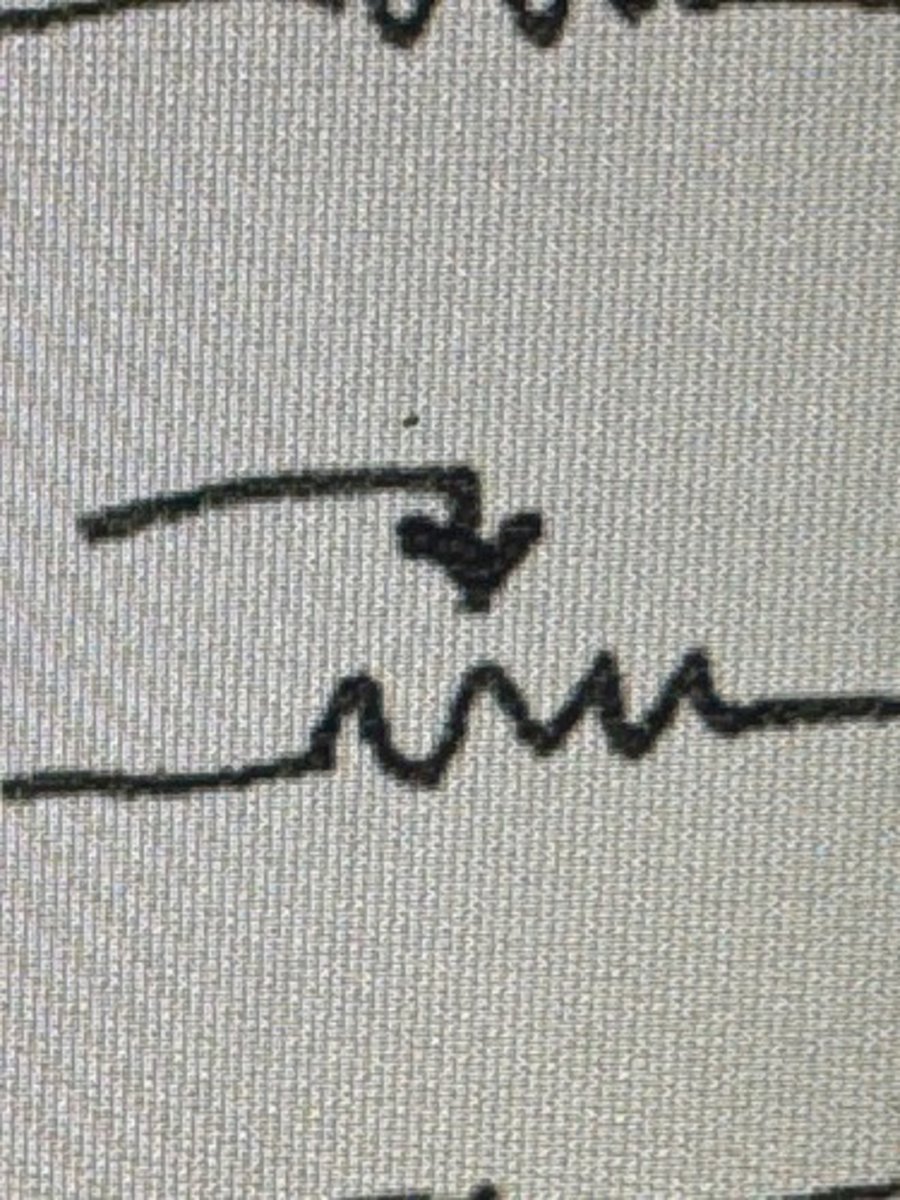
Variable resistor
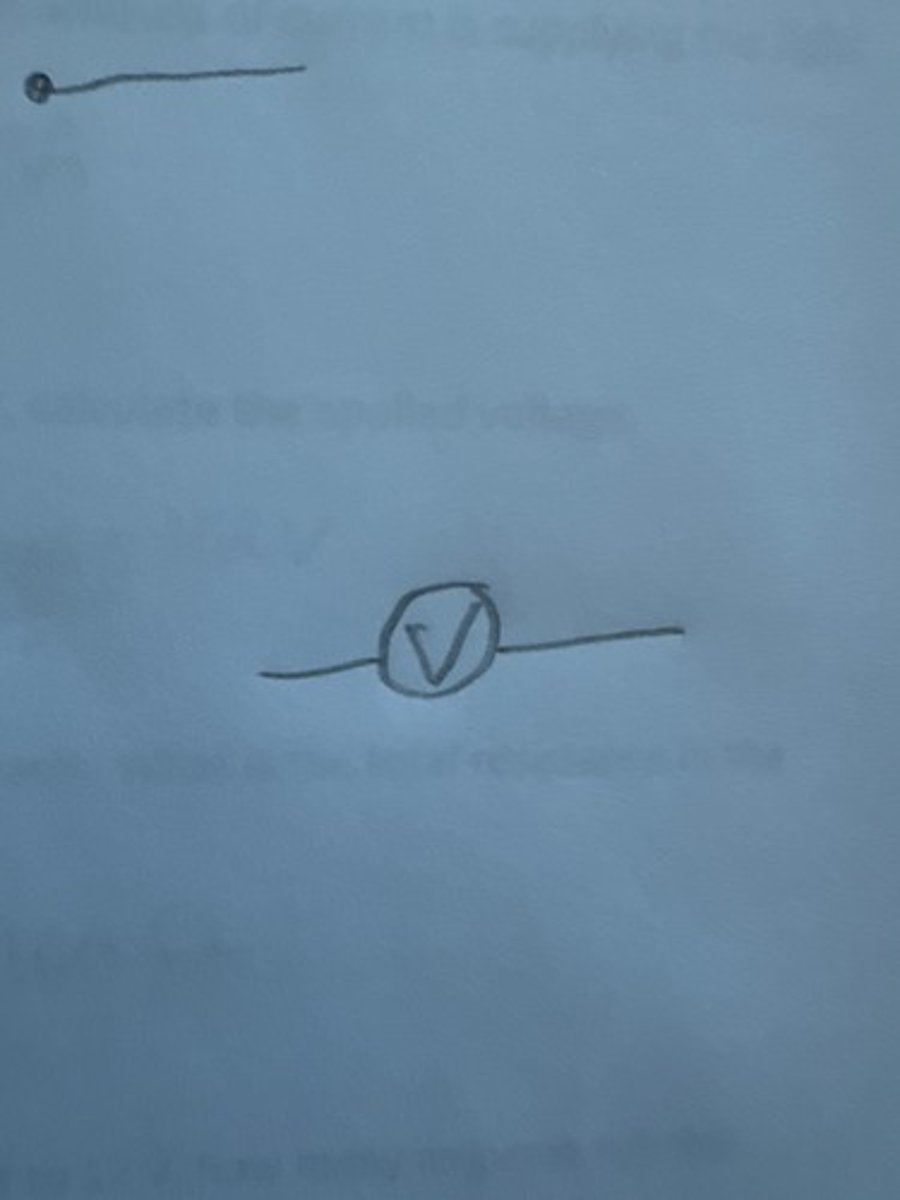
Voltmeter