Lecture 1
 View linked note
 Call Kai
 Learn
Learn Practice Test
 Spaced Repetition
 Match
Match Flashcards
 Knowt Play
1/20

There's no tags or description
Looks like no tags are added yet.
Name | Mastery | Learn | Test | Matching | Spaced | Call with Kai | Chat |
|---|
No analytics yet
Send a link to your students to track their progress
21 Terms
Interdisciplinary Nature
Integration of multiple disciplines to address complex issues in biomedical sciences
Culture
Beliefs, values, habits, practices that determine how groups interpreted the world
Why
Inspiration / broadening of horizons
Combinations lead to innovation
Address complex questions that are unanswerable from a monodiscipline
Improve research quality / enriches
(Research funding)
Biomedicine
Search for therapeutic/medical innovations in the lab
Branch of medical science applying biological and physiological principles to clinical practice.
Origins of Disease
Understanding the origin of diseases is crucial for treatment and prevention.
Biomedicine as practice
Diagnosis, Etiology, interventions
Increased focused on metrics (cholesterol, genes) rather then symptoms
Clinical trials / meta-analysis
Important in integrating hospitals/patients into biomedical science
Randomized clinical trial (RCT)
Risk and Enhancement
Hormone replacement therapy, started as therapy for menopause, became skin treatment of postmenopausal women
Laboratory Movement
The shift in medical education where practical laboratory experience became essential for students.
Biomedical Paradigm
A framework that emphasizes the biological basis of health and disease.
Reductionism
Fixing individual parts to address the whole system
Foundational to evidence-based medicine
Ontological → organism is ‘nothing more’ than the sum of its parts
Epistemological → the organism is best explained by reference to its parts
Methodological → the organism is best investigated by its parts
Evidence-Based Medicine
A practice that relies on scientific evidence, including meta-analysis, to guide clinical decisions.
Personalized Medicine
Approach that tailors medical treatment to individual characteristics, moving beyond traditional evidence-based methods
Preventative Treatments
Interventions aimed at preventing disease, which can include lifestyle changes alongside medical treatments.
Interdisciplinarity
The collaboration of different disciplines to create solutions to complex health issues
Epidemiology
The study of how diseases affect the health and illness of populations, integrating biology and mathematics.
Complex Adaptive System
A theory that emphasizes the dynamic interactions within society that influence health and disease.
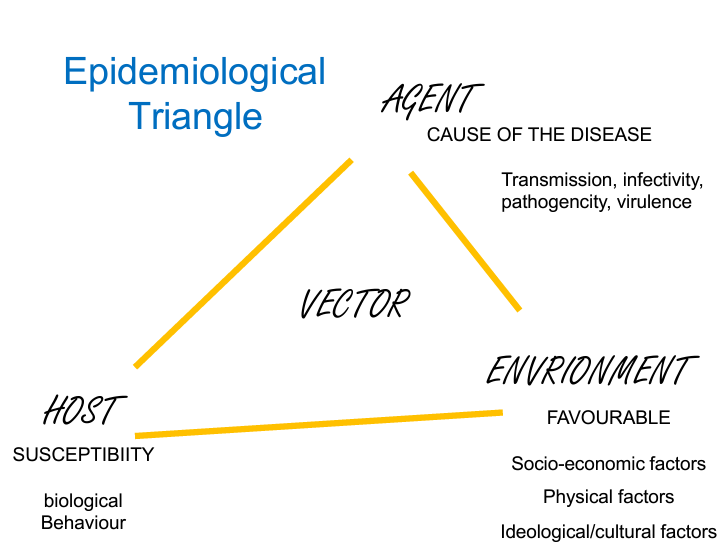
Epidemiological Triangle
Model illustrating the interaction of host, agent, and environment in the development of disease.
First 1000 Days
A critical period in maternal and child health where nutrition and stress can impact development.
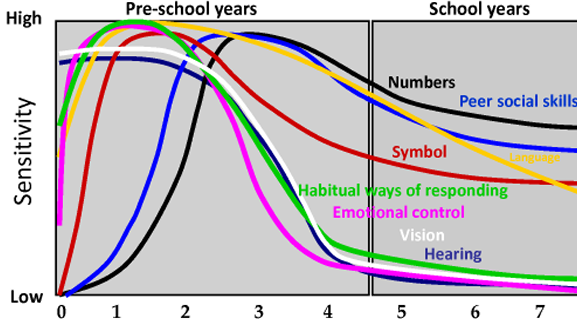
Sensitive Periods
Key developmental windows, especially in early brain development, that are crucial for health outcomes.
Objectivism - Positivism
Research perspective that views reality as observable and measurable, leading to factual conclusions
Presenting facts as truth
Knowledge can be formulated into laws
Single reality, external, waiting to be found
Constructivism - Interpretavism
Research perspective that views reality subjectively, shaped by individual perspectives and experiences
Truth/meaning are constructed by person/researcher (subjects)
Interpretations of the world (object)
Researchers view the world through their refernce frame
Meaning is unstable, different subjects look through different glasses → different realities
Quality of Life
Biomedical sciences aims to improve quality of life through medical innovation
Requiring active collaboration to ensure pieces of knoweldge are together, it fits the needs and it can be implemented
Language in Interdisciplinary Work
Understanding and clarifying terminology across different disciplines to facilitate collaboration
Time, effort and money
Find interesting questions to bridge the different worlds and come to a synthesis
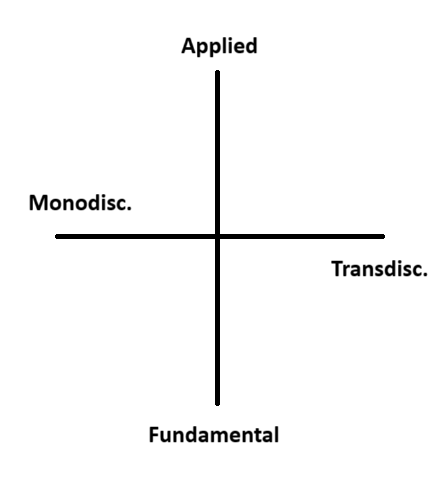
Dimensions in interdisciplinarity
Monodisciplinary ←→ Transdisciplinary
Fundamental ←→ Applied