ET III Ch.14 Hydrocarbons
 Call Kai
 Learn
Learn Practice Test
 Spaced Repetition
 Match
Match Flashcards
 Knowt Play
1/51

There's no tags or description
Looks like no tags are added yet.
Name | Mastery | Learn | Test | Matching | Spaced | Call with Kai | Chat |
|---|
No analytics yet
Send a link to your students to track their progress
52 Terms
What is a hydrocarbon?
Simplest organic compounds containing only two elements, hydrogen and carbon
How are most hydrocarbons obtained?
from natural gas and petroleum by fractional distillation according to their boiling points
What are the boiling points of certain hydrocarbons are obtained from natural gas and petroleum by fractional distillation?
<70⁰C: Petroleum ether
85-200⁰C: Gasoline
200-300⁰C: Kerosene
300⁰C: Lubricating oils
The physical state of hydrocarbons depends on the _______ of the carbon chain
length
C to C4 are _______
Gases
C5 to C17 are
Liquids
C18 and higher are _______
Solids
What are alkanes?
Carbons joined together with single bonds are alkanes
How are alkanes named?
named according to the number of carbon atoms in the chain and contain the suffix –ane
List the prefixes of alkanes according to the number of carbon atoms in the chain
Meth (one carbon)
Eth (two carbon)
Prop
But
Pent
Hex
Heat
Oct
Non
Dec
What is the type formula used to predict the number of hydrogens in any alkane, provided the number of carbons?
CnH2n+2
(N being the number of carbon atoms)
What are alkanes also called?
Saturated Hydrocarbons
What are Akyl groups?
When hydrogen atoms are removed from alkanes, the new structure is no longer a complete compound, but a group of atoms capable of attaching to another atom where a hydrogen used to be
What are Akyl groups?
When hydrogen atoms are removed from alkanes, the new structure is no longer a complete compound, but a group of atoms capable of attaching to another atom where a hydrogen used to be
what is the type formula for Akyl groups to predict the number of hydrogens they have?
CnH2n+1
(N is the amount of carbons)
How are Akyl groups named?
By replacing the –ane suffix with -yl
List some Alkanes and what they are as Akyl groups
Methane CH4 becomes methyl CH3
Ethane C2H6 becomes ethyl C2H5
Propane C3H8 becomes propyl C3H7
Butane C4H10 becomes butyl C4H9
Pentane C5H12 becomes pentyl C5H11
What are Alkyl halides?
Alkyl groups that attach to group 7a (halogens) on the periodic table
What is the type formula for Akyl halides to predict the amount of hydrogens?
CnH2n+1X
(N is the amount of carbons, X is the halide)
When does the simplest Akyl halide occur?
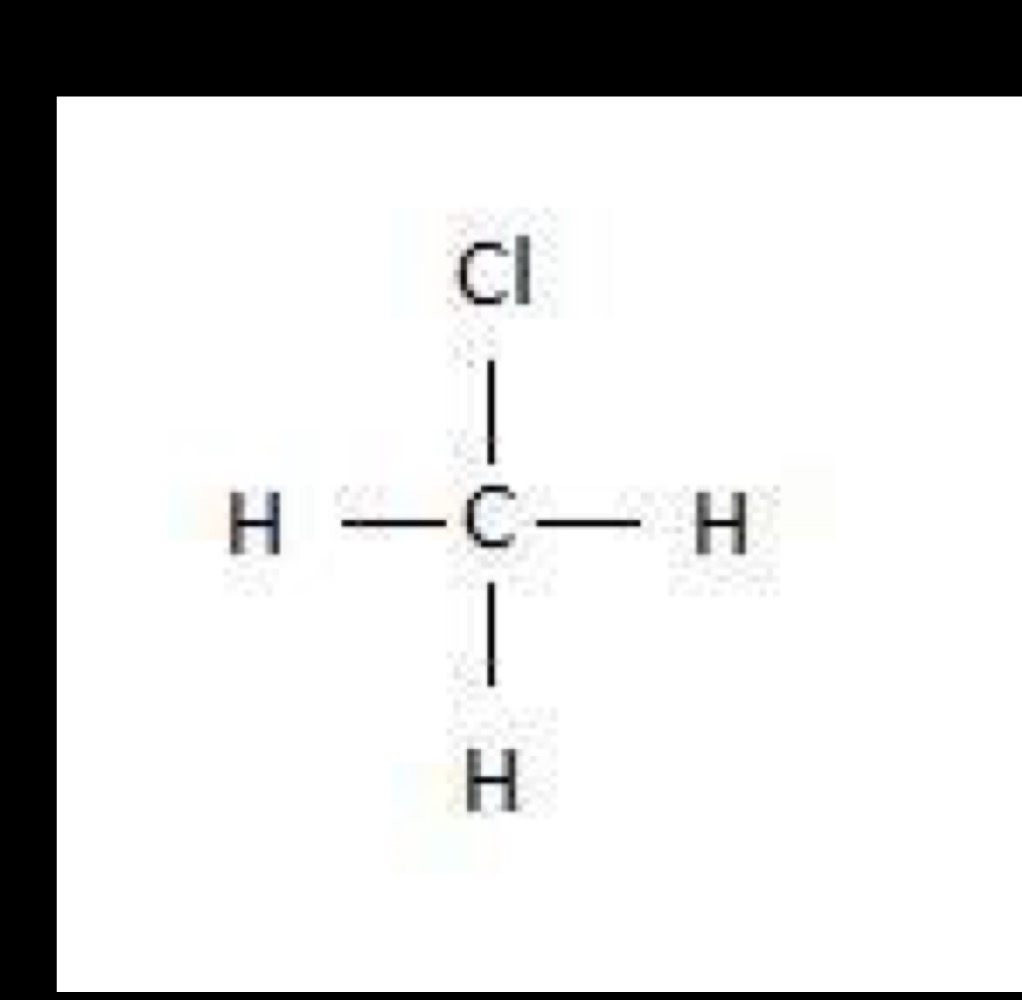
when a hydrogen atom in methane is replaced by chlorine, this is called methyl chloride (chloromethane)
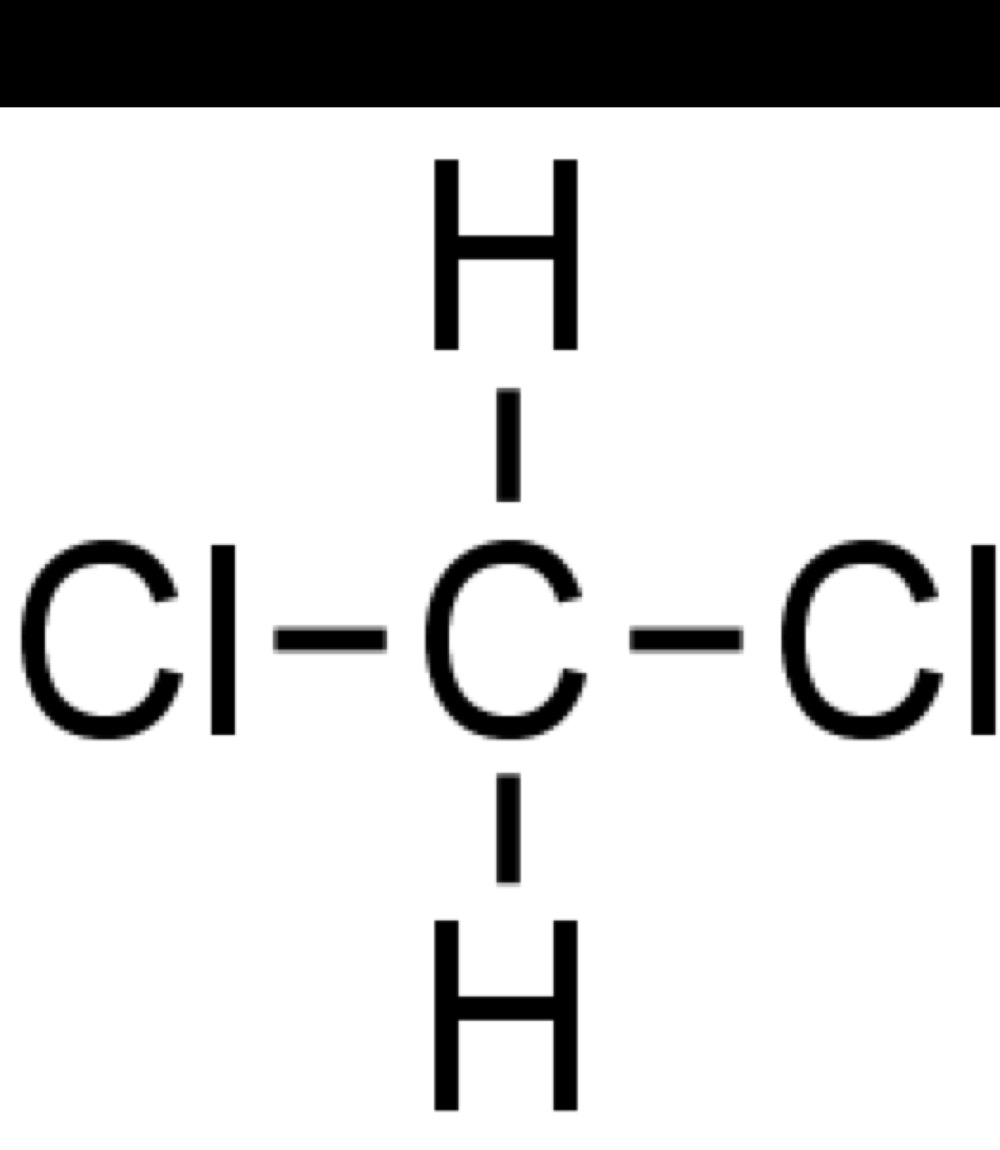
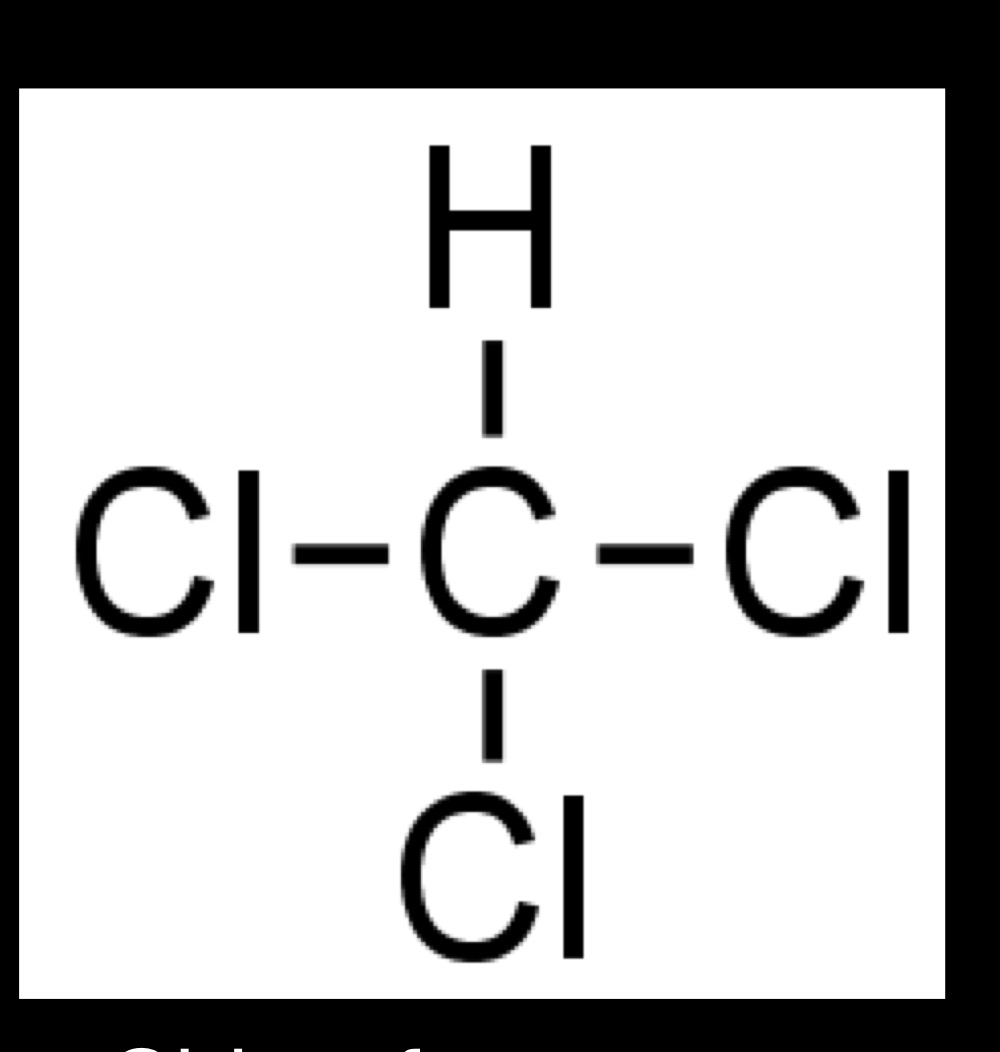
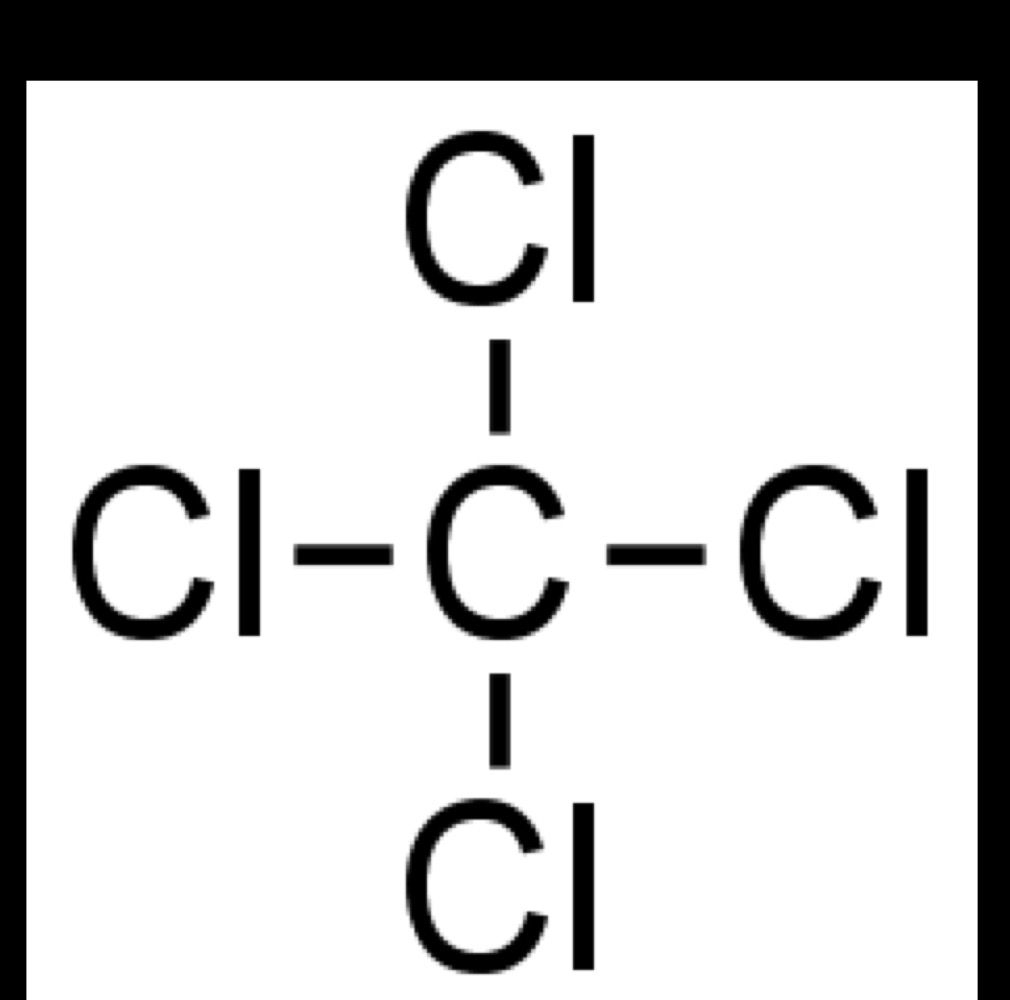
Replacement of additional hydrogen atoms by chlorine atoms yields:
Methylene chloride (dichloromethane)
Chloroform (trichloromethane)
Carbon tetrachloride (tetrachloromethane)
Match a photo of the structure for methyl chloride (chloromethane)
Match a photo of the structure of methylene chloride (dichloromethane)
Match a photo of the structure of chloroform (trichloromethane)
Match a photo of the structure of carbon tetrachloride (tetrachloromethane)
What is an isomer?
Two or more substances having the same molecular formula but different structural formulas
Isomers are a properly of what?
Alkanes that begin with butane
What does IUPAC stand for?
International Union of Pure and Applied Chemists
What is the International Union of Pure and Applied Chemists (IUPAC)?
A system that:
Is used worldwide
Allows chemists everywhere to communicate effectively
Has three rules
What are the three rules of IUPAC?
1. Find longest carbon chain
2. Number the carbons
3. Locate and name any alkyl groups attached to the longest chain
What are Alkenes?
The simplest unsaturated hydrocarbons that contain one double bond in the chain
Multiple bonds present in a carbon chain are referred to as
unsaturated hydrocarbons
Alkenes contain
less hydrogen atoms than it could if only single bonds were present
What is the simplest alkene?
Ethene
Match a photo of the structure of Ethene
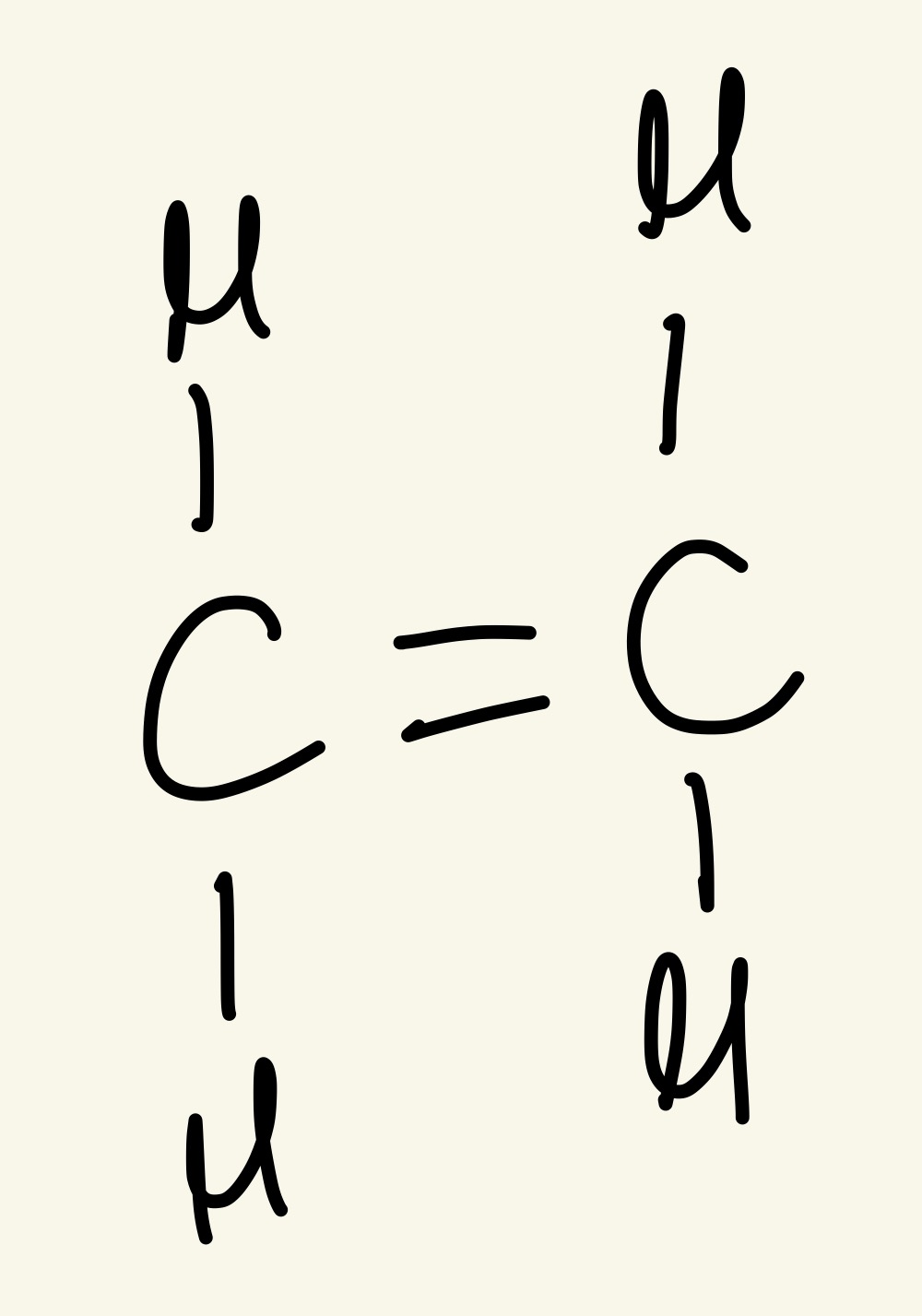
What is the type formula for Alkenes to predict the amount of hydrogens atoms?
CnH2n
What are Alkynes?
Another unsaturated hydrocarbon contains a triple bond between adjacent carbon atoms
What is the first member of the series of Alkynes?
Ethyne or Acetylene
Match a photo of the structure of ethyne or acetylene
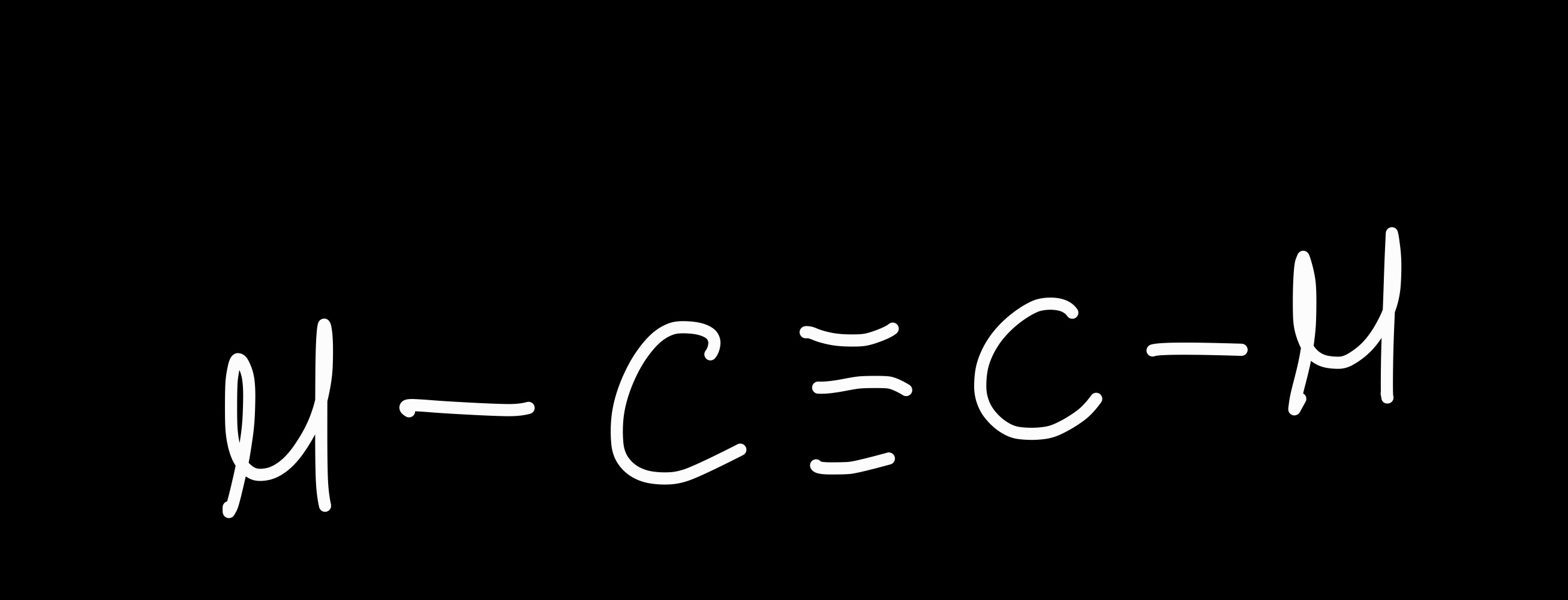
What is the type formula for Alkynes to predict the number of hydrogens?
CnH2n-2
What are aromatic hydrocarbons?
Compounds classified as aromatic that contain a benzene ring, or a system of benzene rings
What are aromatic hydrocarbons also known as?
Arenes
How did aromatic hydrocarbons get their name?
The first ones found had pleasant odors (vanilla and oil of wintergreen)
What is the molecular formula of benzene?
C6H6
What is the structure for benzene?
Typically drawn with alternating double bonds between carbons, however the newest most correct form is with a circle in the middle to show the characteristic of resonance within benzene. The electrons are entirely “delocalized” evenly across all size carbon atoms.
What are the physical properties of benzene?
At room temperature and 1 atm, benzene is a colorless liquid that is insoluble in water
Extremely flammable
Its use has been linked to certain blood disorders (some types of leukemia)
Good organic solvent
Starting material for the synthesis of many widely used compounds
Plastics, synthetic rubber, pharmaceuticals, pesticides…
What is a derivative of benzene?
When one hydrogen of benzene is replaced (Also called monosubstiuted benzenes)
List some derivative of benzene
Toluene (methylbenzene, methyl group replaces a hydrogen)
Phenol (hydroxybenzene, hydroxide replaces a hydrogen)
Aniline (aminobenzene, NH2 replaces a hydrogen)
Describe toluene
Named because it can be obtained from the bark of the South American tolu tree
Extremely good solvent for other organic compounds such as paints and varnishes
Frequently remembered as the starting material for the explosive trinitrotoluene (TNT)
Describe phenol
Derivative of benzene containing one or more – OH groups
Colorless, crystalline solids that are soluble in water and weakly acidic (pH 6), hence phenol’s other name carbolic acid
Has been used as a general disinfectant since the 1860’s when it was discovered to be the active agent in German creosote (a deodorant in sewage treatment)
What is phenols other name?
Carbolic acid
Who was Joseph lister and what did he do?
English surgeon who hypothesized that phenol may have some value in stopping postoperative putrefactive infections
Soaked gauze dressings in various concentrations of phenol and applied them to compound-fracture wounds of his surgical cases
Infections dropped from over 50% to less than 2%