Evolutionary Ecology and Macroevolution
 Studied by 1 person
 Call Kai
 Learn
Learn Practice Test
 Spaced Repetition
 Match
Match Flashcards
 Knowt Play
1/24

Earn XP
Description and Tags
exam 3
Name | Mastery | Learn | Test | Matching | Spaced |
|---|
No study sessions yet.
25 Terms
speciation
can only happen with a barrier to gene flow
populations become evolutionary independent, eventually diverging and reproductively incomplete
evolutionary ecology
a field within both ecology and evolution that examines how interactions between and within species evolve, and the interactions between species and
their environmentIt explicitly considers the evolutionary effects of competitors, mutualists, predators, prey, and pathogens
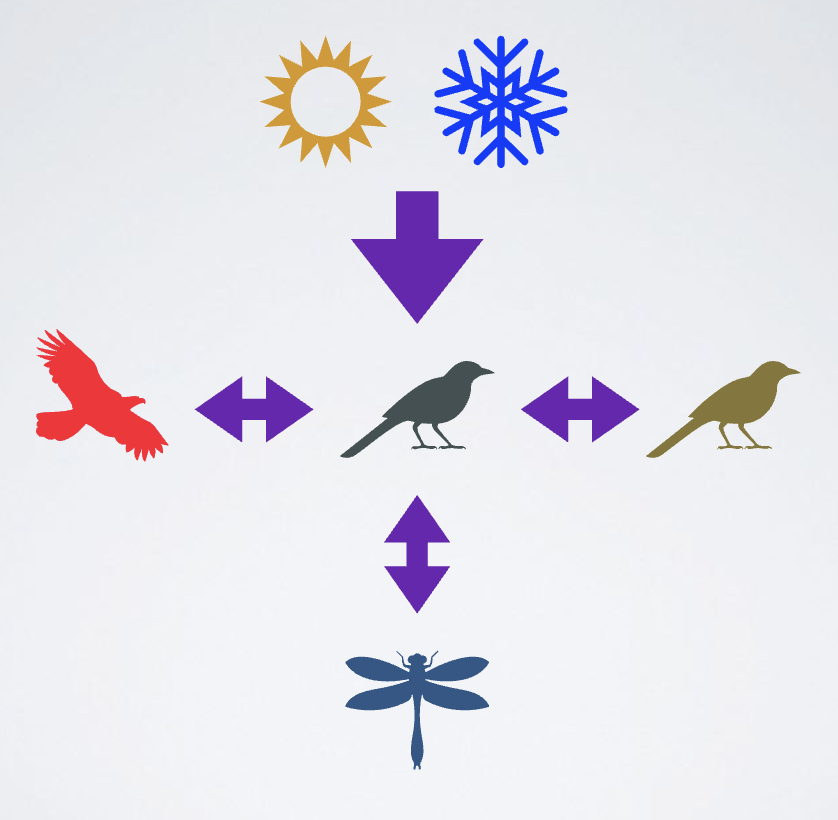
Can we see “trends” in evolution
If resources are limited, then competition is inevitable
Species Interactions are everywhere in nature and human health
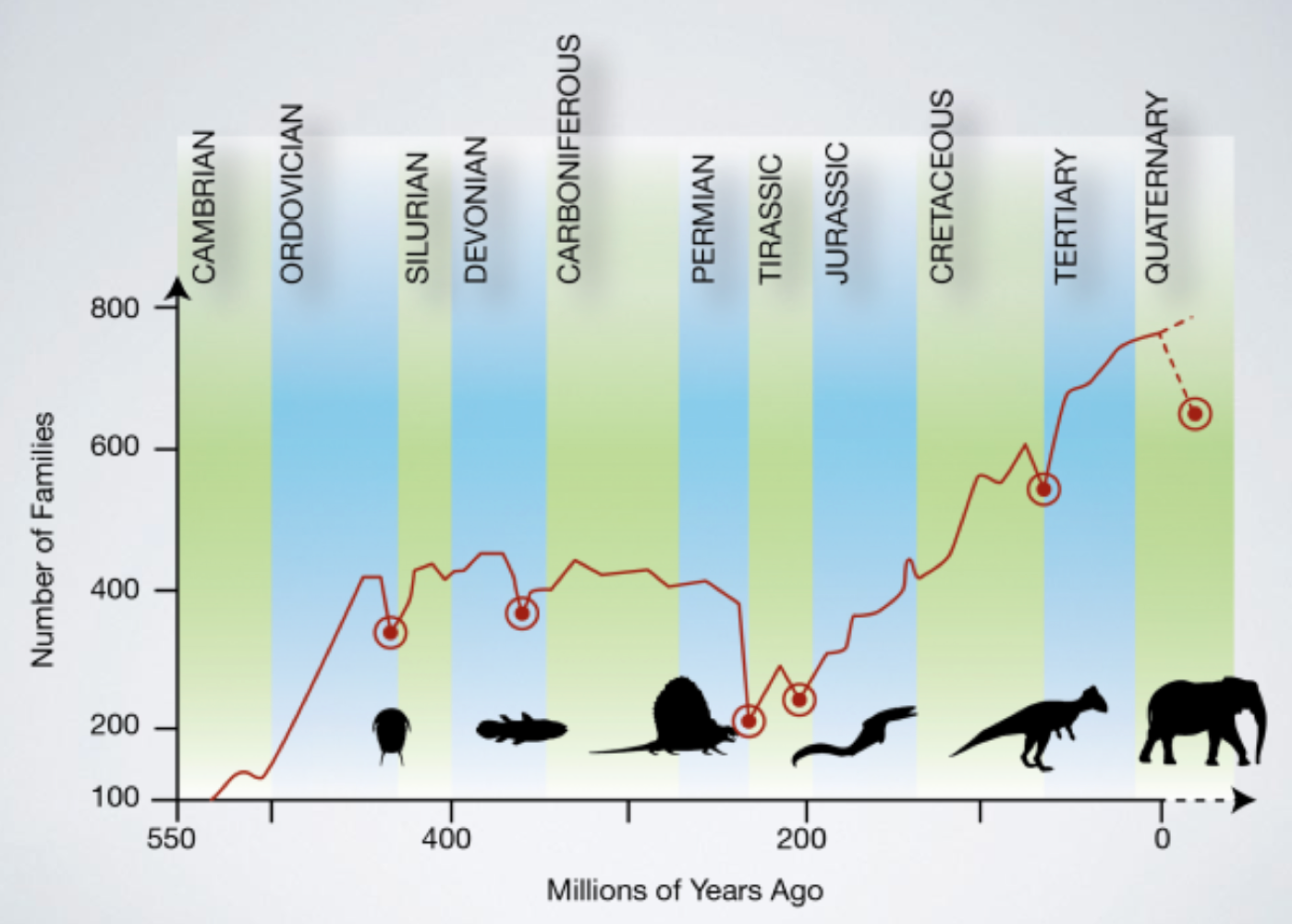
All species face
predators
competition
limited resources
Thomas Malthus
One of the first to think about the human demography (study of population structure)
Used mathematics to describe population dynamics
Realized the remarkable numerical power of unchecked population growth
Viewed this intrinsic property of populations a source of great human suffering
No evolutionary trend
body size is as likely to increase as to decrease
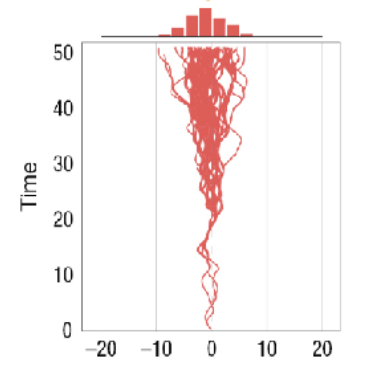
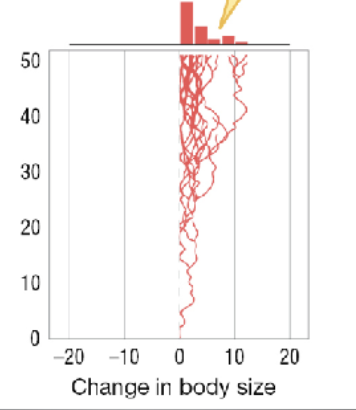
Passive trend
no directional tendency to change, but the precursor starts at a minimum size beyond which evolution cannot take subsequent lineages
Active trend
each lineage tend to increase in a body size
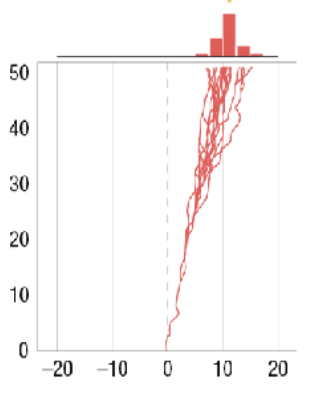
What are the mechanisms behind an active evolutionary trend?
scenario 1:
A trait gives lineages/species a HIGHER chance of speciation
All species have the same change of extinction
scenario 2:
A trait gives lineages/species a LOWER chance of extinction
All species have the same change of speciation
ex: limb complexity trend in crustaceans
Fitness filters
environment
ex: excess O2
resources
lush vegetation
competition
reduce fitness
Species with less competition will have higher fitness
predation
Limiting similarity
disease
Species interations
pathogen virulence, behavioral manipulation by parasites, genetic variation in immune system genes, insect vectors of plant pathogens, farming, fishing...

Evolution of ecological niches
A single plant species can be a resource that is partitioned by multiple species, some closely related
will aim to minimize species trait
overlap (similarity) and thus, to maximize phenotypical differences
between coexisting speciesexpected to create specialization (narrower)
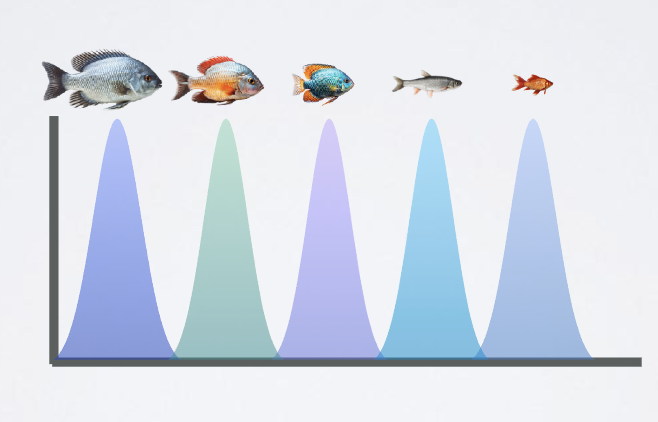
Limiting similarity
is expected to be stronger at
the tips of a phylogenies (Or in cases of convergent evolution)at larger phylogenetic scales, these effects level off
Species have diverge and
do not overlap ecologically
or have moved to a new locationThus, competition takes a secondary role
Predation and environmental adaptation become key players

Niche partitioning (adaptive zones)
A way to reduce competition and other negative species interactions
will maximize differences between species

The specialization paradox
the conflict between organisms evolving to fit specific niches (specialists) and the need to adapt to changing environments
questioning how extreme specialization doesn't always lead to extinction
not all groups of organisms are equally diverse (species rich)
Why are not all species specialized?
can range from diffuse to
specialized one-to-one relationships
ex: Diffuse pollinator network in urban ecosystems in England
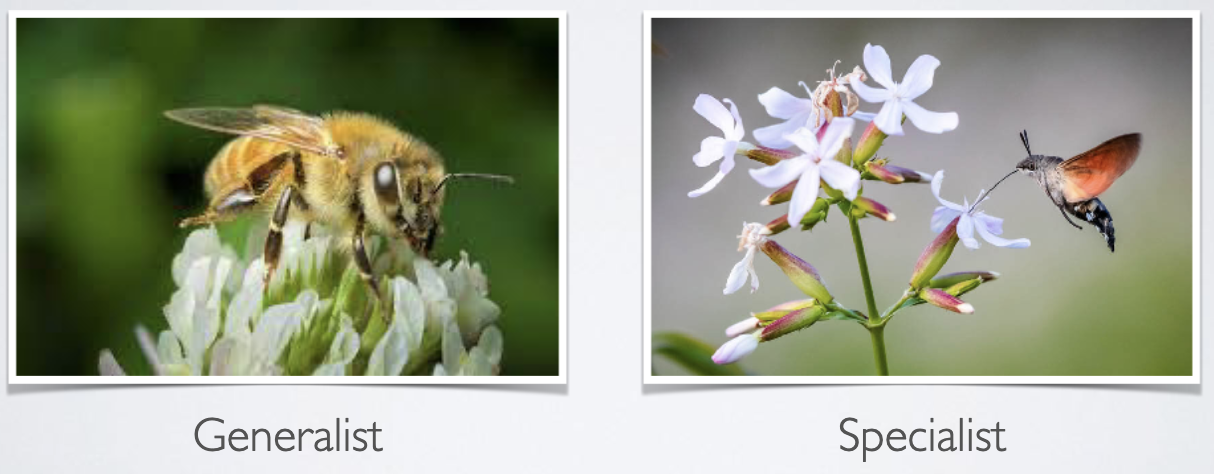
Why are so many herbivores generalist if they have so much competition?
because plants and predators are also evolving
ex: protium (tree) and Leafhoppers
Green World Hypothesis
aka why is the world green
Predators and plants are such a strong selective force on herbivores that keep herbivores populations at bay
in turn, reduces the role of competition in herbivore evolution...
ex: Forest tent caterpillar
Why animals and insects do not eat ALL plants?
due to a long-standing evolutionary battle where plants developed a wide array of physical and chemical defenses to protect themselves from being eaten
ex: insects and other herbivores adapt to these defense
what can a plant do if it gets attacked?
physical defenses (like thorns and waxy coatings), chemical defenses (producing toxins or deterrents), and cellular responses that activate its immune system, reprogram cells to fight invaders, or even signal to nearby plants through root networks
Evolutionary arms race
Coevolving species have to constantly “improve” to meet each new adaptation with a “better” adaptation of their own
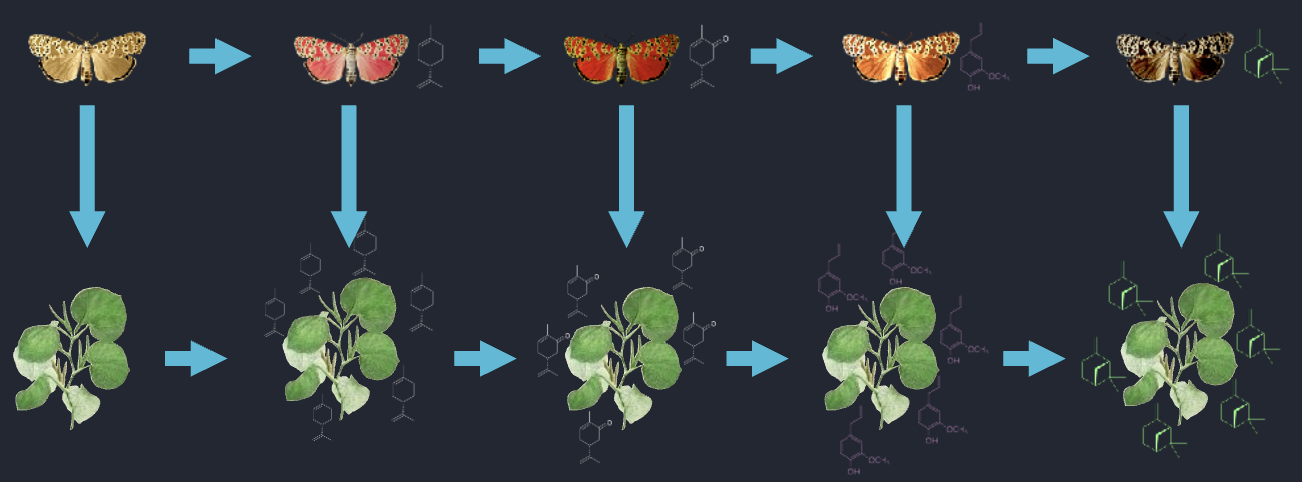
Escalation
Co-adaptations become increasingly powerful
Red Queen Hypothesis
species must constantly evolve ("run") simply to maintain their fitness in a changing environment, as other species are also evolving
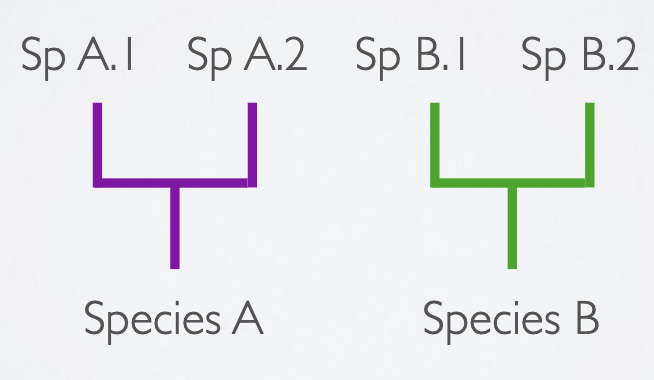
co-speciation
The relationship is so close that when two populations of the first species break gene flow...
the populations of the interacting species also break gene flow
is not a _____ when the two phylogenies do not match, indicating that the two species' evolutionary paths have not been tightly linked over time
ex: plants and butterflies
ant, fungal cultures, and pathogens
Mutualistic Relationship
partnerships where different species cooperate, and both benefit through a process of co-evolution
ex: figs and wasps