The American Pageant Ch. 33 (16th edition)
 Studied by 0 people
 Call with Kai
 Learn
Learn Practice Test
 Spaced Repetition
 Match
Match Flashcards
 Knowt Play
1/31

There's no tags or description
Looks like no tags are added yet.
Name | Mastery | Learn | Test | Matching | Spaced | Call with Kai |
|---|
No study sessions yet.
32 Terms
Neutrality Acts of 1935-37
This was a series of legislation that prevented U.S. involvement in foreign affairs and led to a period of national isolationism, a result of the depression following World War I, as World War II took shape.
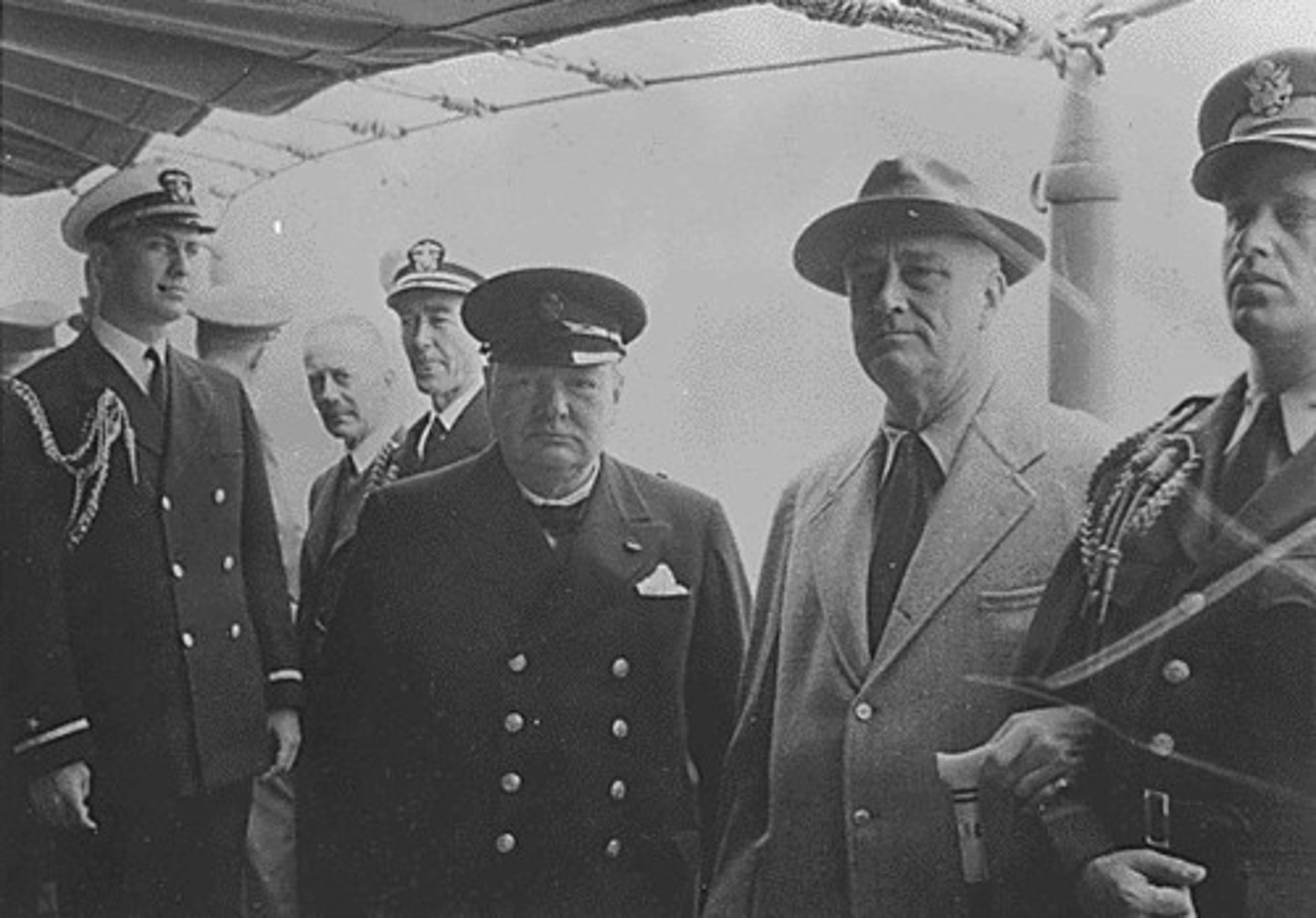
Atlantic Conference
held in August 1941; Winston Churchill secretly met with Roosevelt on a warship off the coast of Newfoundland; first of a series of history-making conferences between the two statesmen for the discussion of common problems, including the menace Japan
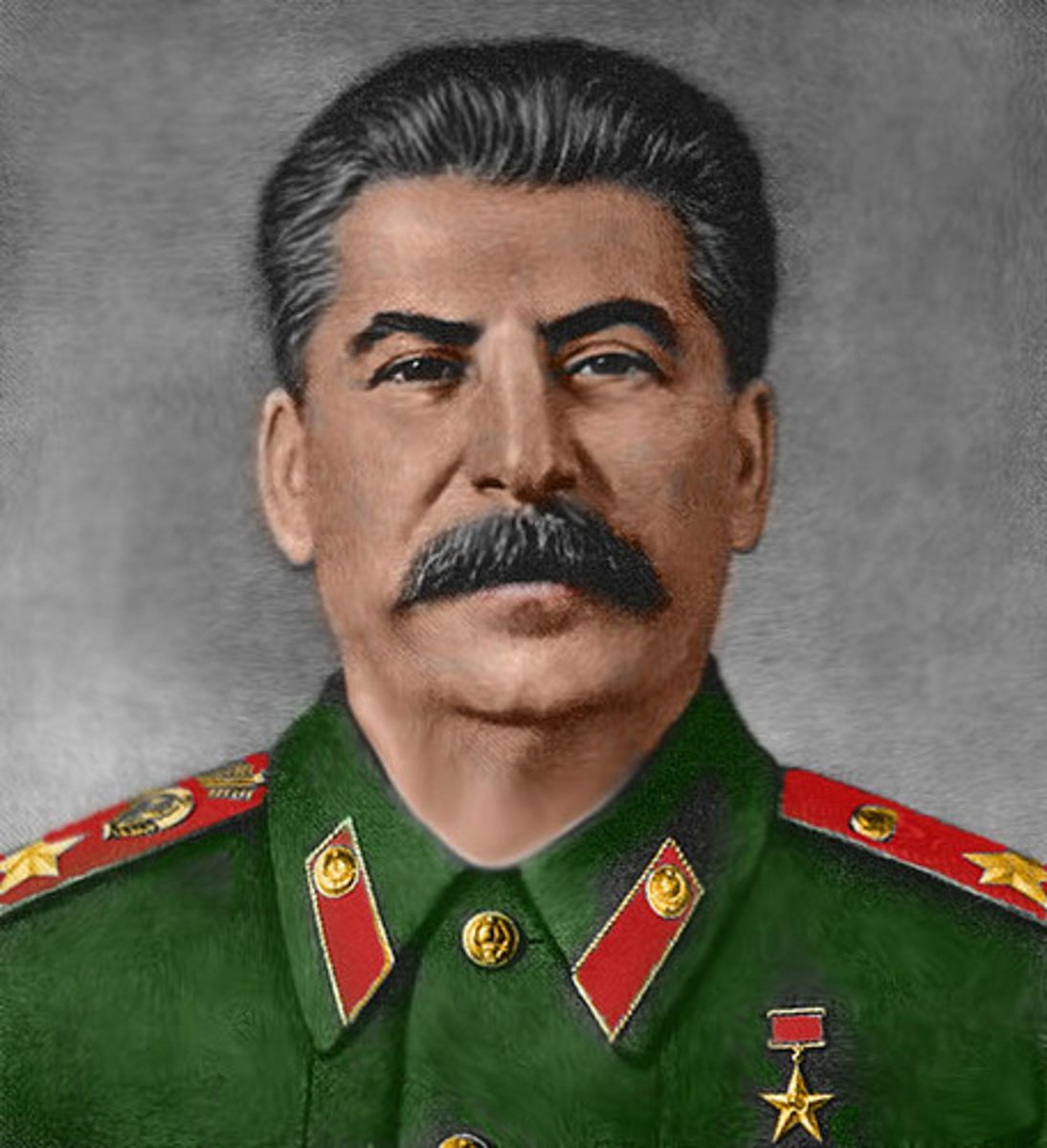
Joeseph Stalin
dictator of Soviet Union. He enforced police state, propaganda, education, and religion. He called for command economy (Gov. made all economic decisions) He outlined 5-year plans for development of Soviet Union's economy
FDR's Quarantine Speech
-Called for positive endeavors to quarantine the aggressors- presumably economic embargoes
-Protests from isolationists and other foes of involvement- feared a moral quarantine would lead to a shooting quarantine
The London Economic Conference
was a meeting of representatives of 66 nations from June 12 to July 27, 1933, Its purpose was to win agreement on measures to fight global depression, revive international trade, and stabilize currency exchange rates. The Conference was "torpedoed" by U.S. President Roosevelt in early July, when Roosevelt denounced currency stabilization.
Anschluss Österreichs
the was the occupation, and annexation of Austria into Nazi Germany in 1938. Austria ceased to exist as a fully-independent nation until late 1945. A Provisional Austrian Government was set up on 27 April 1945, and was legally recognized by the Allies in the following months. It was not until 1955 that Austria regained full sovereignty
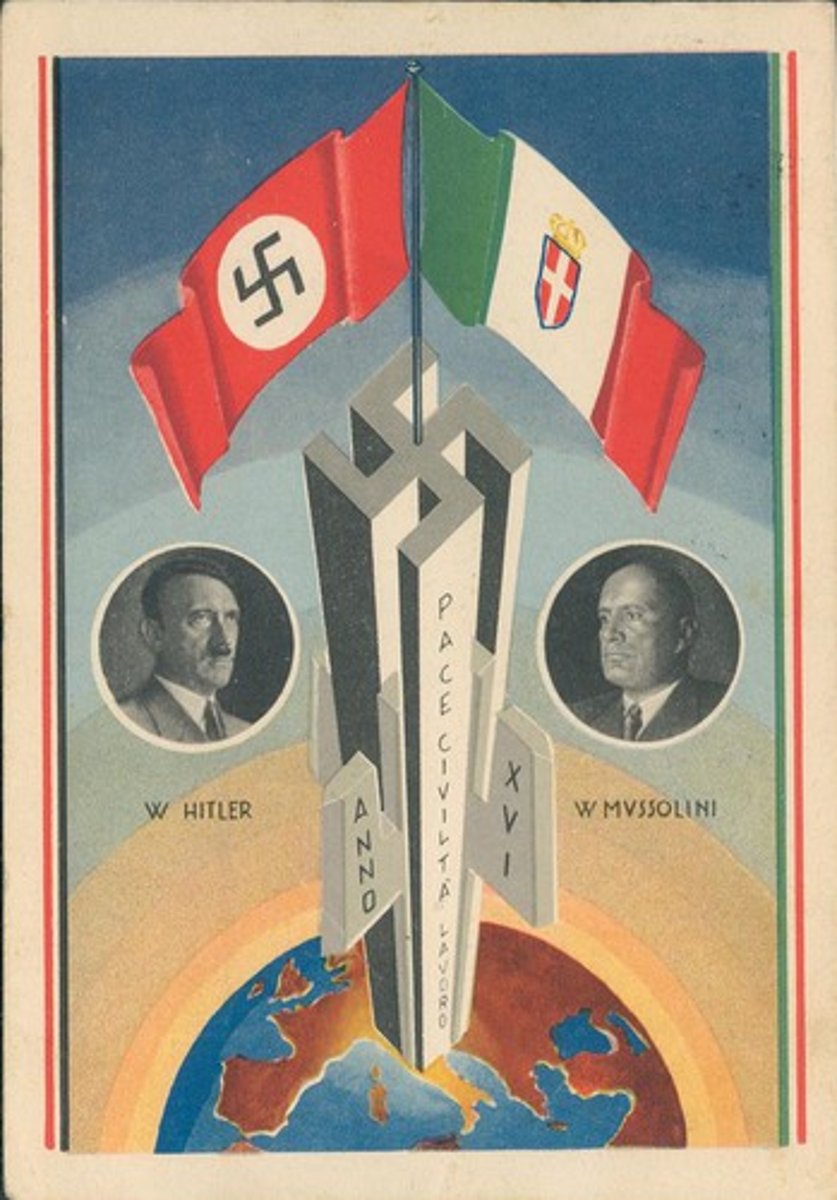
Rome-Berlin Axis
-Formed in November 1, 1936
-Nazi Hitler from Germany and Fascist Mussolini from Italy became allies with each other threw the Rome-Berlin Axis were they shared the interest of distabalizing European order
-Musslini then attaacked Ethiopia in 1935 with bombers and tanks and alarmed the Isolationist Americans who feared they might be drawned into agression of the dictators
America First Committee
became the most powerful isolation group during this time, members gave speeches; claimed "England will fight to the last American" and said "the Yanks are not coming"; most famous speaker : Colonel Charles A. Lindbergh

Rhineland
Hitler sent troops into this demilitarized region in 1936, where he proceeded to persecute Jews, while France and Britain stood by and did nothing. Since he met little resistence, this gave him the confidence to go on and conquer other countries.
Spanish Civil War
, was a military revolt against the Republican government of Spain, supported by conservative elements within the country.
The war was an outcome of a polarization of Spanish life and politics that had developed over previous decades.
The conflict represented a new threat to the international equilibrium that they were struggling to preserve, which in 1939 collapsed into World War II.
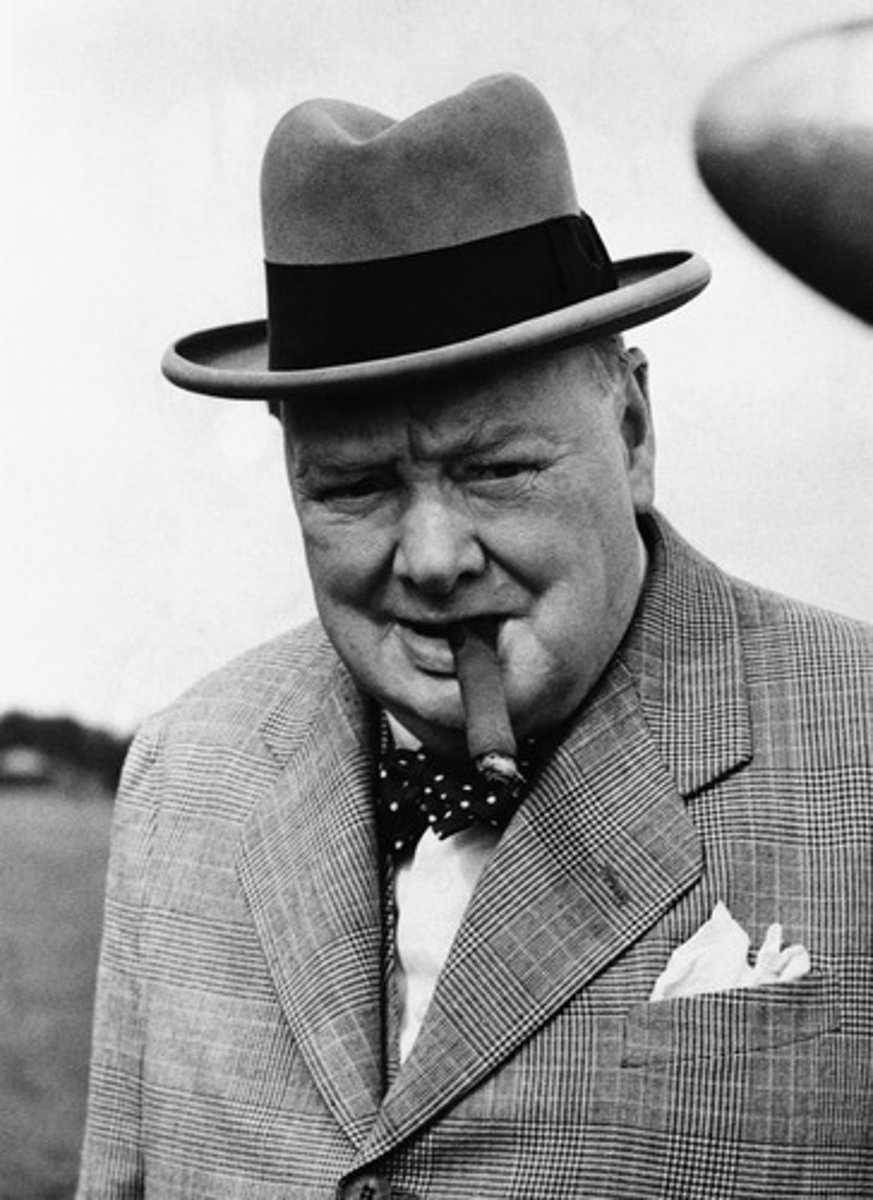
Prime Minister Winston Churchill
a British politician and statesman known for his leadership of the United Kingdom during World War II.
Winston Churchill was back in the government when Chamberlain appointed him First Lord of the Admiralty. The seeming failure of the government, including the military failure in Norway in 1940, meant that criticism of Chamberlain became more and more robust.
On May 10th, 1940, Winston Churchill became Prime Minister and during the war, he was the most dominant figure in British politics - a role that received huge praise once the war was over.
Reciprocal Trade Agreements Act
Designed to lower the tariff, it aimed at both relief and recovery. Secretary of State Hull successfully negotiated pacts with 21 countries by 1939.
These pacts were essentially trade agreements that stated if the United States lowered its tariff, then the other country would do the same.
During these years of trade agreements, U.S. foreign trade increased. The act led the way for the American-led free-trade international economic system that took shape after WWII.
Neutrality Act of 1939
enabled merchant ships to be legally armed and enter the combat zones with munitions for Britain.
Roosevelt prevailed over the isolationists and on November 4 was passed, allowing for arms trade with belligerent nations on a cash and carry basis, thus in effect ending the arms embargo.
Secretary of State Cordell Hull
• Pursued the "Good Neighbor Policy"
• Responsible for U.S. foreign relations before and during the attack on Pearl Harbor
Johnson Debt Default Act of 1943
• Prevented debt-dodging nations from borrowing further in the U.S.
• Prohibited financial transactions with foreign Governments
• Further reduced liquidity available in international financial markets and contributed to the global depression
Poland
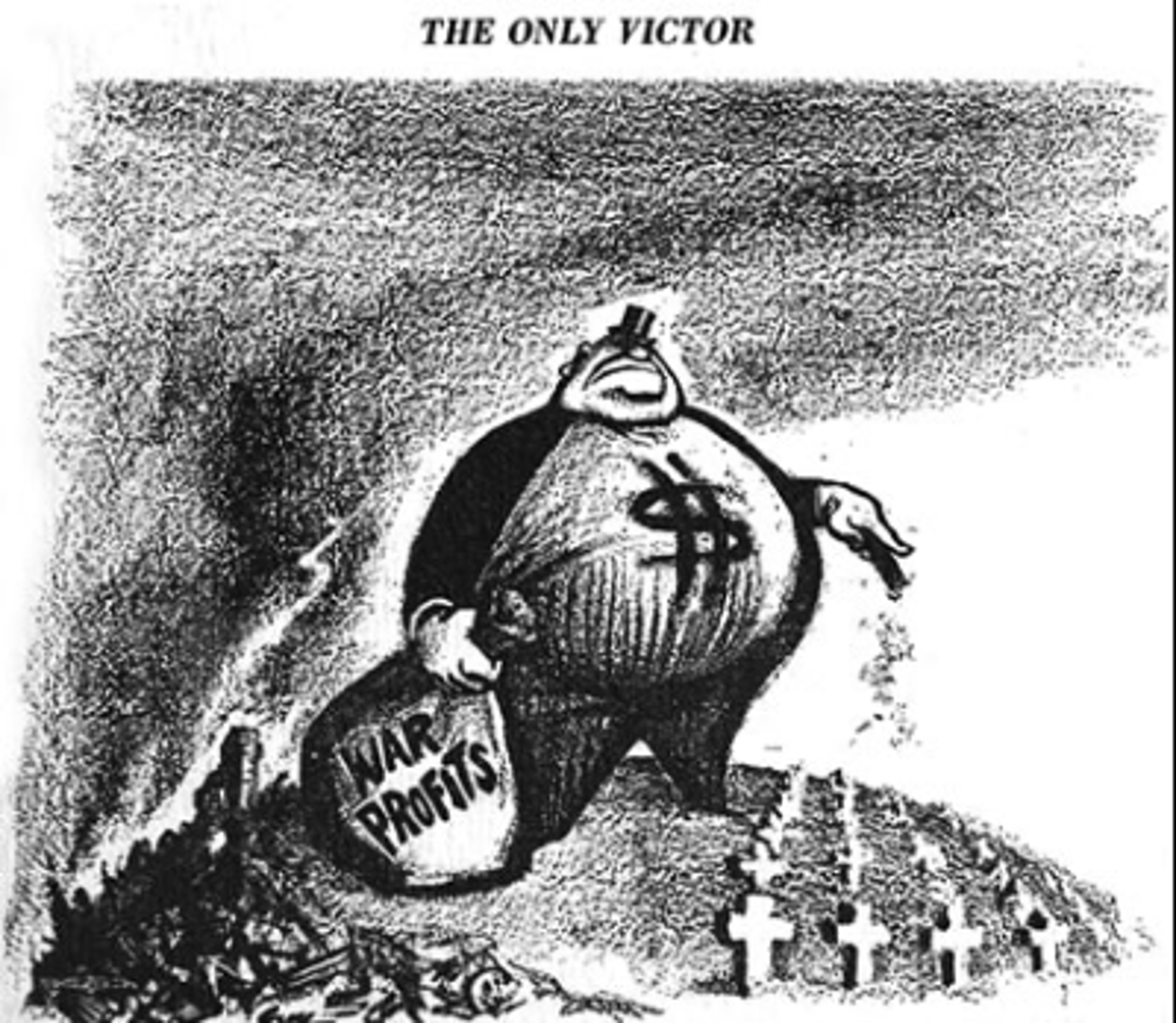
Nye Committee
In 1934 Senator Gerald P. Nye of North Dakota held hearings to investigate the country's involvement on WW1; this committee documented the huge profits that arms factories had made during the war
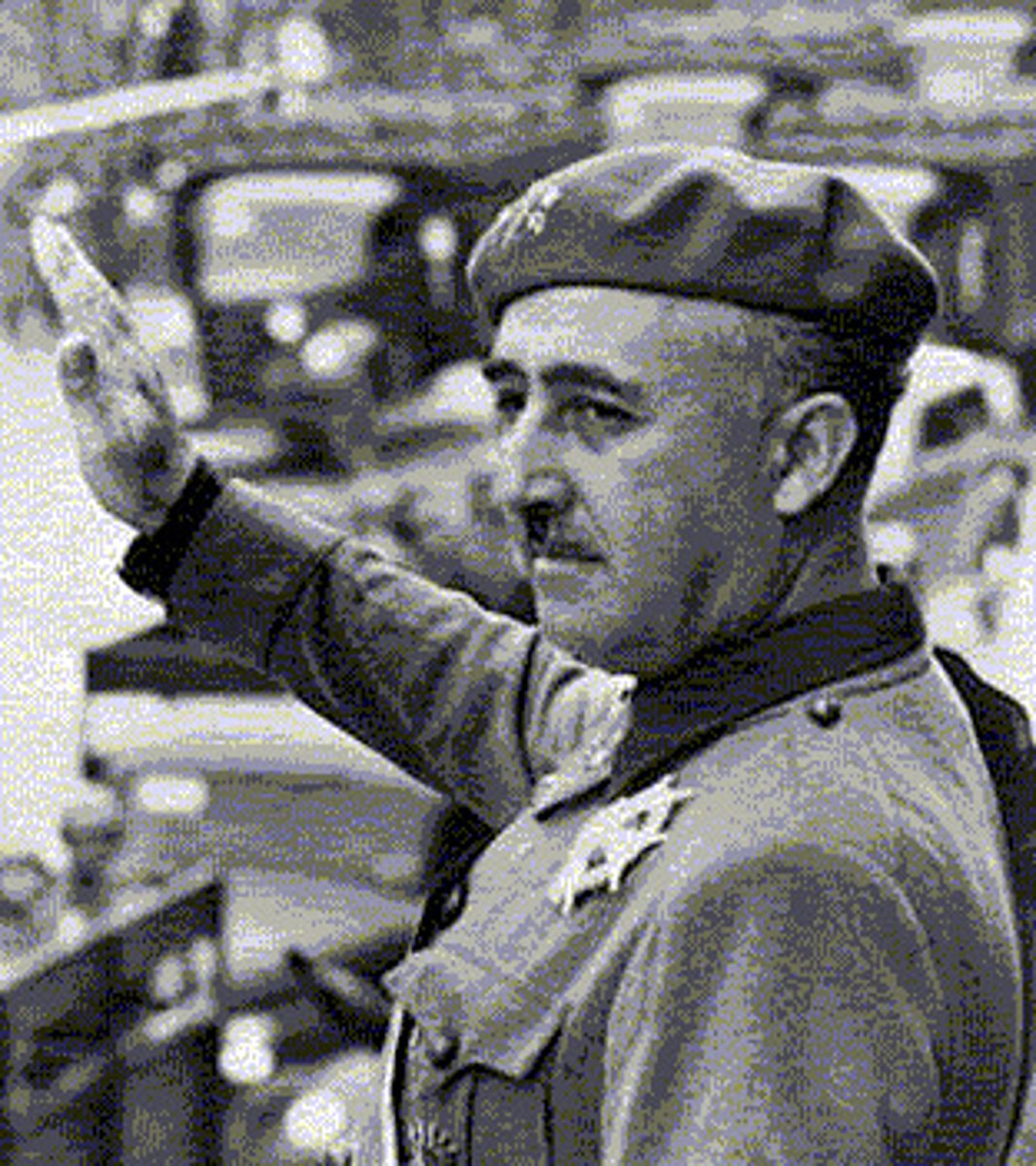
Francisco Franco
Spanish general whose armies took control of Spain in 1939 and who ruled as a dictator until his death (1892-1975)
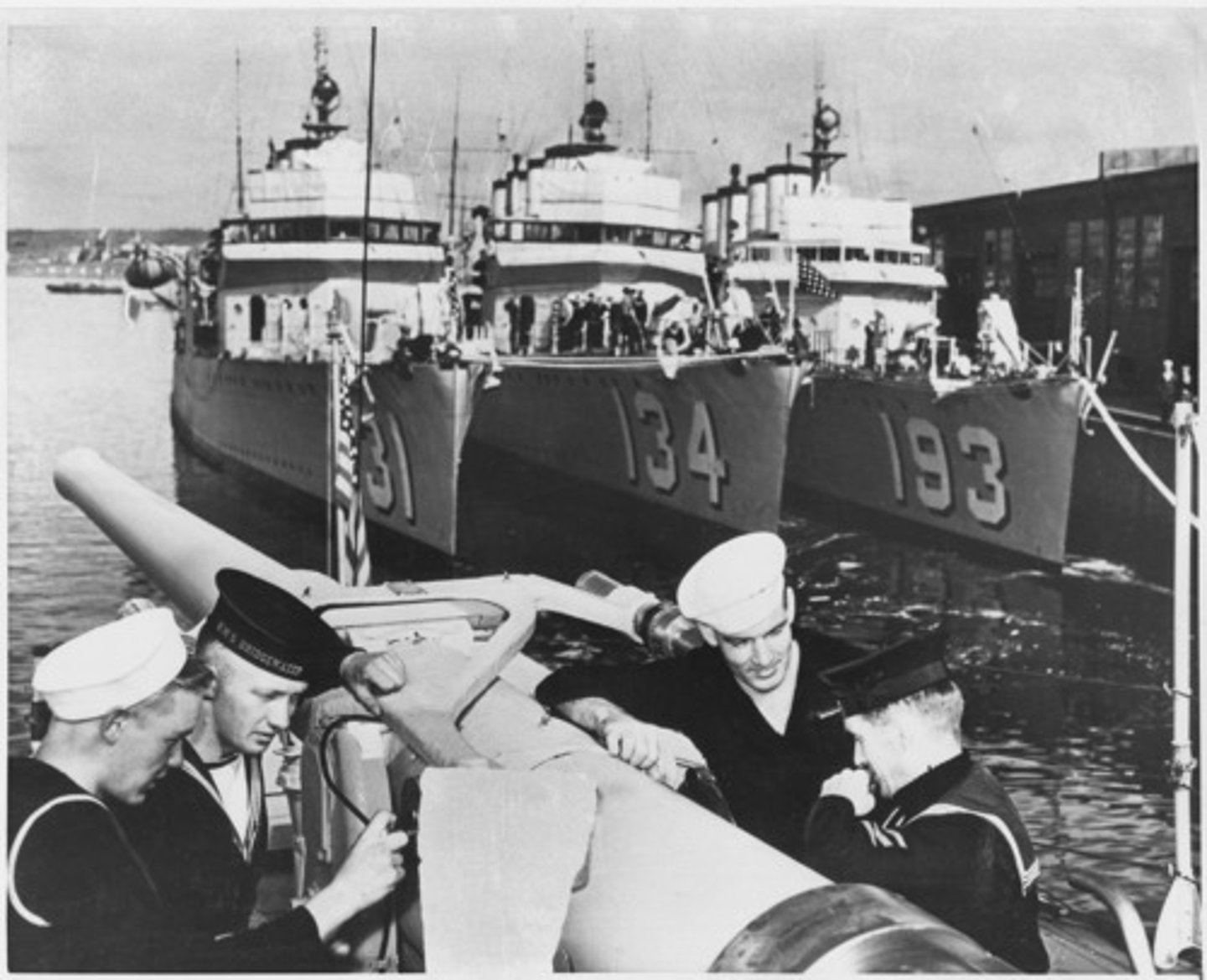
Destroyers for bases deal
Roosevelt's compromise for helping Britain as he could not sell Britain US destroyers without defying the Neutrality Act; Britain received 50 old but still serviceable US destroyers in exchange for giving the US the right to build military bases on British Islands in the Caribbean.
The Montevideo Conference of 1936-
Uruguay, December 26, 1933, during the Seventh International Conference of American States. At the conference, United States President Franklin D. Roosevelt and Secretary of State Cordell Hull declared the Good Neighbor Policy, which opposed U.S. armed intervention in inter-American affairs. The convention was signed by 19 states. The acceptance of three of the signatories was subject to minor reservations. Those states were Brazil, Peru and the United States.
Nazi-Soviet Nonaggression Pact of 1939
This pact made both Germany and Russia neutral between one another and they both shared the lands of occupied Poland. This concealed the true incentive of Hitler, who used the pact to enshroud his conquest of Russia and give the country's occupants a false sense of security. Alligning with Slavs, mere "subhumans" was out of the question in real terms. Afterwards, he broke the pact and attacked Russia in Operation Barbarossa which literally meant defeat for Germany and its "Aryan" people.

Panay Incident
Dec. 12, 1937, The was when Japan bombed a American gunboat that was trying to help Americans overseas. This greatly strained U.S-Japanese relations and pushed the U.S further away from isolationism even though Japan apologized.
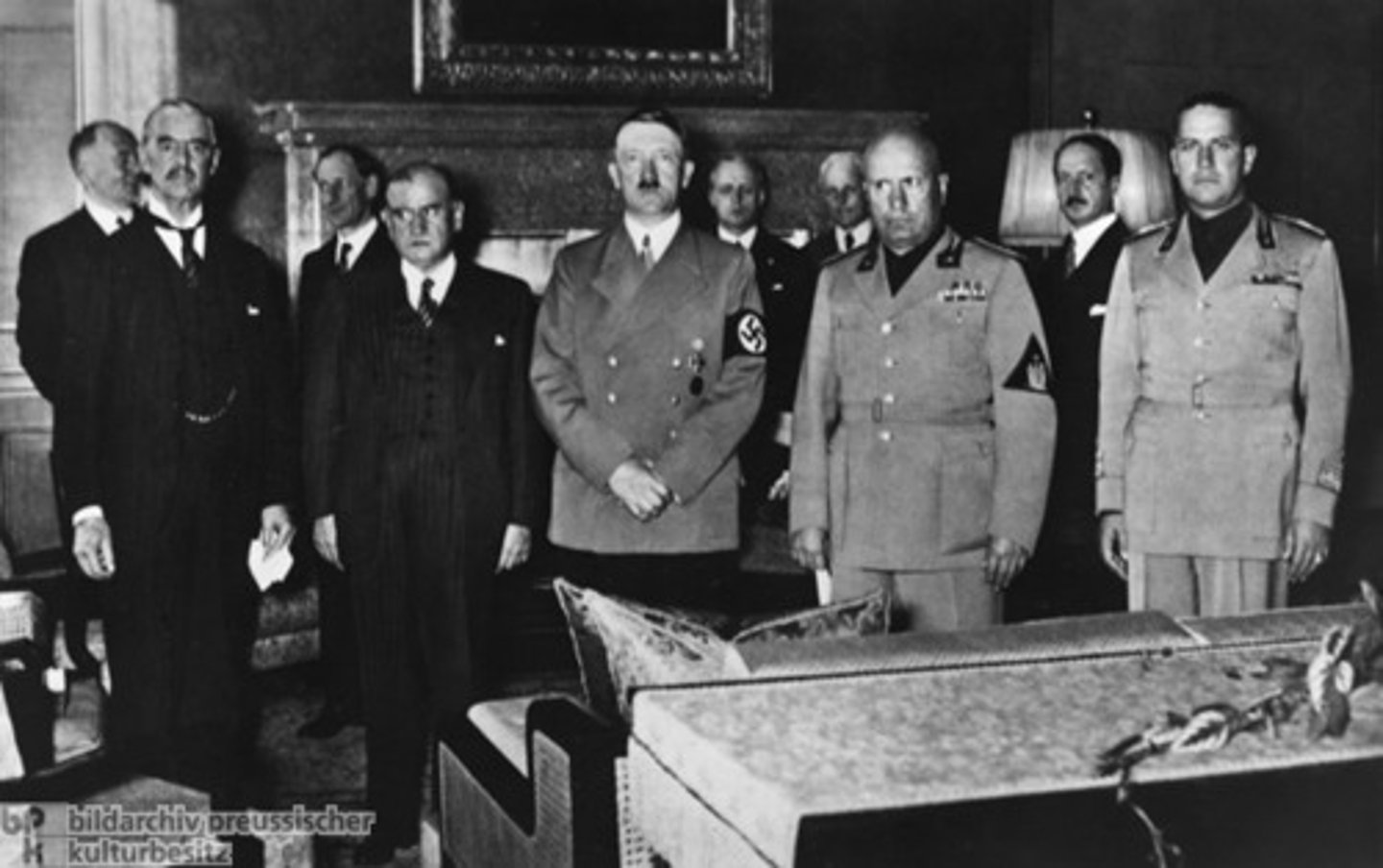
Munich Conference
1938 conference at which European leaders attempted to appease Hitler by turning over the Sudetenland to him in exchange for promise that Germany would not expand Germany's territory any further.
Tydings-McDuffie Act of 1934
provided for the independence of Philippines after a 12 year period of econimc, political tutelage
Benito Mussolini
Fascist dictator of Italy (1922-1943). He led Italy to conquer Ethiopia (1935), joined Germany in the Axis pact (1936), and allied Italy with Germany in World War II. He was overthrown in 1943 when the Allies invaded Italy. (p. 786)
Appeasement
Satisfying the demands of dissatisfied powers in an effort to maintain peace and stability.
Good Neighbor Policy
FDR's foreign policy of promoting better relations w/Latin America by using economic influence rather than military force in the region
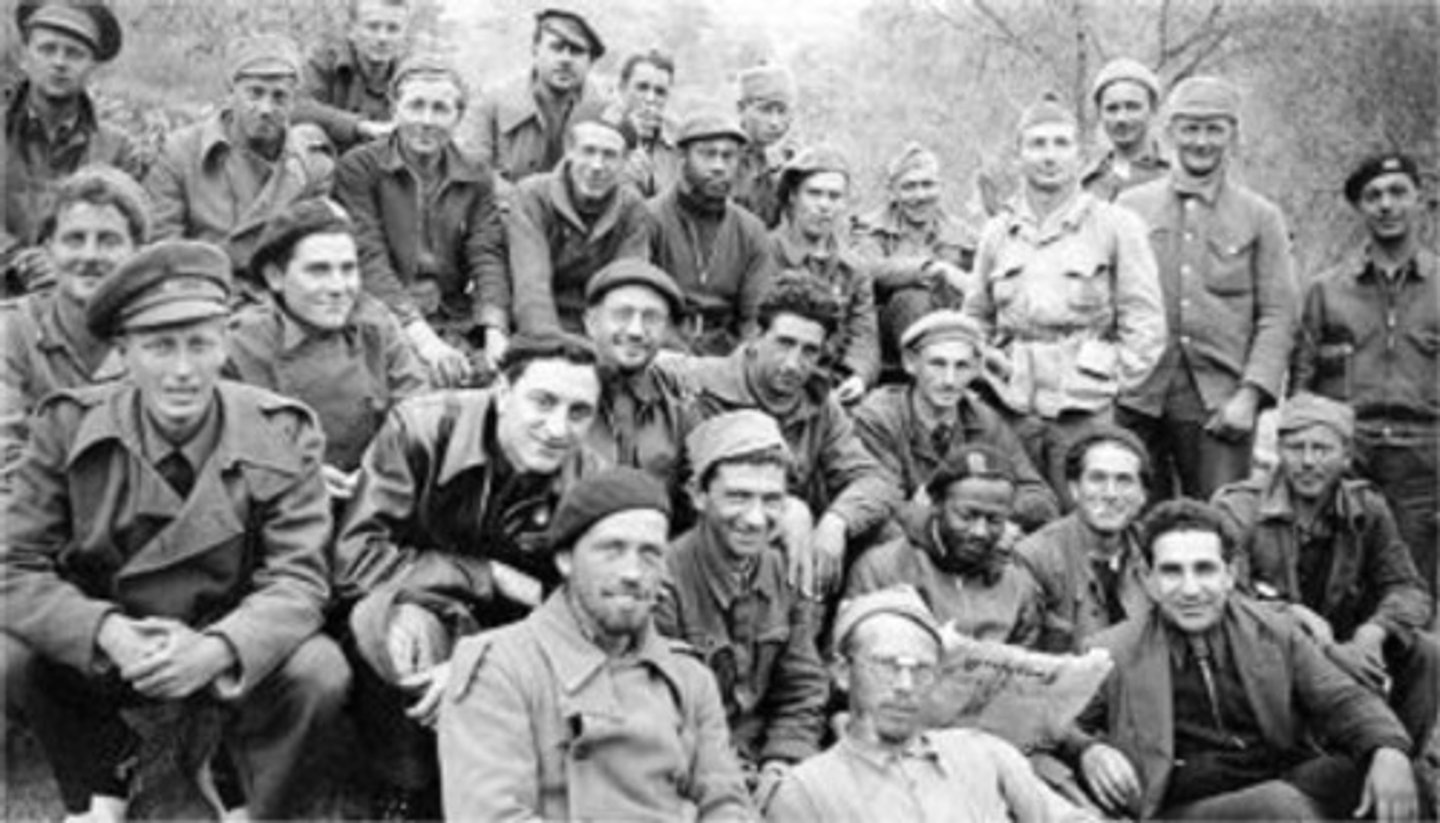
Abraham Lincoln Brigade
Idealistic American volunteers who served in the Spanish Civil War, defending Spanish republican forces from the fascist General Francisco Franco's nationalist coup. Some 3,000 Americans served alongside volunteers from other countries.
Wendell Wilkie
The Republican nominee for president in the 1940 election, he was a surprise nominee as he had never before run for public office; He criticized the New Deal but largely agreed with Roosevelt on preparedness and giving aid to Britain short of actually entering the war. His strongest criticism of Roosevelt was regarding his decision to break the two term tradition established by George Washington.
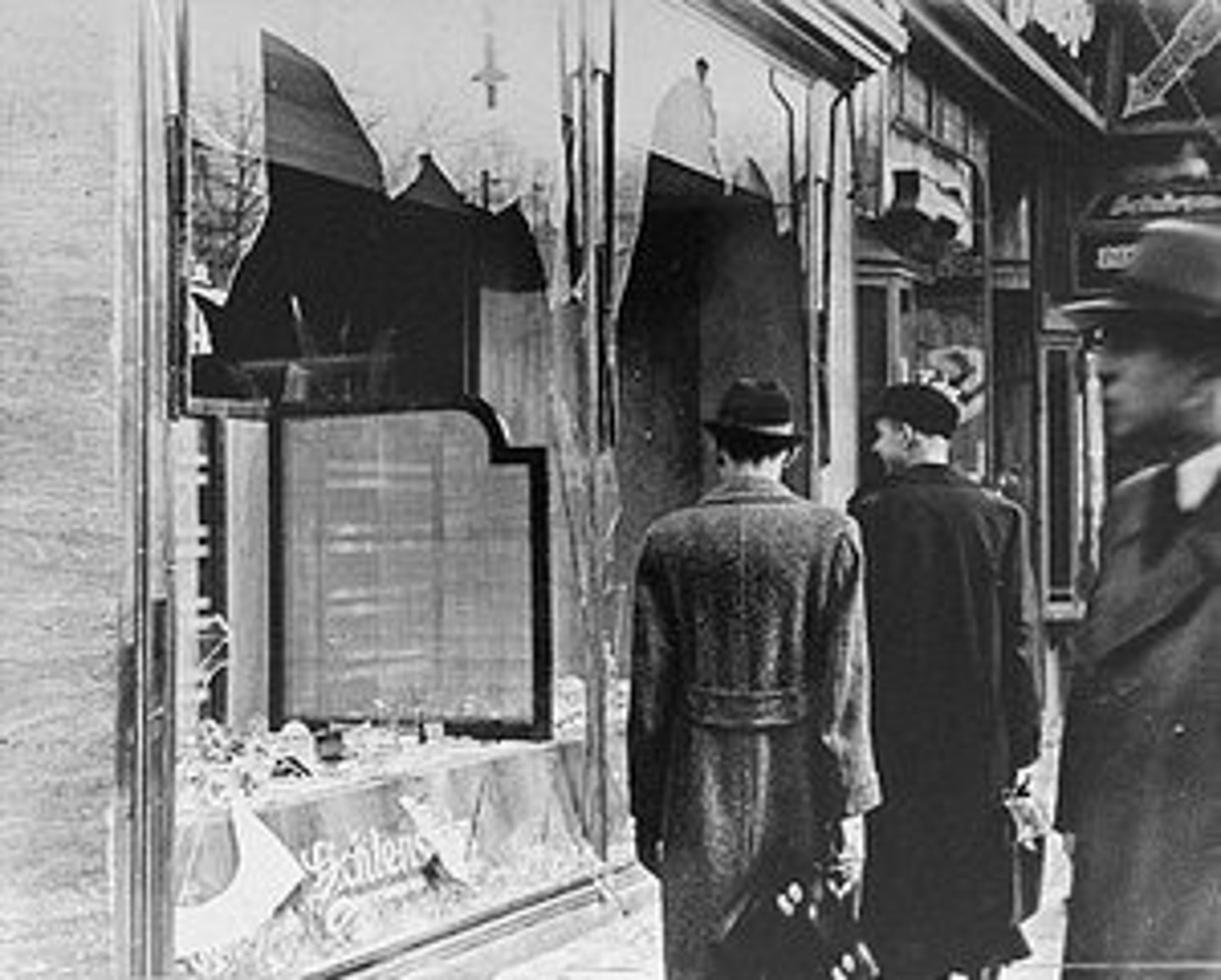
Kirstallnacht
"Night of broken glass"
Nov 9, 1938- German propaganda minister Joseph Goebbels instigated mob violence throughout Germany
More than 7,000 Jewish shops were ransacked and almost all of the nation's synagogues
-91 Jews were killed and 30,000 sent to concentration camps
War Refugee Board
Federal agency created in 1944 to try to help people threatened with murder by the Nazis
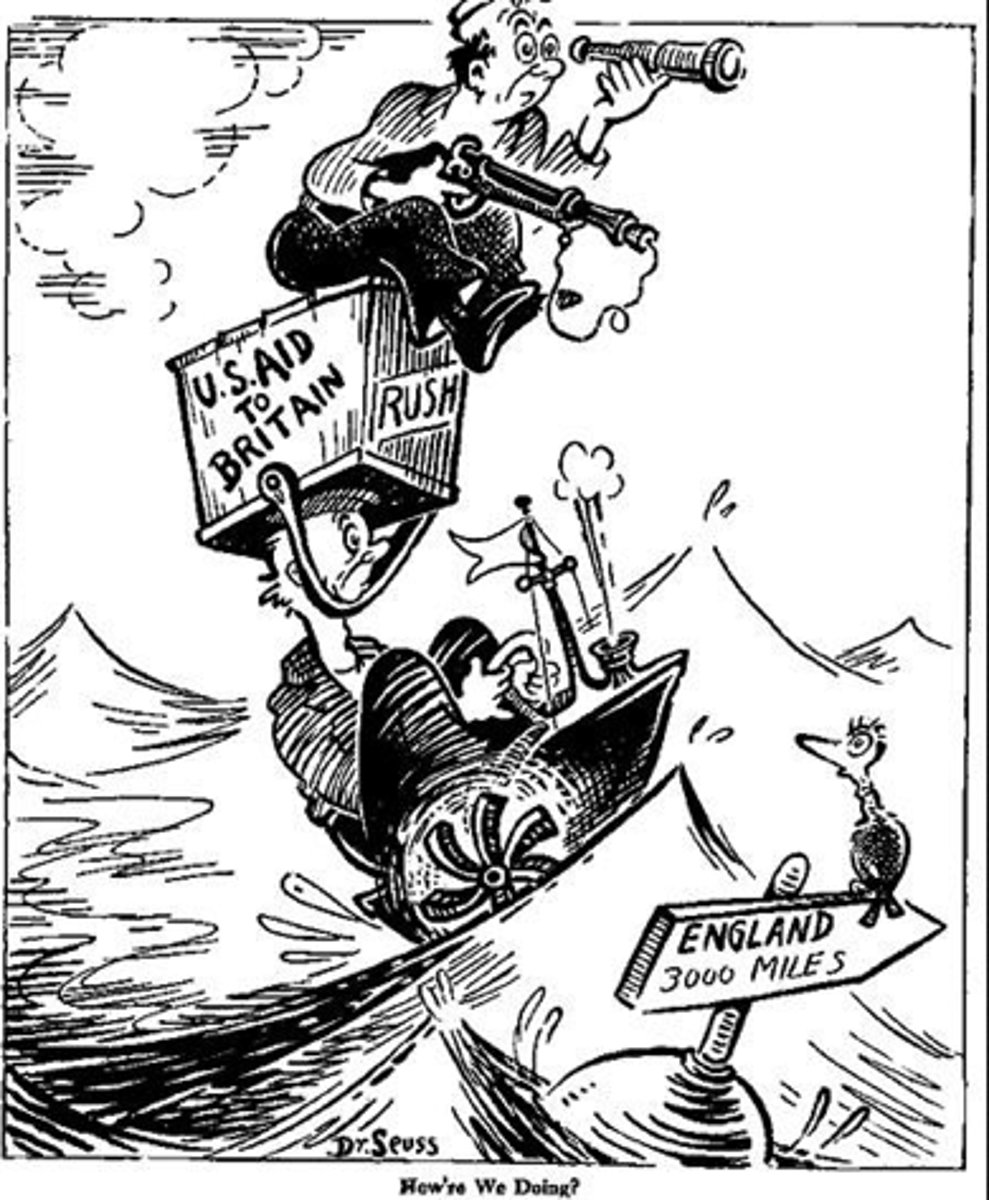
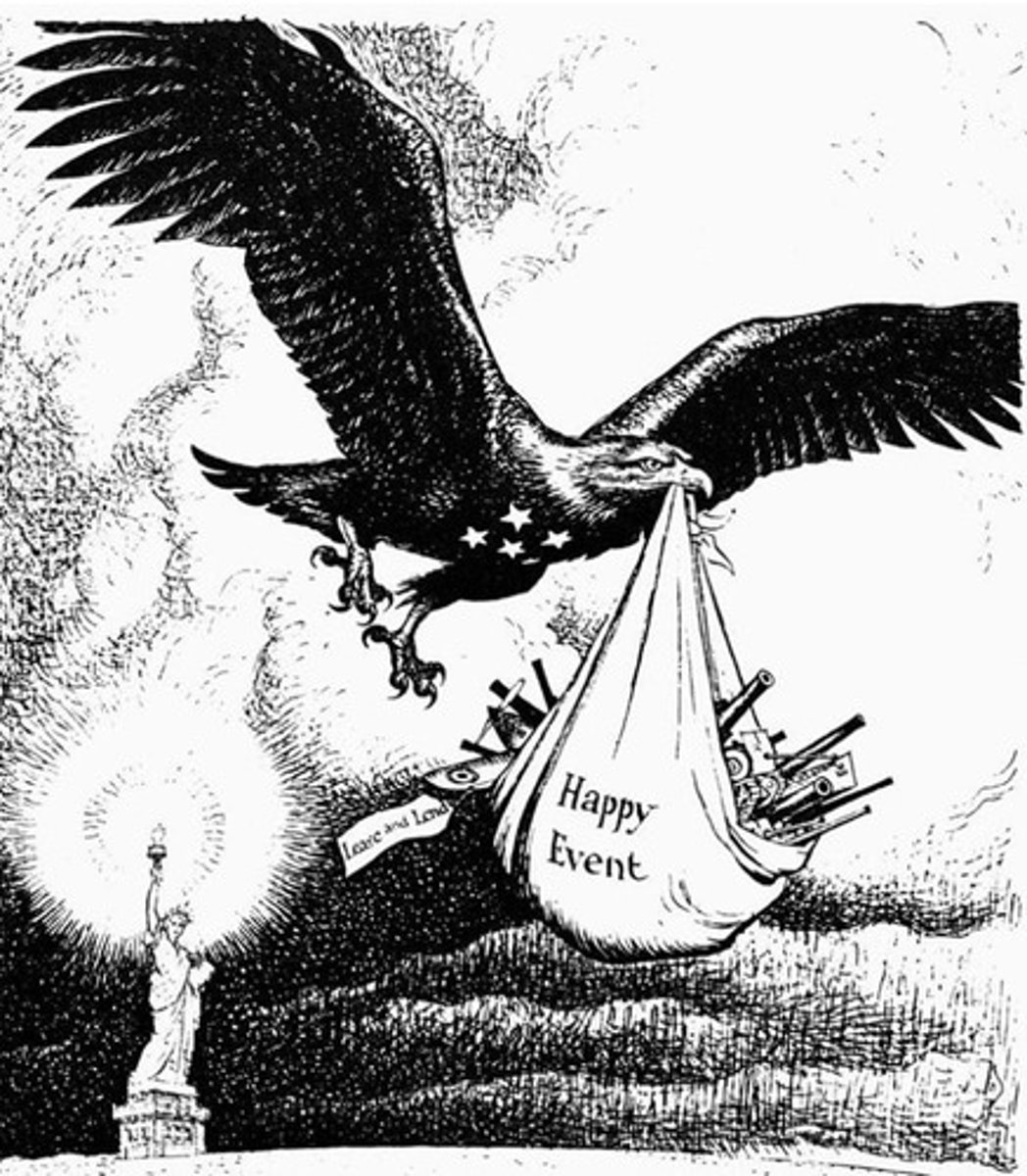
Lend-Lease Bill
Based on the motto, "Send guns, not sons," this law abandoned former pretenses of neutrality by allowing Americans to sell unlimited supplies of arms to any nation defending itself against the Axis Powers. Patriotically numbered 1776, the bill was praised as a device for keeping the nation out of World War II.
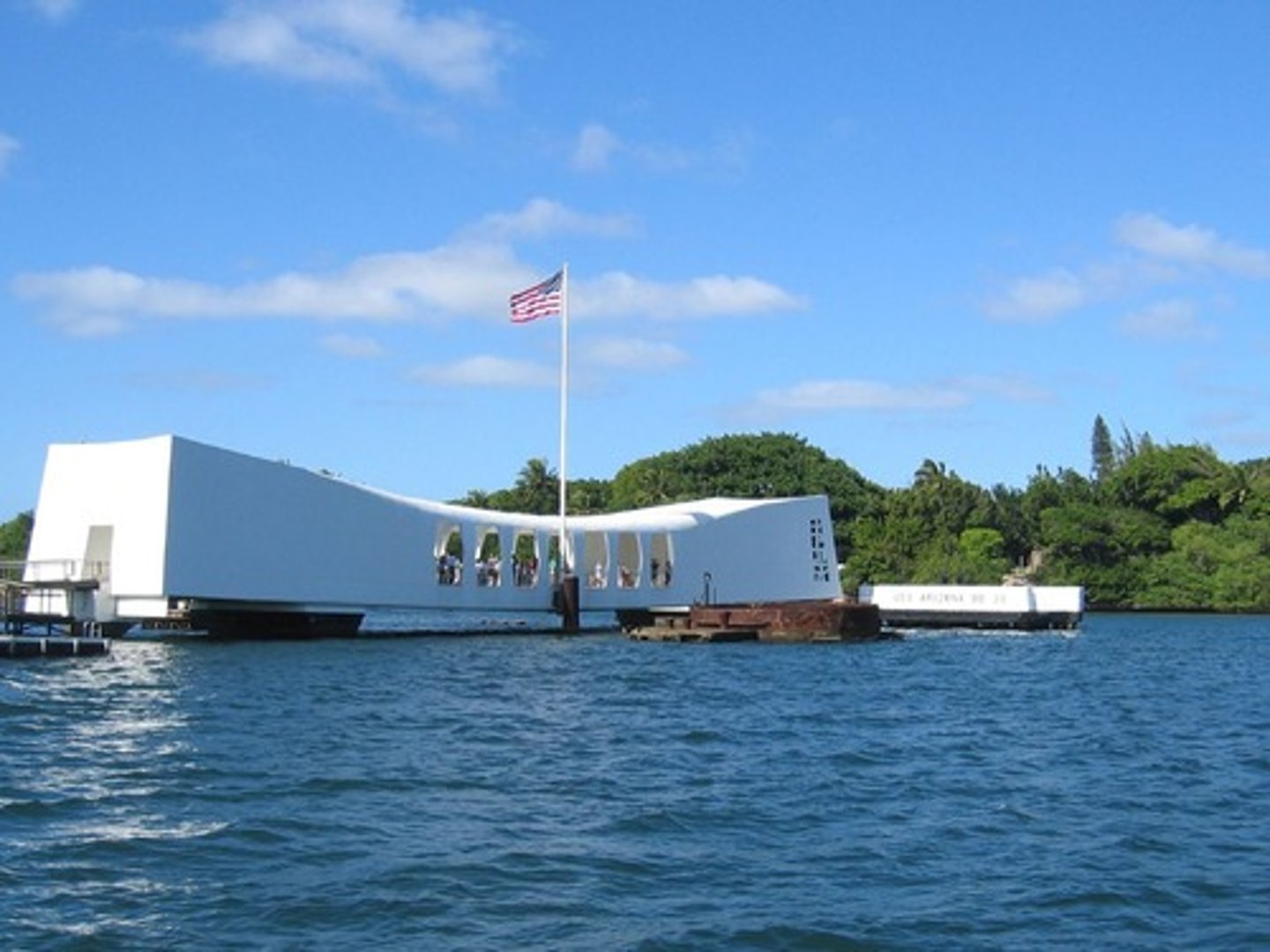
Pearl Harbor
home base in Hawaii for America's Pacific fleet attacked by the Japanese on December 7 ,1941