World War 2
 Call Kai
 Learn
Learn Practice Test
 Spaced Repetition
 Match
Match Flashcards
1/49

There's no tags or description
Looks like no tags are added yet.
Name | Mastery | Learn | Test | Matching | Spaced | Call with Kai | Chat |
|---|
No analytics yet
Send a link to your students to track their progress
50 Terms
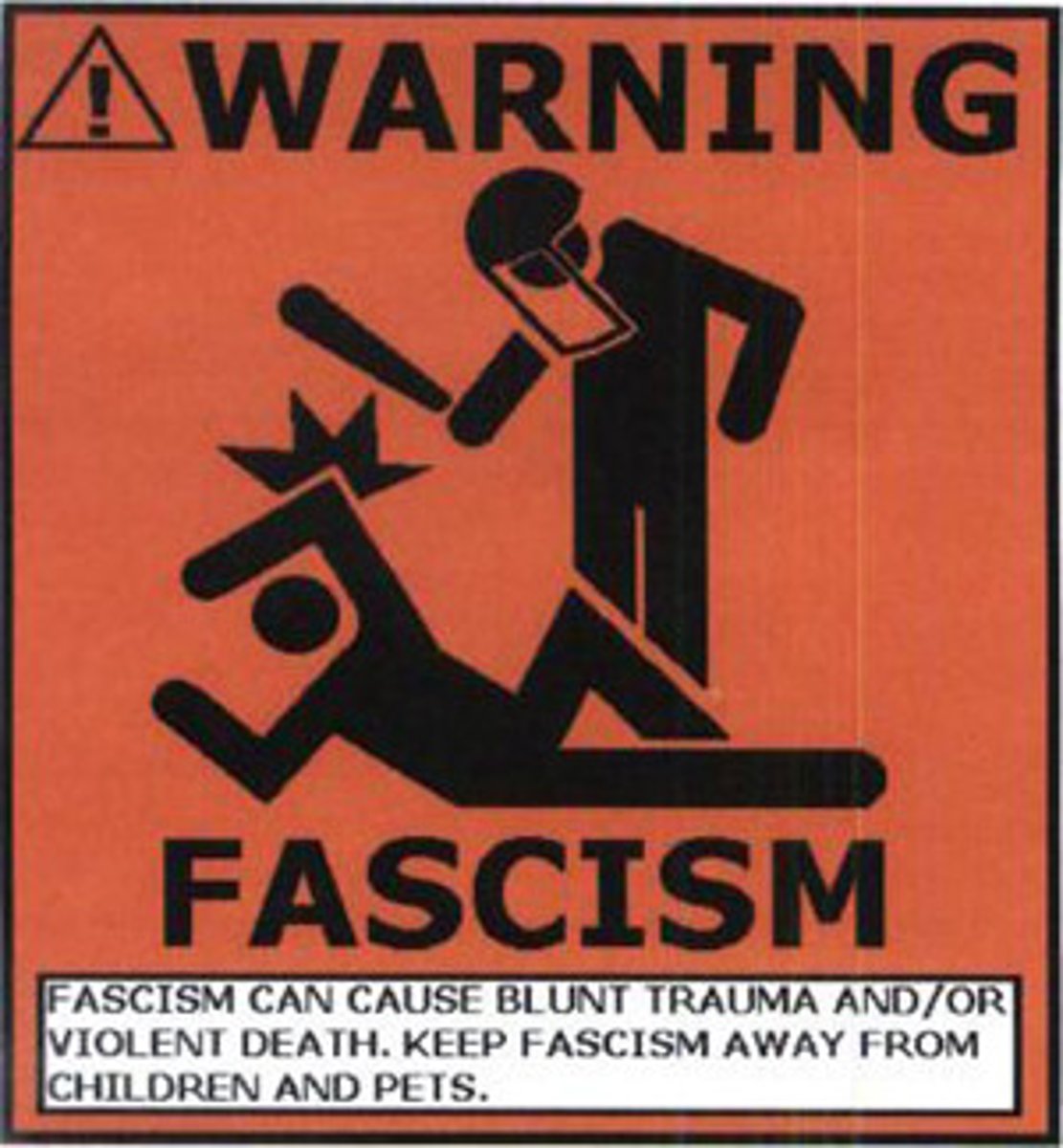
Fascism
A political movement that promotes an extreme form of nationalism, a denial of individual rights, and a dictatorial one-party rule.
Totalitarianism
A political system in which the government has total control over the lives of individual citizens.
Dictator
A ruler who has complete power over a country
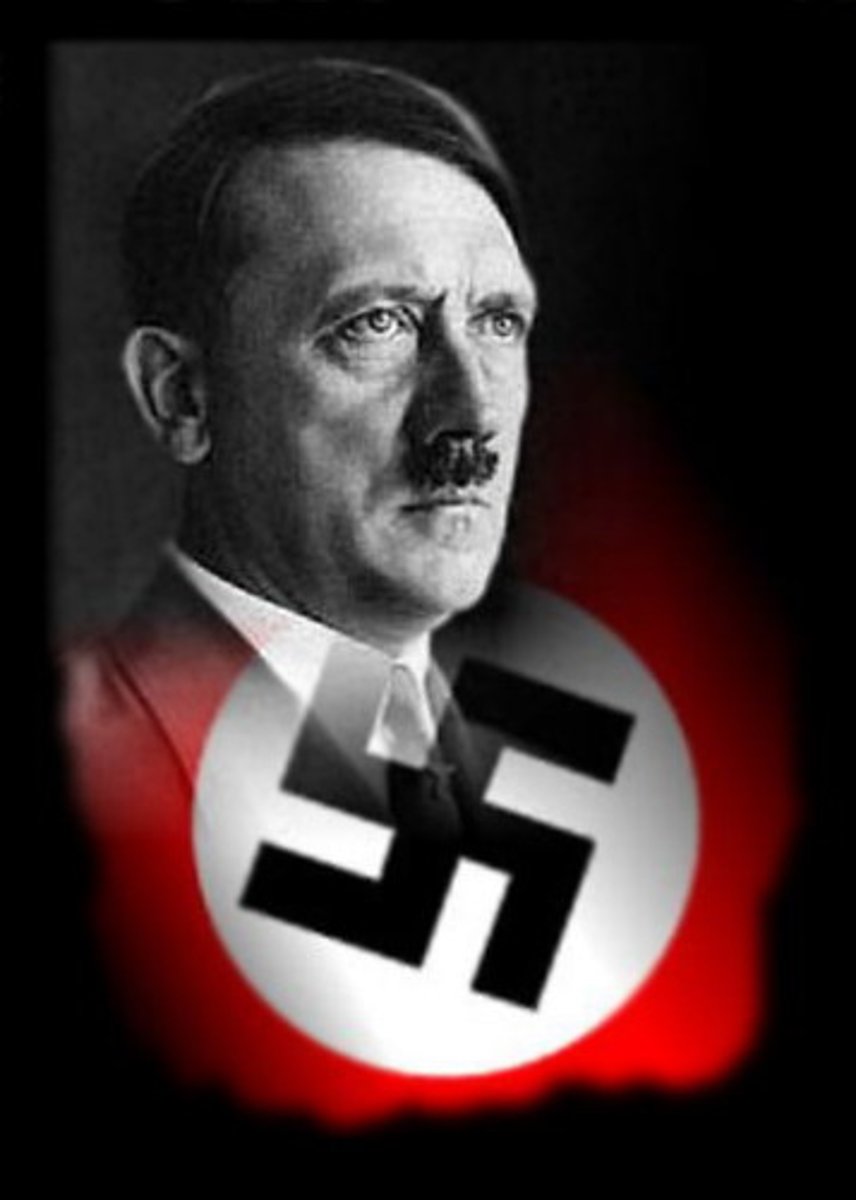
Nazism
Adolf Hitler used fascism to create this type of government based on totalitarian ideas and was used to unite Germany during the 1930s.
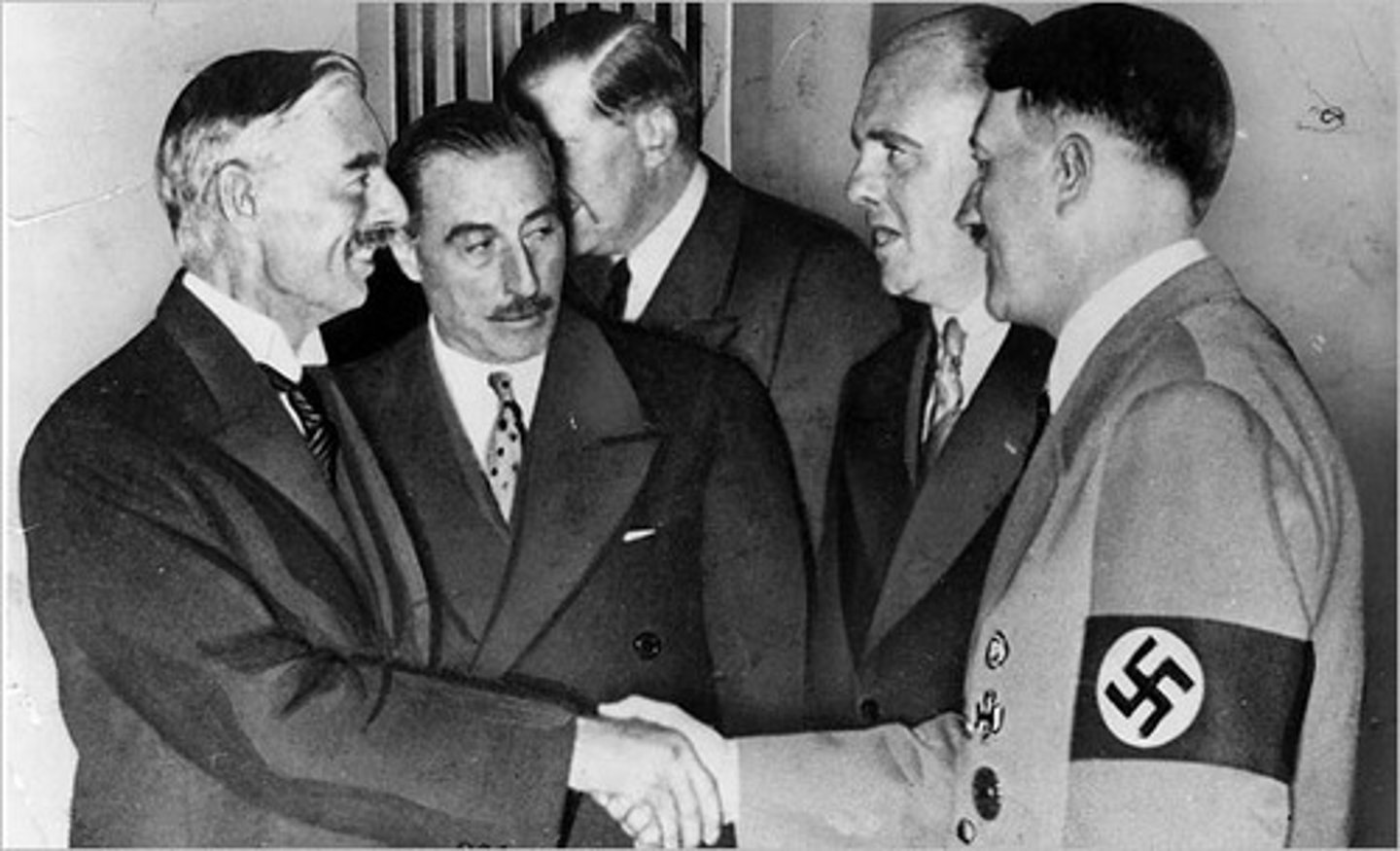
Appeasement
Accepting demands in order to avoid conflict
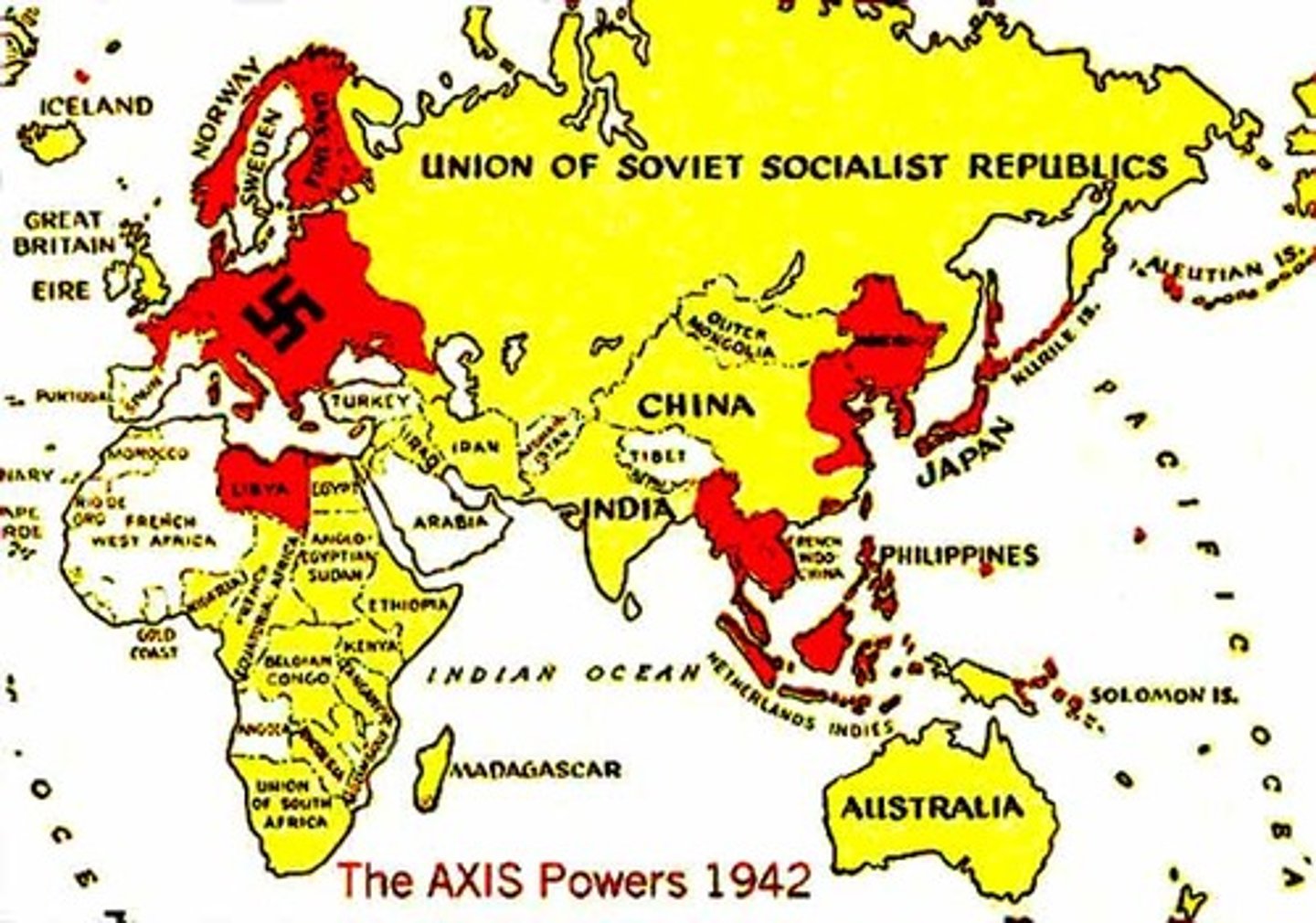
Axis Powers
Germany, Italy, Japan
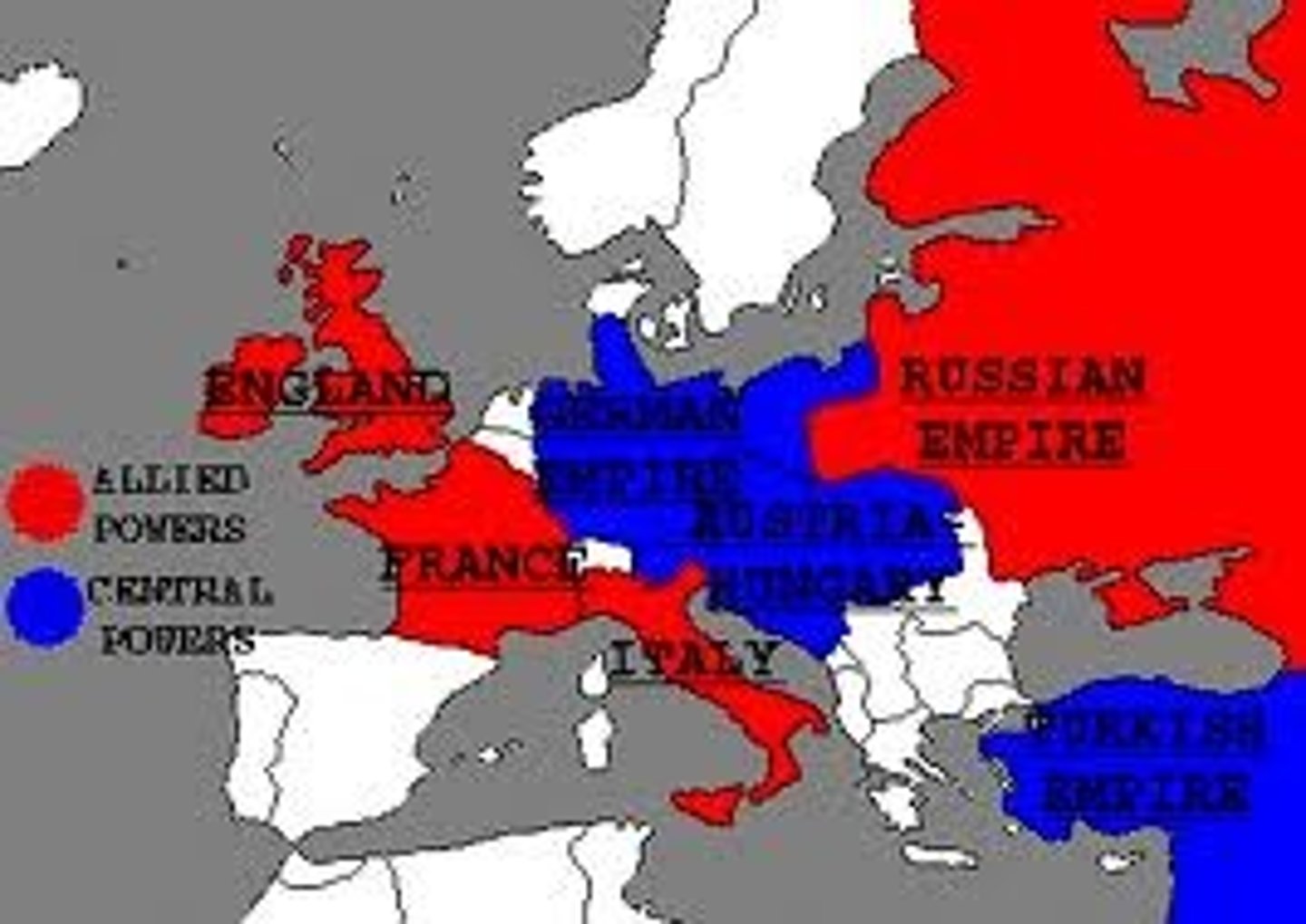
Allied Powers
Alliance of Great Britain, Soviet Union, United States, and France during World War II.
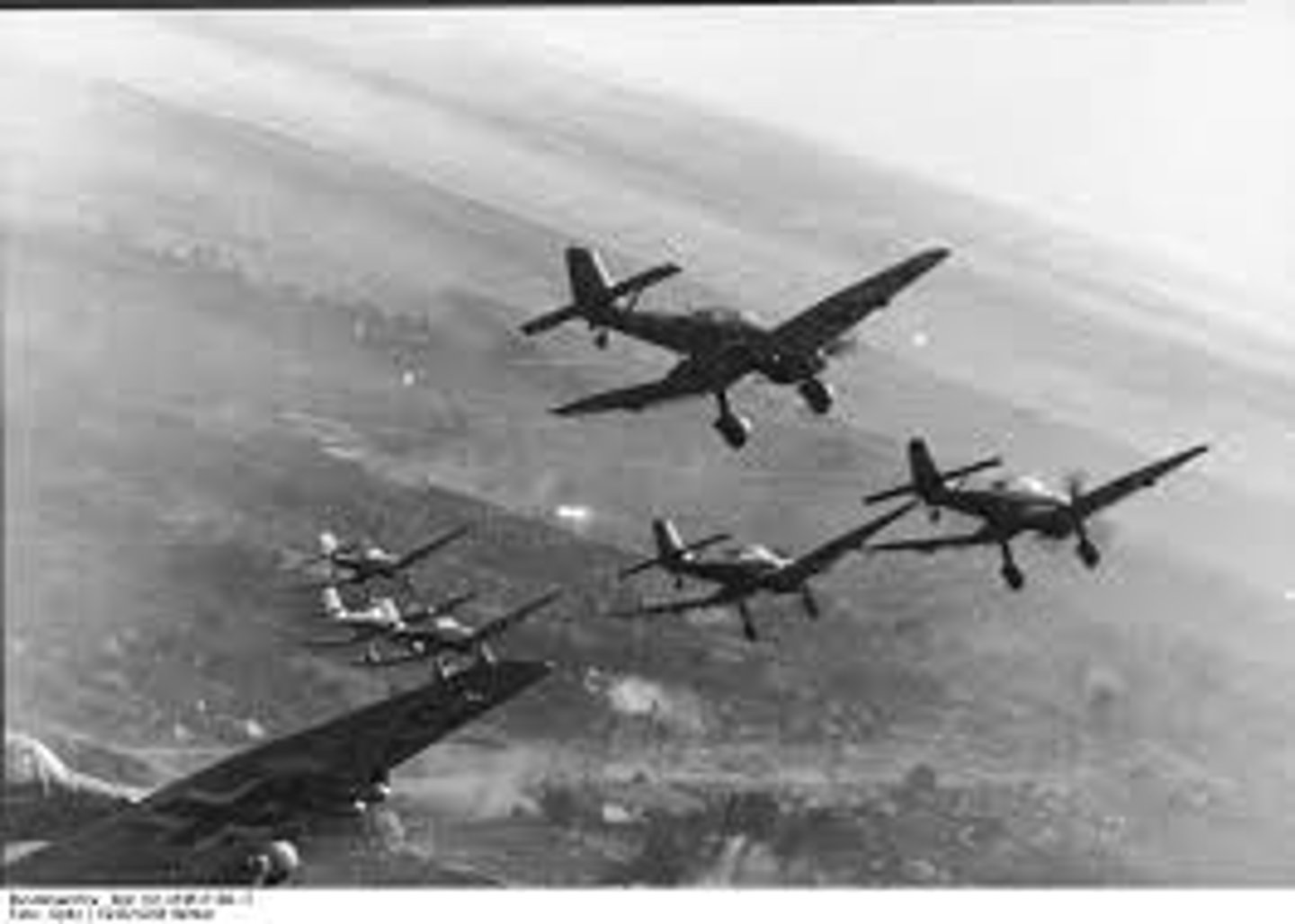
Blitzkrieg
"Lighting war", typed of fast-moving warfare used by German forces against Poland n 1939
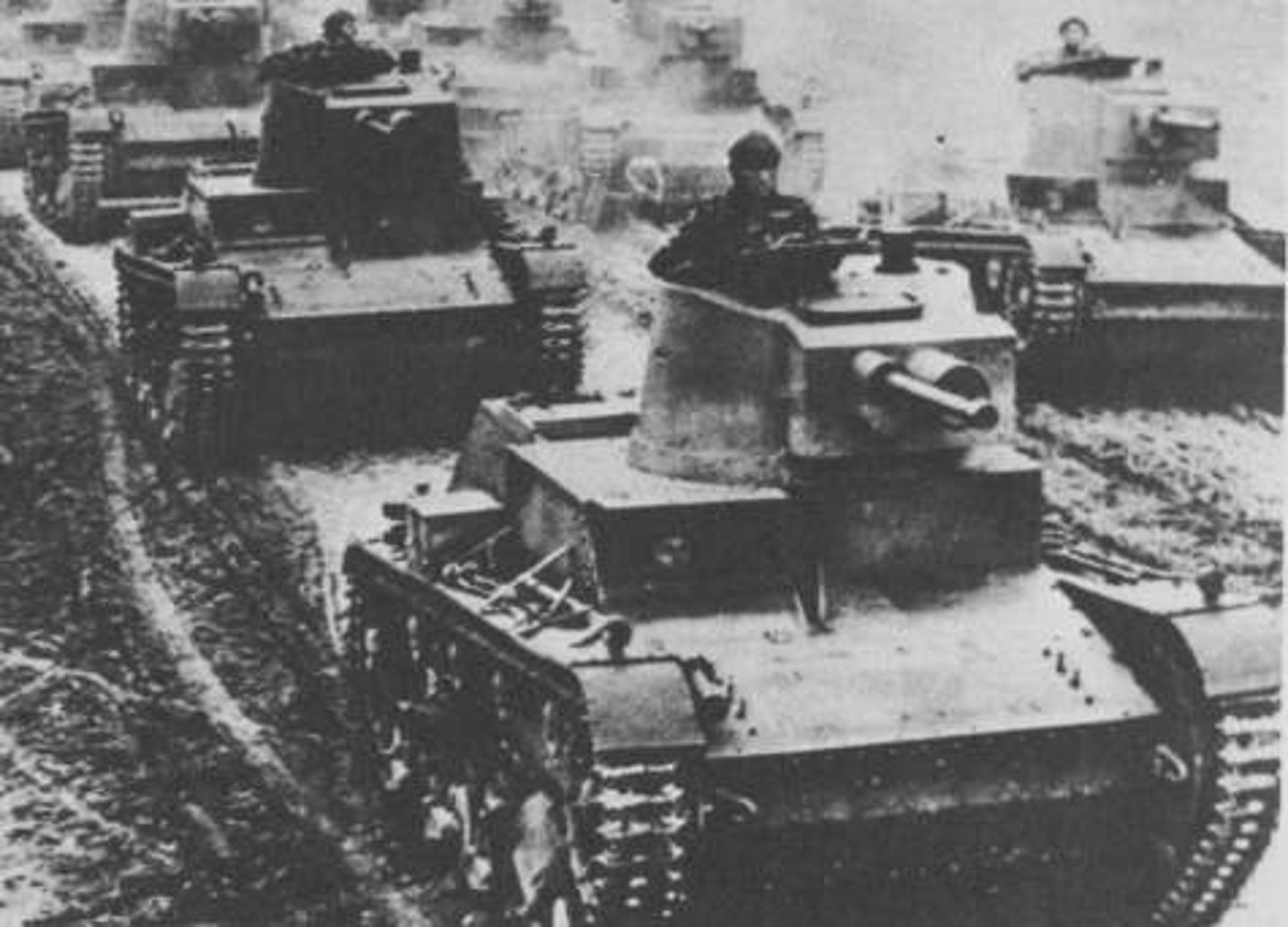
Invasion of Poland
Germany invaded, breaking their agreement, so Britain and France declared war, starting World War II
Hitler
German Nazi dictator during World War II (1889-1945), Nazi leader and founder; had over 6 million Jews assassinated during the Holocaust
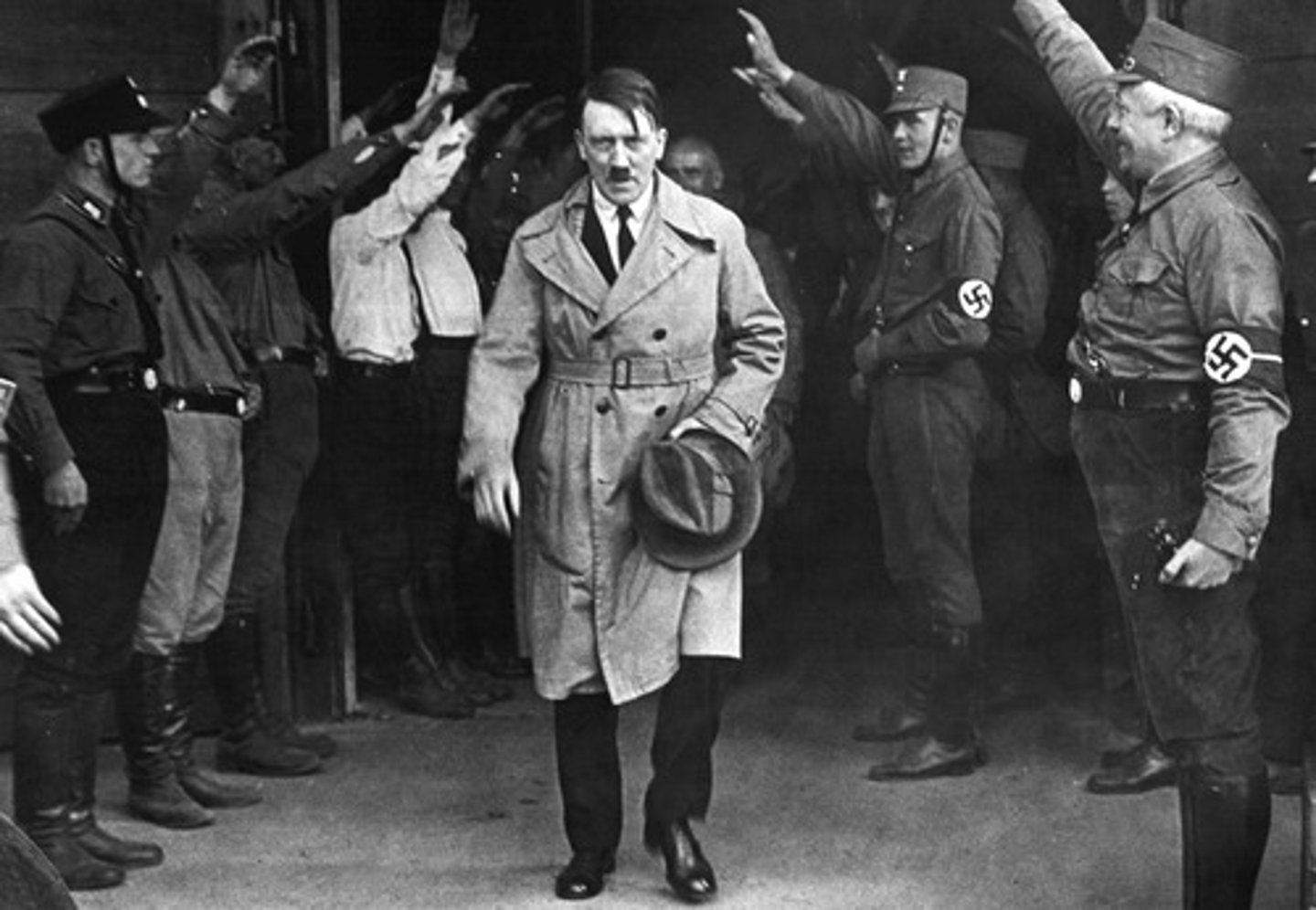
Mussolini
Italian fascist dictator (1883-1945)
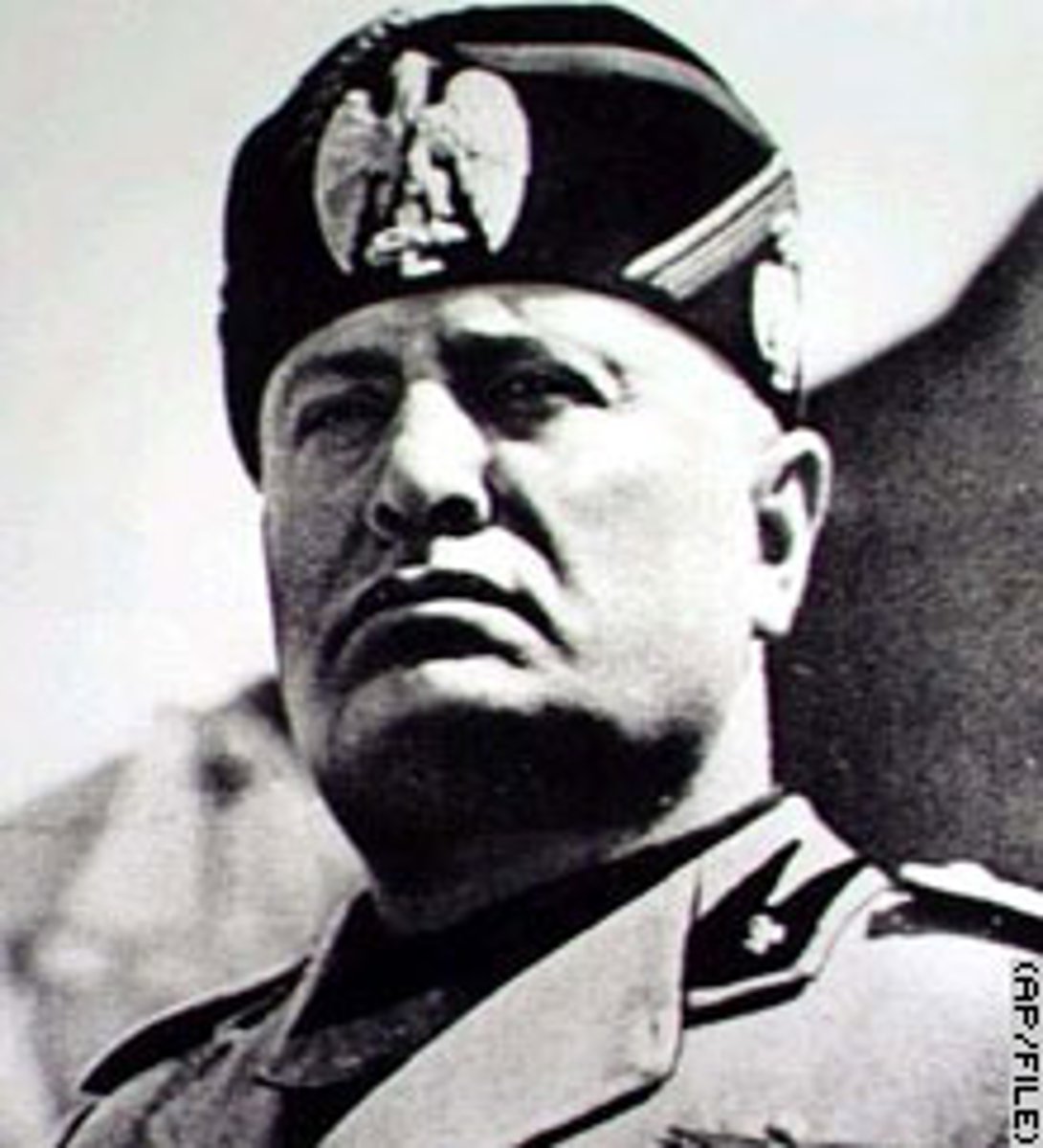
Joseph Stalin
Bolshevik revolutionary, head of the Soviet Communists after 1924, and dictator of the Soviet Union from 1928 to 1953. He led the Soviet Union with an iron fist, using Five-Year Plans to increase industrial production and terror to crush opposition
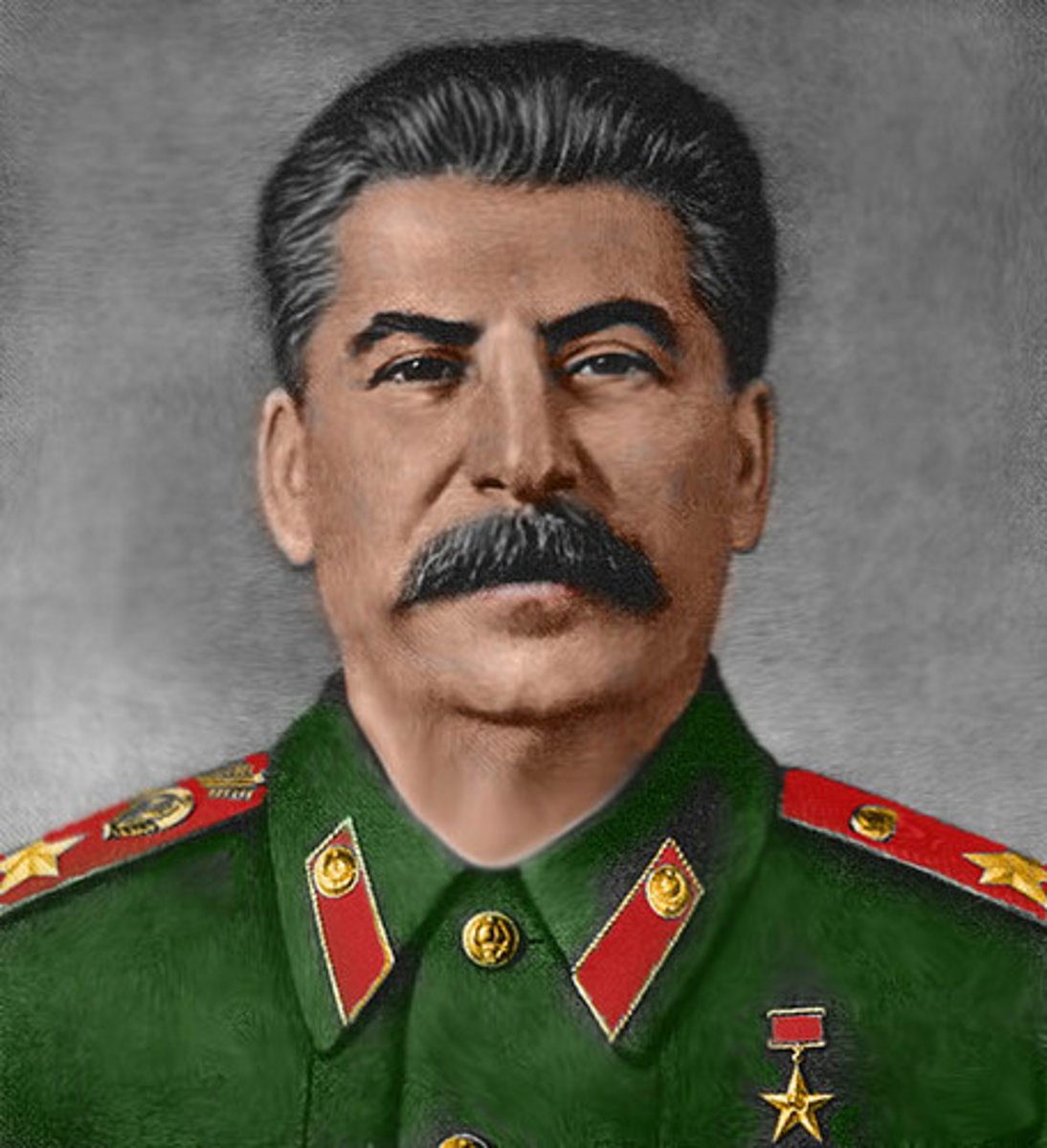
Dunkirk
A city in northern France on the North Sea where in World War II (1940) 330,000 Allied troops had to be evacuated from the beaches at Dunkirk in a desperate retreat under enemy fire.
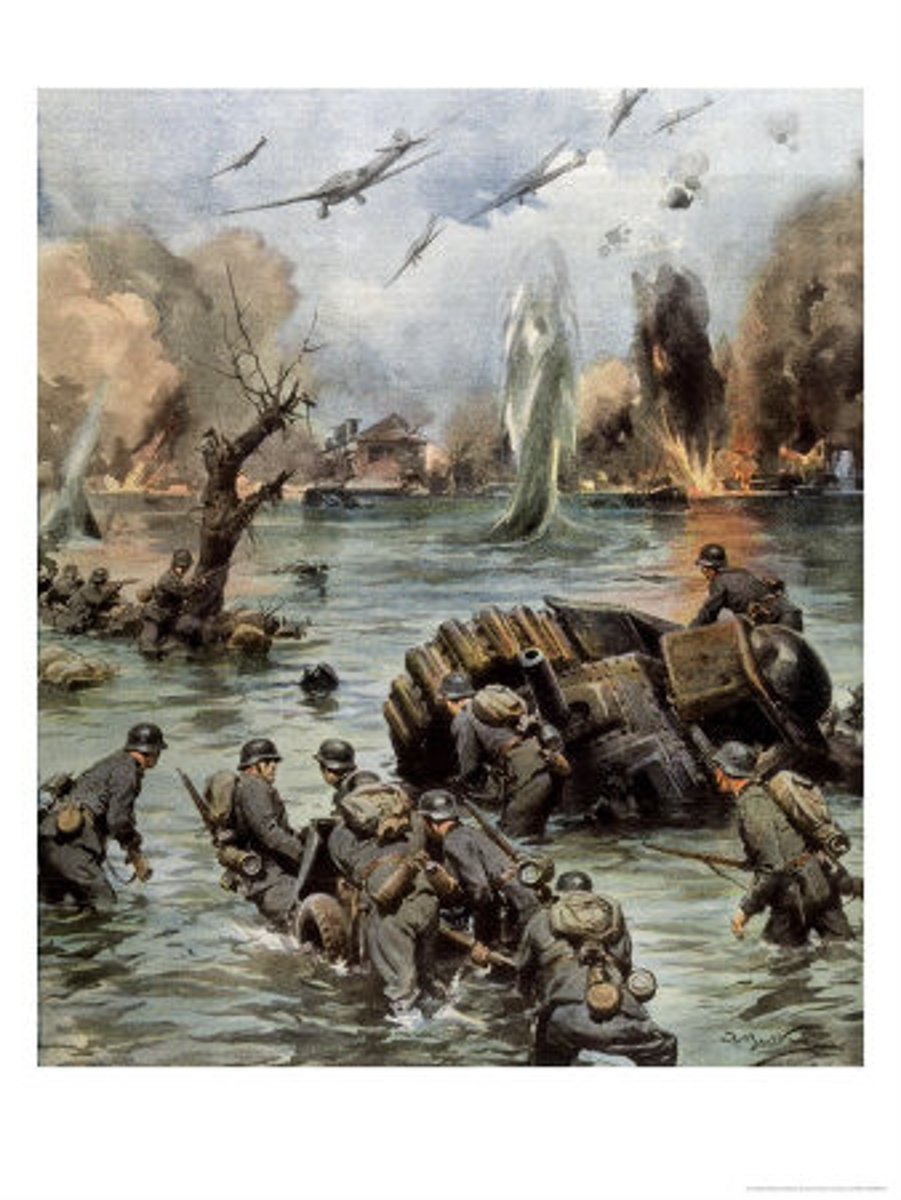
The Fall of France
France and Britain created a Maginot Line, which is a system of fortifications along France's eastern border. The Germans rode through an area of wooded ravines in northest France, completely avoiding the blockade. Then Germans marched to Paris and trapped the soldiers; soon Hitler gave them terms of peace.
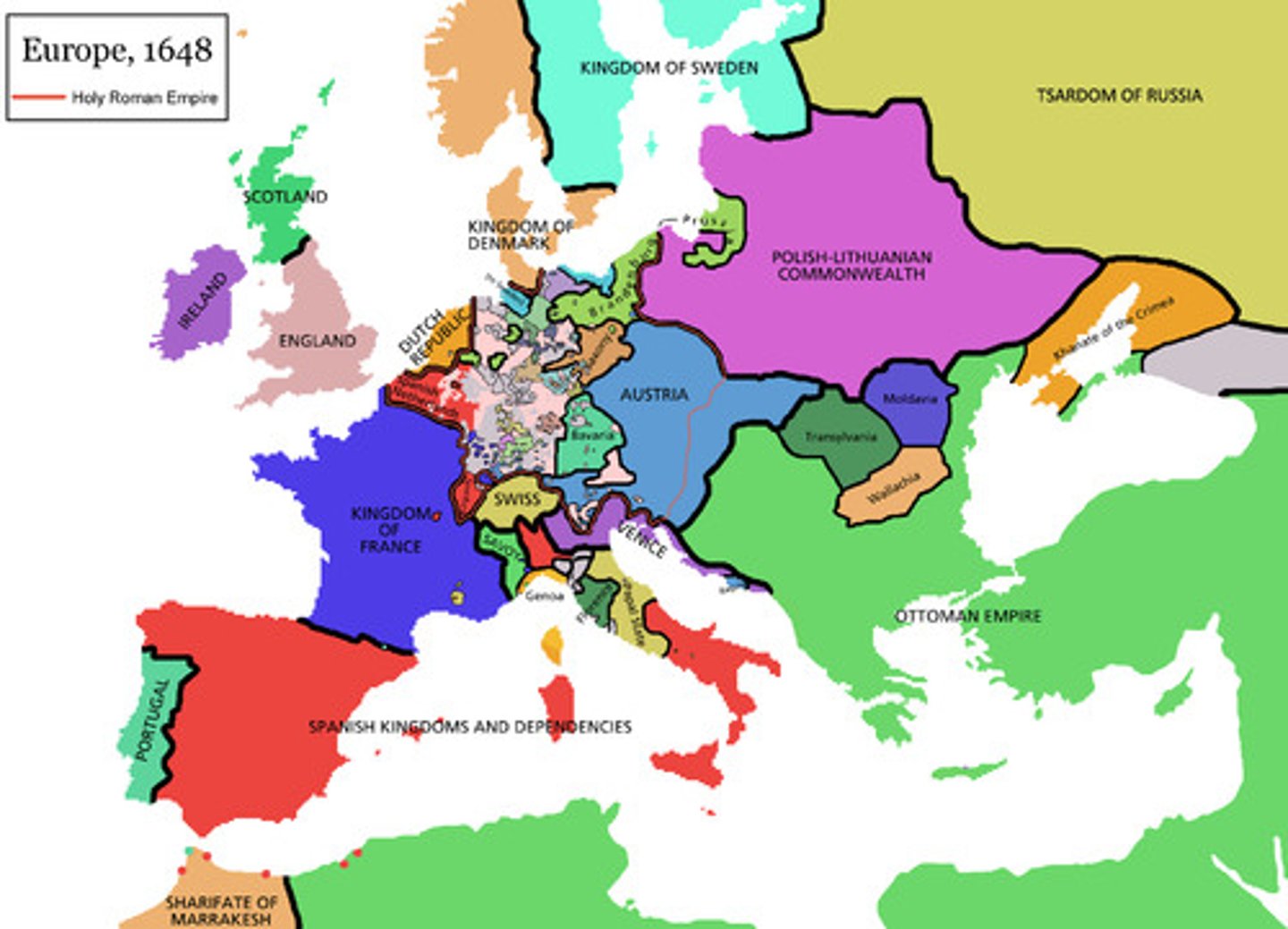
The Battle of Britain
Is the name given to the air campaign waged by the German Air Force (Luftwaffe) against the United Kingdom during the summer and autumn of 1940. The objective of the campaign was to gain air superiority over the Royal Air Force (RAF).
Mao Zedong
(1893-1976) Leader of the Communist Party in China that overthrew Jiang Jieshi and the Nationalists. Established China as the People's Republic of China and ruled from 1949 until 1976.
The Manchurian Incident
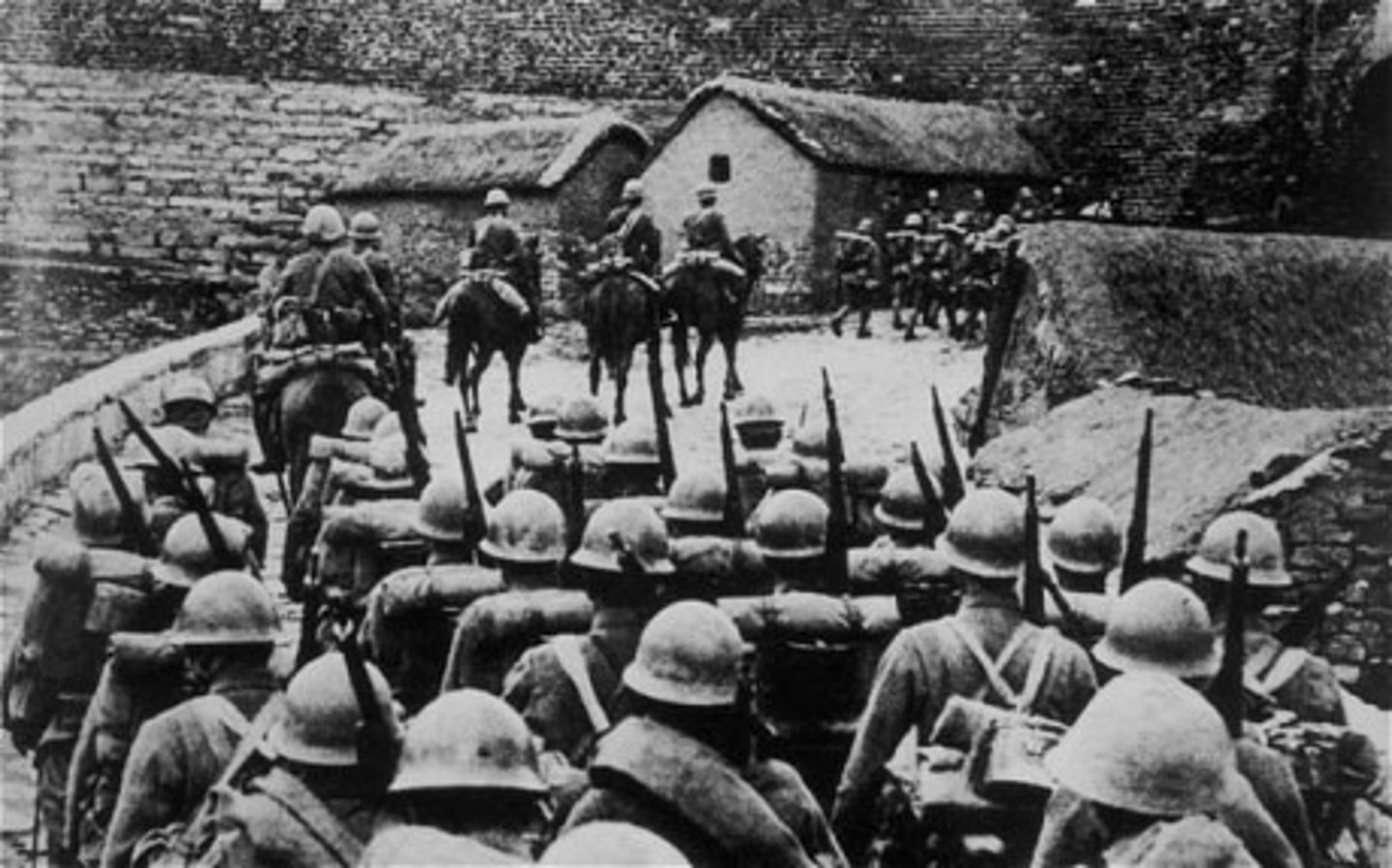
In 1931, Japanese army officers blew up tracks on a Japanese owned Railroad line and claimed the Chinese did it. In "self-defense" they attacked Chinese forces without their government's consent
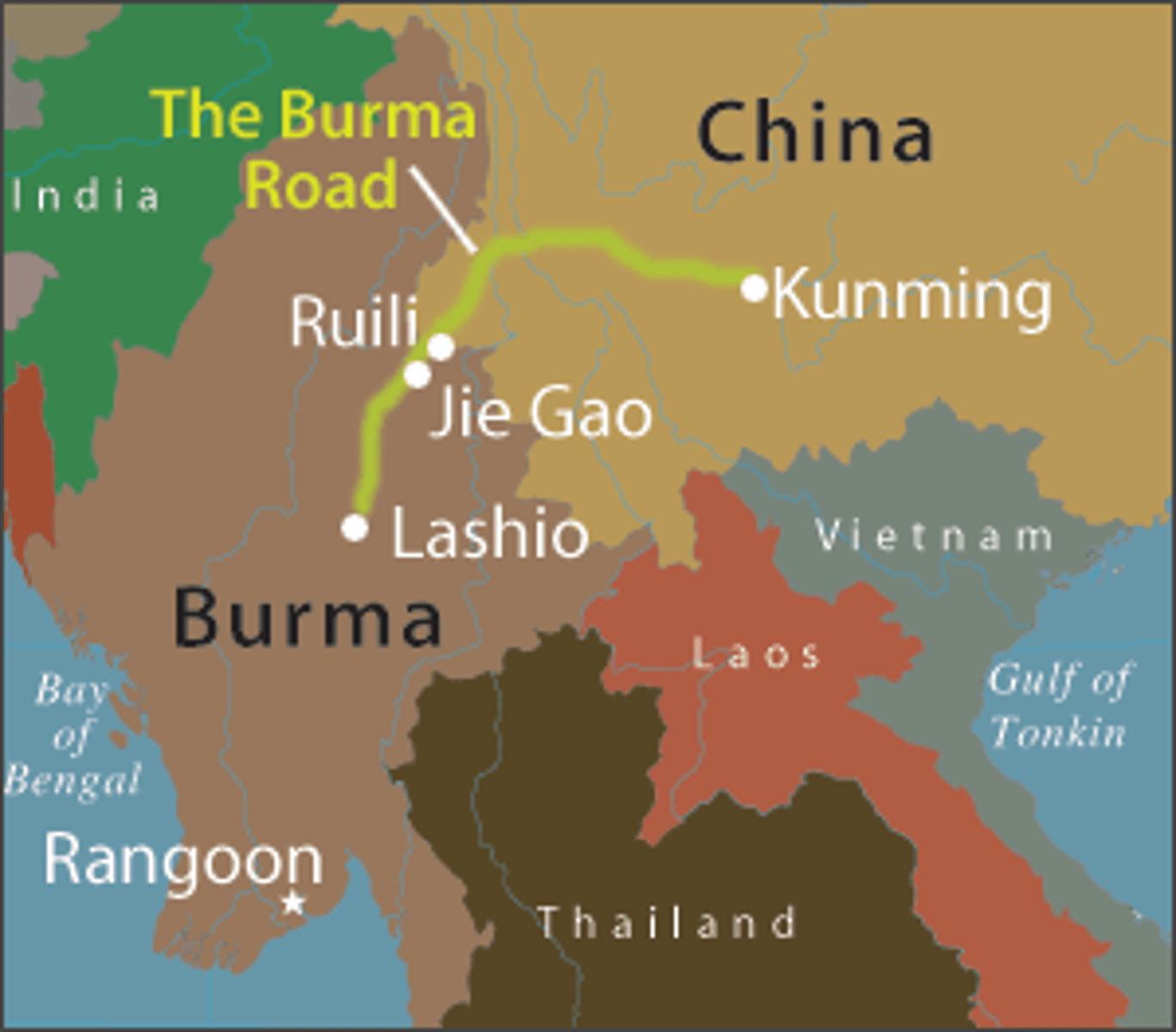
Burma Road
Route by which the US was sending munitions to the Chinese who were resisting the Japanese
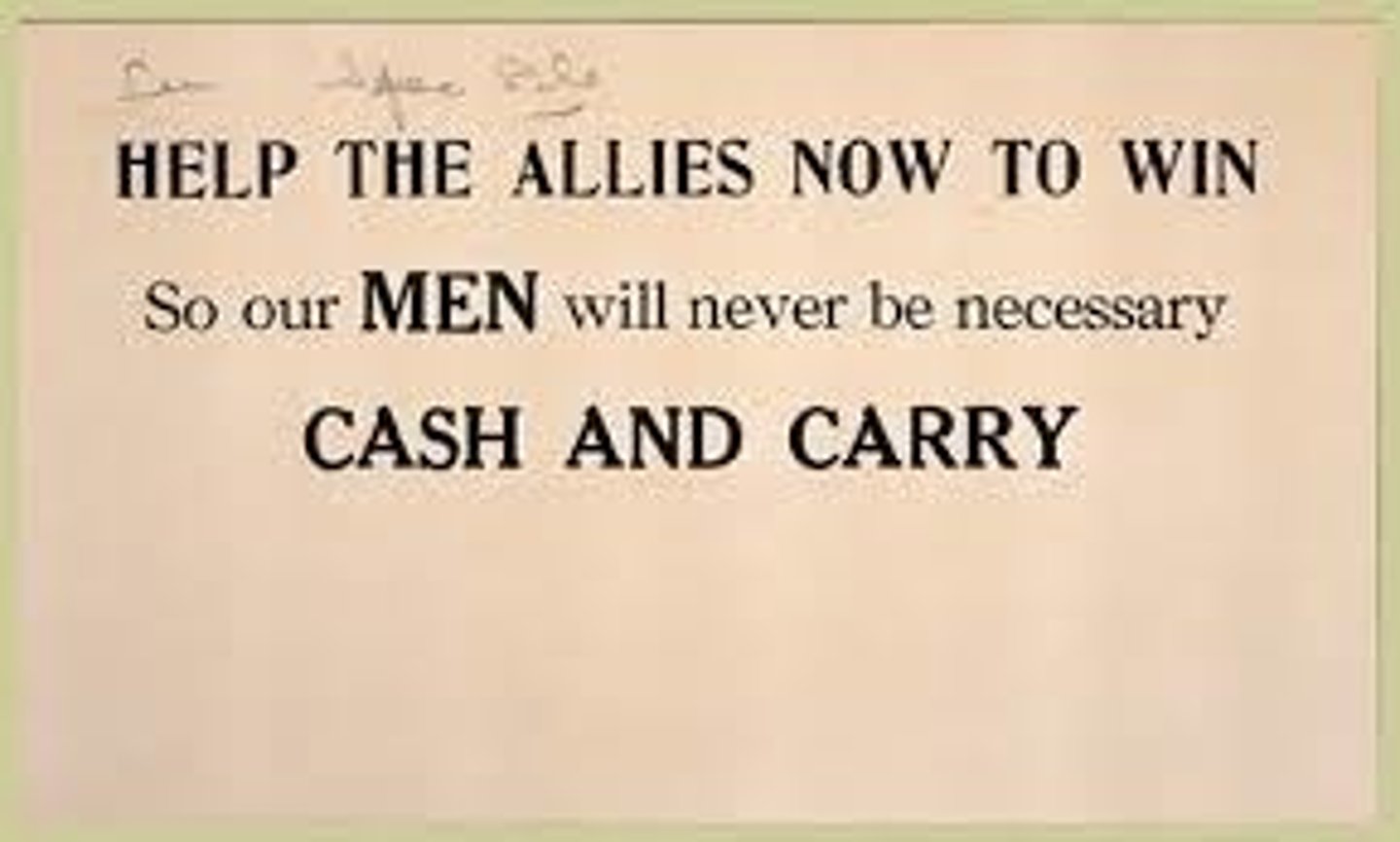
Cash & Carry
policy adopted by the United States in 1939 to preserve neutrality while aiding the Allies. Britain and France could buy goods from the United States if they paid in full and transported them.
Lend Lease Policy
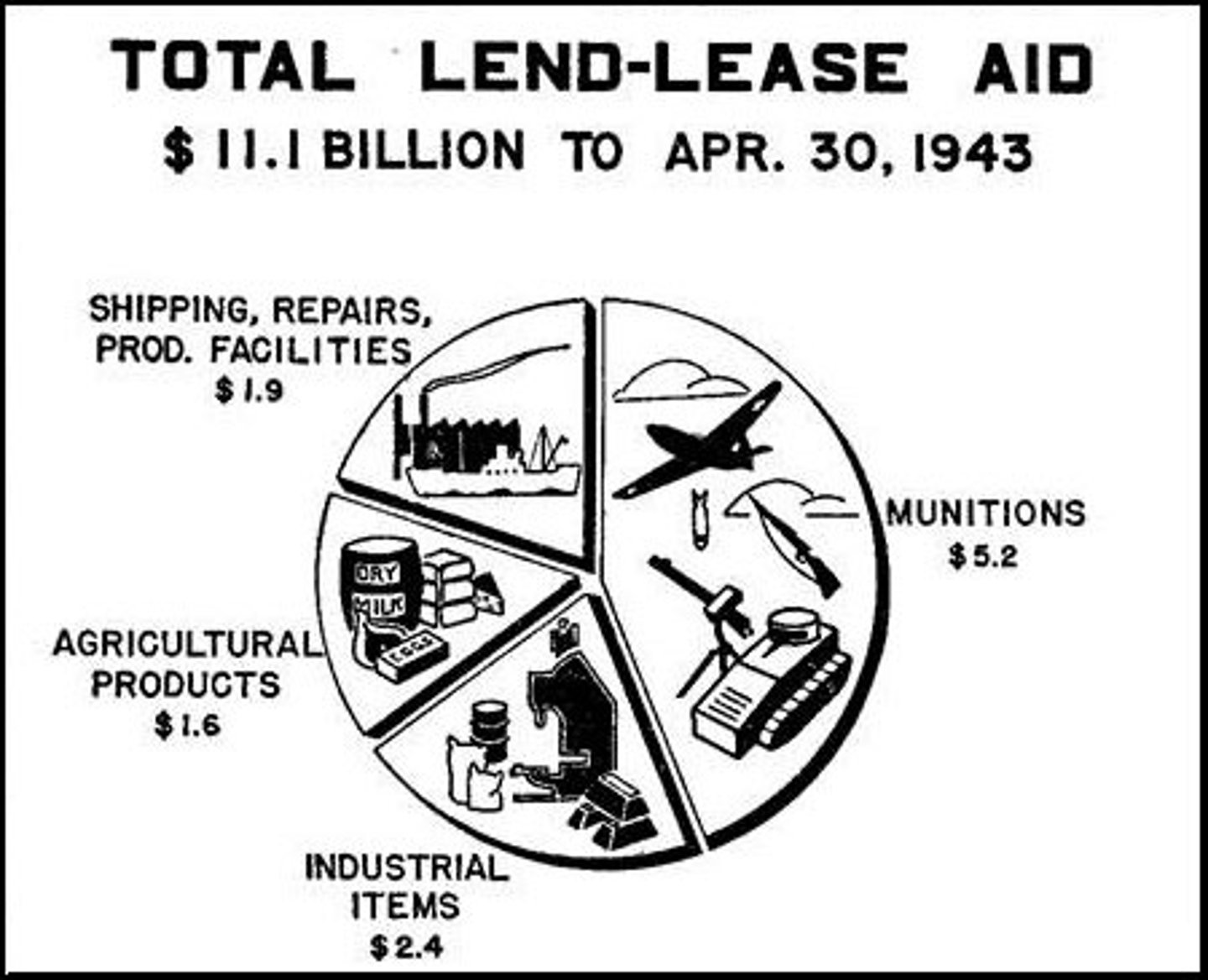
a law passed in 1941 that allowed the United States to ship arms and other supplies, without immediate payment, to nations fighting the Axis powers
Pearl Harbor
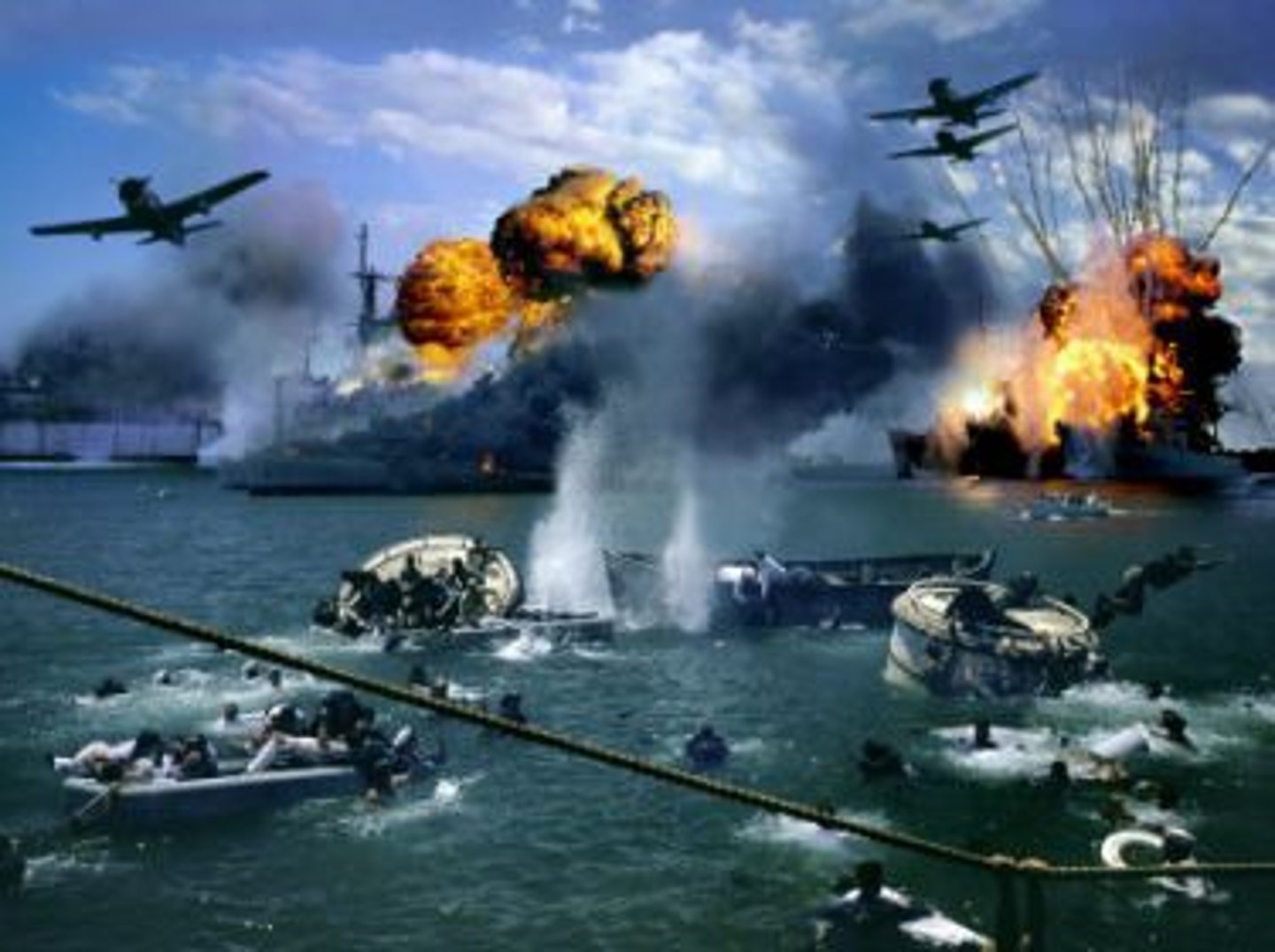
7:50-10:00 AM, December 7, 1941 - Surprise attack by the Japanese on the main U.S. Pacific Fleet harbored in Pearl Harbor, Hawaii destroyed 18 U.S. ships and 200 aircraft. American losses were 3000, Japanese losses less than 100. In response, the U.S. declared war on Japan and Germany, entering World War II.
War Bonds
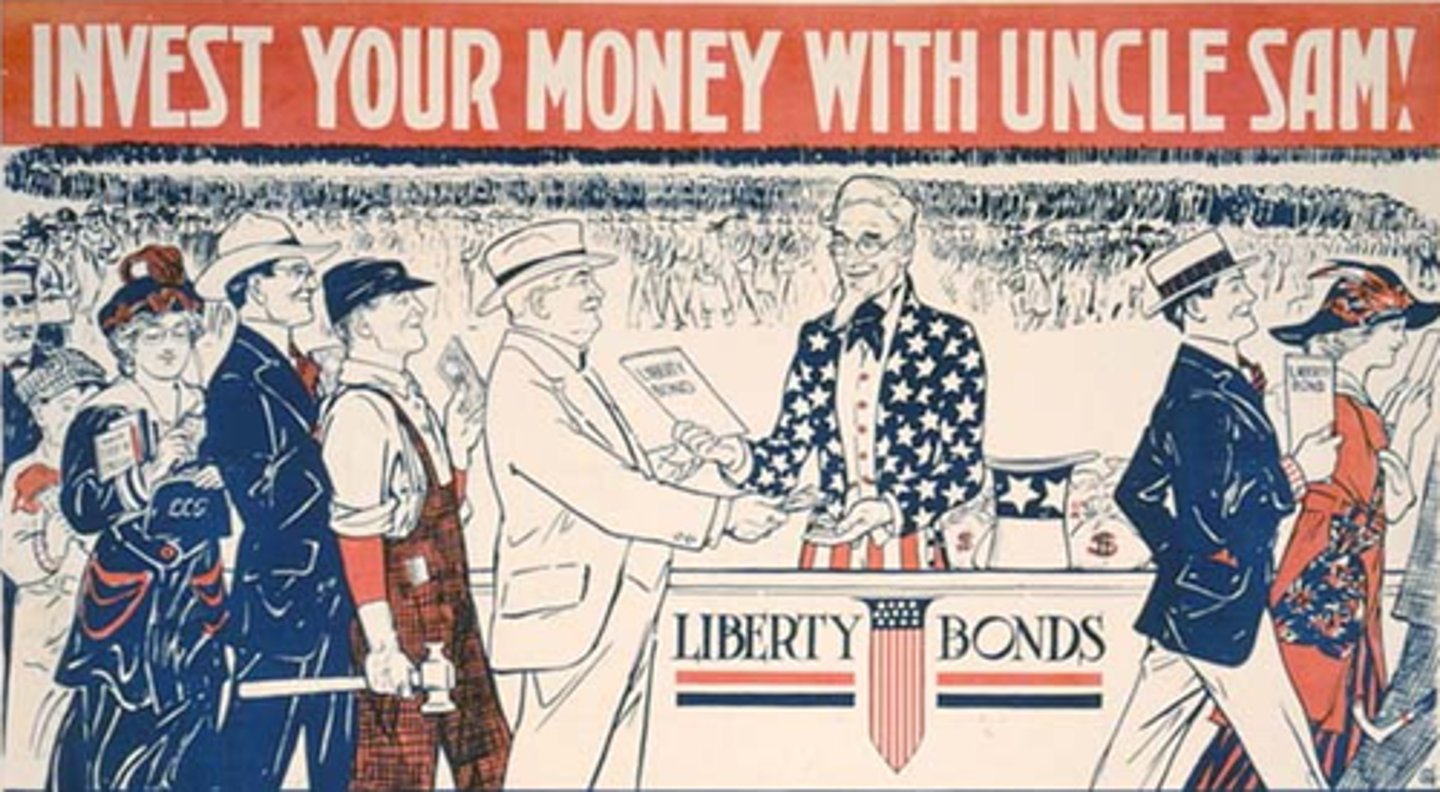
Short-term loans that individual citizens made to the government that financed two-thirds of the war's cost.
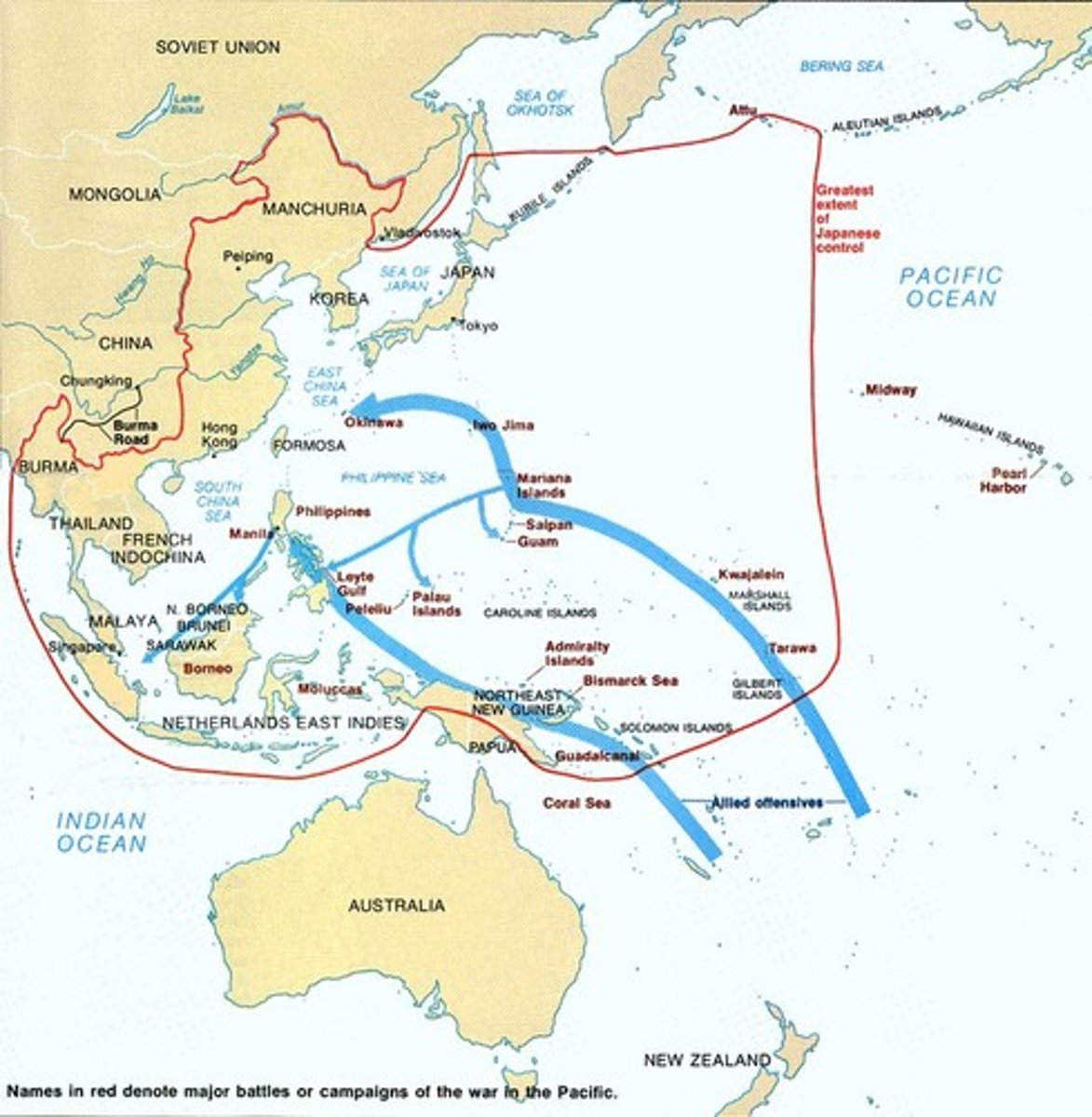
The Pacific Theater
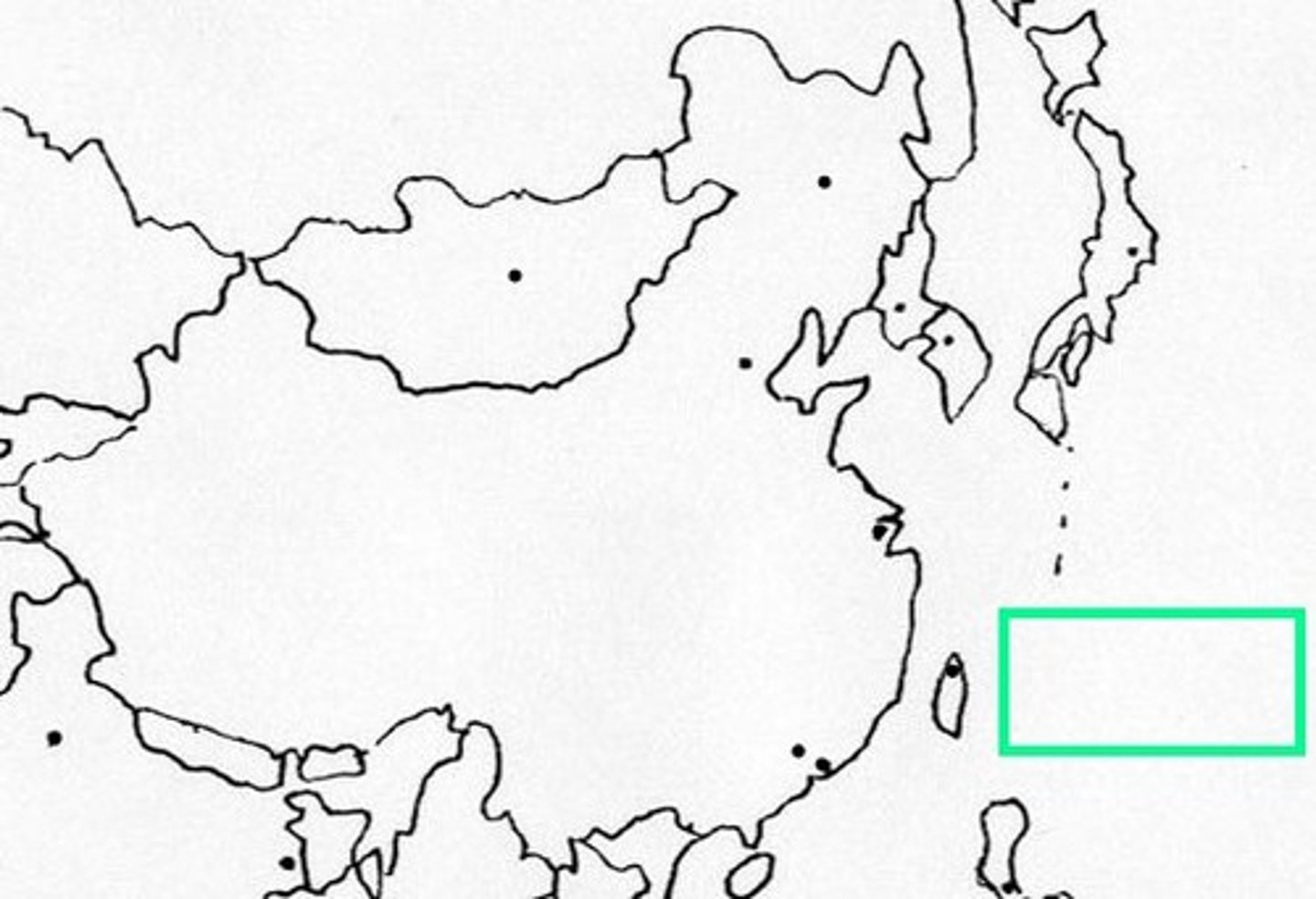
The war in the Pacific, most islands were involved, Japan tried to take these islands and sent 65 bombing raids all the way to Australia.
The Holocaust
The Holocaust took place in Europe between 1933 and 1945. Six million Jews were systematically and brutally murdered by the Nazis and their collaberators. Miliions of non-Jews, including Roma and Sinti(Gypsies), Serbs, political dissidents, people with disabilities, homosexuals and Jehova's Witnesses, were also persecuted by the Nazis.
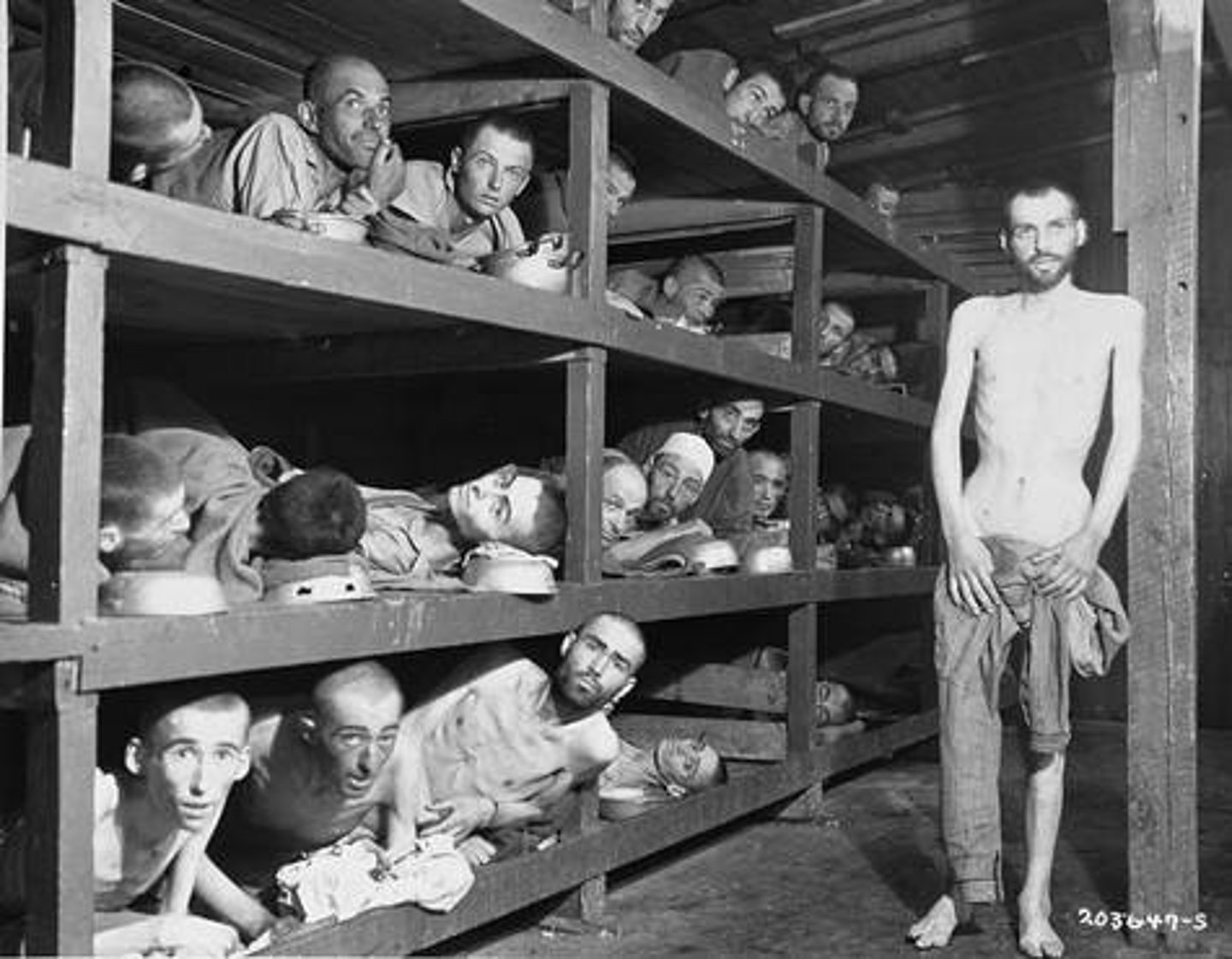
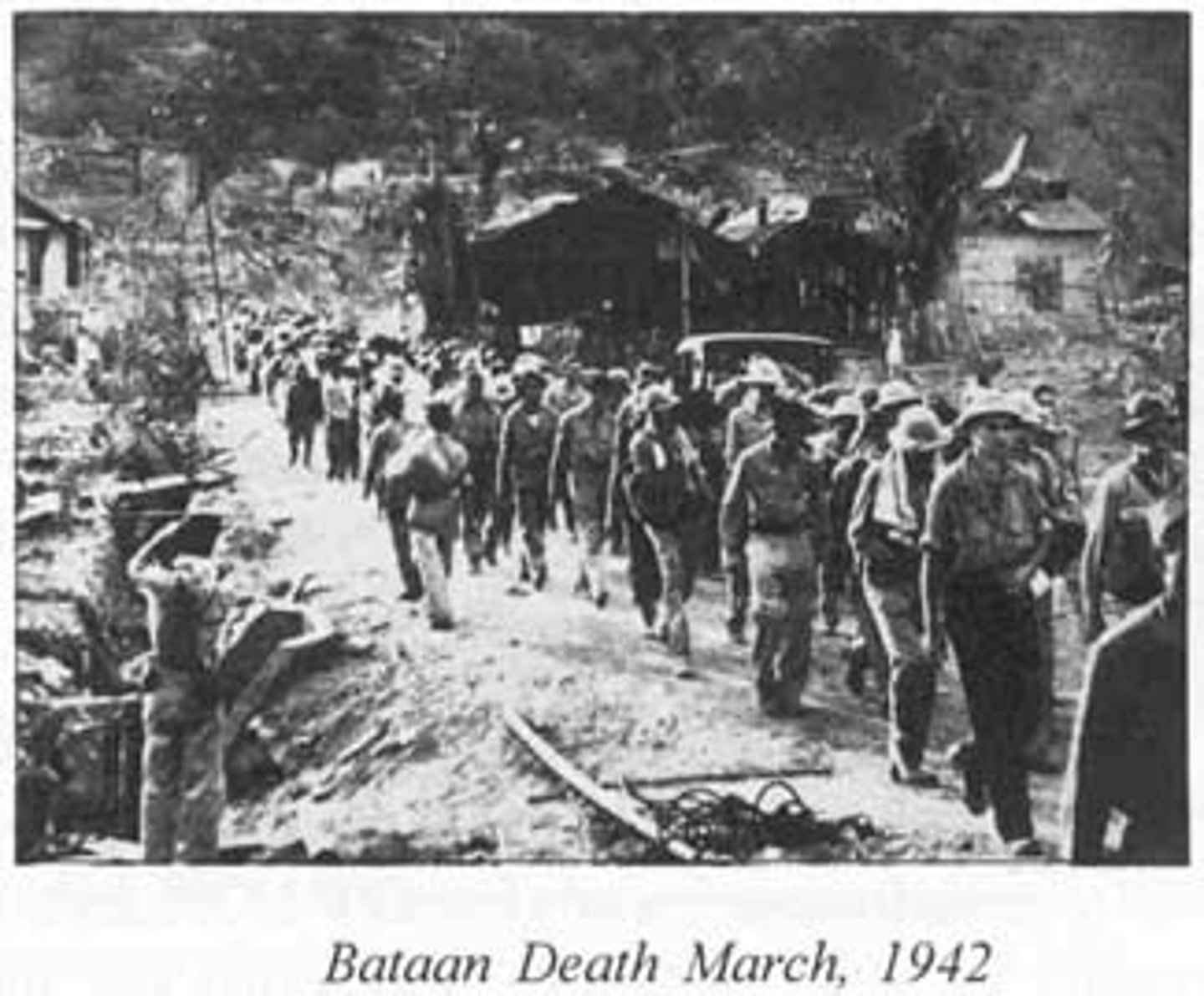
Bataan Death March
Japanese forced about 60,000 of americans and philippines to march 100 miles with little food and water, most died or were killed on the way
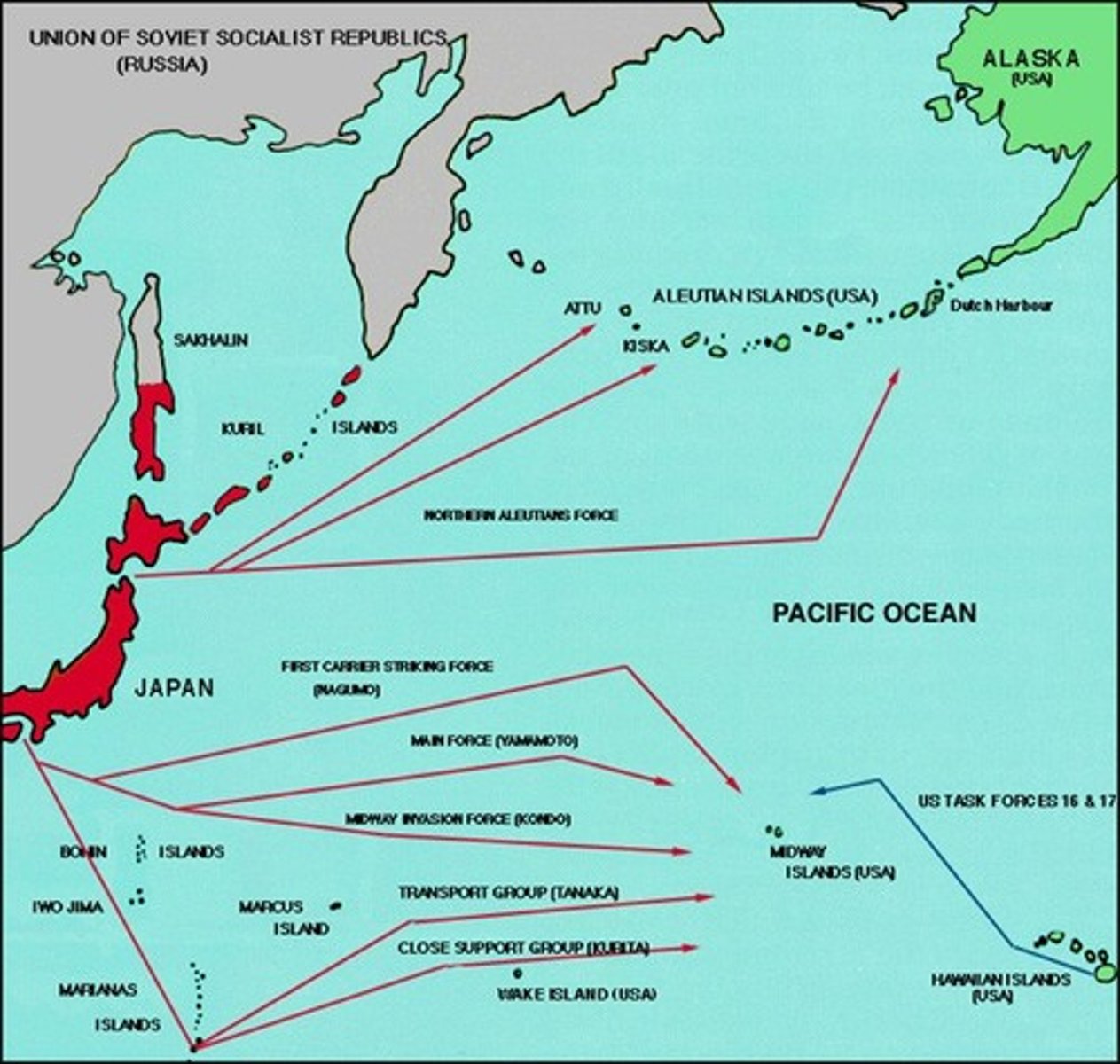
Battle of Midway
1942 World War II battle between the United States and Japan, a turning point in the war in the Pacific
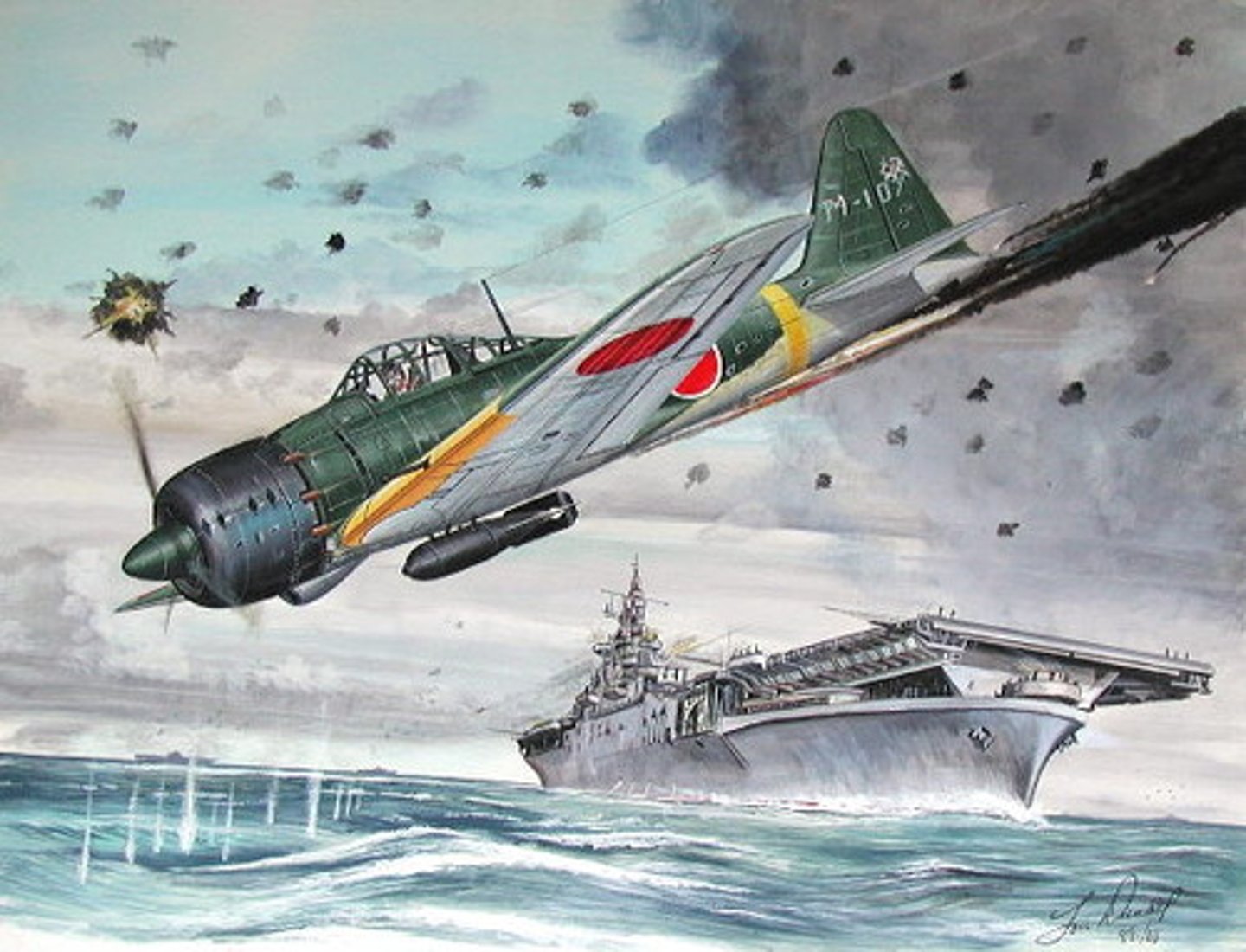
Kamikazes
in World War II, Japanese pilots who loaded their aircraft with bombs and crashed them into enemy ships
Island Hopping
A military strategy used during World War II that involved selectively attacking specific enemy-held islands and bypassing others
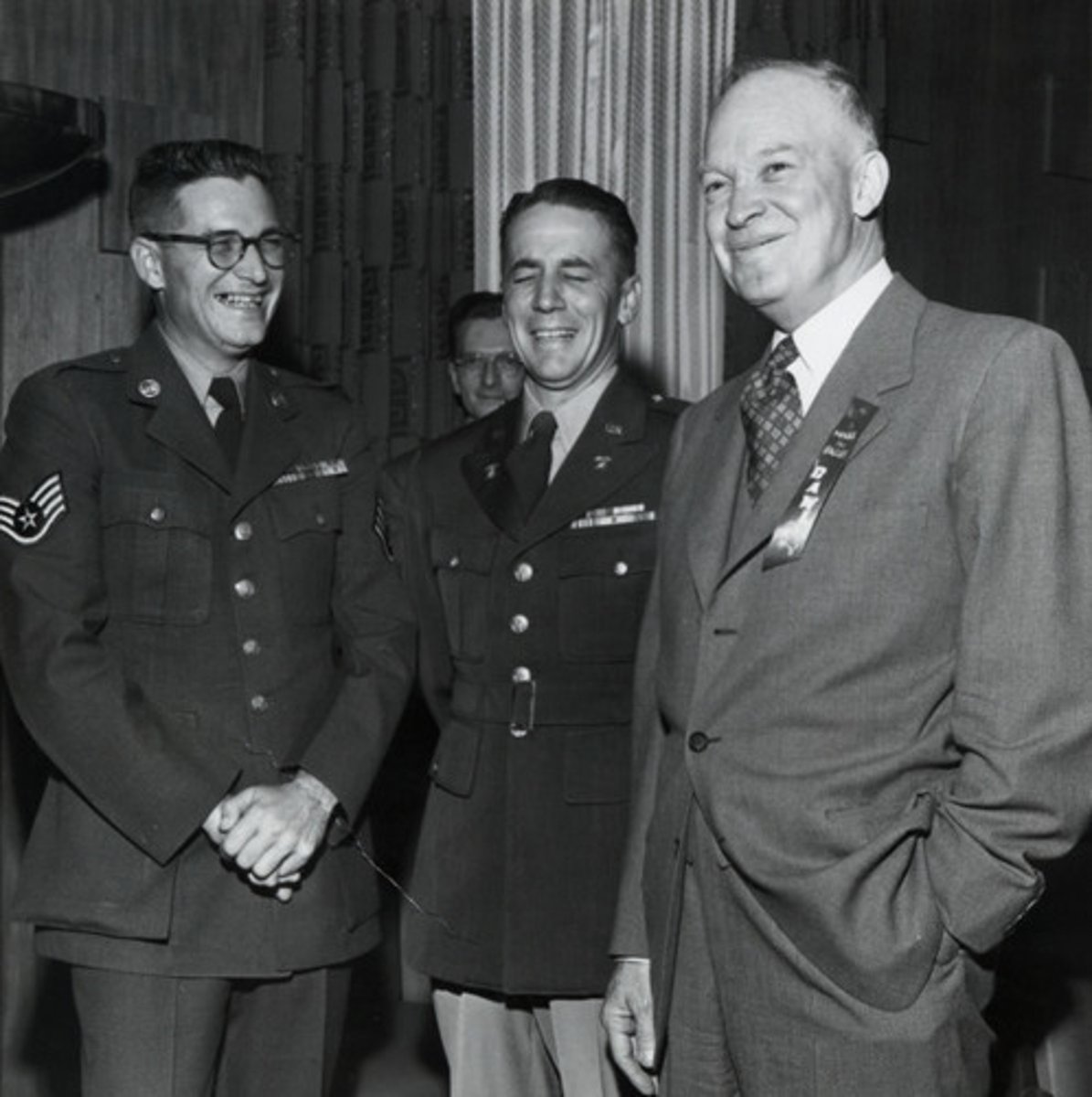
General Eisenhower
A US Army general who held the position of supreme Allied commander in Europe, among many others. He was best known for his work in planning Operation Overlord, the Allied invasion of Europe.
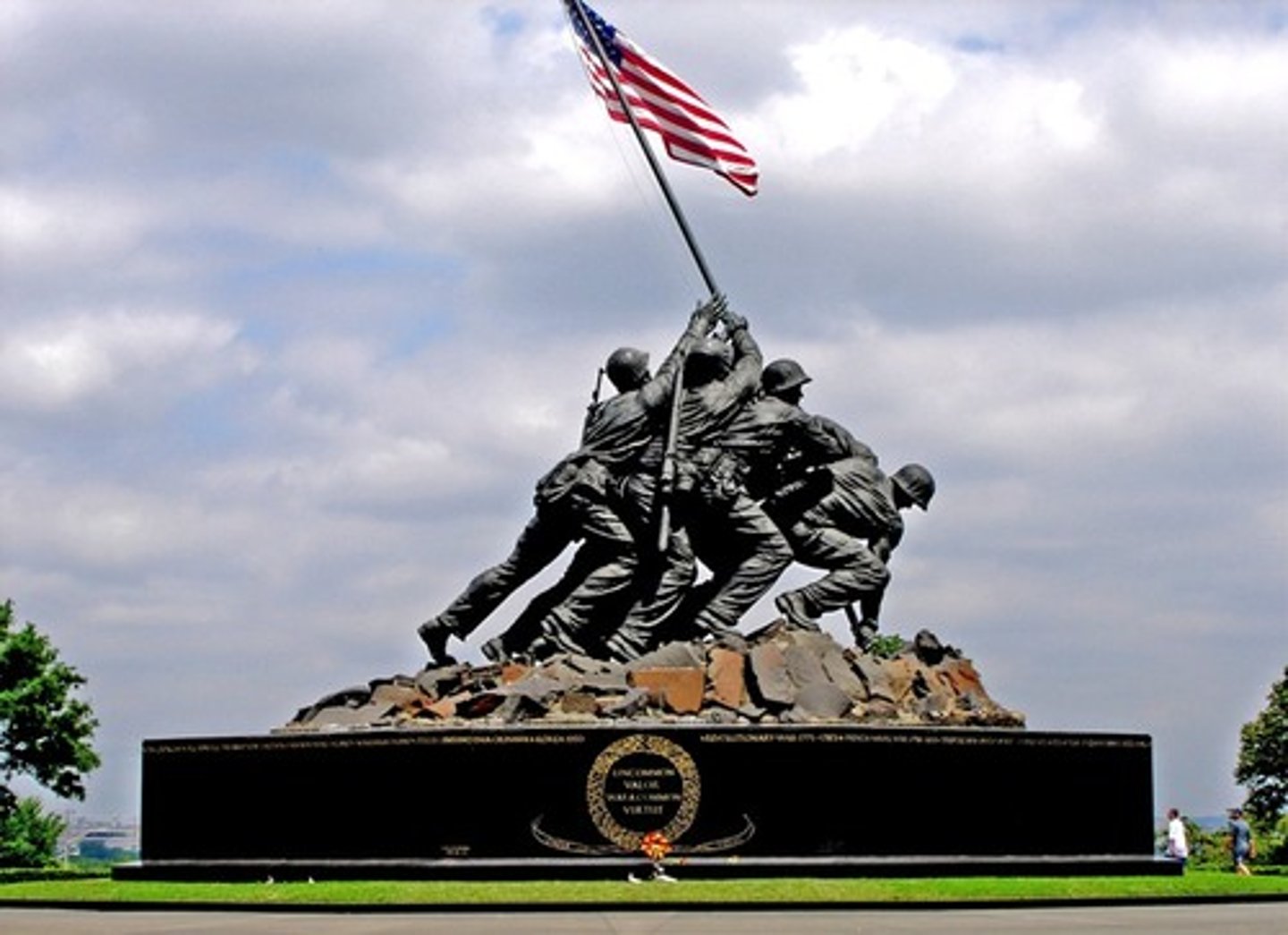
Iwo Jima
a bloody and prolonged operation on the island of Iwo Jima in which American marines landed and defeated Japanese defenders (February and March 1945)
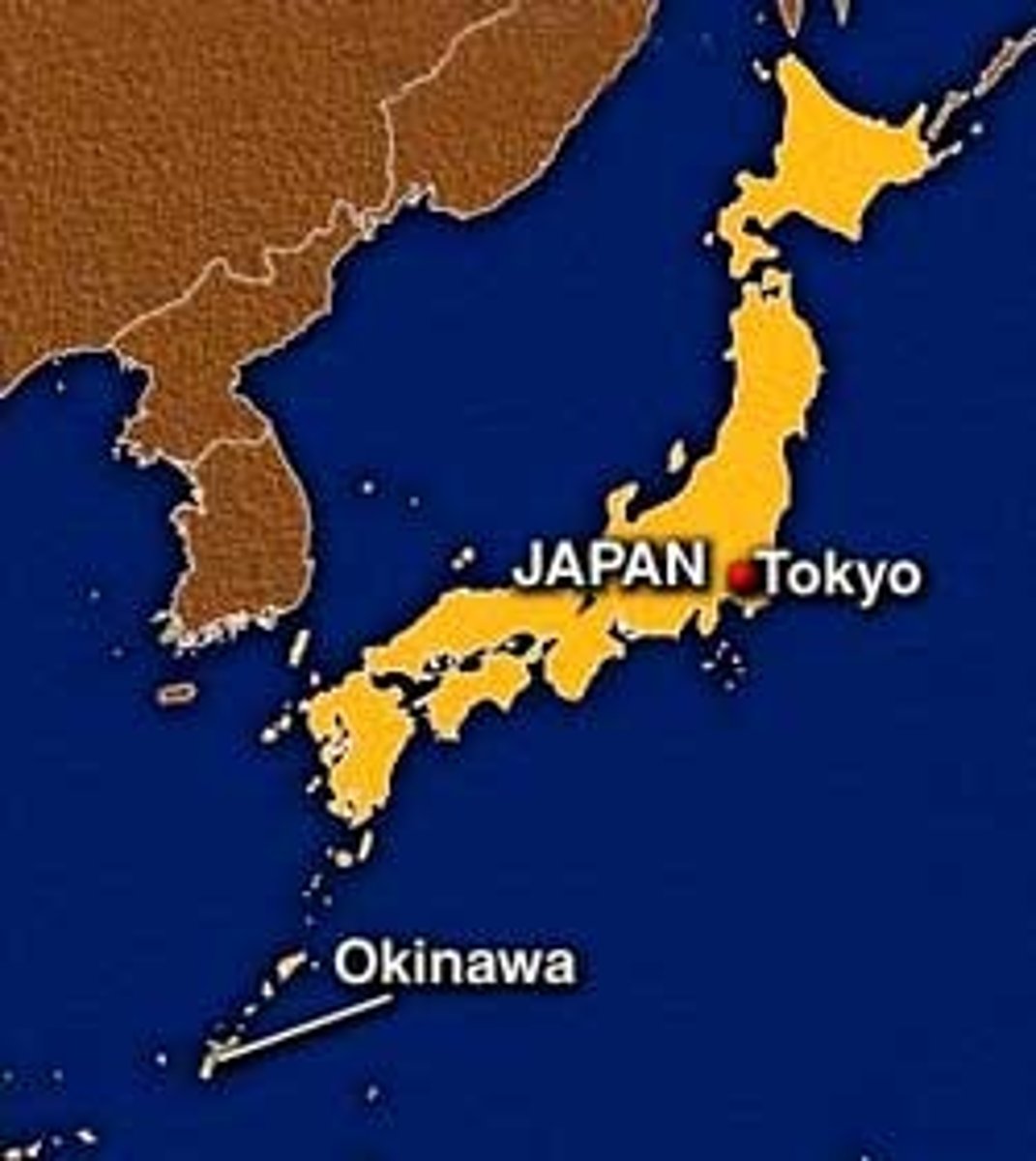
Okinawa
THE LAST OFFENSIVE BATTLE OF WWII.
The Manhattan Project
A secret research and development project of the US to develop the atomic bomb. Its success granted the US the bombs that ended the war with Japan as well as ushering the country into the atomic era
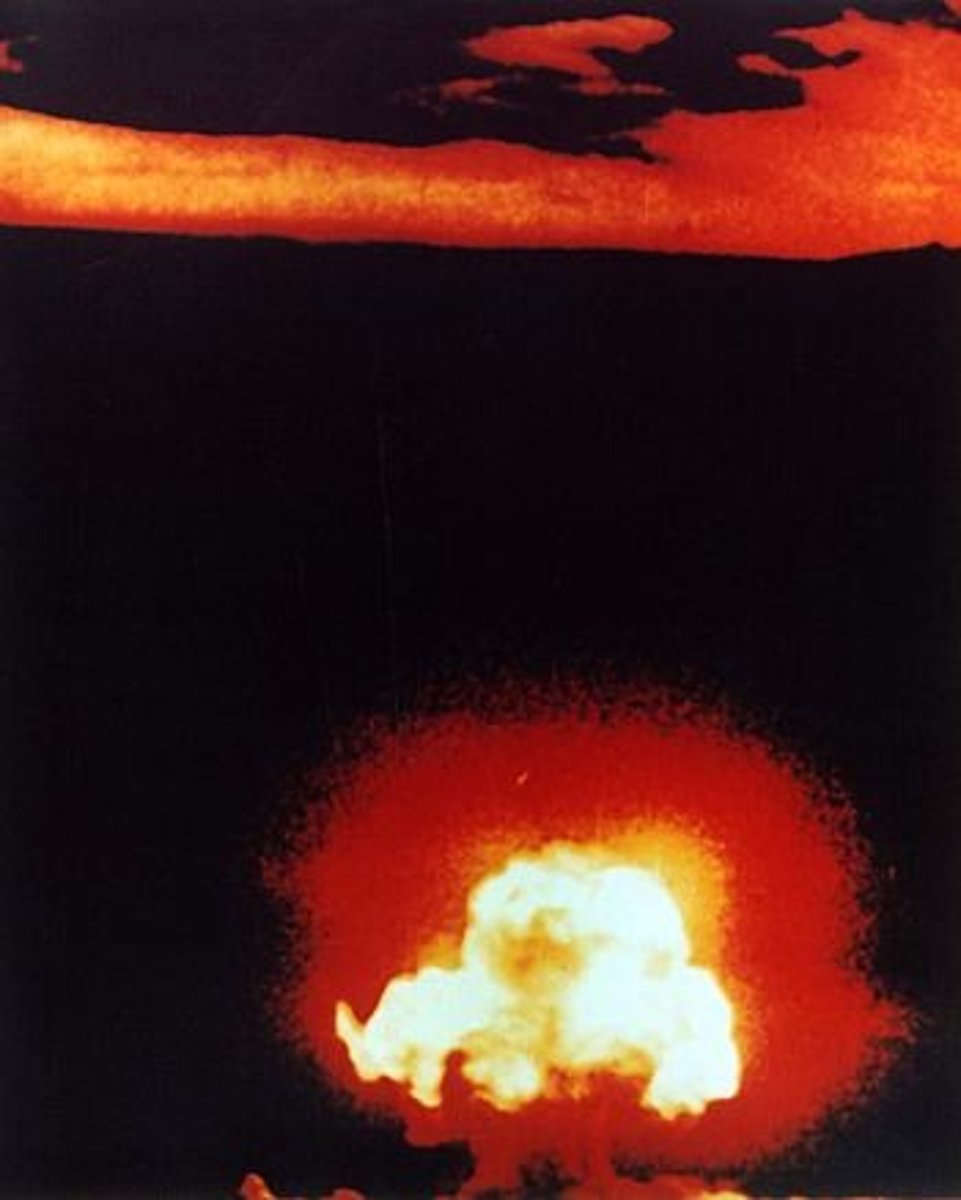
Nagasaki
Japanese city devastated during World War II when the United States dropped the second atomic bomb on Aug 8th, 1945.
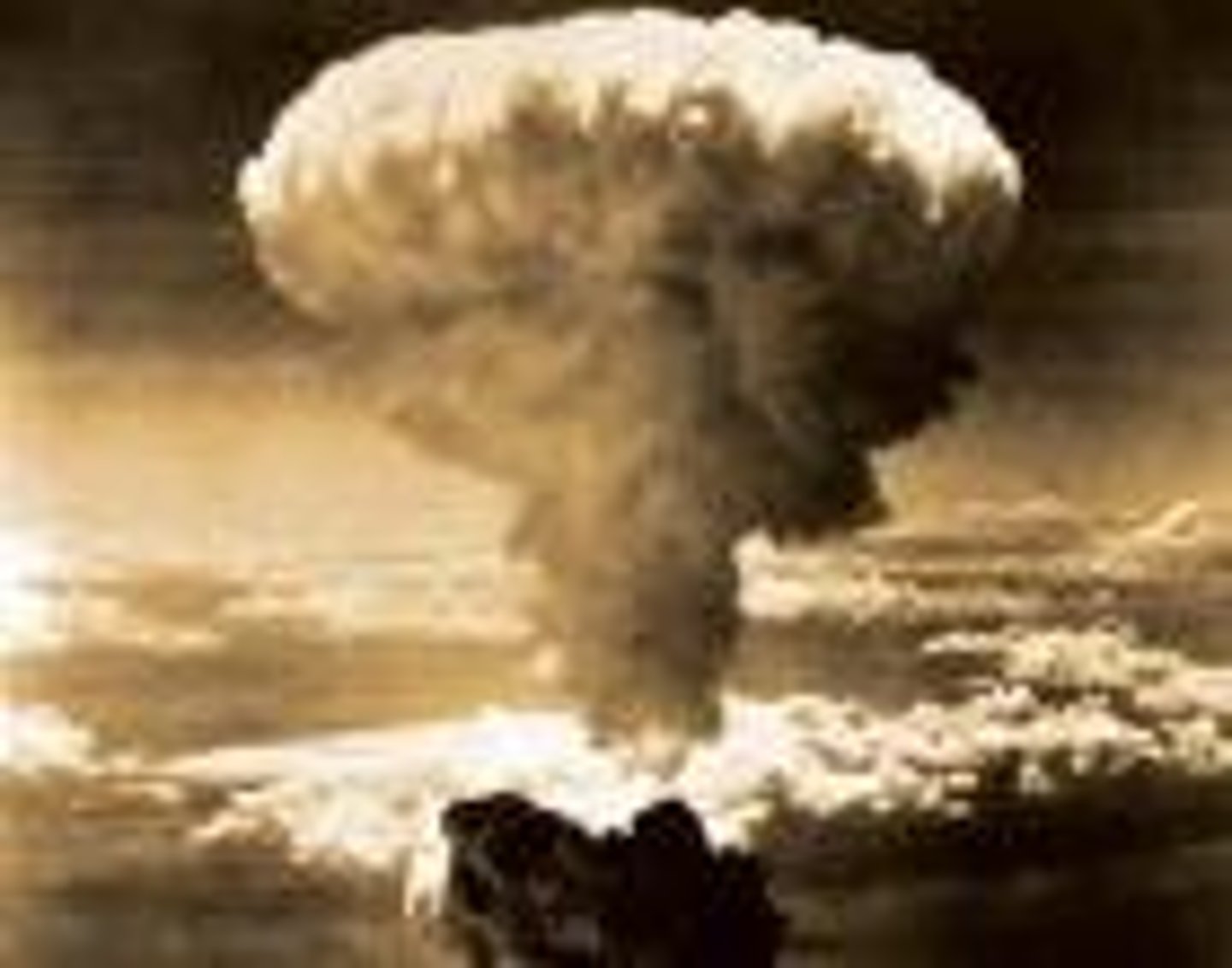
Hiroshima
City in Japan, the first to be destroyed by an atomic bomb, on August 6, 1945. The bombing hastened the end of World War II.
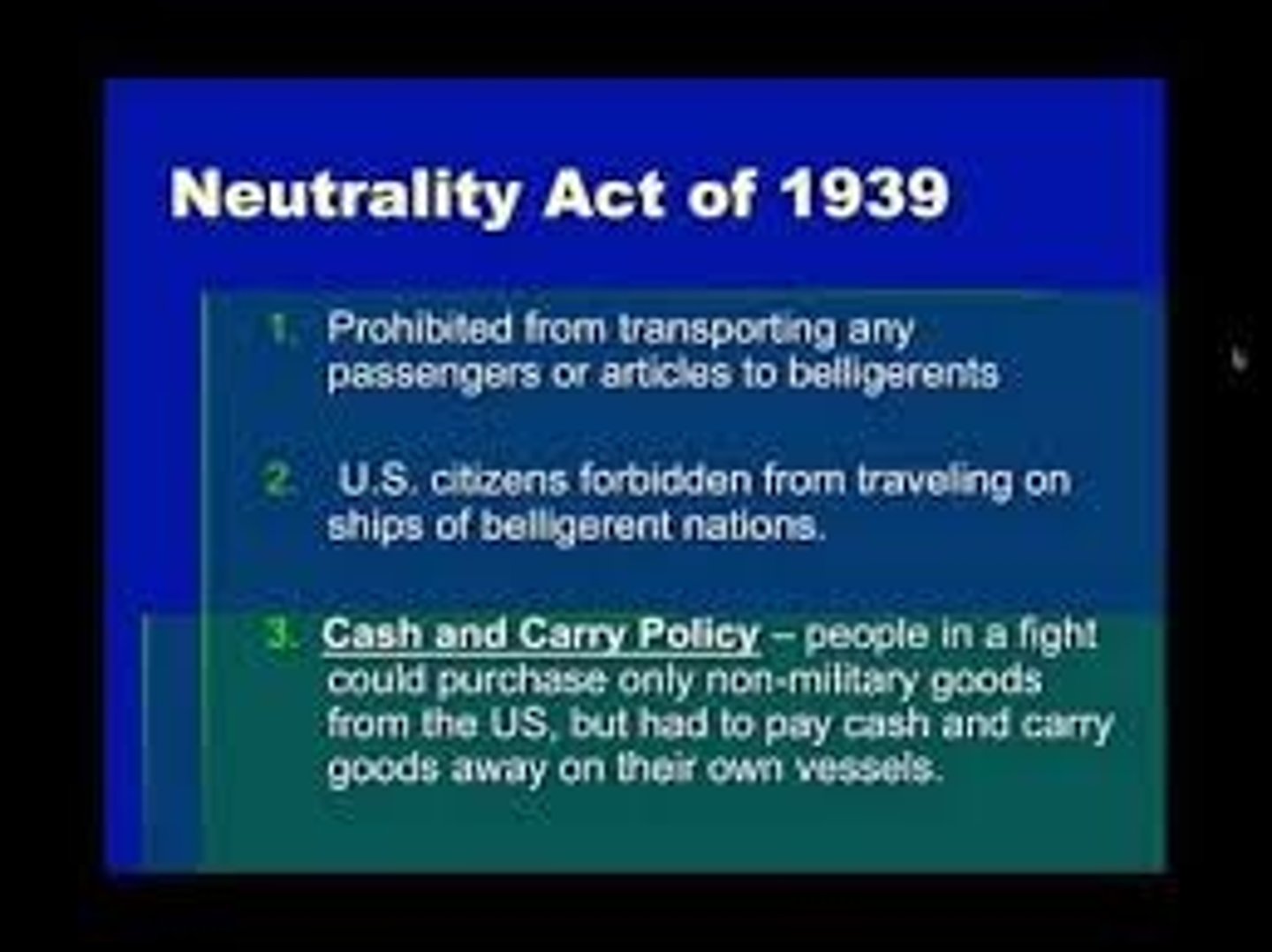
Neutrality Acts 1939
Laws designed to keep the U.S. out of future wars
D-Day
(FDR) , June 6, 1944, 160,000 Allied troops landed along a 50-mile stretch of heavily-fortified French coastline to fight Nazi Germany on the beaches of Normandy, France. General Dwight D. Eisenhower called the operation a crusade in which "we will accept nothing less than full victory." More than 5,000 Ships and 13,000 aircraft supported the D-Day invasion, and by day's end on June 6, the Allies gained a foot- hold in Normandy.
Winston Churchill
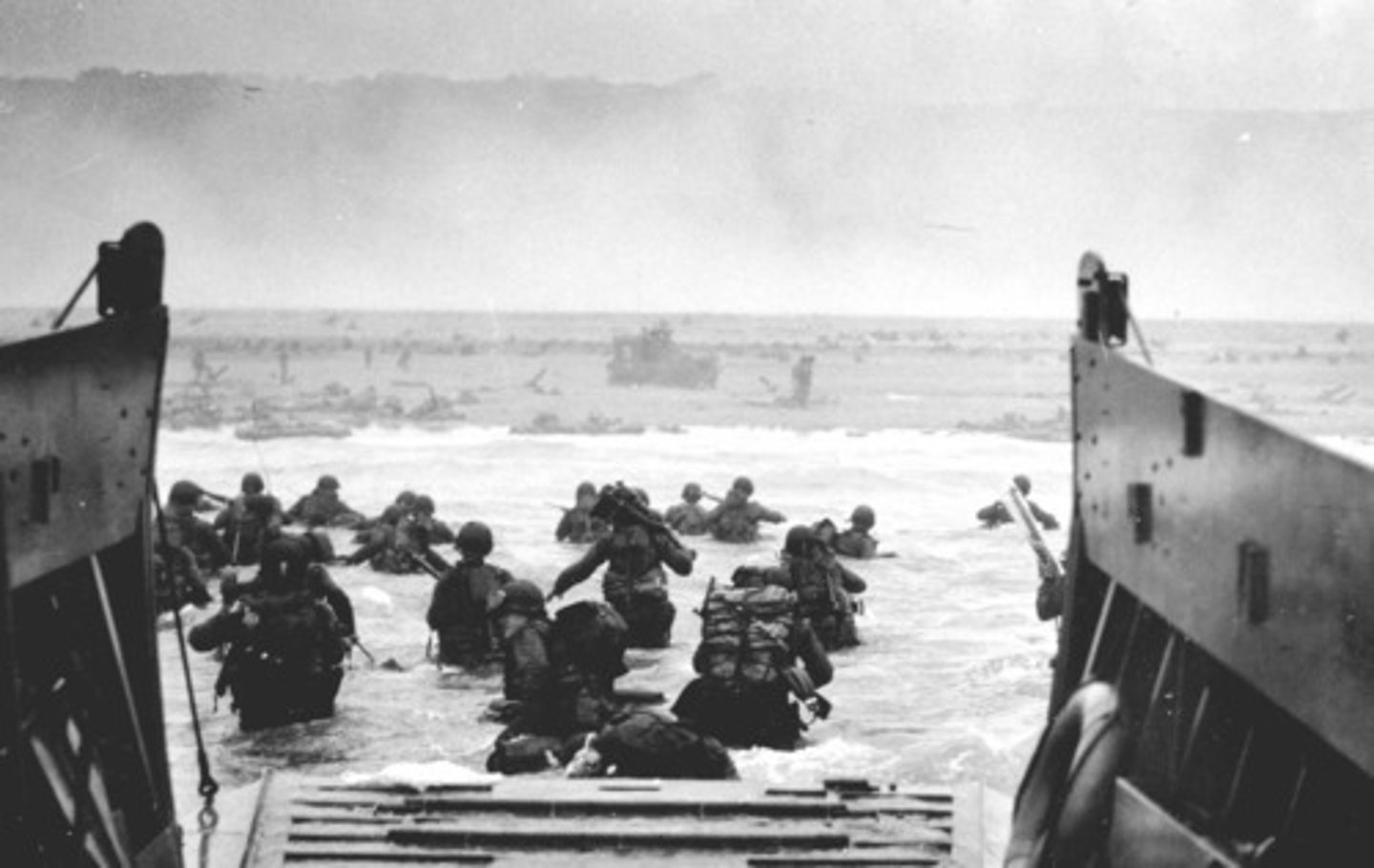
A noted British statesman who led Britain throughout most of World War II and along with Roosevelt planned many allied campaigns. He predicted an iron curtain that would separate Communist Europe from the rest of the West.
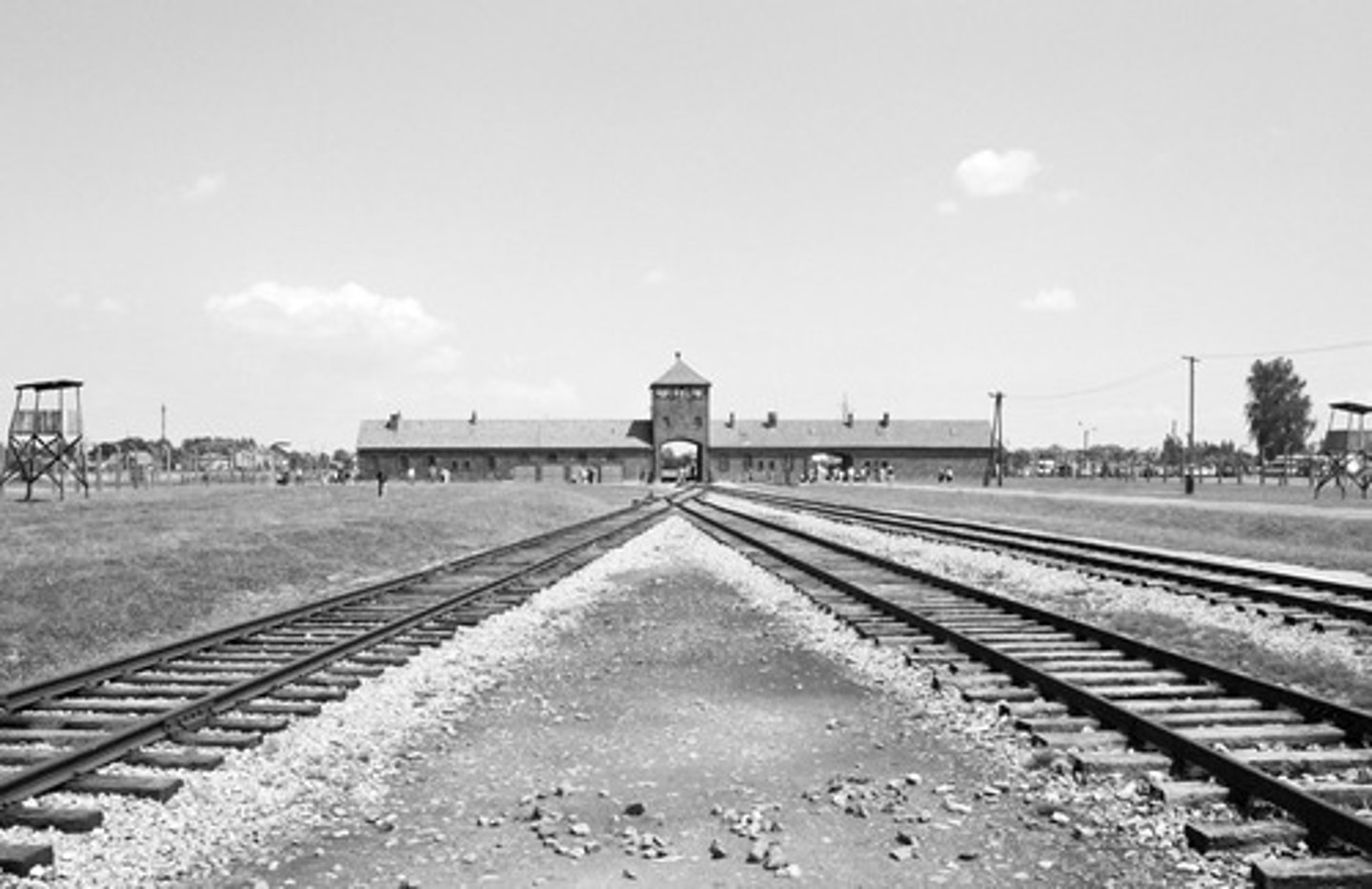
Concentration Camps
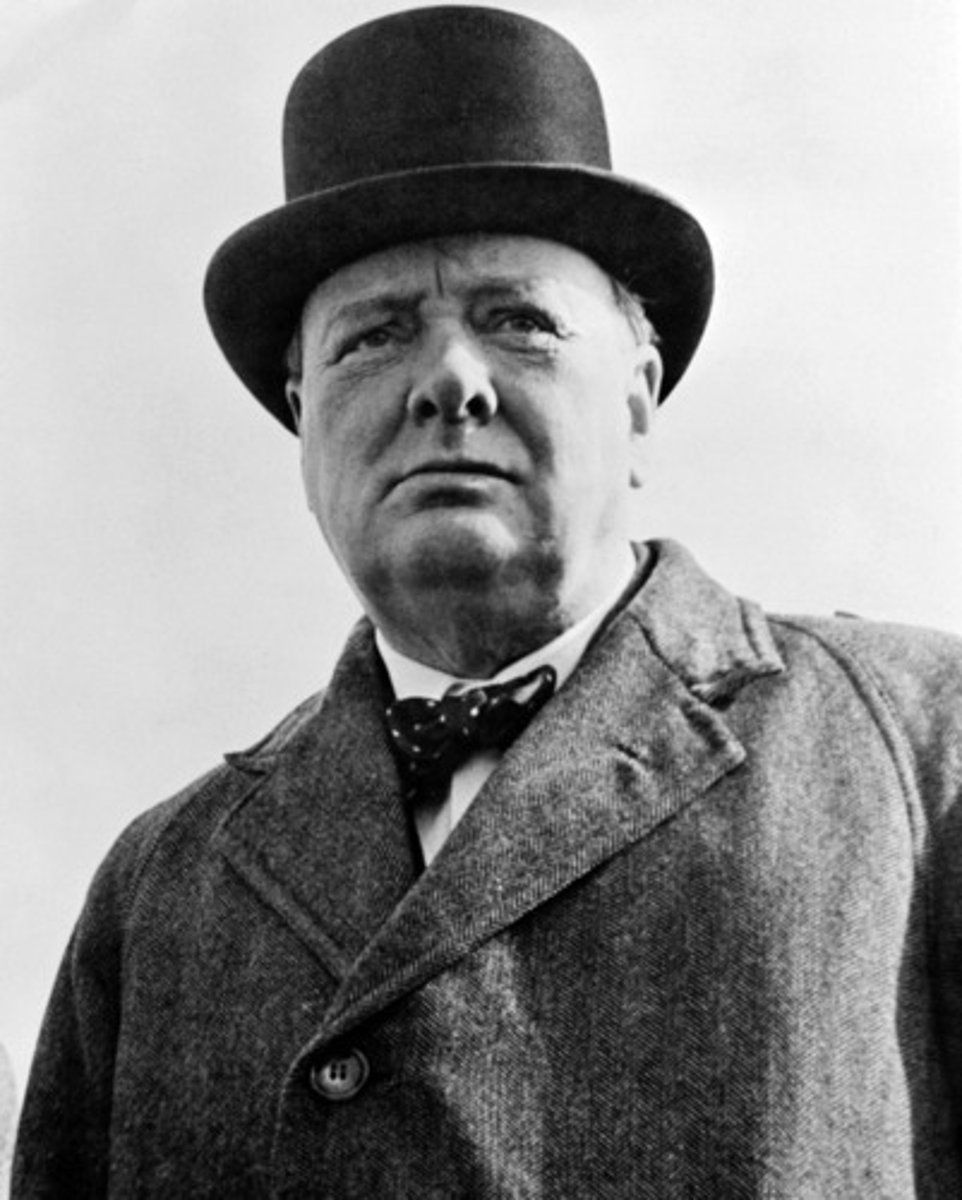
prison camps used under the rule of Hitler in Nazi Germany. Conditions were inhuman, and prisoners, mostly Jewish people, were generally starved or worked to death, or killed immediately.
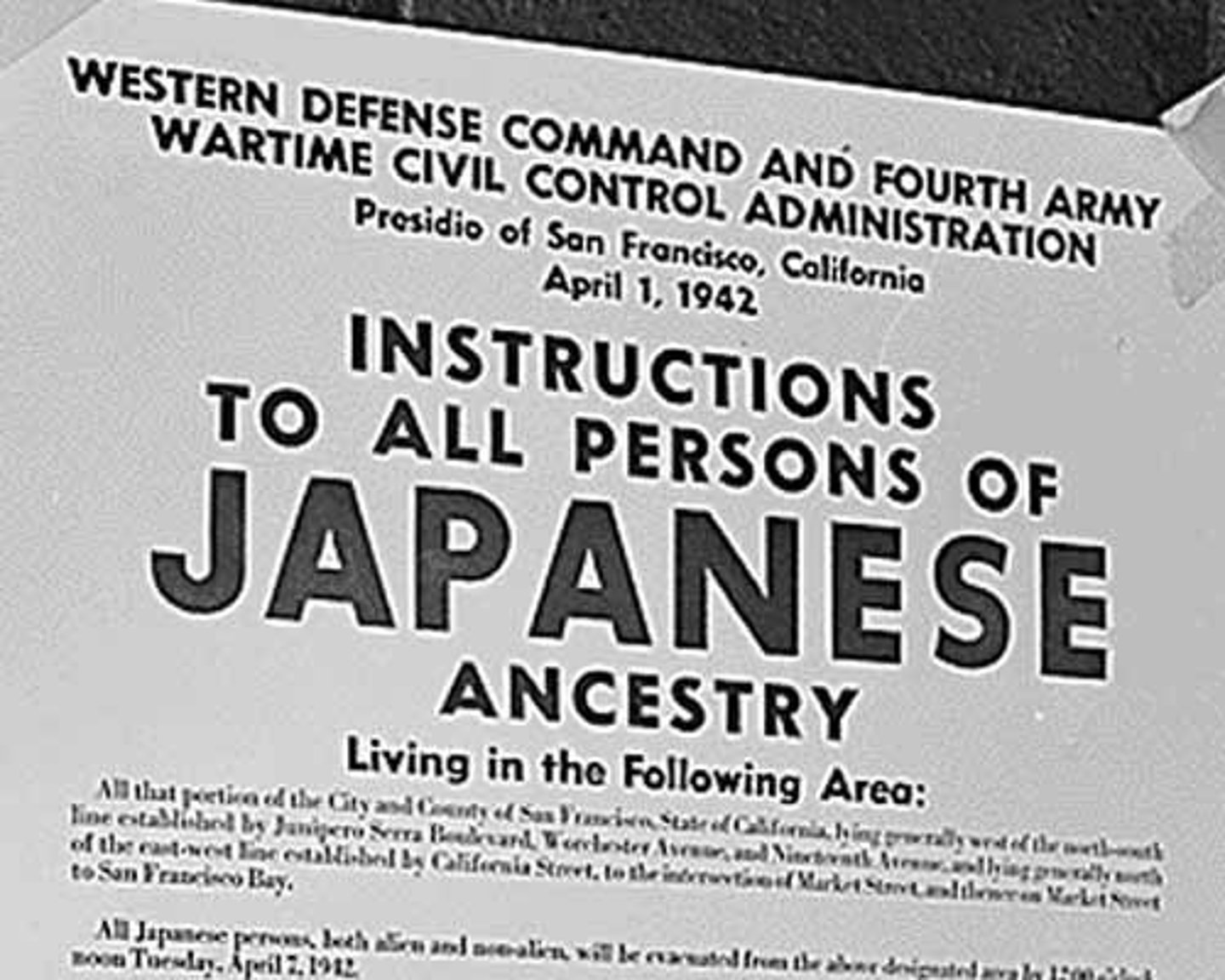
Internment Camps
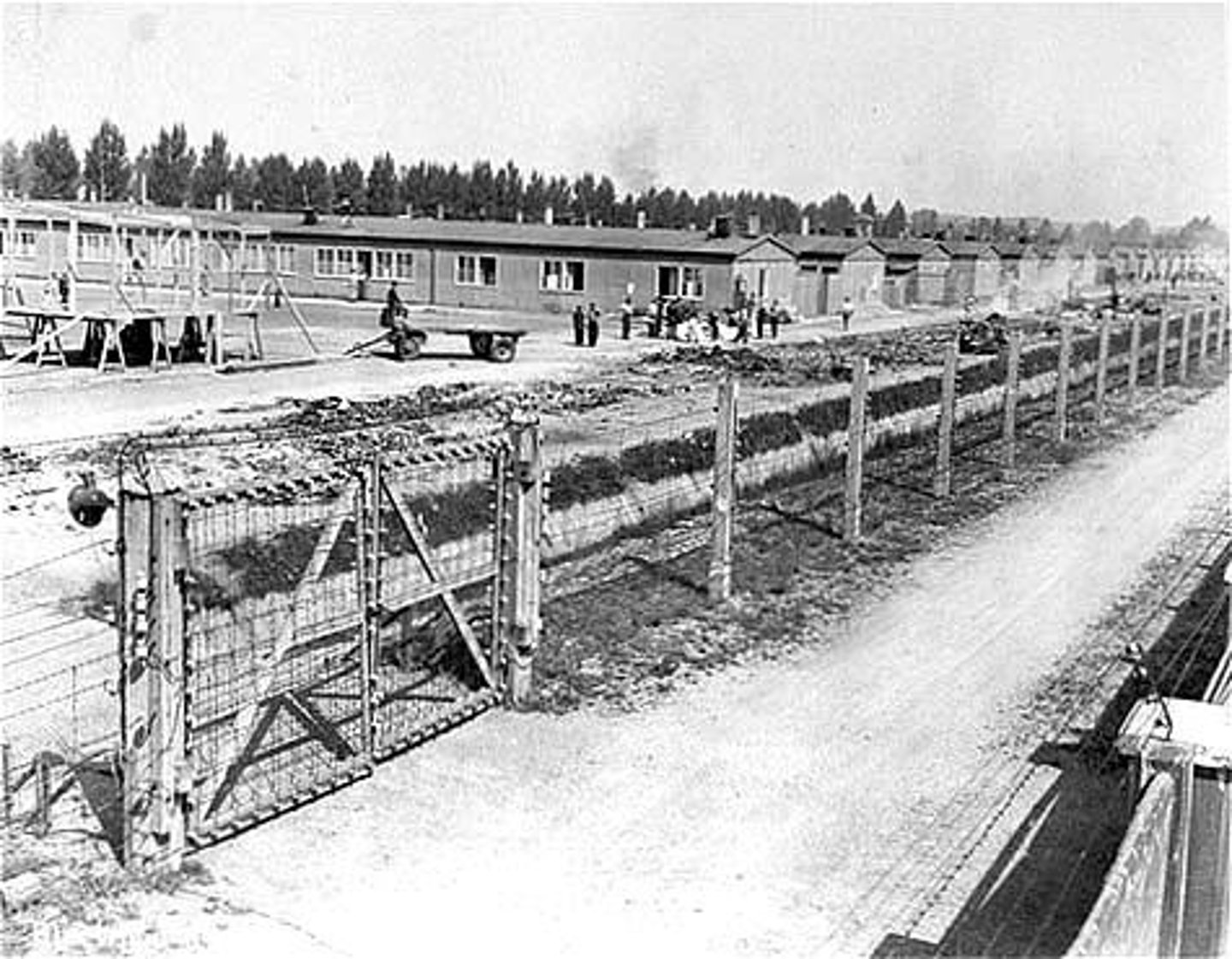
Detention centers where more than 100,000 Japanese Americans were relocated during World War II by order of the President.
Rosie the Riveter
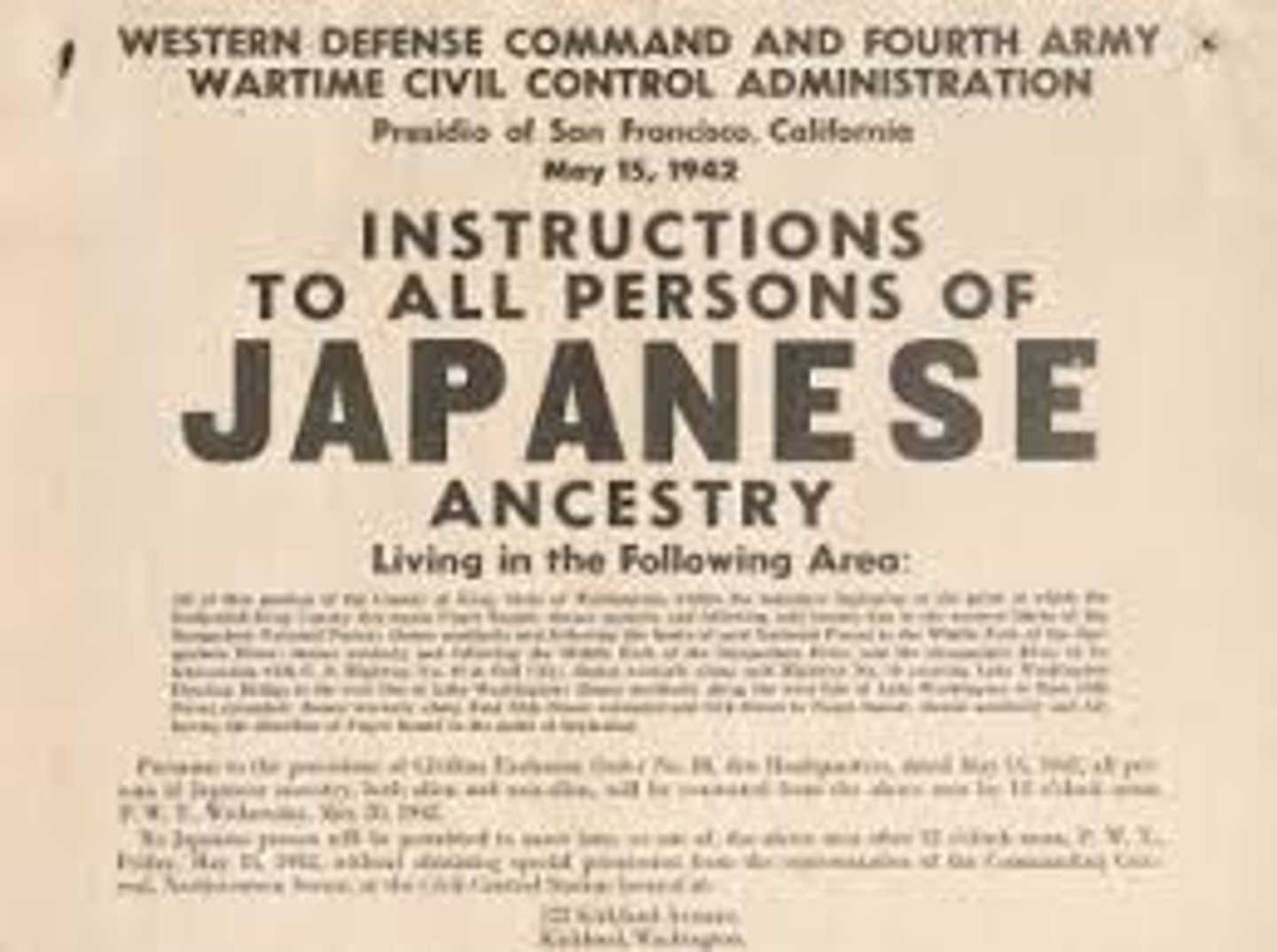
A propaganda character designed to increase production of female workers in the factories. It became a rallying symbol for women to do their part.
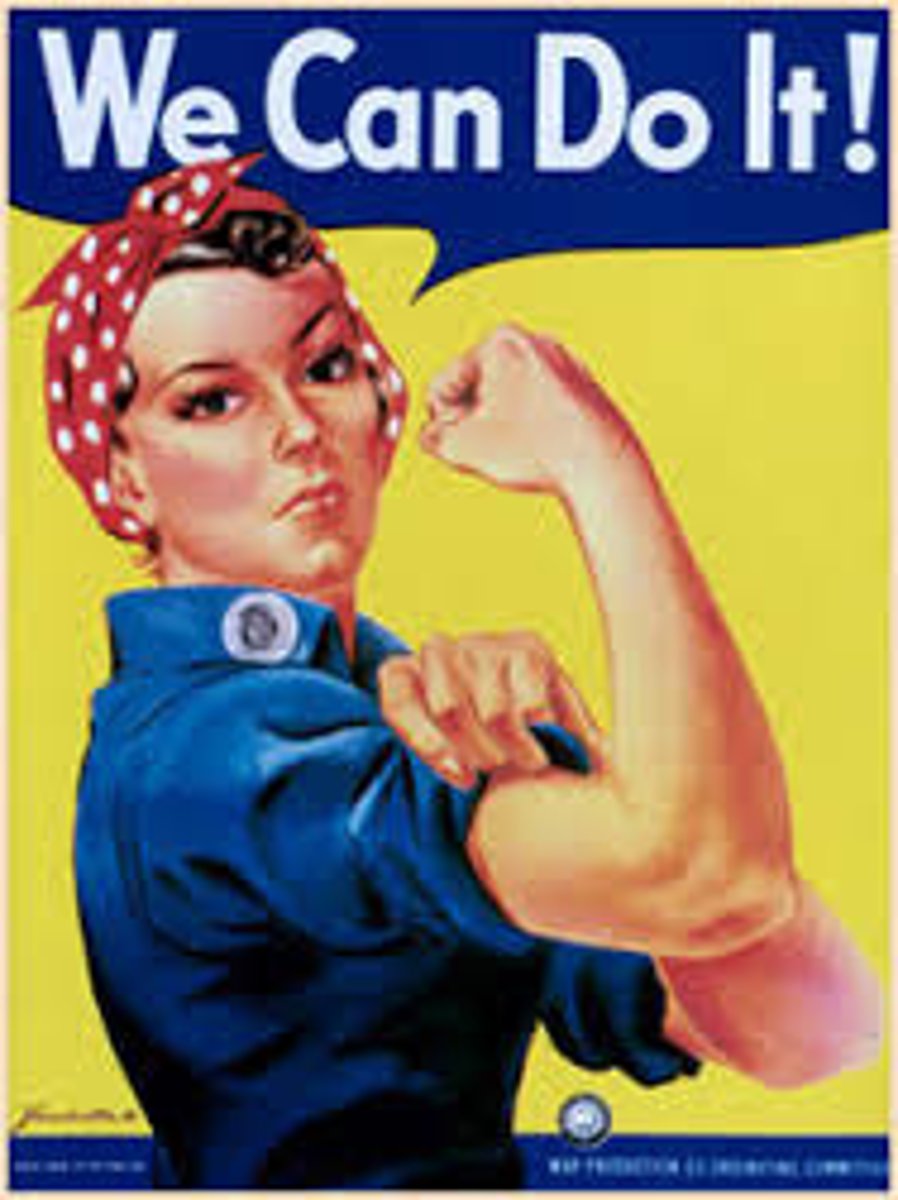
Propaganda
Ideas spread to influence public opinion for or against a cause.
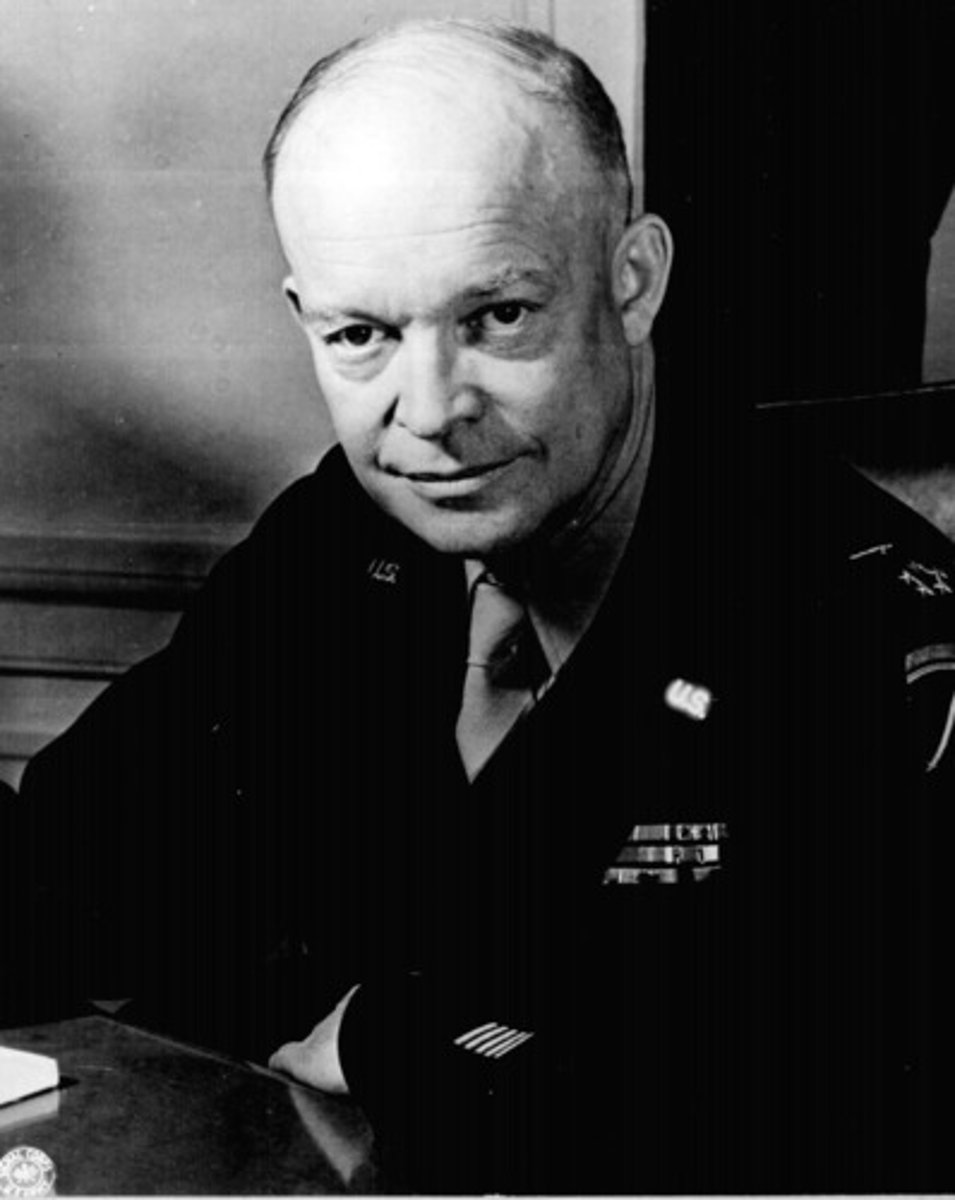
General Dwight Eisenhower
Led the allied invasion of North Africa and planned and executed the D-Day invasion at Normandy and the battle of the budge; Supreme Allied Commander in Europe.
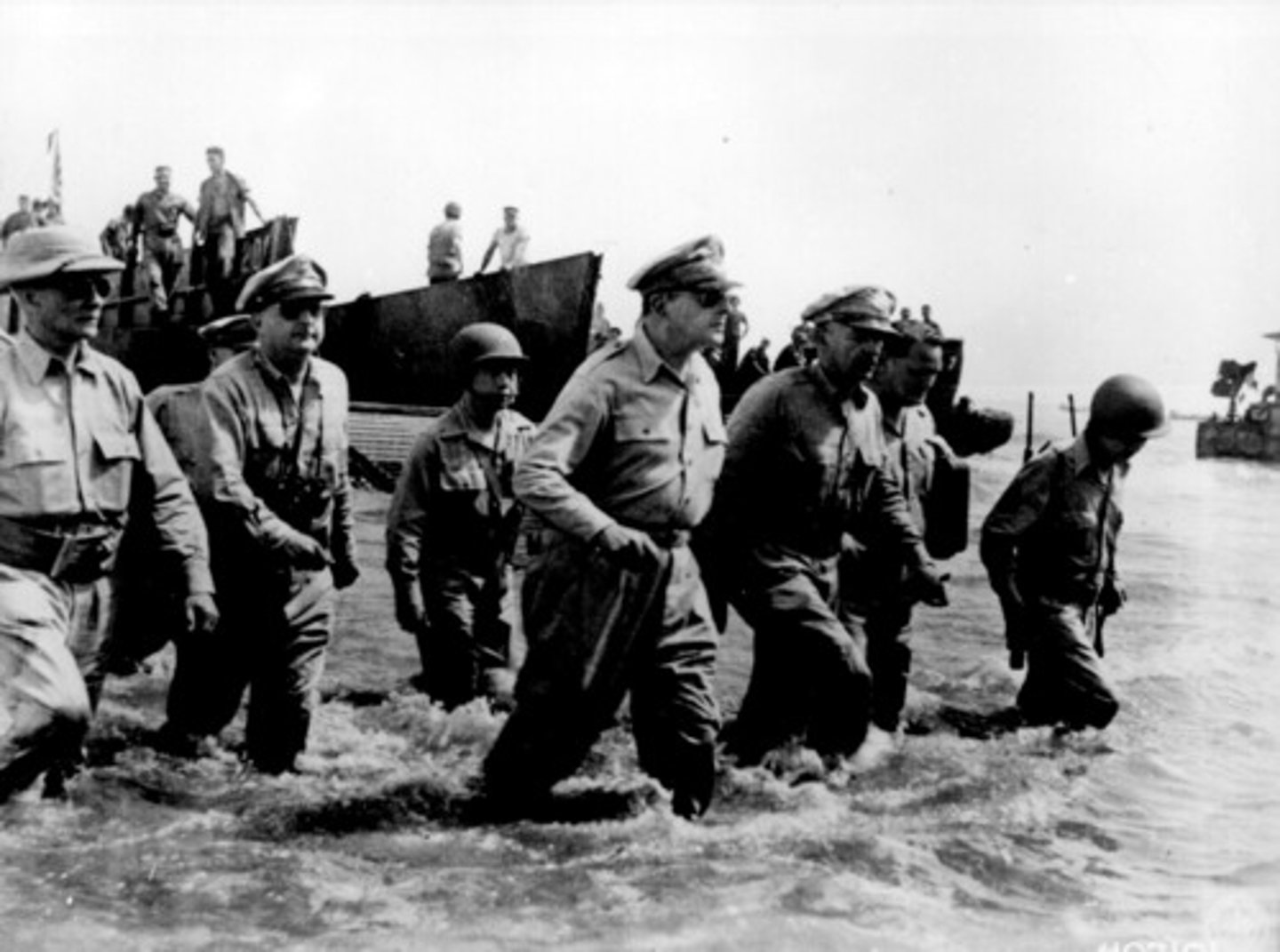
General Douglas MacArthur
He was one of the most-known American military leaders of WW2 (He liberated the Philippines and made the Japanese surrender at Tokyo in 1945, also he drove back North Korean invaders during the Korean War); developed strategy of "island-hopping".
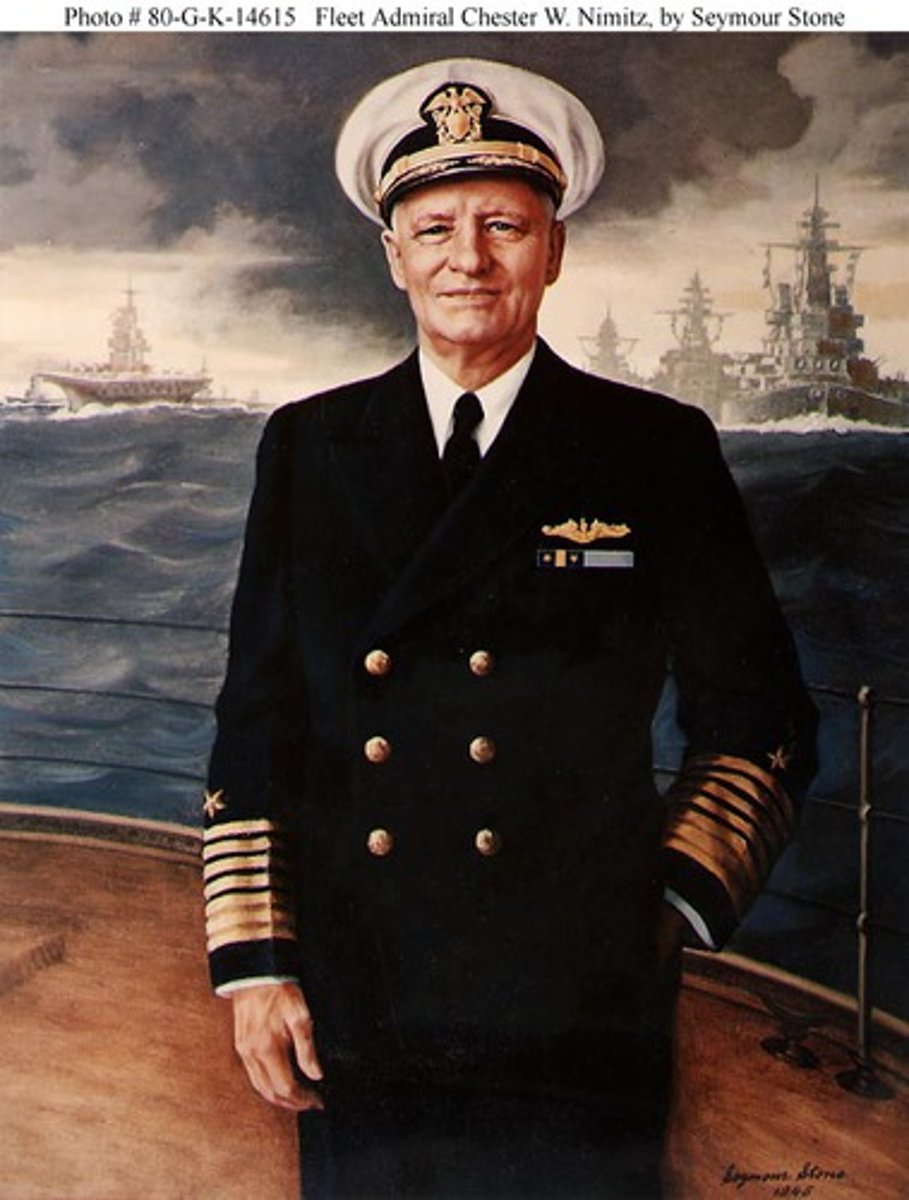
Chester Nimitz
U.S. Admiral during WWII, the commander of American naval forces in the Pacific. He took action to defend the island of Midway from the Japanese. On June 3, 1942, his scout planes found the Japanese fleet. The Americans sent torpedo planes and dive bombers to the attack. The Japanese were caught with their planes still on the decks of their carriers. The results were devastating. By the end of the Battle of Midway, the Japanese had lost four aircraft carriers, a cruiser, and 250 planes.
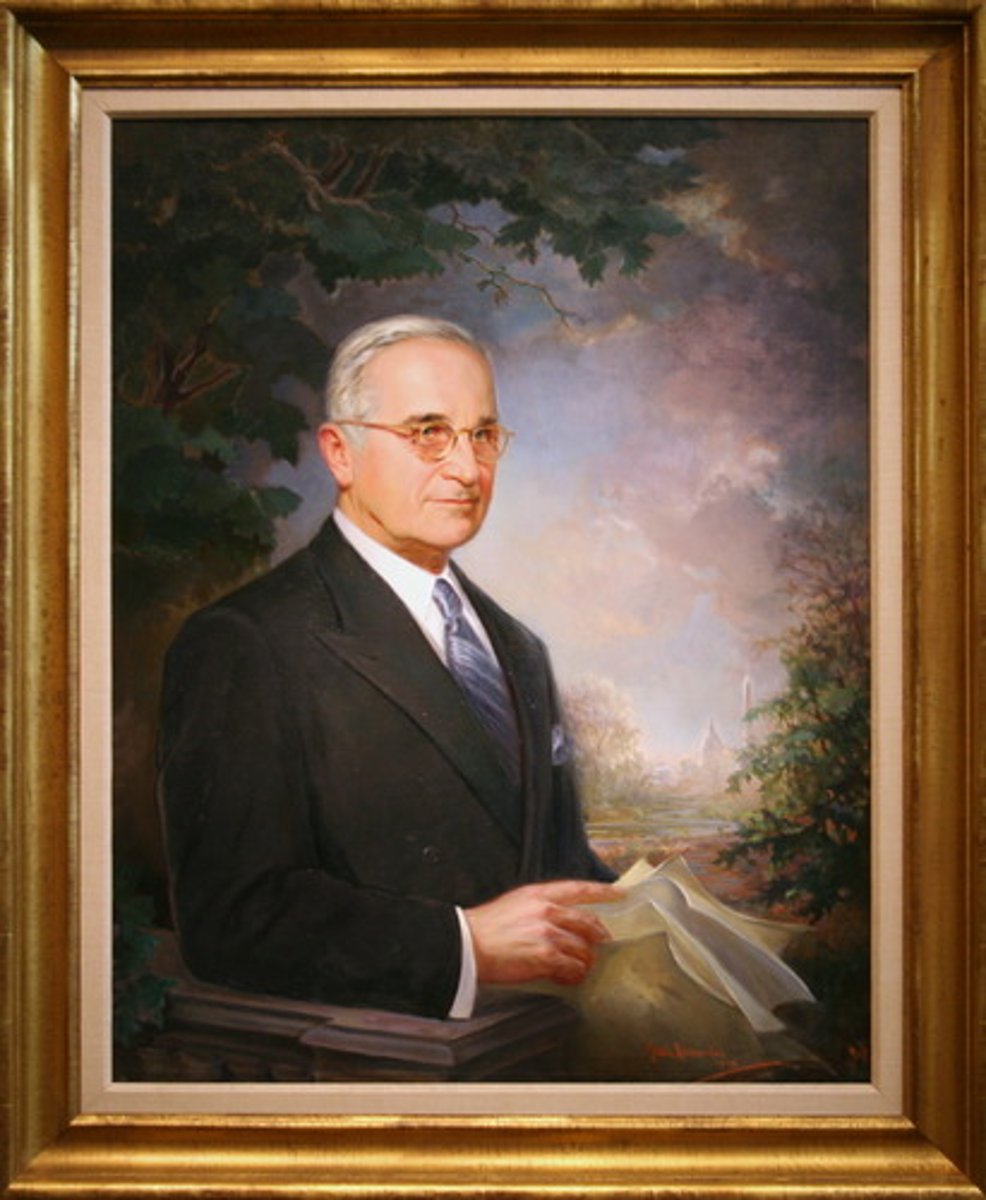
Harry Truman
Became president when FDR died; gave the order to drop the atomic bomb
Enola Gay
the name of the American B-29 bomber, piloted by Col. Paul Tibbets, Jr., that dropped the atomic bomb on Hiroshima, Japan, on Aug. 6, 1945.
Internment Camp
Detention centers where more than 100,000 Japanese Americans were relocated during World War II by order of the President.
Death Camps
camps used under the rule of Hitler in Nazi Germany for the purpose of killing prisoners immediately.
Kristallnacht
(Night of the Broken Glass) November 9, 1938, when mobs throughout Germany destroyed Jewish property and terrorized Jews.
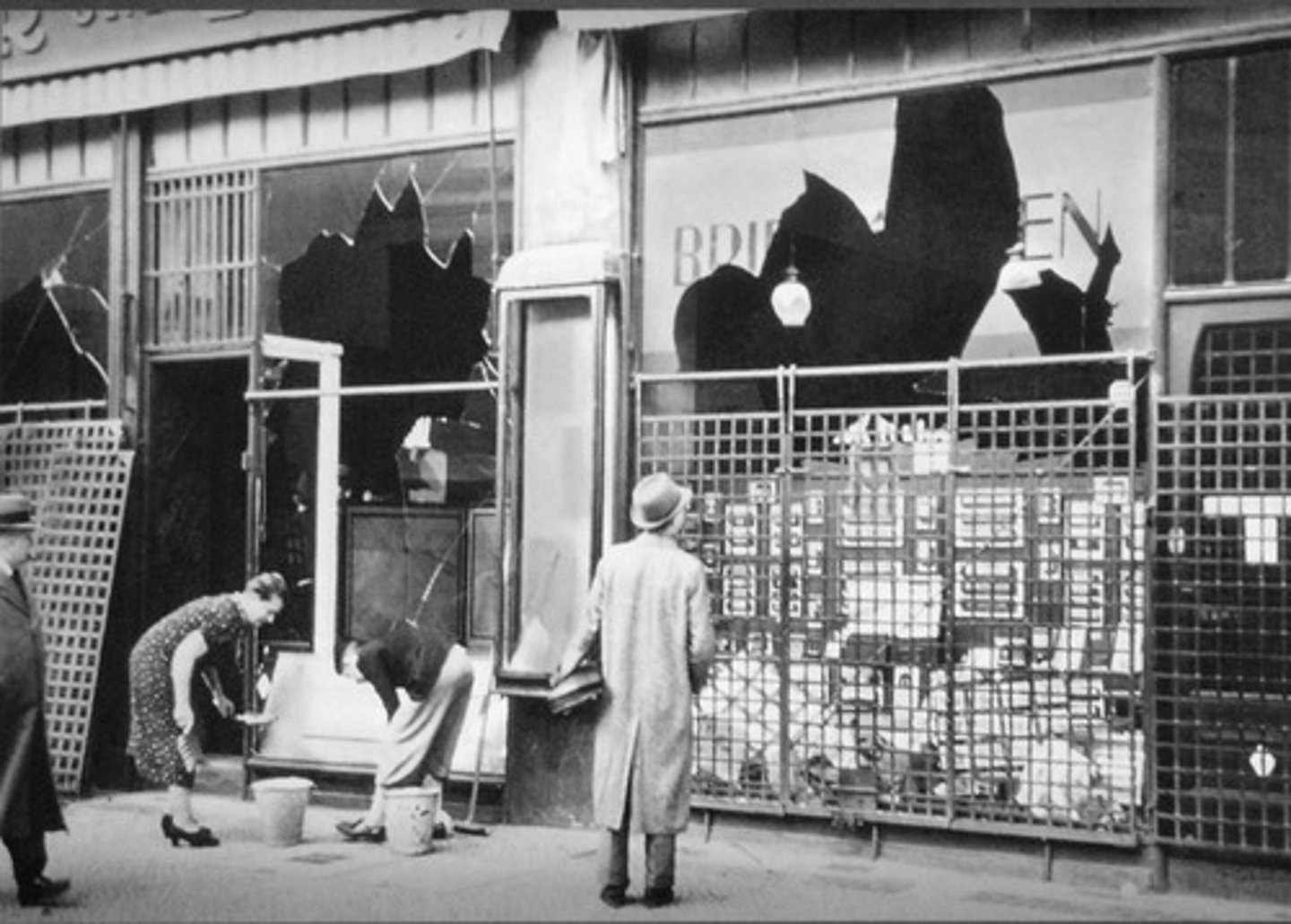
Anti Semitism
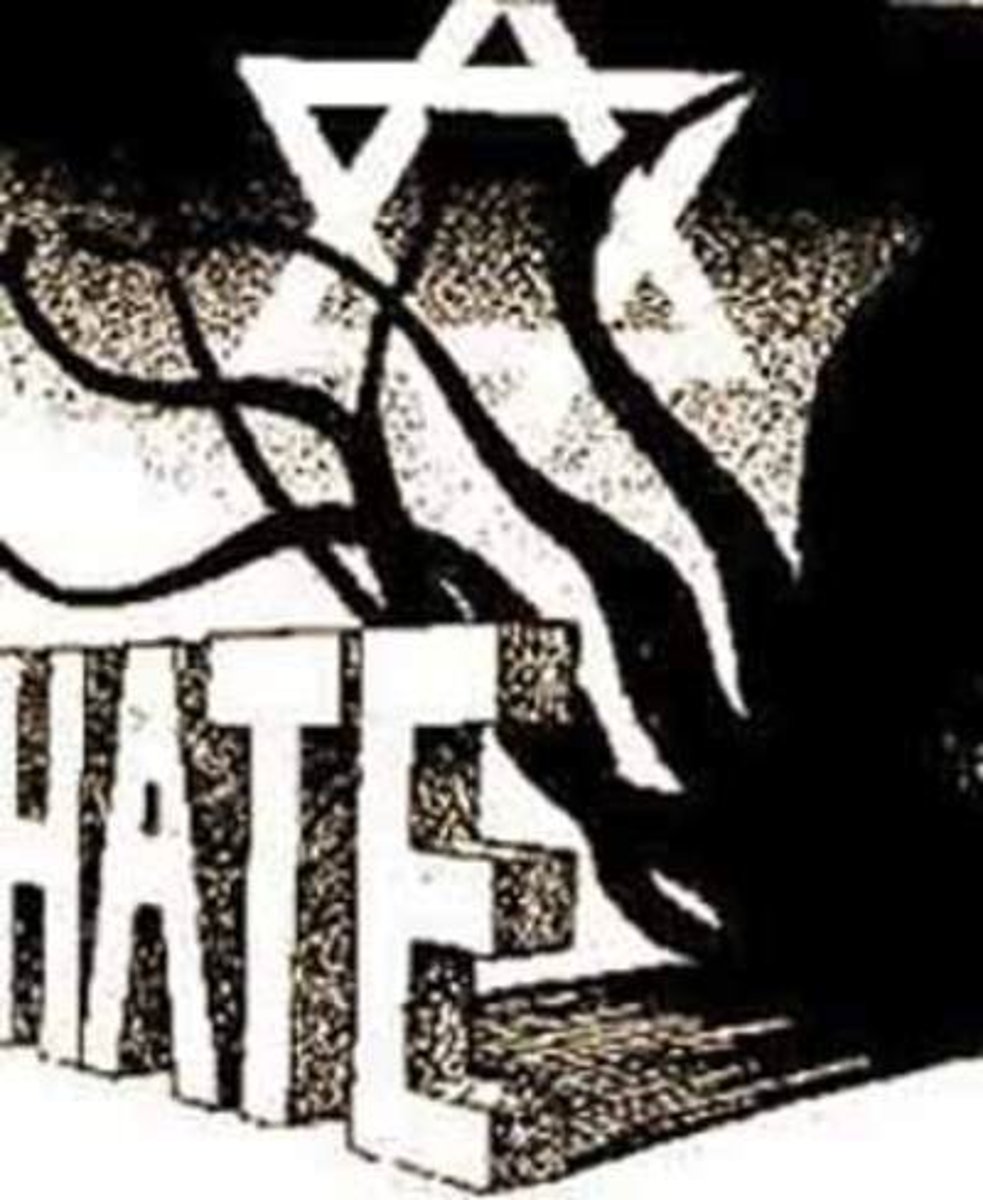
hatred towards Jews