Kaplan MCAT - Biochemistry - Ch 5 Lipid Structure and Function
 Call Kai
 Learn
Learn Practice Test
 Spaced Repetition
 Match
Match Flashcards
 Knowt Play
1/43

There's no tags or description
Looks like no tags are added yet.
Name | Mastery | Learn | Test | Matching | Spaced | Call with Kai | Chat |
|---|
No analytics yet
Send a link to your students to track their progress
44 Terms
amphipathic
having both a hydrophilic region and a hydrophobic region
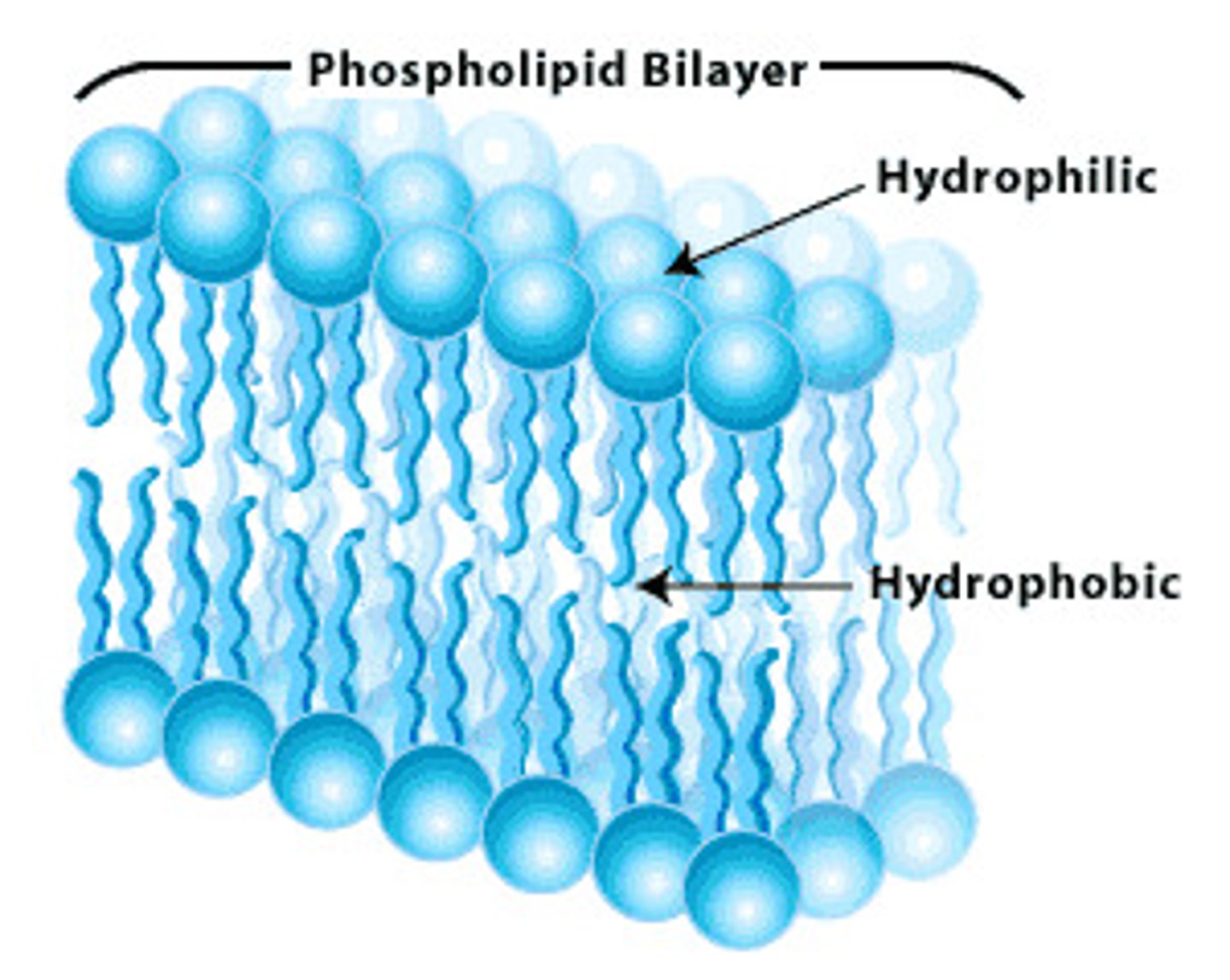
phospholipids
A molecule that is a constituent of the inner bilayer of biological membranes, having a polar, hydrophilic head and a nonpolar, hydrophobic tail.
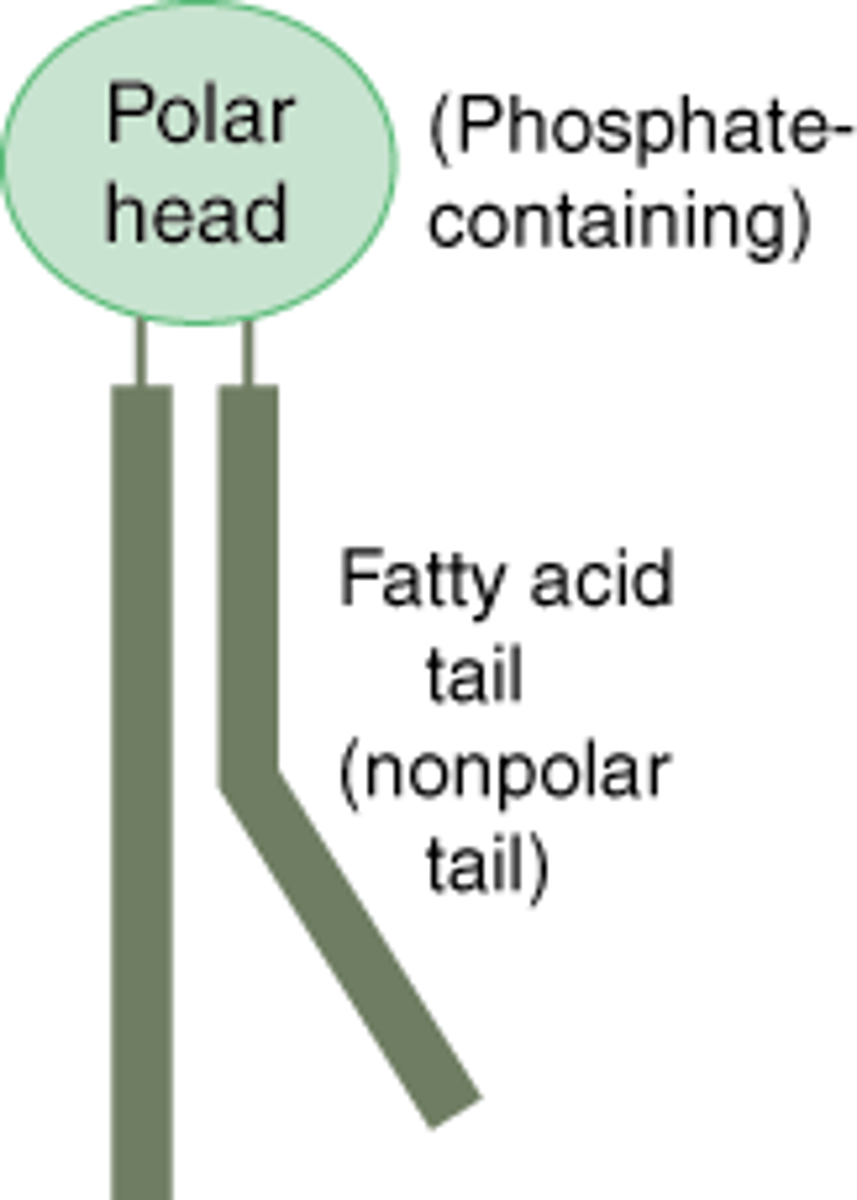
glycerol
A three-carbon alcohol to which fatty acids are covalently bonded to make fats and oils.
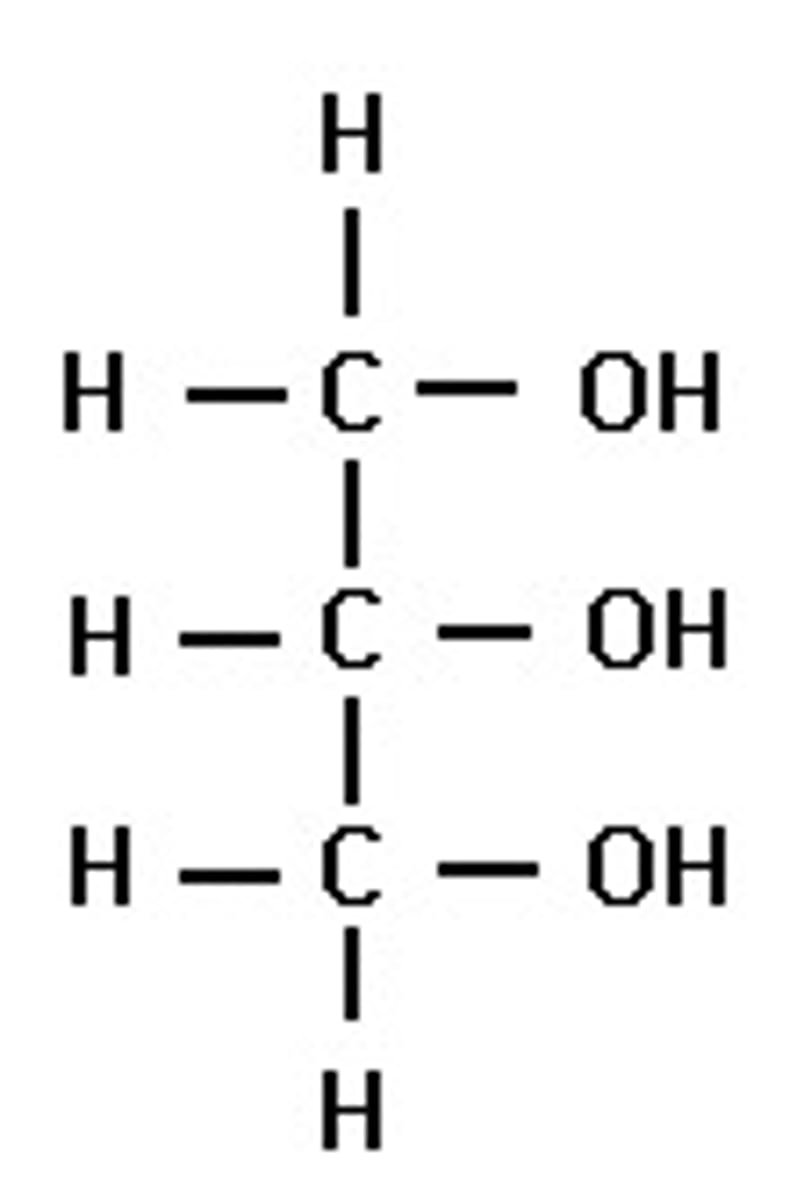
saturation
the state or process that occurs when no more of something can be absorbed, combined with, or added.
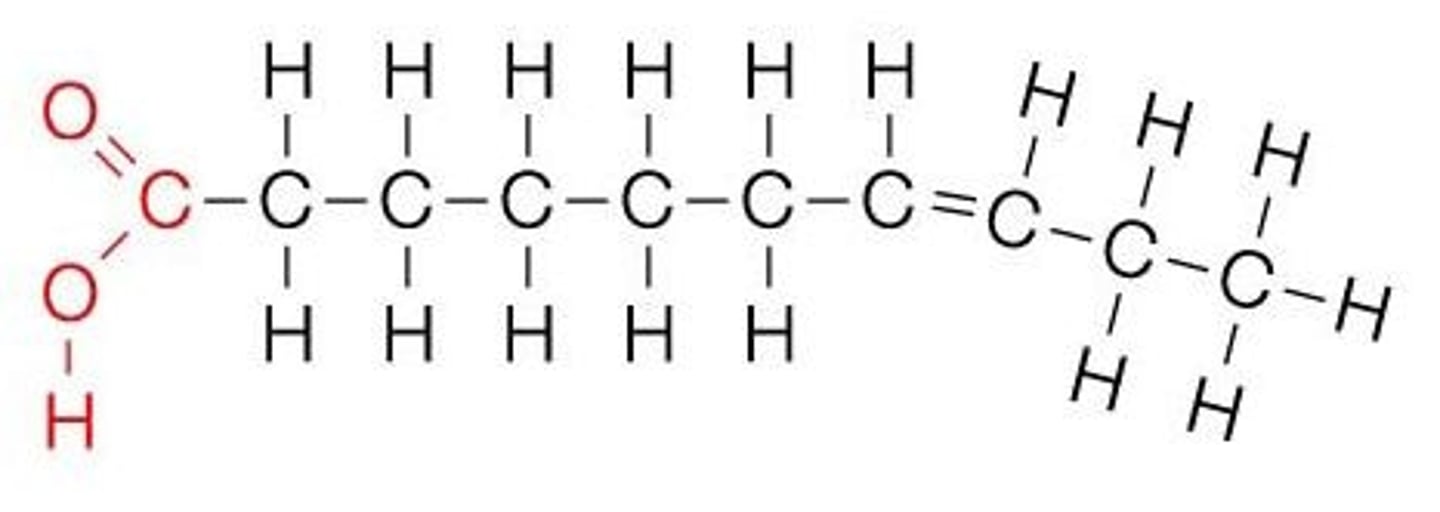
saturated fatty acid
molecule in lipids in which carbon atoms are bonded to as many hydrogen atoms as possible
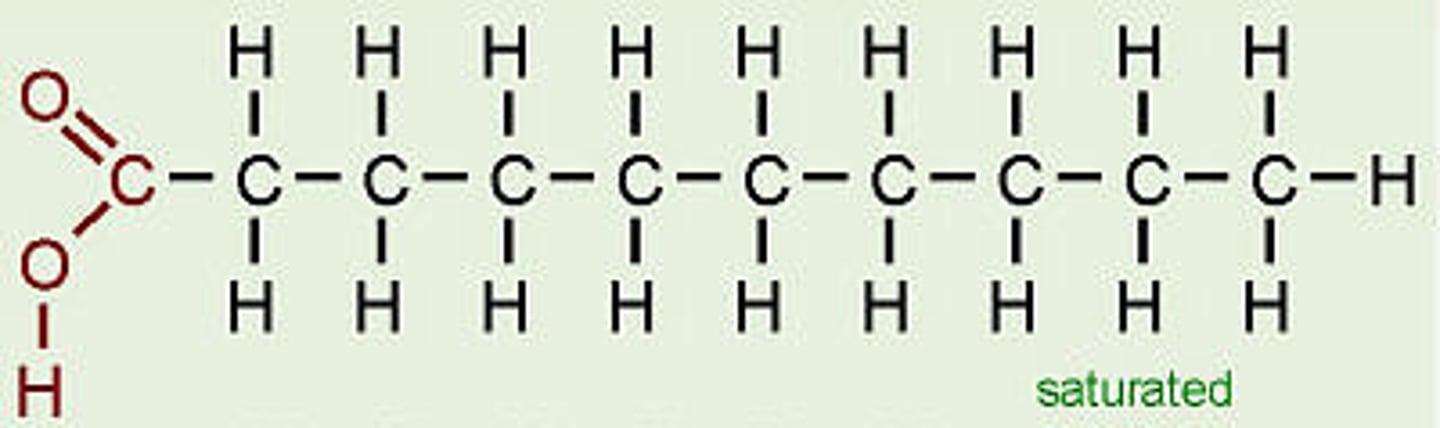
unsaturated fatty acid
a fatty acid whose hydrocarbon chain contains one or more double bonds
Glycerophospholipids (phosphoglycerides)
-have a glycerol backbone bonded by ester linkages to 2 fatty acids & by a phosphodiester linkage to a highly polar head group
-named according to the polar head group b/c the head group determines the membrane surface properties
-Has FA group at positions 1 and 2 & polar or charged head group in a phosphodiester linkage to position 3
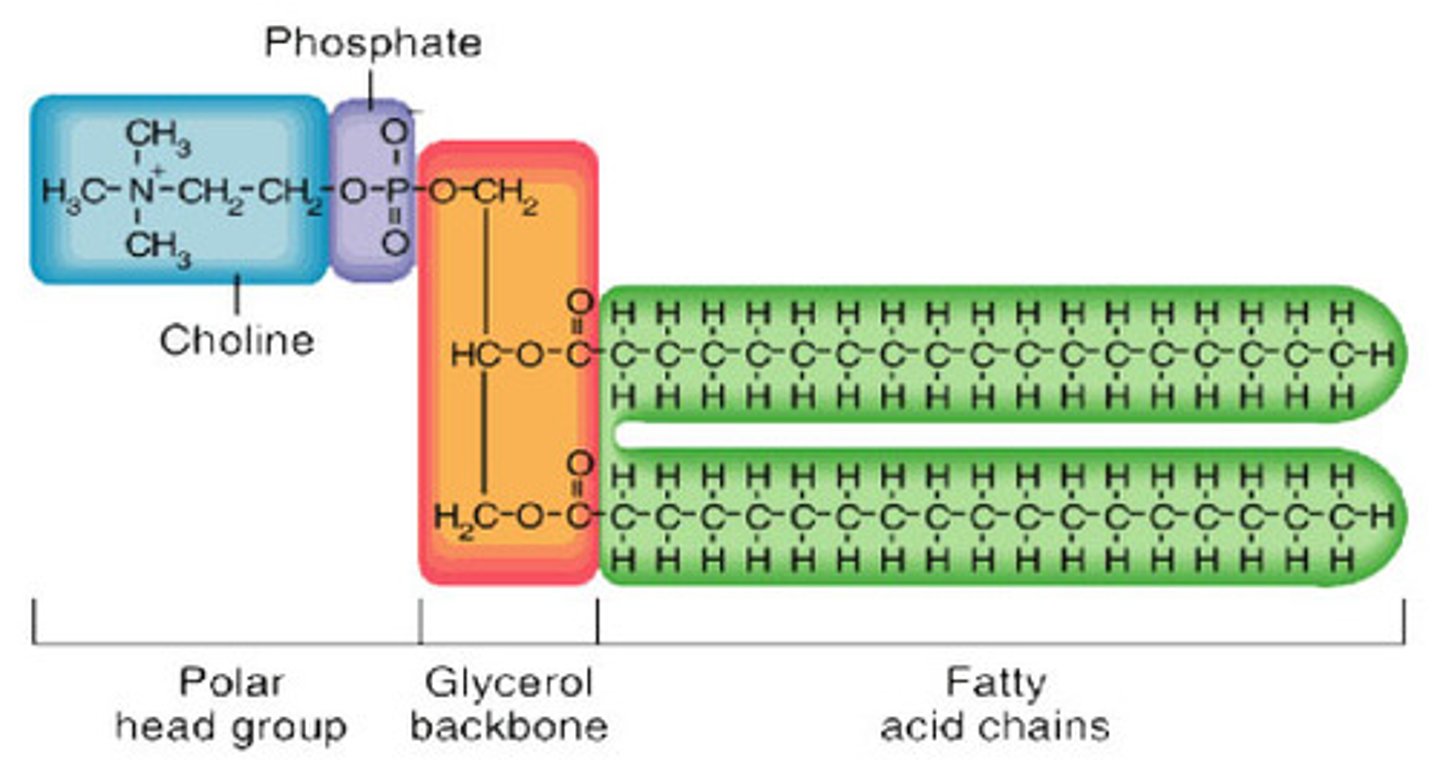
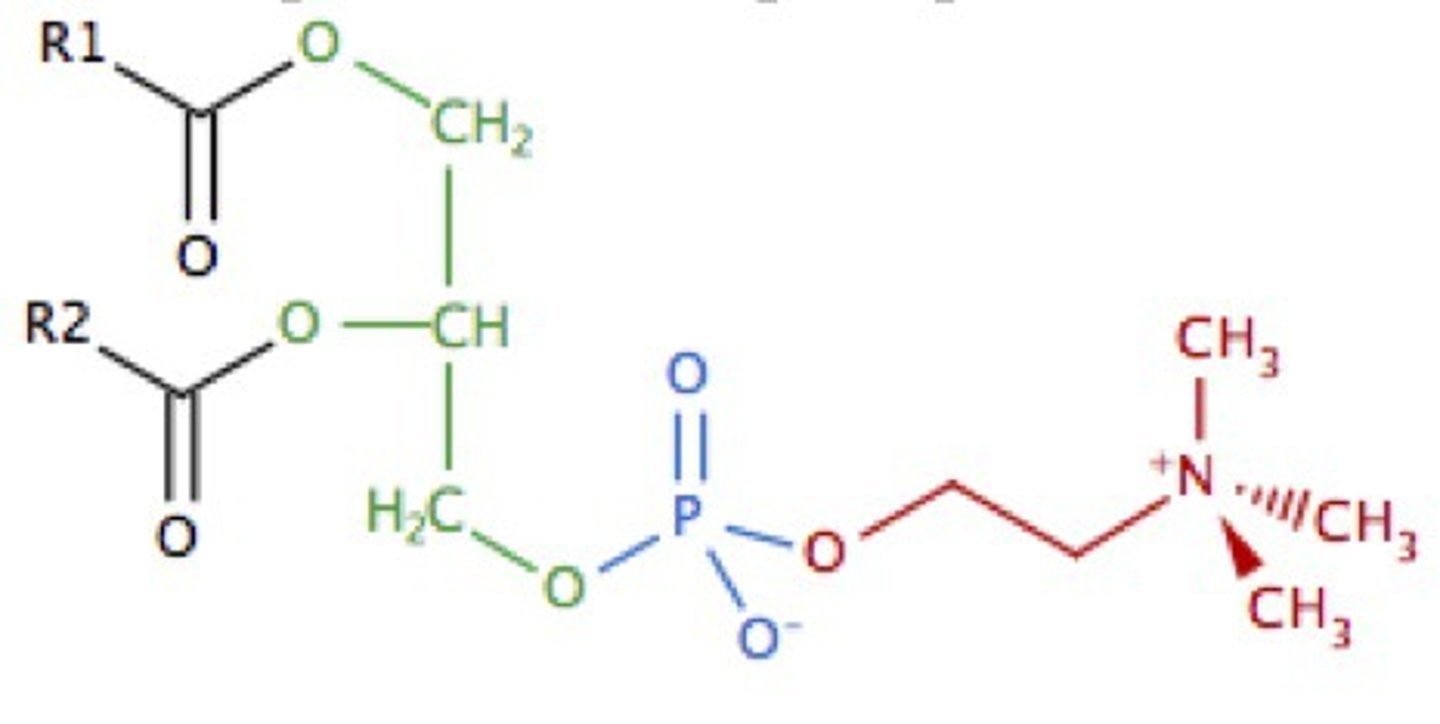
Phosphatidylcholine
glycerophospholipid w/ a choline head group
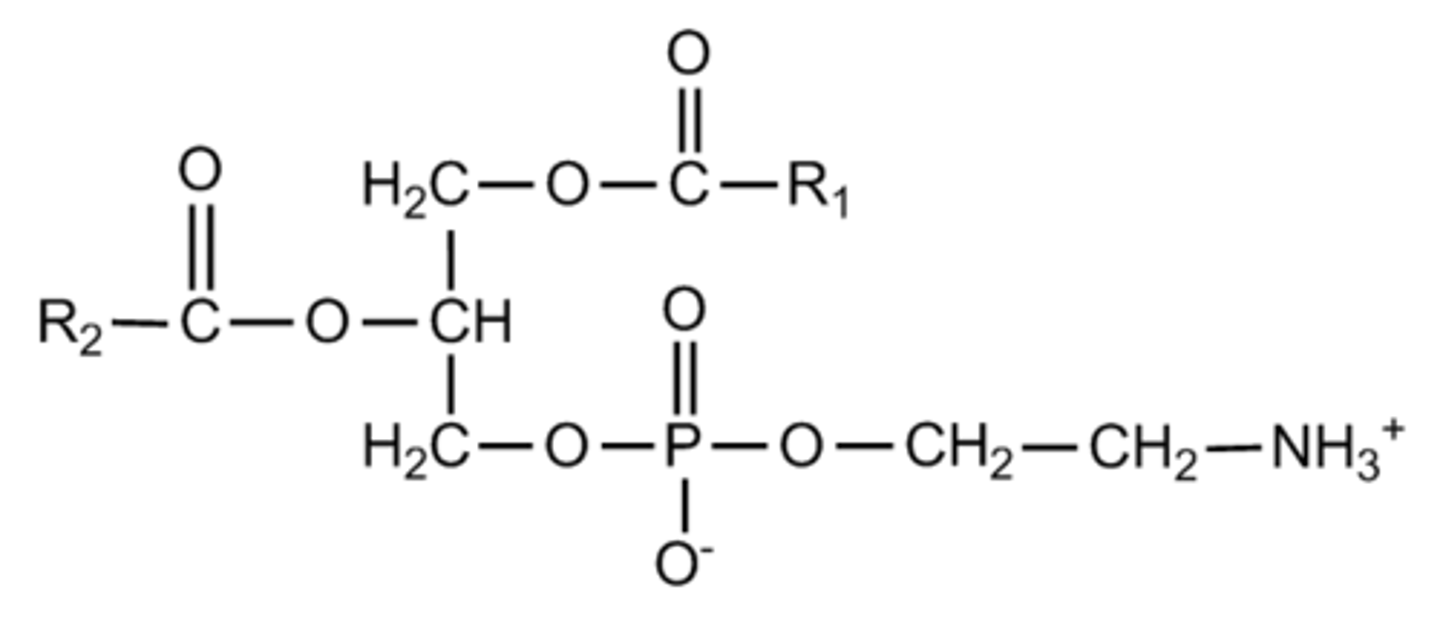
Phosphatidylethanolamine
glycerophospholipid w/ an ethanolamine head group
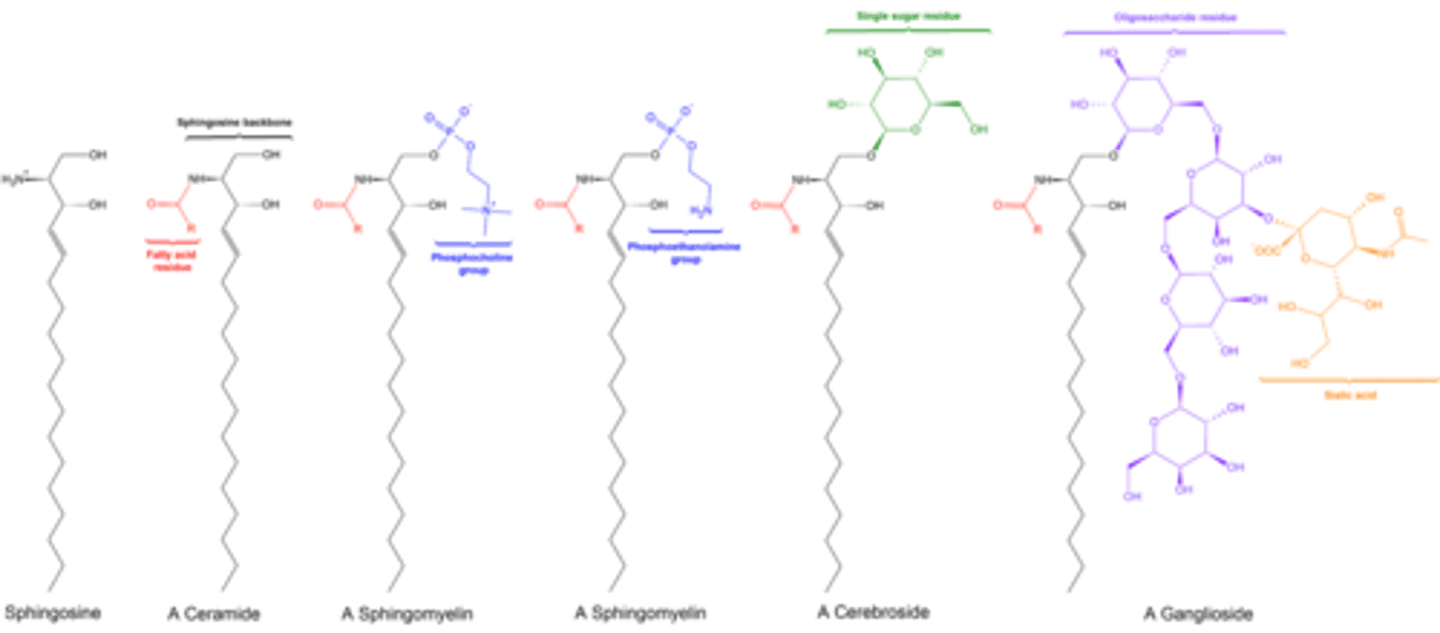
Sphingolipids
Lipids with a sphingosine backbone, 4 classes: ceramide, sphingomyelins, glycosphingolipids, gangliosides. Can be phospholipids or glycolipids
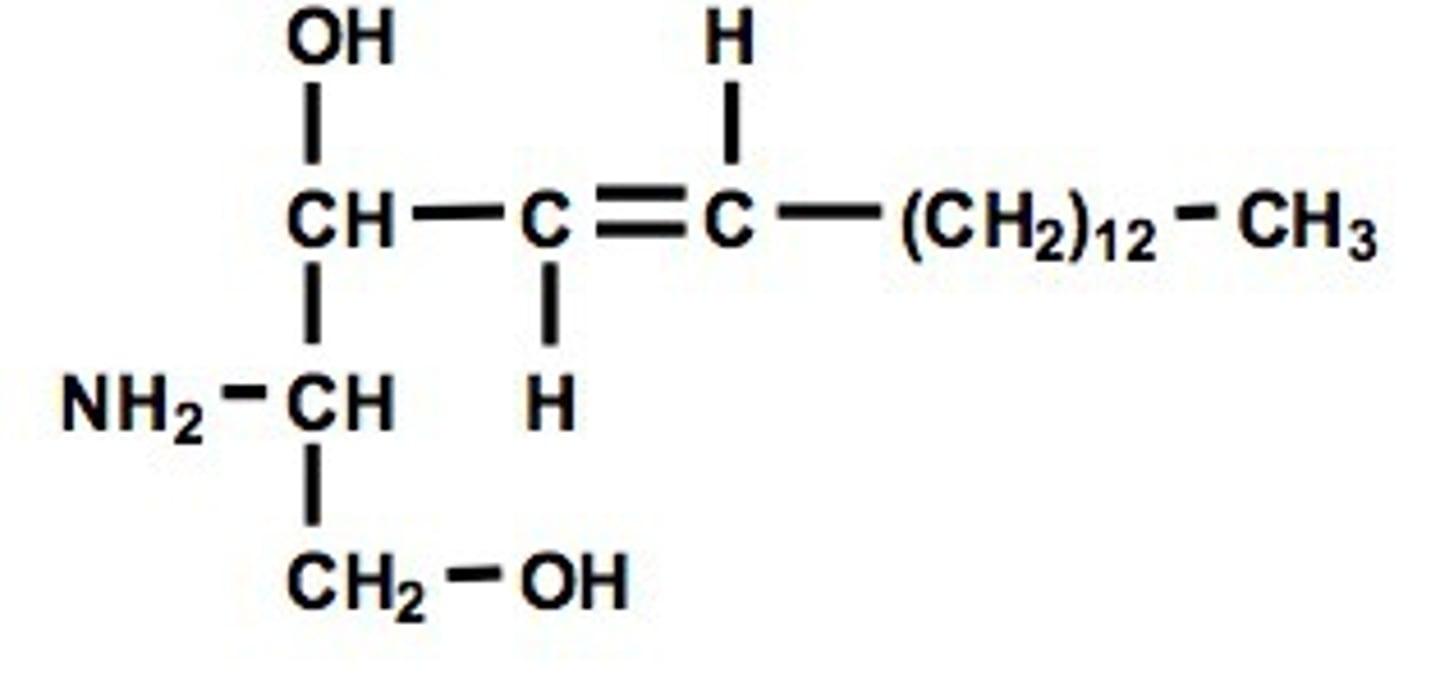
ceramide
sphingosine + fatty acid
The simplest sphingolipid, with a single hydrogen as its head group.
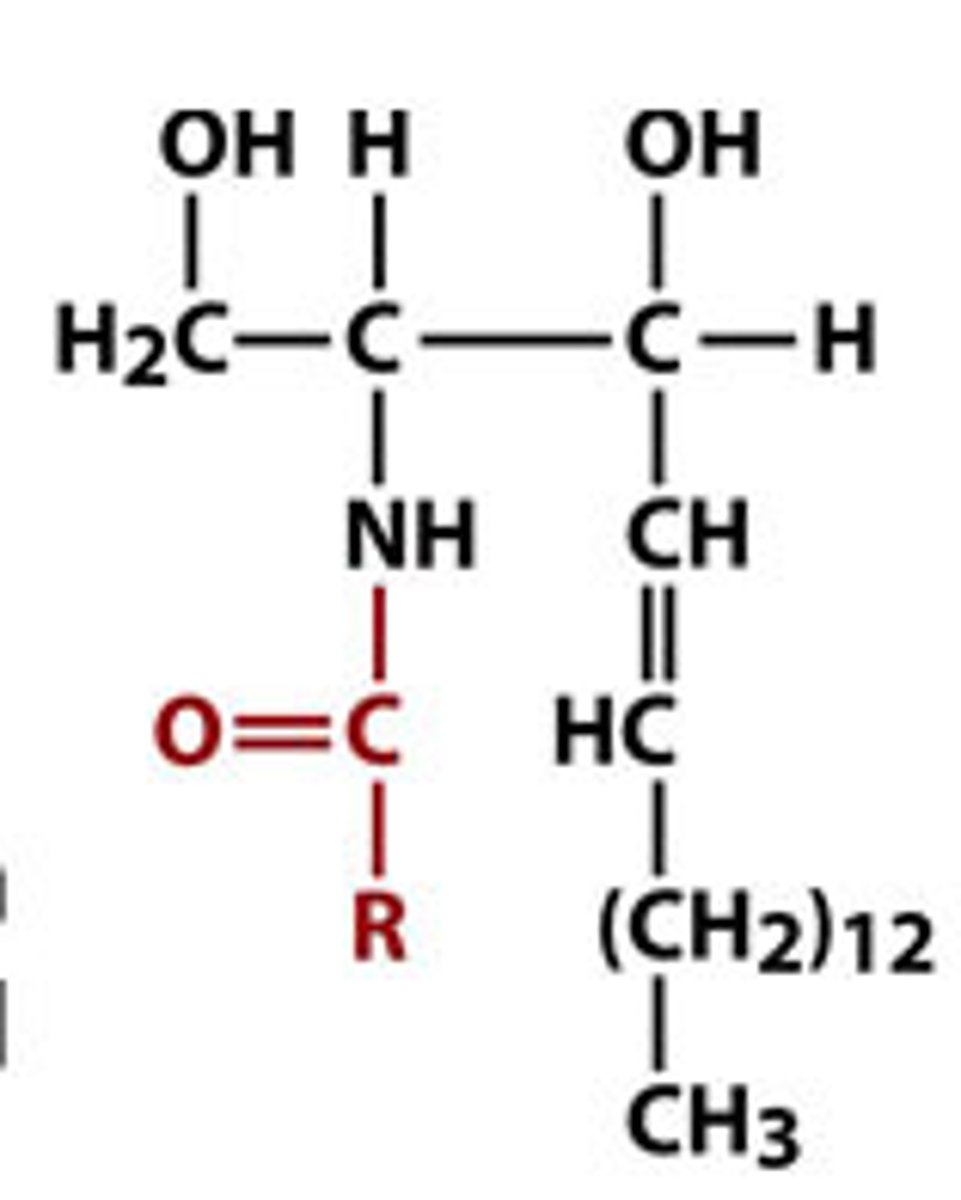
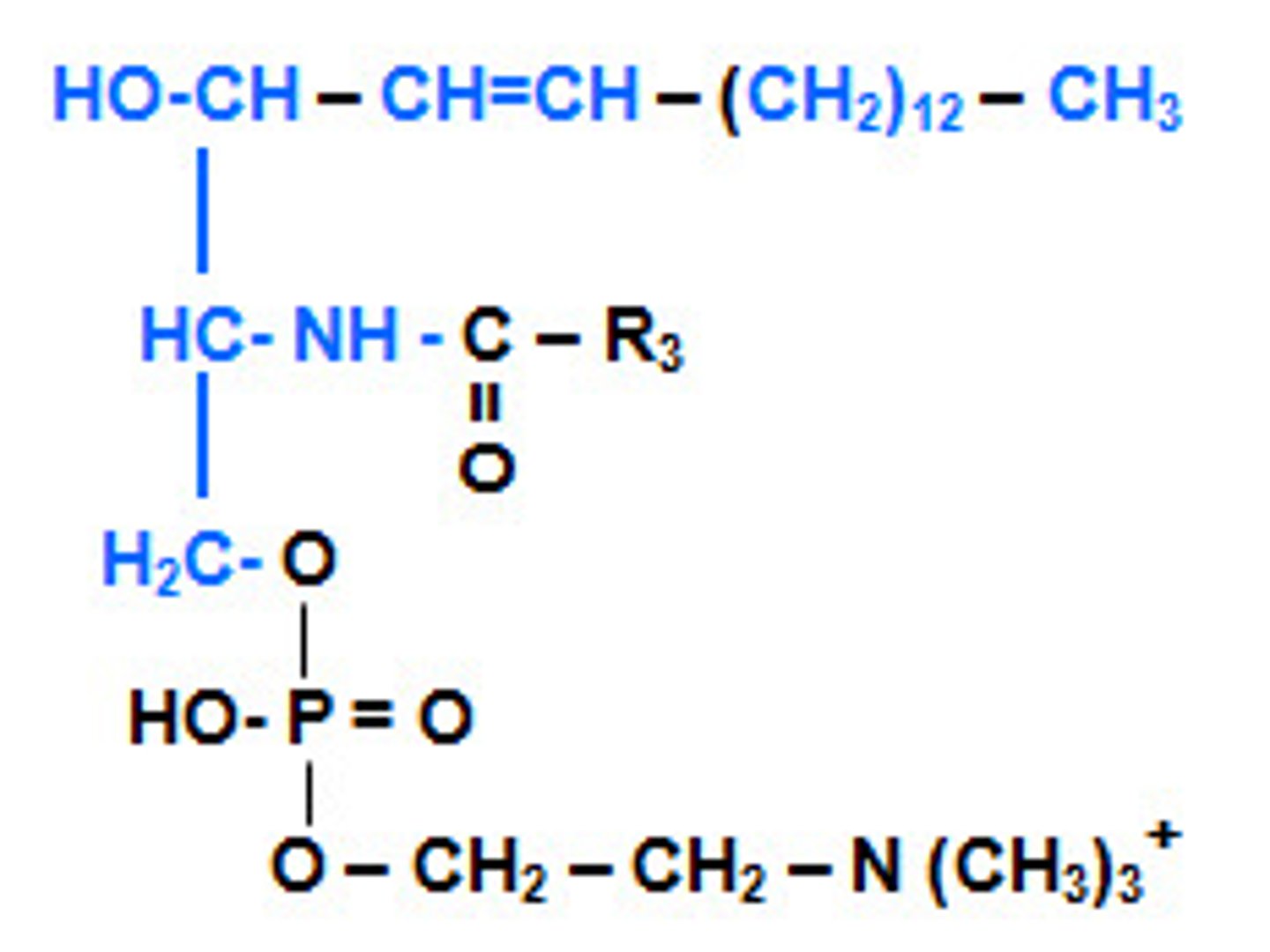
sphingomyelins
- major class of sphingophospholipids
- contain phosphatidylcholine or phosphatidylethanolamine head group
- major component of myelin sheath
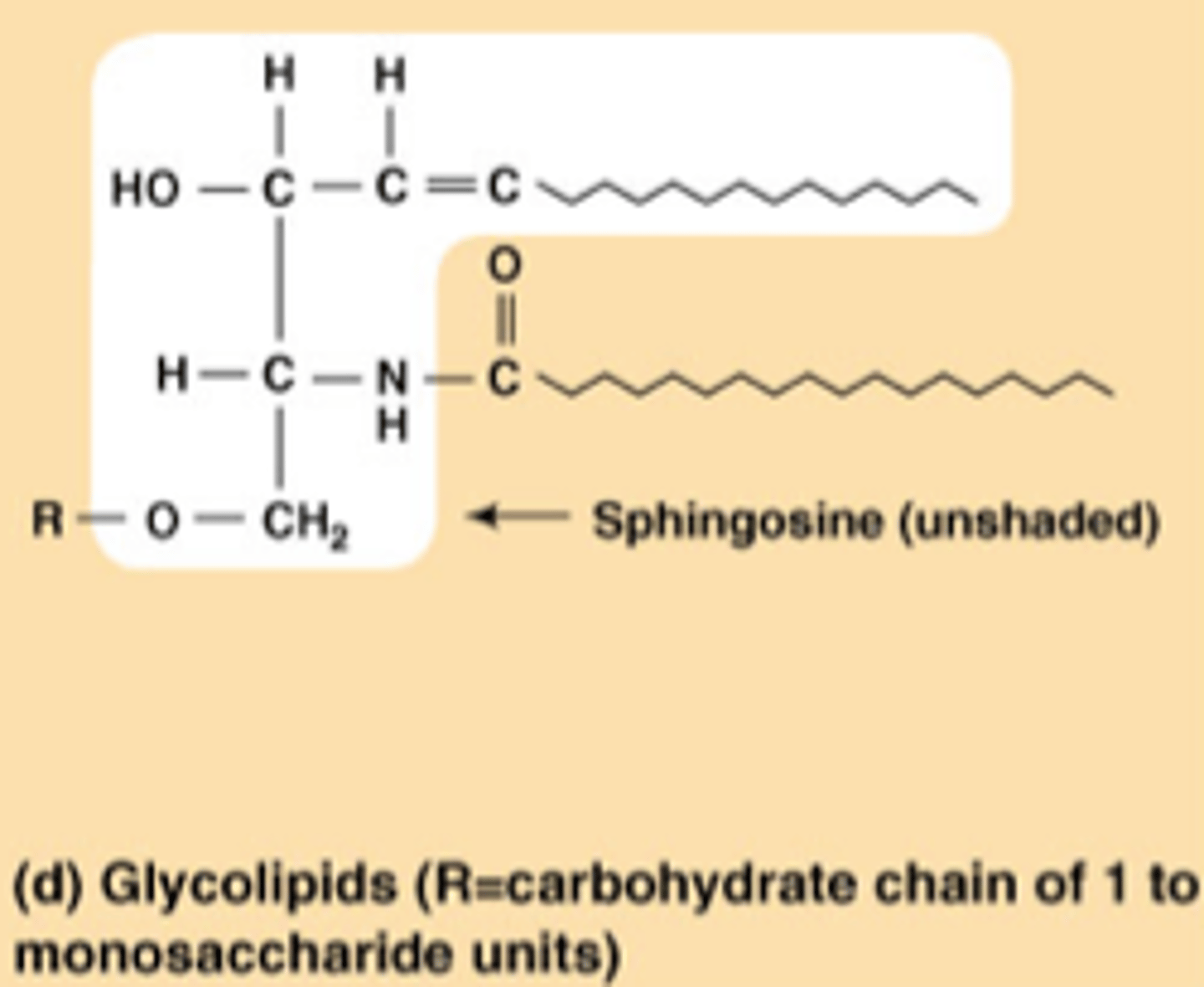
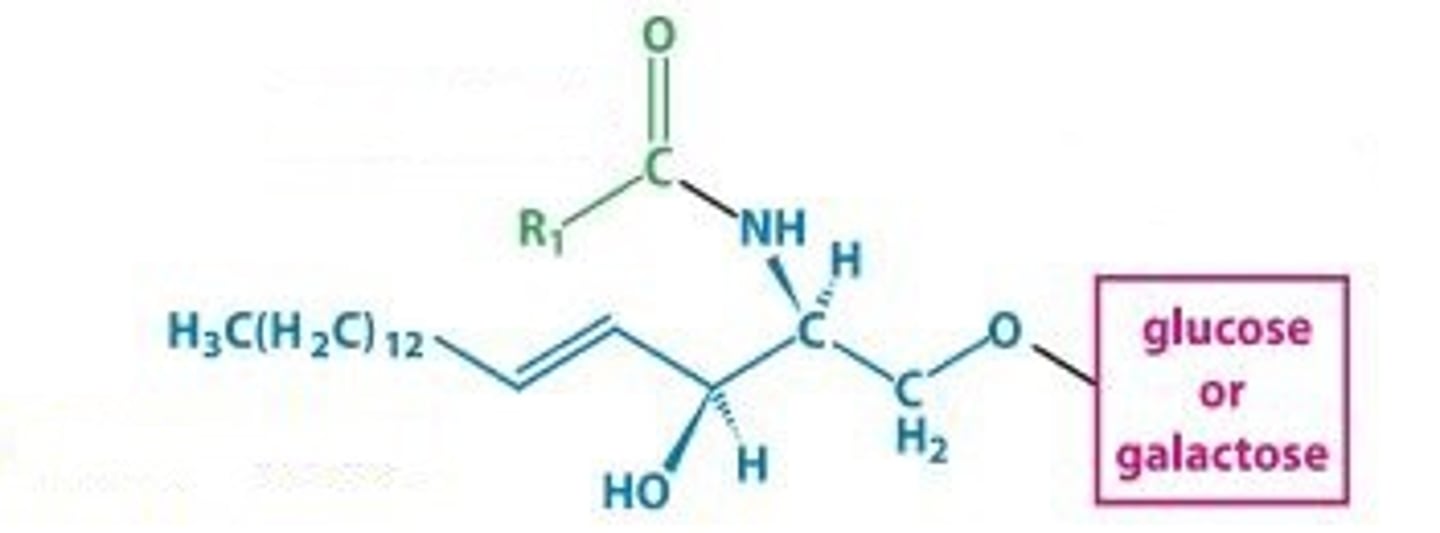
glycosphingolipids
• sphingolipids w/ head groups composed of sugars bonded by glycosidic linkages
-not phospholipids b/c they have no phosphodiester linkage
- found on the outer surface of the plasma membrane
cerebrosides
Glycosphingolipids with one sugar
globosides
glycosphingolipids with two or more sugars
gangliosides
Glycolipids with a head group composed of oligosaccharides with a terminal sialic acid (NANA) molecule.
N-acetylneuraminic acid
sialic acid
waxes
-esters of long-chain fatty acids w/ long chain alcohols
- form pliable solids at room temp.
- function as protection for plants and animals
Terpenes
class of lipids built from isoprene moieties and share a common structural pattern with carbons grouped in multiples of five
1) One terpene (monoterpene) contains two isoprene units.
Generally strongly scented
Produced mainly by plants and insects
(Turpentine)
grouped according to number of isoprene units present
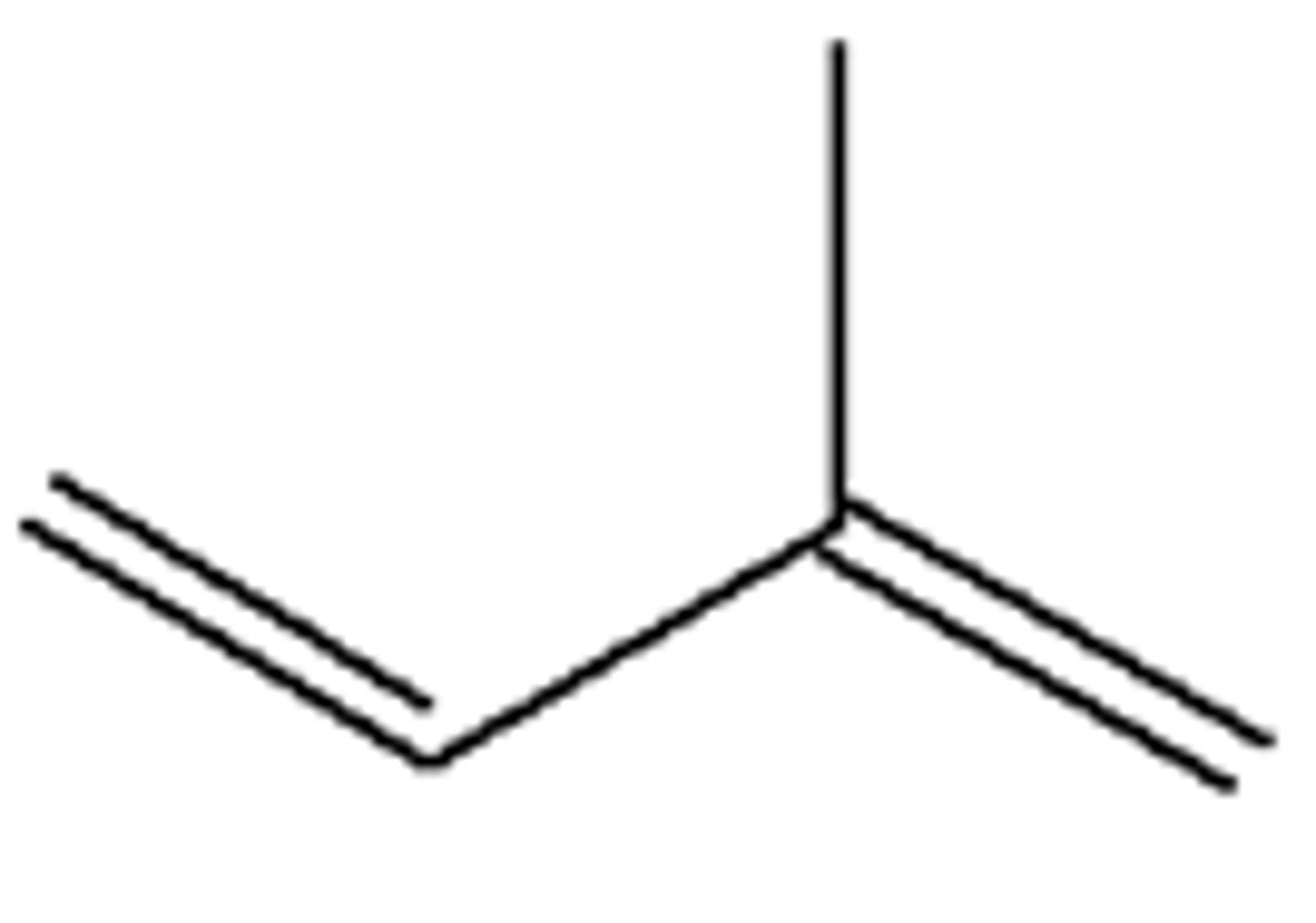
monoterpenes
C10H6
two isoprene units
abundant in essential oils and turpentine
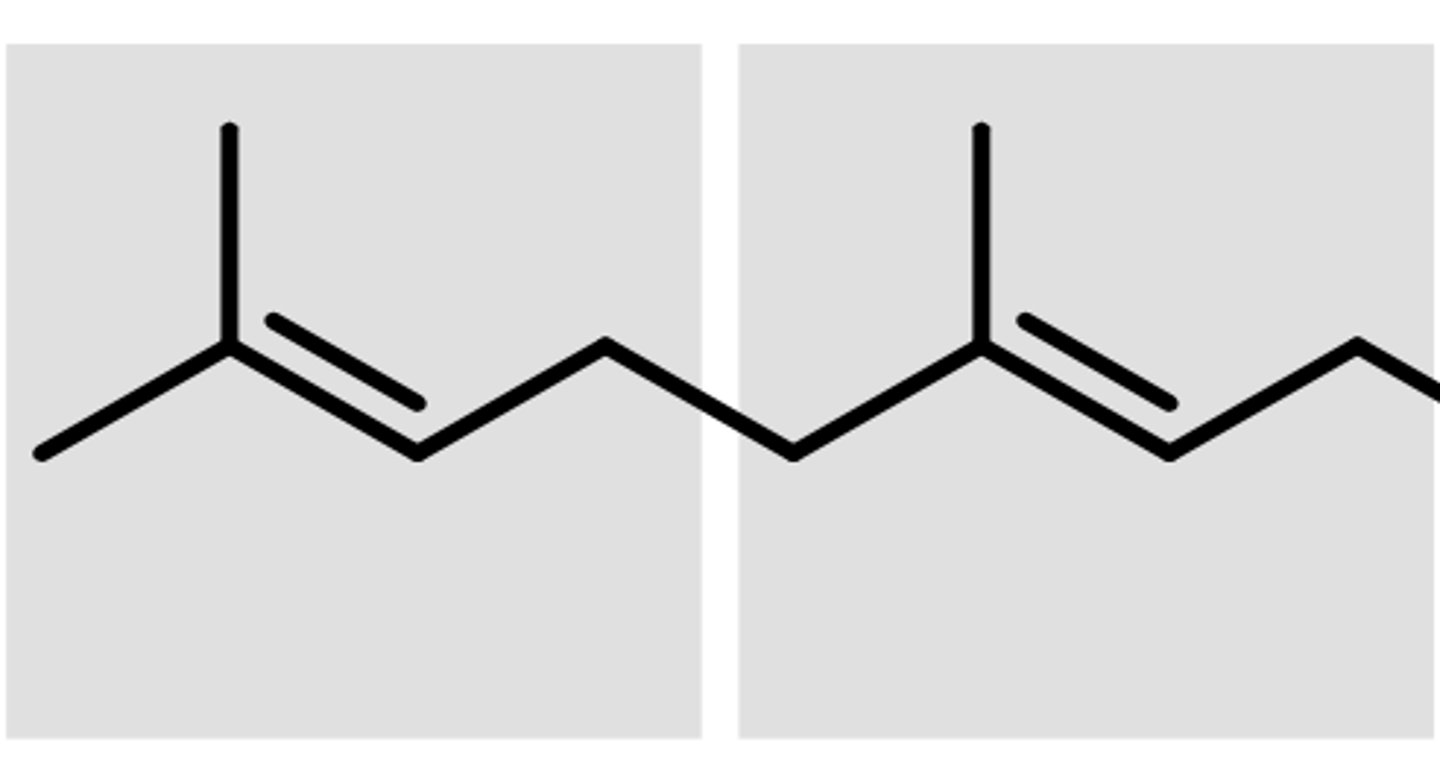
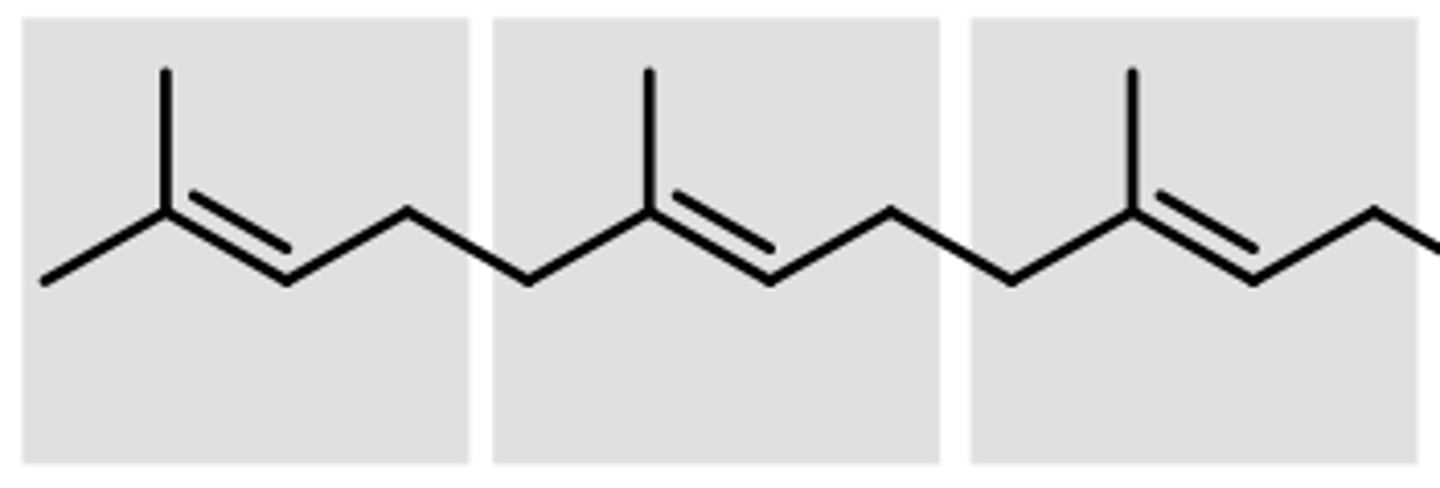
sesquiterpenes
* sesqui means ½
*contain 3 isoprene units
diterpenes
four isoprene units
ex. vitamin A --> makes retinal (pigment necessary for sight)
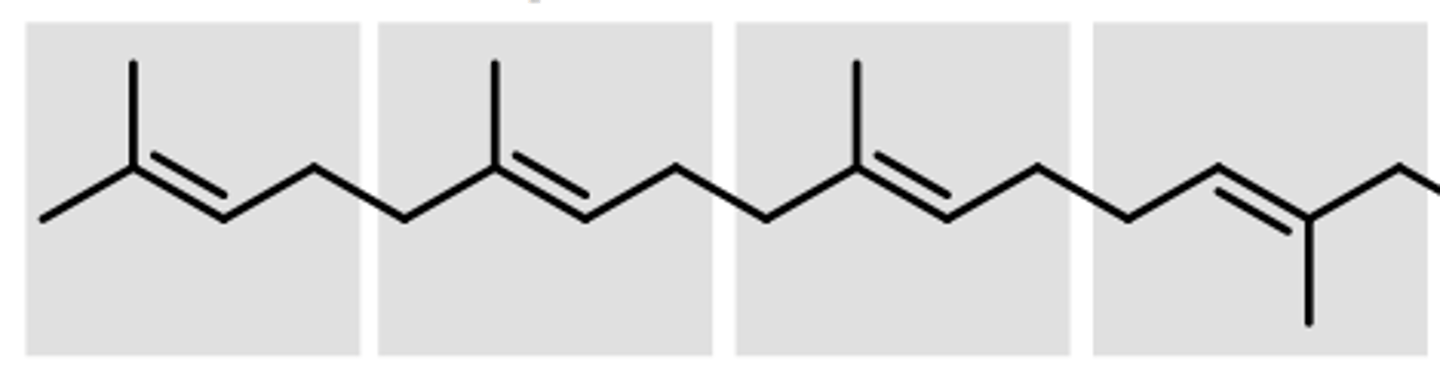
Carotenoids
tetraterpenes - have eight isoprene units
ex. beta carotene and lutein
triterpenes
-have 6 isoprene units
-can be converted to cholesterol & various steroids
steroids
lipids characterized by a carbon skeleton consisting of four fused rings, 3 cyclohexane and one cyclopentane
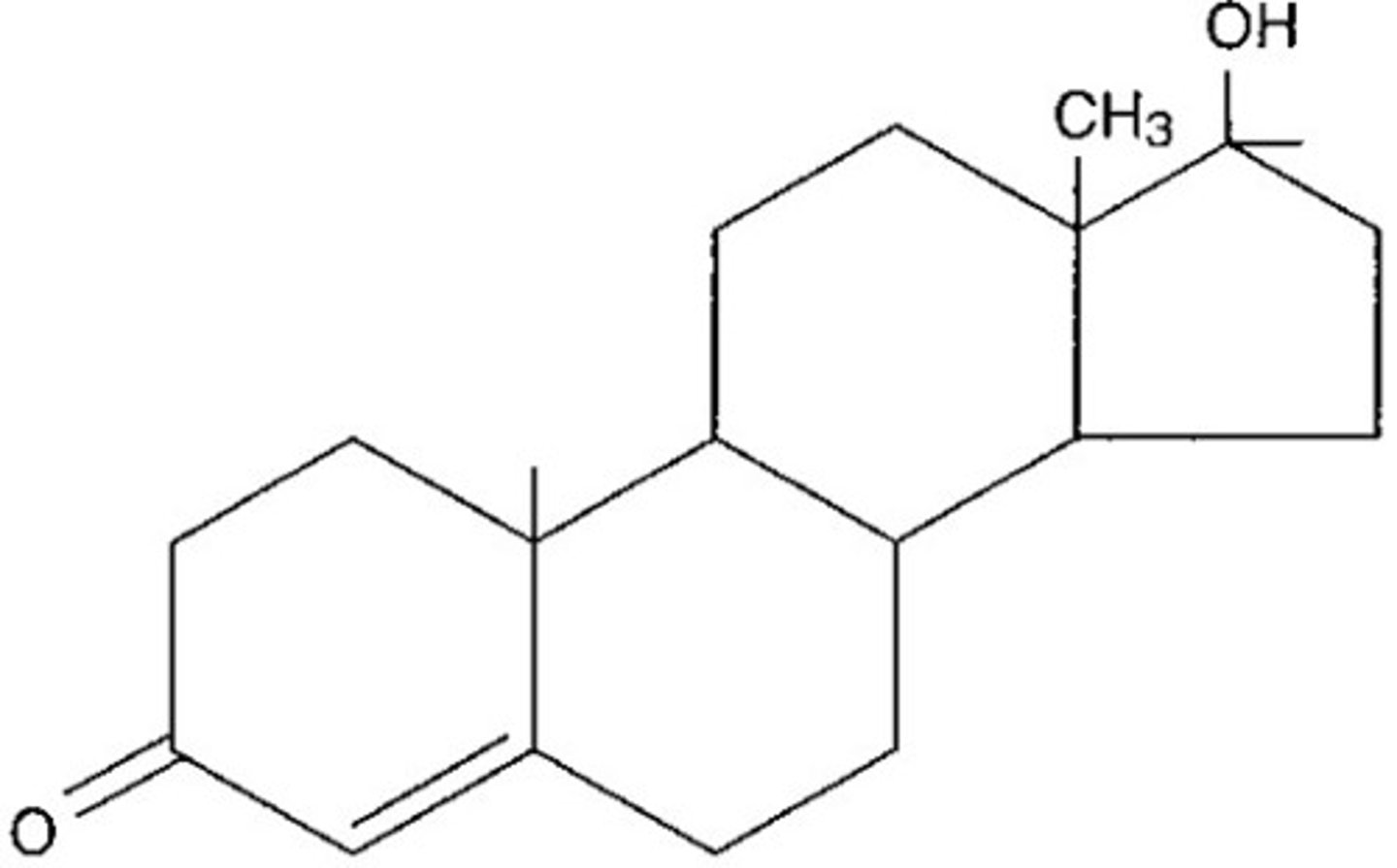
steroid hormones
-steroids that act as hormones
-secreted by endocrine glands into the bloodstream & then travel to protein carriers to distant sites where they bind to specific high-affinity receptors & alter gene expression
cholesterol
A steroid that is an important component of animal cell membranes and that acts as a precursor molecule for the synthesis of other steroids such as hormones.
Prostaglandins
* 20 carbon molecules
*unsaturated carboxylic acids derived from arachidonic acid
*contain 1 five carbon ring
* act as paracrine or autocrine signaling molecules
*regulate synthesis of cAMP (intracellular messenger that regulates action of other hormones)
*influence sleep-wake cycles, have effects on smooth muscle, involved in elevation of body temp due to fever
arachidonic acid
an omega-6 polyunsaturated fatty acid with 20 carbons and four double bonds; present in small amounts in meat and other animal products and synthesized in the body from linoleic acid.
vitamin
An essential organic (carbon-containing) compound needed in small amounts in the diet to help regulate and support chemical reactions and processes in the body. Cannot be synthesized by the body
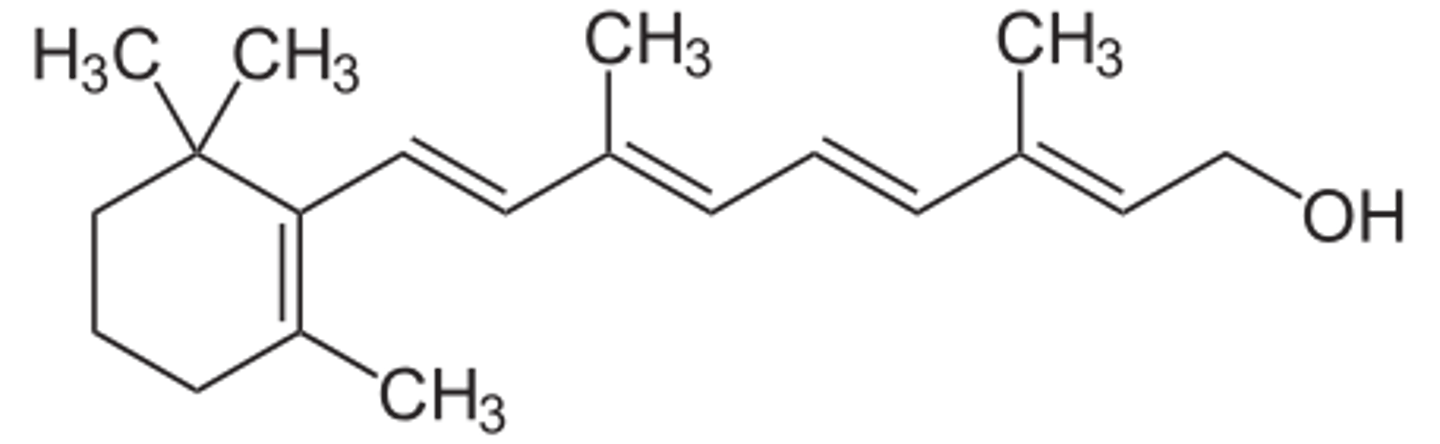
Vitamin A
-carotene
-unsaturated
- important in vision, growth, development, & immune function
-Important metabolite of vitamin A is retinal: component of light sensing molecular system in the human eye
-Retinol (the storage form of vitamin A) is oxidized to retinoic acid --> hormone that regulates gene expression during epithelial development
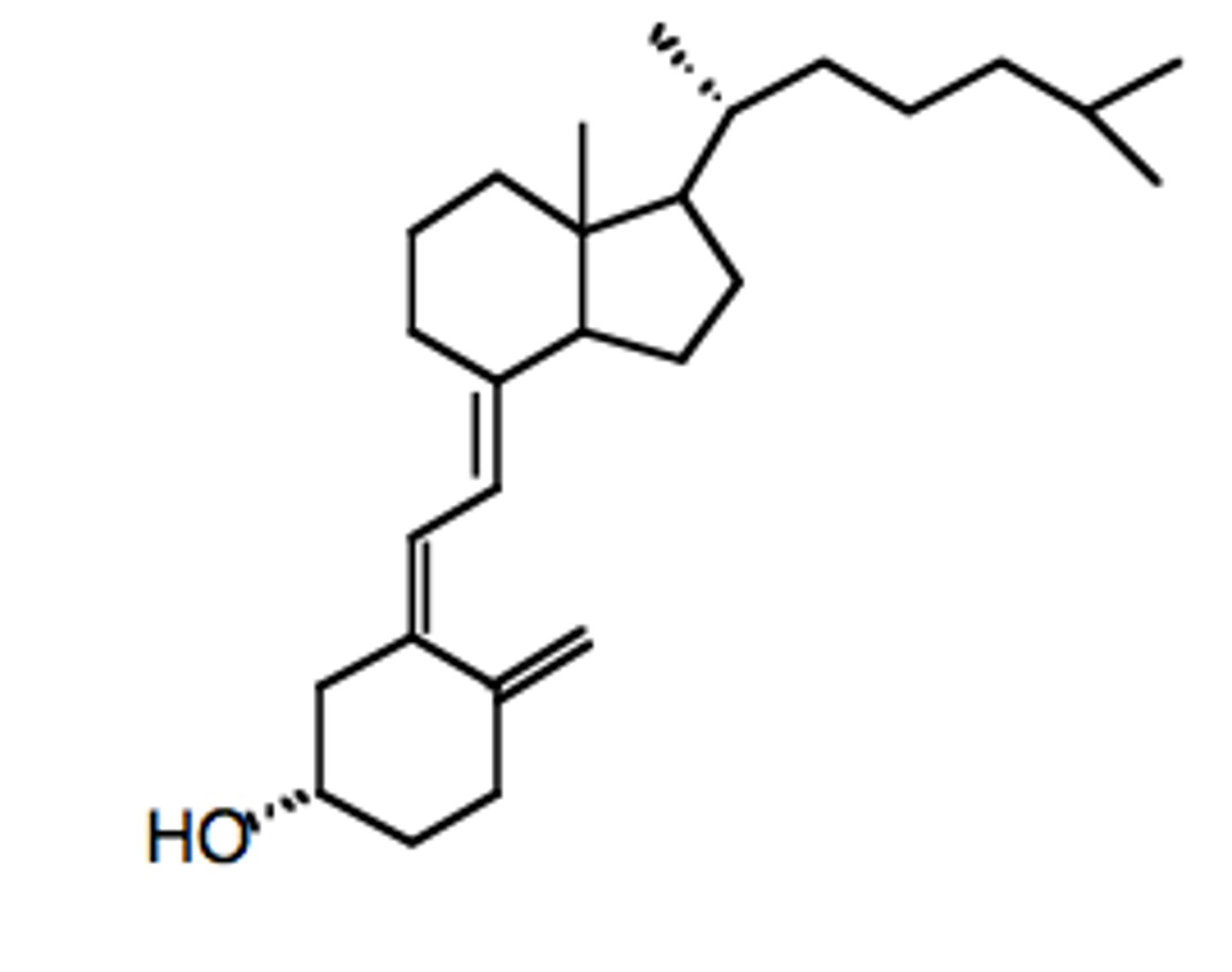
Vitamin D
-cholecalciferol
-consumed or formed in a UV light driven reaction in the skin
-vitamin D is converted to calcitriol which increases calcium and phosphate intake in intestines (promotes bone production)
-Regulates calcium so it is added to milk to aid in absorption of calcium
Vitamin E
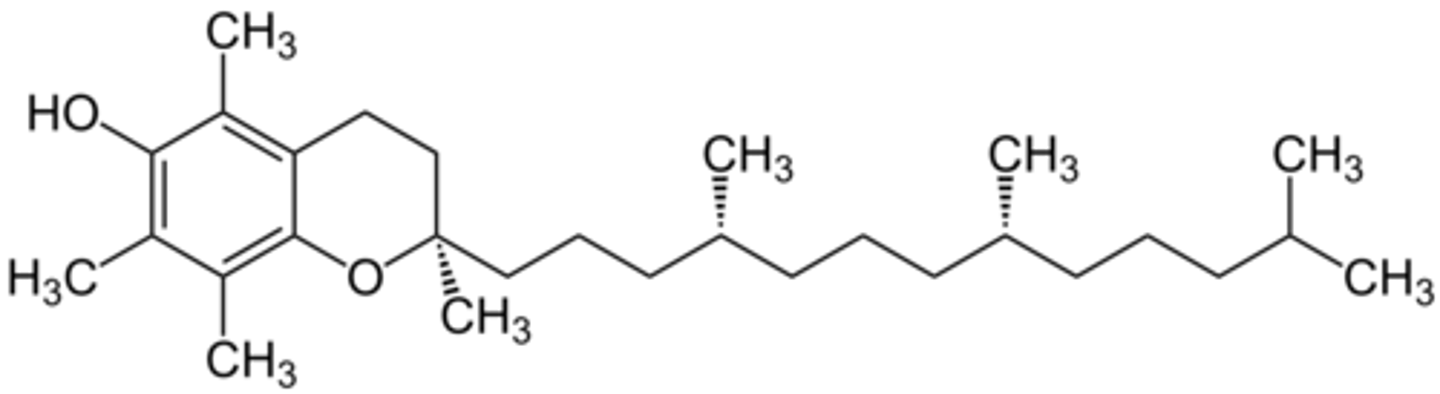
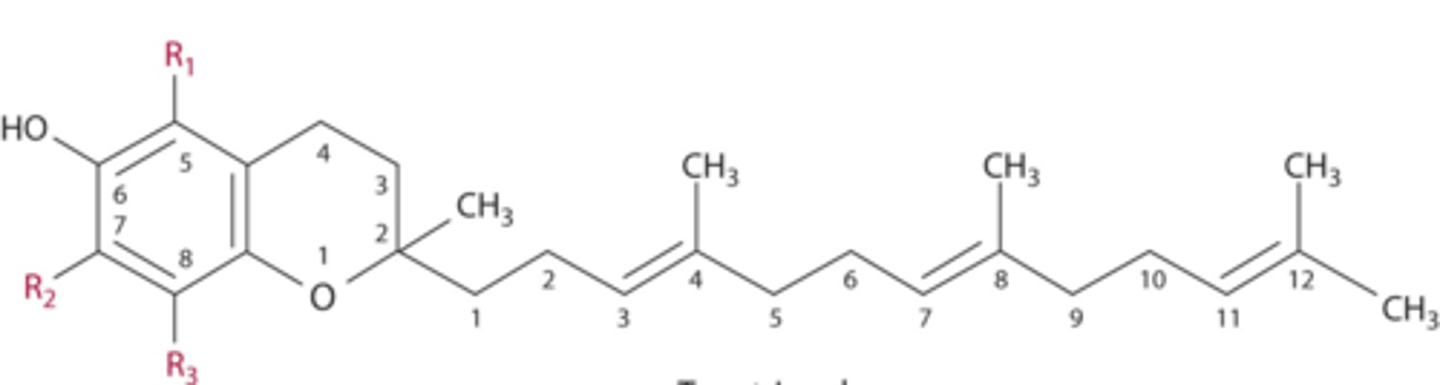
Tocopherols, tocotrienols. Involved as biological antioxidants.
tocopherols
members of the vitamin E family having the chemical structure of a complex ring structure with a long saturated side chain
tocotrienols
members of the vitamin E family having the chemical structure of a complex ring structure with a long unsaturated side chain
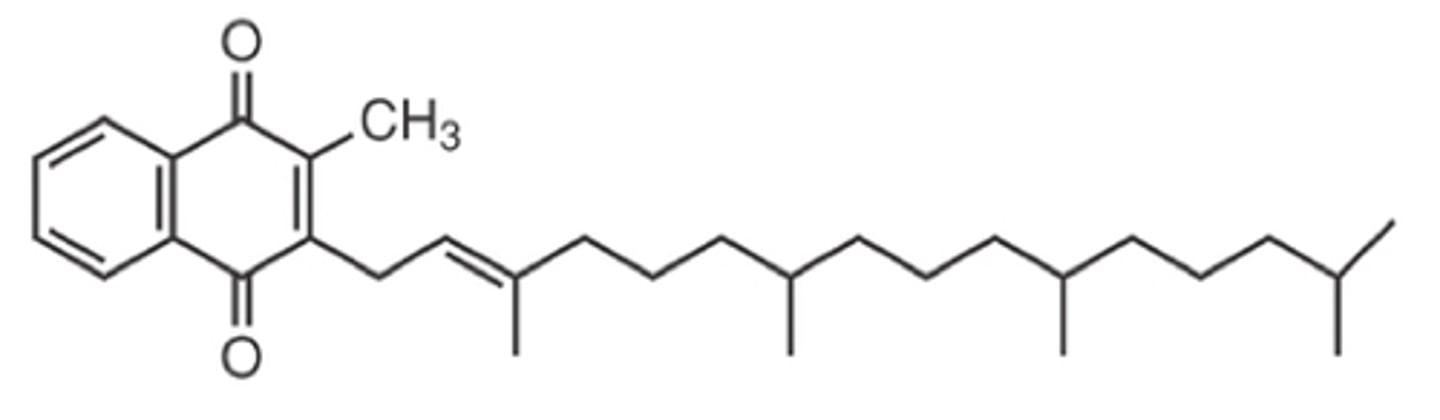
Vitamin K
- phylloquinone and menaquinones
- important for formation of prothrombin (clotting factor)
- performs post-translational modifications on a number of proteins, creating calcium binding sites
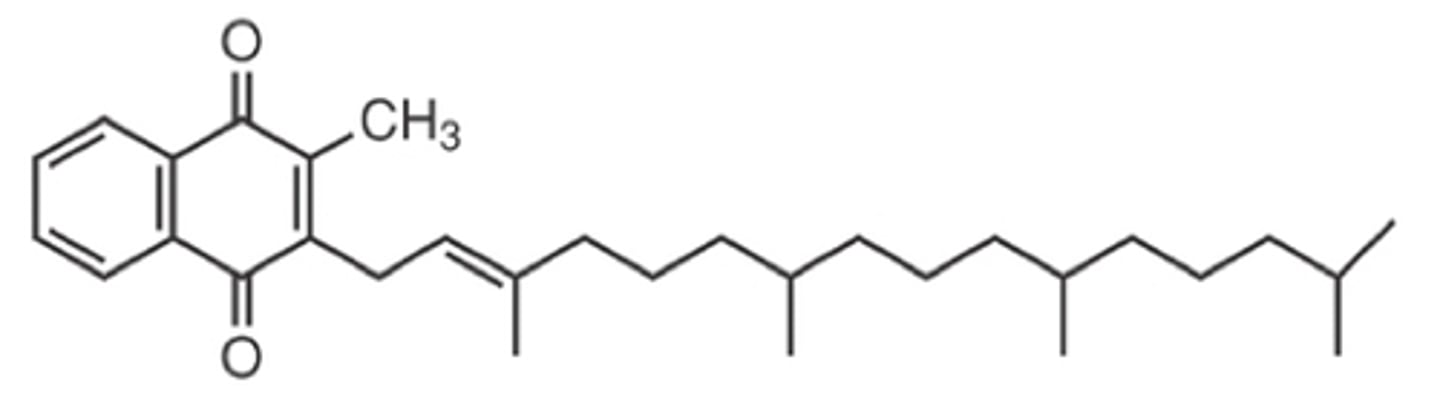
Phylloquinone (K1)
plant form of vitamin K
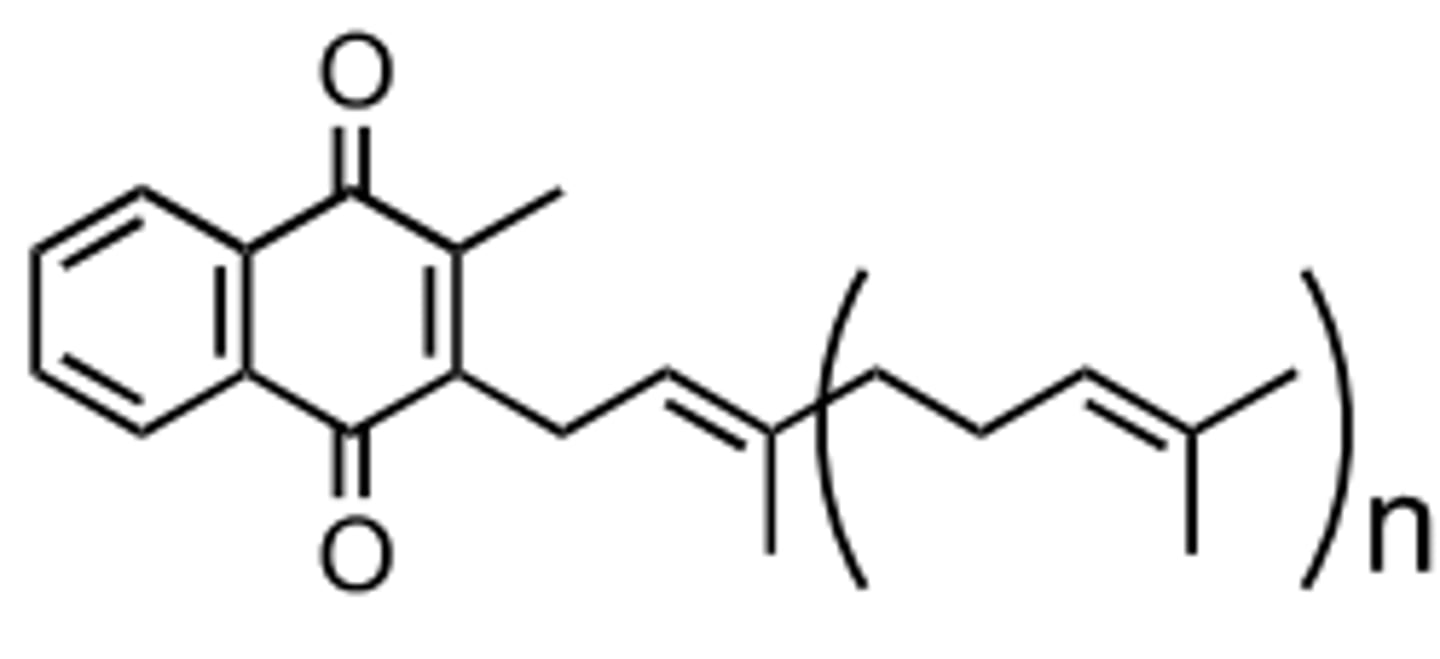
Menaquinone (K2)
the form of vitamin K produced by bacteria in the colon
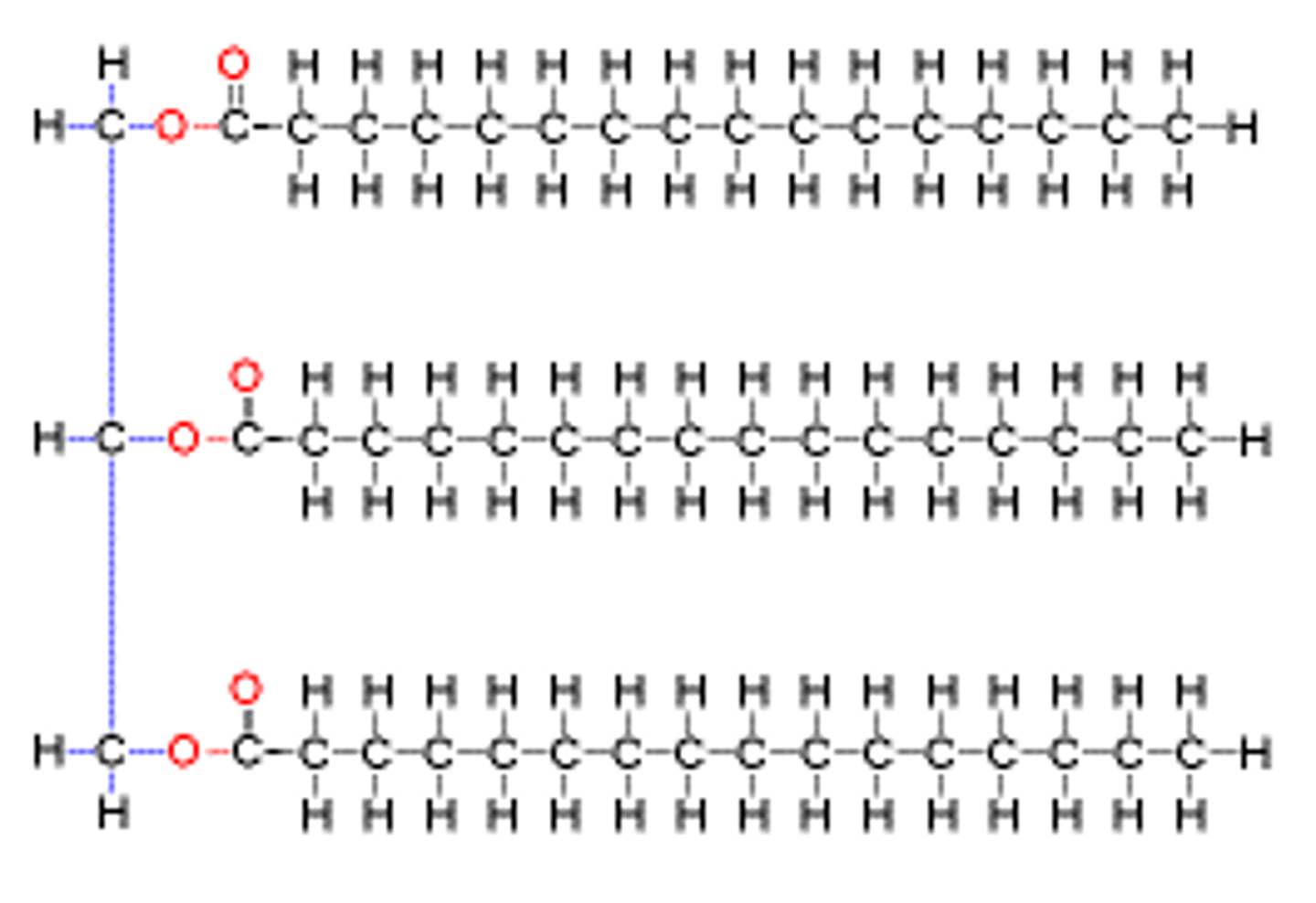
Triacylglycerols (triglycerides)
-composed of three fatty acids bonded by ester linkages to glycerol
-nonpolar and hydrophobic
-insoluble in water
-the preferred method of storing energy for long-term use
-the carbon atoms in lipids are more reduced than carbohydrates, giving twice as much energy per gram during oxidation
-very hydrophobic, so they are not hydrated by body water and do not carry additional water weight
adipocytes
store triglycerides
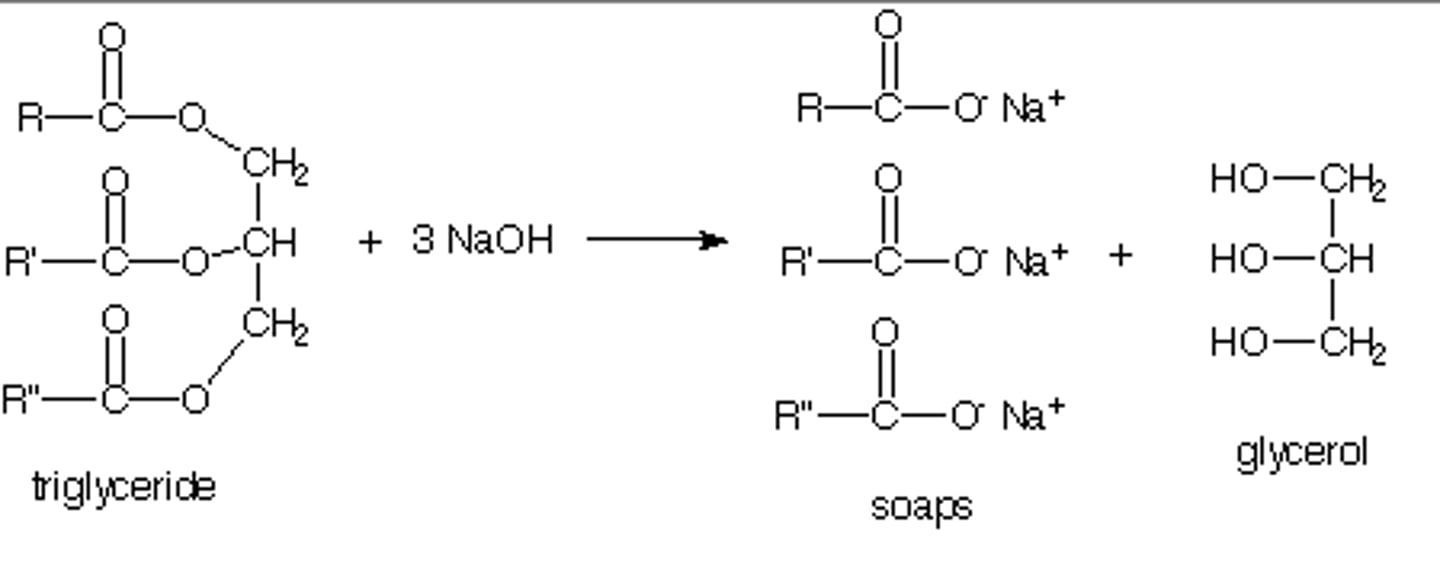
Saponification
the reaction between a fat and a strong base to produce glycerol and the salt of a fatty acid (soap) - the ester hydrolysis of triacylglycerols using a strong base. Traditional base is lye (sodium or potassium hydroxide)
surfactant
lowers the surface tension at the surface of a liquid, serving as a detergent or emulsifier
colloid
A mixture containing small, undissolved particles that do not settle out.
micelles
tiny aggregates of soap with the hydrophobic tails turned inward and the hydrophilic heads turned outward, thereby shielding the hydrophobic lipid tails and allowing for overall solvation