EX phys: Energy
 Call Kai
 Learn
Learn Practice Test
 Spaced Repetition
 Match
Match Flashcards
 Knowt Play
1/29

There's no tags or description
Looks like no tags are added yet.
Name | Mastery | Learn | Test | Matching | Spaced | Call with Kai | Chat |
|---|
No analytics yet
Send a link to your students to track their progress
30 Terms

Energy
Capacity to perform work
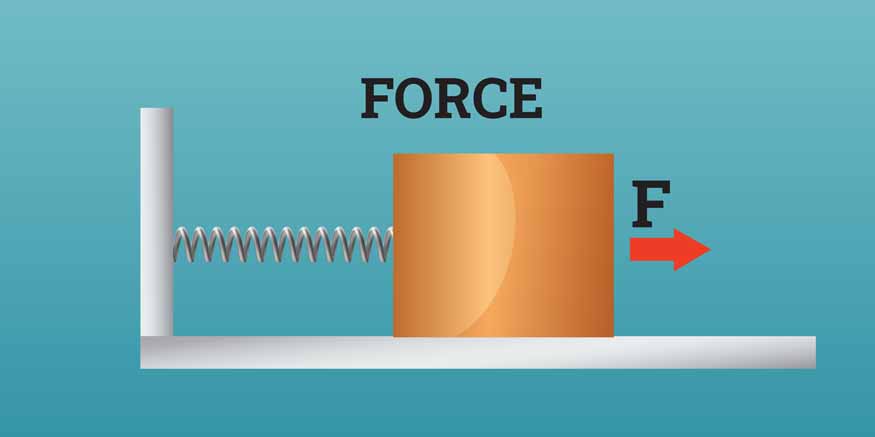
Work
Application of force thru a distance
WORK= F x d
If there is no displacement, no mechanical work is done (physics definition).
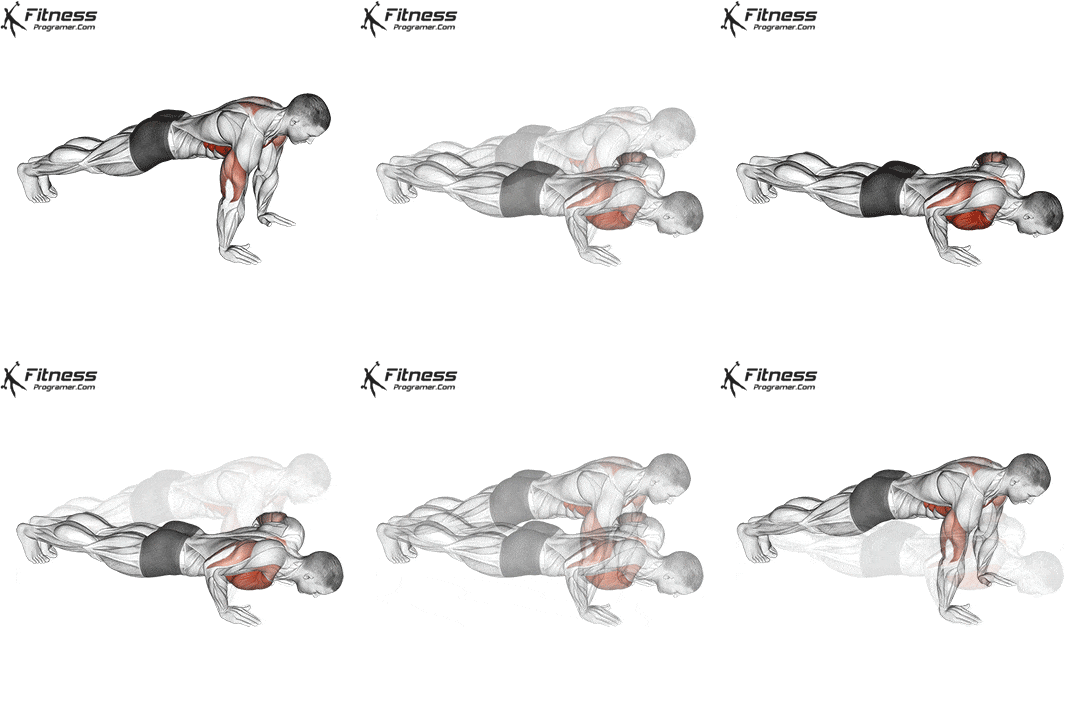
Force
THAT which tends to produce motion
Power
Rate of performing work
(also has a lot to deal with quality of life)
How quickly work is performed
First Law of Thermodynamics states that
(conservation of energy): energy cannot be created or destroyed, only transformed or transferred between forms.
Forms of Energy
Chemical engery(food)
Heat(sun)
Mechanical( human motion, Bones & muscles)
Light (sun)
Electrical(nervous system)
Nuclear(sun)
3 Main food sources
Carbs
Protein
Fat
98-99% Comes from Carbs and fat
1-2% comes from Protien
ATP
adenosine triphosphate; the usable chemical energy form for cells.
Adenosine = adenine + ribose (“-ose” = sugar)
Three phosphate groups (terminal phosphoanhydride bonds are “high-energy”)
Conceptual structure
Enzymes
Protein catalysts that speed reactions; many end in “-ase” (e.g., ATPase).
Enzyme names indicate function (e.g., kinases transfer phosphate groups).
The only form of cells can directly use for biological work
ATP
___ is stored in muscle only in small amounts.
ATP
During maximal all-out efforts, PCr falls rapidly while ATP initially stays near resting levels due to rapid resynthesis. When PCr is depleted (after ~8–10 s), ATP production cannot match demand, ATP concentration falls, and performance degrades (fatigue).
Fatigue
Product of ATP hydrolysis (adenosine + two phosphates); can be rephosphorylated to ATP.
ADP
Free phosphate released during ATP hydrolysis; can be reattached to ADP to reform ATP.
Pi(Inorganic phosphate)
The terminal phosphate bonds in ATP and PCr whose hydrolysis liberates usable energy for cellular work.
High-energy (phosphoanhydride) bonds
A chemical reaction using water to break a bond; in this context, ATP + H2O —(ATPase)—> ADP + Pi + energy.
Hydrolysis
How many seconds do we have stored in the muscle for ATP?
2 SECONDS
A creatine molecule bonded to a phosphate via a high-energy bond; donates phosphate to ADP to quickly reform ATP.
Phosphocreatine (PCr / CP / creatine phosphate)
The non-phosphorylated form found in muscle cells; can be phosphorylated to form PCr. (Note: oral creatine monohydrate supplements are related but not identical to PCr.)
Creatine (intracellular):
The reversible enzyme (a kinase) that transfers phosphate between PCr and ADP: ADP + PCr —(CK)—> ATP + creatine.
Creatine kinase (CK)
Enzyme that catalyzes ATP hydrolysis to ADP + Pi, releasing energy for biological work (e.g., muscle contraction cross-bridge cycling uses ATPase activity).
ATPase:
Enzymes that transfer phosphate groups; creatine kinase transfers phosphate between PCr and ADP/ATP.
Kinase (naming convention)
Reversible reaction (PCr ↔ ATP)
The CK-catalyzed reaction is reversible, allowing PCr to donate phosphate to ADP to form ATP and, under other conditions, ATP to phosphorylate creatine.
Activities primarily supported by ATP–PC:
Very short,
maximal-power efforts such as single maximal sprints (initial phase),
shot put,
single maximal weight lifts, throws, explosive jumps, and singular maximal actions in team sports (e.g., a single block, kick, or swing).
System limitations for prolonged exercise
The ATP–PC system cannot sustain prolonged activity; for efforts beyond ~10 s at high intensity, glycolysis (anaerobic carbohydrate metabolism) and aerobic oxidative phosphorylation are needed.
Pathways that regenerate ATP without using oxygen (ATP–PC system and glycolysis).
Anaerobic systems
Oxygen-dependent, multi-step ATP production pathway with higher capacity but slower power output; covered in later lectures.
Aerobic metabolism (oxidative phosphorylation):
How ATP is used at the molecular level to power actin–myosin interactions (sliding filament theory) — topic for further lectures.
Cross-bridge / muscle contraction coupling