Bennett Biology - Photosynthesis
 Call Kai
 Learn
Learn Practice Test
 Spaced Repetition
 Match
Match Flashcards
1/23

There's no tags or description
Looks like no tags are added yet.
Name | Mastery | Learn | Test | Matching | Spaced | Call with Kai | Chat |
|---|
No analytics yet
Send a link to your students to track their progress
24 Terms
chlorophyll
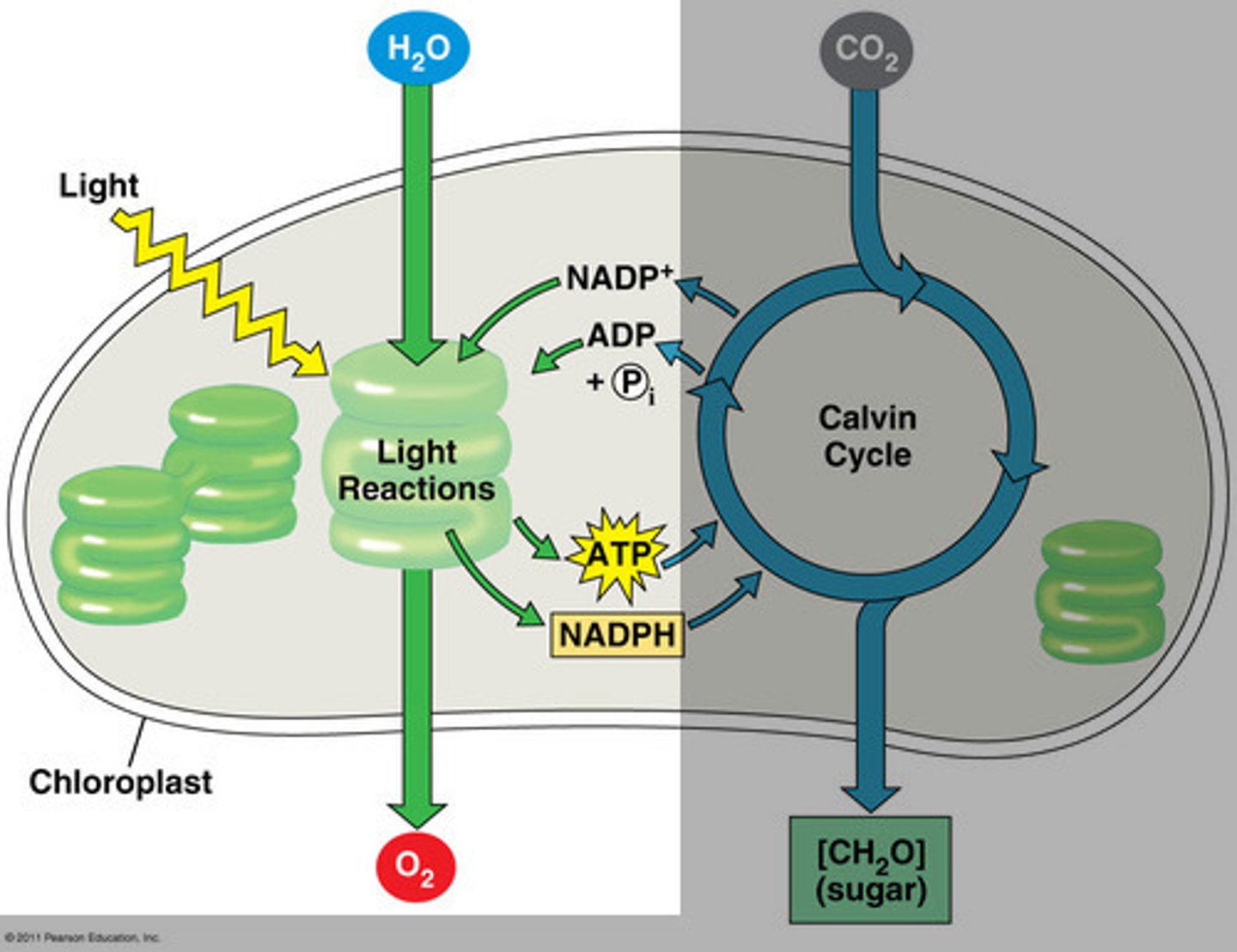
The light-absorbing green-colored pigment that begins the process of photosynthesis.
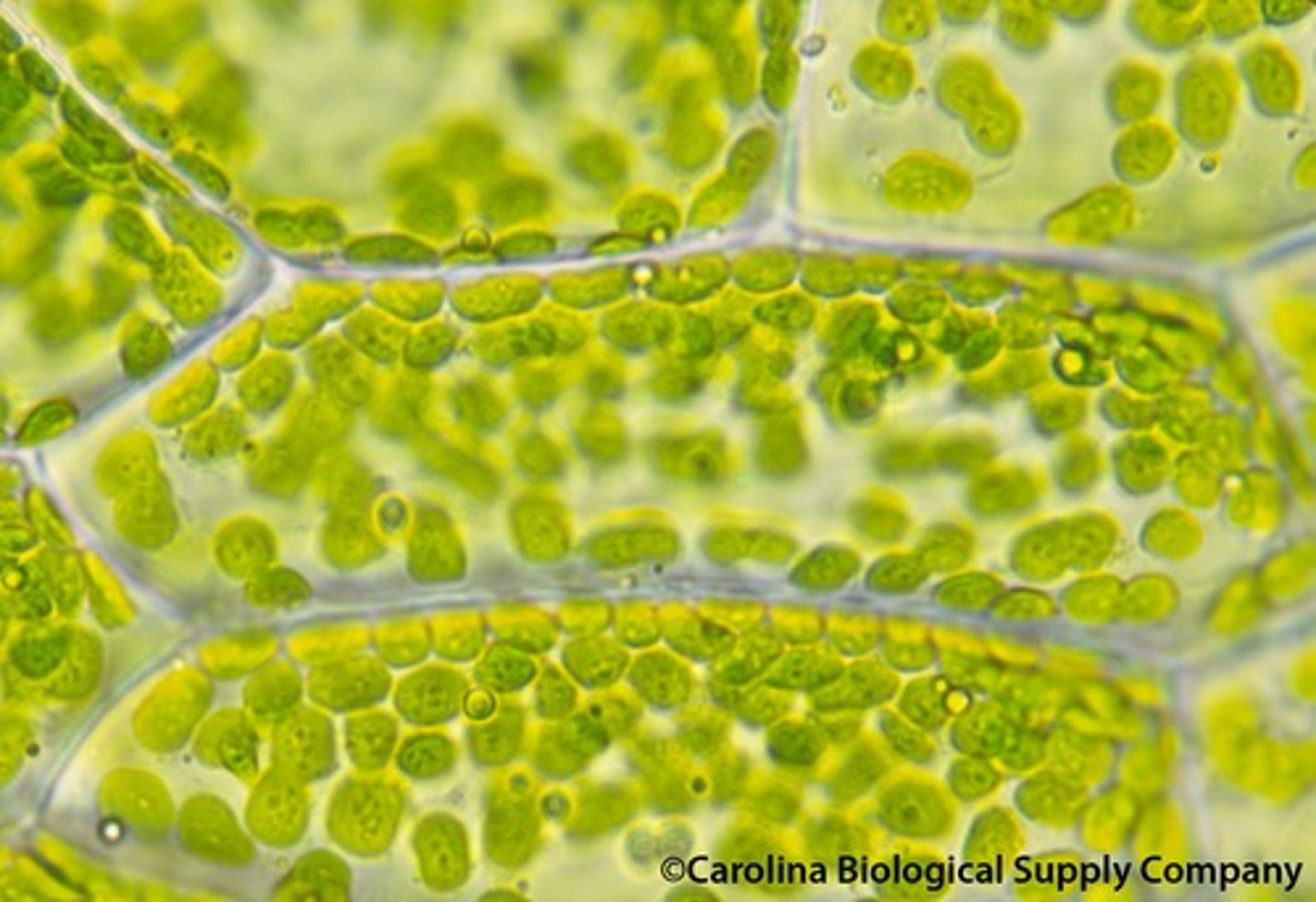
chloroplast
A membrane-bound organelle in green plant and algal cells that carries out photosynthesis.
stroma
The protein-rich semiliquid material in the interior of a chloroplast. Where the Calvin cycle occurs.
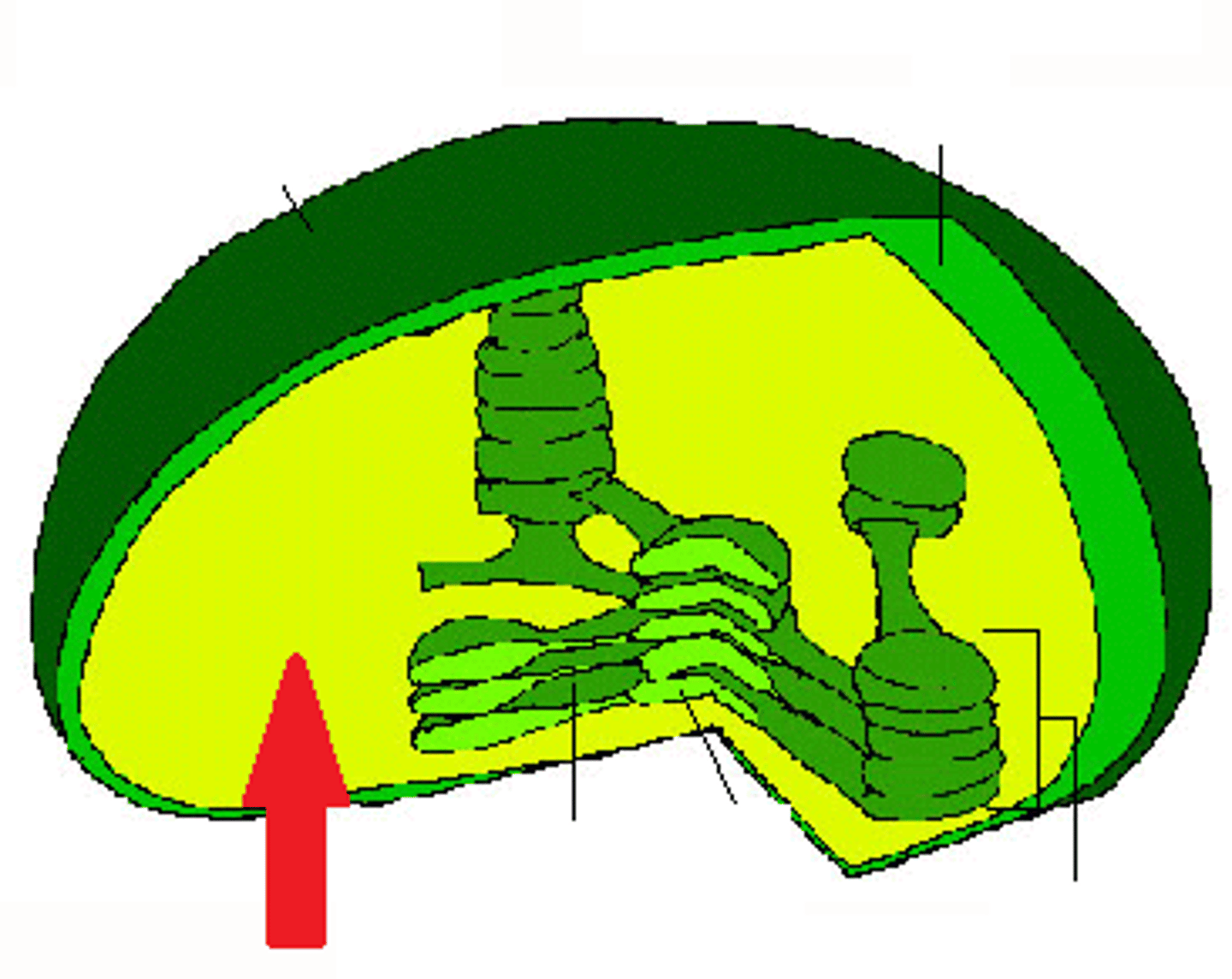
thylakoid
A disk-shaped sac in the stroma of a chloroplast.
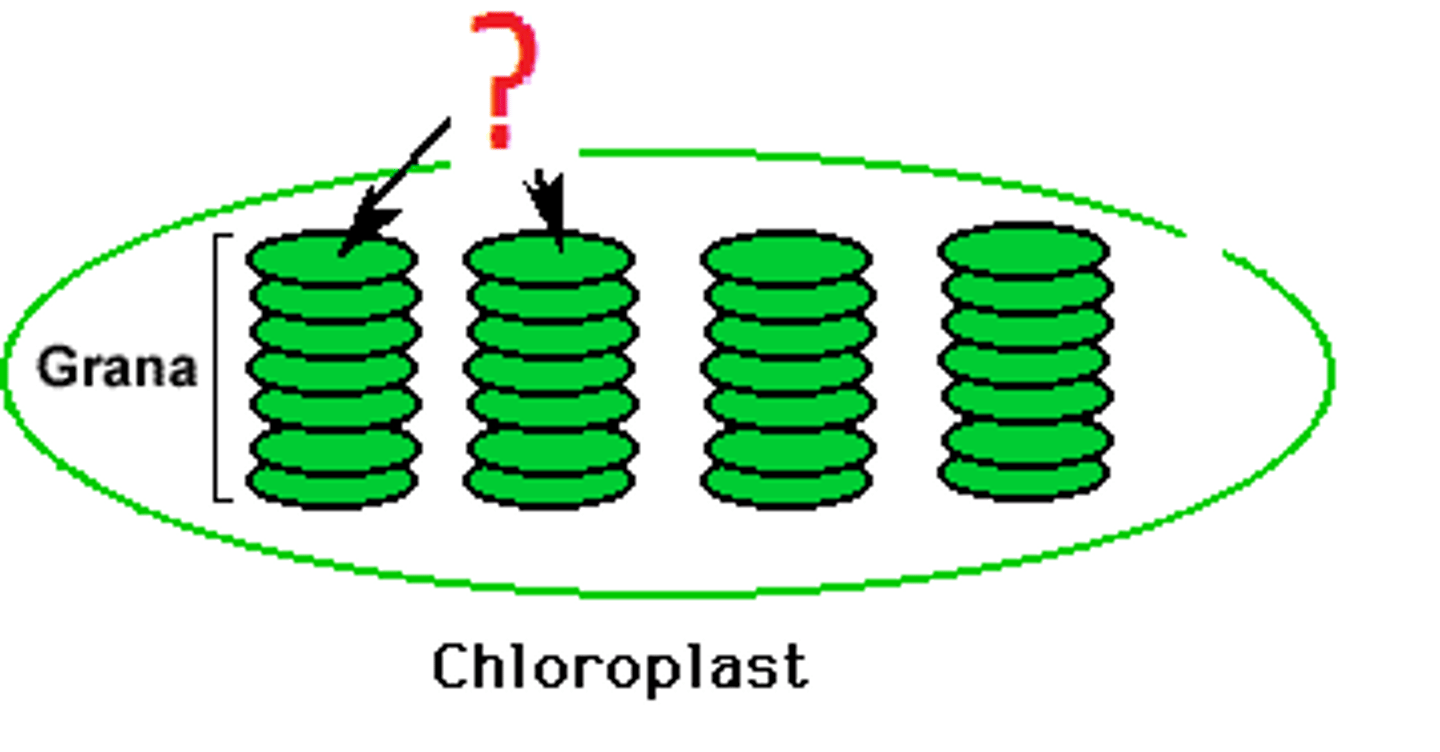
grana
Stacks of thylakoids.
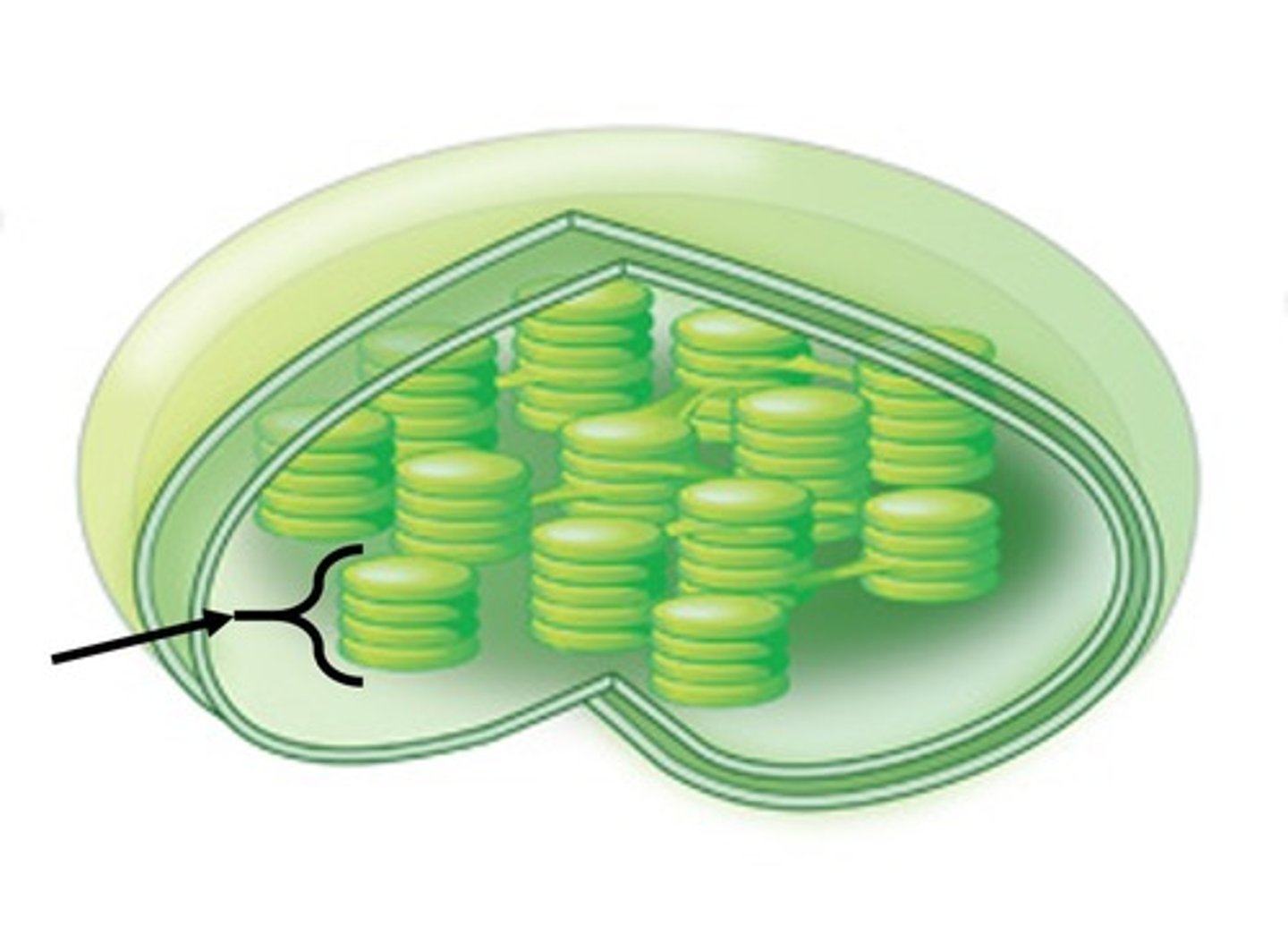
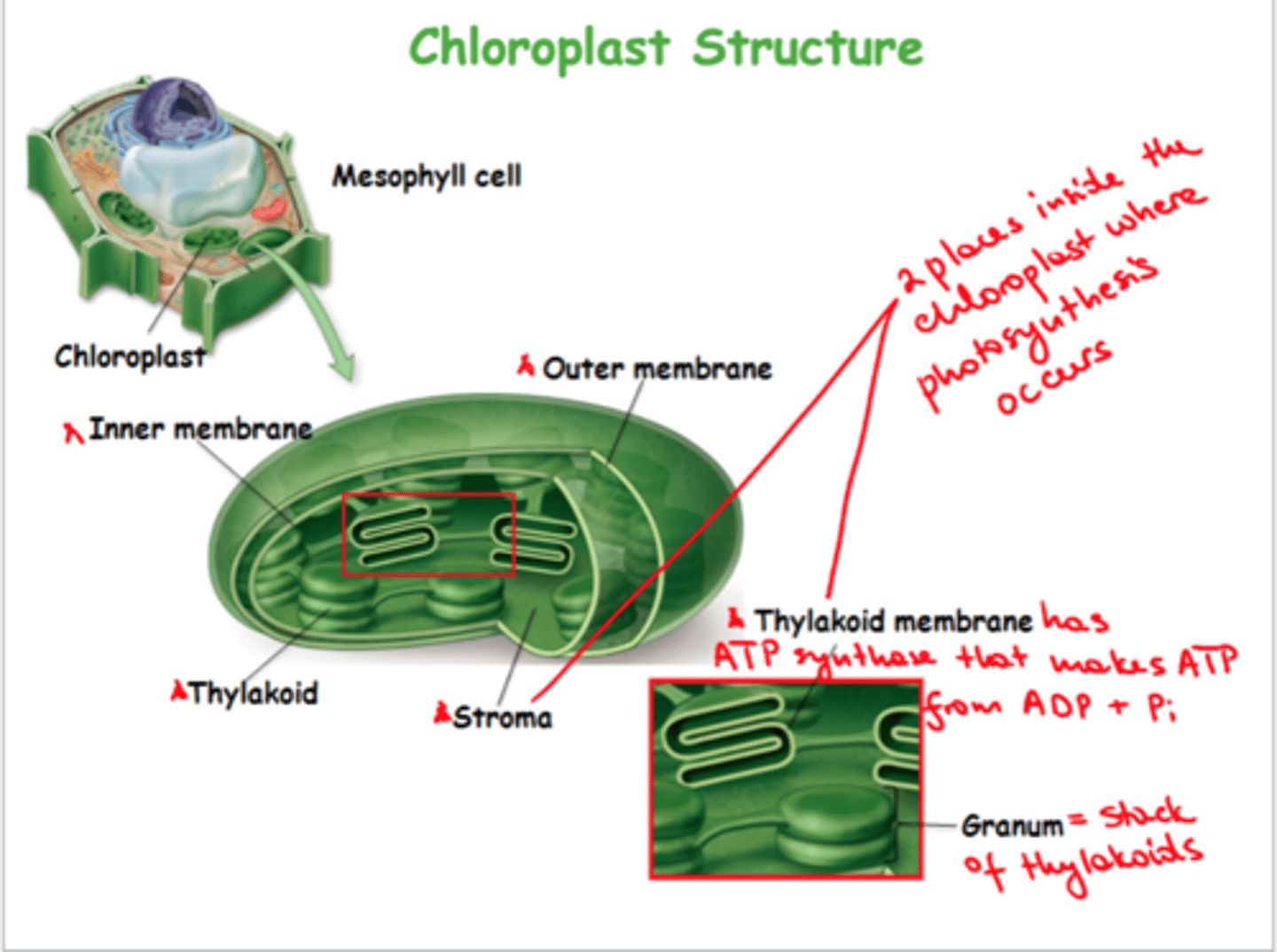
thylakoid membrane
The photosynthetic membrane within a chloroplast that contains light absorbing pigment molecules and electron transport chains.
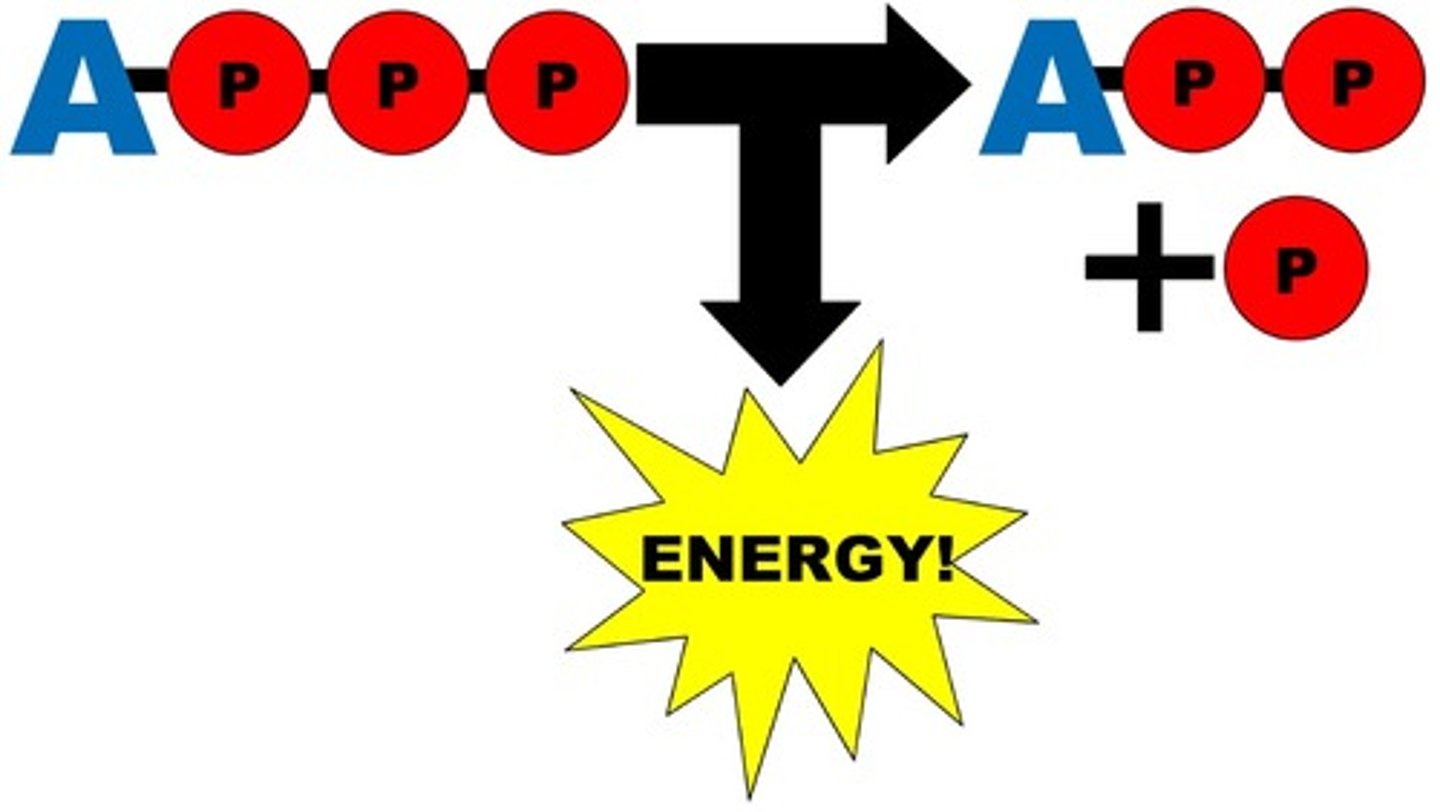
ATP
A molecule containing three high energy phosphate bonds that acts as the primary energy-transferring molecule in a living organism.
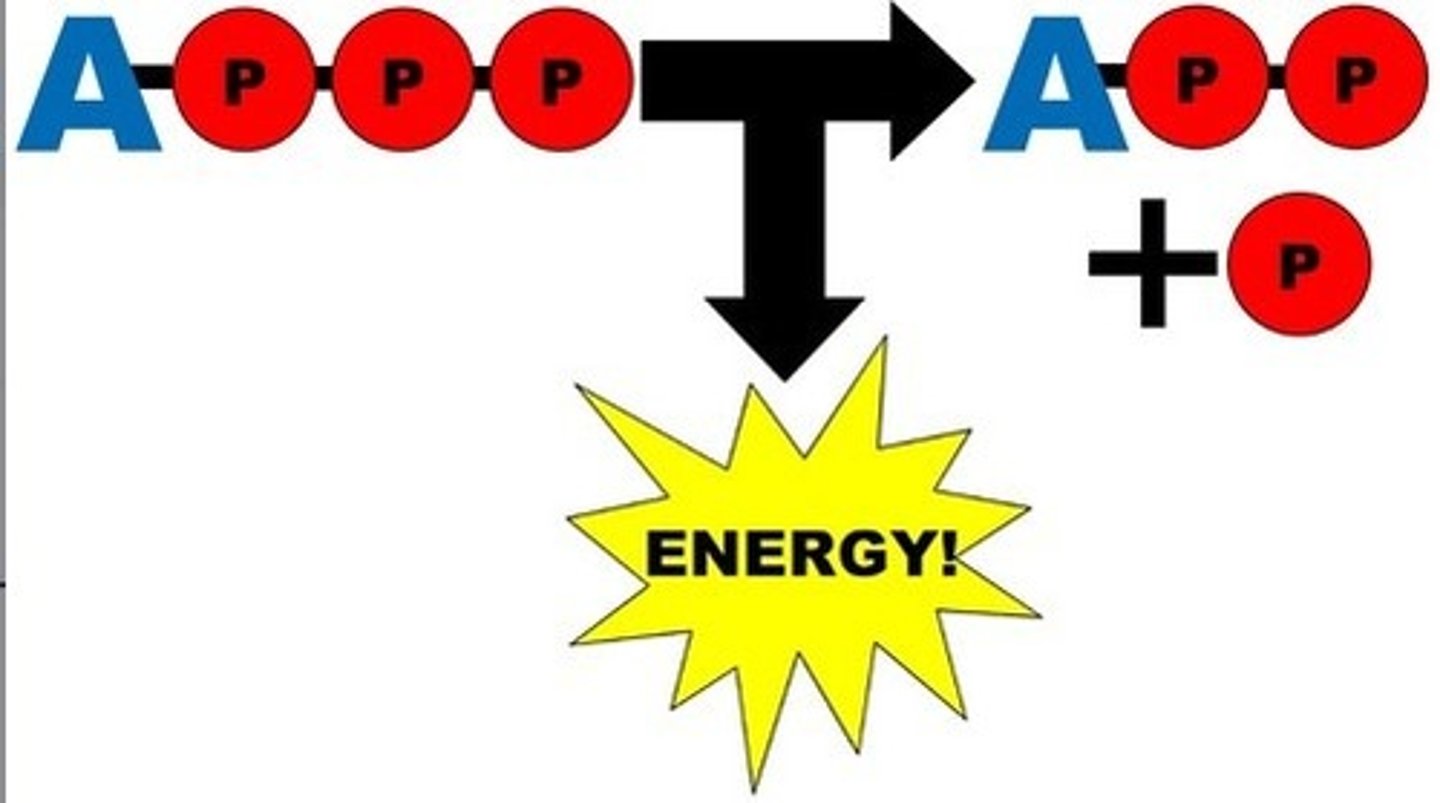
ADP
A molecule containing two high-energy phosphate bonds that may be formed by breaking one of the phosphate bonds in ATP.
NADP+
A compound that accepts one hydrogen atom and two electrons forming NADPH; it is an electron acceptor.
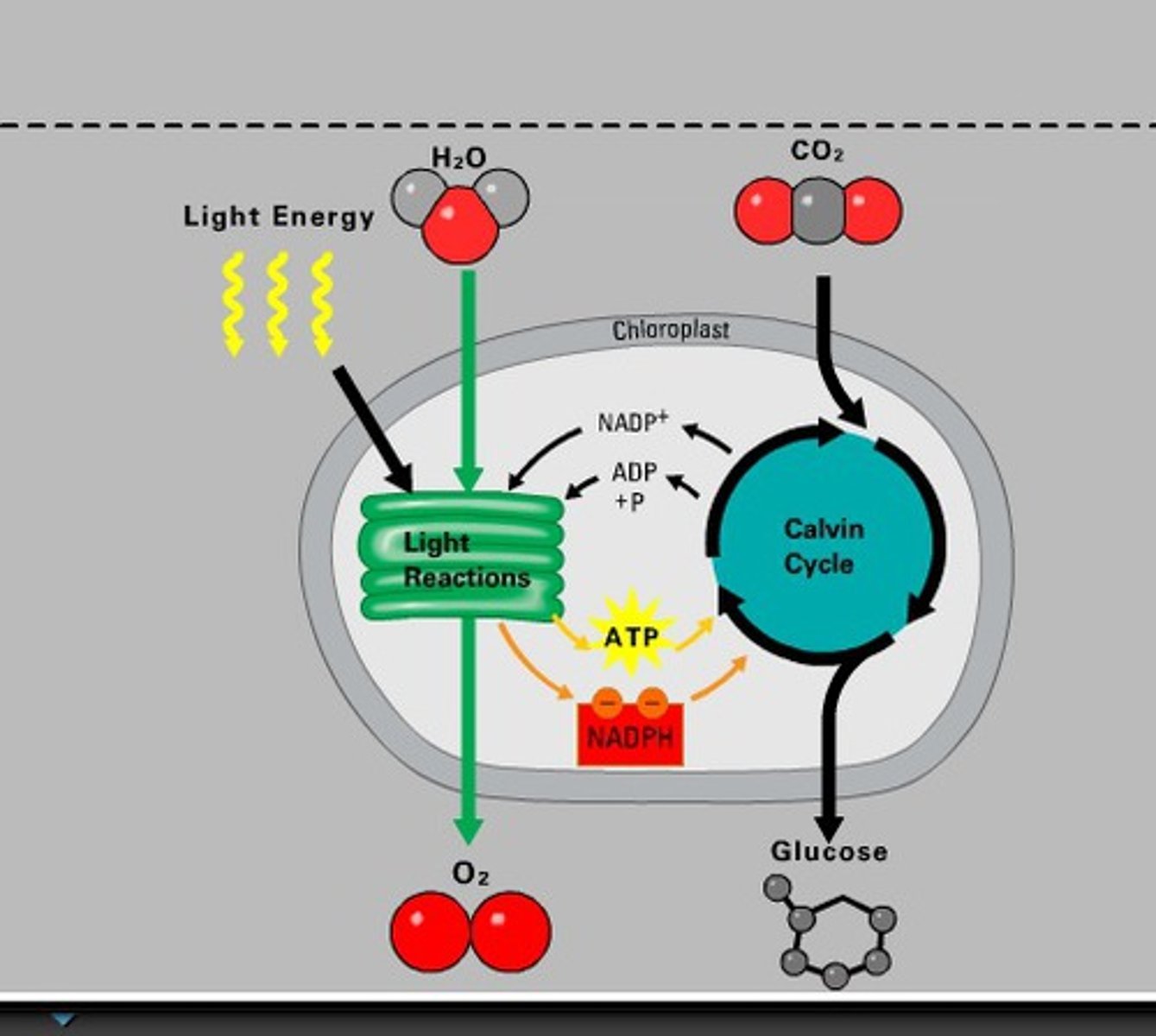
NADPH
A compound that donates one hydrogen atom and two electrons to another molecule, to reform NADP+; it is an electron donor.
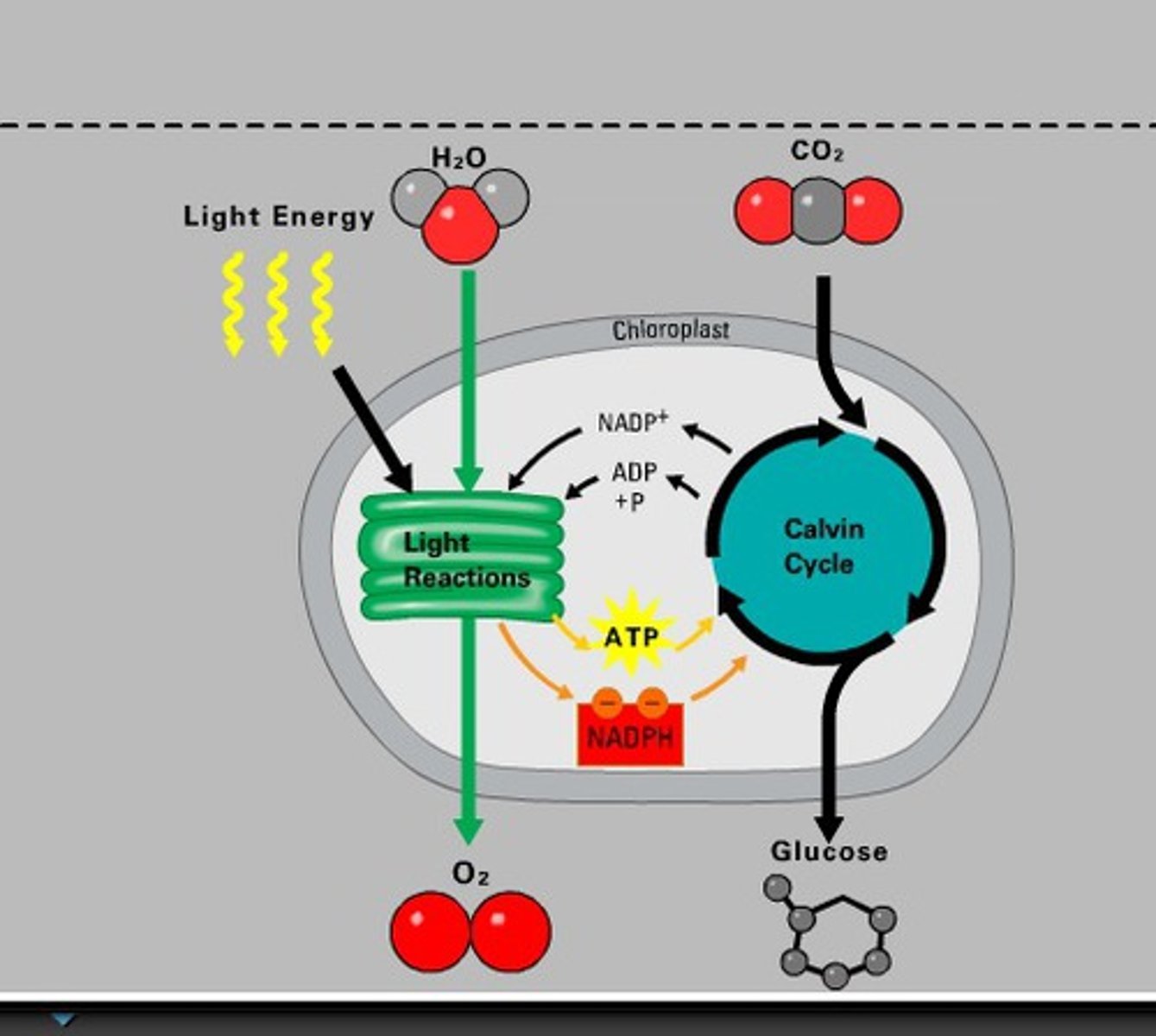
carbon fixation
The process of incorporating CO2 into carbohydrate molecules.
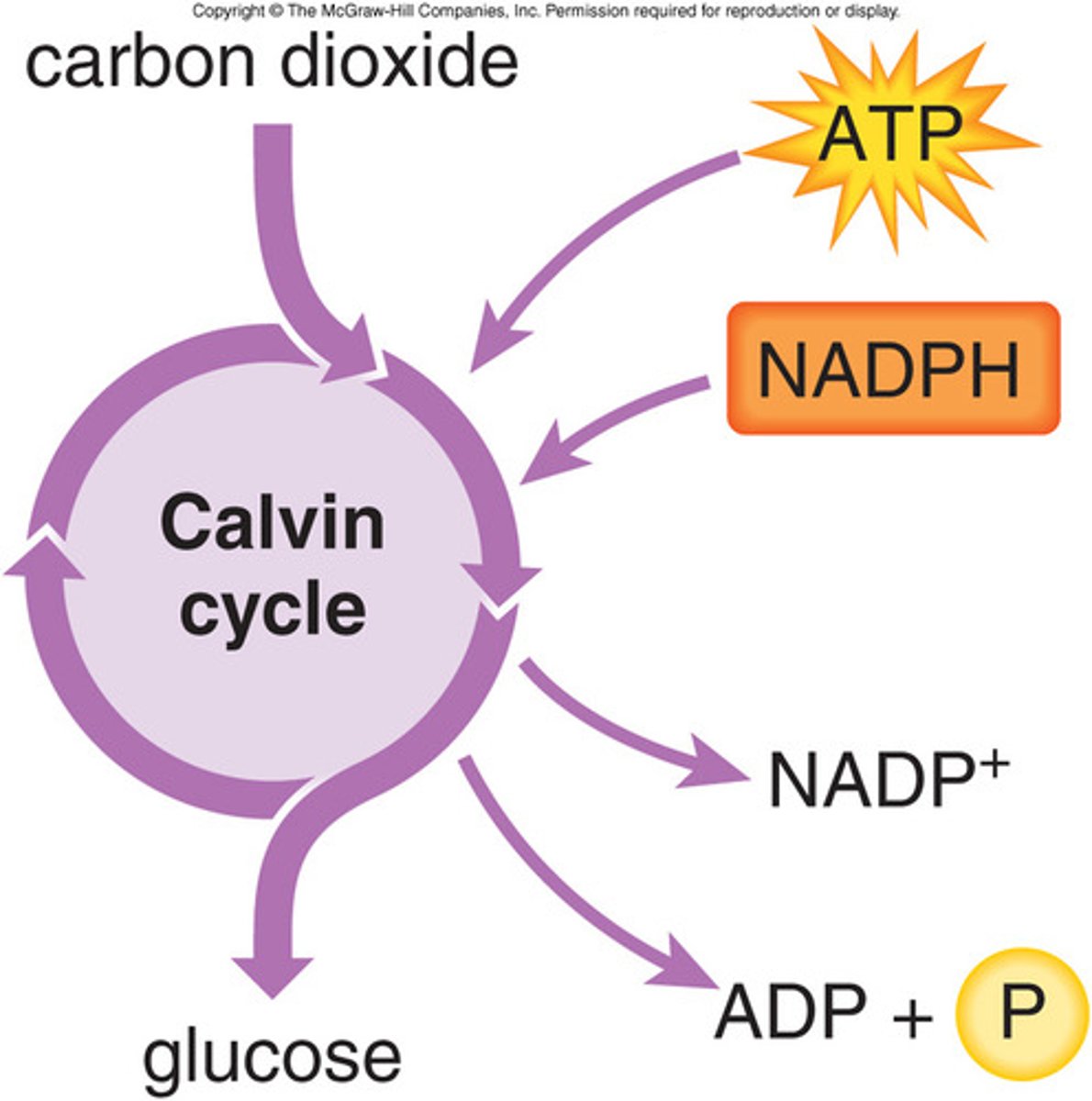
Calvin cycle
A cyclic set of reactions occurring in the stroma of chloroplasts that fixes the carbon of CO2 into carbohydrate molecules and recycles coenzymes. Light independent reaction.
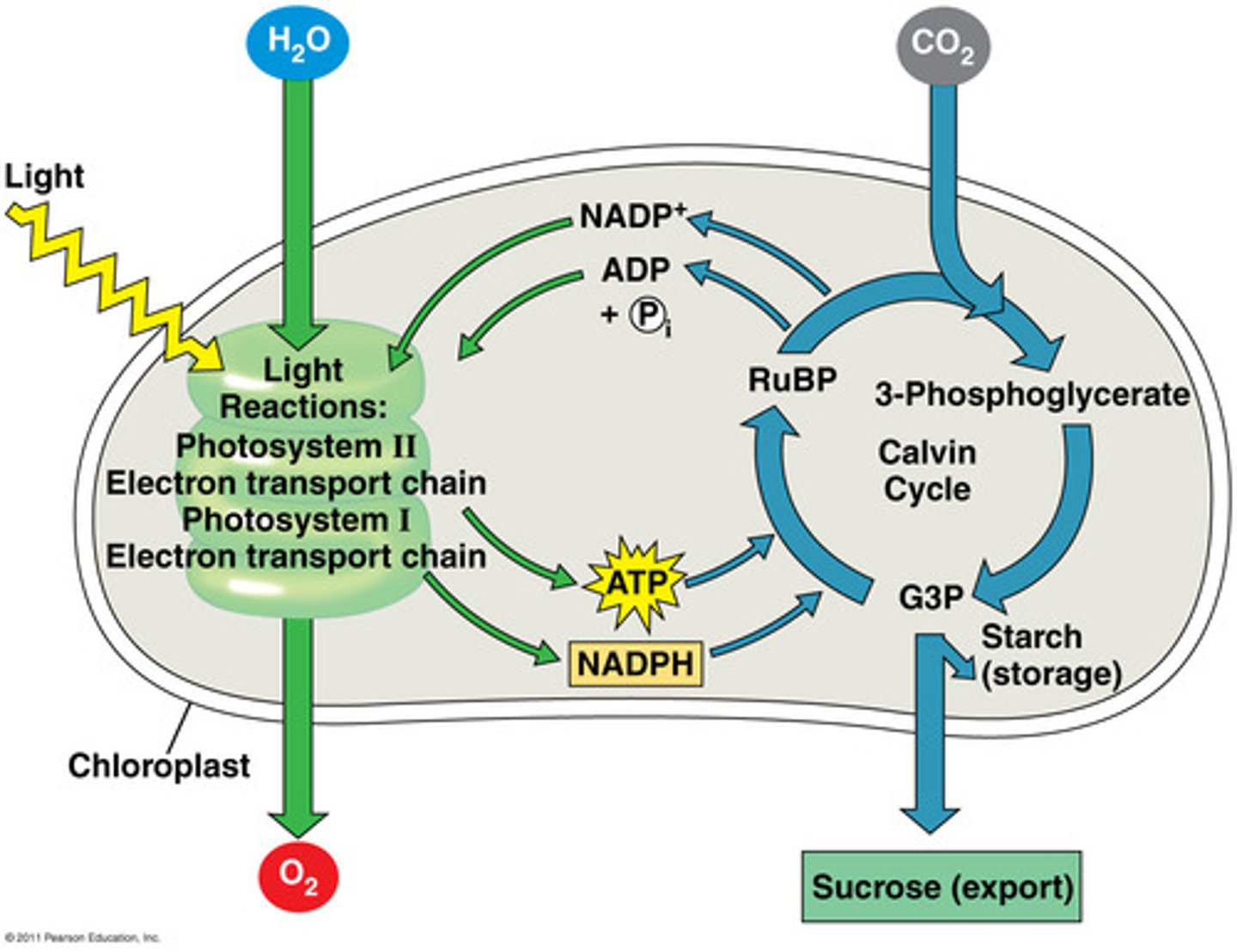
light-dependent reactions
reactions of photosynthesis that use energy from light to produce ATP and NADPH
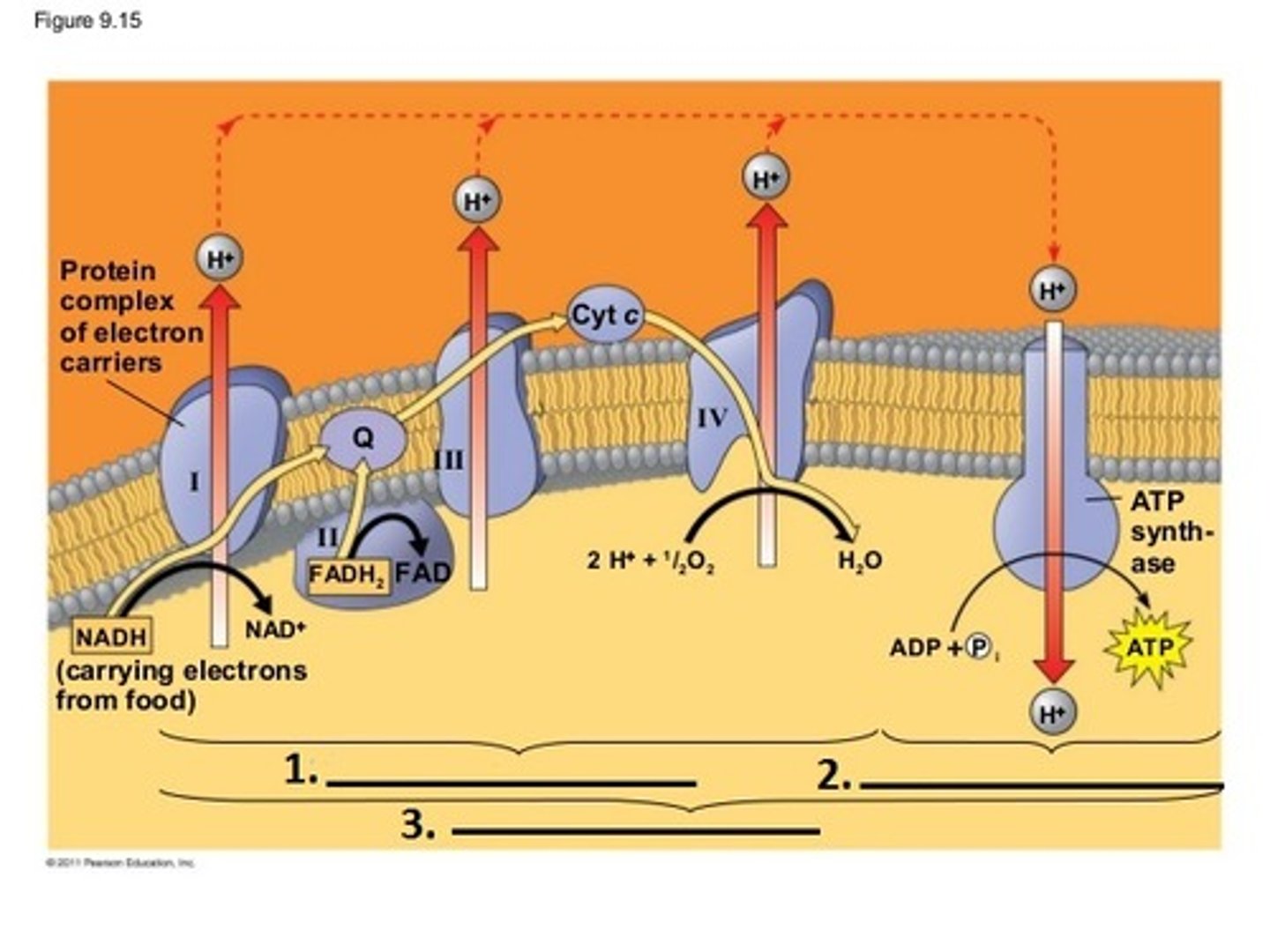
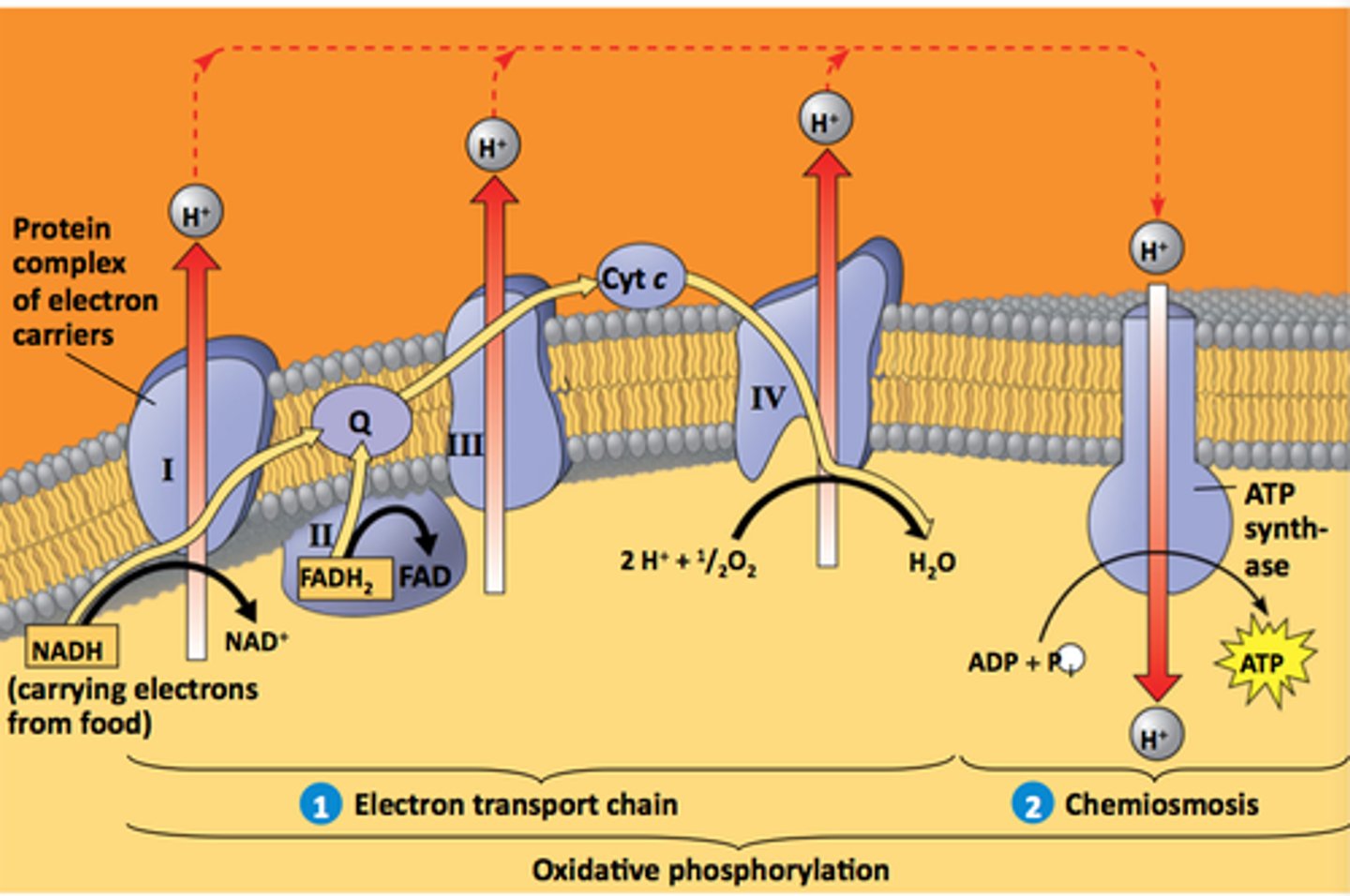
electron transport chain
A series of progressively stronger electron acceptors; each time an electron is transferred, energy is released. (No. 1 in picture.)
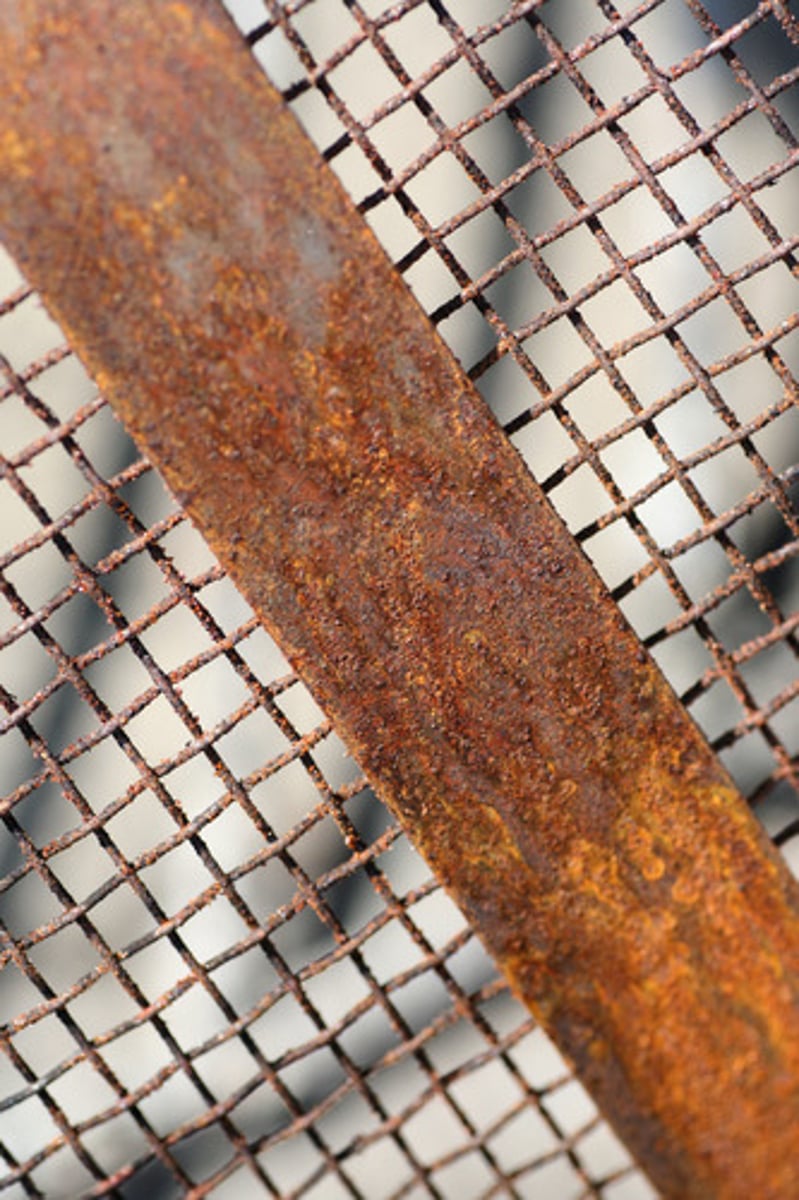
oxidation
A reaction in which an atom or molecule loses electrons.
reduction
A reaction which an atom or molecule gains electrons.
chemiosmosis
A process for synthesizing ATP using the energy of an electrochemical gradient and the ATP synthase enzyme.
photosynthesis equation
6CO2 + 6H2O + Energy -> C6H12O6 + 6O2

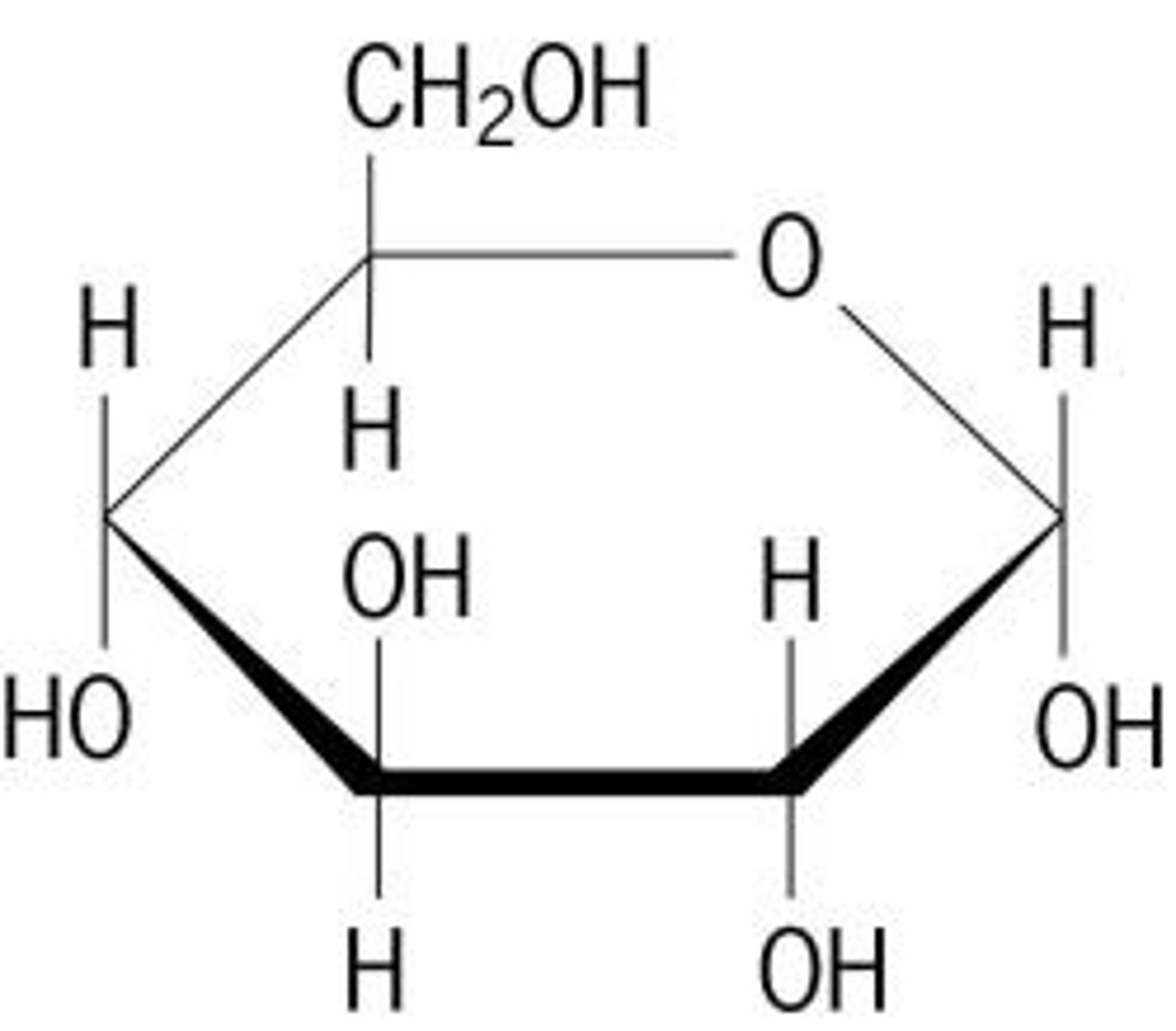
glucose
C6H12O6
chemical bonds
Where energy is stored in an ATP molecule
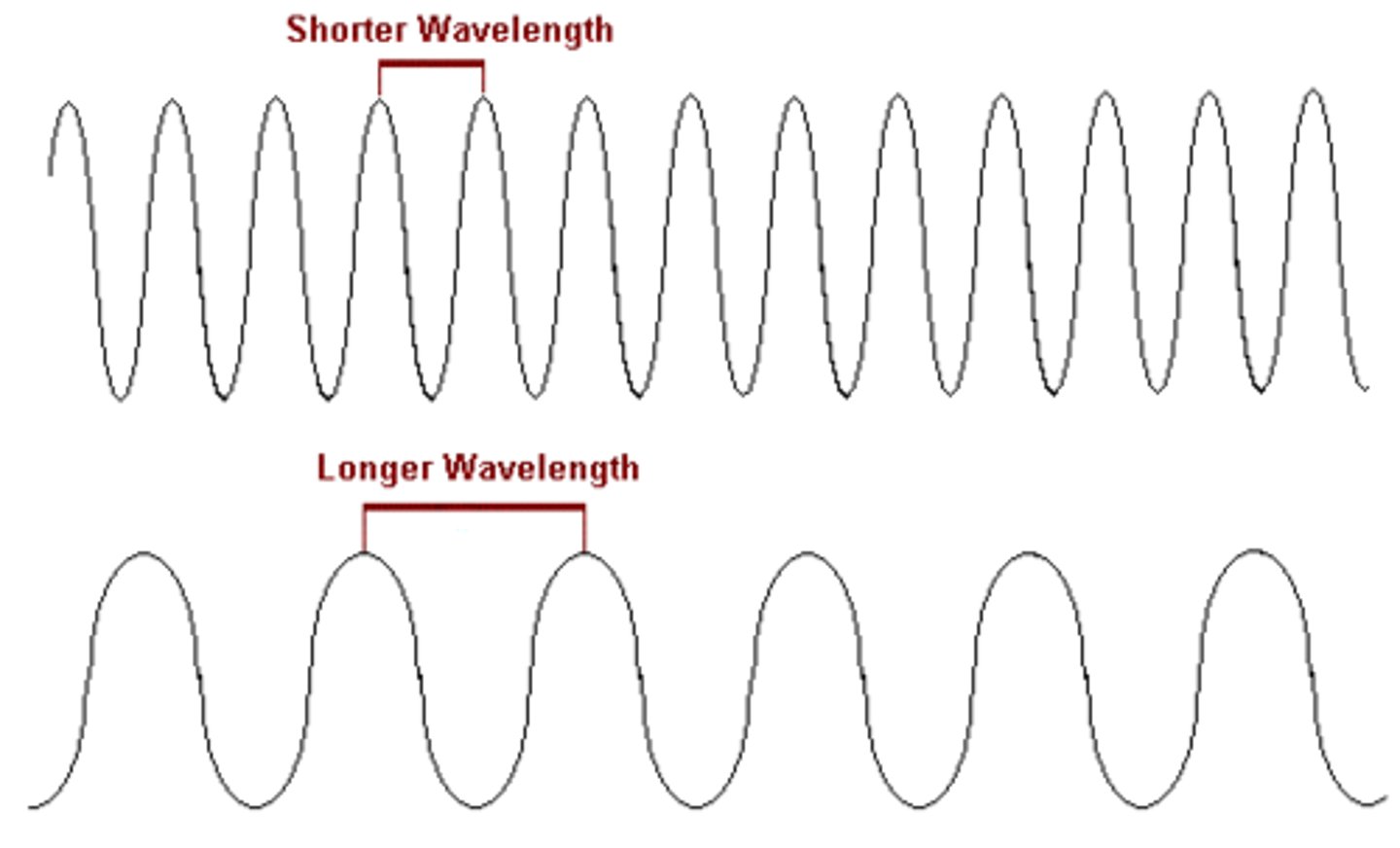
high energy
Short wavelengths have...
carbon dioxide and water
Raw materials used in photosynthesis.
ATP, NADPH, O2
Products of 'light-dependent' reactions:
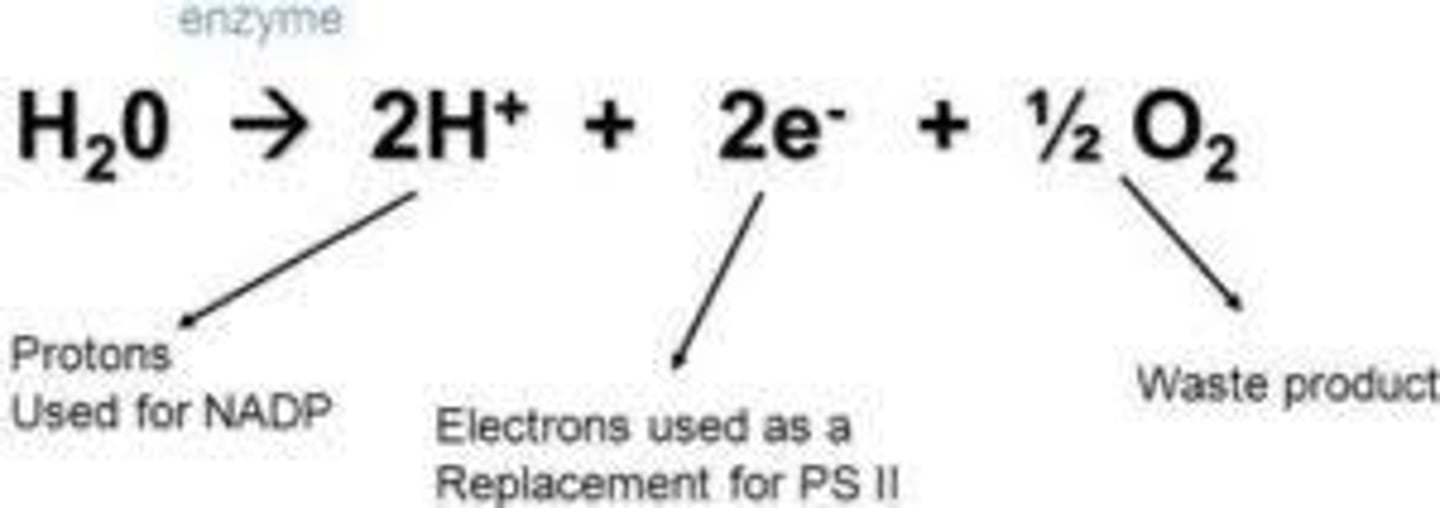
photolysis
Process of water breaking down. Light-dependent reaction.