Central Dogma of Biology
 Call Kai
 Learn
Learn Practice Test
 Spaced Repetition
 Match
Match Flashcards
 Knowt Play
1/25

Earn XP
Description and Tags
First week review
Name | Mastery | Learn | Test | Matching | Spaced | Call with Kai | Chat |
|---|
No analytics yet
Send a link to your students to track their progress
26 Terms
DNA converts to RNA converts to Protein
DNA: stored in the nucleus, convert to RNA in the nucleus. RNA: leaves the nucleus and move to the cytoplasm, then is is converted to protein by ribosomes & ER.
DNA
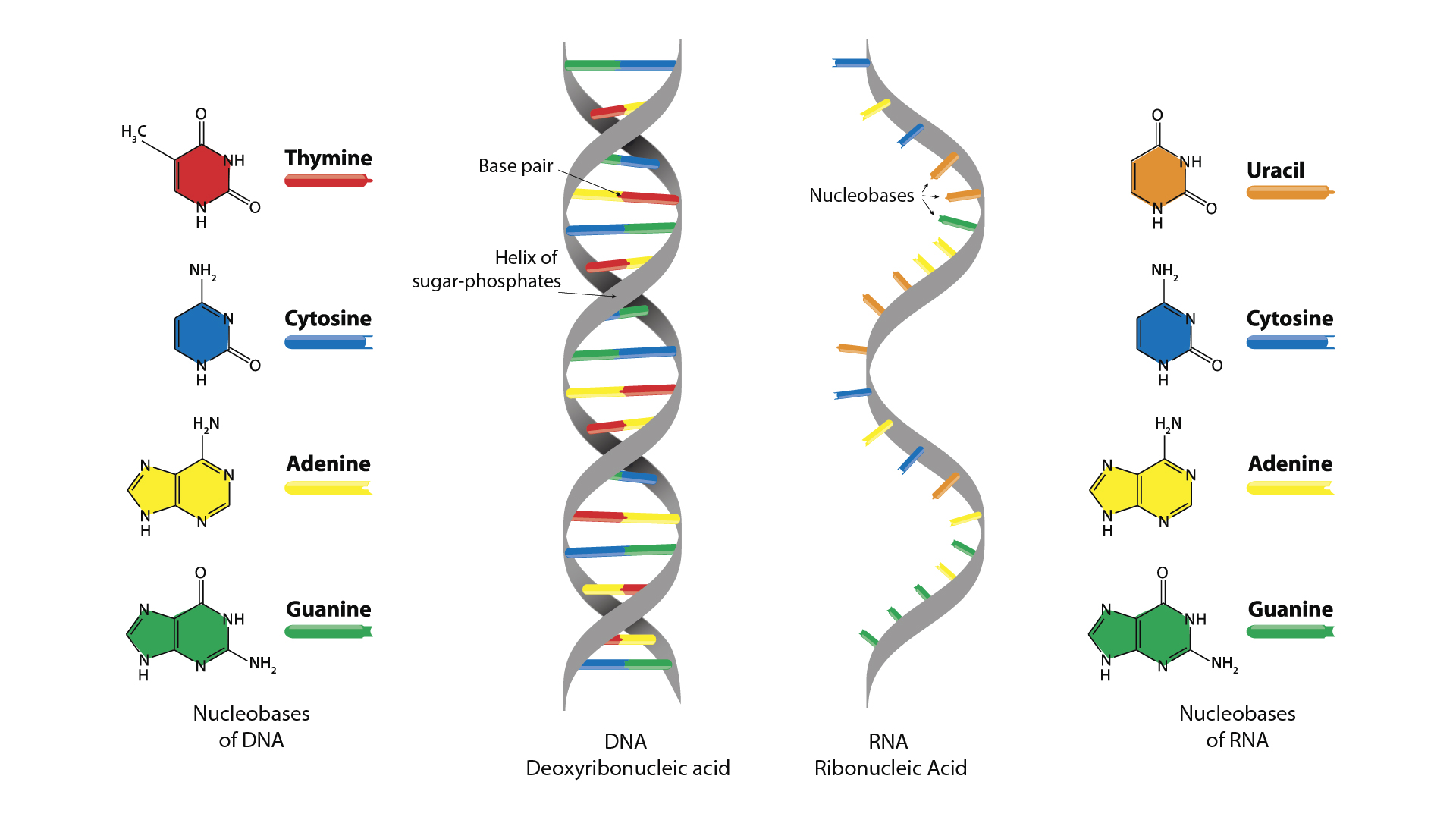
Double helix structure, made up of two complementary strands. 4 nucleotides:
• Purines: adenine (A), guanine (G)
• Pyrimidines: cytosine (C) and
thymine (T)
• Base-pair: A-T, C-G
-Phosphate backbone
DNA vs RNA
RNA: Ribose sugar, Uracil (U), single stranded
DNA: Deoxyribose sugar, Thymine (T), double stranded
Proteins
Main structural and functional units of cells
Accomplish most functions of cells

Common cells and their functions
There are over 200 cells
Erythrocytes, fibroblasts, Epithelial cells: connect body parts, form linings, or transport gases
Skeletal muscle cells and smooth muscle cells: moves organs and body parts
Fat cell: Stores nutrients
Macrophage: Fights disease
Sperm: reproduction
Nerve cell: Gathers information and controls body functions

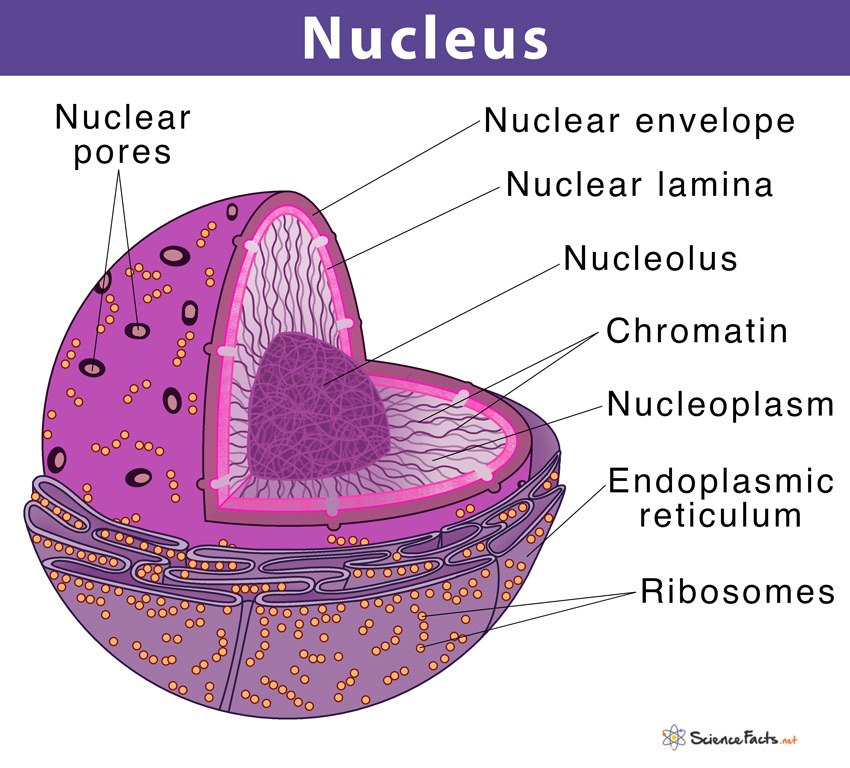
Nucleus
Contains genetic blueprint aka DNA
• Uninucleate (one nucleus) – most cells
• Multinucleate (many nuclei) – skeletal muscle cell
• Anucleate (no nucleus) – red blood cell
Plasma Membrane
AKA cell membrane
Acts as barrier separating Intracellular fluid (ICF) from extracellular fluid (ECF)
Controls what enters and what leaves
Made of lipids

Lipids
Polar head, non-polar tail
• Contain C, H, O and sometimes contain P
• Insoluble in water
*polar head is hydrophilic meaning it loves water and the non polar is hydrophobic

Cytoplasm
All cellular material that is located between the plasma
membrane and the nucleus
• Gel-like solution made up of water and proteins

Cytoplasm = cytosol + cytoskeleton
Cytosol: fluid part, mostly water made up of cytoplasm, lots of ions dissolved along with molecules.
Cytoskeleton: Long protein rod making internal structure for cell, allows other organelles to tether in place, resists deformations, allows movement, internal signaling, tracks for motor proteins-transports within cell.

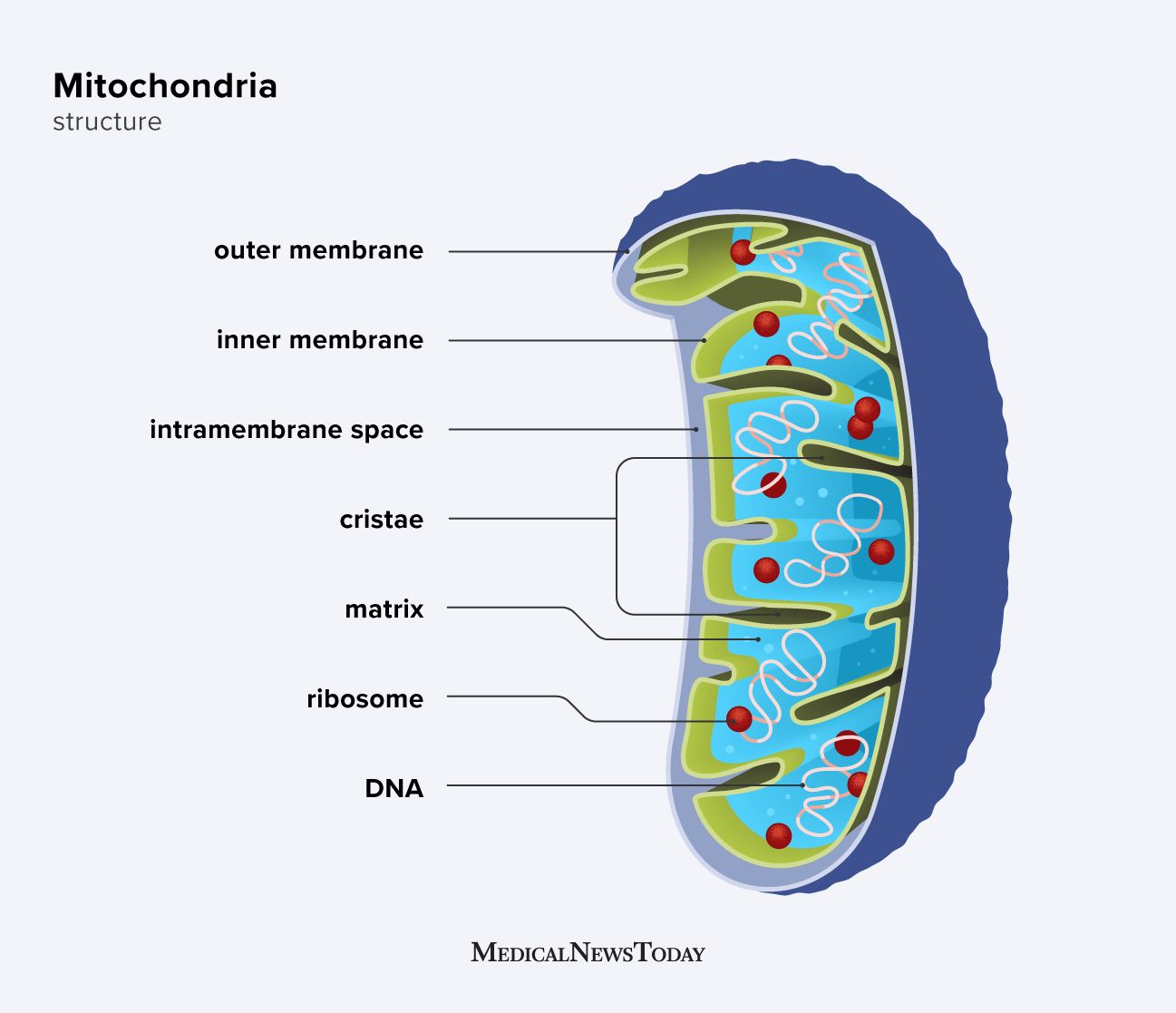
Mitochondria
• “power plant” - produce most of cell’s energy
molecules , ATP
• Aerobic respiration- glucose + 𝑂2 -> ATP
ATP
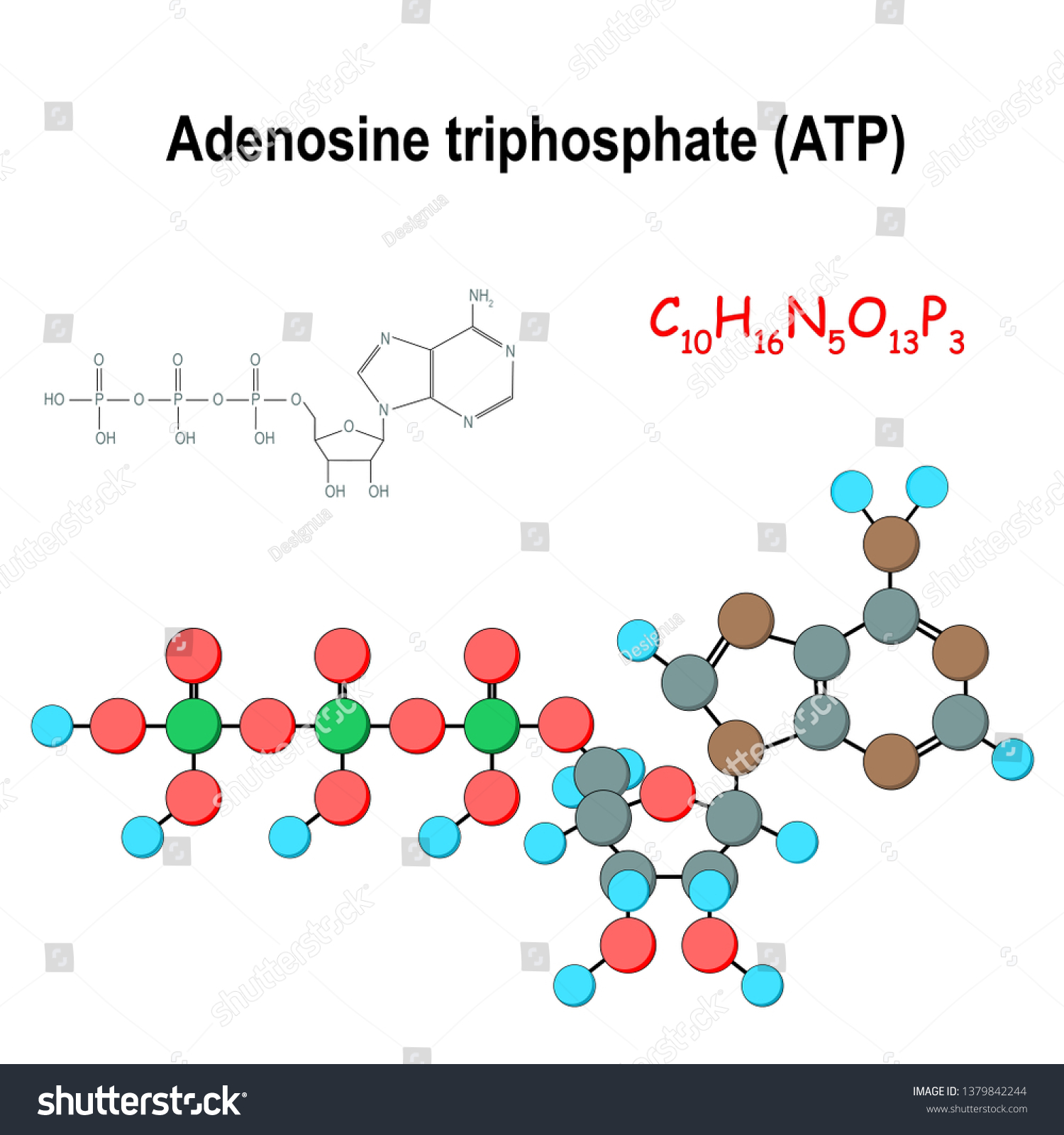
ATP
• ATP, adenosine triphosphate
• Supplies the energy needed for many bodily functions
(Mechanics: ATP phosphorylates contractile proteins in muscle cells so cells contract or shorten)
Ribosome & endoplasmic reticulum
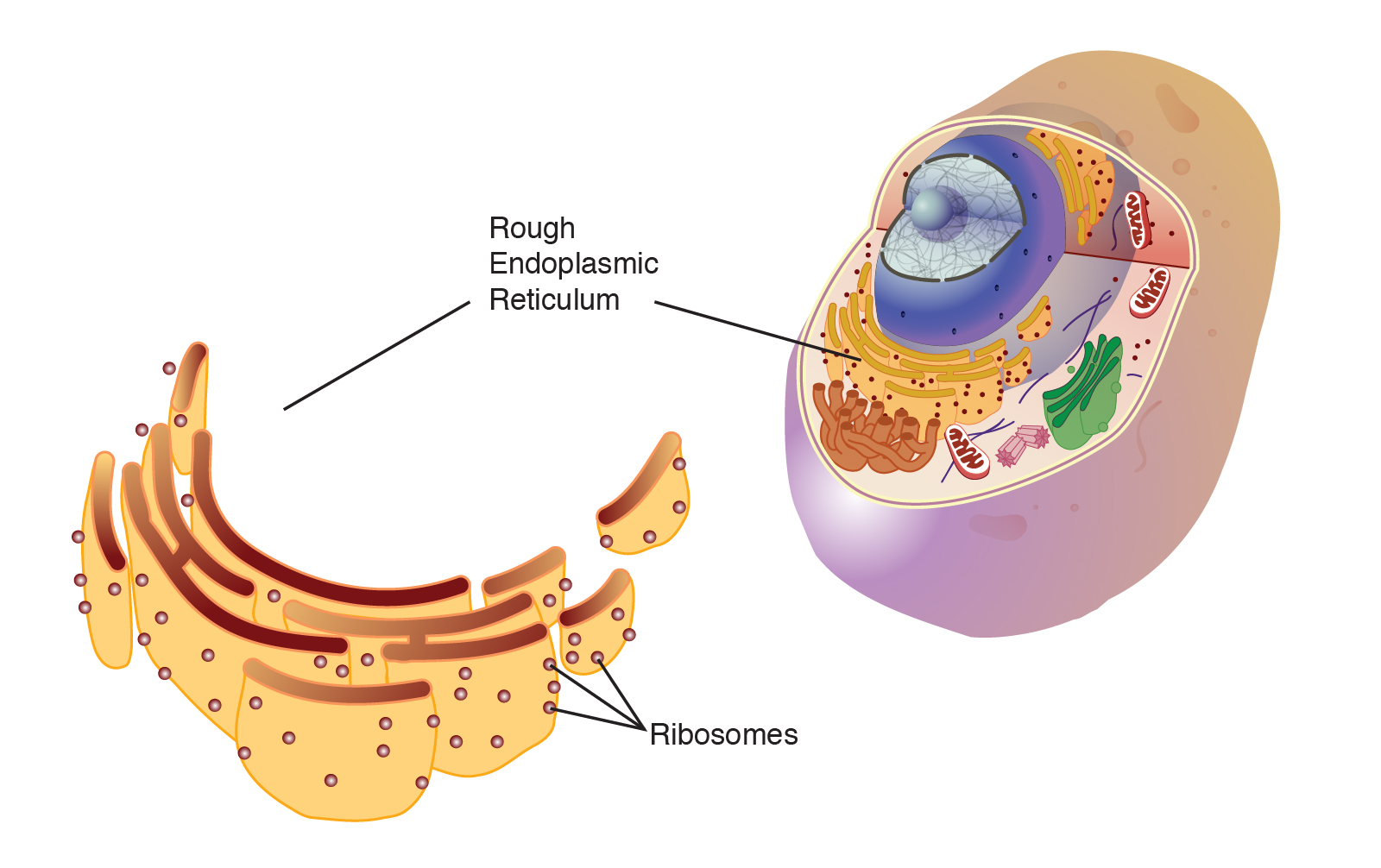
Ribosomes: Site or protein synthesis and notes on rough ER
ER: Synthesis and modifications of proteins
Smooth ER
Lipid synthesis and cell specific functions

Golgi Apparatus
Modifies and packages proteins and lipids received from ER
Sends products out or cell for use or uses within cell

Lysosomes + Peroxisomes
Lysosomes: Digestive enzymes for breaking down molecules
Peroxisomes: Oxidative (lost electrons) organelles for breaking down toxins and lipids
Summary of innerworkings of cells
Nucleus = DNA storage - where blueprints are kept
Mitochondrion = Energy productions - powerplant
ER = Protein, lipid productions; export - primary production line
Golgi = Protein modification and export - shipping department
Peroxisome = Lipid destruction; contains oxidative enzymes - security and waste removal
Lysosome = Protein discretion - recycling and security
Cytoskeleton = Structure support - infrastructure

Cell cycle
Process the cell goes through to make a new one
Mitosis
Division of the cells, separate duplicated DNA to two new cells
Interphase, Prophase, Metaphase, Anaphase, Telophase
IPMAT - I Passed My Anatomy Test

Interphase
• G1: growth phase 1
• S: Growth and DNA synthesis
• G2: growth and final preparations for division
Prior to mitosis - DNA replication or duplication

Phrophase
Nuclear membrane breaks up

Metaphase
Replicated DNAs align at cell’s midline

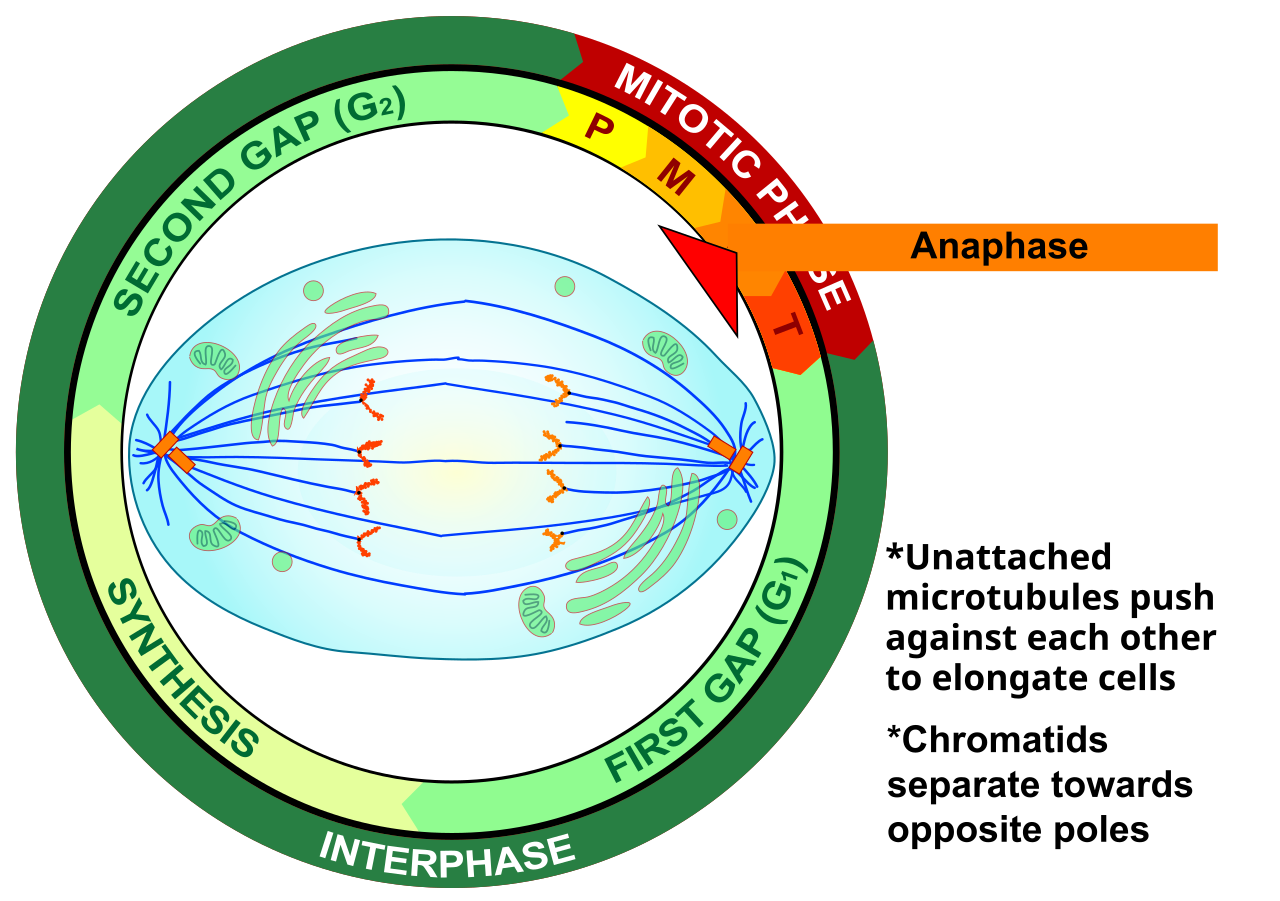
Anaphase
Shortest phase, DNA separates and are pulled toward opposite poles
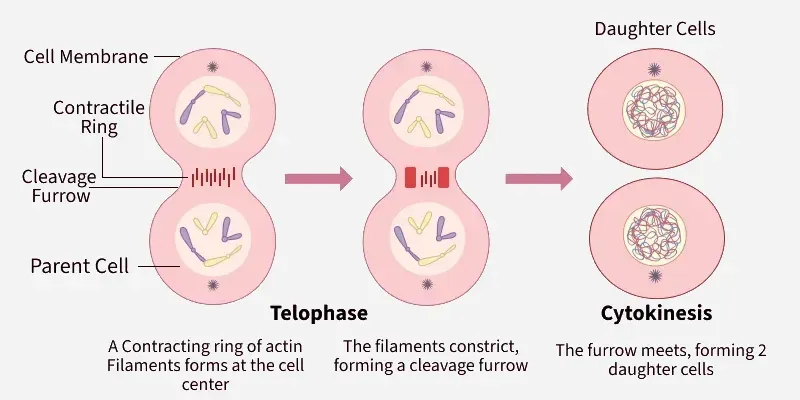
Telophase
New nuclear membrane forms

Cytokinesis
Two daughter cells are pinched apart and cytoplasm is divided
Summary of mitosis
In interphase there centrosome and chromosome and then DNA is copied and in prophase chromosomes pair up, in metaphase they line up at the equator, in anaphase sister chromatids are pulled apart, telophase & cytokinesis cell pinches in the middle and two identical daughter cells are created.