Pasture Management and Toxic Plants
 Call Kai
 Learn
Learn Practice Test
 Spaced Repetition
 Match
Match Flashcards
 Knowt Play
1/159

There's no tags or description
Looks like no tags are added yet.
Name | Mastery | Learn | Test | Matching | Spaced | Call with Kai | Chat |
|---|
No analytics yet
Send a link to your students to track their progress
160 Terms
Qualitites of a good pasture
Highly palatable
High nutrient value
Withstand climate extremes
Good moisture content
High leaf-to-stem ratio
Fast regeneration
How to maintain a good pasture
Ability to rest pasture after grazing
Limit pasture access during periods of wet weather
Prevent overcrowding
Stiuations that lead to toxic plant poisonings
Animals moved to new pasture when hungry
Pasture sparse due to overgrazing
Poor growth in spring, or drought conditions
Herbicide application to control weeds
Recent nitrogen fertilizer application
New forage source (hay, silage)
Most common toxicosis in large animals next to feed additives
ingestion of toxic plants
Toxins in pasture plants
Most common toxicosis in large animals, next to feed additives
Toxic plants taste bad!
Your role: educate client and help identify plants
Good refs are available
Toxin Principle…
The saying about toxins
“The dose makes the poison”
Toxin concentrations and vary based on
Plant: Type and part
Growing season
Location
Toxin concentration variations - Plant
Type
Wild - weeds, forages
Landscape cultivars
Part
Root
Stem
Leaf
Fruit/seed
Toxin concentration variation - Growing season
Time of year
Conditions - wet, drough
Toxin concentration variation - Location
Region of US
Section of pasture
Classifications of toxins
Nitrates
Oxalates
Gallotannins
Glycosides
Phototoxins
Cicutoxins
Alkaloids
Ketones
Mycotoxins
Enzymes
Misc - Topical, mechanical
How nitrates break down
They are reduced to nitrites in the intestinal tract
Mostly affect ruminants
Nitrites bond to hemoglobin, forming methemoglobin
Bonds tightly to oxygen; not released to tissues
Acute
Trembling
Tachypnea
Ataxia
Chronic
Poor growth
Decreased milk production
Abortions
Nitrates
Plants fix nitrogen from soil; accumulates with plant stress
Weather extremes, low light, herbicide application/disease
Ingestion of plants with extremely high nitrate content
Any nitrogen fixing plants - legumes (alfalfa, clover, soybeans, peanuts)
Periods of drought
Nitrogen fertilizer application
Oxalates
Excess amounts of oxalate bind to calcium causing calcium oxalate crystal formation
Hypocalcemia
Hyperoxaluria
Influx of crystals damage renal tubules
Kidney stone formation
Who is more tolerant of oxalates
Ruminants typically more tolerant than non-ruminants
Rumen bacteria degrade oxalate into harmless formic acid and cardon dioxide
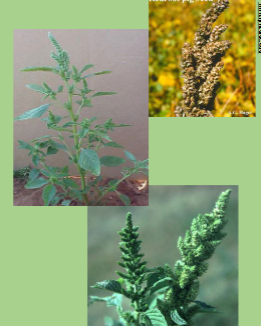
What plant is this?
Pigweed (Amaranthus sp.)
Pigweed toxins
Nitrates and oxalates
Clinical signs and Treatment of pigween toxicity
Perirenal edema - pigs, some cattle
Straw colored fluid in/around kidneys
Ascites/hydrothorax/edema
Renal toxicity - necrosis, increased BUN, Creat
Coma/death 2-15 days
Supportive care
Remove access to plants
Key characteristics of Pigweed
Large seed head - late summer, fall
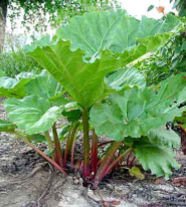
What plant is this?
Rhubarb (Rheum rhabarbarium)
Key characteristics of rhubarb
Large, board leaves
Red stems
Toxins in Rhubarb
Oxalic acid concentration in leaves (stems ok)
Ruminants are more tolerant, but still a concern
Clinical signs and treatment in rhubarb toxicity
GI: mouth/stomach irritation, abdominal pain, vomiting
Musculoskeletal: tremors, weakness
Hypocalcemia - oxalates bond to blood calcium
Renal: PU/PD, blood in urine
Calcium oxalate precipitates in renal tubules - nephrosis
Acute renal failure
Supportive care
IV fluids - calcium gluconate
Lavage/Gastroprotectants
Nitrate and Oxalate plants
Pigweed
Rhubarb - only oxalate
Positive effects of Gallotannins
Anti-inflammatory
Antibacterial
Antitumor
Modulation of hemostasis
Reduce production of toxic metabolites
Gallotannins
Tannins have been found in a variety of plants, fruits, wines, forages, and tea
Gallotannins (oak) and ellagitannins are the most widely occurring tannins

What plant is this?
Oak (Quercus sp.)
Toxins in Oak
Tannins
Highest concentration in young leaves (spring), oak buds, unripe green acorns (autumn)
Clinical Signs of Oak toxicity
Initial GI signs
Loss of appetite, black feces, diarrhea with blood
Weak, rapid pulse
Lethal kidney toxicity
Gallotannins convert to tannic acid and gallic acid
Frequent urination
Treatment for oak toxicity
Supportive care
IV fluids
Laxatives
Surgery
Rumenotomy/gastric lavage
Prevent by feeding quality forage

What plant is this?
Red maple (Acer rubrum)
Key characteristic of red maple
Smooth to moderate rough bark
Red petiole
Differentiate from silver/sugar maple
Horticulture cultivars not toxic
Toxins in red maple
Gallic acid?
Wilted leaves
Clinical Signs of red maple leaf toxicity
Only horses affected - remember clin path
Initial GI signs
Lethal kidney toxicity
Hemoglobin released from lysed RBCs (hemolysis)
Heinz body anemia and hemoglobinuria
Blood - decreased oxygen carrying capacity
Liver - icterus
Treatment of Red maple leaf toxicity
Maintain kidney function and tissue oxygenation 1st
Isotonic fluids to remove precipitate and flush renal tubules
Blood transfusions to increase oxygen carrying capacity
Supportive care
Activated charcoal, NSAIDS
Gallotannin plants
Oak
Red maple
Different glycosides
Cyanogenic (cyanide)
Mustard Oil
Saponin
Coumarin Glucosides
Cyanogenic Glycosides (cyanide)
Hydrolysis of certain enzymes during digestion produce hydrogen cyanide (prussic acid) - HIGHLY TOXIC
Prevents oxygen exchange with body tissues/brain
Respiratory: difficult, rapid respiration
CNS: muscle tremors, convulsions
Death occurs in MINUTES
Mustard Oil Glycosides
GI: severe vomiting, colic
Saponin Glycosides
GI: severe vomiting, diarrhea, colic
Bloodstream: breakdown RBCs
CNS: convulsions, paralysis
Coumarin Glucosides
Glycoside chemically derived from glucose
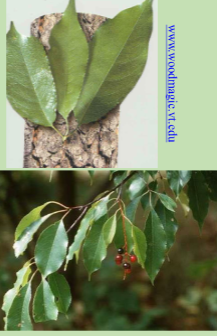
What plant is this?
Cherry tree (Prunus sp.)
Toxin in Cherry tree
Cyanide - conversion of glycoside
Clinical signs and treatment of Cherry tree toxicity
Rapid progression - excitement, tremors, convulsions, death (minutes)
First sign may be dead animals in pasture
Prevent access to pastures with down limbs or wilting leaves (Autumn)

What plant is this?
Ohio Buckeye Horse Chestnut tree (aesculus sp.)
Key characteristics of Ohio buckeye horse chestnut tree
Palmate five leaflets
Yellow flowers at end of branch
Prickly fruit with glossy brown seed
Toxin in the Ohio Horse Chestnut Tree
Aesculin - coumarin glucoside
Buds, nuts, leaves, bark, seedlings
Clinical signs and treatment of Ohio Buckeye Horse Chestnut tree toxicity
GI signs in monogastric
Salivation, vomiting, abdominal pain, diarrhea
Neurological signs in ruminants
Trembling, ataxia, difficulty breathing
Signs rarely severe, however poor prognosis if progresses to coma
Supportive care
Laxatives
IV fluids

What plant is this?
Grain Sorghum - Millet (Sorghum bicolor)
Key characteristics of Grain Sorghum
Large seed head
Slender leaves
Toxin in Grain Sorghum
Can contain toxic levels of cyanide and nitrates
Clinical signs of Grain sorghum toxicity
Ruminants rapidly absorb cyanide and nitrite ions - "brown blood"
Cyanotic membranes (hypoxia)
Dyspnea
Weakness/tremors
Ataxia
Respiratory/cardiac arrest

What plant is this?
Johnsongrass (Sorghum halepense)
Key characteristics of johnsongrass
Coarse perennial grass
Heights up to 8 ft
Large, open seed head
Often has brown blotched on leaves
Toxin in Johnsongrass
Can contain toxic levels of cyanide, nitrates, and hordenine (alkaloid)
Early growth - dark green leaves
CLinical signs of Johnsongrass toxicity
Anxiousness/stress
Deep, rapid breaths
Trembling/incoordination
Respiratory/cardiac arrest
Glycoside Plants
CHerry tree
Ohio Buckeye Horse Chestnut Tree
Grain Sorghum - Millet
Johnsongrass
Photosensitization
When an animal become sensitive to sunlight
Primary Phototoxin
Sensitize the skin through contact or ingestion
Unpigmented (white) skin affected
Sunburn, swelling, ulcers, blindness
Hepatogenic phototoxins/hepatotoxins
Toxins damage liver
Prevents phylloerythrin
Cicutoxin
Severe convulsant
Cicutoxins
Cicutoxin - severe convulsant
Causes death by respiratory paralysis resulting from disruption of the CNS
Potent, noncompetitive antagonist of gamma-aminobutyric acid (GABA) receptor

What plant is this?
St. John’s Wort (Hypericum sp.)
Key characteristics of St. John’s Wort
Shrub up to 6' tall, 3-5' wide
Five petal bright yellow flowers
Readily eaten by cattle
Toxin in St. Johns Wort
Hypericin
Affects all species
Clinical Signs of St. John’s Wort toxicity
Photosensitization of non-pigmented skin
Easily sunburned
Rash, blisters
Treatment of St. John’s Wort toxicity
Get animal into shade
Topical treatment based on severity
Pain management
Phototoxins/Hepatotoxin Plant
St. John’s Wort
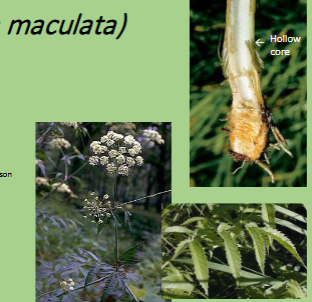
What plant is this?
Water Hemlock (Cicuta maculata)
Key characteristics of Water Hemlock
Carrot family- carrot-like odor (not definitive)
White flowers - umbrella clusters
Narrow, serrated leaves
Stem has hollow core
Can get confused with queen anne’s lace plant
Toxin in Water Hemlock
Cicutoxin
Extremely poisonous
Toxic at all growth stages - decreases through growing season
Root/tuber most toxic
Horse eating 8 oz. is lethal
Clinical signs of Water Hemlock toxicity
CNS - Stimulant, fits, convulsions
Hypothermia secondary
Respiratory paralysis
Rapid progression to coma, death (2 hrs)
Treatment of Water Hemlock toxicity
Extremely poor prognosis
Anticonvulsants
Supportive care
Cicutoxin Plant
Water Hemlock
Alkaloids
Organic, basis, bitter taste
Atropine
Nicotine
Strychnine
Morphine
Alkaloids effect on GI tract
Irritation
Nausea
Diarrhea
Colic
Alkaloids act on CNS
Muscle weakness
Blindness
Convulsions
Death
Ketones
When these are produced too quickly and build up in the blood, they can be toxic by making the blood acidic
Mycotoxins
Produced by fungi infecting the plant, not the plant itself
Certain environmental conditions must be met
White growing in field
After harvest when stored
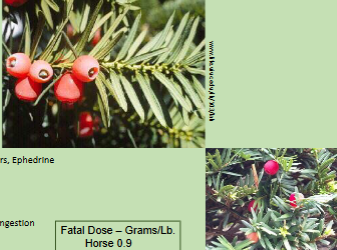
What plant is this?
Yew (Taxus sp.)
Key characteristics of Yew
Dark evergreen shrub
Flat needle leaves
Red cupped berry
Toxin in Yew
Taxines (A, B), Paclitaxel (Taxol), Hydrocyanic esters, Ephedrine
Highly toxic in ALL SPECIES (including humans)!
Toxic dose in cattle 0.5% of bodyweight
Toxic fresh or dried
Clinical Signs of Yew toxicity
RAPID ONSET - Often found dead, 24-48 hr post ingestion
Cardiac - bradycardia, acute cardiac failure
Treatment of Yew and Poison Hemlock toxicity
Supportive - often futile
Immediate emesis or gastric lavage
Activated charcoal and cathartic (MgSO4)
Atropine for bradycardia
What's the downside to using atropine?
Surgery - rumenotomy
Prevention is key
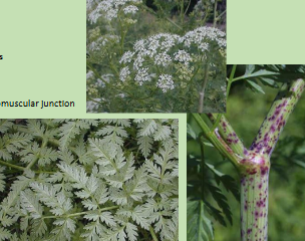
What plant is this?
Poison Hemlock (Conium maculatum)
Key characteristics of Poison Hemlock
Very tall!
In carrot family - looks, smell
Broad flowering head with many clusters of small white flowers
Purple blotches on stem definitive ID
Toxin in Poison Hemlock
Nicotinic alkaloid - nicotinic receptors within CNS @ neuromuscular junction
Entire plant - toxicity INCREASES through growing season
Roots and seeds highly toxic year round
Horse consuming 4-5lbs is lethal
Clinical Signs of Poison Hemlock in toxicity
RAPID ONSET - often found dead, 24-48 hr post ingestion
Cardiac - bradycardia, acute cardiac failure
CNS - trembling (overstimulation leading to paralysis (nicotinic receptor lockup at NMJ)
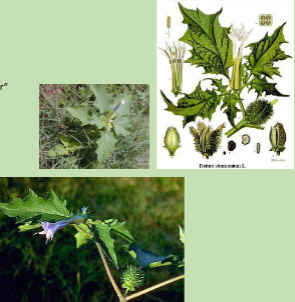
What plant is this?
Jimsonweed (Datura sp.)
Key characteristics of Jimsonweed
"red as a beet, dry as a bone, blind as a bat, and mad as a hatter"
"Loco weed"
Spikey leaves
Spikey seed pod
Toxin in Jimsonweed
Hyoscyamine, hyoscine, atropine - high doses
Alkaloid and anticholinergic
Atropine toxicity
Hallucinogenic at high doses
Smoking seeds/drinking tea has killed teenagers
Clinical Signs of Jimsonweed toxicity
CNS: Dilated pupils
Circulatory: Tachycardia
Musculoskeletal: muscle twitching, restlessness
Treatment of Jimsonweed toxicity
Parasympathetic stimulator drugs
Pilocarpine
Physostigmine

What plant is this?
Nightshades (Atropa sp.)
Key characteristics of Nightshades
Purple flowers with yellow center
Small green fruit turning to shiny red or black
Toxin in Nightshades
Tropane alkaloids - anticholinergic properties
Highest concentration roots, foliage and GREEN berries
Mature berries least toxic, sweet taste
Clinical signs of Nightshade toxicity
NS - weakness, coma, resp paralysis, death
Disruptions of PSNS to regulate involuntary activity
Treatment of nightshade toxicity
Same as for atropine - Parasympathetic stimulator drugs
Pilocarpine
Physostigmine
Alkaloid plants
Yew
Poison Hemlock
Jimsonweed
Nightshade
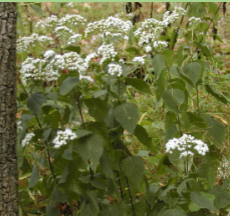
What plant is this?
What Snakeroot (Eupatorium rugosum)