EMSP 1501 Exam 1
 Call Kai
 Learn
Learn Practice Test
 Spaced Repetition
 Match
Match Flashcards
 Knowt Play
1/224

There's no tags or description
Looks like no tags are added yet.
Name | Mastery | Learn | Test | Matching | Spaced | Call with Kai | Chat |
|---|
No analytics yet
Send a link to your students to track their progress
225 Terms
Medical Director
Doctor who is legally responsible for clinical aspects of an EMS system
Abandonment
Leaving a patient without ensuring proper transfer of care
Simple Negligence
Misfeasance: no intent to do harm, but treatment deviates from standard of care
Gross Negligence
Malfeasance: willful and wanton action that causes harm
Duty to Act
Obligation of EMT to respond and provide care
Proximate Cause
Injury was direct result of EMT’s negligence
Damage
Real, recognizable, and demonstrable injury
Breach of Duty
EMT with duty to act fails to live up to standard of care
Assault
Putting another person in fear of harm
Battery
Touching another person without their consent
Good Samaritan Law
Protects off-duty medic from liability for acts performed in good faith unless gross negligence is involved
Standard of Care
Care expected of any EMT under similar circumstances
Scope of Practice
Actions that an EMT can perform as defined by law
Off-Line Medical Direction
Consists of pre-established protocols, guidelines, and standing orders developed by the medical director. EMTs follow these protocols in the field without needing direct consultation every call.
On-Line Medical Direction
Involves direct communication between EMS providers and a physician (medical director) via radio, phone, or other communication devices. Allows EMTs to receive real-time guidance for specific situations.
Informed Consent
Patient agrees to treatment after being told risks and consequences, and indicates they understand
Involuntary Consent
Used when a patient refuses treatment but is in custody
Implied Consent
Used when a patient is unconscious or not competent
Prone
Patient lying face down
Supine
Patient lying face up
Lateral Recumbent
Patient lying on their side
Proximal
Nearer to the point of reference
Distal
Away from point of reference
Lateral
Away from the midline
Medial
Toward the midline
Bilateral
Both sides of the midline
Anterior/ventral
Toward the front
Posterior/Dorsal
Toward the back
Superior
Toward the head
Inferior
Toward the feet
Systolic BP
Pressure exerted against walls of arteries when heart contracts
Diastolic BP
Pressure exerted against walls of arteries when heart is at rest
Pulse Pressure
Difference between systolic and diastolic blood pressures
Artery
Carries blood away from heart
Vein
Carries blood to the heart
Perfusion
Delivery of oxygen/nutrients and removal of wastes by blood
Defusing
Informal session following a critical call that allows responders to vent their emotions
Debriefing (CISD)
Formal meeting 2-3 days after a critical call attended by mental health professionals to help responders deal with stress reactions
Stroke Volume
Amount of blood ejected by left ventricle with each contraction
Cardiac Output
Amount of blood ejected by left ventricle in one minute. Heart rate times stroke volume
Tidal Volume
Amount of air taken into lungs with each inhalation
Baroreceptors
Receptors that detect changes in blood pressure
Chemoreceptor
Receptors that monitor pH, CO2, and O2 levels in blood
Right Upper Quadrant

Left Upper Quadrant

Right Lower Quadrant

Left Lower Quadrant

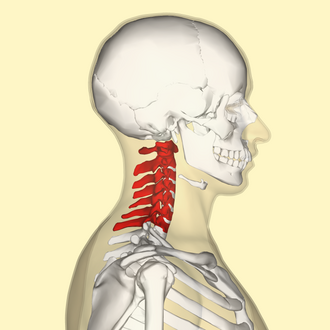
Cervical
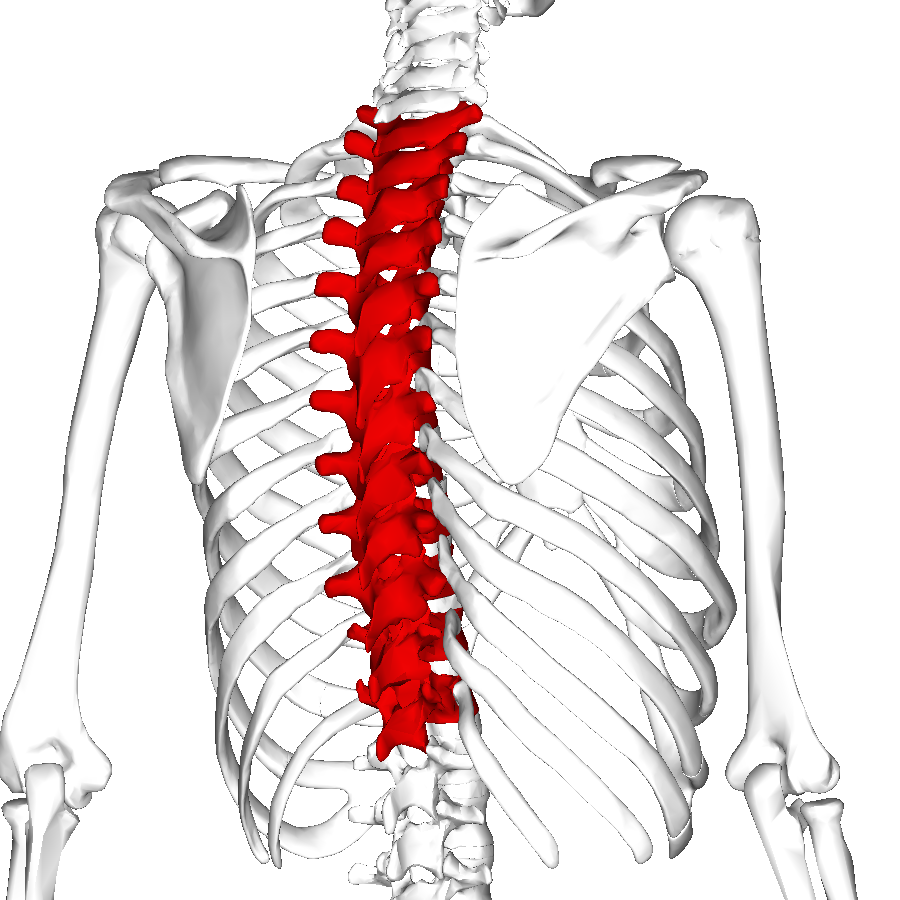
Thoracic
Lumbar

Sacrum

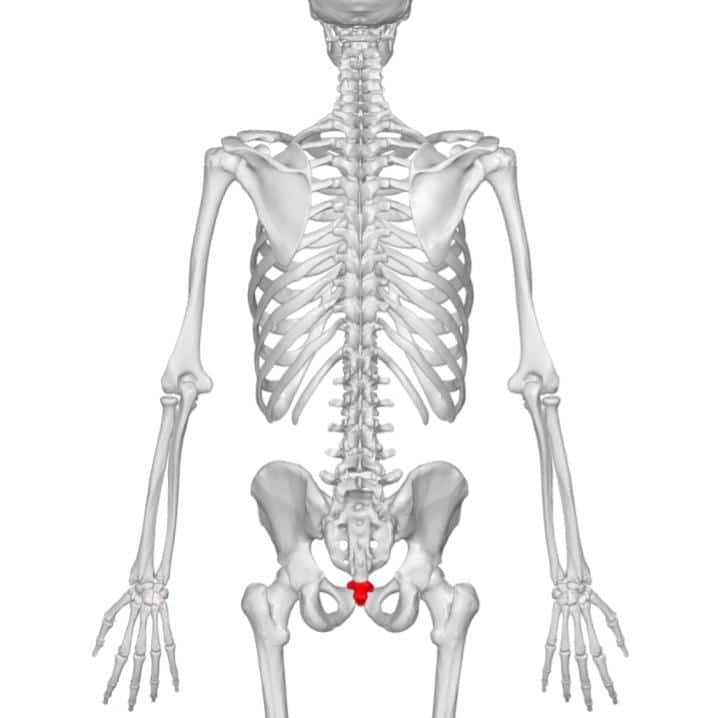
Coccyx
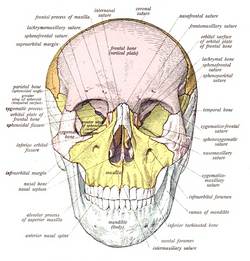
Skull
Mandible

Clavicle

Sternum
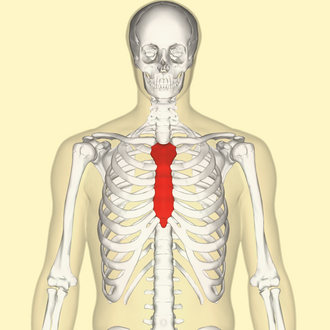
Humerus

Radius
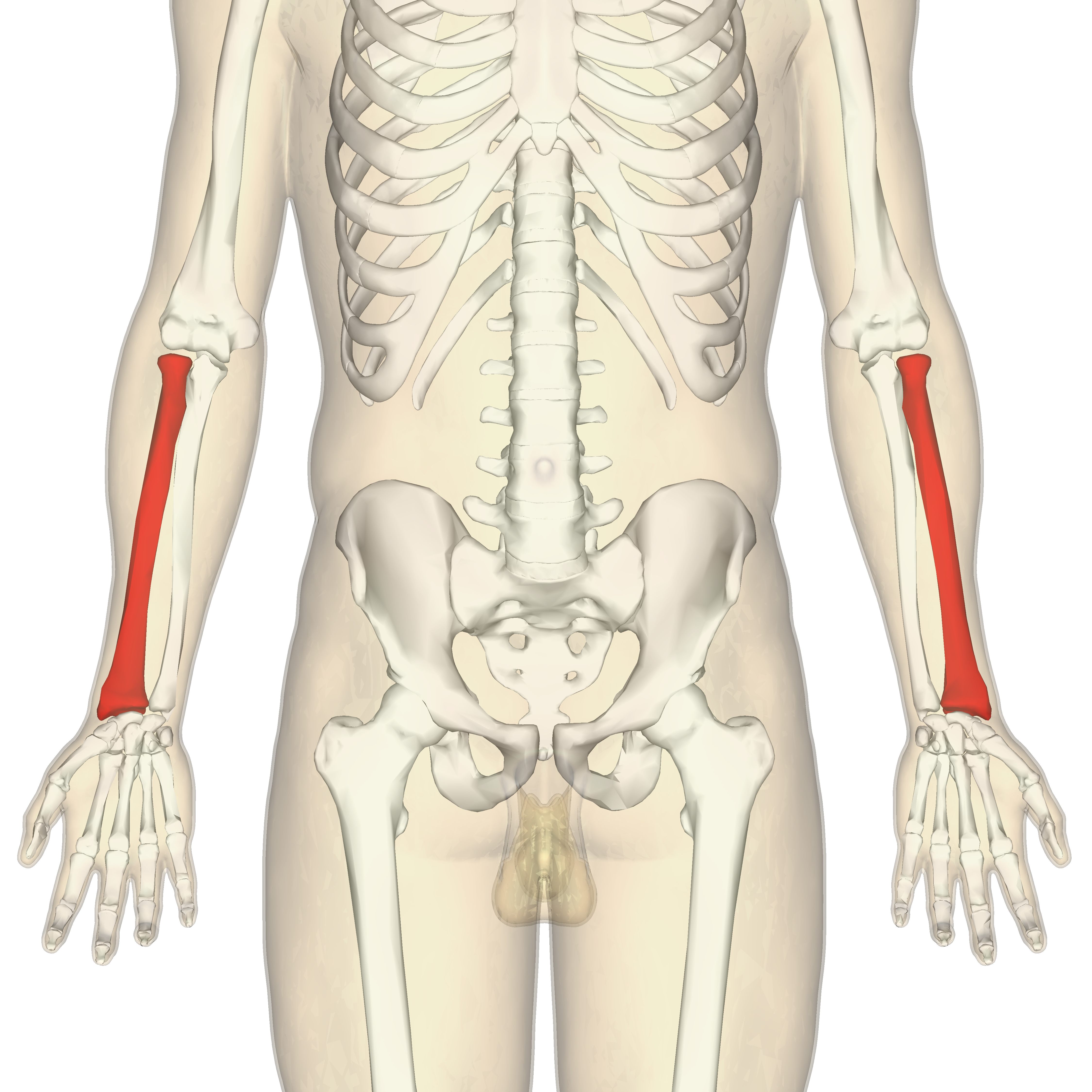
Ulna
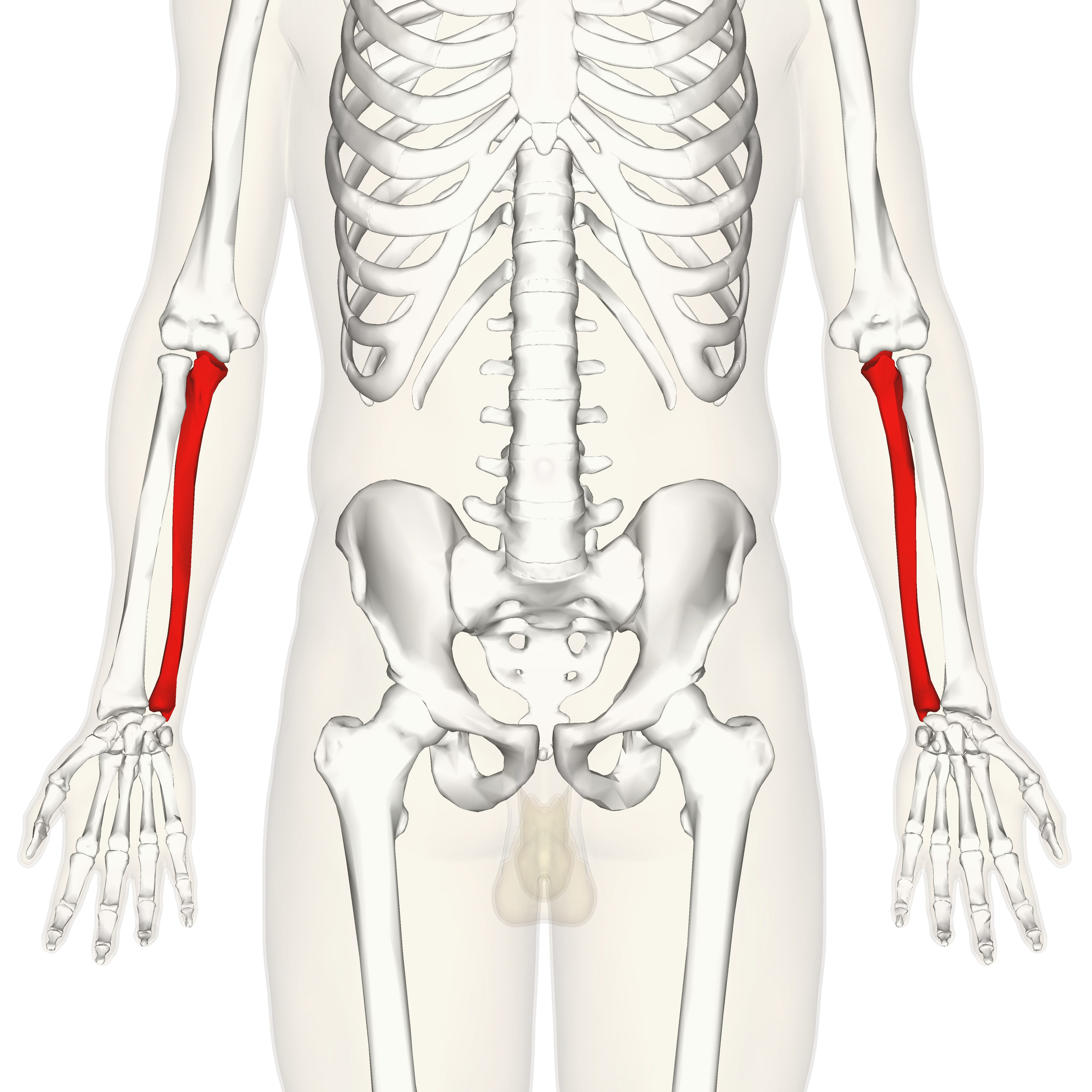
Femur

Pelvis

Patella

Tibia

Fibula

Carpals

Tarsals

Metacarpals

Phalanges
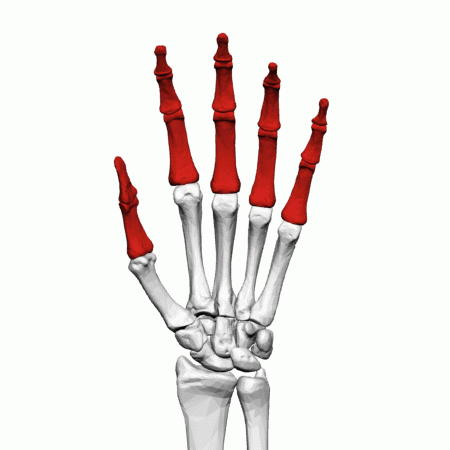
Ligaments
Attach bone to bone
Tendons
Attach muscle to bone
Emergency Medical Responder (EMR)
Provides immediate, basic care while awaiting higher-level EMTs. This includes controlling bleeding, basic airway management, CPR, and used automated external defibrillator (AED)
Emergency Medical Technician (EMT)
Provides basic life support, which includes patient assessment, oxygen administration, use of adjuncts for airway management (eg oropharyngeal and nasopharyngeal airways), splinting of fractures, spinal immobilization, patient transport, and basic medication administration (aspirin, oral glucose)
Advanced EMT (AEMT)
Offers a higher level of care than EMTs, including intravenous (IV) therapy, advanced airway management (eg supraglottic airways), and administration of a broader range of medications (e.g. epinephrine, naloxone)
Paramedic
Provides advanced life support (ALS), including endotracheal intubation, electrocardiogram (ECG) interpretation, cardiac pacing, manual defibrillation, advanced pharmacology, and management of complex medical emergencies (cardiac arrest etc)
Emergency Medical Dispatch (EMD)
Acts as initial point of contact for emergency calls. Dispatchers assess the severity of the situation, provide pre-arrival instructions, and allocate the appropriate resources
EMS Personnel
Provide pre-hospital medical care based on their certification level and transport patients to healthcare facilities
Medical Direction
Provides clinical oversight, develops treatment protocols, and guides patient care
Transport Services
Includes ambulances, hospitals, or other vehicles equipped to transport patients safely to medical facilities
Receiving Facilities (Hospitals)
Offer definitive care including emergency departments
Public Health Services
Collaborate with EMS for large-scale health emergencies
Evidence-based Medicine
Making clinical decisions based on the best available, current, and scientifically valid research. This approach combines clinical expertise with patient values and the best research information to improve patient care.
Patient Advocacy
Acting in the best interest of the patient throughout care. Includes protecting their privacy, respecting their wishes, providing necessary information for informed decisions, and ensuring their dignity and safety during care and transport
Acute Stress
Occurs during or immediately after a stressful event (e.g. scene of an accident). Symptoms include rapid heart rate, sweating, heightened alertness, and emotional distress
Delayed Stress
Develops after a stressful event has passed, sometimes weeks, months, or even years later. Symptoms include flashbacks, nightmares, avoidance behaviors, and emotional distress
Cumulative Stress
Results from prolonged exposure to stress over time, leading to physical and emotional exhaustion Symptoms include irritability, detachment, loss of empathy, sense of disillusionment, and decrease in performance
Ways of protection
Hand hygiene, use of PPE, safe handling, respiratory hygiene
Handwashing
Most effective way to protect against pathogens
Covid-19
PPE necessary for prevention of this is N95, eye protection, and gown
Hepatitis
PPE necessary for prevention of this is gloves, gown and face protection if risk of splashing blood or body fluids
HIV
PPE necessary for prevention of this is gloves. Additional PPE (gowns, masks, face protection) if risk of blood or other bodily fluids.
Tuberculosis (TB)
PPE necessary for prevention of this is N95 mask.
Expressed Consent
Given verbally or non-verbally by a competent adult who understands the nature of the treatment.Examples include nodding or verbal agreement to care.
Competency
A legal determination made by a court about an individual’s ability to make decisions. Usually applies to long-term decision-making abilities, such as managing finances.
Capacity
A clinical assessment of a person’s ability to understand information, appreciate the situation, and make an infored decision about their medical care.
Do Not Resuscitate
A legal document that instructs healthcare providers not to perform CPR or other life-saving interventions if the patient’s heart stops beating or they stop breathing.
EMTALA
Ensures access to the public of healthcare regardless of ability to pay
Emergency Move
Used when a patient must be moved immediately due to a life-threatening situation that puts the patient or rescuer in danger.
Urgent Move
Used when a patient’s condition requires quick transport, but there is no immediate threat to life.
Rapid Extrication Technique
Used to quickly remove a patient from a vehicle while maintaining spinal precautions
Non-Urgent Move
Used when there is no immediate threat to the patient’s life, allowing for careful, deliberate move.