FRESHMAN HONORS BIOLOGY FINAL
 Call Kai
 Learn
Learn Practice Test
 Spaced Repetition
 Match
Match Flashcards
 Knowt Play
1/164

There's no tags or description
Looks like no tags are added yet.
Name | Mastery | Learn | Test | Matching | Spaced | Call with Kai | Chat |
|---|
No analytics yet
Send a link to your students to track their progress
165 Terms
Biotic
living factors that influence an ecosystem
Abiotic
non-living factors that influence an ecosystem and an organisms life.
Temperature
Moisture
Light
Soil
Levels of Organization
Living things may be studied on many different levels. Levels of organization range from simple to complex:
Cells
Tissues
Organs
Organ Systems
Organisms
Population
Community
Ecosystem
Biosphere
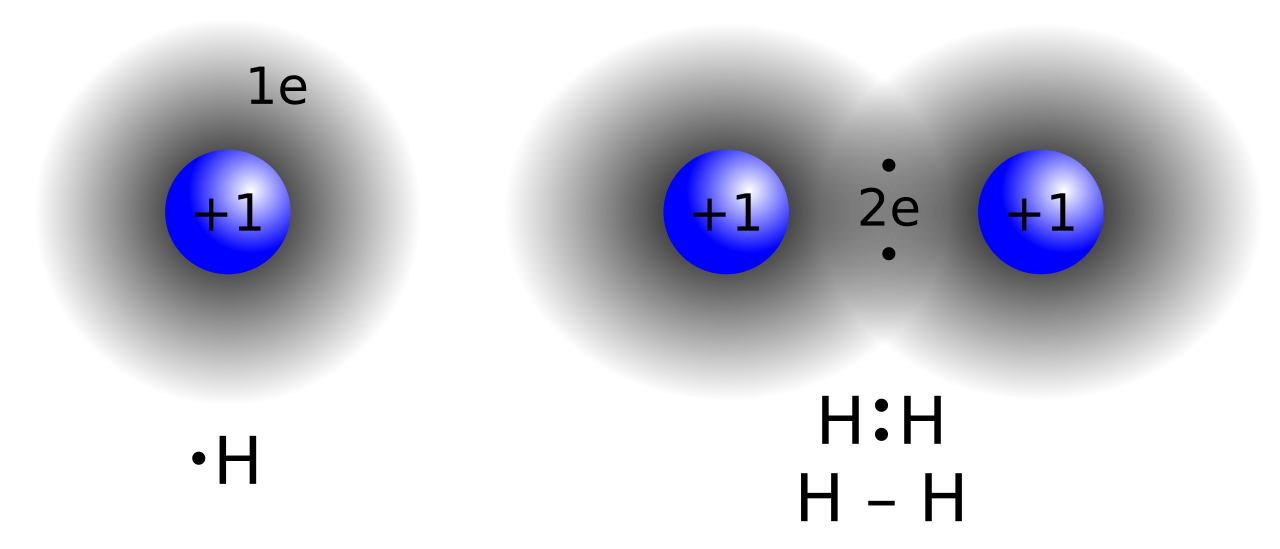
Covalent bonds
formed when two elements share one or more electrons
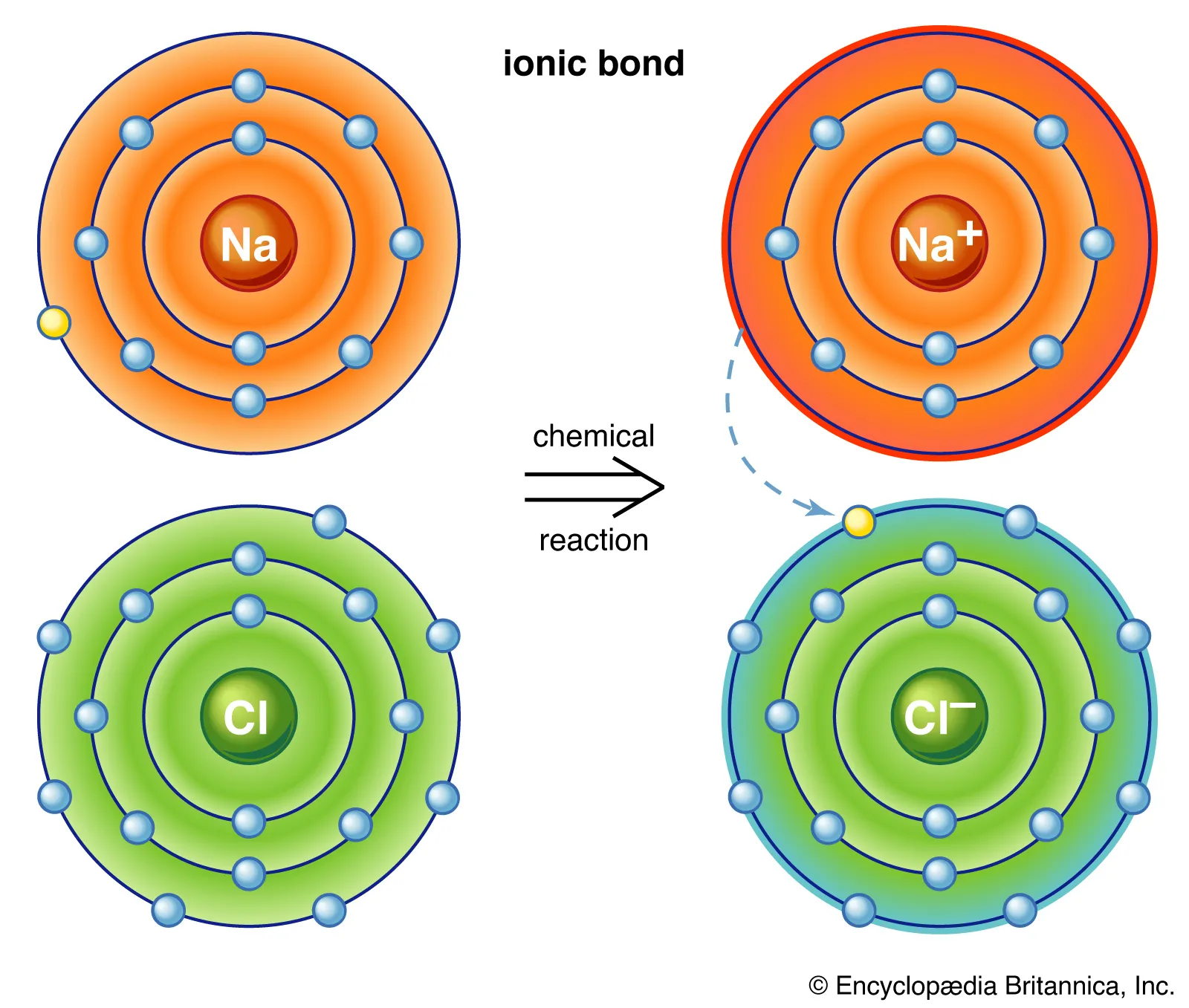
Ionic bonds
formed when an electron is transferred from one atom to another
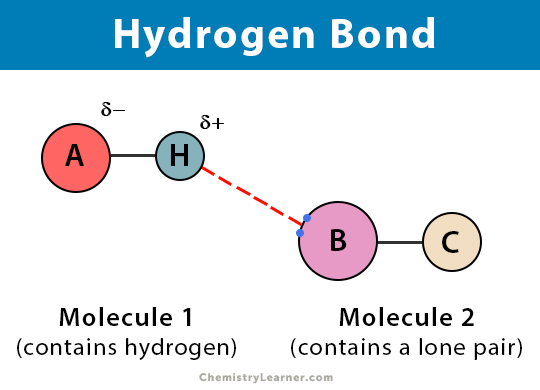
Hydrogen bonds
the electromagnetic interaction of a hydrogen atom and an electronegative atom, such as nitrogen or oxygen
classified as weak bonds because they are easily and rapidly formed and broken under normal biological conditions
What are the parts of a chemical equation?
2H2 + O2 = 2H2O
A chemical equation includes:
Reactants and products
Arrow shows the direction of the process
The ratio and number of molecules involved.
6 Essential Elements for Life
Sulfur | S |
Phosphorus | P |
Oxygen | O |
Nitrogen | N |
Carbon | C |
Hydrogen | H |
SPONCH!!!!!!
Organic
compounds that contain Carbon atoms that are covalently bonded to other elements, typically hydrogen, oxygen and other carbon atoms
LIPIDS CARBOHYDRATES NUCLEIC ACIDS AND PROTEIN
Lipids
Elements: Carbon, Hydrogen, Oxygen
Structure: 3 fatty acid chains linked by a glycerol backbone
Function: building blocks of the cell membrane and energy
LONG TERM ENERGY STORAGE
Examples: cholesterol, fats. Fatty acids. Cell membranes
Carbohydrates
Elements: Carbon, Hydrogen, Oxygen
Structure: monosaccharides (glucose molecules) bonded together in long chains called polysaccharides (starch)
Function: key source of energy
Short term usable energy
Examples: sugar and starch
Proteins
Elements: Carbon, Hydrogen, Oxygen, Nitrogen
Structure: amino acids are bonded in long chains that coil around each other into specific shapes called proteins
Function: some proteins are enzymes (speed up reactions) some are structural (hair, muscle, skin, tendons etc…) and some are antibodies (protect body from infections)
Examples: enzymes, collagen, antibodies
Nucleic Acids
Elements: Carbon, Hydrogen, Oxygen, Nitrogen, Phosphorus
Structure: long chain of nucleotides bonded together
Functions: some are DNA (store hereditary info) and some are RNA (aid in building proteins)
Examples: DNA, RNA
Carbohydrates are made of…
simple sugars
Lipids are made of…
fatty acids
Nucleic acids are made of…
nucleotides
Proteins are made of…
Amino Acids
Function of carbohydrates
mains source of energy
Functions of lipids
Stores Energy
Part of membranes (keeps substances in & out)
Functions of nucleic acids
Stores and transmits genetic information
Functions of proteins
Controls rates of reactions
Forms bones and muscles
Fights diseases
Enzymes
proteins that act as catalysts and help complex reactions occur everywhere in life.
Ends in “ase”
Factors affecting the function of an enzyme:
pH
work well within very specific ranges
Temperature
98.6 degrees faranheit
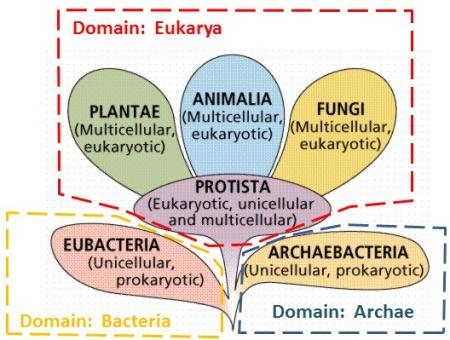
What is a eukaryote?
A eukaryote is any organism consisting of one or more cells that contain DNA in a membrane-bound nucleus, separate from the cytoplasm.
Eukaryotes include:
protists
fungi
plants
animals
All eukaryotic cells contain a large number of specialized, membrane-bound organelles.
What is a prokaryote?
any organism – usually single-celled – whose DNA is suspended freely in the cytoplasm. The word means “before the nucleus”.
can be divided into two groups:
bacteria
archaea.
simpler structure than eukaryotes
3 Domains and 6 Kingdoms
Blue Apes Exist
Every Angel Plays Flute Perfectly Always
Ribosome
Nickname: Protein factory
Function: Make proteins
Can be found alone in the cytoplasm or attached to the rough endoplasmic reticulum.
Mitochondria
Nickname: The Powerhouse
Function:
Energy formation.
Breaks down food to make ATP
ATP: is the major fuel for all cell activities that require energy
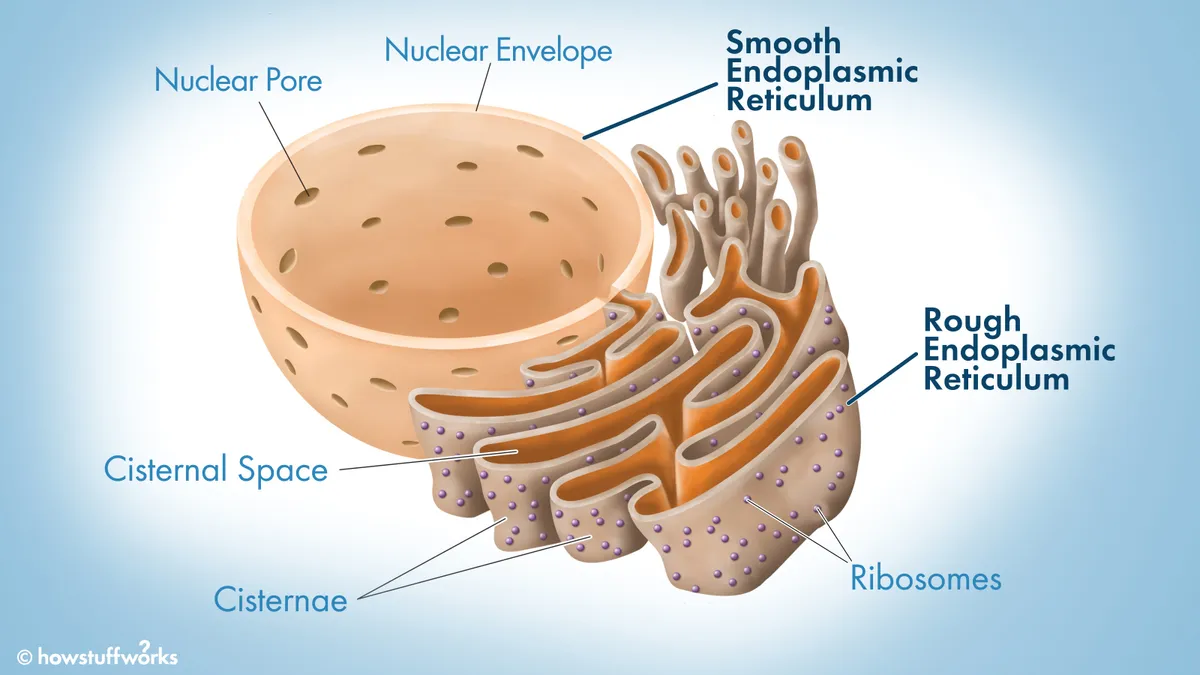
Endoplasmic Reticulum
Function: Internal production & delivery system of the cell.
System of membranous channels
Rough ER is studded with ribosomes. Modifies & transports proteins. located in nucleus
Smooth ER lacks ribosomes. Makes lipids and breaks down toxins. Located in cytoplasm
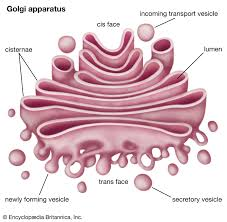
Golgi Apparatus
Nickname: The Shippers
Function: Packages, modifies, and transports proteins to different location inside/outside of the cell.
Appearance: Stack of pancakes
Receives protein and also lipid-filled vesicles from the ER, packages, processes, and distributes them within the cell or for export out of the cell (secretion).
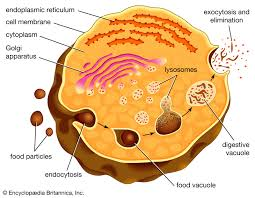
Lysosomes
Nickname: Clean-up crew
Function: Break down food into particles the rest of the cell can use and to destroy old cells
Located in cytoplasm
Contain enzymes and are involved in intracellular digestion.
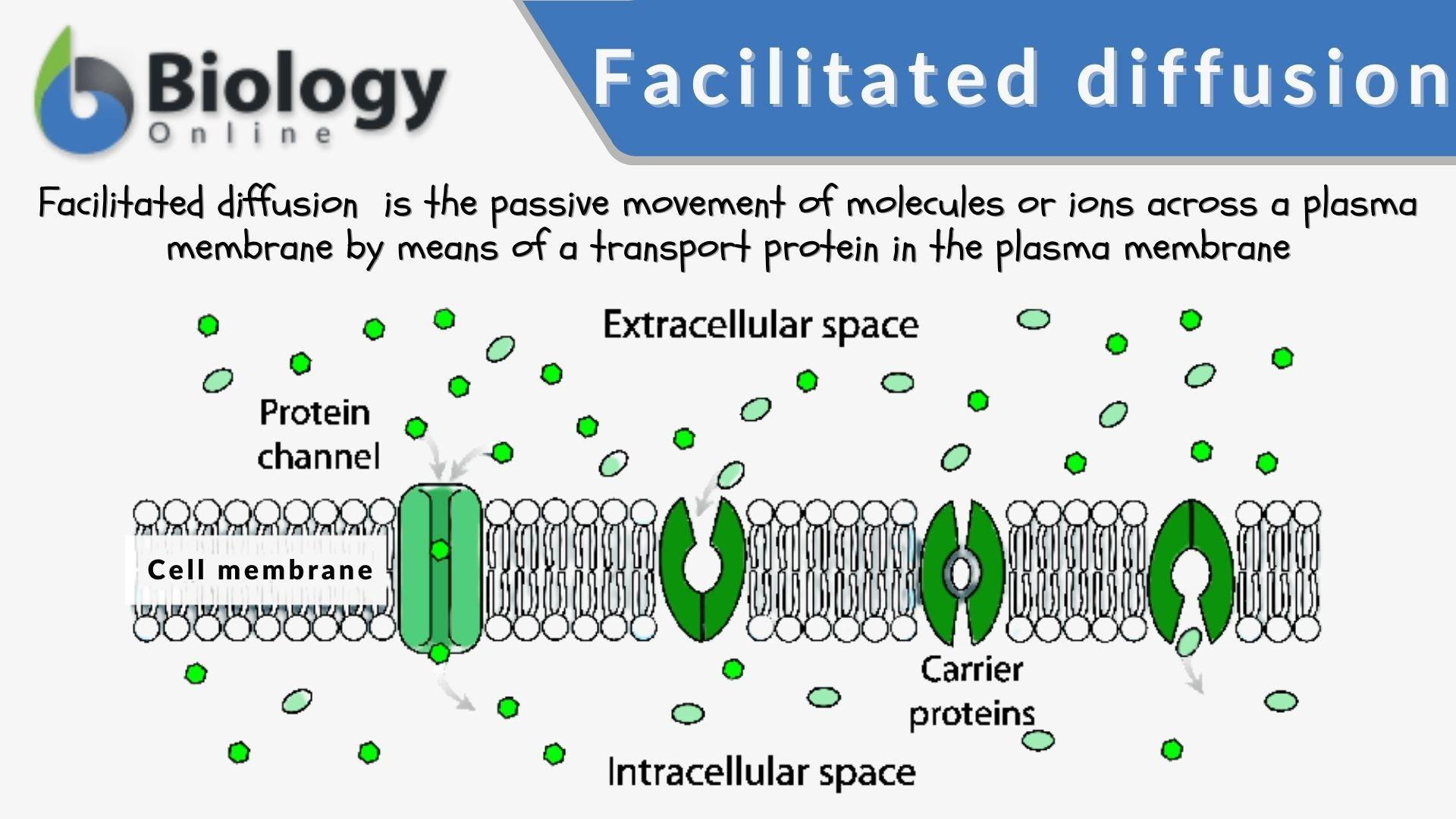
Facilitated Diffusion
Proteins assist in diffusion of molecules across plasma membrane.
From high to low concentration – requires no energy from cell
- Glucose, sodium ions and chloride ions are just a few examples of molecules and ions that must efficiently get across the plasma membrane but to which the lipid bilayer of the membrane is virtually impermeable. Their transport must therefore be "facilitated" by proteins that span the membrane and provide an alternative route or bypass.
Osmosis (passive transport)
- Diffusion of water across the plasma membrane.(partially permeable) in order to equalize the solute concentrations on the two sides
Osmosis provides the primary means by which water is transported into and out of cells.
Moves from high to low.
Requires no energy from cell
Tonicity
is a measure of the osmotic pressure gradient of two solutions separated by a semipermeable membrane.
It is commonly used when describing the response of cells immersed in an external solution
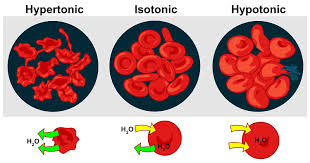
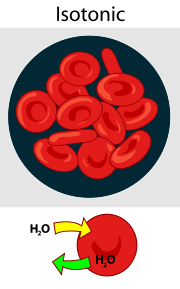
Isotonic
no net movement of water between cell and environment
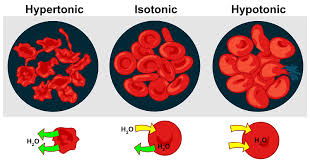
Hypertonic
A cell in a hypertonic solution has a lower concentration of solutes than its surroundings, leading to a decrease of water in the cell. Water will always move toward a hypertonic environment!!
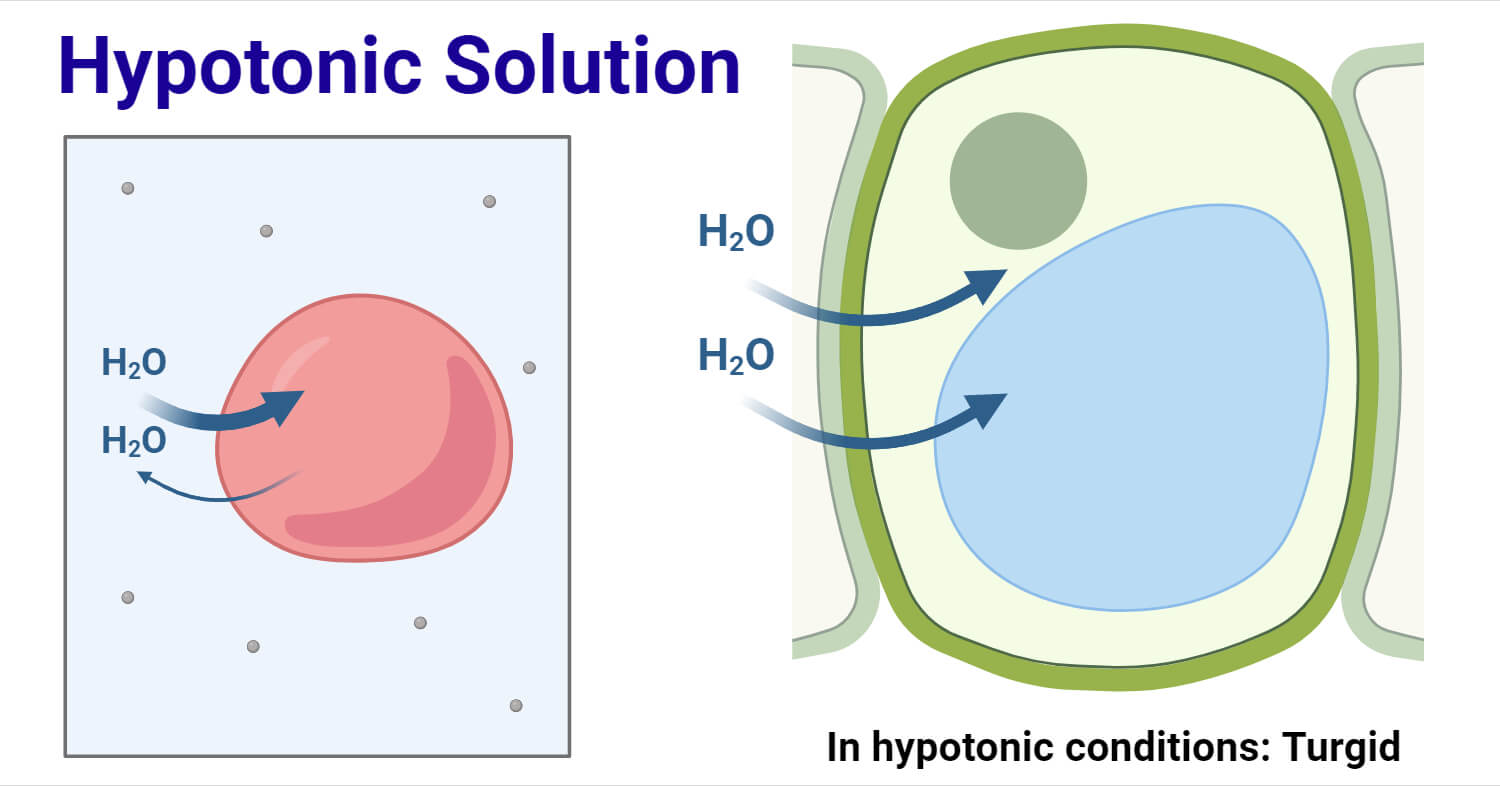
Hypotonic
A cell in a hypotonic solution has a higher concentration of solutes than the surrounding solution, causing water to flow into the cell.
Active Transport
how most molecules move across the plasma membrane.
Analogous to a pump moving water uphill. Uses energy from low to high
(ATP) drives substances across the plasma membrane with the aid of carrier molecules.
Analogous
biological features in different species that serve the same function but evolved independently, rather than from a shared evolutionary ancestor
Vacuole
Stores water
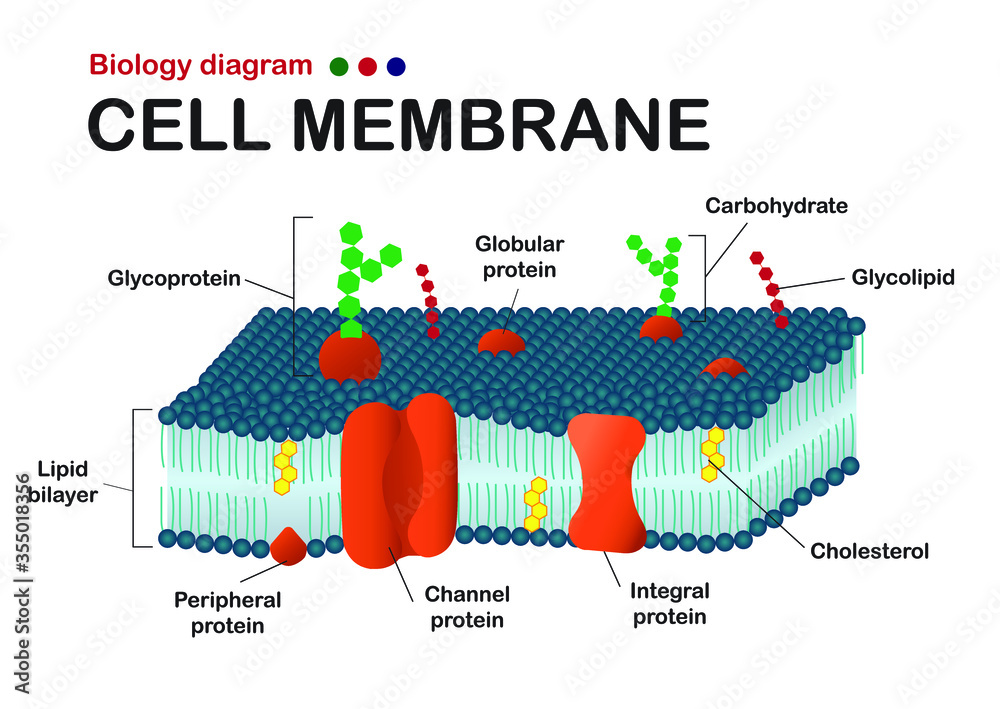
Structure of cell membranes
primarily composed of a mix of proteins and lipids.
Lipids help to give membranes their flexibility
Proteins monitor and maintain the cell's chemical climate and assist in the transfer of molecules across the membrane.
Lipid Bilayer
Layer in cell membrane
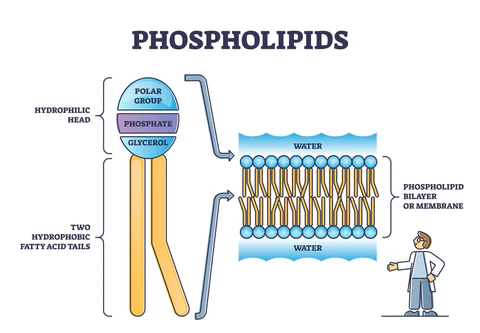
2 layers of phospholipids
Phosphate head is polar (water loving)
Fatty acid tails are non-polar (water fearing)
Proteins embedded in membrane
Polar HEADS
LOVE water and dissolve
think about how polar bears love water!
non-polar TAILS
opposite of polar!
hide from water
whats in cell membrane
phospholipids
transport proteins
lipid bilayer
proteins
phospholipids
a class of amphipathic lipids that serve as the fundamental structural component of all cell membranes
Types of Cellular Transport
passive and active transport
passive transport
cell doesn’t use energy
Diffusion
Facilitated Diffusion
Osmosis
active transport
cell does use energy
Protein Pumps
Endocytosis
Exocytosis
3 Types of Passive Transport
Diffusion
Facilitative Diffusion – diffusion with the help of transport proteins
Osmosis – diffusion of water
Active Transport
cell uses energy (ATP) to actively move molecules to where they are needed
Carrier proteins in the cell membrane
Movement from an area of low concentration to an area of high concentration . Against the concentration gradient
Low 🡪 High concentration
Protein Pumps
help with active transport
transport proteins that require energy to do work
Example: Sodium / Potassium Pumps are important in nerve responses.
it changes shape which requires protein!
Endocytosis
help active transport
taking bulky material into a cell
Uses energy
Cell membrane in-folds around food particle
“cell eating”
forms food vacuole & digests food
This is how white blood cells eat bacteria!
Exocytosis
helps with active transport
Forces material out of cell in bulk
membrane surrounding the material fuses with cell membrane
Cell changes shape – requires energy
EX: Hormones or wastes released from cell
Autotrophs
Also called producers
Use energy from the sun or chemicals to make organic food molecules (carbohydrates – glucose!)
Plants!
Heterotrophs
Also called consumers
Eat other organisms
US!
chemical formula of ATP
ten carbon atoms, sixteen hydrogen, five nitrogen, thirteen oxygen and 3 phosphorus atoms.
The shorthand formula is C10H16N5O13P3
How Do We Get Energy From ATP?
By breaking the high- energy bonds between the last two phosphates in ATP
MAKING ATP
ATP is formed by ADP (adenosine and two phosphates) bonding with another phosphate. This bond stores the energy.
When the bond is broken the energy is released to be used by the cell
ADP can be reused to store more energy and released when required
When is ATP Made in the Body?
During a Process called Cellular Respiration
Cellular Respiration
is the process that releases energy by breaking down food molecules in the presence of oxygen.
how many ATP molecules come from one glucose
38
Aerobic
Glycolysis in cytoplasm
With oxygen - mitochondria
Produces up to 38ATP molecules
Anaerobic
Glycolysis in cytoplasm
No oxygen
2 ATP molecules
Function of cellular respiration
energy release
location of cellular respiration
mitchondria
What are the two types of cells?
Prokaryotic
Eukaryotic
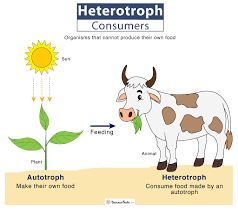
Heterotrophs
Heterotrophs are the consumers in the food chain, particularly the herbivores are the consumers in the food chain, particularly the herbivores, carnivores are the consumers in the food chain, particularly the herbivores, carnivores and omnivores.
All animals, some fungi and most bacteria are heterotrophs.
They are not capable of producing their own food. Therefore, they obtain their energy requirements by feeding on organic matter or another organism.
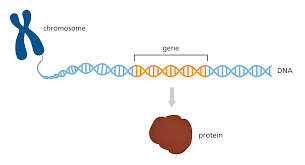
Gene
a segment of DNA that codes for a protein, which in turn codes for a trait (skin tone, eye color..etc), a gene is a stretch of DNA.
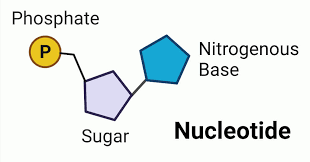
Nucleotide
consists of a sugar, phosphate and a base
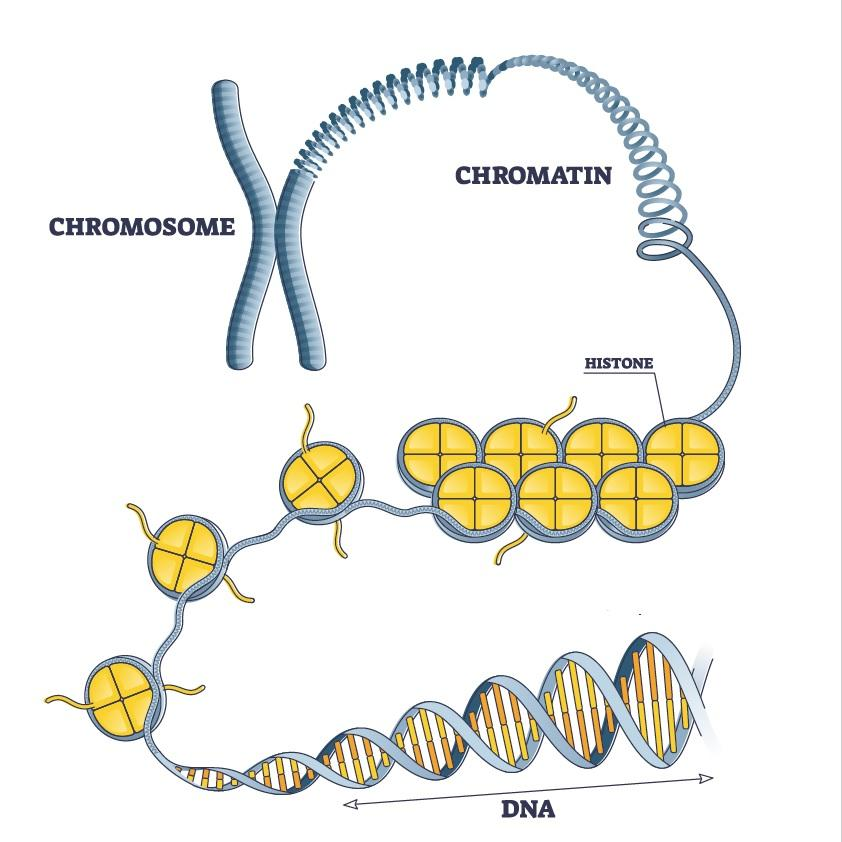
Organization of DNA
Chromatin = combination of DNA and proteins that make up the contents of the nucleus of a cell.
Chromatin condenses into chromosomes
Prokaryotic means
before a nucleus
Eukaryotic
possessing a true nucleus
waston and crick
1953
determined structure of DNA
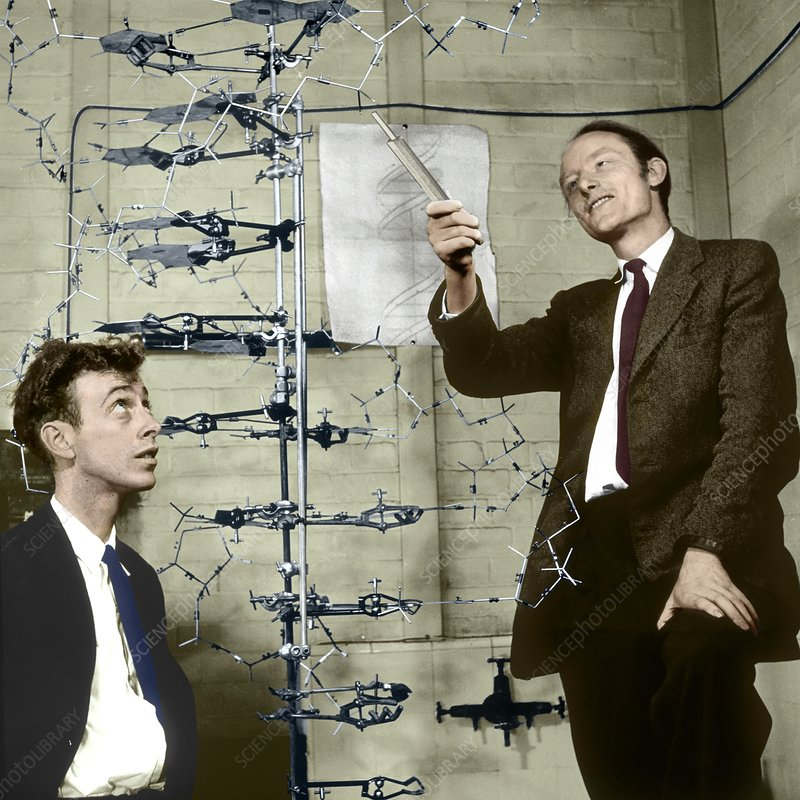
shape of dna
double helix
sub-units of DNA
nucleotides
RNA
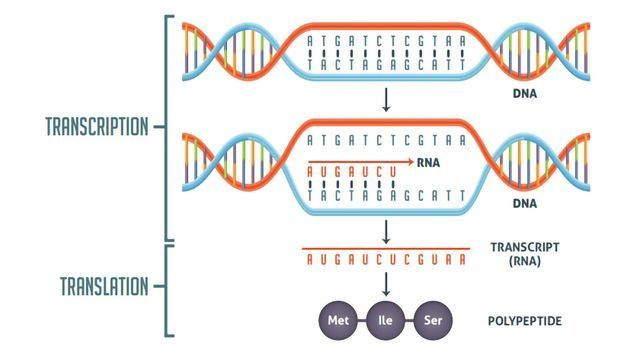
DNA remains in the nucleus, but in order for it to get its instructions translated into proteins, it must send its message to the ribosomes, where proteins are made. The chemical used to carry this message is Messenger RNA
RNA = ribonucleic acid.
RNA is similar to DNA except:
1. has one strand instead of two strands.
2. has uracil instead of thymine
3. has ribose instead of deoxyribosemRNA has the job of taking the message from the DNA to the nucleus to the ribosomes.
Transcription
RNA is made from DNA
Translation
Proteins are made from the message on the RNA
chromosome
compact spool of DNA
how many chromosomes do humans have
46
23 from mom
23 from dad
diploid cells
two daughter cells that come from mitosis
centromere
attached part of the “sister” chromatids
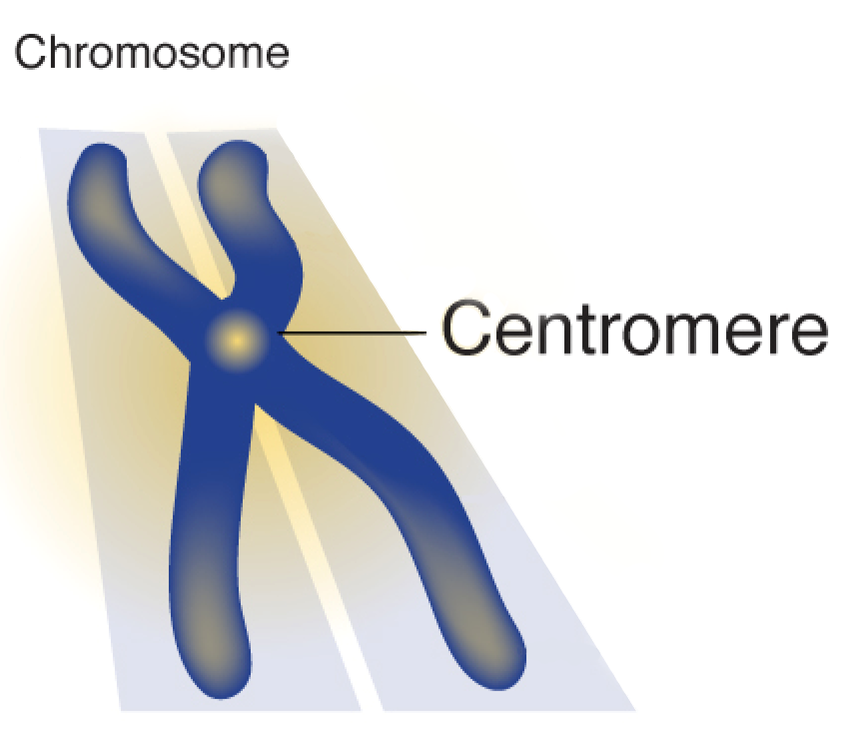
chromatids
each “noodle” of a chromosome

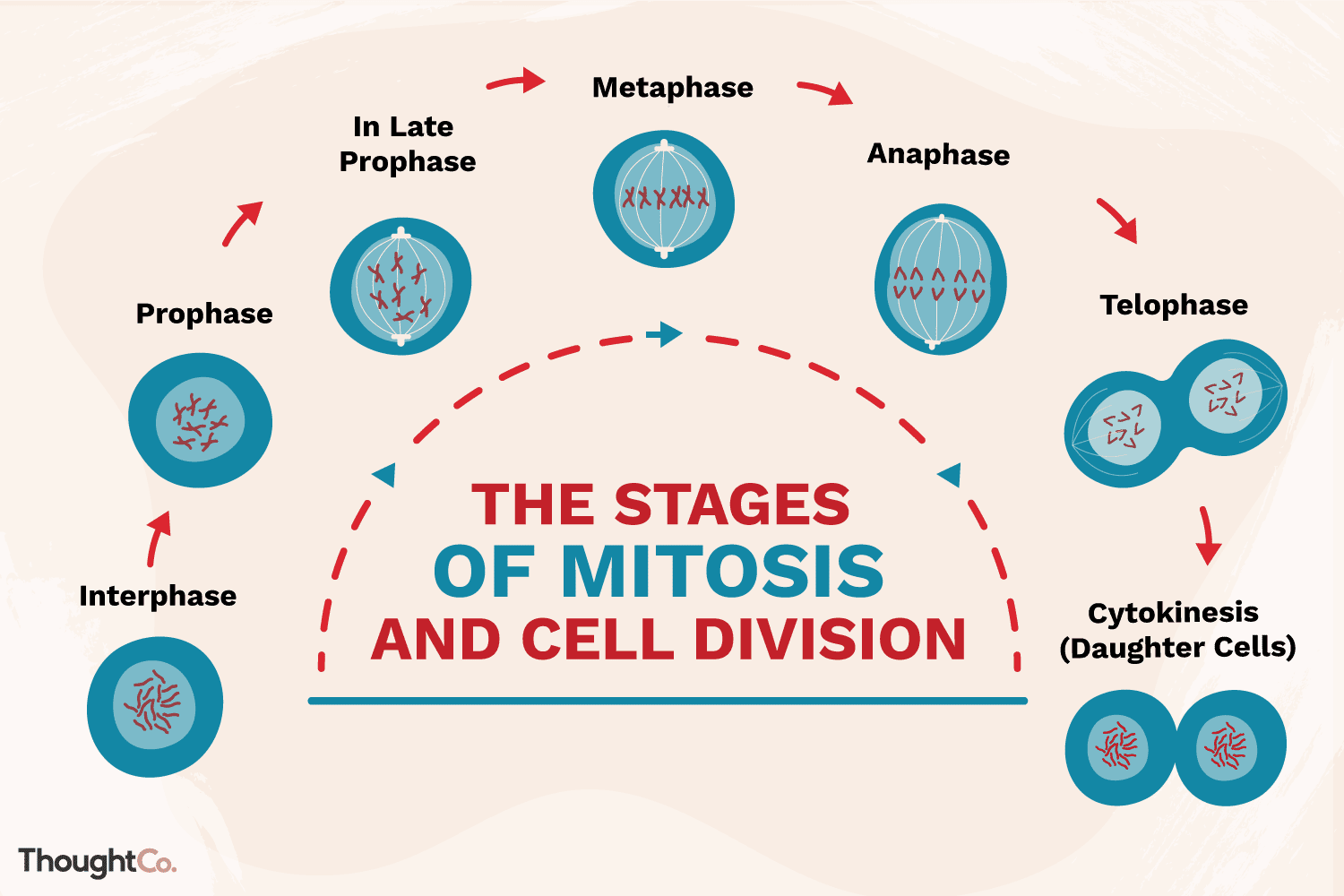
Mitosis
division of the nucleus into 2 nuclei, each with the same number of chromosomes
Mitosis occurs in all the somatic (body) cells
happens so each daughter cell can have a complete set of CHROMOSOMES in the nucleus
PMAT!!!!!!!!!!!!!!!!!!!!!!!
Cell Cycle
series of events cells go through as they grow and divide
Cell grows, prepares for division, then divides to form 2 daughter cells – each of which then begins the cycle again
the WHOLE cell cycle is an extended version of PMAT. it is IPMATC
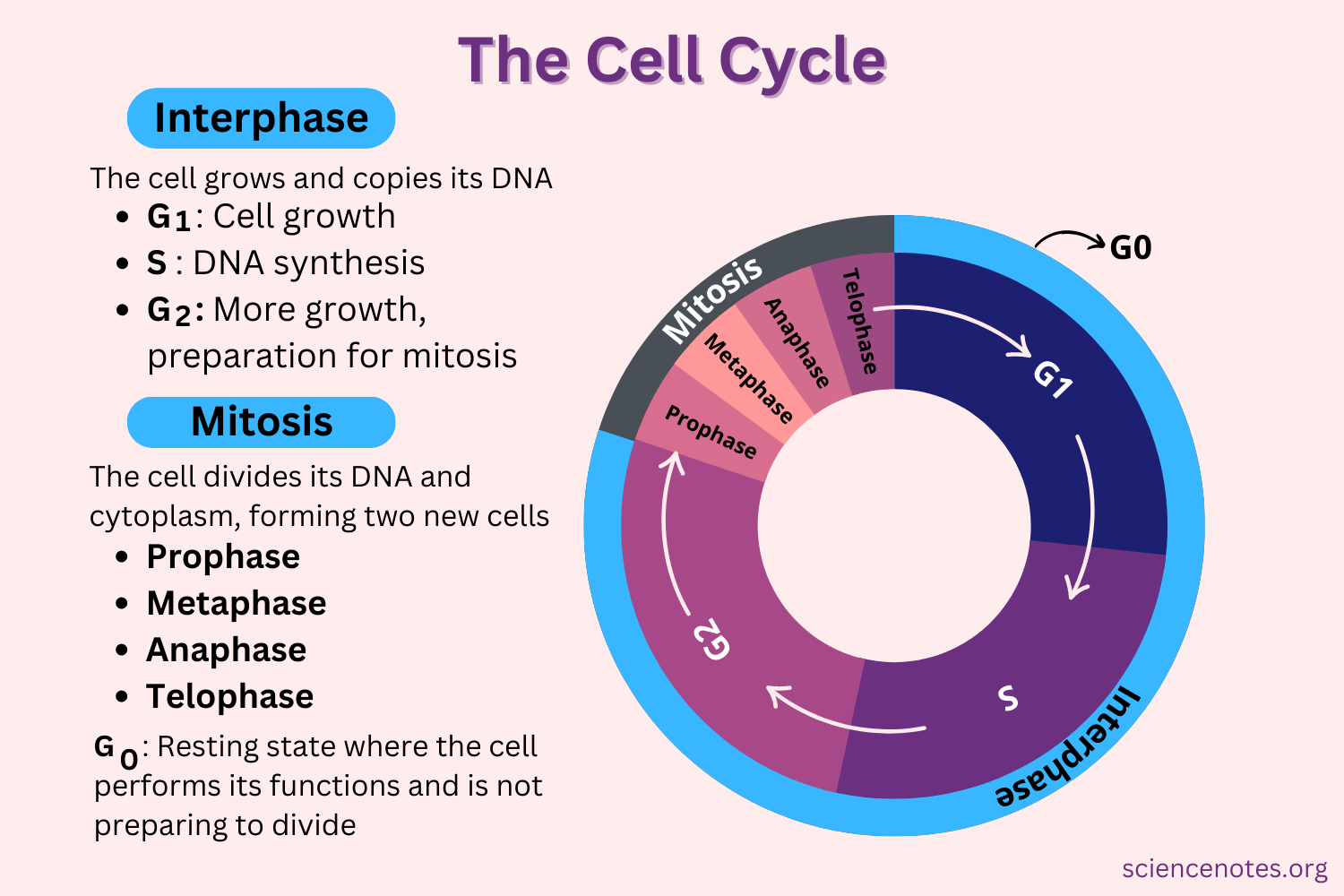
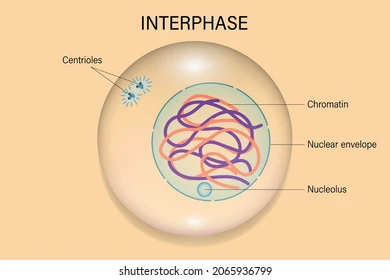
Interphase
period of cell growth and development
DNA replication (copying) occurs during Interphase
During Interphase the cell also grows, carries out normal cell activities, replicates all other organelles
The cell spends most of its life cycle in Interphase
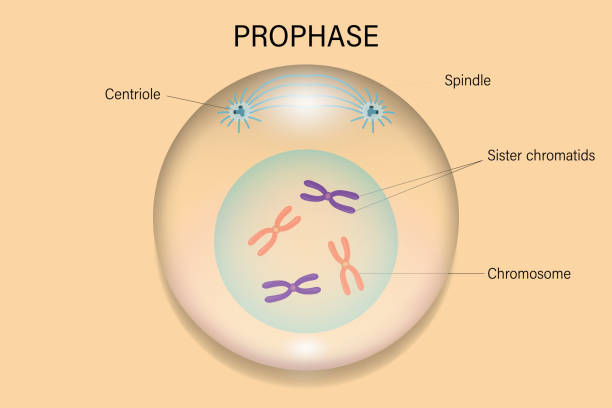
Prophase
Longest part of Mitosis
Chromosomes become visible
Centrioles near the nuclear envelope move toward opposite poles
Spindle fibers form
Condensed chromosomes become attached to spindle fibers at their centromeres
Nucleolus disappears and the nuclear envelope breaks down
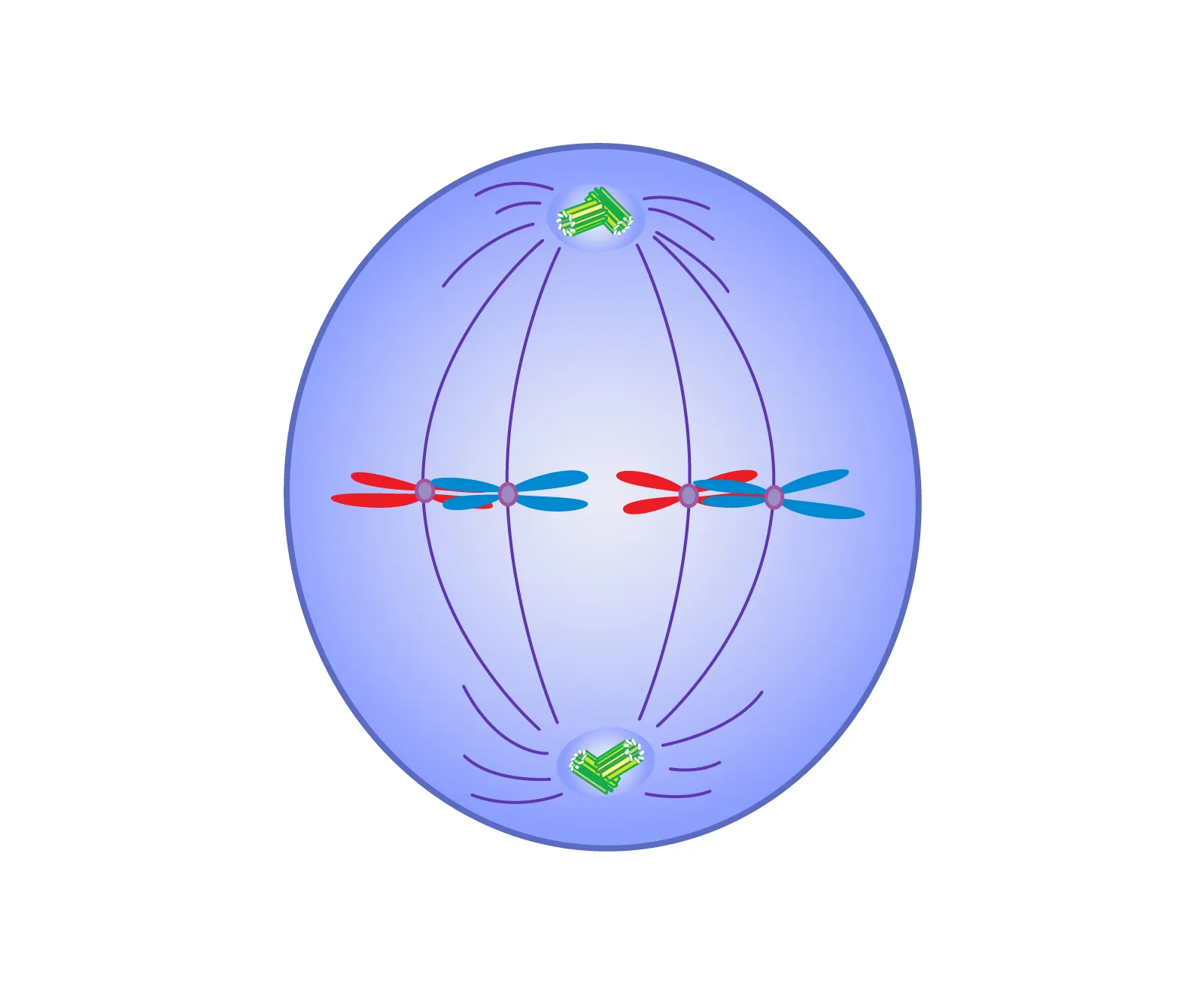
Metaphase (middle)
Chromosomes line up across the center of the cell (metaphase plate)
Spindle fibers connect to chromosomes
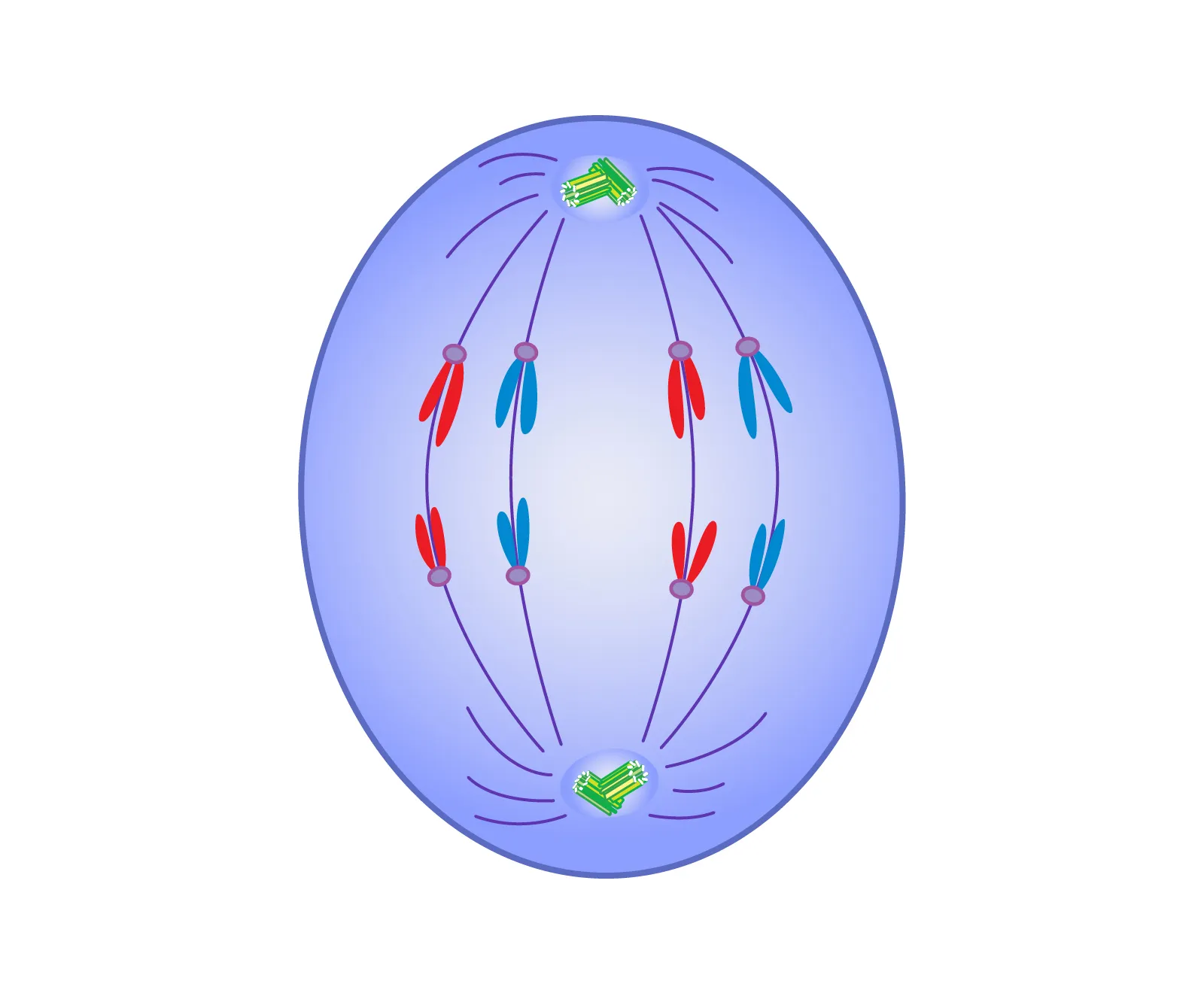
Anaphase
(apart)
Chromosome copies divide
Centromeres split
move toward opposite sides of the cell
- (pulled by spindle fibers)
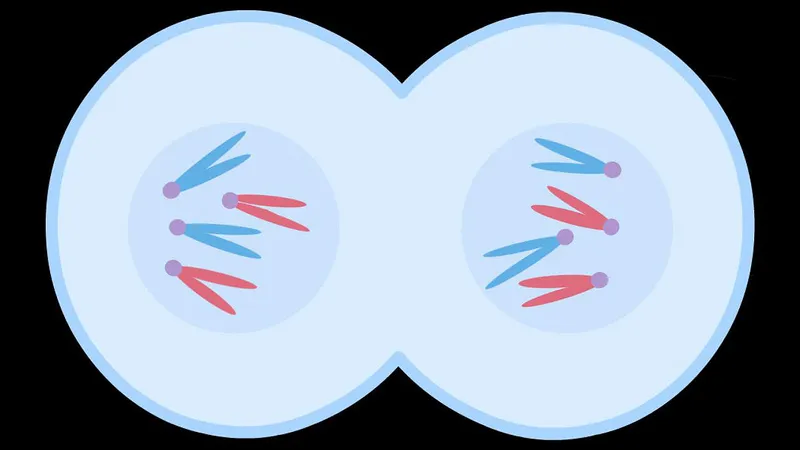
Telophase
(two)
Chromosomes uncoil
Nuclear envelope re-forms
2 New nuclei are formed
Spindle fibers disappear
Mitosis is complete
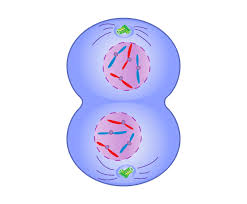
Cytokinesis
the division of the rest of the cell (cytoplasm and organelles) after the nucleus divides
After mitosis and cytokinesis, the cell returns to Interphase to continue to grow and perform regular cell activities
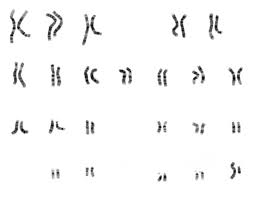
Karyotype
that picture of chromosomes
this one:
Autosome
any chromosome that is not a sex chromosome
homozygous
Organisms that have 2 identical alleles for a particular trait
TT or tt
just think that homozygous has two O’s and alleles are homozygous have two of the same letter
heterozygous
2 different alleles for a particular trait
Pp
The beginning of reproduction
2 haploid gametes (egg and sperm) join together during fertilization.
The result is a fertilized egg called a zygote which is diploid.
Humans have 46 chromosomes
haploid
a cell or organism that contains a single, unpaired set of chromosomes
zygote
AKA DIPLOID
fertilized egg
XY chromosome
male