Term 4 OB Final
 Call Kai
 Learn
Learn Practice Test
 Spaced Repetition
 Match
Match Flashcards
 Knowt Play
1/118

There's no tags or description
Looks like no tags are added yet.
Name | Mastery | Learn | Test | Matching | Spaced | Call with Kai | Chat |
|---|
No analytics yet
Send a link to your students to track their progress
119 Terms
The dermoid tumor typically is associated with which ultrasound sign?
tip of the iceberg
A mucinous cystadenoma is all EXCEPT which of the following?
thick with irregular walls and septations
What statement about Meige’s syndrome is false?
it is associated with theca lutein cysts
Which of the following is a localized tumor of endometriosis most frequently found in the ovary, cul-de-sac, retrovaginal septum, and peritoneal surface of the posterior wall of the uterus?
endometrioma
An ovary is generally considered abnormal if its volume is ____ the size of the contralateral ovary.
twice
Ovarian carcinoma is classified into four stages. Stage II is:
limited to the pelvis
Which pelvis organ is more involved with metastatic disease?
ovary
Which of these masses is considered malignant?
dysgerminoma
In the evaluation of an adnexal mass, which of the following findings increase the likelihood of malignancy
large thick-walled cyst with multiple thick septations and free fluid
Which of the following is considered the most common gynecological malignancy in the United States?
endometrial
On color Doppler sonography, most malignant ovarian tumors yield flow signals that are best characterized as:
low impedance
Doppler measurement that takes the highest systolic peak minus the highest diastolic peak, divided by the highest systolic peak is the:
resistive index
The difference between peak systole and peak diastole is the:
S/D ratio
The primary criteria for a malignant ovarian mass includes all except:
associated with a diameter less than 3 mm
Which statement is not true:
an ovary with a volume one-half that of the opposite side should be considered abnormal
Clinical signs of a 32-year-old woman with an enlarged uterus on physical examination and a history of cyclic profuse, prolonged bleeding with increasing pain most likely represents:
leiomyoma
The most common site for a leiomyoma to occur is:
intramural
A benign invasion of endometrial tissue into the myometrium is known as:
adenomyosis
The most common sonographic finding in endometrial carcinoma:
presents with abnormal thickening of the endometrial cavity; usually presents with irregular bleeding in perimenopausal and postmenopausal women
A small percentage of leimyomas are located in the:
cervix
An acquired condition with obstruction of the cervical canal is most likely a result of:
cervical stenosis
Which leiomyoma location is most likely to cause heavy irregular uterine bleeding?
submucosal
The most common cause of uterine calcification is:
myomas
On ultrasound, the characteristic appearance of degenerating leiomyoma is:
heterogeneous
Which of the following statements about adenomyosis is false?
ectopic tissue arises from stratum functionalis of the endometrium
Uterine arteriovenous malformation (AVM):
involves the myometrium
Endometrial hyperplasia develops from:
unopposed estrogen stimulation
Patients on tamoxifen therapy have an increased risk of:
all of the above
Irregular, acyclic bleeding is defined as:
metrorrhagia
Where might you find a Gartner’s duct cyst?
vagina
Congenital abnormalities of the uterus result from improper fusion of the:
paramesonephric ducts
Abnormally heavy or long menses is termed:
menorrhagia
The normal size of the menarchal uterus should measure ____ centimeters long and ____ centimeters wide.
8;4
What is the physiologic status of prepuberty called?
premenarche
Depending on the menstrual cycle, the inner lining of the uterine cavity that appears echogenic to hypoechoic on ultrasound is which one of the following structures?
endometrium
The thickness of the endometrium should be measured in which one of the following planes?
longitudinal
The endometrium is at its greatest thickness and echogenicity with posterior enhancement in which one of the following phases?
luteal
On transabdominal imaging of the female pelvis, the distended urinary bladder:
all of the above
The middle layer of the uterus is which one of the following?
myometrium
Nabothian cysts are found near which one of the following anatomic structures?
endocervical canal
What is the most frequent sonographic finding in ectopic pregnancy?
an adnexal mass
What is the most common pelvic mass seen in first trimester pregnancy?
corpus luteum cyst
An empty gestational sac is known as:
anembryonic pregnancy
The most common abnormality associated with cystic hygroma is:
Turner’s syndrome
If a fibroid coexists with a 12-menstrual-week fetus, the sonographer must identify the relationship of the fibroid to the:
placenta
A hemorrhage located between the gestational sac and the placenta represents:
subchorionic hemorrhage
Ectopic pregnancy most commonly occurs in the:
fallopian tube
There is an increased risk of massive hemorrhage in an ectopic pregnancy that is located:
near the uterine cornua
Findings in ectopic pregnancy include all except which of the following?
doubling of the serum beta hCG every other day
The best sonographic correlation in the diagnosis of ectopic pregnancy is the combination of:
free fluid and adnexal mass
A condition associated with anencephaly in which there is complete or partial absence of the cranial bones is called:
acrania
Which of the following anomalies is characterized by the presence of a posterior fossa cyst and splaying of the cerebellar hemisphere?
Dandy-Walker malformation
Ventriculomegaly is defined as lateral ventricular enlargement measuring greater than:
10 mm
Conditions commonly associated with fetal hydrocephalus include all except which of the following?
choroid plexus cyst
Which of the following is the most common open neural tube defect?
anencephaly
Protrusion of the brain from the cranial cavity is called:
encephalocele
The most common neck mass is:
cystic hygroma
The optimal gestational age for measurement of nuchal translucency is:
13 weeks
Evaluation of the fetal abdominal wall demonstrated evisceration of the bowel to the right of the umbilical cord. This is most representative of:
gastroschisis
The two most common anterior abdominal wall defects are:
gastroschisis and omphalocele
The normal embyologic herniation of the bowel permits:
development of the intraabdominal organs
Which statement about an omphalocele is correct?
omphaloceles that contain only bowel have a higher risk for chromosomal abnormalities
A 19-week fetus with elevation of MSAFP shows herniated free-floating bowel loops. This most likely represents:
gastroschisis
Sonographic findings of fetal hydrops in Rh sensitization include all except which of the following?
thinning placenta
Severe generalized massive fetal edema describes:
anasarca
A condition in which the fetus is not growing as fast as normal is termed:
intrauterine growth restriction
Asymmetric growth restriction may show all EXCEPT which of the following?
body and head small for dates
The normal amniotic fluid index (AFI) should range between:
5-22 cm
One of the growth problems of the diabetic fetus is:
macrosomia
Significant maternal risk factors for IUGR include all except which of the following?
significant hypotension
Which statement about amniotic fluid is false?
an amniotic fluid pocket greater than 5 cm may represent IUGR
IUGR is most commonly defined as a fetal birth weight:
at or below the 10% for a given gestational age
Which of the following is not a parameter of a biophysical profile?
fetal swallowing
Increased vascular resistance to the fetus is reflected by a/an:
increase in S/D ratio
Macrosomia is defined as a birth weight:
above 90% for estimated gestational age
The single most useful biometric parameter to assess fetal growth is:
abdominal circumference
The placenta of the macrosomia fetus can become:
significantly large
Symmetric IUGR is usually the result of:
first trimester insult
Asymmetric IUGR is usually caused by:
placental insufficiency
Assessing amniotic fluid volume using the sum of four quadrants is called:
amniotic fluid index
An AFI of 7 cm is considered:
within lower limits of the normal amniotic fluid volume
Define menorrhagia.
prolonged or excessive bleeding
Define metrorrhagia.
uterine bleeding occuring at irregular and more frequent than normal intervals
Define menometrorrhagia.
prolonged or excessive uterine bleeding occuring at irregular and more frequent than normal intervals
Define intermenstrual bleeding.
uterine bleeding occurring at regular intervals of less than 21 days
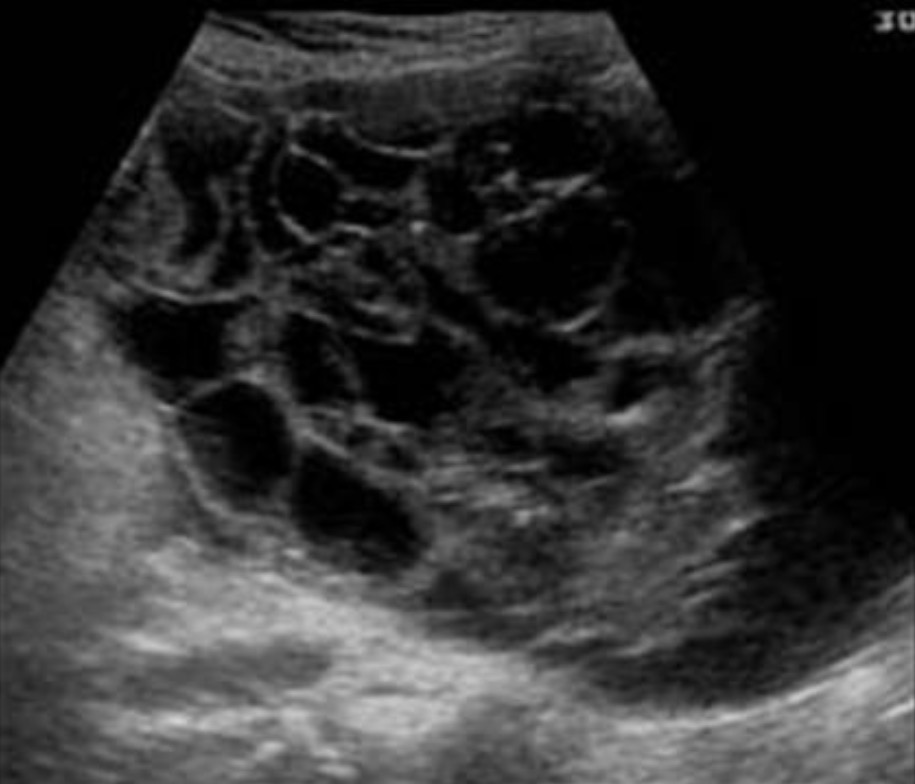
What pathology could this be?
mucinous cystadenoma
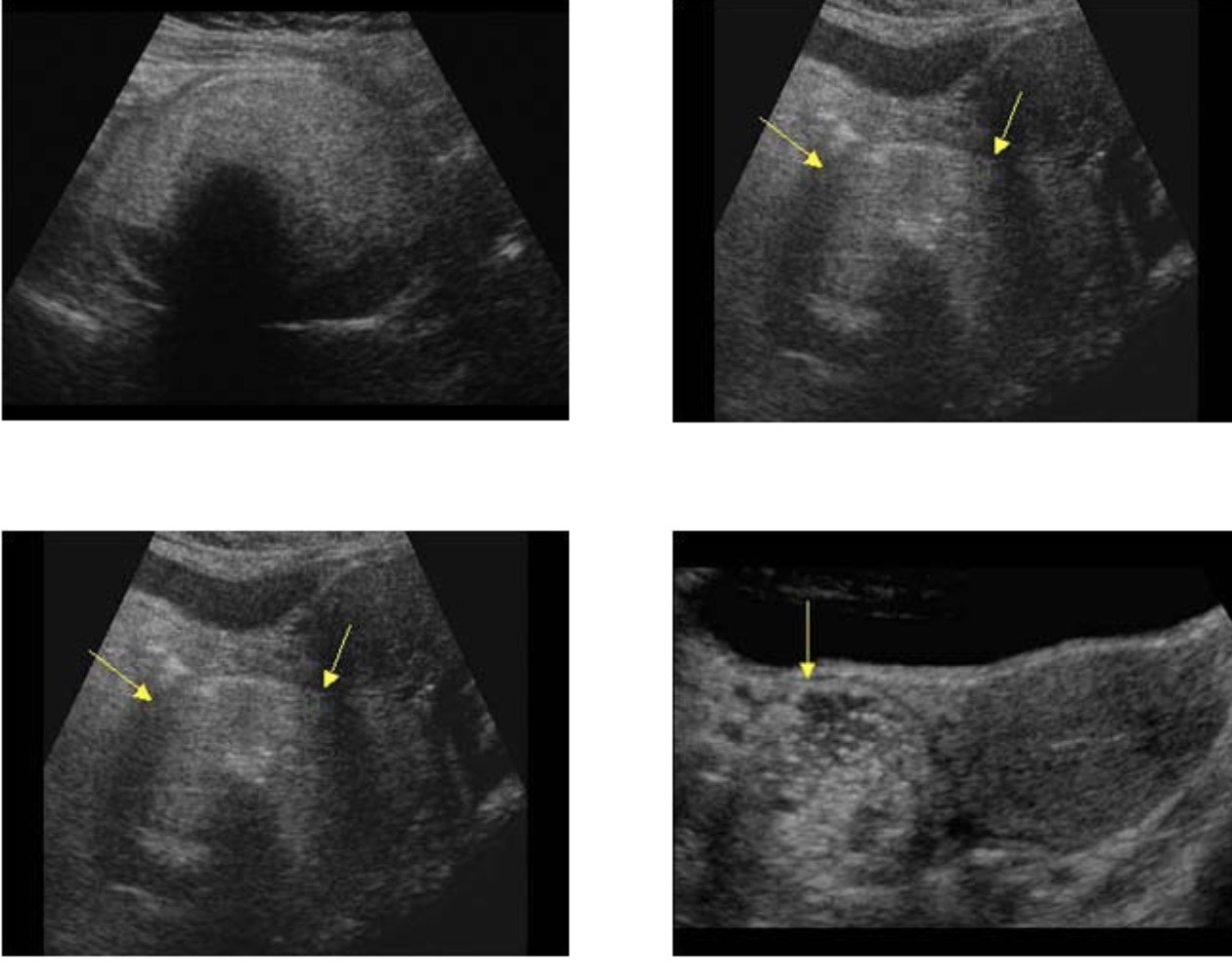
What pathology could be in these images?
dermoid cyst
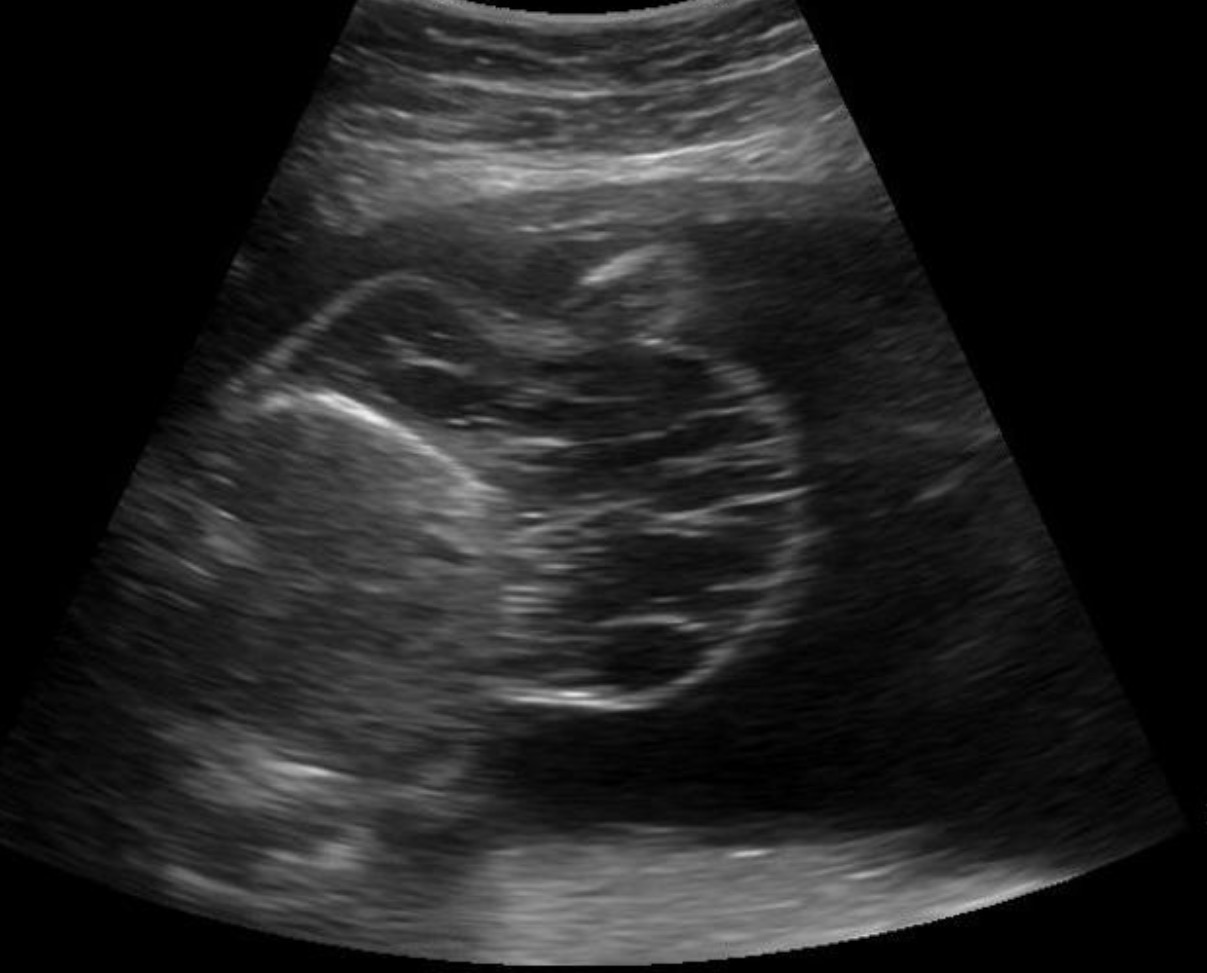
What pathology could be in this image?
cystic hygroma
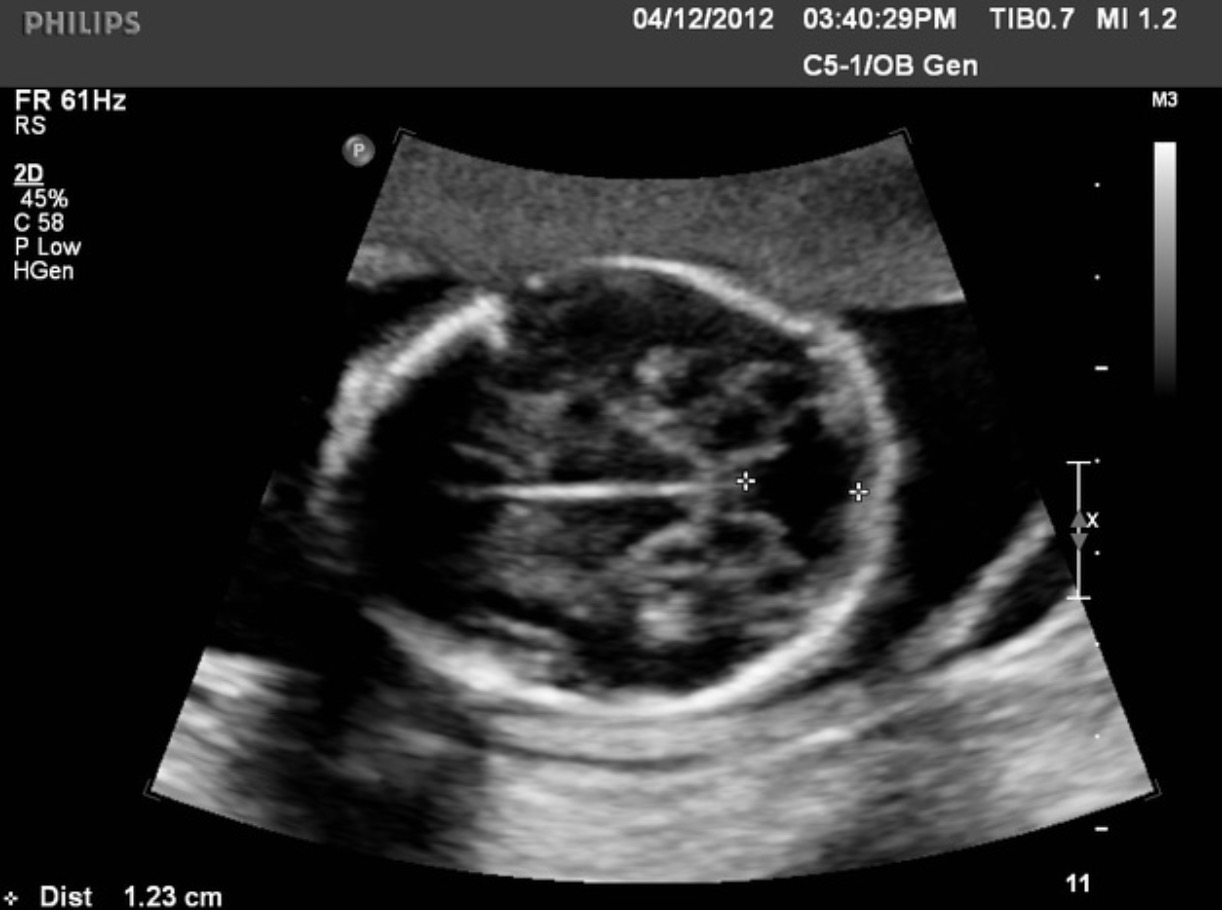
What pathology is seen in this image?
Dandy-Walker malformation
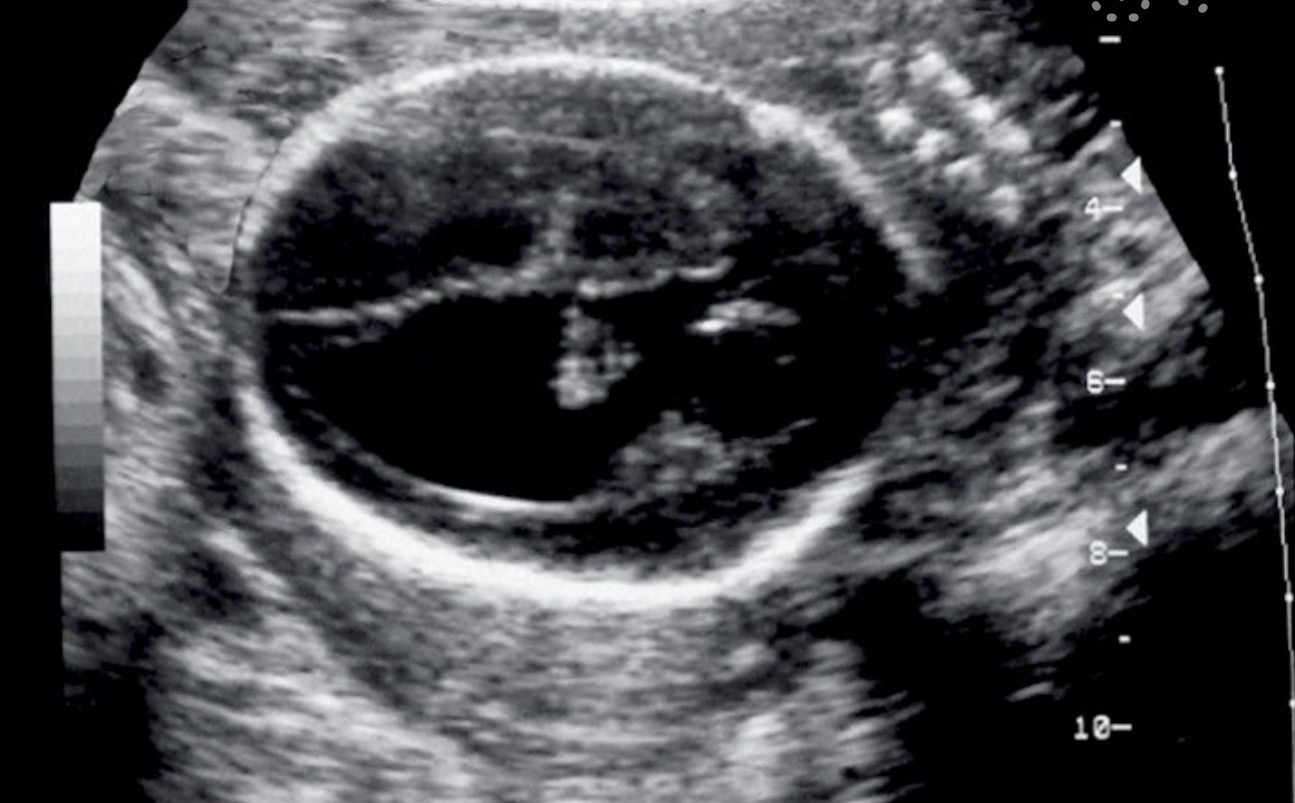
What pathology is seen in this image?
ventriculomegaly
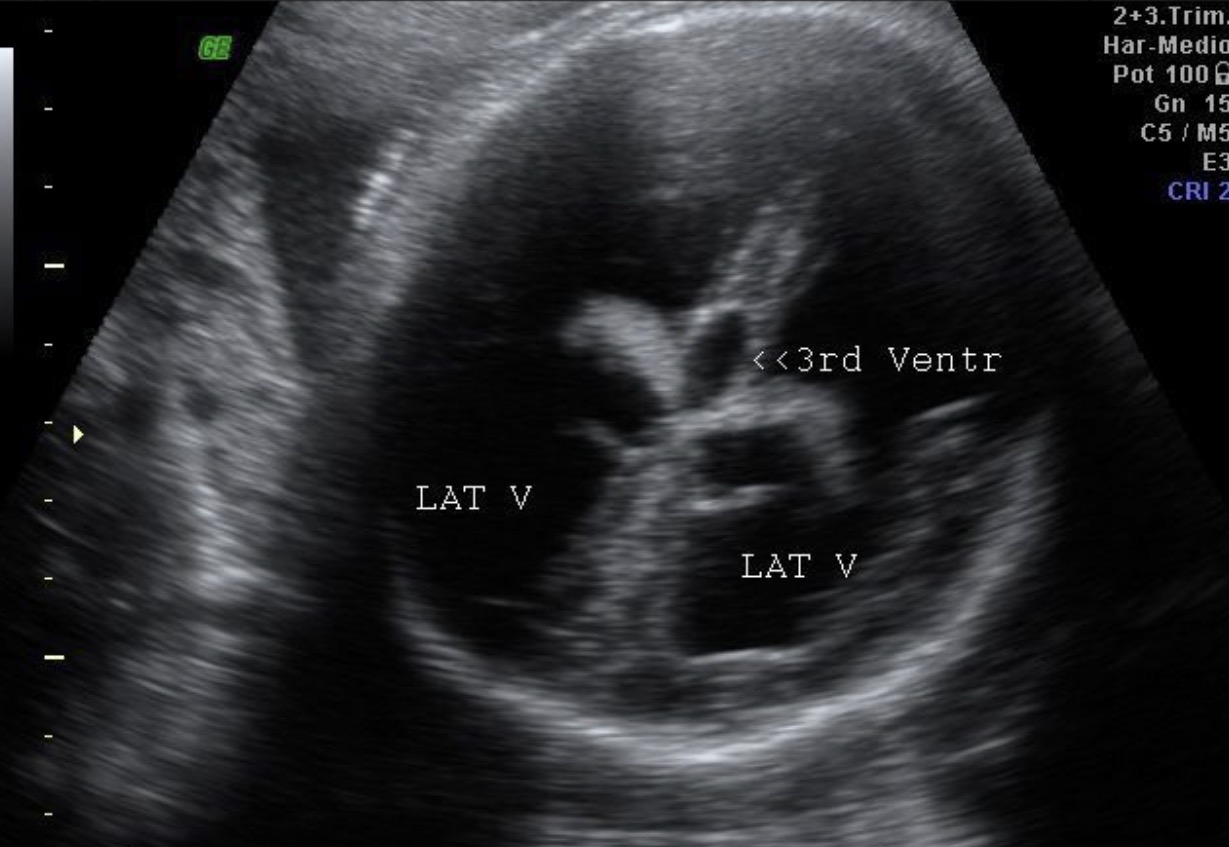
What pathology is seen in this image?
hydrocephalus
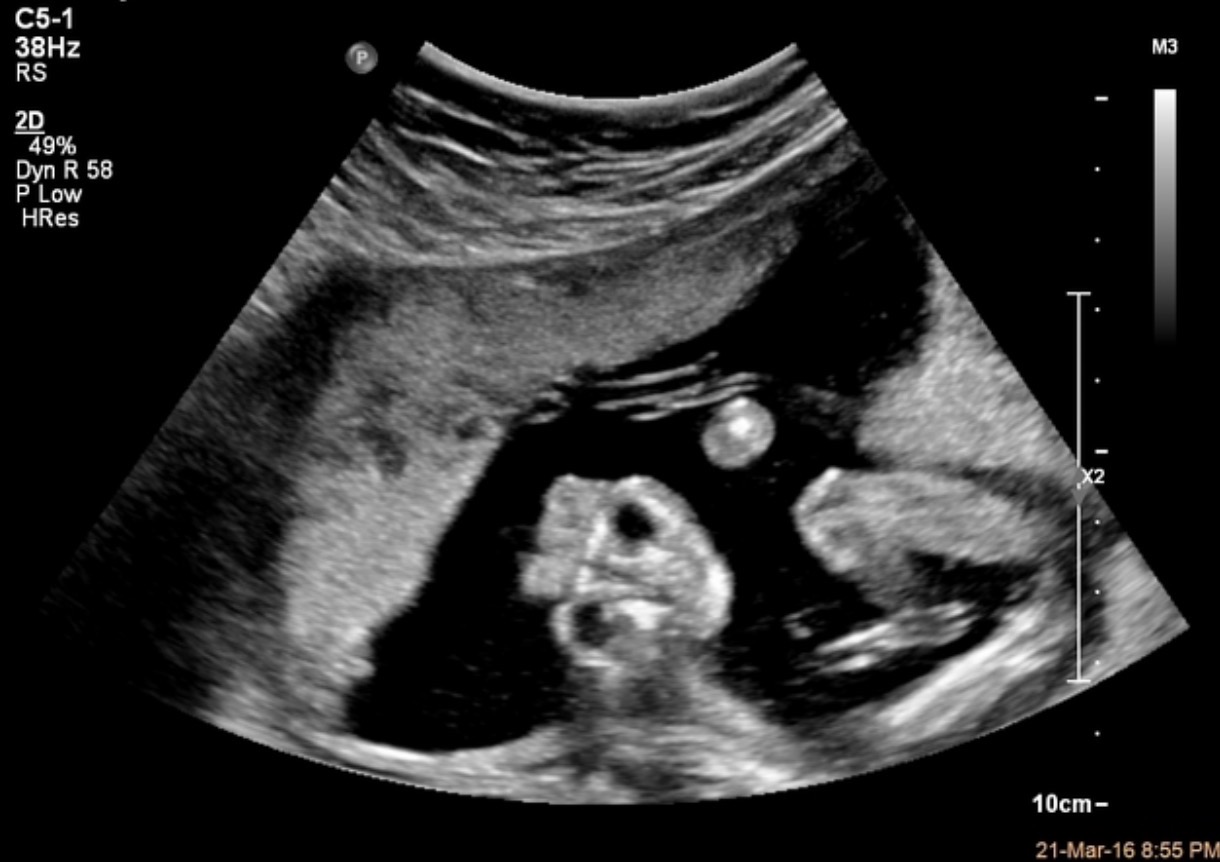
What pathology is seen in this image?
anencaphaly
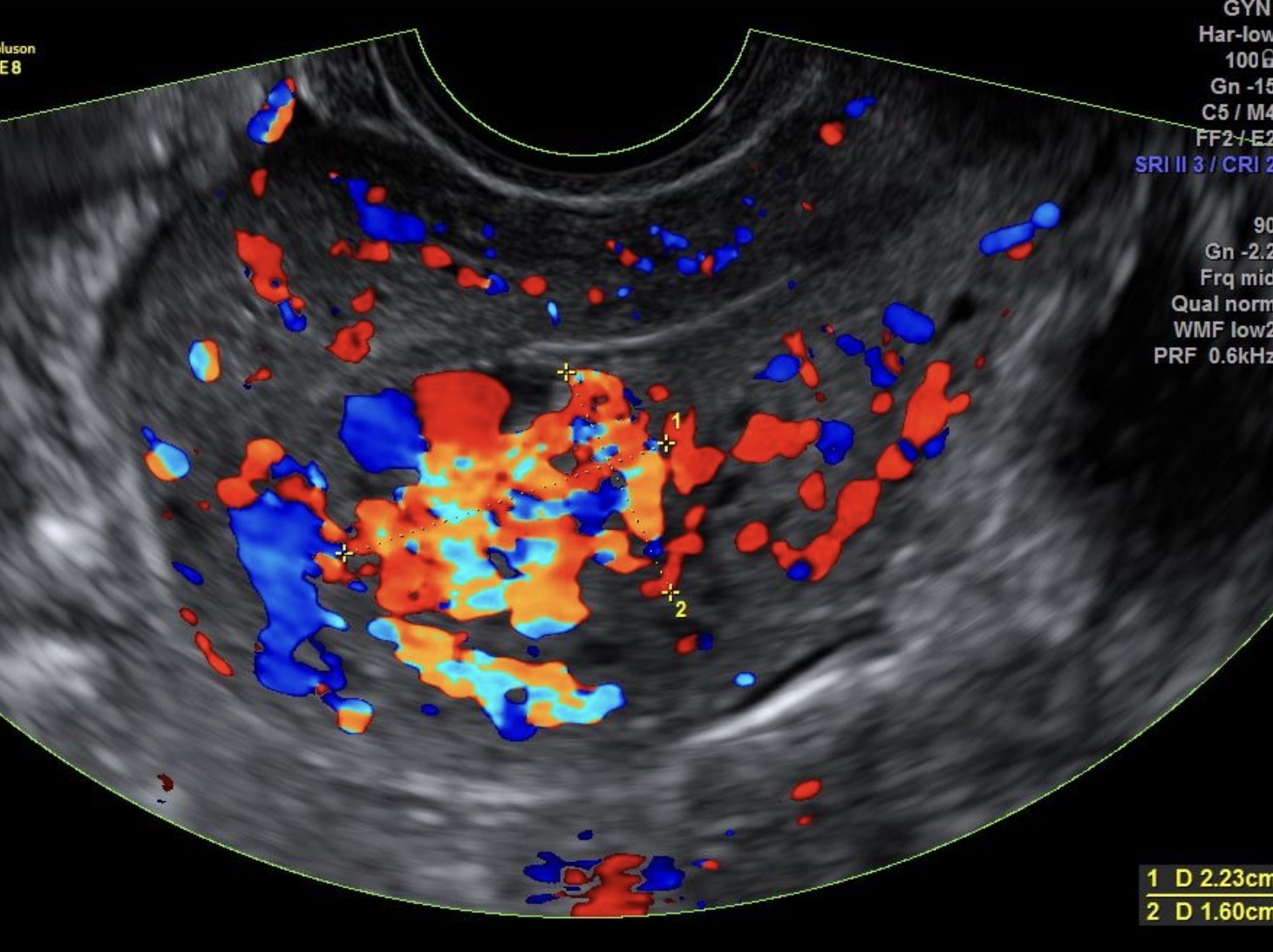
What pathology is seen in this image?
AVM
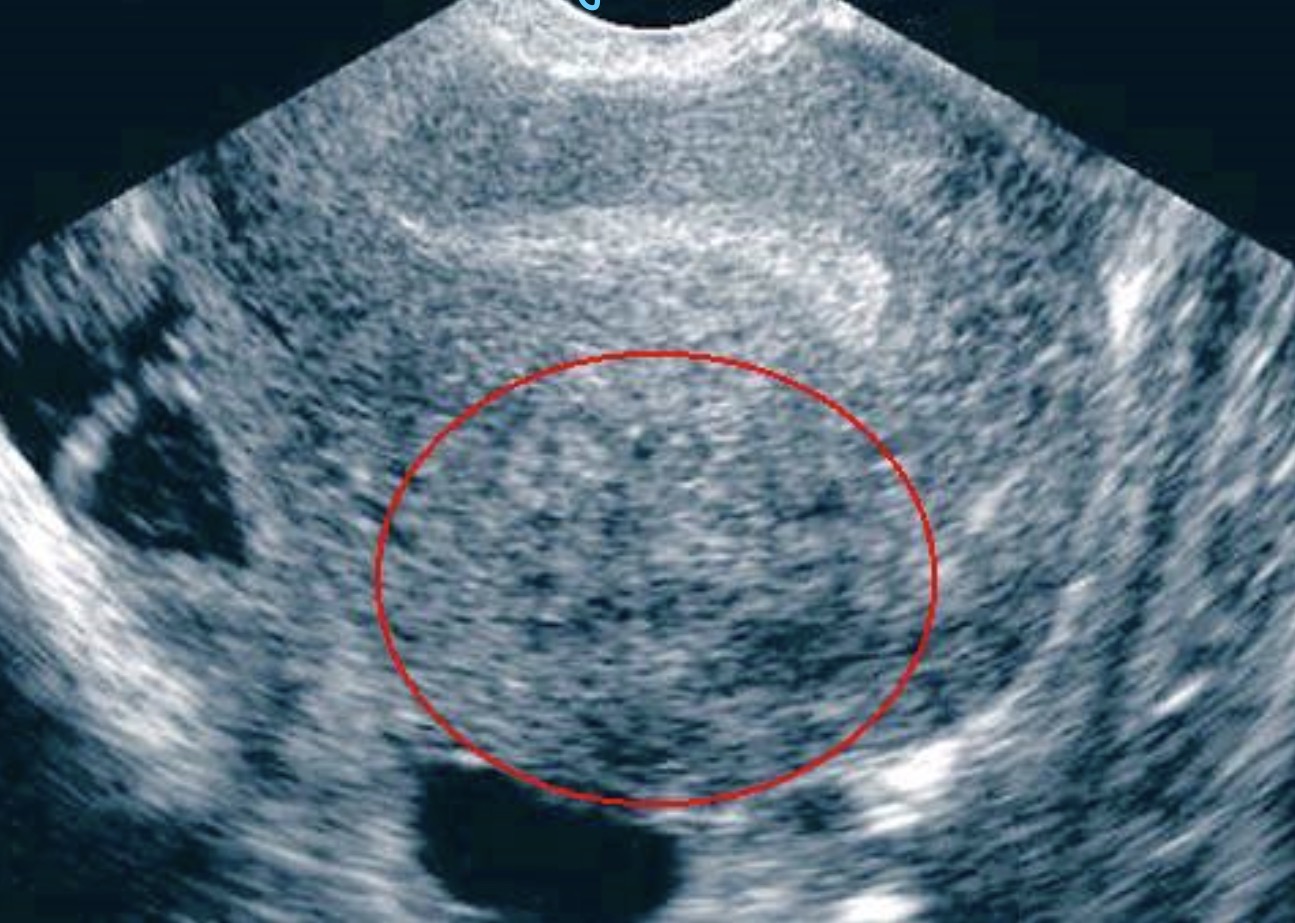
Identify the pathology in the red circle.
adenomyosis
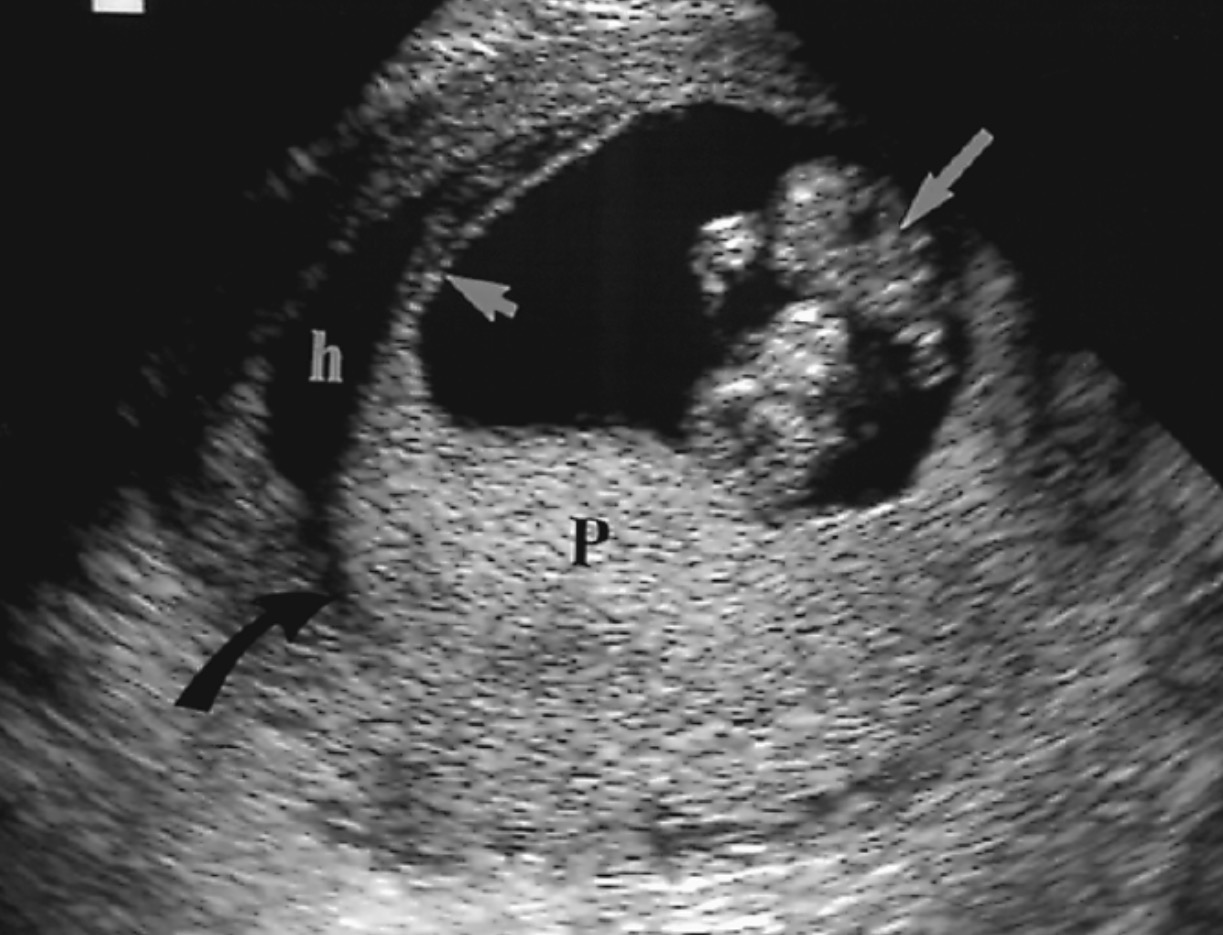
What pathology is seen in this image?
subchorionic hemorrhage
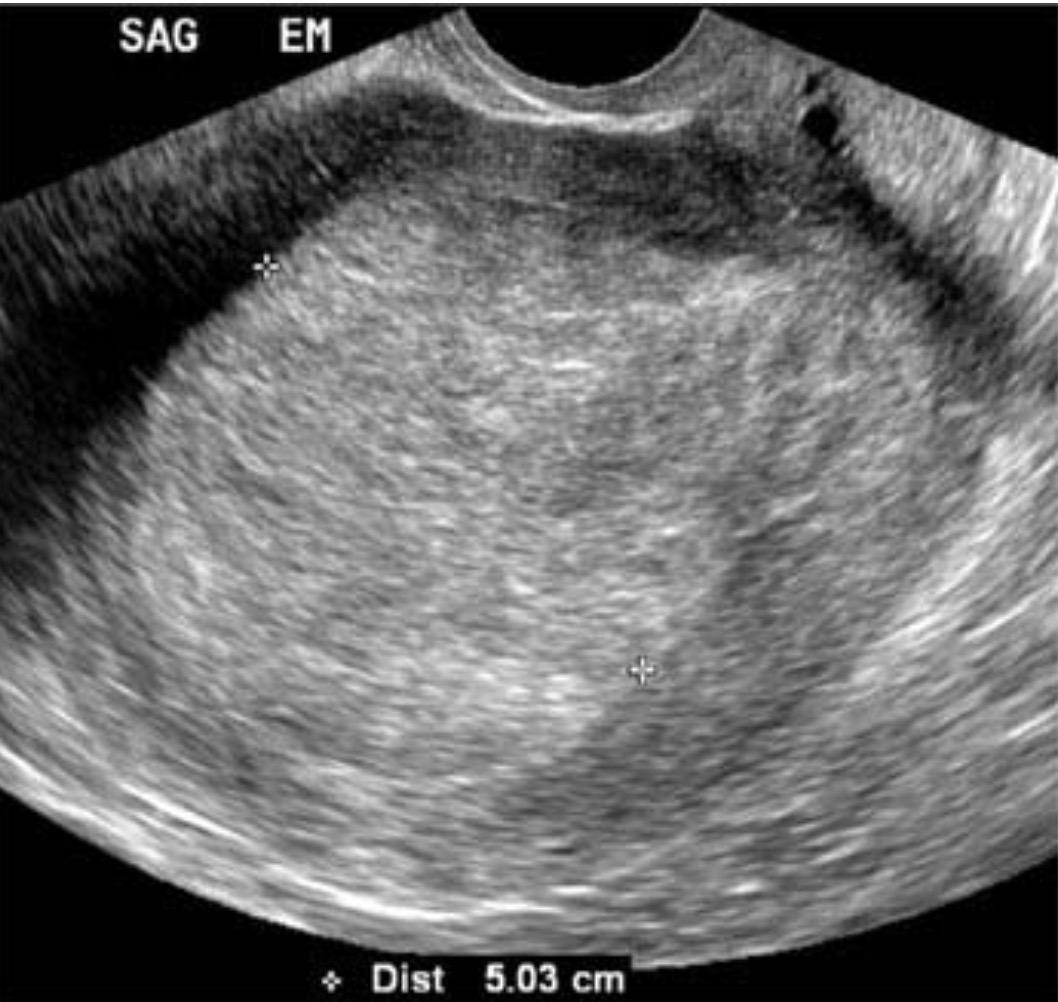
A 58 year old woman, history of breast cancer, presented with abnormal uterine bleeding. She has been postmenopausal for 6 years. What pathology could this be?
endometrial hyperplasia
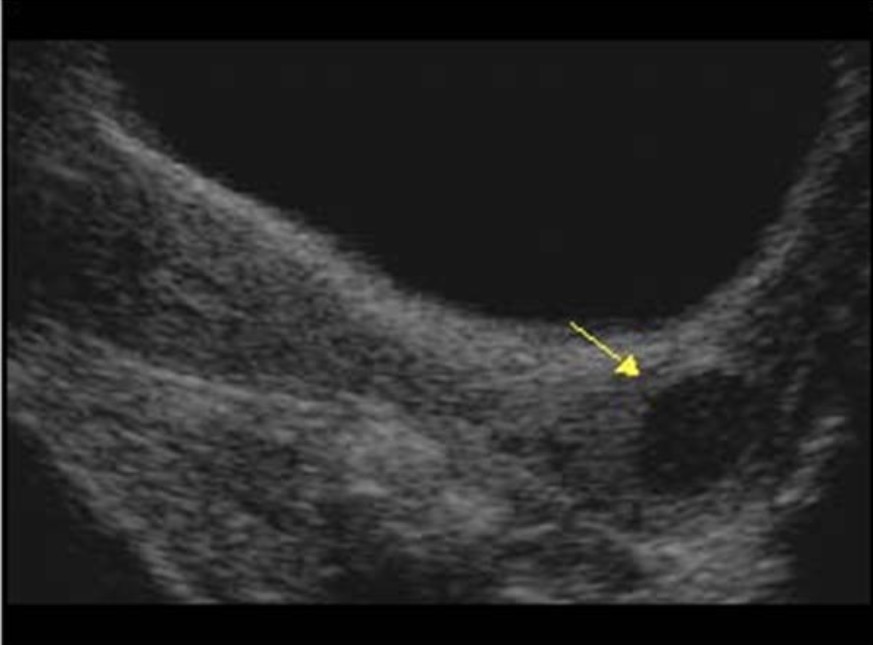
What is seen in this image?
gartner’s duct cystnabo
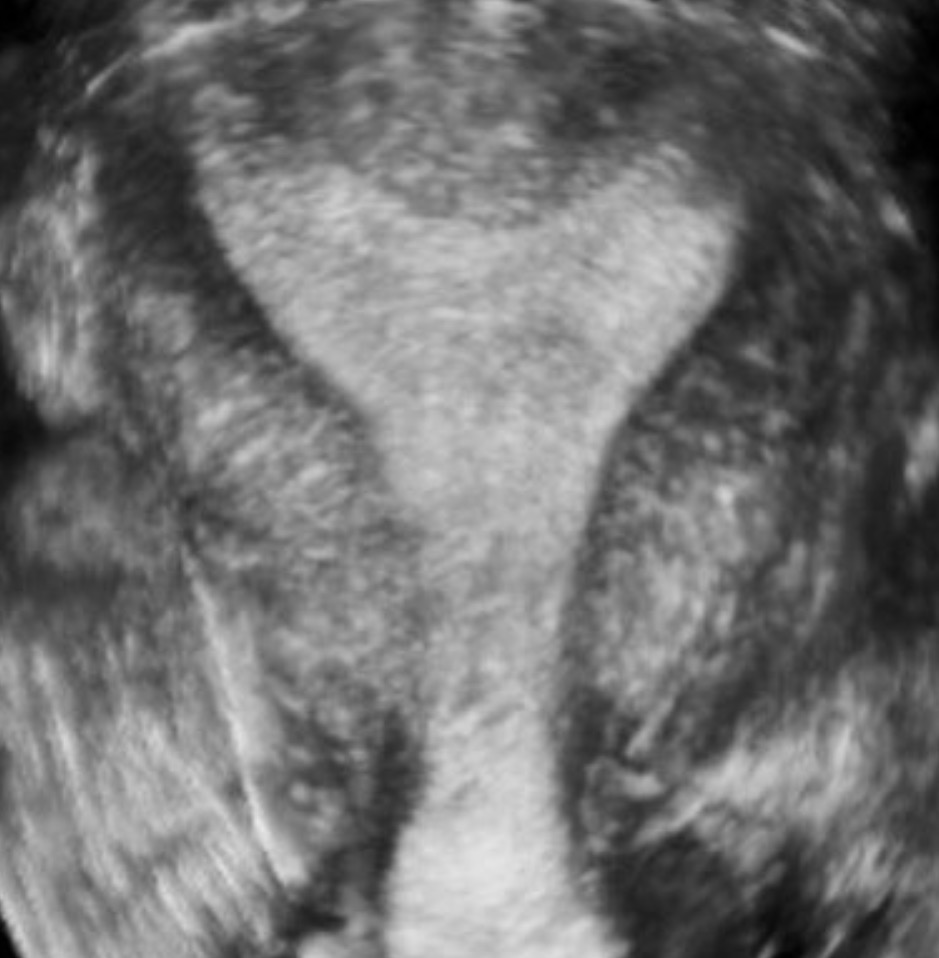
What is seen in this image?
arcuate uterus
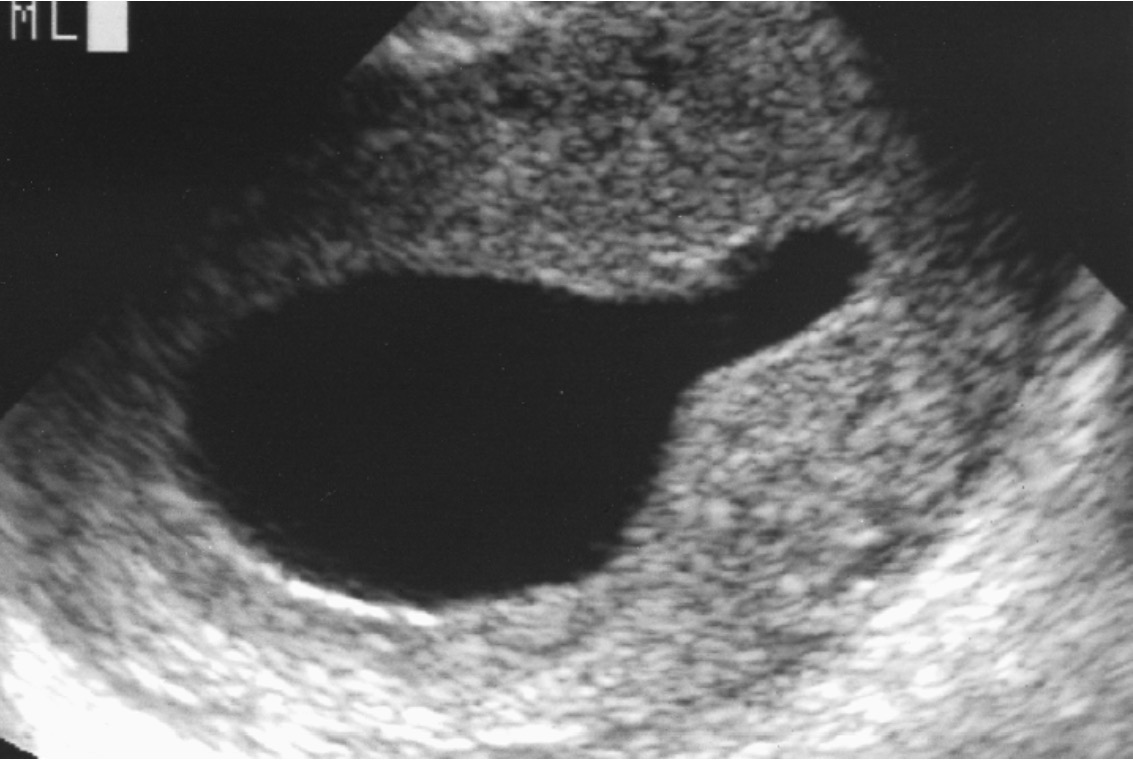
What is the most likely diagnosis?
cervical stenosis
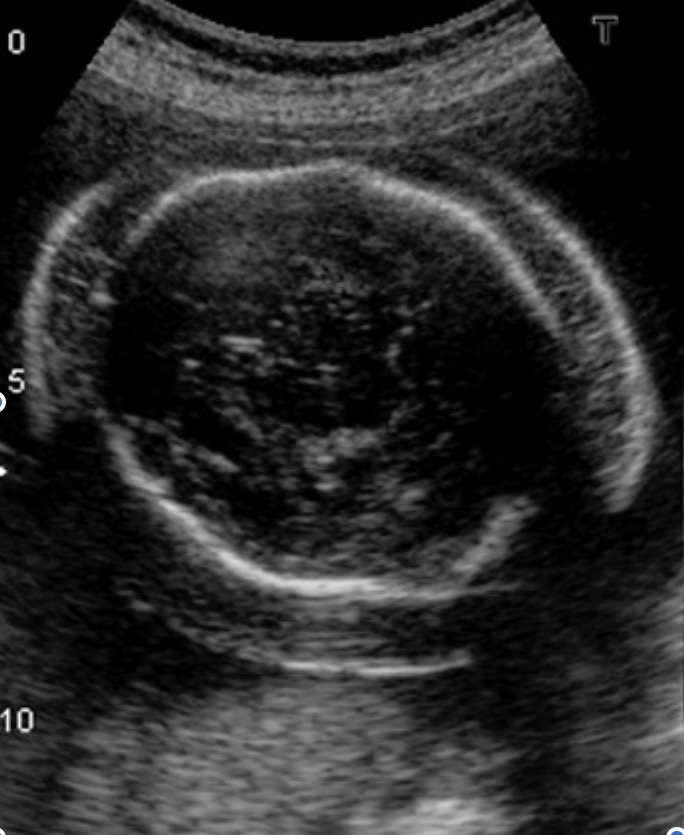
What is seen in this image?
scalp edema