SOC 1010 Terms
 Call Kai
 Learn
Learn Practice Test
 Spaced Repetition
 Match
Match Flashcards
 Knowt Play
1/42

Earn XP
Description and Tags
combination of terms from in person lecture
Name | Mastery | Learn | Test | Matching | Spaced | Call with Kai | Chat |
|---|
No analytics yet
Send a link to your students to track their progress
43 Terms
Sociology
the study of ALL social interaction

Sociological Imagination
taking our personal lives and connecting them to historical or social forces

New levels of reality
each generation faces new levels of reality, sometimes based on social or catastrophic change

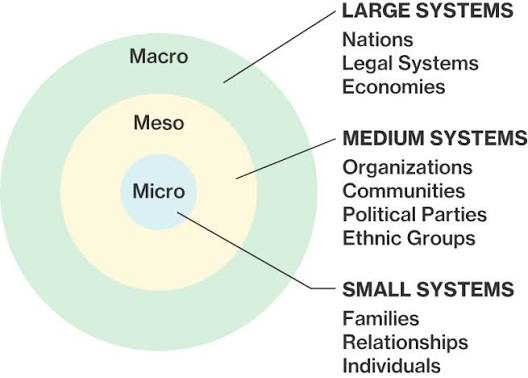
Levels of analysis in sociology
Analyzes our relationships in different categories depending on size
When did sociology develop?
when farm workers turned into factory workers, industrial revolution

Karl Marx
The entire planet worked in social classes

Post Industrial Society Workers
Thinking labor more than working labor
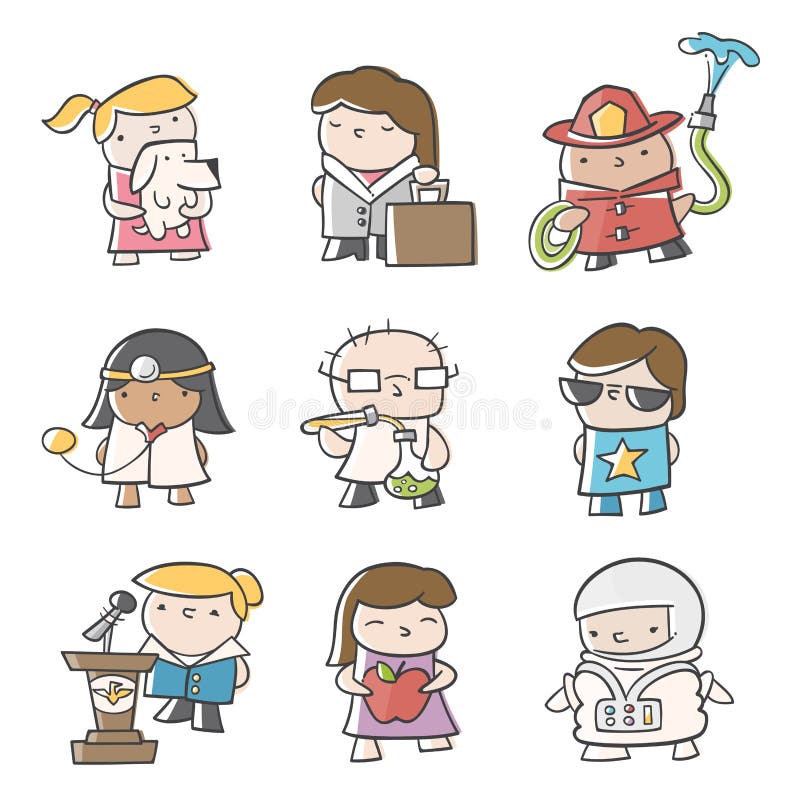
Industrial Society Workers
agricultural or industrial labor

The Dialectic K.M.
each phase rows its own seeds that cause destruction or change to itself

Emile Durkheim
Society is powerful for the people, community creates social integration
Pre Modern Mechanical Solidarity
unity based on being the same

Modern Organic Solidarity
unity based on specialized divisions of labor and interdependence

Social Facts E.M.
Anything that can exercise control over an individual
Egoistic Suicide E.M.
caused from not being well integrated into society and having weak social bonds

Anomic Suicide E.M.
social norms lose their authority, leaving an individual lost from their true desires

Altruistic Suicide E.M.
So well integrated into society, sacrifice

Fatalistic Suicide E.M.
social norms are too much for one person

Max Weber
german sociologist
Verstehen M.W.
empathy, ability to take someones POV

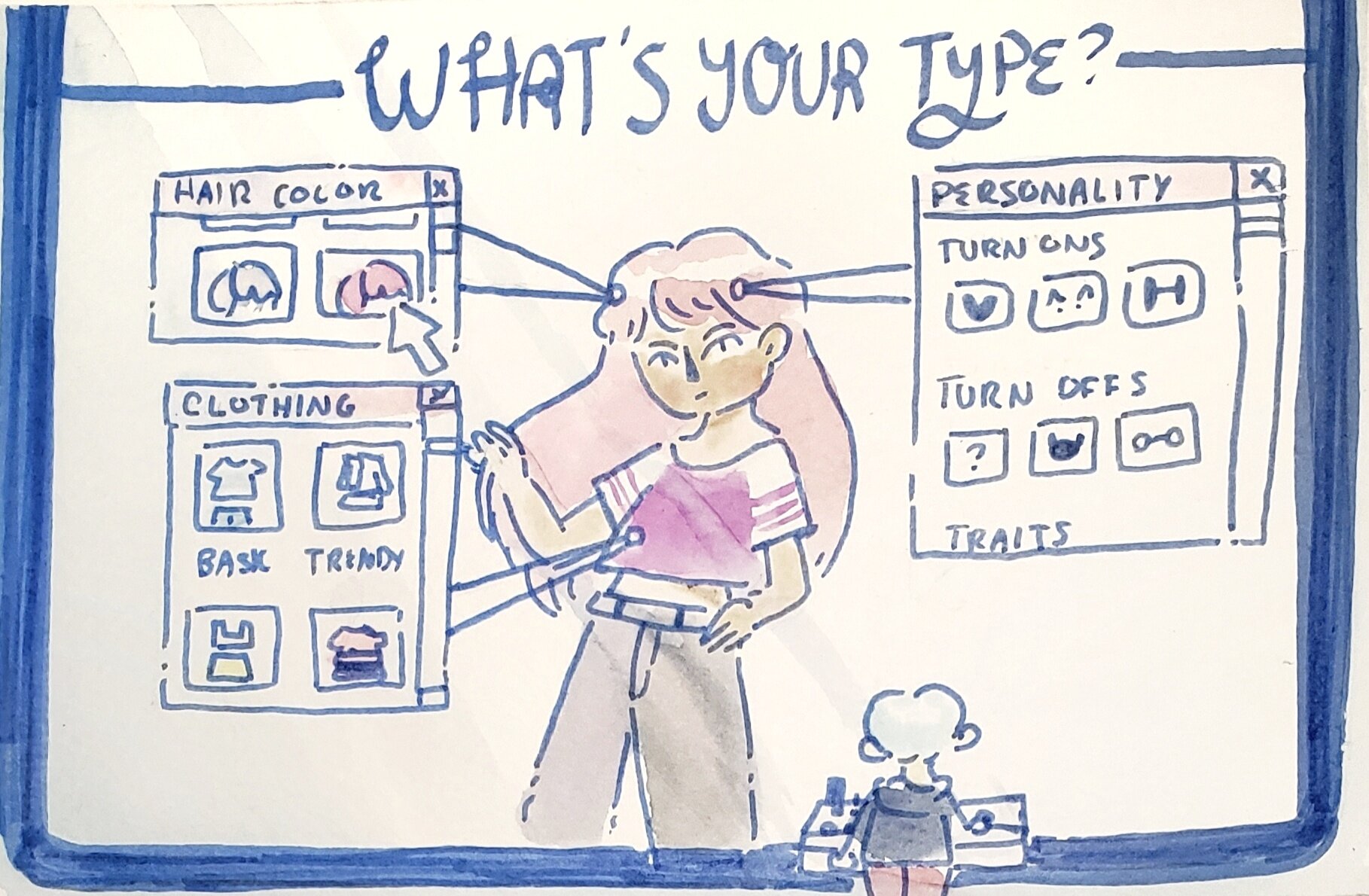
Ideal Type M.W.
logically consistent characteristics of any social phenomenon
3 distinct perspectives of sociology
Functionalist
Conflict
Interactionalist
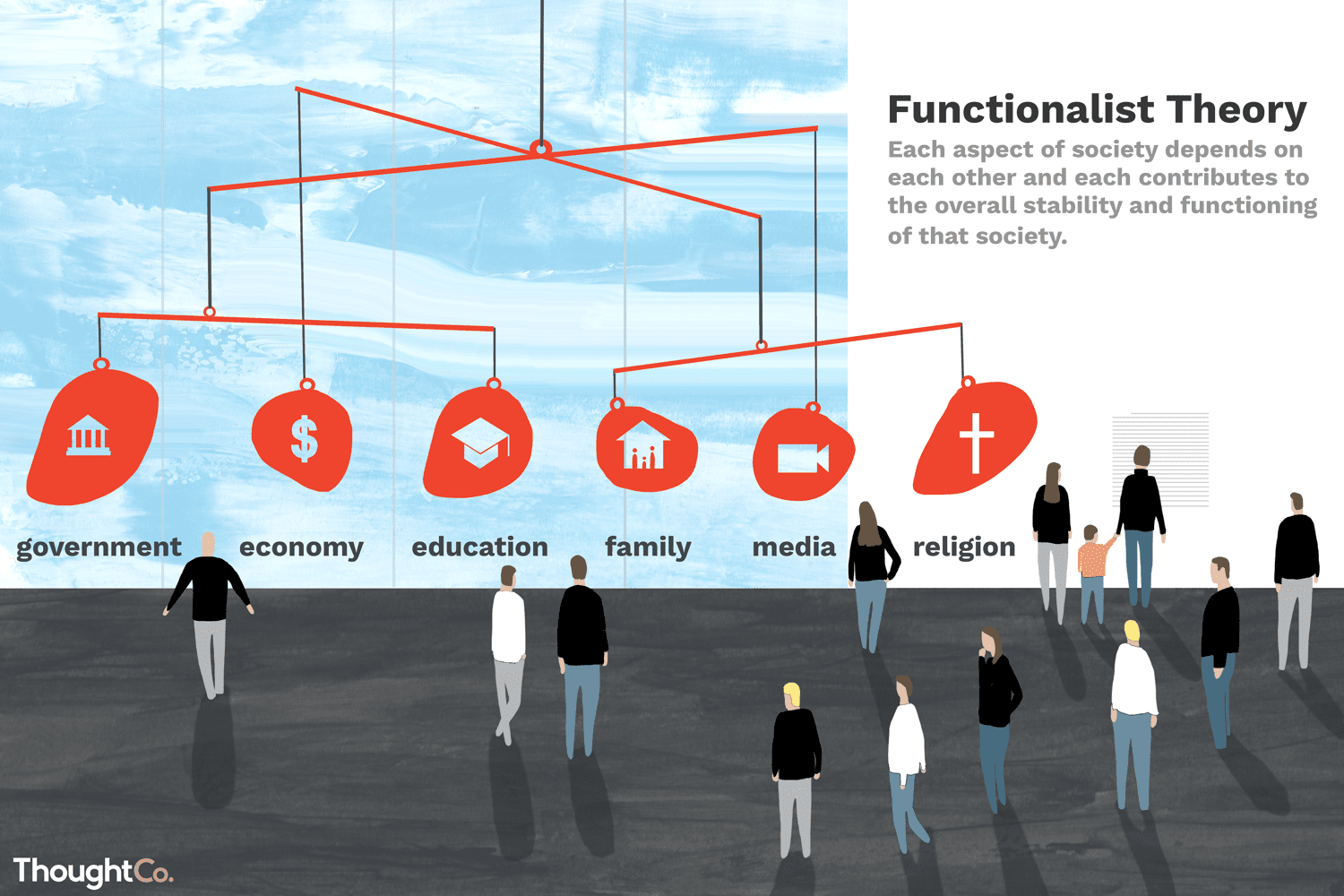
Functionalist Perspective
views society like a human body, institutions are organs, FUNCTIONS
Manifest Functions
obvious and intended reasons

Latent Functions
not expected or purposeful events

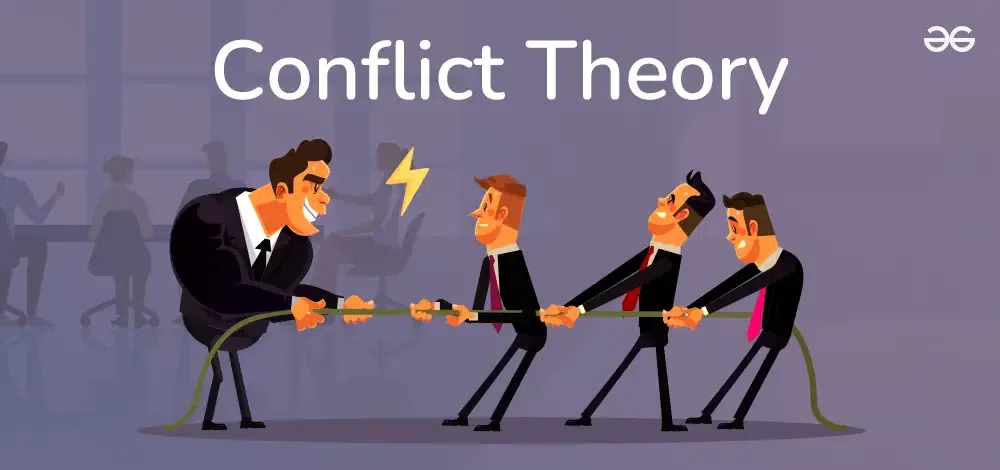
Conflict Perspective
focuses on inequity and what you don’t have
Interactionalist Perspective
acting based on the meanings behind them, meaning is constantly changing and control the world we live in

Critical Theory
mass media in capitalist society creates and maintains inequality

Post Modern Theory
distrustful of science, objective

Culture
social heritage of a people
Society
organized continuing # of people living in a specific area

Material Culture
Physical items that hold culture

Nonmaterial Culture
aspects of culture that aren’t material

Socialization
the process where we internalize and learn about our culture

Components of Culture
Norms
folkways
mores
Folkways
everyday norms on how to behave, not harshly punished

Mores
norms that differentiate right from wrong

Sanctions
punishments or awards for social norms

Linguistic Relativity Hypothesis
“the limits of our language are the limits to our world”

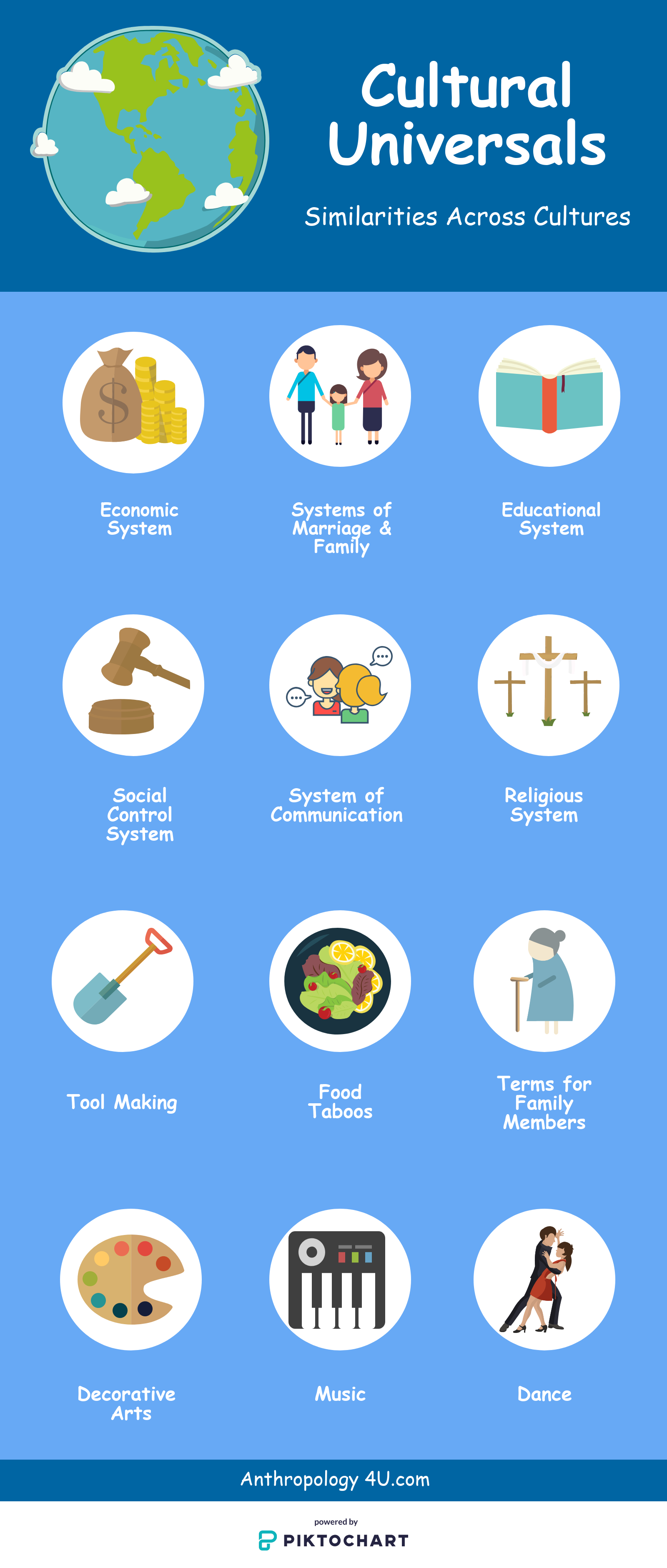
Cultural Universals
an element that is common in ALL cultures
Syncretism
when 2 or more cultural aspects come together to create a new idea

Cultural Relativism
a culture should be only be judges by its own criteria

Ethnocentrism
the belief that ones culture is superior to another

Counter Culture
subcultures that resist aspects of society