BIO 271 LAB 3 : (A.) Human Torso Muscle Model with HEAD

0.0(0)
Studied by 0 people
call kaiCall Kai
Locked
learnLearn
examPractice Test
spaced repetitionSpaced Repetition
heart puzzleMatch
flashcardsFlashcards
GameKnowt Play
Card Sorting

1/39

flashcard set

Earn XP

Description and Tags

(40 terms): Color coded for more understanding of the terms listed.

Last updated 9:20 PM on 9/15/26
Name
Mastery
Learn
Test
Matching
Spaced
Call with Kai
Chat

No analytics yet

Send a link to your students to track their progress

40 Terms

1
New cards
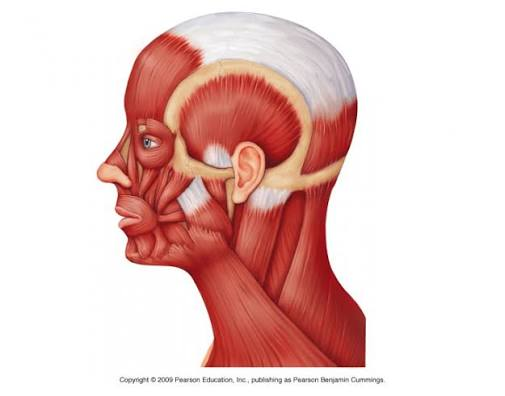
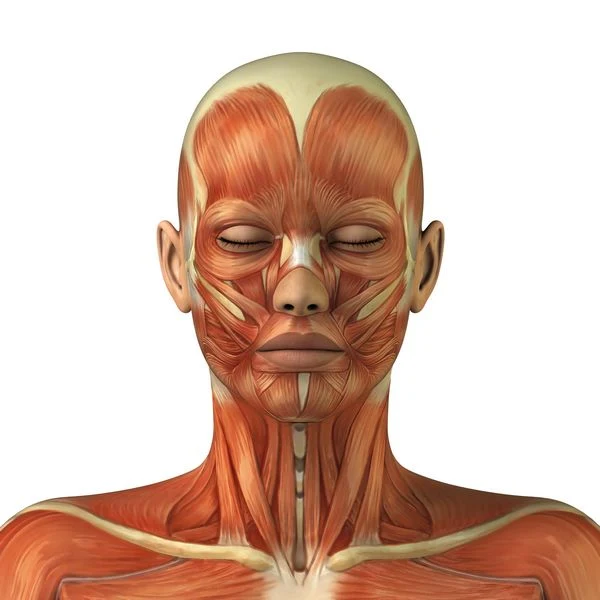
<p><span style="color: rgb(238, 0, 255);"><strong>Location</strong></span>: Part of the forehead.</p>

Location: Part of the forehead.

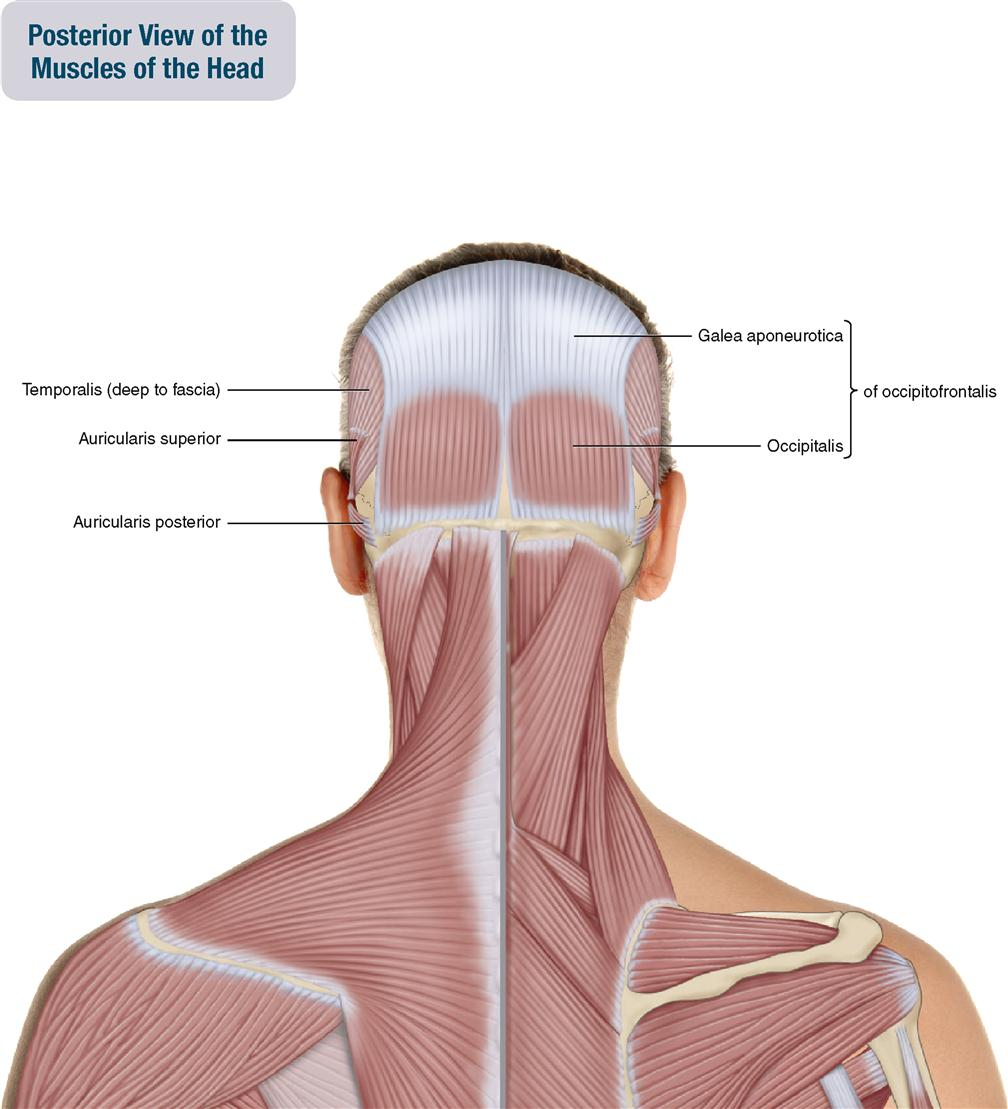
Frontalis (Frontal Belly of Occipitofrontalis)

<p><span style="color: rgb(245, 0, 255);"><strong>Frontalis</strong></span> (Frontal Belly of Occipitofrontalis)</p>
2
New cards
<p><span style="color: rgb(179, 0, 255);"><strong>Location</strong></span><span style="color: rgb(238, 0, 255);"><strong>/</strong></span><span style="color: rgb(255, 0, 168);"><strong>muscle attatchment</strong></span>: A thin fan-shaped muscle located <em>above</em> the <em>external ear</em></p>

Location/muscle attatchment: A thin fan-shaped muscle located above the external ear

Auricularis superior

<p><span style="color: rgb(255, 0, 205);"><strong>Auricularis</strong></span> <span style="color: rgb(178, 0, 255);"><strong>superior</strong></span></p>
3
New cards
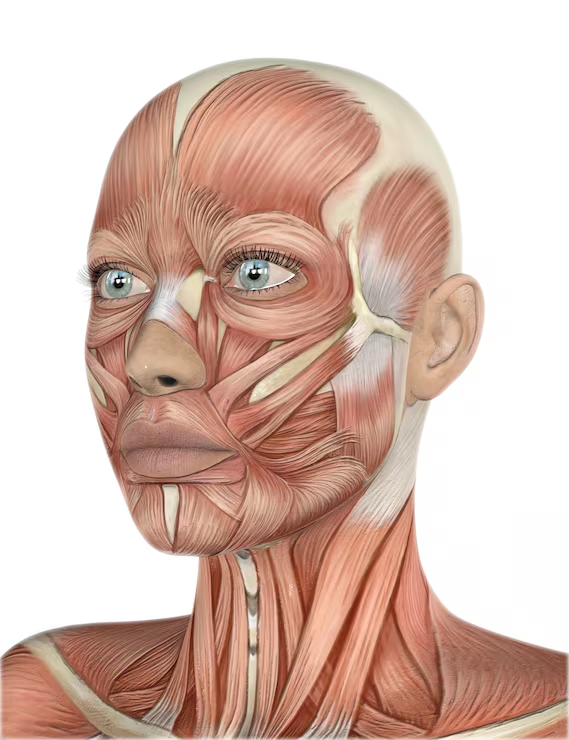
<p><span style="color: rgb(6, 255, 0);"><strong>Shape</strong></span> and <span style="color: rgb(223, 0, 255);"><strong>Location</strong></span><strong>: A thin, circular, disk-shaped muscle surrounding the eye.</strong></p>

Shape and Location: A thin, circular, disk-shaped muscle surrounding the eye.

Orbicularis oculi

<p><span style="color: rgb(58, 255, 0);"><strong>Orbicularis</strong></span> <span style="color: rgb(215, 0, 255);"><strong>oculi</strong></span></p>
4
New cards
<p><span style="color: rgb(212, 7, 250);">Location</span> and <span style="color: rgb(44, 255, 0);">Size</span>:<strong> A <em>little</em> thin strip of muscle derived from its “<em>cheek bone</em>”.</strong></p>

Location and Size: A little thin strip of muscle derived from its “cheek bone”.

Zygomaticus minor
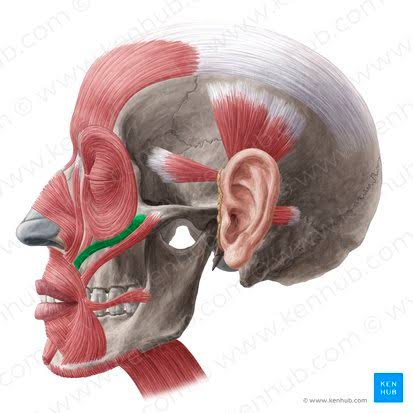
<p><span style="color: rgb(208, 0, 255);"><strong>Zygomaticus</strong></span> <span style="color: rgb(44, 255, 0);"><strong>minor</strong></span></p>
5
New cards
<p><span style="color: rgb(230, 1, 255);"><strong>Location</strong></span> and <span style="color: rgb(29, 255, 0);"><strong>Size</strong></span>: A <strong>large,</strong> thin strip of muscle derived from its <strong>“cheek bone”.</strong></p>

Location and Size: A large, thin strip of muscle derived from its “cheek bone”.

Zygomaticus Major

<p><span style="color: rgb(238, 0, 255);"><strong>Zygomaticus</strong></span> <span style="color: rgb(0, 255, 31);"><strong>Major</strong></span></p>
6
New cards
<p><span style="color: rgb(18, 255, 0);"><strong>Shape</strong></span> and <span style="color: rgb(228, 0, 255);"><strong>Location</strong></span>: a circular, disk-shaped muscle found around the mouth.</p>

Shape and Location: a circular, disk-shaped muscle found around the mouth.

Orbicularis oris

<p><span style="color: rgb(2, 255, 0);"><strong>Orbicularis</strong></span> <span style="color: rgb(245, 0, 255);"><strong>oris </strong></span></p>
7
New cards
<p><span style="color: rgb(0, 255, 234);"><strong>Action</strong></span> and <span style="color: rgb(219, 0, 255);"><strong>Location</strong></span>: The muscle lowers a body part; Found at the lower corners of the mouth. </p>

Action and Location: The muscle lowers a body part; Found at the lower corners of the mouth.

Depressor anguli oris
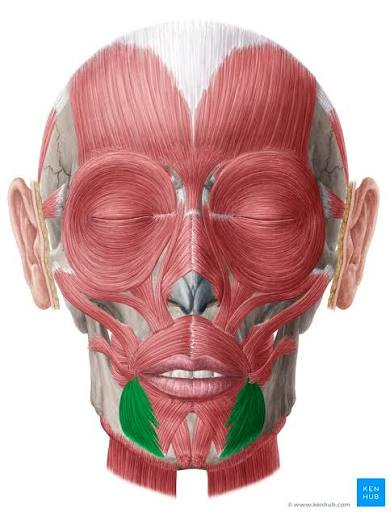
<p><span style="color: rgb(0, 234, 255);"><strong>Depressor</strong></span> <span style="color: rgb(211, 0, 255);"><strong>anguli oris </strong></span></p>
8
New cards

Action and Location: A muscle that wrinkles the eyebrow

Corrugator supercilii
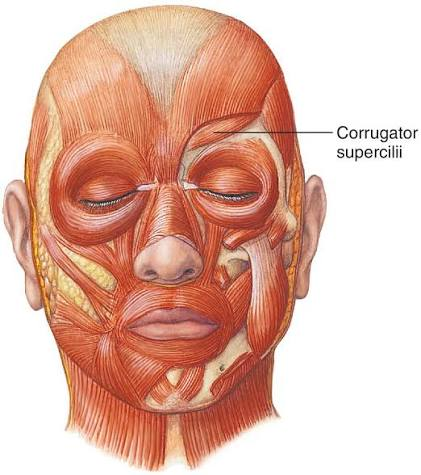
<p><span style="color: rgb(0, 255, 242);"><strong>Corrugator</strong></span> <span style="color: rgb(253, 0, 255);"><strong>supercilii</strong></span></p>
9
New cards
<p><span style="color: rgb(255, 0, 249);"><strong>Location</strong></span>: a LARGE fan-shaped muscle located by the sides of our skull.</p>

Location: a LARGE fan-shaped muscle located by the sides of our skull.

Temporalis

<p><span style="color: rgb(255, 0, 249);"><strong>Temporalis</strong></span></p>
10
New cards
<p><span style="color: rgb(253, 0, 255);"><strong>Location</strong></span>: “cheek muscles” that aid in compressing the cheek to blow air.</p>

Location: “cheek muscles” that aid in compressing the cheek to blow air.

Buccinator

<p><span style="color: rgb(228, 0, 255);"><strong>Buccinator</strong></span></p>
11
New cards
<p><span style="color: rgb(0, 255, 242);"><strong>Action</strong></span>: A Greek word that means - “chewer,” muscle</p>

Action: A Greek word that means - “chewer,” muscle

Masseter
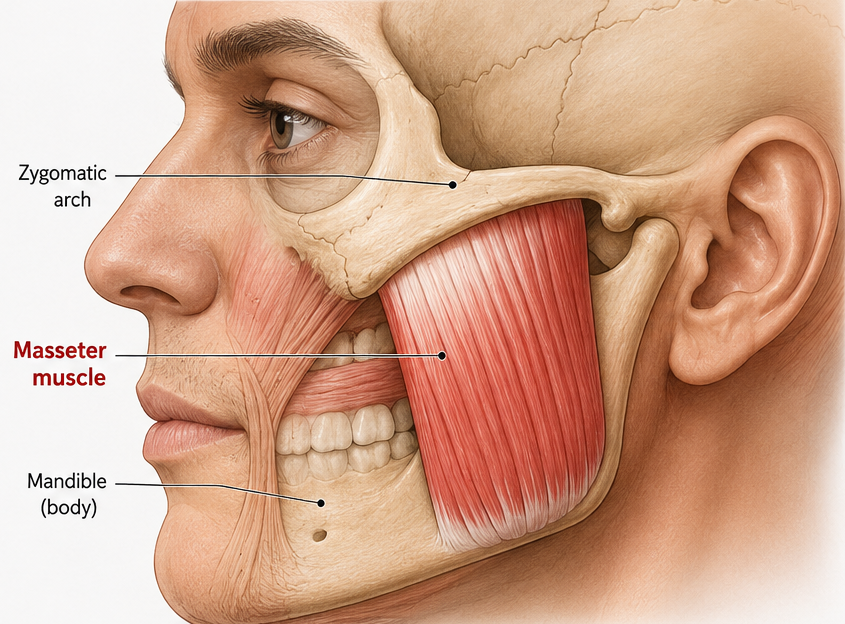
<p><span style="color: rgb(0, 226, 255);"><strong>Masseter</strong></span></p>
12
New cards
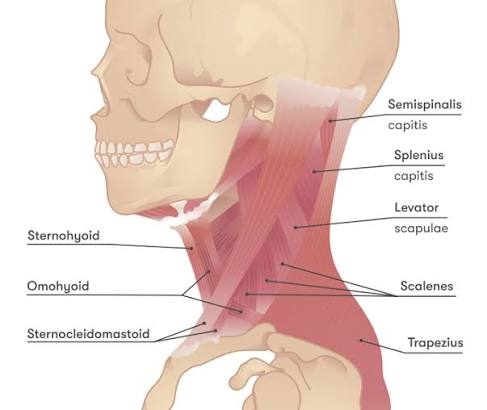
<p><span style="color: rgb(255, 0, 30);"><strong>Muscle Origin(s</strong></span>): Long strips of muscles that attach to the sternum (breastbone), and is inserted to an axial bone that does not attach itself to the skull.</p>

Muscle Origin(s): Long strips of muscles that attach to the sternum (breastbone), and is inserted to an axial bone that does not attach itself to the skull.

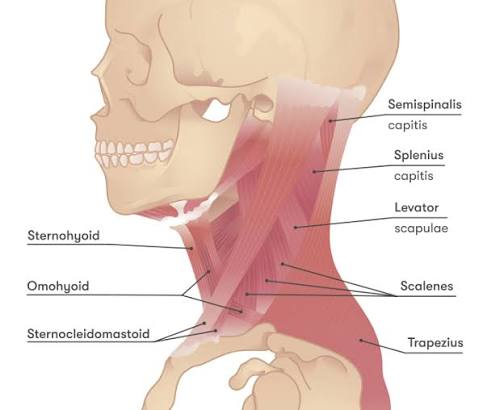
Sternohyoid
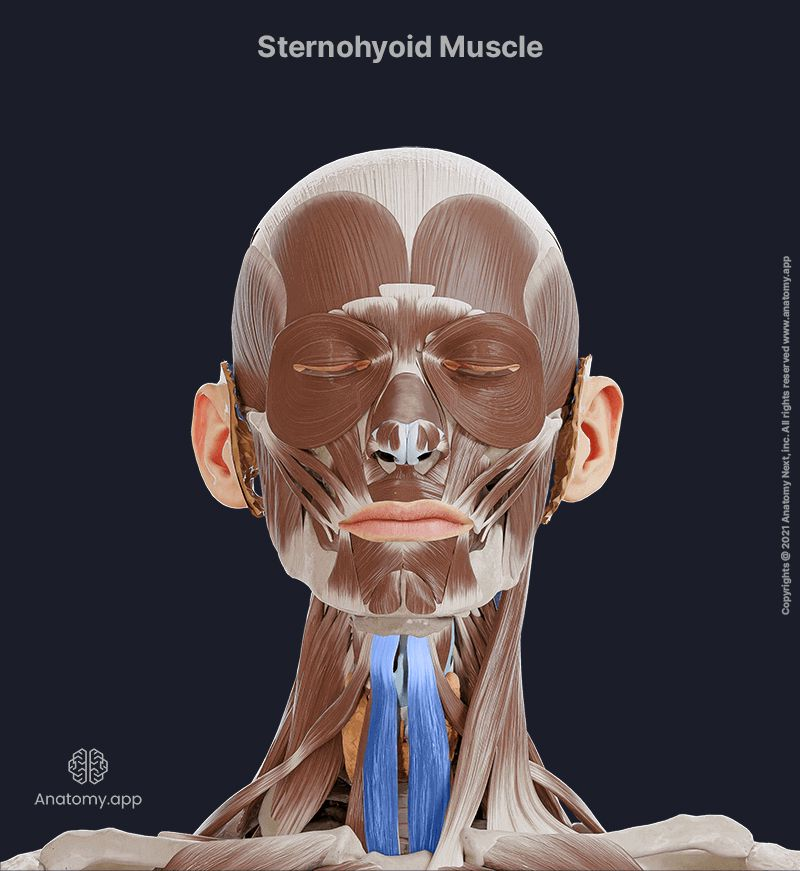
<p><span style="color: rgb(255, 0, 22);"><strong>Sternohyoid</strong></span></p>
13
New cards
<p><span style="color: rgb(255, 0, 72);"><strong>Muscle Origin(s)</strong></span>: Long strips of muscles that attach to the shoulders (scapula), and inserts to the one axial bone that do not attach itself to the skull.</p>

Muscle Origin(s): Long strips of muscles that attach to the shoulders (scapula), and inserts to the one axial bone that do not attach itself to the skull.

Omohyoid

<p><span style="color: rgb(255, 0, 0);"><strong>Omohyoid</strong></span> </p>
14
New cards
<p><span style="color: rgb(236, 0, 255);"><strong>Location</strong></span> and <span style="color: rgb(18, 255, 0);"><strong>Shape</strong></span>: A Greek word that means uneven, triangular muscles, which are the front-most muscle group.</p>

Location and Shape: A Greek word that means uneven, triangular muscles, which are the front-most muscle group.

Anterior scalene
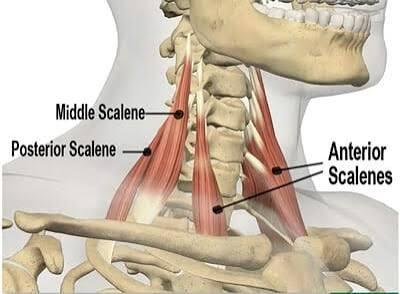
<p><span style="color: rgb(255, 0, 249);"><strong>Anterior</strong></span> <span style="color: rgb(0, 255, 49);"><strong>scalene</strong></span></p>
15
New cards
<p><span style="color: rgb(236, 0, 255);"><strong>Location</strong></span> and <span style="color: rgb(18, 255, 0);"><strong>Shape</strong></span>: A Greek word that means uneven, triangular muscles, which this group of muscles are wedged between two other muscle groups</p>

Location and Shape: A Greek word that means uneven, triangular muscles, which this group of muscles are wedged between two other muscle groups

Middle Scalene

<p><span style="color: rgb(203, 0, 255);"><strong>Middle</strong></span> <span style="color: rgb(0, 255, 40);"><strong>Scalene</strong></span></p>
16
New cards
<p><span style="color: rgb(236, 0, 255);"><strong>Location</strong></span> and <span style="color: rgb(18, 255, 0);"><strong>Shape</strong></span>: A Greek word that means uneven, triangular muscles, which are the back-most muscle group</p>

Location and Shape: A Greek word that means uneven, triangular muscles, which are the back-most muscle group

Posterior scalene

<p><span style="color: rgb(219, 0, 255);"><strong>Posterior</strong></span><strong> </strong><span style="color: rgb(0, 255, 82);"><strong>scalene</strong></span><strong> </strong></p>
17
New cards
<p>Action and Location: A Latin word that means to lift up , muscle is located to the shoulder blade bone. </p>

Action and Location: A Latin word that means to lift up , muscle is located to the shoulder blade bone.

Levator scapulae
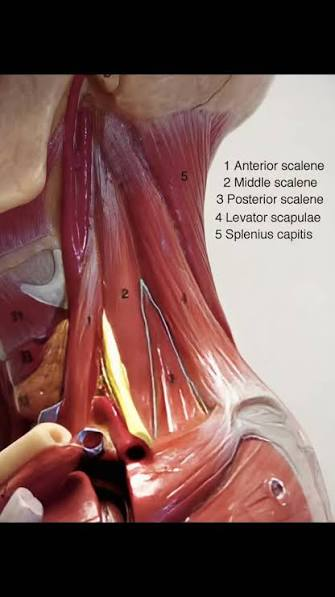
<p>Levator scapulae</p>
18
New cards
<p>Shape and Location: A greek word that means “bandage” strip shape, located on the insertion point on the skull (the mastoid process of the temporal and occipital bone) </p>

Shape and Location: A greek word that means “bandage” strip shape, located on the insertion point on the skull (the mastoid process of the temporal and occipital bone)

Splenius capitis (Think of a strip of muscle connecting from the medial border of the back to where a cap (hat) would end behind the head.)
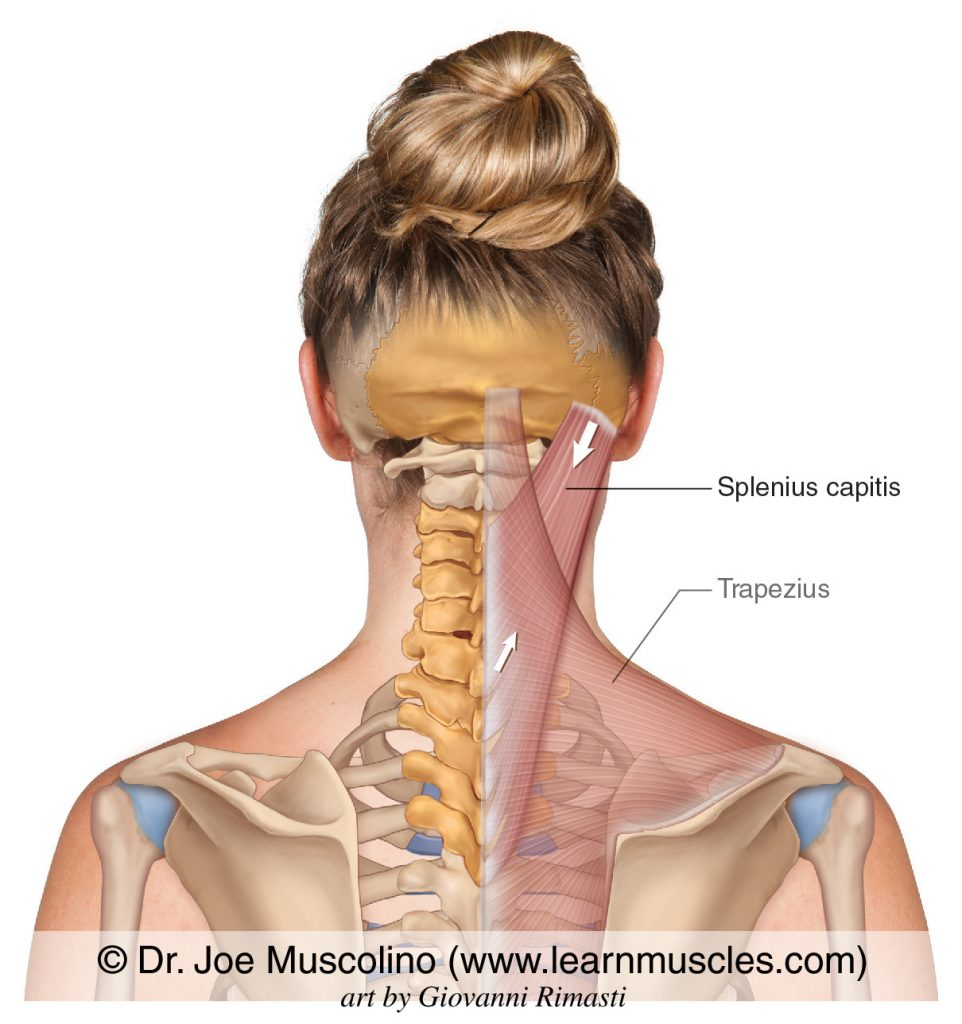
<p>Splenius capitis (Think of a strip of muscle connecting from the medial border of the back to where a cap (hat) would end behind the head.)</p>
19
New cards
<p>Location of (Origins/Insertions/muscle attachments): Muscle that attaches to the breast bone, clavicle and goes to the bony bump behind the ear </p>

Location of (Origins/Insertions/muscle attachments): Muscle that attaches to the breast bone, clavicle and goes to the bony bump behind the ear

sternocleidomastoid
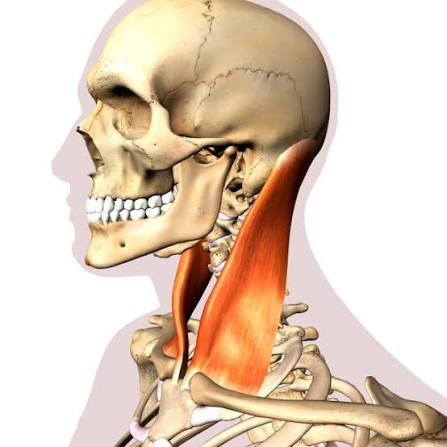
<p>sternocleidomastoid</p>
20
New cards
<p>Shape: a left and right back muscle that has 4 sides each. </p>

Shape: a left and right back muscle that has 4 sides each.

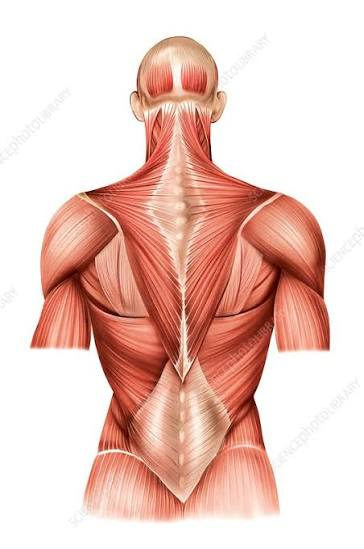
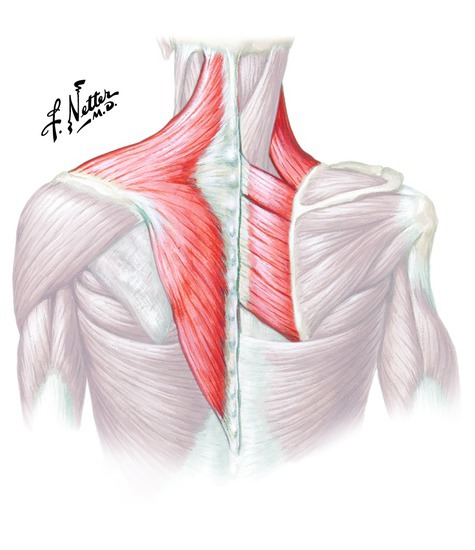
Trapazius
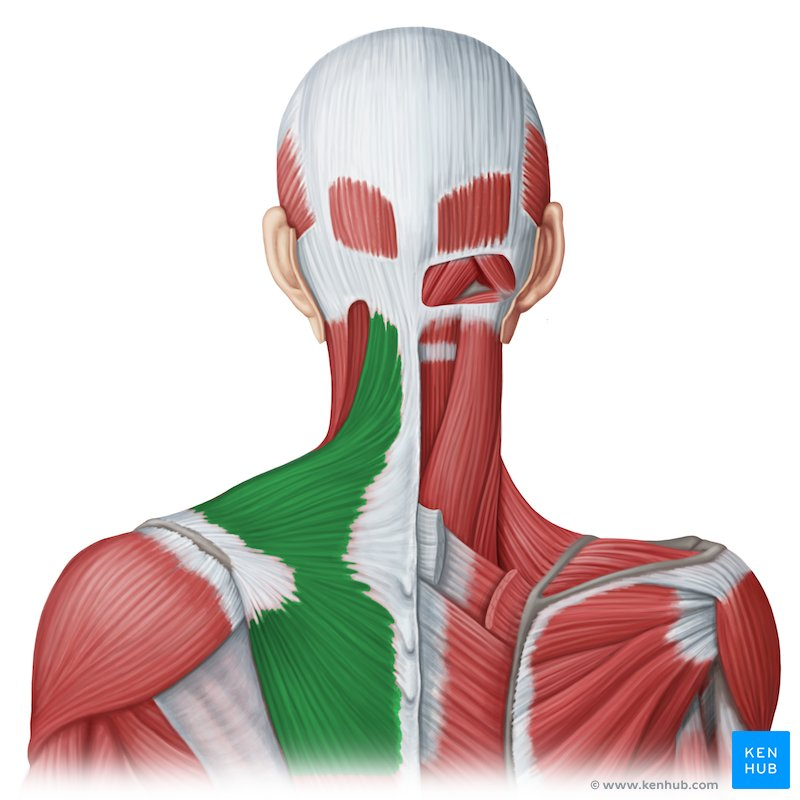
<p>Trapazius </p>
21
New cards
<p>Shape and Size: A muscle that forms a diamond shape that is smaller of its muscle group.</p>

Shape and Size: A muscle that forms a diamond shape that is smaller of its muscle group.

Rhomboid minor
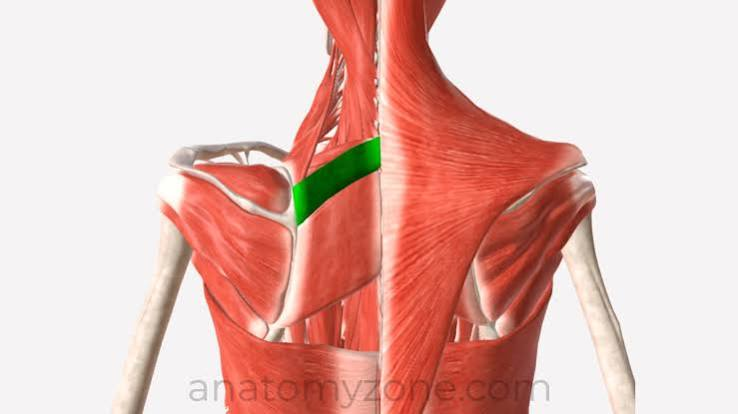
<p>Rhomboid minor </p>
22
New cards
<p>Shape and size: A muscle that forms a diamond shape that is larger of its muscle group </p>

Shape and size: A muscle that forms a diamond shape that is larger of its muscle group

Rhomboid major
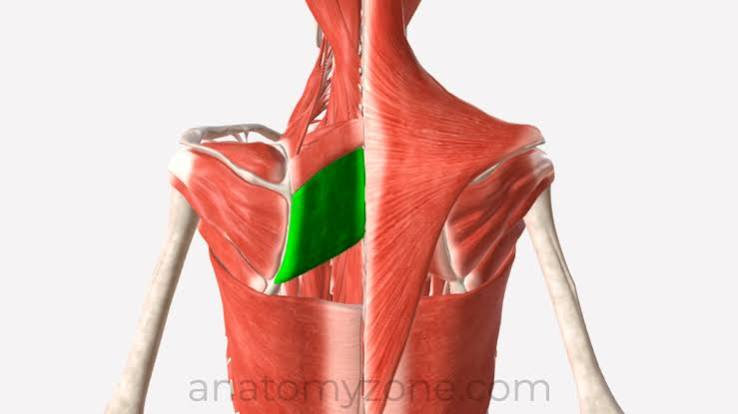
<p>Rhomboid major </p>
23
New cards
<p>Location (Muscle Attachment): muscle that attaches from the uppermost and largest part of the pelvis) Inferior point of origin, to its insertion points vertically across the ribs</p>

Location (Muscle Attachment): muscle that attaches from the uppermost and largest part of the pelvis) Inferior point of origin, to its insertion points vertically across the ribs

Iliocostalis.
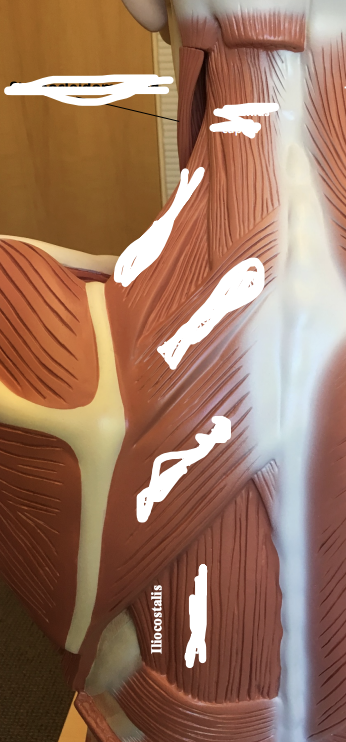
<p>Iliocostalis. </p>
24
New cards
<p>Size: named after its size in length, one of the longest muscles of the back. </p>

Size: named after its size in length, one of the longest muscles of the back.

Longissimus
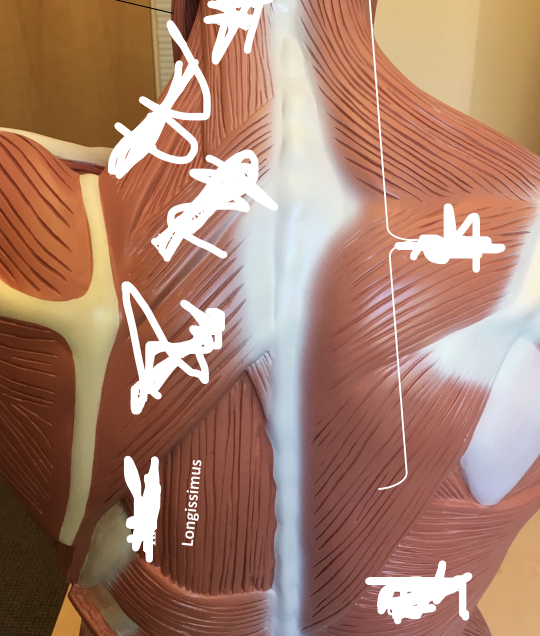
<p>Longissimus </p>
25
New cards
<p>Size and Location: first word means broadest or widest muscle, located to the back.</p>

Size and Location: first word means broadest or widest muscle, located to the back.

Latissimus dorsi
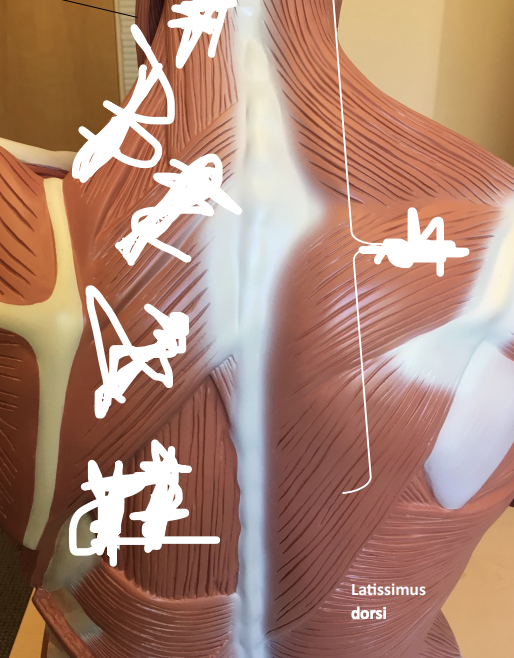
<p>Latissimus dorsi</p>
26
New cards

Teres minor

27
New cards

Teres major

28
New cards

Supraspinatus

29
New cards

Infraspinatus

30
New cards

Deltoid

31
New cards

Pectoralis major

32
New cards

Pectoralis minor

33
New cards

Serratus anterior

34
New cards

External intercostals

35
New cards

Internal intercostals

36
New cards

Diaphragm

37
New cards

Transversus abdominis

38
New cards

Rectus abdominis

39
New cards

Internal oblique

40
New cards

External oblique