Unit 3.1 Eukaryotic Pathogens
 Call Kai
 Learn
Learn Practice Test
 Spaced Repetition
 Match
Match Flashcards
 Knowt Play
1/44

There's no tags or description
Looks like no tags are added yet.
Name | Mastery | Learn | Test | Matching | Spaced | Call with Kai |
|---|
No analytics yet
Send a link to your students to track their progress
45 Terms
What are the four eukaryotic pathogens?
Fungi
Algae
Protozoa (single celled organisms)
Helminths (worms)
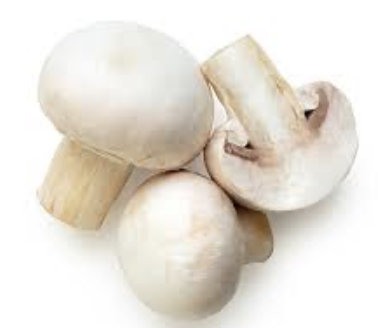
What are fungi’s defining characteristics?
Cell walls contain chitin
Cell membrane contains ergosterol
What are the two basic forms fungi can come in?
Yeasts: exists as single cells
Molds: exists as long threadlike structures called hyphae
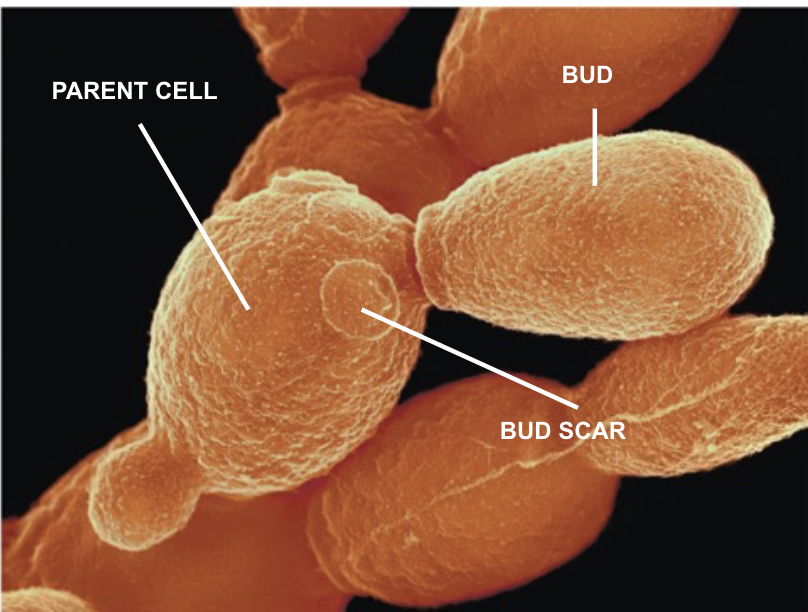
How do yeasts produce asexually?
Yeasts produce asexually through budding
What is a tangled mass of hyphae called? (molds)
A tangled mass of hyphae is called mycelium
How do molds reproduce?
Molds reproduce through:
Fragmentation: a piece of hypha breaks off, growing into a new fungus
Spore production: hyphae produces spores that can grow into a new fungus
What are fungal infections called?
Fungal infections are called: Mycoses
What is Systemic Mycoses and an example of this?
Systemic Mycoses: deep within body
example: Cryptococcosis
What is Subcutaneous mycoses?
Subcutaneous Mycoses: beneath the skin
What is Cutaneous Mycoses and an example of this
Cutaneous Mycoses: caused by fungi called dermatophytes
example: Tinea pedis; athelete’s foot
What is Superficial Mycoses?
Superficial Mycoses: on hair and skin
What is Opportunistic Mycoses and an example of this?
Opportunistic Mycoses: caused by Candida in the mouth
example: Candida albicans - Thrush
What does Ergot toxin cause?
Egort toxin causes ergotism which are seizures, hallucination, and restricted blood flow
What does Aflatoxin cause?
Aflatoxin is associated with the development of liver cancer
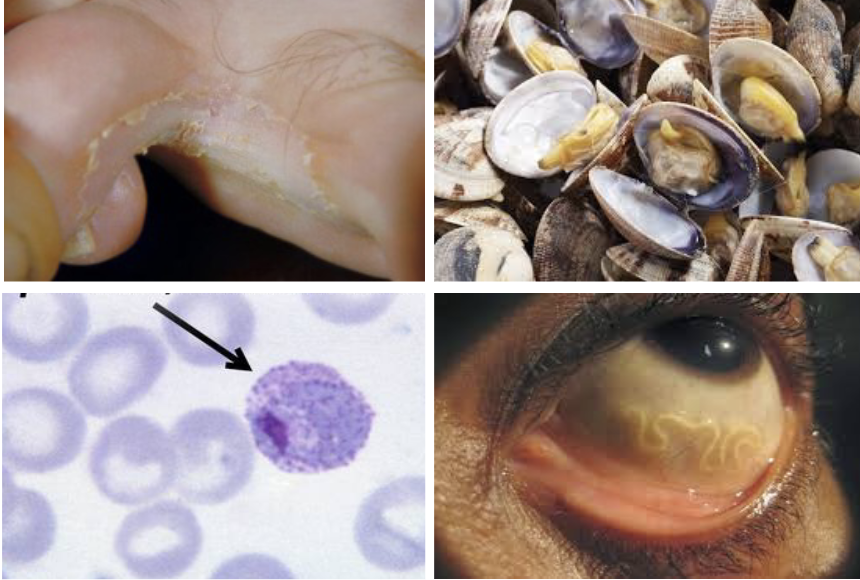
What is algae’s key characteristic?
Algae does not cause infections but it causes intoxications
What is the toxin name of Diatoms?
Diatoms toxin name: Domoic acid
What disease do Diatoms cause?
Diatom disease: Amnesiac shellfish poisoning
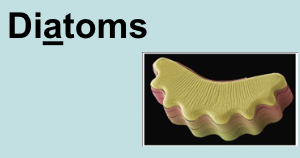
What is Dinoflagellates toxin name?
Dinoflagellates toxin name: Saxitoxins
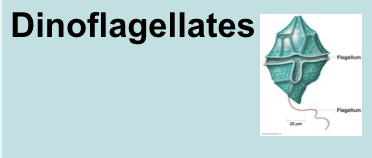
What disease do Dinoflagellates cause?
Dinoflagellates disease: Paralytic Shellfish poisoning
What is protozoa’s main characteristics?
No cell wall
May form cysts
What is an example of a one host life cycle?
One host life cycle: Entamoeba histolytica
What is the definitive host?
The definitive host is the organism that hosts the sexual reproductive stage of a parasite
What is the intermediate host?
The intermediate host is the organism that hosts the asexual reproductive stage of a parasite
What is an example of the intermediate host?
Intermediate host examples: Plasmodium vivax, toxoplasma gondii
What is Amoebic dysentry?
Amoebic dystentry is a disease caused by entamoeba histolytica
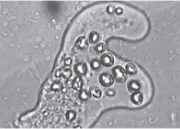
What does dysentery mean?
Dysentery: nausea, vomiting, fever
Describe Malaria’s / plasmodium’s life cycle
Infected mosquito bites human, infecting them with plasmodium
Plasmodium infects human liver cells and reproduce asexually
Infected human is bitten by another mosquito, picking up Plasmodium
What is Toxoplasmosis’ definitive host?
Cat

How is Toxoplasmosis spread?
Cysts are shed in cat feces and picked up by intermediate hosts such as humans
How do Parasitic/Pathogenic Helminths reproduce?
Monoecious: male and female reproductive systems in one animal
Dioecious: male and female reproductive systems on separate animals
Describe the life cycle of a helminth
Intermediate host for larva and definitive host for adult helminth
Platyhelminthes vs. Nematodes
Platyhelminthes = flat worms
Nematodes = round worms
What are flukes?
Flukes are non segmented worms with an oral sucker
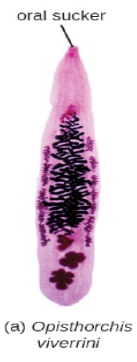
What disease does Fluke Schistosoma cause, its definitive host, and intermediate host?
Causes Schistosomiasis
Definitive host: human
Intermediate host: snail
What is the life cycle of Schistosoma?
Eggs are passed out from infected human’s feces or urine
Eggs hatch and infect snails
Snails infect skin of human bathers
Snails enter blood vessels and mature into adults
Describe Tapeworms’ body structure
Head/scolex: contains suckers and hooks to attach to definitive host
Segments:
contains male and female reproductive organs
segment near the end contains a sac of fertilized eggs
Describe Tapeworm’s intermediate host life cycle
Intermediate host: consumes eggs which hatch into larvae and burrow into tissues to form cysticerci (causing cysticercosis)
Describe Tapeworm’s definitive host life cycle
Definitive host: consumes cysticerci and develops into adult tapeworms
What is Taeniasis?
Taeniasis: abdominal pain, weight loss, fatigue
Describe Amoebic Dystentry’s disease process
Cysts enter the body and become amoebas in the large intestine
Amoebas multiply in the large intestine, forming new cysts
Severe untreated infections can lead to death
How does Taenia solium occur?
Taenia solium occurs when humans ingests undercooked larvae infested meat (cysticerci)
Describe the life cycle of Taenia Solium when humans are definitive hosts
Pork Tapeworm - Human Definitive Host
Adult tapeworm grows in human intestine
Eggs from adult tapeworm are passed out in feces
Pigs eat grass with feces
Eggs hatch, forming cysticerci in the pigs
Humans eat the undercooked meat, infecting the human
Describe the life cycle of Taenia Solium when humans are intermediate hosts
Pork Tapeworm - Human Intermediate Host
Adult tapeworm grows in human intestine
Eggs from adult tapeworm are passed out in feces
Another human consumes the eggs
Eggs hatch and burrow into organs and brain of the human, forming cysts
Describe the life cycle of Enterobius vermicularis (Roundworm)
Enterobius vermicularis life cycle
Adult female lays eggs in the anus
Eggs are passed out in feces or fingernails (due to itching)
Human consumes eggs
Larvae hatch in small intestine
Adult male and female mate
Adult female migrates to anus, repeating the cycle
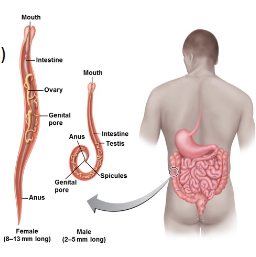
What are the symptoms of Enterobius vermicularis?
Symptoms: Itchy anus & abdominal discomfort