Biology 2 Lab - Midterm Study
 Call Kai
 Learn
Learn Practice Test
 Spaced Repetition
 Match
Match Flashcards
 Knowt Play
1/212

There's no tags or description
Looks like no tags are added yet.
Name | Mastery | Learn | Test | Matching | Spaced | Call with Kai | Chat |
|---|
No analytics yet
Send a link to your students to track their progress
213 Terms
Conjugation
The process where two bacteria connect via a pilus (a hollow tube) to transfer genetic material (DNA) directly from one cell to another.
Binary Fission
A form of asexual reproduction in which a single bacterial cell divides into two genetically identical daughter cells.
Autotrophic
An organism that can produce its own food from simple inorganic substances, using light (photoautotroph) or chemical reactions (chemoautotroph).
Heterotrophic
An organism that cannot make its own food and must consume organic carbon from other organisms.
Decomposer
An organism, like many bacteria and fungi, that breaks down dead organic matter and waste products, recycling nutrients back into the ecosystem.
Pathogenic
Describes an organism (e.g., a bacterium) that is capable of causing disease in a host.
Nodules
Small, round structures on the roots of certain plants (like legumes) that house nitrogen-fixing bacteria.
Nitrogen Fixation
The process performed by certain bacteria where they convert atmospheric nitrogen gas (N₂) into a usable form, ammonia (NH₃), that plants can absorb.
Heterocyst
A specialized, thick-walled cell found in some filamentous cyanobacteria that is the site of nitrogen fixation.
Sheath
A protective, gelatinous or mucilaginous outer coating that surrounds a chain or colony of bacterial cells, holding them together.
Plasma Membrane
The thin, flexible barrier that surrounds the cytoplasm of a cell, controlling the movement of substances in and out of the cell.
Flagella (singular: Flagellum)
Long, whip-like appendages used by cells for movement and locomotion.
Pili
Short, hair-like protein structures on the surface of many bacteria. They are primarily used for attachment to surfaces and for conjugation.
Taxonomy
The science of classifying organisms.
Binomial Nomenclature
Two-part naming system (Genus species)
Hierarchical Classification
Domain → Kingdom → Phylum → Class → Order → Family → Genus → species.
Taxonomy mnemonic
"Dear King Philip Came Over For Good Soup”
Phylogeny
Evolutionary history of a species.
Dichotomous Key
A tool for identification using a series of choices.
Bacteria shapes
Bacillus, Coccus, Spirillum
Bacillus
(rod)
Coccus
(sphere)
Spirillum
(spiral)
How does bacteria reproduce?
Binary Fission (asexual)
Prokaryotes
Simple cells that do not have a nucleus or other inner compartments (organelles
Gram-Negative
(thin peptidoglycan + outer membrane, pink)
Gram-Positive
(thick peptidoglycan, purple)
Why do Gram-positive bacteria stay purple?
They have a thick wall that keeps the purple dye.
Why do Gram-negative bacteria turn pink?
They have a thin wall that loses the purple dye and takes the pink stain.
What does the Gram stain test do?
It shows if bacteria are Gram-positive or Gram-negative.
FILL: Conjugation is the direct transfer of ___ from one cell to another through a _____ (a bridge-like tube).
DNA, pilus
What is transformation in bacteria?
When a cell takes in DNA from its surroundings or the environment.
What is transduction in bacteria?
When a virus moves DNA from one bacterial cell to another. fx virus
What is the role of bacteria in decomposition?
They break down dead plants and animals, returning nutrients to the soil.
What is the role of cyanobacteria?
They make oxygen through photosynthesis.
What is symbiosis?
When bacteria live closely with other organisms and both benefit.
How can bacteria cause disease?
Some bacteria harm the body by making toxins or infecting tissues.
________ bacteria in root nodules helps with nitrogen fixation.
Rhizobium
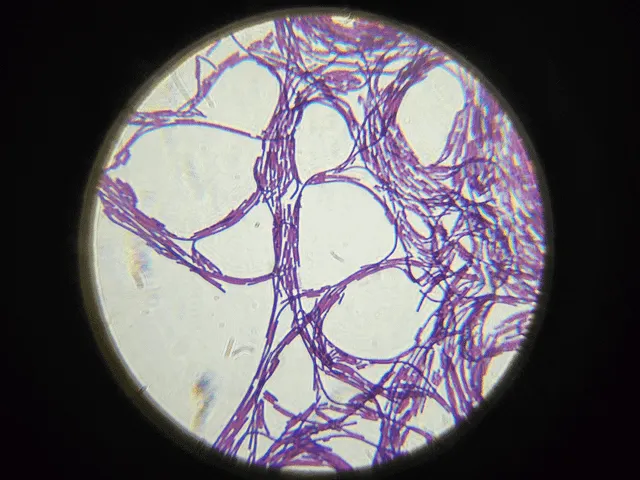
(1) What shape is this bacteria?
(1) Bacillus
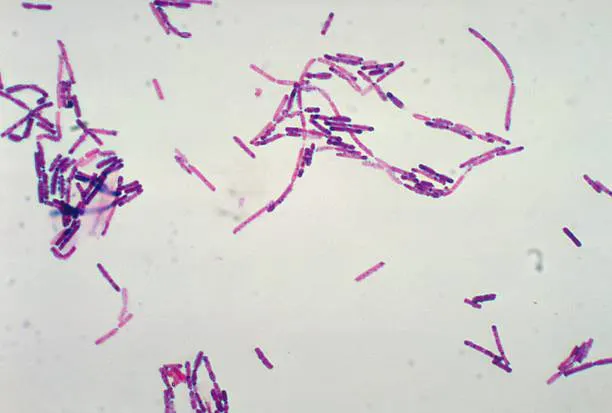
(2) What shape is this bacteria?
(2) Bacillus
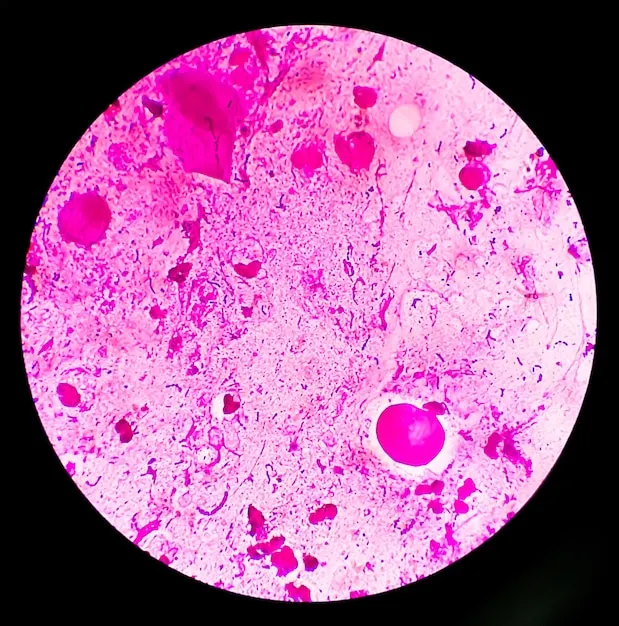
(3) What shape is this bacteria?
(3) Cocci
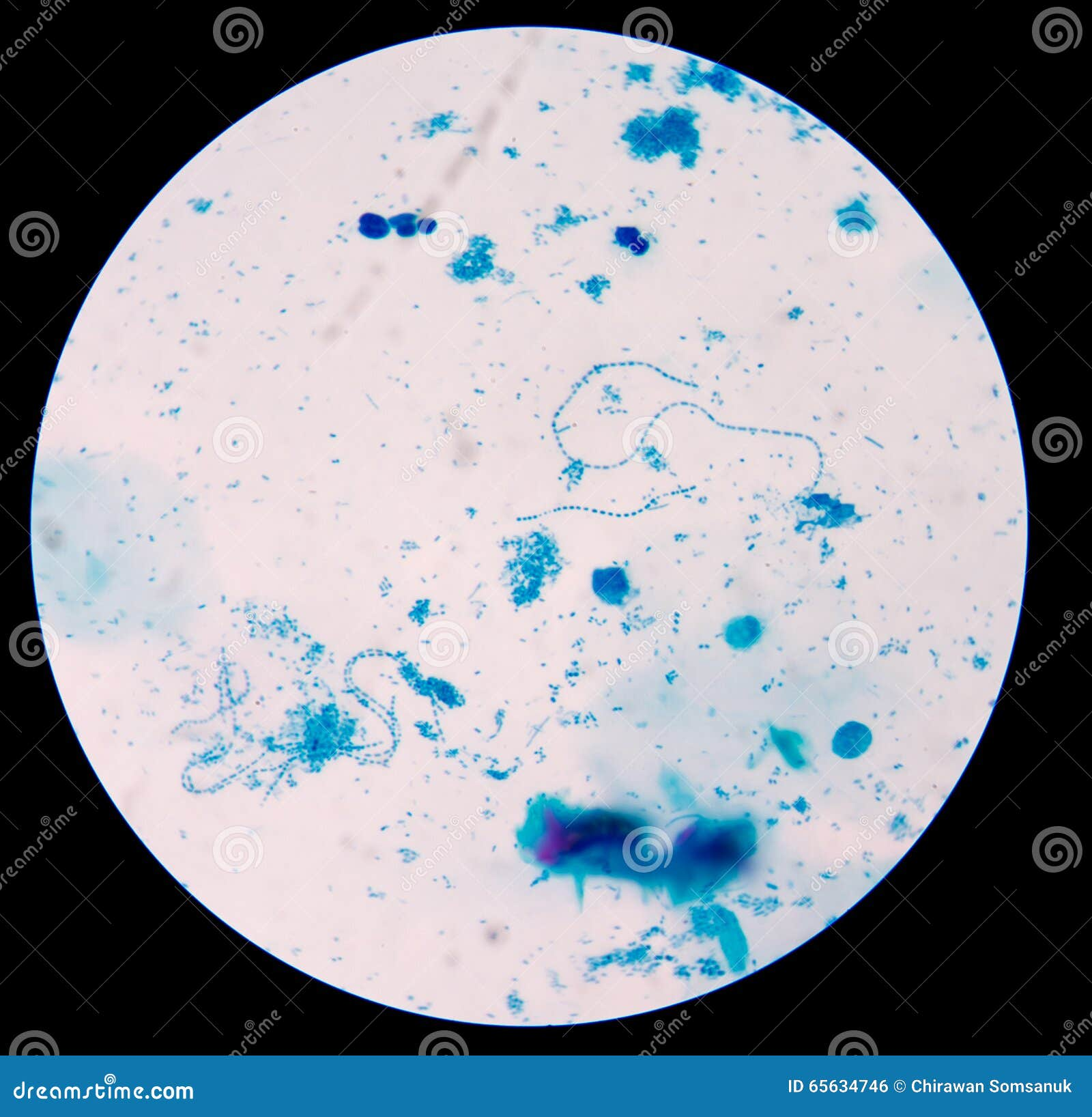
(4) What shape is this bacteria?
(4) Cocci
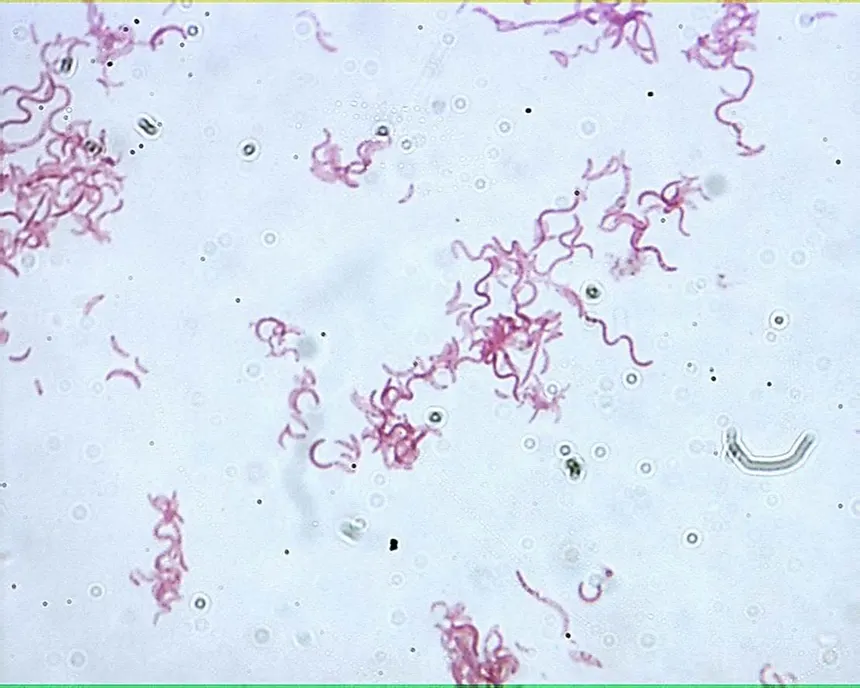
(5) What shape is this bacteria?
(5) Spirillum
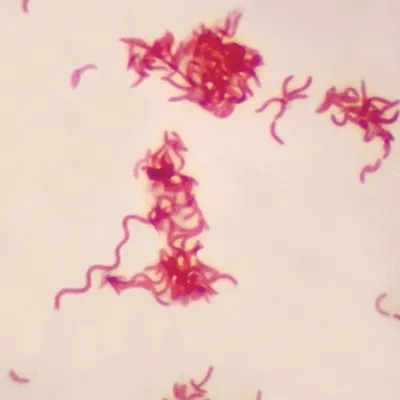
(6) What shape is this bacteria?
(6) Spirillum
(LPS)
Lipopolysaccharides
FILL: Lipopolysaccharides are only found in gram-________ (in the ______ membrane)
Negative, outer
FILL: Peptidoglycan is found in ____ Gram-positive and Gram-negative bacteria.
both
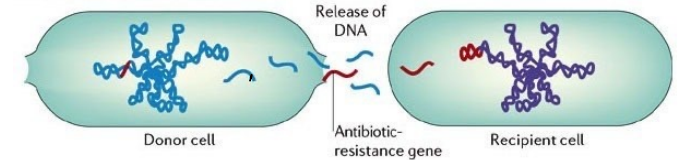
What type of bacterial transfer is shown in the image?
Transformation
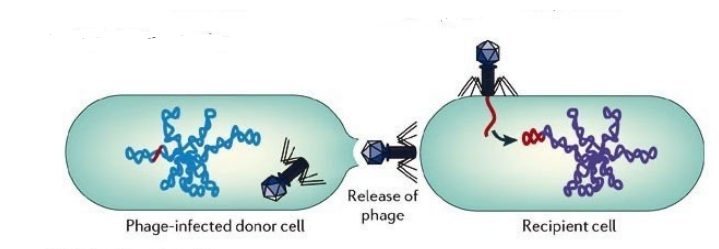
What type of bacterial transfer is show in the image?
Transduction
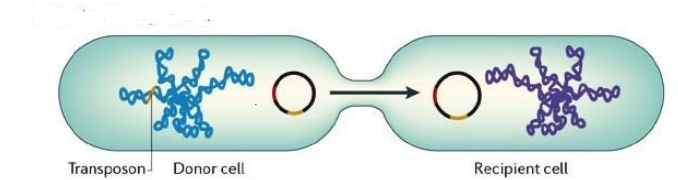
What type of bacterial transfer is shown in the image?
Conjugation
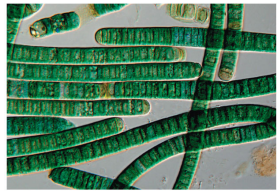
What phylum is this?
Cyanobacteria (oscilliatoria)
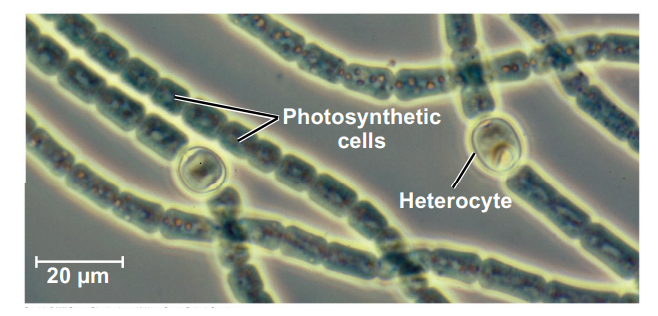
What does this image show?
Metabolic cooperation between bacteria cells
What are the three domains of life?
Bacteria, Archaea, Eukarya
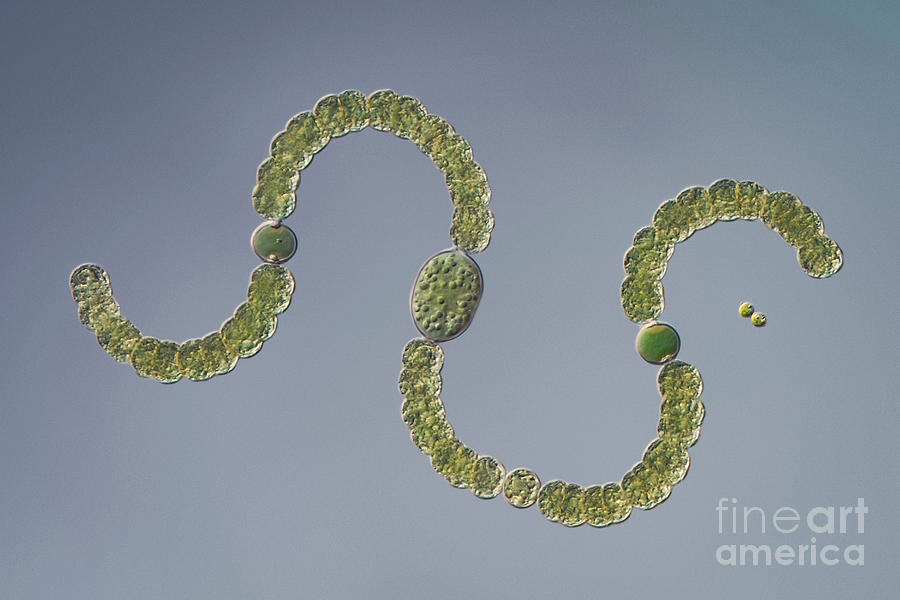
The specimen above is an example of:
A. A fungus
B. A lichen
C. Bacteria cells
D. A plant
C. Bacteria cell
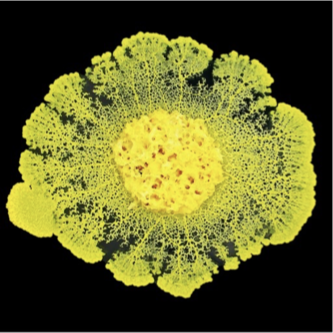
The specimen above is from the phylum:
A. Amoebozoa
B. Bacilliarophyta
C. Phaeophyta
D. Rhizopoda
A. Amoebozoa
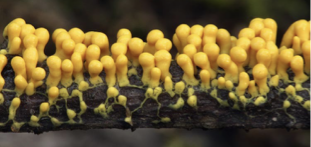
The structures above directly produce:
A. Zygotes
B.Gametangia
C. Gametes
D. Spores
D. Spores
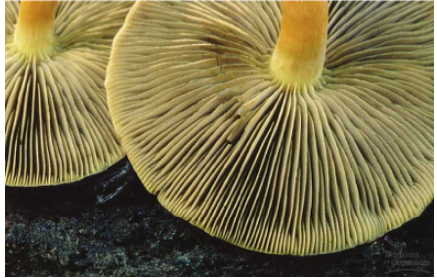
The structures on the surface of the gills pictured above are called:
A. Basidia
B. Asci
C. Archegonia
D. Gemmae
A. Basidia
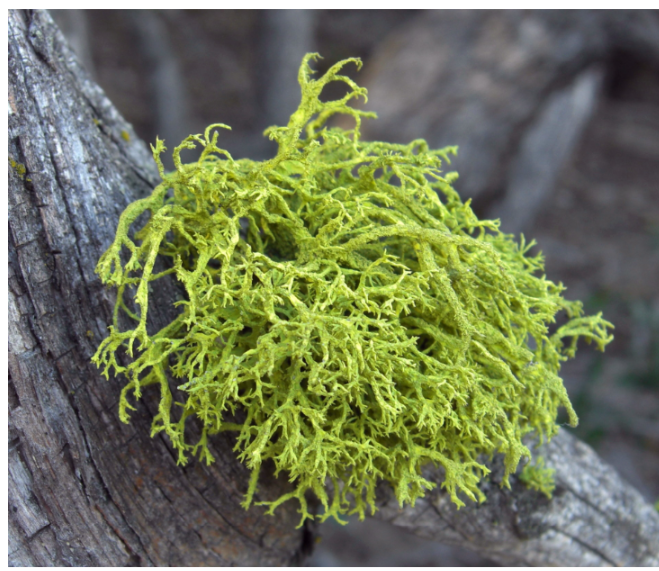
The lichen above is a form called:
A. Crustose
B. Gametangiose
C. Foliose
D. Fruticose
D. Fruticose
Pine trees are:
A. Seeded vascular plants
B. Flowering plants
C. Non-seeded vascular plants
D. Non-vascular plants
A. Seeded vascular plants
Apples are an example of a:
A. Drupe
B. Pome
C. Legume
D. Silique
B. Pome
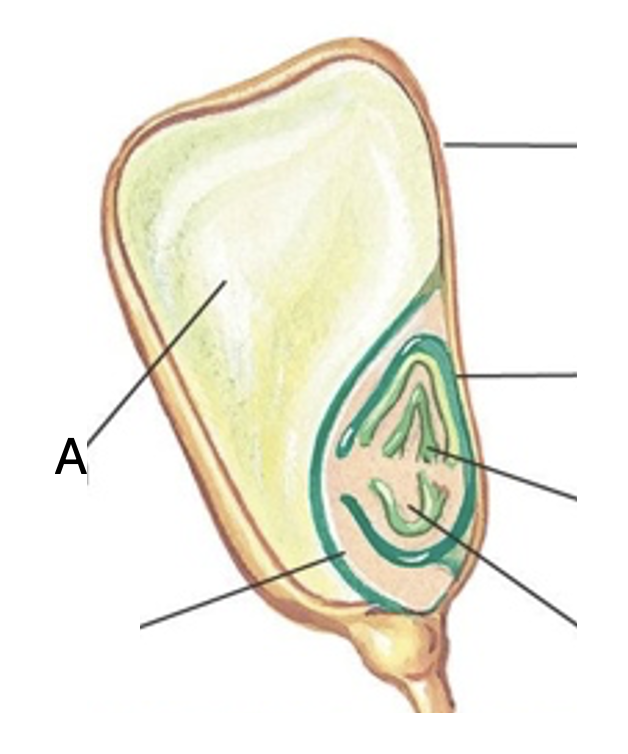
The structure labeled "A" is the:
A. Coleoptile
B. Cotyledon
C. Endosperm
D. Embryo
C. Endosperm
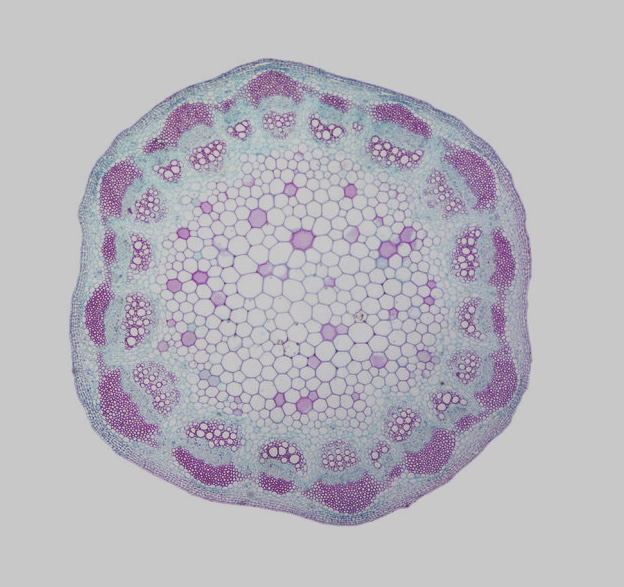
The picture above is from the stem of a:
A. Monocot
B. Eudicot (i.e. dicot)
C. Both a dicot and a monocot
D. Neither a dicot or a monocot
B. Eudicot (i.e. dicot)
In the hierarchical classification of organisms, the taxon between order and genus is
A. Family
B. Species
C.Phylum
D. Domain
A Family
Plants benefit from Rhizobium nodules because the bacteria undergo:
A. Nitrogen fixation
B. Photosynthesis
C. Sexual reproduction
D. Bioluminescence
A. Nitrogen fixation
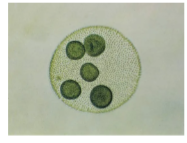
What is the genus of this organism?
A. Volvox
B. Spirogyra
C. Physarum
D. Euglena
A. Volvox
Unicellular organisms that live and work together are known as:
A. Colonial
B. Multicellular
C. Parasitic
D. Isogamous
A. Colonial
Vorticella are part of the phylum:
A. Ciliophora
B. Dinoflagellata
C. Apicoplexa
D. Rhodophyta
A. Ciliophora
The network of branching hyphae in fungi is known as the:
A. Mycelium
B. Cell wall
C. Gametangium
D. Antheridium
A. Mycelium
The structures that appear black are known as:
A. Zygosporangium
B. Tests
C. Pellicles
D. Contractile vacuoles
A. Zygosporangium
Female gametangia in plants are known as:
A. Archegonia
B. Antheridia
C. Pellicles
D. Capsules
A. Archegonia
After germinating, juvenile mosses are known as:
A. Protonema
B. Antheridia
C. Setae
D. Asci
A. Protonema
Unicellular
Single-celled organism.
Filamentous
Cells connected in long chains or threads.
Colonial
Group of similar cells living together but each can survive independently.
Zygospore
Thick-walled, resistant diploid spore formed after fertilization.
Isogamous
Gametes that are the same size and shape.
Syngamy
Fusion of two gametes.
Intracellular digestion
Digestion that occurs inside a cell.
Pseudopod
Temporary “false foot” used for movement or engulfing food.
Test
Hard protective shell around some protists (like forams).
Sporangium
Structure where spores are produced.
Pellicle
Flexible outer covering that provides shape (like in Euglena).
Macro/Micronucleus
Two nuclei in ciliates
FILL: _______ controls cell functions
Macronucleus
FILL: _______ is used for reproduction
Micronulceus
Contractile Vacuole
Organelle that pumps out excess water.
Trypanosome
Parasitic flagellated protist (causes sleeping sickness)
Plasmodium
Parasitic protist that causes malaria; part of Apicomplexa.
What are the 4 main supergroups?
Excavata, SAR, Archaeplastida, Unikonta
SAR is a super-super group that contains these three supergroups
Stramenopila + Alveolata + Rhizaria
Protist
Mostly single-celled eukaryotes not classified as plants, animals, or fungi.
Plant-like Protists
(Algae)
Plant-like Protists main phyla
Chlorophyta
Phaeophyta
Rhodophyta
Bacillariophyta
Dinoflagellata
Euglenophyta
Chlorophyta
(Green Algae)
Phaeophyta
(Brown Algae)
Rhodophyte
(Red Algae)
Bacillariophyta
(Diatoms)
Dinoflagellata
(Dinoflagellates)
Euglenophyta
(Euglenoids)
Plant-like protists are autotrophic and contain chloroplasts to do _________ and make their own food, just like plants
Photosynthesis