AP Biology Chapter 1
 Call Kai
 Learn
Learn Practice Test
 Spaced Repetition
 Match
Match Flashcards
 Knowt Play
1/24

There's no tags or description
Looks like no tags are added yet.
Name | Mastery | Learn | Test | Matching | Spaced | Call with Kai | Chat |
|---|
No analytics yet
Send a link to your students to track their progress
25 Terms
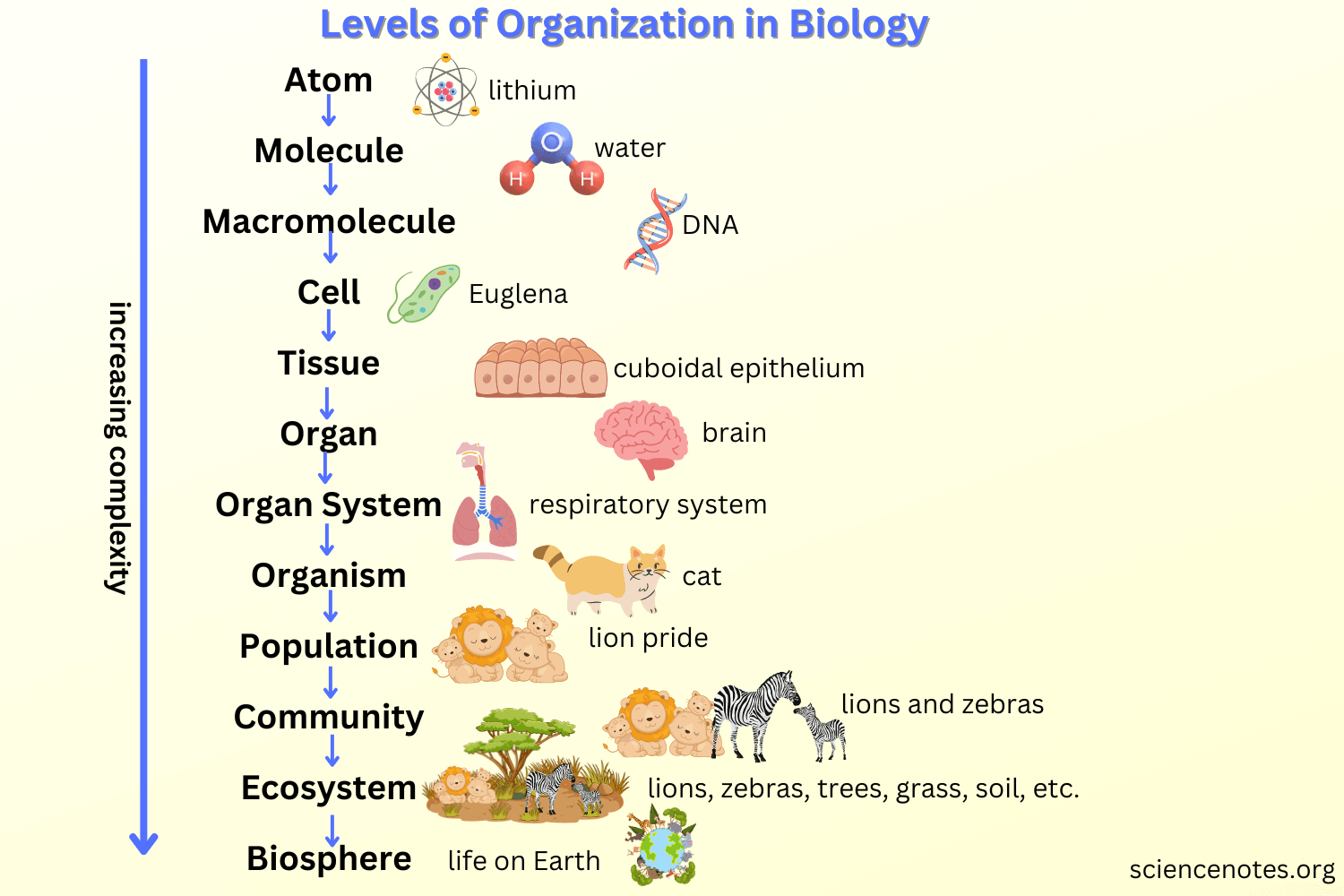
hierarchy of life
biosphere → ecosystem →community →population → organism → organ system → organ → tissues → cell → organelle → molecule → atom
emergent properties
new characteristics that appear at each successive level of biological organization
individual parts work together to do something, none of them can do alone.
example: bike; wheel, handlebar, and seat work together to move.
reductionism
reduce complex systems to simple components that are more manageable to study
eukaryotic cells
contain membrane-enclosed organelles, including DNA-containing nucleus

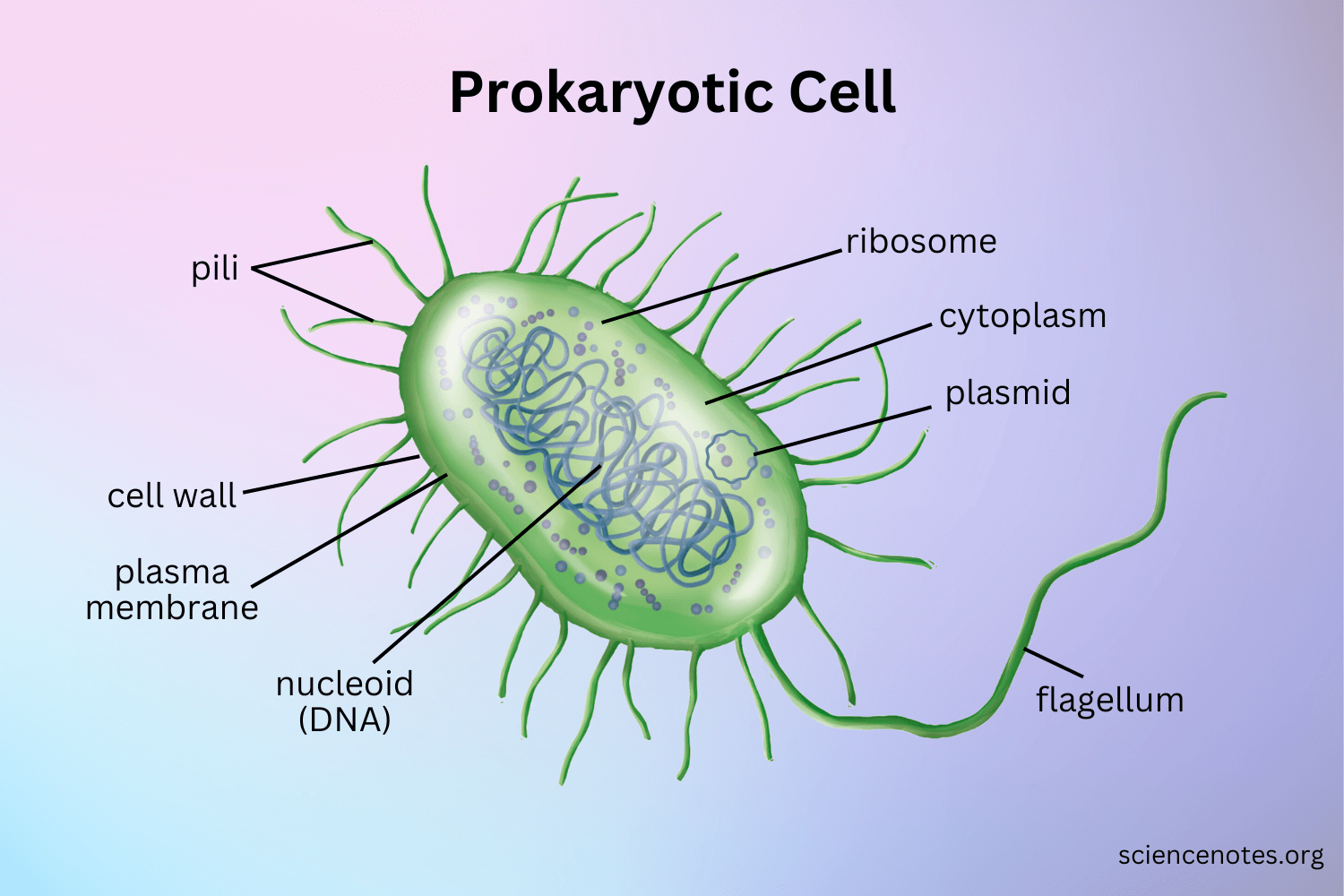
prokaryotic cells
lack membrane-enclosed organelles
no nucleus
bacteria
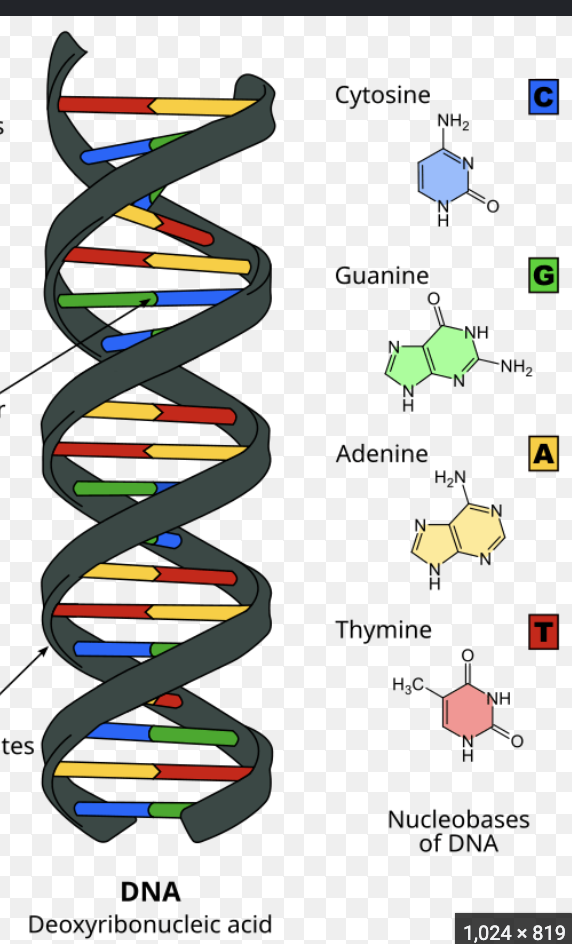
DNA
long term genetic information storage
stored in their nucleotide
A,T,C,G
RNA
single-stranded worker molecule that carries out instructions to make proteins

genes
DNA sequences that program a cell’s protein production by being transcribed into mRNAS and then into specific proteins
process called gene expression
genome
entire library of genetic instruction that an organism inherits
cell divides
DNA first replicated and each of the two cellular offspring inherits a complete set of chromosomes
identical to that of the parent cell
feedback regulation
controls internal conditions to keep a stable balance or drive a specific process to an end
negative feedback loop
response reduce/change initial stimulus to bring back to set point
ex: body gets hot so starts sweating to cool down
positive feedback loop
increase and accelerate change (childbirth)
natural selection
individuals with inherited traits that are better suited to the environment are more likely to survive and reproduce → leading only to better traits animals to continue surviving

inductive reasoning
move from specific observations to generalities
deductive reasoning
move from general to specific
qualitative data
non-numerical information that describes qualities, characteristics, and meanings
quantitive data
numerical information that can be measured, counted, or expressed with a value
hypotheses
testable by experiments or by observations (if exp not possible)
controlled experiments
a scientific test designed to isolate the effect of a single variable by keeping all other conditions constant
theory
broad in scope and generates new hypotheses
supported by a large body of evidence
science
social activity
build off each others work
must be able to repeat others results (integrity is key)
diversity
technology
consists of any method of device that applies scientific knowledge for a specific purpose that affects society
flow of energy
Energy flows continuously through ecosystems and is eventually lost as heat
flow of matter
matter cycles continuously within an ecosystem
atoms are never created or destroyed; they change forms and move between biotic (living) and abiotic (non-living) parts of the ecosystem.