ch 3 - cell form & function - 'active recall'
 View linked note
 Call Kai
 Learn
Learn Practice Test
 Spaced Repetition
 Match
Match Flashcards
 Knowt Play
1/34

There's no tags or description
Looks like no tags are added yet.
Name | Mastery | Learn | Test | Matching | Spaced | Call with Kai | Chat |
|---|
No analytics yet
Send a link to your students to track their progress
35 Terms
What are the 3 basic components of a cell?
Plasma membrane, cytoplasm, extracellular fluid
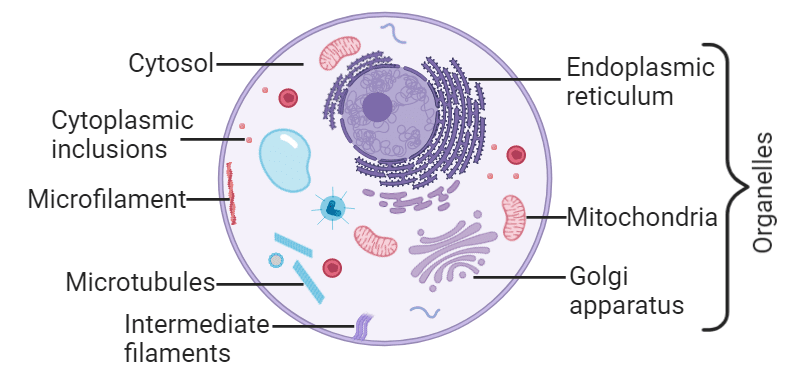
What are the components of cytoplasm?
Organelles, cytoskeleton, inclusions, cytosol
What does amphipathic mean?
Has hydrophilic head and hydrophobic tail
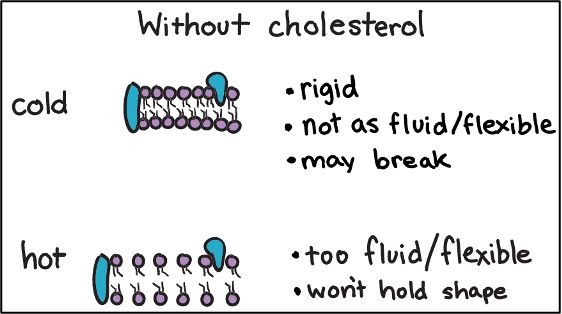
What maintains membrane fluidity & stability?
Cholesterol
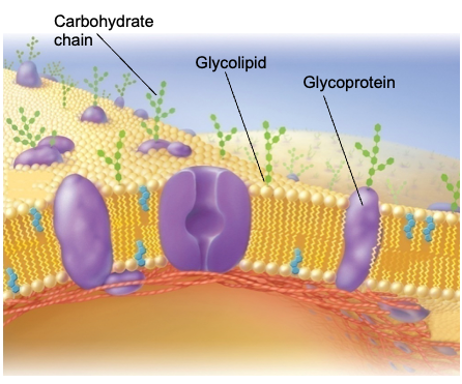
What is glycocalyx made of and do?
Glycoproteins & glycolipids
Provides protection, cell recognition, and stability to the cell membrane.
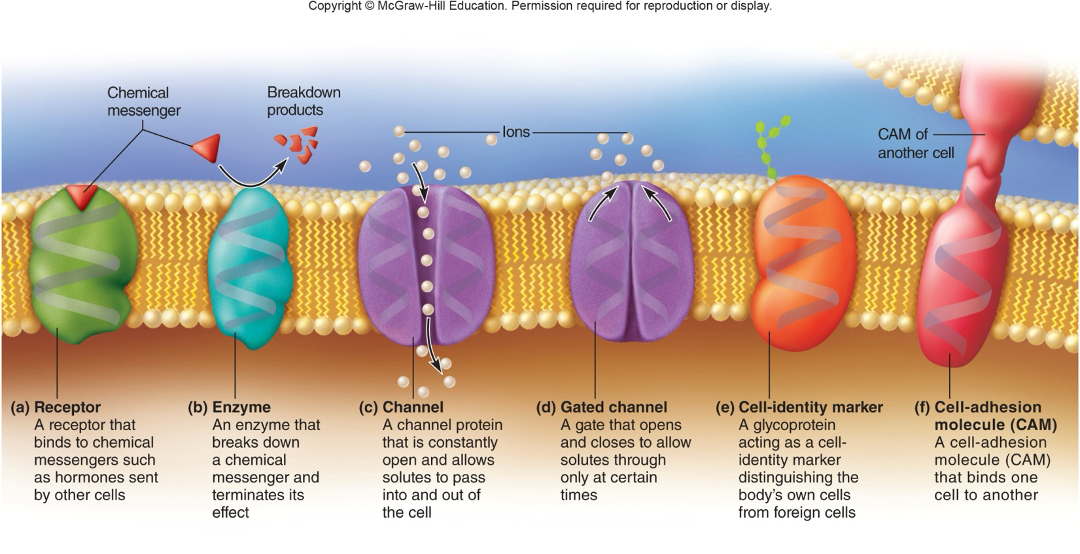
What are the 3 gated channels?
Ligand-gated channels—respond to specific chemical messengers when they bind to receptors
Voltage-gated channels—respond to electrical charge changes
Mechanically-gated channels—respond to physical stress on cell
What is the difference between cilia & microvilli?
Cilia are longer structures that aid in movement
Motile cilia (those that bend and move materials)
Nonmotile cilia (those that don’t bend or move materials) found on nearly every cell
Microvilli are shorter, and increase surface area for absorption
What is the difference between passive and active transport?
Passive = no ATP, down gradient
Active = uses ATP, against gradient
What factors affect the diffusion rate through a membrane?
Temperature: ^temp, ^motion of particles
Molecular weight: larger molecules move slower
Steepness of concentration gradient: ^difference, ^rate
Membrane surface area: ^area, ^rate
Membrane permeability: ^permeability, ^rate
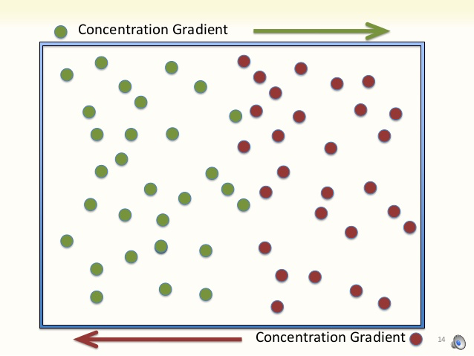
What is osmosis?
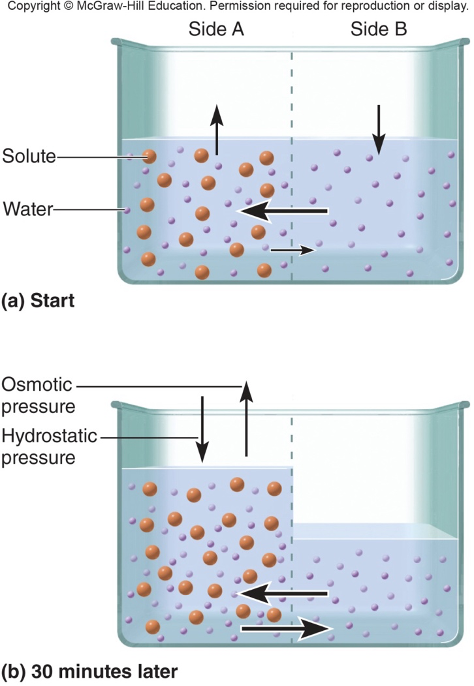
Movement of water toward higher solute concentration
(across a selectively permeable membrane from an area of lower solute concentration to an area of higher solute concentration)
Higher osmolarity/osmolality = ↑ solute concentration
Lower osmolarity/osmolality = ↓ solute concentration
What is the normal osmolarity of body fluids?
300 mOsm/L
What is tonicity?
The ability of a surrounding solution to affect fluid volume & pressure in a cell
Depends on concentration of solutes relative to ICF
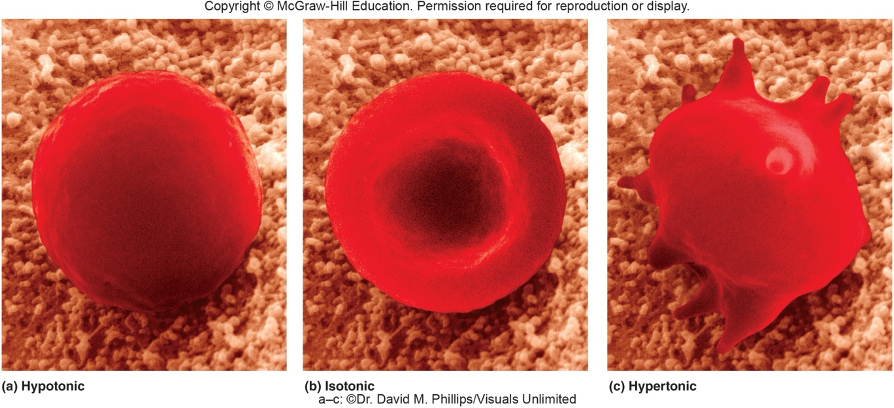
What happens in a hypotonic solution?
Causes cell to absorb water & swell, possibly even burst (lysis)
Has a lower solute concentration than intracellular fluid (ICF)
Distilled water is an extreme example
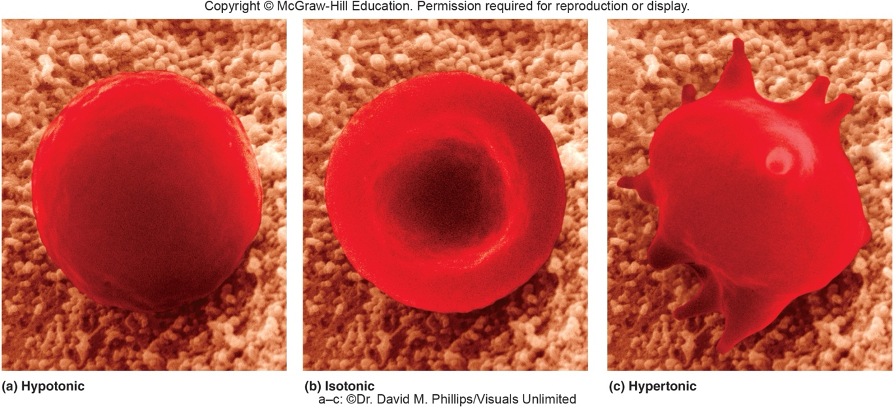
What happens in a hypertonic solution?
Causes cell to lose water & shrivel (crenate)
Has a higher solute concentration than ICF
Sea water is an example
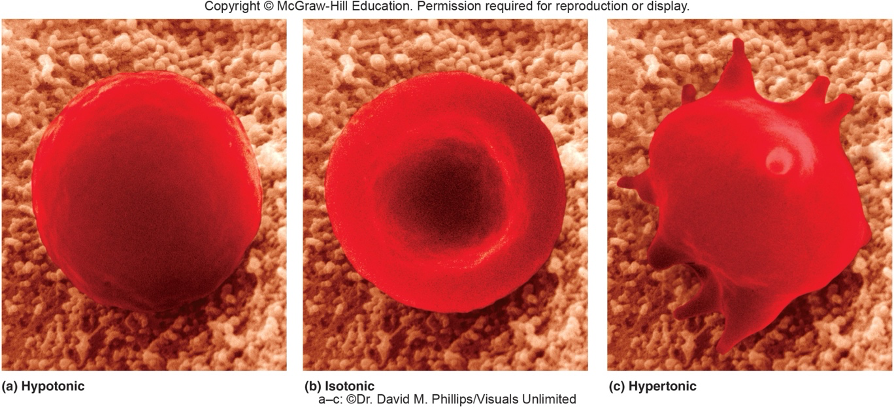
What happens in an isotonic solution?
The cell maintains its normal shape and volume, with no net movement of water in or out
Concentrations of solutes in solution & ICF are the same
Normal saline (0.9% NaCl) is an example
How many Na⁺ and K⁺ are moved per cycle of the sodium-potassium pump?
3 Na⁺ out, 2 K⁺ in
Keeps K+ concentration higher & Na+ concentration lower within the cell than in ECF
Necessary because Na+ and K+ constantly leak through membrane
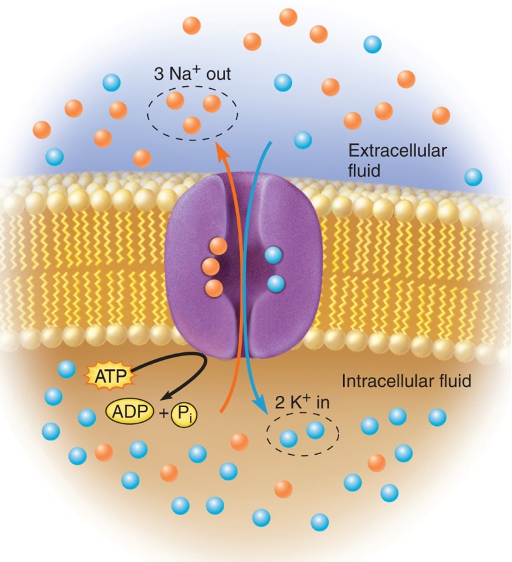
How many ATP are used per cycle of the sodium-potassium pump?
1 ATP
Why is the sodium-potassium pump important?
Maintains resting membrane potential & Na gradient
Define uniport
Carries one type of solute
One of the Carrier-Mediated Transport mechanisms for moving substances across membranes
Example: Calcium pump & aquaporin
Define symport
Carries 2 or more solutes simultaneously in the same direction (cotransport)
Example: sodium-glucose transporters
Define antiport
Carries two or more solutes in opposite directions (counter transport)
Example: sodium-potassium pump removes Na+ from cell, brings K+ into cell
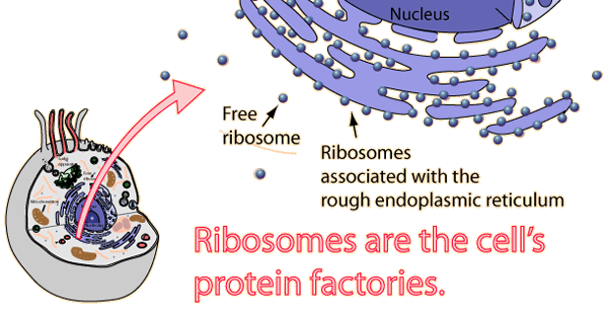
Where are ribosomes produced?
Found in nucleoli, cytosol, outer surfaces of rough ER, and nuclear envelope
Assemble amino acids into proteins specified by the genetic code
Small granules of protein & rRNA
What does rough ER do?
Synthesizes, edits & modifies proteins
parallel, flattened sacs covered with ribosomes
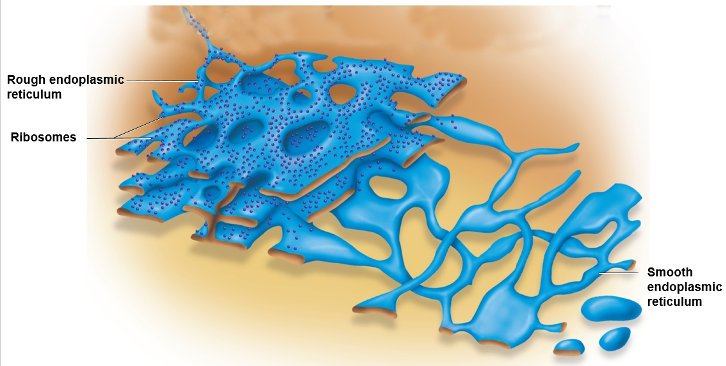
What does smooth ER do?
Lipid synthesis, detox alcohol & drugs, Calcium storage
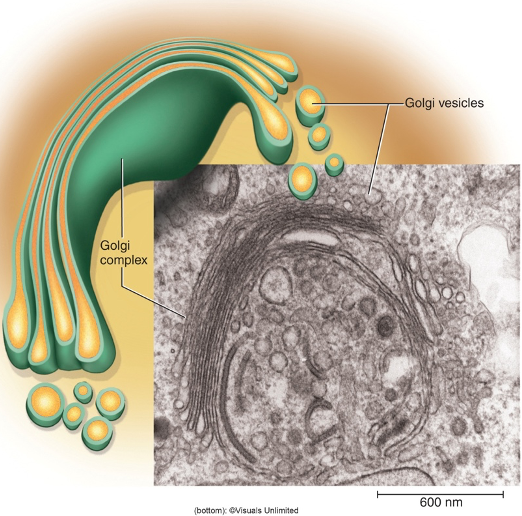
What does the Golgi apparatus do?
Receives newly synthesized proteins from rough ER —> Packages & sorts proteins for —> secretion and delivery to lysosomes
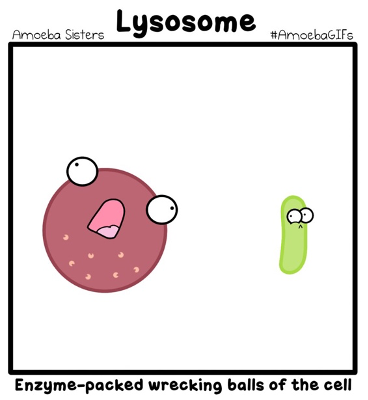
What is the function of lysosomes?
Intracellular digestion of proteins, nucleic acids, complex carbohydrates, phospholipids, and other substances
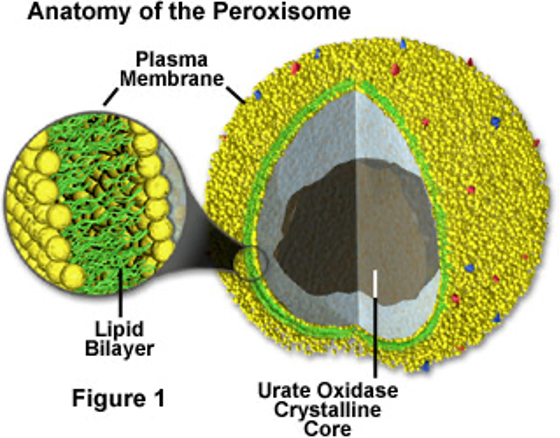
What is the function of peroxisomes?
Neutralize free radicals
Detoxify alcohol, other drugs, and a variety of blood-borne toxins
In all cells, but abundant in liver and kidney
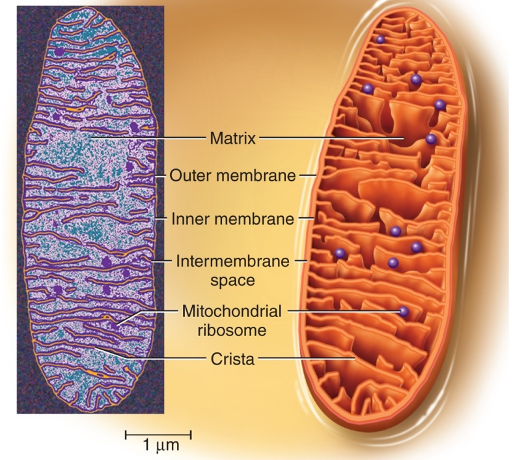
What is the function of mitochondria?
Produce ATP
‘Powerhouse of the cell’
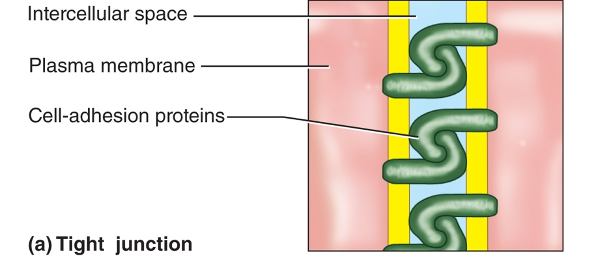
Which junction seals cells together so substance cant pass between?
Tight junction
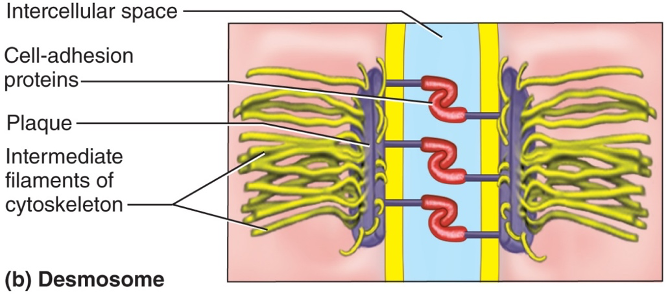
Which junction resists cells from pulling apart?
Desmosomes
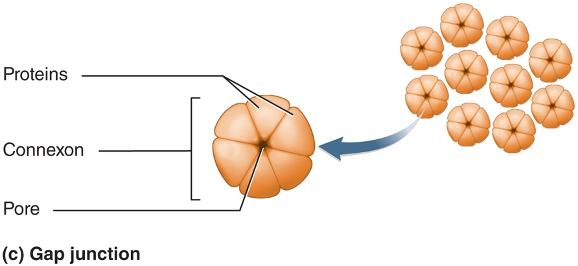
Which junction allows ion passage?
Gap junctions
What is the difference between multipotent and unipotent stem cells?
Multipotent → multiple cell types. Unipotent → one cell type.
What is endocytosis?
A vesicular processes that bring material into cell
Phagocytosis = “cell eating,” engulfing large particles
Pinocytosis = “cell drinking,” taking in droplets of ECF containing molecules useful in the cell
Receptor-mediated endocytosis = particles bind to specific receptors on plasma membrane
What is exocytosis?
Discharging material from the cell
What is transcytosis?
Moving materials across the cell
Utilizes motor proteins energized by ATP