Chapter 24 - Musculoskeletal
 Call Kai
 Learn
Learn Practice Test
 Spaced Repetition
 Match
Match Flashcards
 Knowt Play
1/33

There's no tags or description
Looks like no tags are added yet.
Name | Mastery | Learn | Test | Matching | Spaced | Call with Kai | Chat |
|---|
No analytics yet
Send a link to your students to track their progress
34 Terms
List things to ask when collecting subjective data
recent weight gain? (more weight = more stress on joints)
jaw pain? (possible TMJ issue)
pain by joints/muscles?
past injuries/surgeries?
recent immunizations? (can cause temp joint stiffness)
chronic diseases? (some increase risk of bone/joint issues)
menopause hx? (increases osteoporosis risk)
family hx?
exercise + activity level?
meds?
smoking/alc/caffeine use? (increases osteoporosis risk)
diet/nutrition?
sun exposure?
occupation?
ADL limitations?
hx of bone density testing?
Describe how bone vs fracture pain would feel
Bone pain - dull, deep, throbbing
Fracture pain - sharp, worsens w/ movement
What’s the difference b/w osteoarthritis and rheumatoid arthritis?
Osteoarthritis - unilateral joint pain, morning stiffness improving w/ movement
Rheumatoid arthritis - bilateral joint pain, swelling, prolonged morning stiffness
What is fribromyalgia?
widespread musculoskeletal pain w/ fatigue, sleep, or mood disturbances
What diseases increase the risk for bone and joint issues?
Diabetes, sickle cell anemia, lupus
What deficiencies increase the risk for osteoporosis?
reduced calcium and vitamin D
T/F - a sedentary lifestyle contributes to muscle atrophy and bone loss
True
What medications impact the musculoskeletal system?
Steroids - bone loss
Diuretics - electrolyte imbalance leads to muscle weakness
Statins - possible myopathy
What foods increase the risk for gout?
High purine foods and alcohol
What type of scan is the gold standard for diagnosing bone-related conditions?
DEXA scan (Dual-Energy X-ray Absorptiometry)
What is osteoporosis?
Low bone density that occurs when bone forming cells can’t keep pace w/ bone destroying cells (osteoclasts break down faster than osteoblasts can build)
What are some health promotion/prevention tips for osteoporosis?
screening!! (dexa for females 65+ or anyone at risk)
weight bearing exercise
avoid smoking/secondhand smoke)
increase calcium and vitamin D intake
Is bone loss obvious or a silent process?
Silent until first fracture occurs
Spinal fractures can cause what two things?
Height loss and kyphosis/dowager hump
What is plumb line posture?
Neutral standing alignment where a vertical line (plumb line) passes thru key bony landmarks, minimizing stress on muscles and joints
When inspecting posture, what are some objective data points to note?
Kyphosis - exaggerated thoracic curve (common w/ aging)
Lordosis - exaggerated lumbar curve (seen in preg, obesity)
Scoliosis - lateral spinal curvature
Flattened lumbar curve - maybe herniated disk
Uneven hips - maybe unequal leg lengths
When inspecting gait, what are some objective data points to notes?
uneven weight bearing
inability to stand on heels or toes
toes point inward or outward
limping gait
shuffling gait (maybe parkinsons - do further neuro assess)
propulsive gait (leaning forward)
wide-based gait
What tool can be used for ROM measurment?
Goniometer
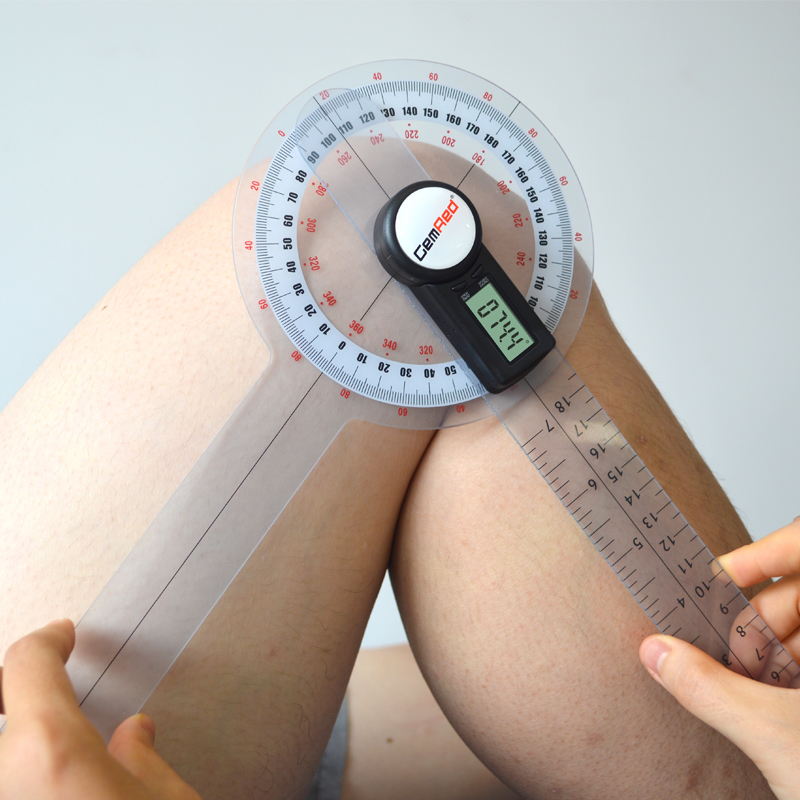
When assessing the joints, what are some objective data points to notes?
redness, heat, swelling - could mean inflammation or bursitis
visible deformities
TMJ weakness/pain/crepitus
pain during squeeze test - could mean rheumatoid or psoriatic arthritis
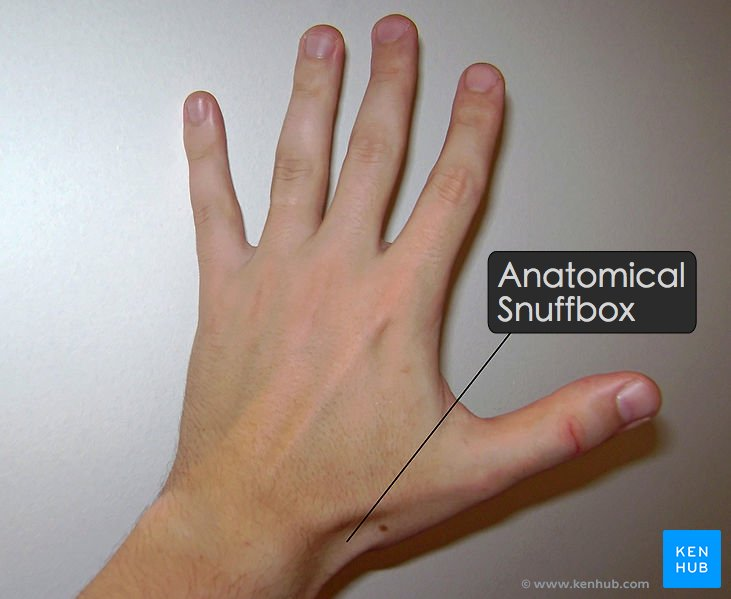
anatomic snuffbox tenderness - could mean scaphoid fracture
What are some major joint abnormal findings?
Cysts (ganglion cyst)
Fracture
Rheumatoid arthritis
Boutonniere deformity
Swan-neck deformity
Carpal tunnel syndrome
Osteoarthritis
Heberden nodes
Bouchard nodes
What are some special tests done in the musculoskeletal assessment? And what do they test for?
Straight leg raise (SLR): tests for herniated disc
Leg length discrepancy: tests for scoliosis
Phalen test + Tinel test: tests for carpal tunnel syndrome
Ballottement test: assesses knee joint effusion
Romberg test: assesses balance
What is the difference b/w active and passive range of motion (ROM)?
Active ROM - pt moves joint independently
Passive ROM - nurse moves joint for pt while pt remains relaxed; used when pt can’t move joint independently
What does active ROM vs passive ROM tell us?
Active ROM evaluates muscle + joint function
Passive ROM evaluates whether movement limitation is more related to joint restriction rather than muscle weakness
Limited active ROM but normal passive ROM may mean the problem is ______
muscle weakness
Both active ROM and passive ROM being limited may mean _____
joint stiffness, pain, or structural restriction
Describe the muscle strength grading scale
5/5 - normal strength; full active movement against full resistance
4/5 - slight weakness; active movement against some resistance
3/5 - moderate weakness, active movement against gravity only
2/5 - poor strength, movement possible only w/ gravity remove (passive assistance required)
1/5 - severe weakness, slight muscle contraction present but no movement
0/5 - paralysis (obviously), no muscle contraction detected
Describe key features of osteoarthritis
gradual onset, usually begins later in life
little or no swelling
sx usually limited to one set of joints
sx begin unilaterally then may spread b/c of compensation
morning stiffness goes away with activity and lasts less than 1hr
Describe key features of rheumatoid arthritis
rapid onset, can begin at any point in life
autoimmune dx
painful, swollen, stiff joints
affects body symmetrically
morning stiffness lasts longer than 1hr
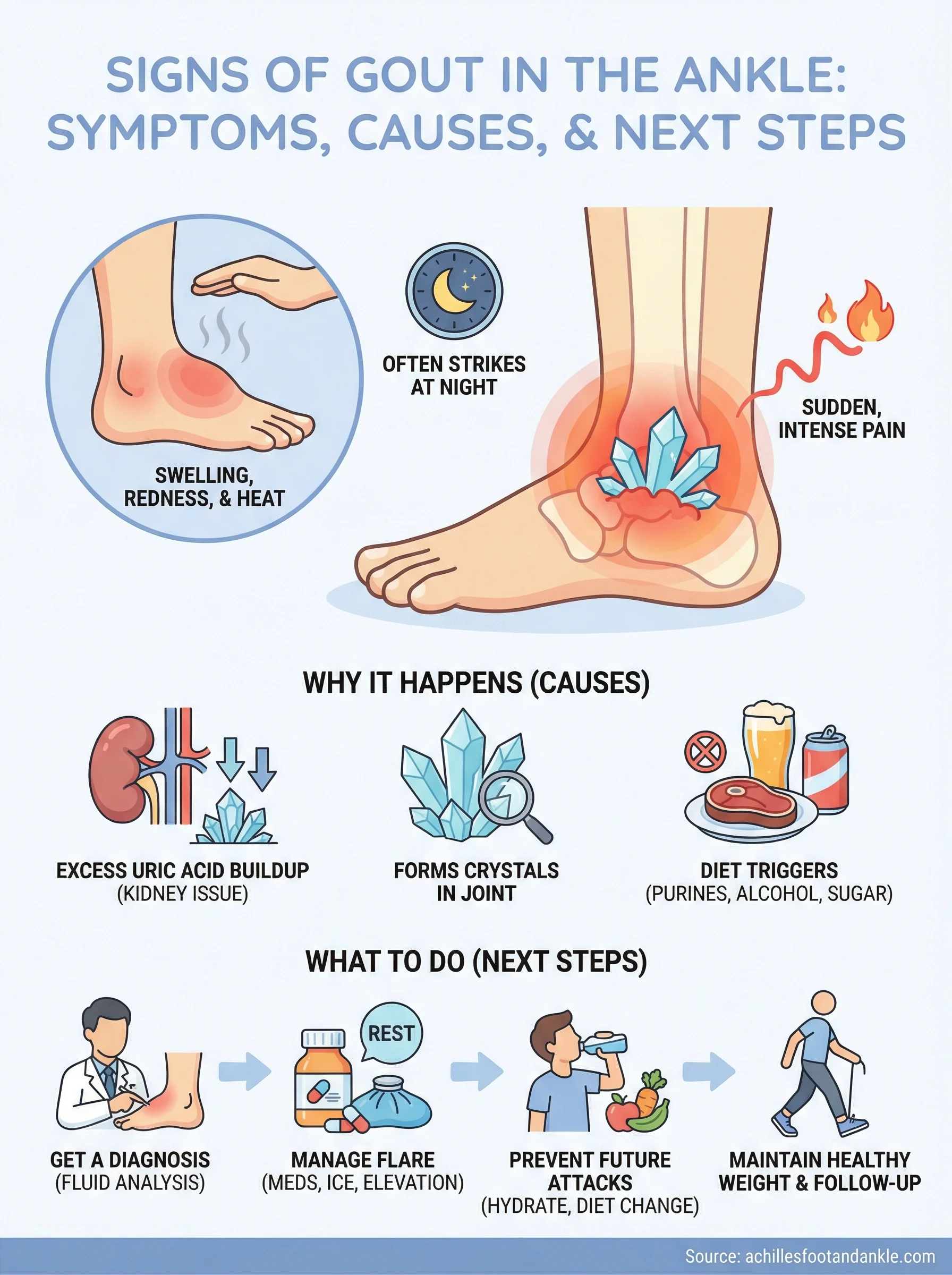
Describe key features of gout
sudden onset, often during night
redness, pain at base of big toe
limited ROM, development of tophi possible
urate crystals accumulate in joint
tx: ice, elevation, diet low in purines, exercise, NSAIDs, corticosteroids, meds that target uric acid production/excretion
What are some foods high in purine that ppl w/ gout should avoid?
certain seafood (sardines, mussels, scallops)
red meat
beer
sugary drinks
certain veggies (asparagus, cauliflower, spinach, mushroom, green peas)
certain legumes (beans, lentils, peas)
List major older adult considerations regarding the musculoskeletal system
kyphosis common w/ aging
increased fall risk d/t impaired sense of proprioception
may have slower movements, reduced flexibility, decreased muscle strength, reduced tendon elasticity
osteoporosis is more common
What are abnormal findings of the hands and wrists?
acute rheumatoid arthritis
ganglion cyst
osteoarthritis
tenosynovitis
thenar atrophy
What are abnormal findings of the feet and toes?
acute gouty arthritis
flat feet (pes planus)
callus
corn
hallux valgus
hammer toe
plantar wart
Gout commonly affects which toe? Why?
The 1st MTP joint - big toe
B/c the cooler temp in the big toe promotes uric acid crystal deposition AND the microtrauma that occurs while walking further irritates the joint