Film techniques

0.0(0)
Studied by 0 people
call kaiCall Kai
learnLearn
examPractice Test
spaced repetitionSpaced Repetition
heart puzzleMatch
flashcardsFlashcards
GameKnowt Play
Card Sorting

1/116

encourage image

There's no tags or description

Looks like no tags are added yet.

Last updated 5:26 PM on 6/26/26
Name
Mastery
Learn
Test
Matching
Spaced
Call with Kai

No analytics yet

Send a link to your students to track their progress

117 Terms

1
New cards

What colour temperature is a typical candle?

~1800K

2
New cards

What colour temperature is a tungsten household bulb?
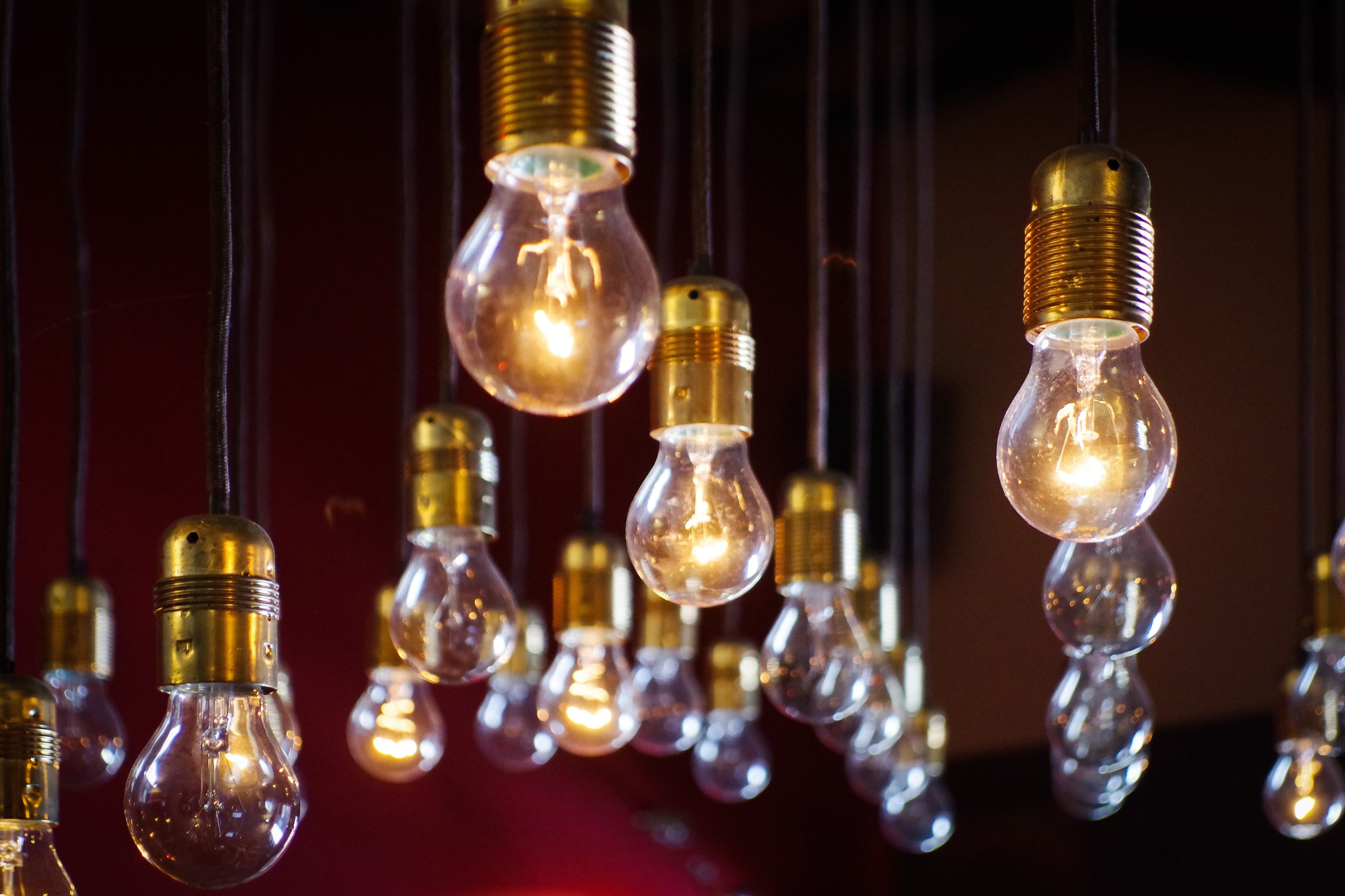
~3200K

3
New cards

What colour temperature is sunrise/sunset?

~2500–3500K

4
New cards

What colour temperature is warm LED lighting in a house?

~2700–3200K

5
New cards

What colour temperature is fluorescent office lighting?
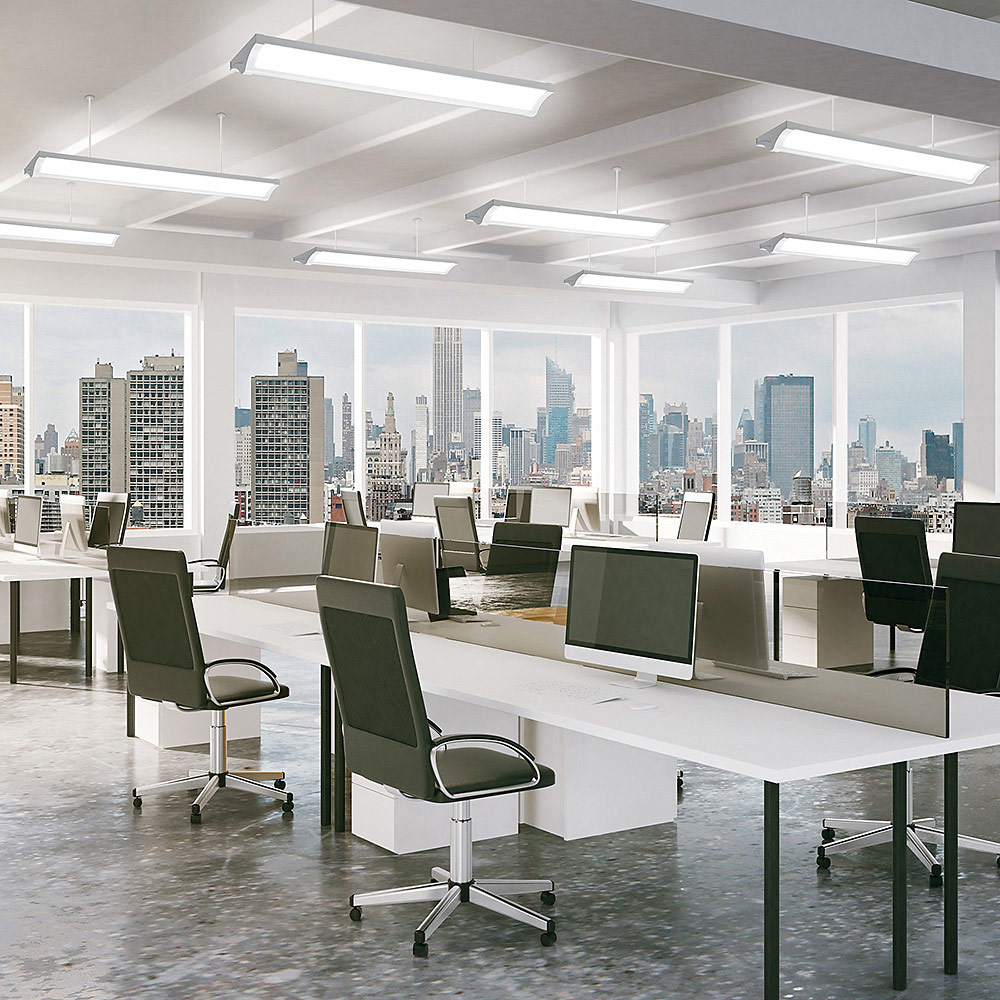
-4000–4500K

6
New cards

What colour temperature is an overcast day?

~6500–7500K
7
New cards

What colour temperature is direct midday sunlight?

6 Ways to Photograph Subjects in Harsh Midday Sun | Rangefinder

~5500K
8
New cards

Q: What colour temperature is heavy shade?
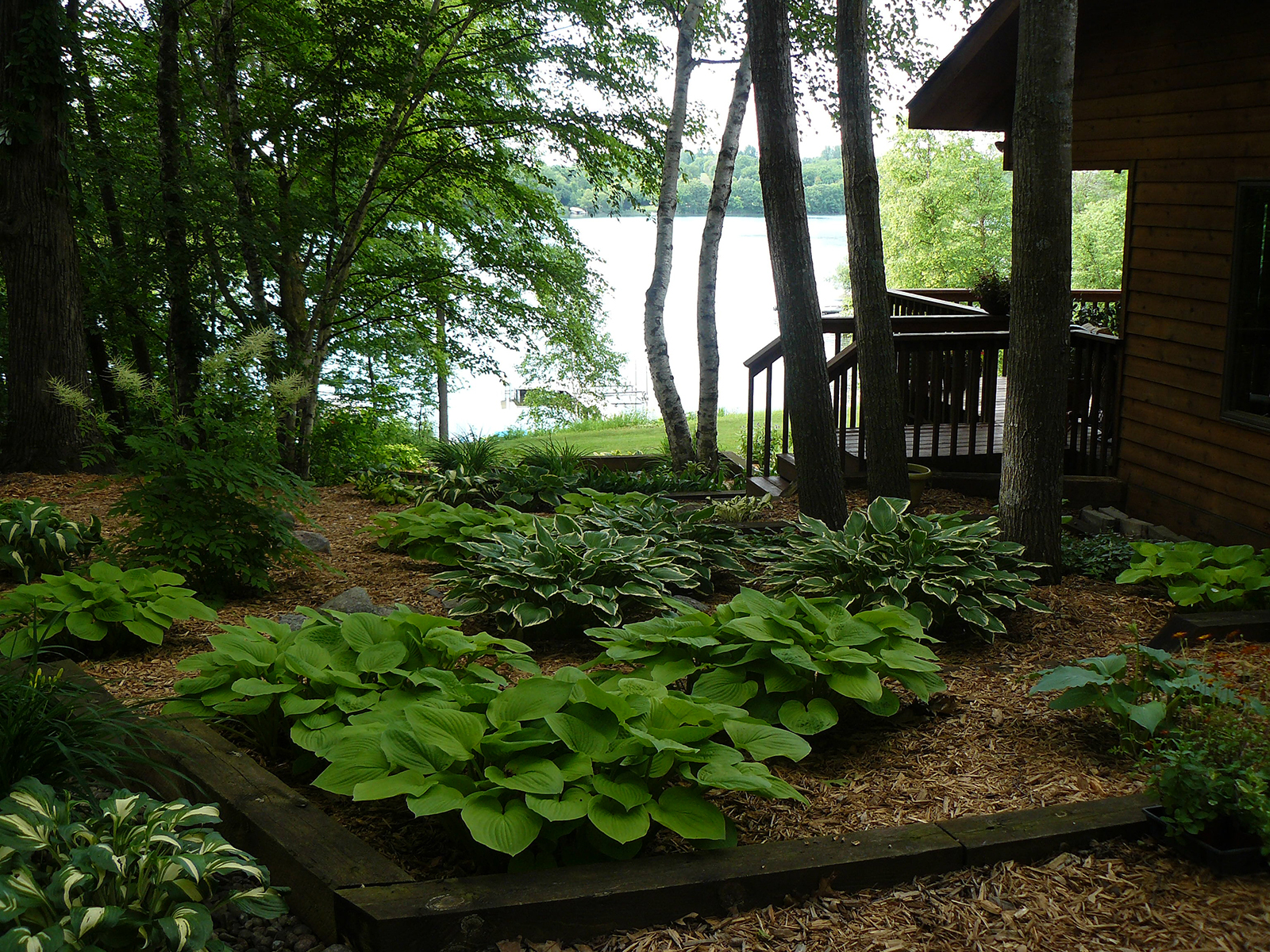
Gardening in the shade | UMN Extension

A: ~7000–9000K
9
New cards

Q: What colour temperature is blue hour?
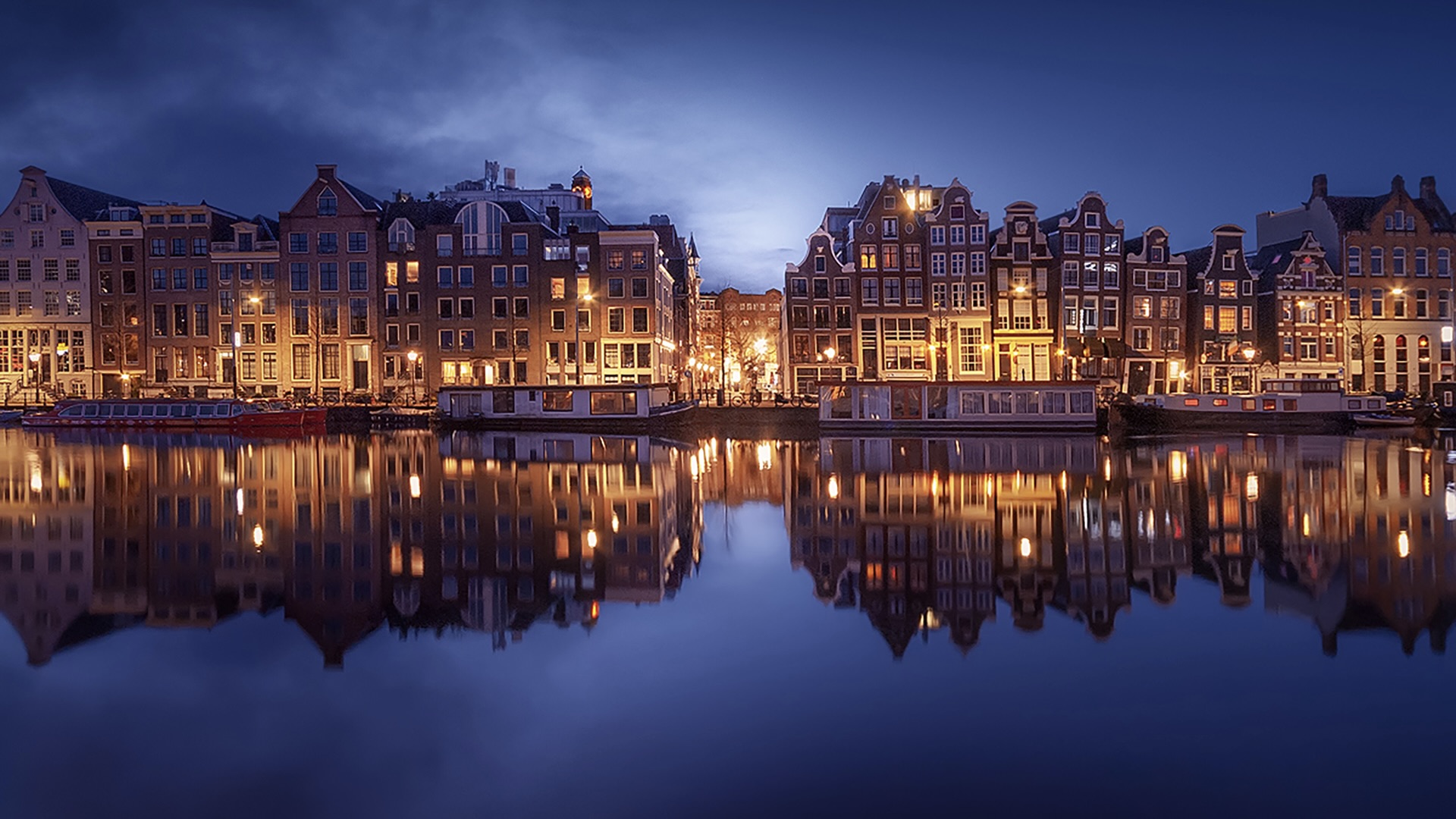
What is the blue hour? (and how to make the most of it) - 500px

A: ~9000–12000K
10
New cards

Q: What colour temperature is an overcast snowy day?

10,086 Overcast Snowy Day Stock Photos - Free & Royalty-Free Stock Photos  from Dreamstime

A: ~8000K+
11
New cards

Q: You're filming outdoors at noon on a sunny day. What WB should you set?

Huge Green Field Noon Sunny Summer Stock Photo 1445987177 | Shutterstock

A: ~5500K
12
New cards

Q: You're filming in a house lit only by warm lamps.

Warm white bulbs only! : r/CozyPlaces

A: ~3200K
13
New cards

Q: You're filming someone under fluorescent office lights.

Office Lighting | Commercial LED Manufactuer | Straits® Lighting

A: ~4200K
14
New cards

Q: You're filming outside under thick grey clouds.

Science Explains “Rough and Chaotic” Cloud Feature - Eos

A: ~6500–7000K
15
New cards

Q: You're filming in deep shade on a sunny day.
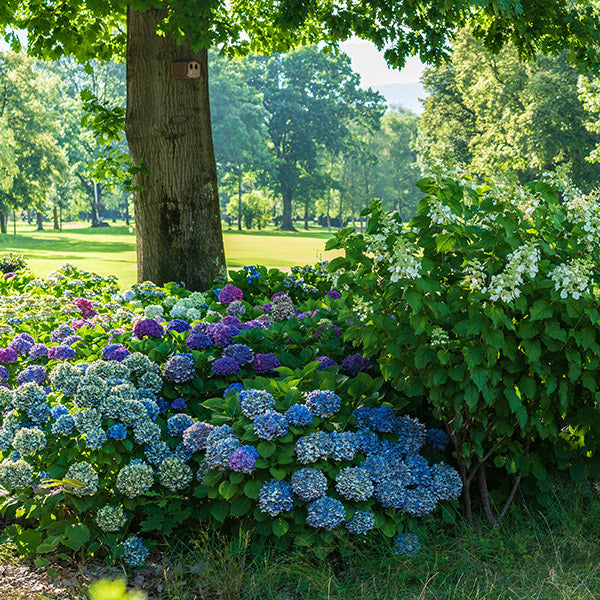
Shade-Loving Perennials | Brighten Low-Light Gardens

A: ~7000K
16
New cards

Q: You're filming by candlelight.

Candlelight Baroque at Presbyterian Church of the Master (Spring) | Pacific  Symphony

A: ~1800–2200K
17
New cards

Q: You're filming at golden hour.

Golden hour (photography) - Wikipedia

A: ~4000K (depending on how warm you want to preserve it)
18
New cards

Q: You're filming at blue hour.

Blue Hour – Magic Hour

A: ~9000K
19
New cards
Q: You're filming indoors under tungsten lights using 5600K WB. What will happen?
A: The footage will look orange/warm.
20
New cards
Q: You're filming outside in sunlight using 3200K WB.
A: The footage will look blue.
21
New cards
Q: You accidentally use Auto WB during an interview and the camera keeps changing colour.
A: The colour will shift during the shot.
22
New cards
Does a larger aperture let in more or less light?
More light.
23
New cards
Does a smaller aperture let in more or less light?
Less light.
24
New cards
Is f/1.4 a large or small aperture?
Large aperture.
25
New cards
Is f/2 a large or small aperture?
Large aperture.
26
New cards
Is f/2.8 a large or small aperture?
Large aperture.
27
New cards
Is f/4 a large or small aperture?
Medium aperture.
28
New cards
Is f/5.6 a large or small aperture?
Medium aperture.
29
New cards
Is f/8 a large or small aperture?
Small aperture.
30
New cards
Is f/11 a large or small aperture?
Small aperture.
31
New cards
Is f/16 a large or small aperture?
Small aperture.
32
New cards
Is f/22 a large or small aperture?
Very small aperture.
33
New cards
Which creates a shallower depth of field: f/1.8 or f/11?
f/1.8.
34
New cards
Which creates a deeper depth of field: f/16 or f/2?
f/16.
35
New cards
Which lets in more light: f/2 or f/4?
f/2.
36
New cards
Which lets in more light: f/2.8 or f/8?
f/2.8.
37
New cards
Which produces more background blur: f/1.8 or f/8?
f/1.8.
38
New cards
Which keeps more of the image in focus: f/11 or f/2?
f/11.
39
New cards
Which aperture is better for portraits: f/2 or f/16?
f/2.
40
New cards
Which aperture is better for landscapes: f/11 or f/2?
f/11.
41
New cards
Which aperture is better for group photos: f/8 or f/1.8?
f/8.
42
New cards
If you want a cinematic blurry background, should you use a large or small aperture?
Large aperture.
43
New cards
If you want everything from foreground to background in focus, should you use a large or small aperture?
Small aperture.
44
New cards
Opening the aperture makes the image...
Brighter.
45
New cards
Closing the aperture makes the image...
Darker.
46
New cards
If you shoot at f/1.4, focusing becomes easier or harder?
Harder.
47
New cards
A shallow depth of field means...
Only a small part of the image is in focus.
48
New cards
A deep depth of field means...
Most of the image is in focus.
49
New cards
If your background is distracting, should you use a wider or narrower aperture?
Wider aperture.
50
New cards
If you want both people in an interview to stay sharp, should you use f/1.4 or f/5.6?
f/5.6.
51
New cards
True or False: Smaller f-numbers create more background blur.
True.
52
New cards
True or False: f/16 lets in more light than f/2.
False.
53
New cards
True or False: A wider aperture decreases depth of field.
True.
54
New cards
True or False: A smaller aperture increases depth of field.
True.
55
New cards
What does increasing ISO do to your image?
Makes it brighter.
56
New cards
What does decreasing ISO do to your image?
Makes it darker.
57
New cards
Higher ISO usually increases...
Image noise.
58
New cards
Lower ISO usually produces...
Cleaner images.
59
New cards
Which ISO is cleaner: ISO 100 or ISO 6400?
ISO 100.
60
New cards
Which ISO is noisier: ISO 800 or ISO 6400?
ISO 6400.
61
New cards
When filming outdoors on a sunny day, should ISO usually be high or low?
Low.
62
New cards
When filming in a dark room, should ISO usually be higher or lower?
Higher.
63
New cards
If possible, should you brighten a scene by adding light or increasing ISO?
Adding light.
64
New cards
If you can open your aperture instead of raising ISO, which is usually the better choice?
Open the aperture.
65
New cards
True or False: Raising ISO lets more light enter the camera.
False.
66
New cards
True or False: ISO only changes how sensitive the image appears.
True.
67
New cards
Which generally produces the cleanest image: ISO 100 or ISO 3200?
ISO 100.
68
New cards
If your footage is very noisy, what camera setting should you check first?
ISO.
69
New cards
If you have enough light, should you keep ISO as low as possible?
Yes.
70
New cards
True or False: Increasing ISO creates more detail.
False.
71
New cards
If your room is dark but you can add another light, should you raise ISO first?
No.
72
New cards
If you cannot add more light and your image is too dark, what exposure setting might you increase?
ISO.
73
New cards
True or False: High ISO is always bad.
False.
74
New cards
True or False: Every camera has an ISO where it performs best.
True.
75
New cards
Which type of light produces soft shadows: hard light or soft light?
Soft light.
76
New cards
Which type of light produces sharp shadows: hard light or soft light?
Hard light.
77
New cards
Is an overcast day an example of soft or hard light?
Soft light.
78
New cards
Is direct midday sunlight usually soft or hard?
Hard light.
79
New cards
Which lighting direction usually creates the most dramatic look: front light or side light?
Side light.
80
New cards
Which lighting direction is commonly used for silhouettes?
Backlight.
81
New cards
Which light helps separate a subject from the background?
Backlight.
82
New cards
Which lighting is generally more flattering for interviews: soft light or hard light?
Soft light.
83
New cards
Which lighting is commonly used in horror films: soft light or hard light?
Hard light.
84
New cards
If someone has harsh shadows under their eyes, should you make the light softer or harder?
Softer.
85
New cards
If the sun is directly overhead, what is one simple way to improve the lighting?
Move into open shade.
86
New cards
Golden hour light is generally soft or hard?
Soft.
87
New cards
Midday sunlight is generally flattering for faces: True or False?
False.
88
New cards
Cloudy days usually make lighting easier or harder for interviews?
Easier.
89
New cards
What is the brightest natural light source during the day?
Direct sunlight.
90
New cards
What creates more contrast: hard light or soft light?
Hard light.
91
New cards
What creates less contrast: hard light or soft light?
Soft light.
92
New cards
A larger light source generally creates softer or harder light?
Softer light.
93
New cards
Moving a light closer usually makes it softer or harder?
Softer.
94
New cards
Moving a light farther away usually makes it softer or harder?
Harder.
95
New cards
If your subject blends into the background, what type of light can help separate them?
Backlight.
96
New cards
If one side of a person's face is much darker than the other, what type of lighting are they likely under?
Side lighting.
97
New cards
If you want a clean, natural documentary interview, should you generally choose soft or hard lighting?
Soft lighting.
98
New cards
If you're filming outside at noon, where can you find naturally softer light?
Open shade.
99
New cards
True or False: The sun is always the best-looking light source.
False.
100
New cards
True or False: Clouds act like a giant natural diffuser.
True.



