3.1.9 Rate equations
 Call Kai
 Learn
Learn Practice Test
 Spaced Repetition
 Match
Match Flashcards
 Knowt Play
1/33

There's no tags or description
Looks like no tags are added yet.
Name | Mastery | Learn | Test | Matching | Spaced | Call with Kai | Chat |
|---|
No analytics yet
Send a link to your students to track their progress
34 Terms
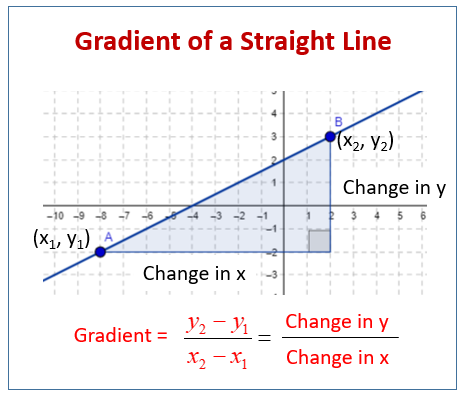
Using a straight line graph, how is rate calculated & what is the formula?
Using the gradient: change in y ÷ change in x (rise ÷ run)
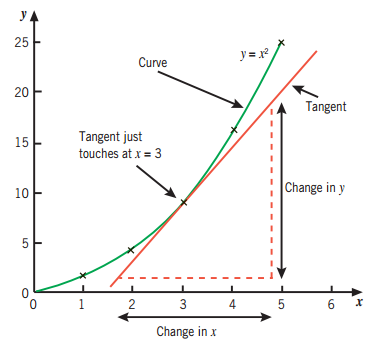
Using a curved graph, how is rate calculated?
Gradient of a tangent on a curved line of best fit:
draw a tangent
extend the line across the graph & work out gradient (change in y / change in x)
What is the formula for the rate equation, & what does each term mean?
rate = k [A]ᵃ [B]ᵇ
k = rate constant
ᵃ & ᵇ = orders of the reaction
[A] & [B] = concentration of the substance
What are the units for rate?
moldm-3s-1
What is the rate constant (k) ?
A number that allows us to equate rate & concentration:
only fixed at a particular temperature; if temperature changes, so does rate constant → (e.g. ‘k’ increases when temperature increases)
the larger the value of ‘k’, the faster the rate of reaction
What are orders of reaction?
The power to which a concentration is raised to in the rate equation:
tells us how the concentration of the substance affects the rate
What does zero order mean?
Changes in concentration has no effect on rate → if [A] doubles, then then rate doesn’t change
What does 1st order mean?
Changes in concentration has a proportional change on rate → if [A] doubles, then the rate doubles
What does 2nd order mean?
Changes in concentration has a squared proportional change on rate → if [A] doubles, then the rate quadruples
What can orders only be determined by?
Experiments, they cannot be worked out by looking at an equation
Why does the rate of reaction increase when the value of ‘k’ increases with temperature?
As the temperature increases, the particles have more kinetic energy & collide more often (more successful collisions), which increases the rate:
concentrations of the substances remain constant
What are the units for concentration?
moldm-3
What is the re-arranged equation to calculate the units for ‘k’ (rate constant) ?
k = rate units / concentrations units → e.g. (moldm-3s-1) ÷ (moldm-3)
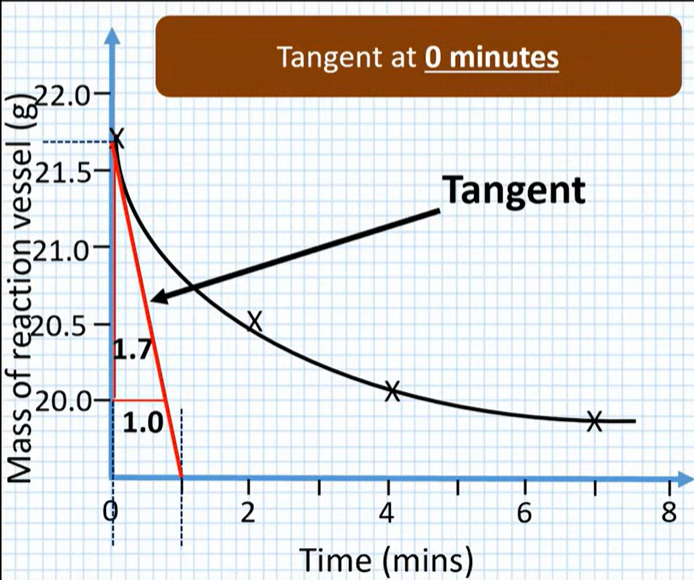
How is the initial rate from a curved-line graph calculated?
Draw the gradient of a tangent at 0 minutes
How is the rate equation calculated from initial rates?
Repeat the experiment several times but change the concentration of the reactants one at a time in each experiment
Work out the initial rate for each experiment
Record the concentration of reactants used for each experiment & their initial rates in a table
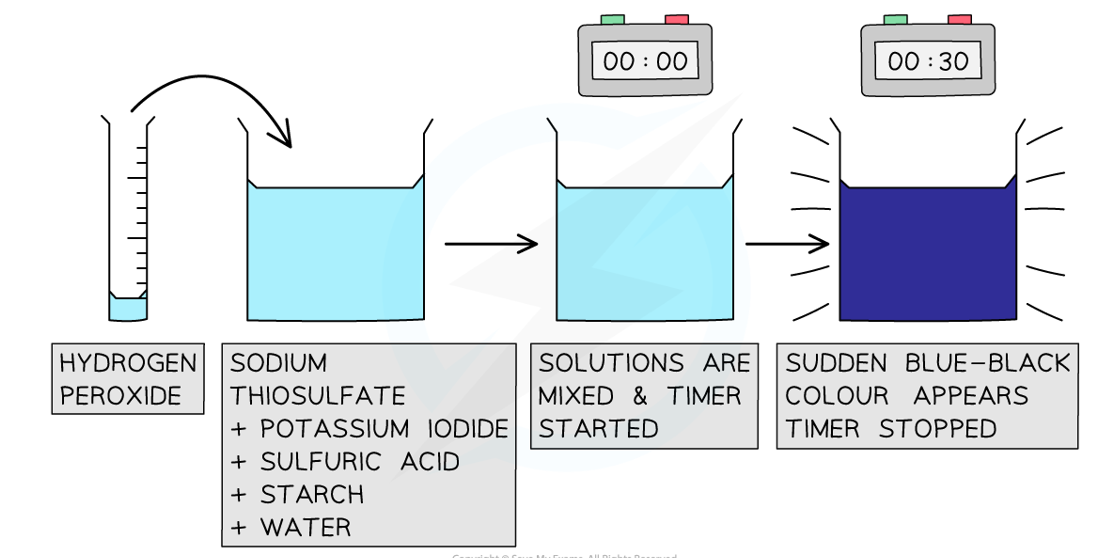
What is the iodine clock experiment?
A reaction where you can time how long it takes for a colour change to occur
What is the equation for the iodine clock experiment?
H2O2(aq) + 2H+(aq) + 2I-(aq) → 2H2O(l) + I2(aq)
How does the iodine clock experiment work?
Add sodium thiosulfate & starch (indicator) to the reaction mixture
Sodium thiosulfate reacts immediately with iodine that’s produced
When there’s no more sodium thiosulfate left, the iodine reacts with starch to produce a blue/black colour
How can the change in pH of a reaction be used to measure the rate?
The pH of a reaction may change over time if H+ ions are used up or produced:
a pH meter can be used to measure the pH of a reaction at regular intervals → can then calculate the H+ ion concentration
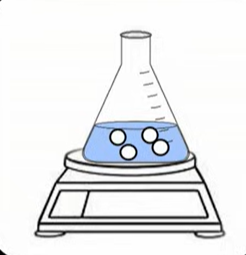
How can the amount of mass lost be used to calculate the rate?
Place the reaction on a balance & measure the mass loss as gas is lost (use a fume cupboard as the gas may be toxic/harmful)
Mole calculations can be used to work out the number of moles of gas lost & so, the amount of reactants left
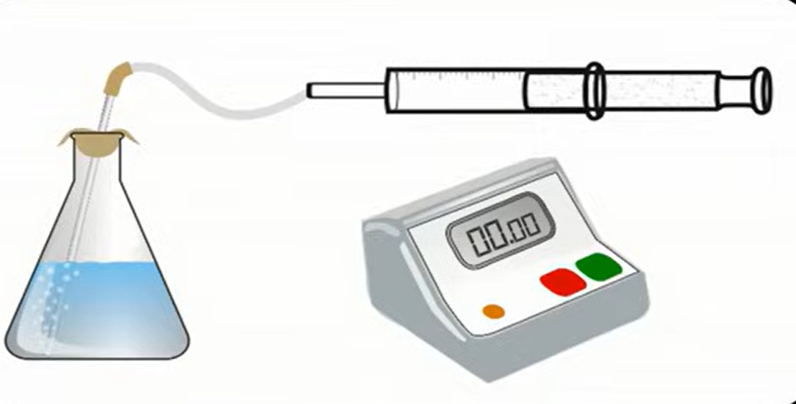
How can the volume of gas produced be used to calculate the rate?
Measure the amount of gas produced using a gas syringe over a specified time
Use the ideal gas equation to work out the number of moles of gas produced
Use the molar ratio in the equation to work out the reactant concentrations
If a reaction has a colour change, what can be used to measure this?
A colorimeter (measures absorbance/transmission of light):
the more concentrated a sample is, the darker it’s colour & so, more light is absorbed
common reaction is between propanone & iodine (reaction goes from brown to colourless)
How can a colorimeter be used to measure the rate of a reaction?
Plot a calibration curve by making up a range of known different concentrations
Measure the absorption for each concentration (samples regularly taken & tested) & plot the results
Use the calibration graph & absorbance to find the concentration
What is a rate-concentration graph?
Shows how the rate depends on concentration & can be used to determine the reaction order:
made by finding the rate of reaction (from the gradient of a concentration-time graph) at different concentrations
then plotting rate (y-axis) against concentration (x-axis)
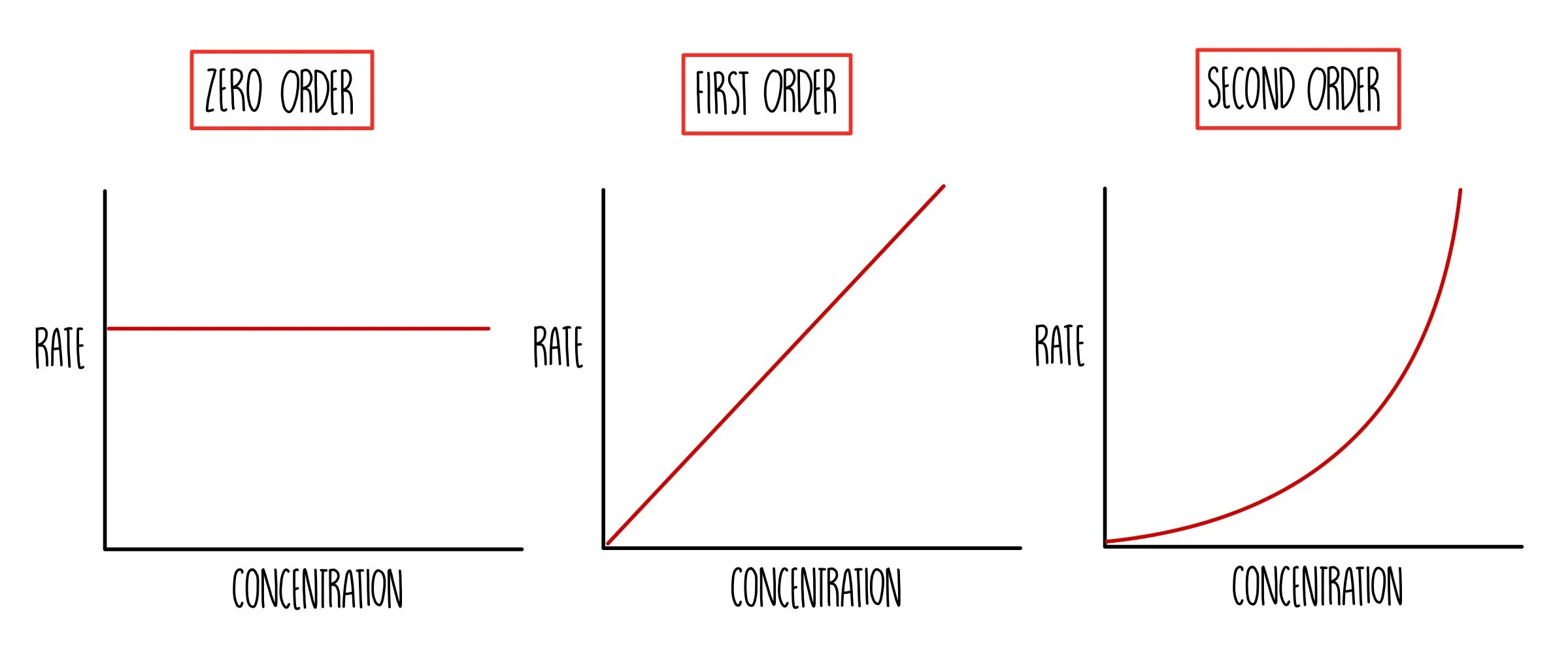
What is the rate-concentration graph for zero order?
The rate on a straight line graph is constant:
the rate-concentration graph shows a horizontal line → changing concentration doesn’t change the rate
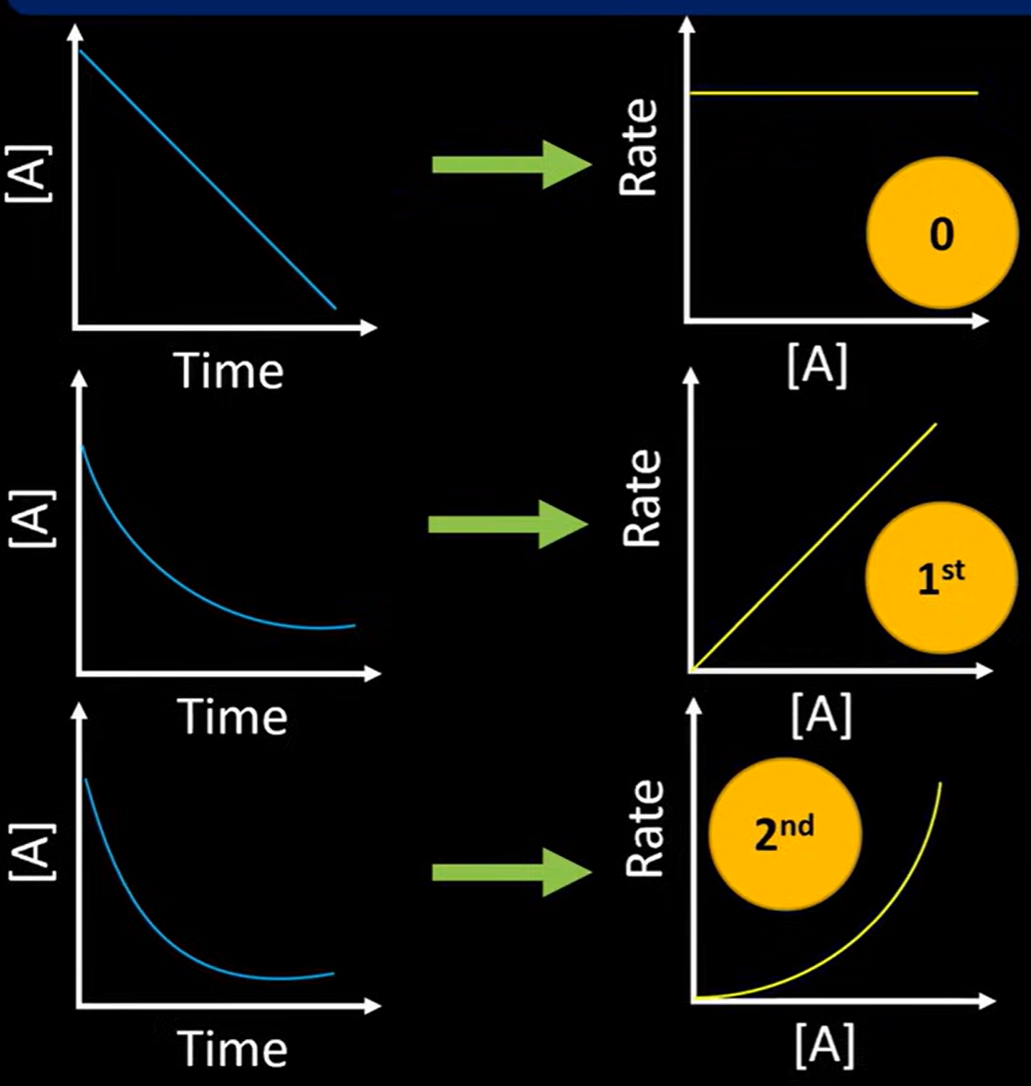
What is the rate-concentration graph for first order?
The rate on a shallow curve graph changes in equal amounts:
a straight diagonal line (linear) → changing the concentration changes the rate equally
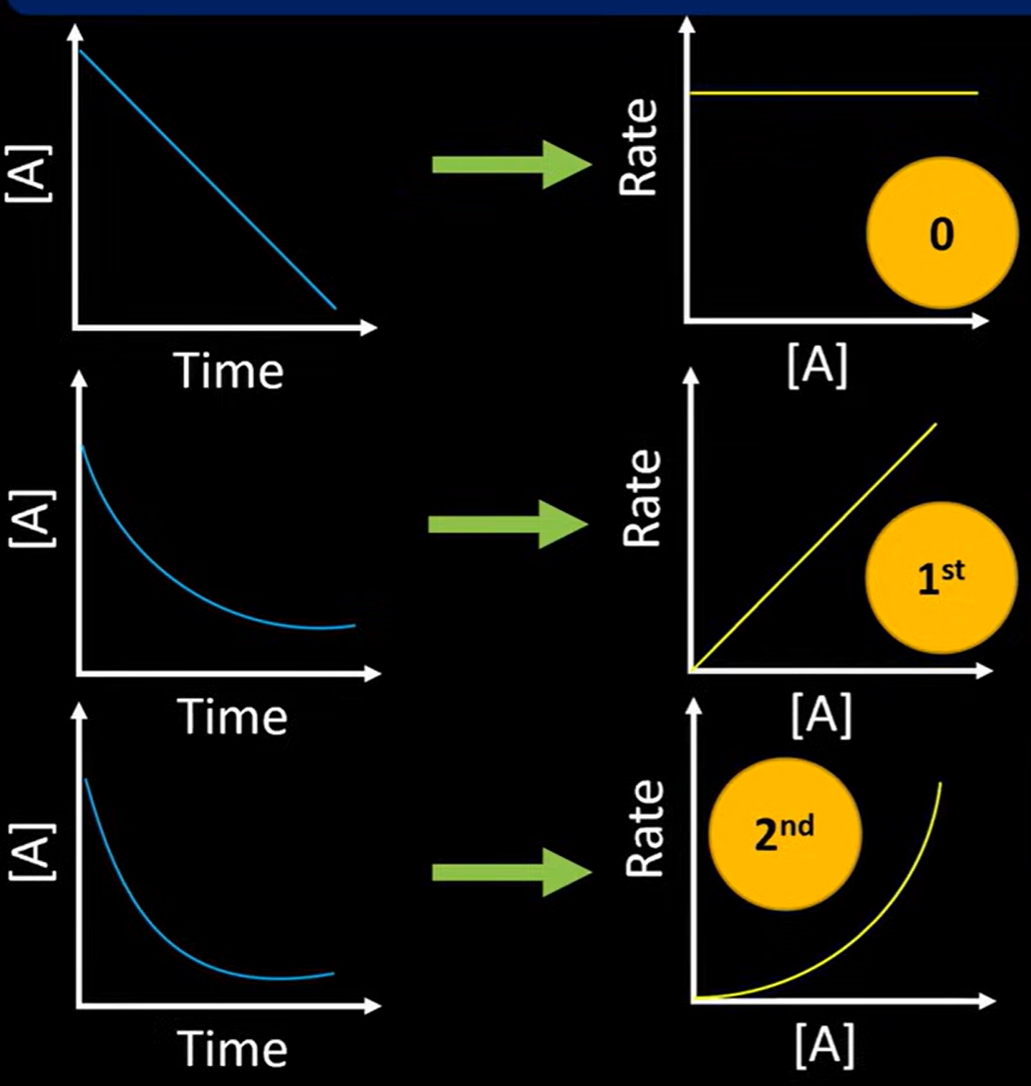
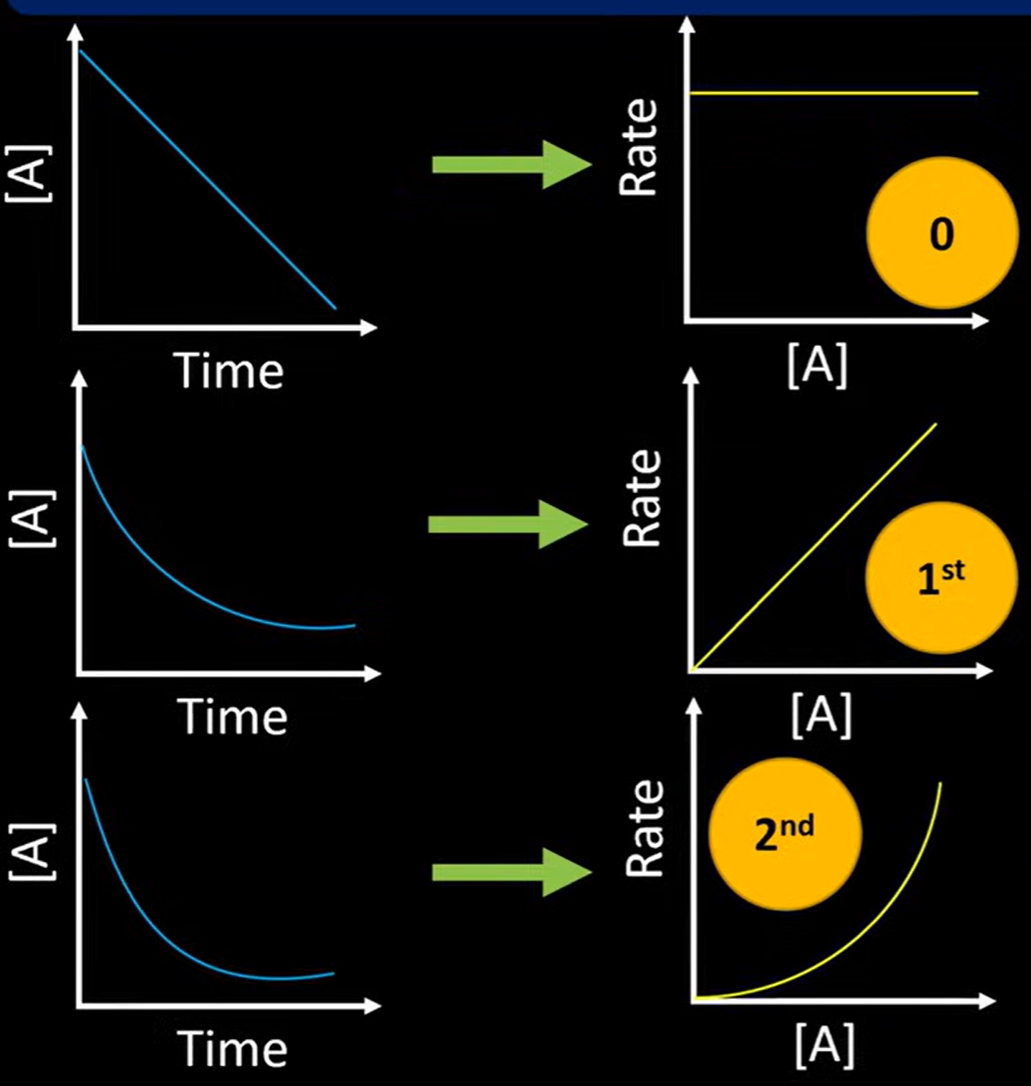
What is the rate-concentration graph for second order?
The rate on a steep curve graph changes in unequal amounts:
the rate-concentration graph shows a curved line → changing the concentration changes the rate squared
What is the rate determining step?
The slowest step in a multi-step reaction that controls & dictates the overall rate at which the entire reaction proceeds
What could be done/used to speed up a chemical reaction?
Use a catalyst
Increase the temperature
What is the Arrhenius equation & the formula?
Links activation energy & temperature to the rate constant (k)
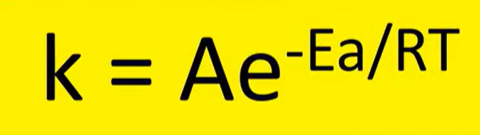
What do each of the terms in the Arrhenius equation represent (include units) ?
k: rate constant
A: Arrhenius constant
e: exponential (‘e’ button on calculator → shift ‘8’)
Ea: activation energy (Jmol-1)
R: gas constant (8.31 JK-1mol-1)
T: temperature (K)
What is the relationship between activation energy & the rate constant (k) ?
As the activation energy gets smaller, the rate constant (k) gets bigger:
meaning as the activation energy decreases, the rate of reaction increases
many more particles have enough energy to react when they collide
What is the relationship between temperature & the rate constant (k) ?
As the temperature increases, the rate constant (k) increases:
when the temperature increases, particles have more kinetic energy & are more likely to collide with at least the activation energy → more successful collisions
consequently, the rate of reaction increases
What is an Arrhenius plot used to find out?
The activation energy & Arrhenius constant