BIS2B Final - UC Davis
 Call Kai
 Learn
Learn Practice Test
 Spaced Repetition
 Match
Match Flashcards
 Knowt Play
1/106

There's no tags or description
Looks like no tags are added yet.
Name | Mastery | Learn | Test | Matching | Spaced | Call with Kai | Chat |
|---|
No analytics yet
Send a link to your students to track their progress
107 Terms
mycorrhizal fungi
symbiotic relationships between fungi and plants, the fungi colonizes the root system of a host plant, providing increased water and nutrition absorption while the plant provides fungus with carbohydrates formed from photosynthesis
For soils with high nutrient and water availability, mycorrhizal fungi are PARASITIC on plants.
ecological succession
process of change in the species structure of an ecological community over time
logistic growth
takes place when a populations per capita growth rate decreases as population size approaches a maximum imposed by limited resources, the carrying capacity (k)
inhibition
negative effect of one species on another preventing it from establishing as quickly (or at all) during succesion
keystone species
A species whose presence and role within an ecosystem has a disproportionate effect on other organisms within the ecosystem
competition/exploitation
interactions between organisms or species in which both of the organisms or species are harmed
facilitative/amenlism
encounters between organisms that benefit at least one of the participants and cause harm to neither
facultative
one or both are benefitted
realized niche
where the species actually lives
fundamental niche
an organism can take advantage of all the biotic and abiotic factors in an ecosystem without competition from other species or pressure from predators
fragmentation
the form of asexual reproduction wherein a parent organism breaks into fragments each capable of growing independently into a new organism
r-selected traits
rapid development, high production rate, small body size, short life span
k-selected traits
slow development, low reproductive rate, large body size
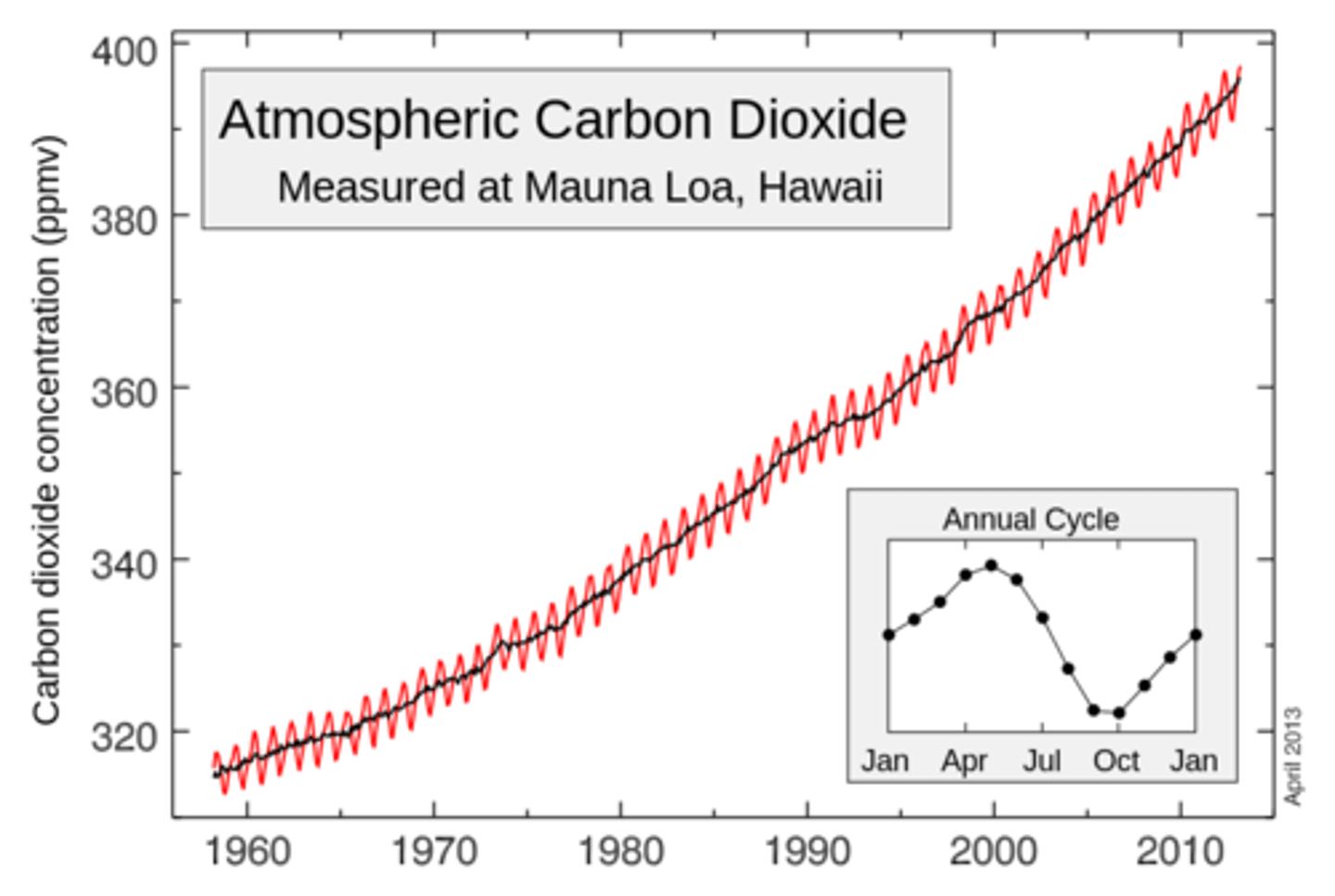
The Keeling curve
a graph of the accumulation of carbon dioxide in the earth's atmosphere based on continuous measurements
primary productivity
describe the rate at which plants and other photosynthetic organisms produce organic compounds in an ecosystem
character displacement
species co-occur and causes changes based off each other
competitive release
occurs when one of two species competing for the same resource disappears, thereby allowing the remaining competitor to utilize the resource more fully than it could in the presence of the first species
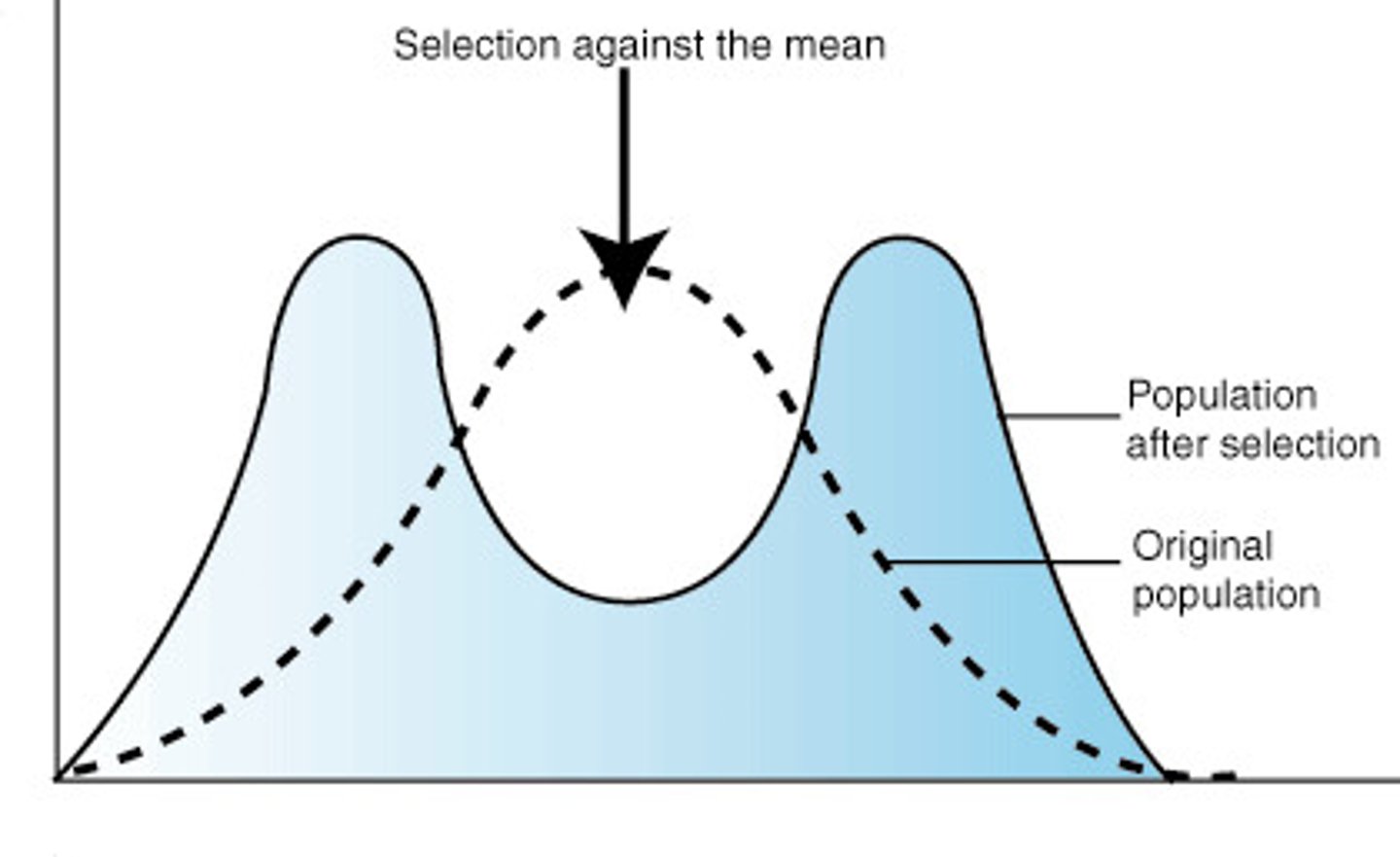
disruptive selection
changes in population genetics in which extreme values for a trait are favored over intermediate values
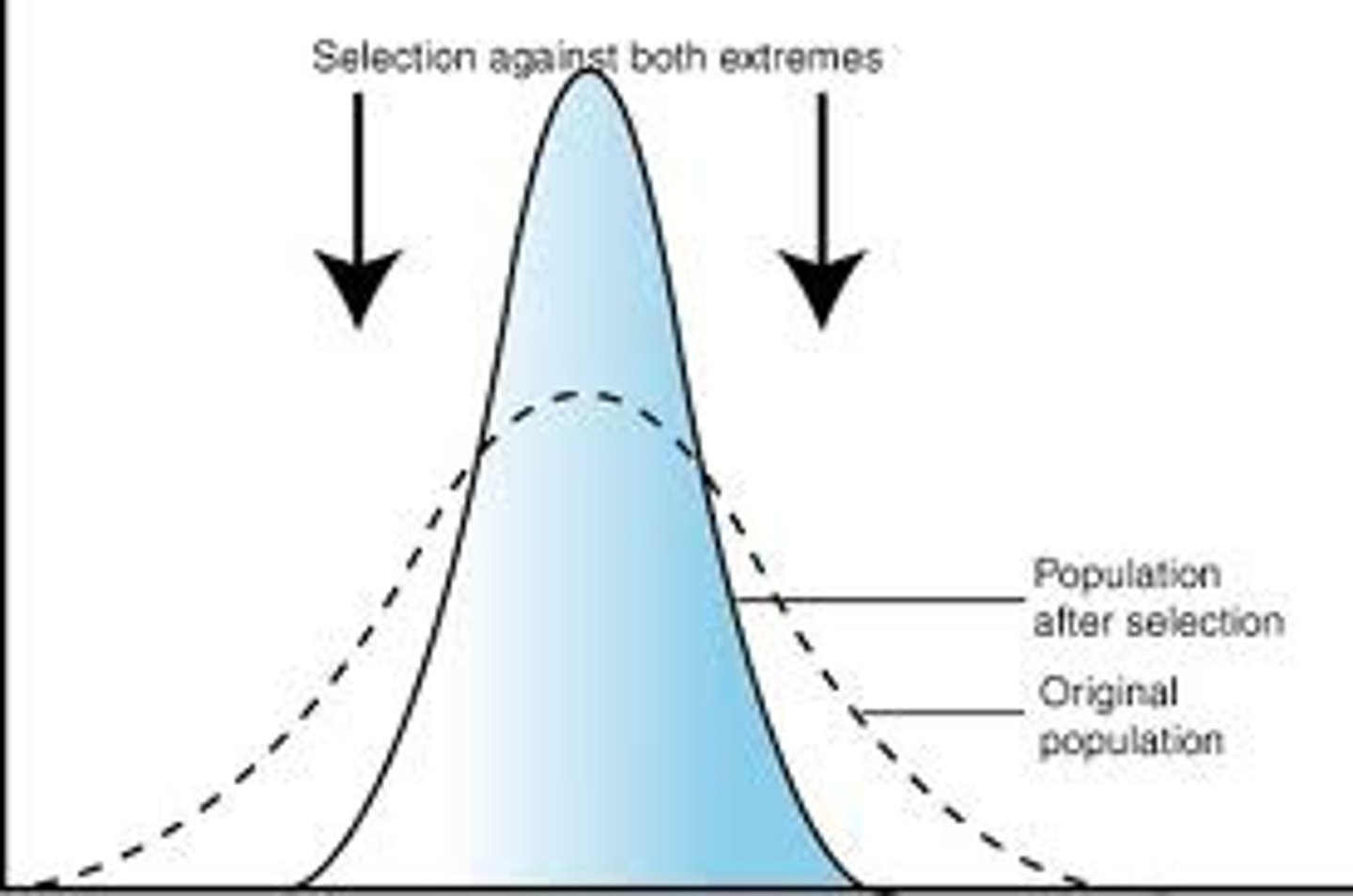
stabilizing selection
when the average is most favorable
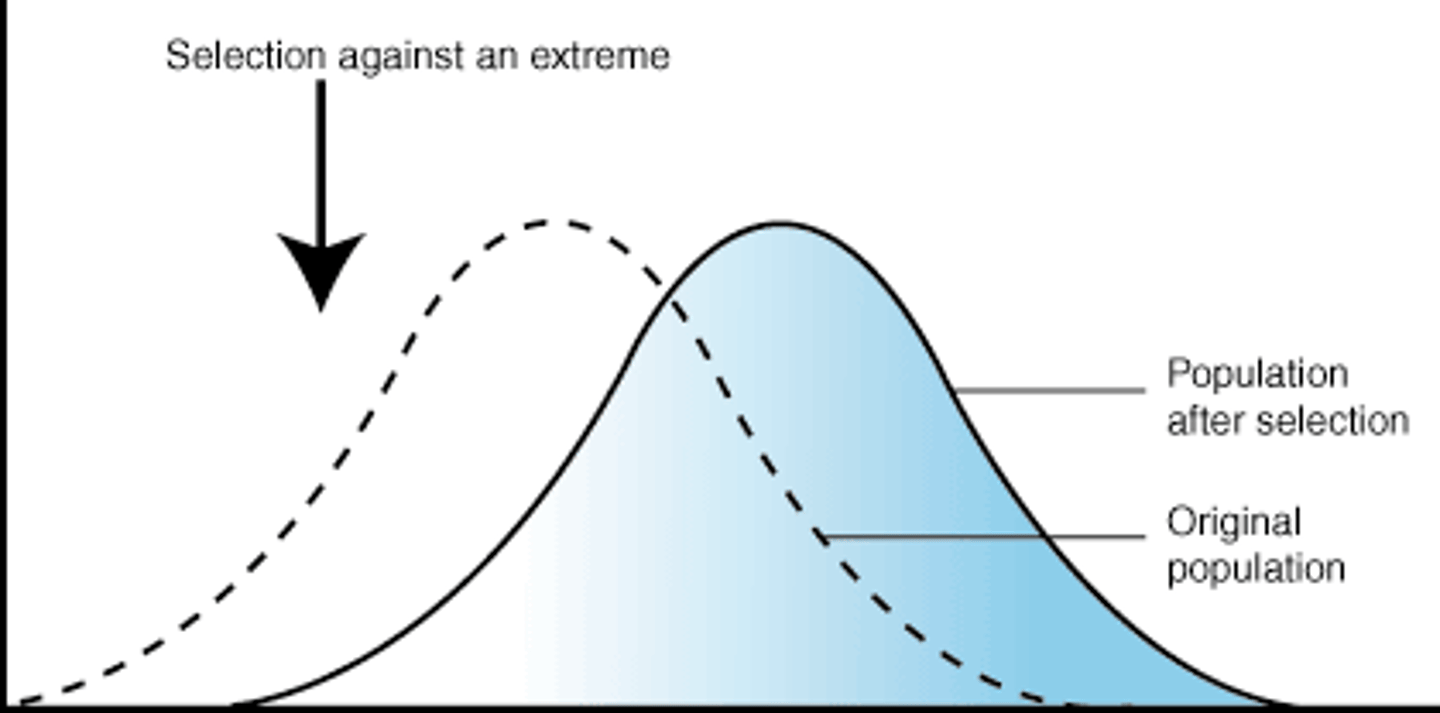
directional selection
a mode of natural selection in which a single phenotype is favored, causing the allele frequency to continuously shift in one direction
competitive exclusion principle
states that two species that compete for the exact same resources cannot stably coexist
inbreeding
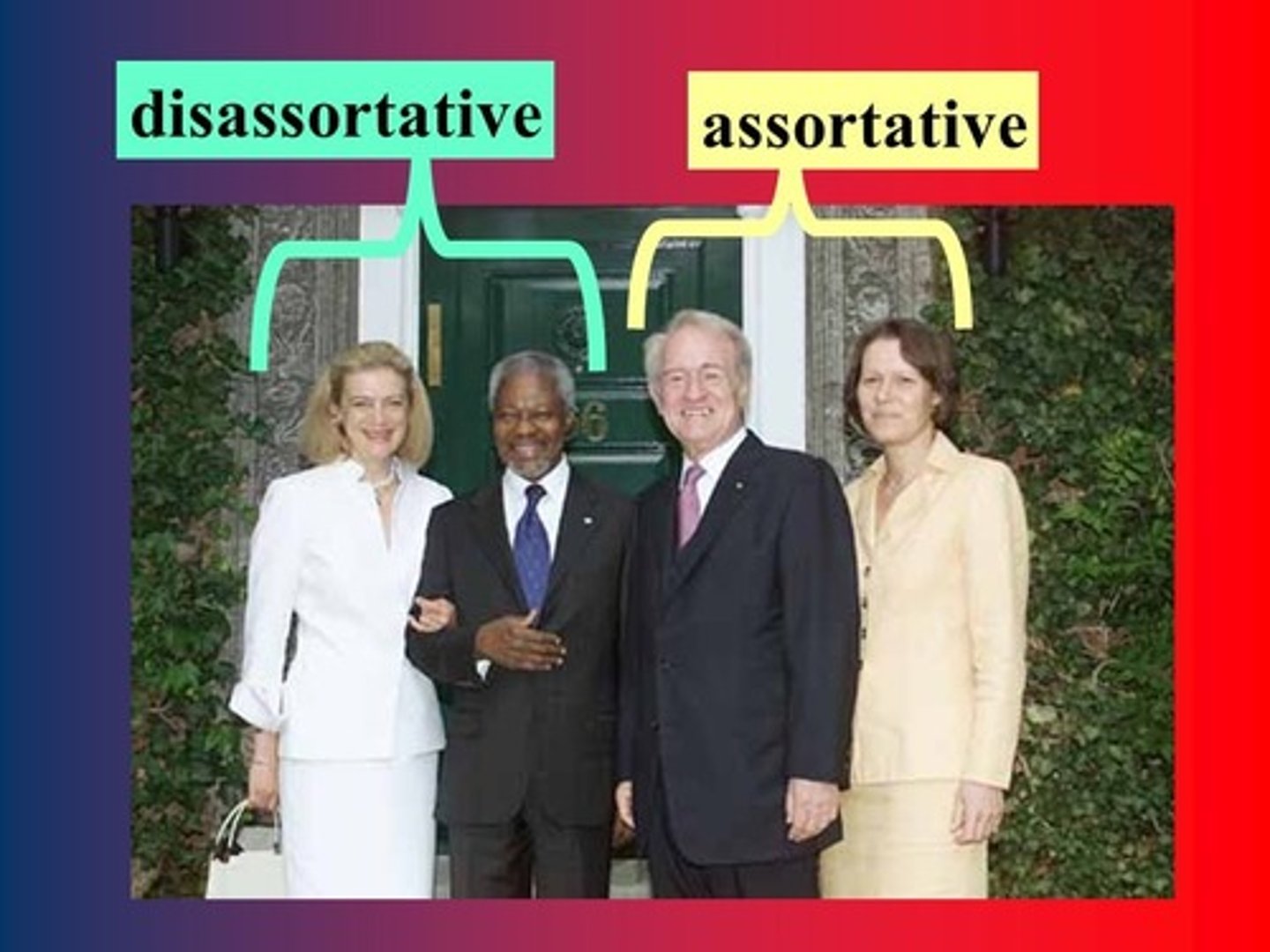
selects a mating partner that resembles itself geno/phenotypes
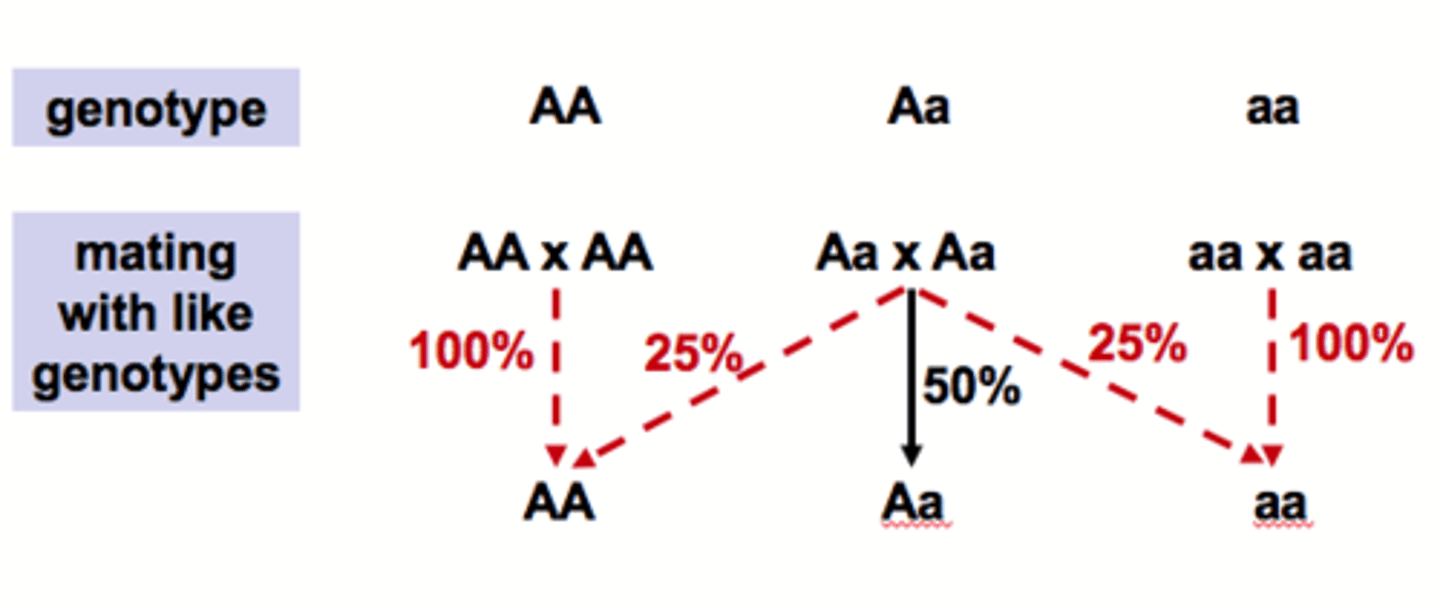
outbreeding
preference for diff genotype/phenotype
heterozygote advantage
Greater reproductive success of heterozygous individuals compared to homozygotes; tends to preserve variation in gene pools (inbreeding).
allopatric speciation
speciation that happens when two populations of the same species become isolated from each other due to geographic change
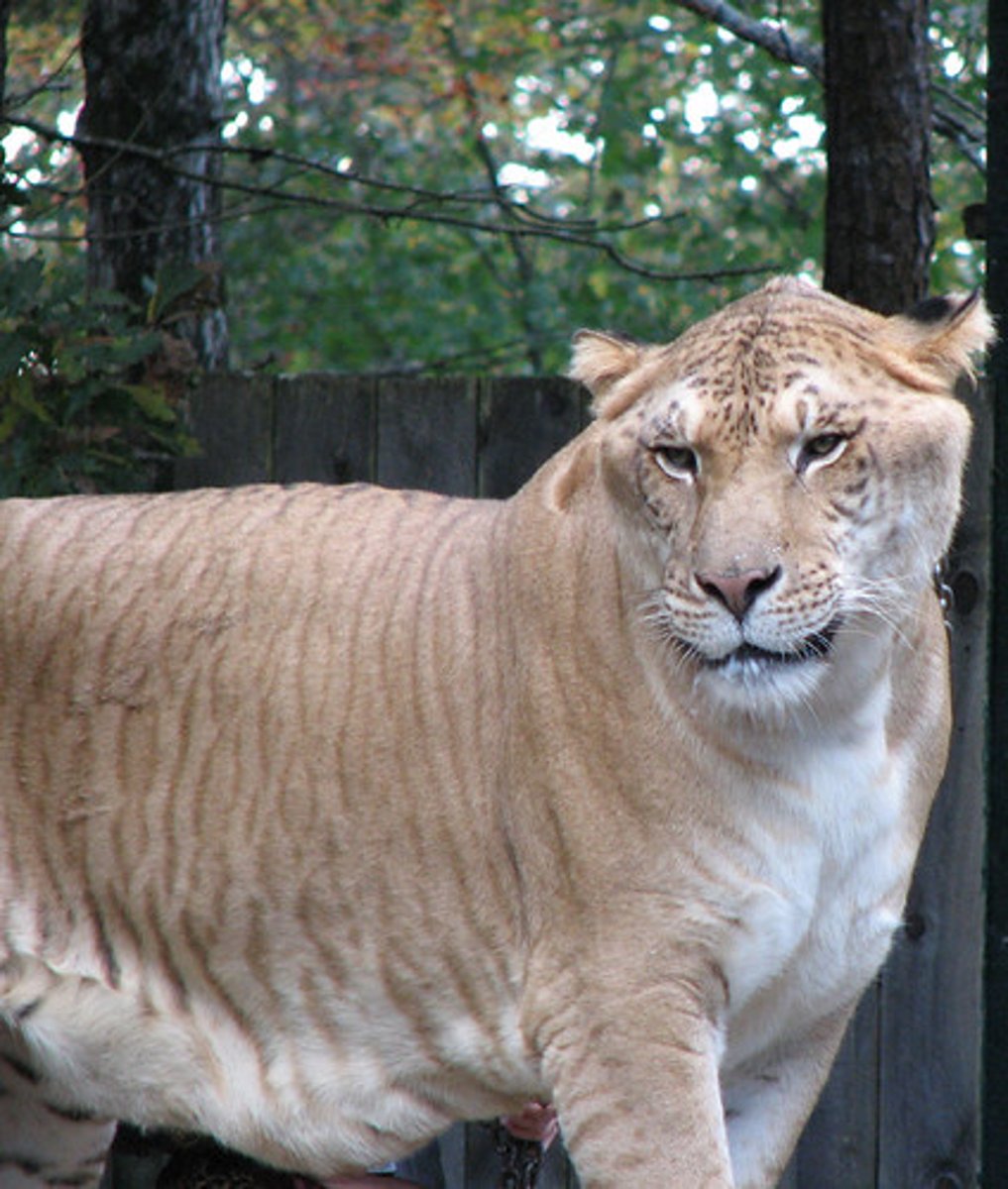
Hybrid inviability
a post-zygotic barrier, which reduces a hybrid's capacity to mature into a healthy, fit adult. The relatively low health of these hybrids relative to pure-breed individuals prevents gene flow between species.
founder effects
the reduced genetic diversity which results when a population is descended from a small number of colonizing ancestors
Behavioral isolation
Mating rituals within species. Prezygotic mechanism that has been favored by selection for reinforcement of reproductive isolation. Example: mating dance by birds.
hybrid infertility
A postzygotic barrier in which hybrid zygotes (gamete cells) fail to develop or to reach sexual maturity
habitat isolation
Species occur in the same area, but they occupy different habitats and rarely encounter each other. Example: prezygotic mechanism that prevents hybrid mating between benthic and limnetic forms within lakes in the wild
local radiation
an event in which a lineage rapidly diversifies with the newly formed lineages evolving different adaptations
key innovation
a novel phenotype trait that allows subsequent radiation and success of a taxonomic group
ecological speciation
the process which ecologically based divergent selection between different environments leads to creation of reproductive barriers between populations
Demographic stochasticity refers to __________.
random year-to-year variations in a population's birth and death rates
theory of island biography
a theory that demonstrates the dual importance of habitat size and distance in determining species richness (larger island=greater number of species because lower extinction rates and lower in reserves geography closer to other reserves due to higher colonization rates)
Cambrian explosion
A burst of evolutionary origins when most of the major body plans of animals appeared in a relatively brief time in geologic history; recorded in the fossil record about 545 to 525 million years ago.
Carboniferous Period
354 to 290 mya. refers to the rich coal deposits found in rocks of this age.cooler period, much of the land covered by forest swamps. Very large plants and trees became prevalent. amniotic egg, which prevents dessication of the embryo inside.
negative frequency dependent selection
Phenotypes favored only when rare. Example is left-handed fighting ability
adaptive radiation
An evolutionary pattern in which many species evolve from a single ancestral species (Darwins finches had very different phenotypes but all came from the same generation)
founder event
A type of bottleneck that occurs when only a few individuals establish a new population.
Vicarience
speciation due to isolation by geographic separation-blocks mating
Bottleneck
process in which a large population declines in number, then rebounds
reproductive barriers
serve to isolate the gene pools of species and prevent interbreeding
key innovation
an adaptation which enhances the diversification rate of a lineage (sympatric speciation, autopolyploid, allopolyploid)
divergent selection
evolution in which species that were once similar to an ancestral species diverge; occurs when populations change as they adapt to different environmental conditions; eventually resulting in a new species
autopolyploid speciation
an individual or strain whose chromosome consists of more than two complete copies of the genome of a single ancestor species
duplication - > post zygotic - > sterile
allopolyploid speciation
genetic makeup of two different species (HYBRID)
helpful hint: ALLOsin "donkeeey"
gamete incompatibility
proteins on egg that allow sperm binding do not bind with sperm from another species
commensalism
A relationship between two organisms in which one organism benefits and the other is unaffected
positive frequency dependent selection
Phenotypes are favored only when common. Example is warning coloration
obligate
at least one species could not grow and reproduce without the other
Epistasis
A type of gene interaction in which one gene alters the phenotypic effects of another gene that is independently inherited. (fur color, height, skin color)
Fragmentation
A means of asexual reproduction whereby a single parent breaks into parts that regenerate into whole new individuals. (small parts)
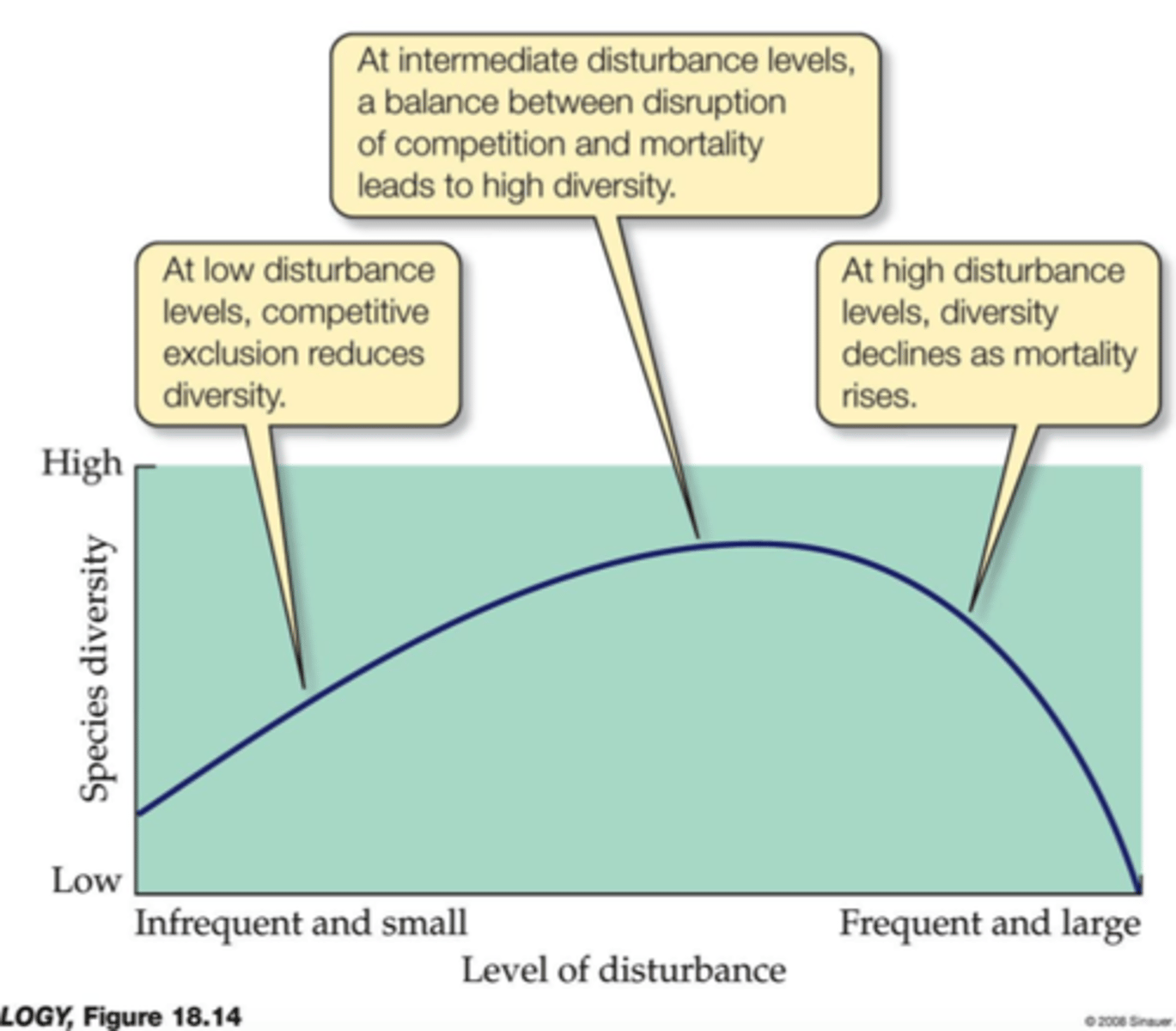
intermediate disturbance
Moderate levels of disturbance can create conditions that foster greater species diversity.
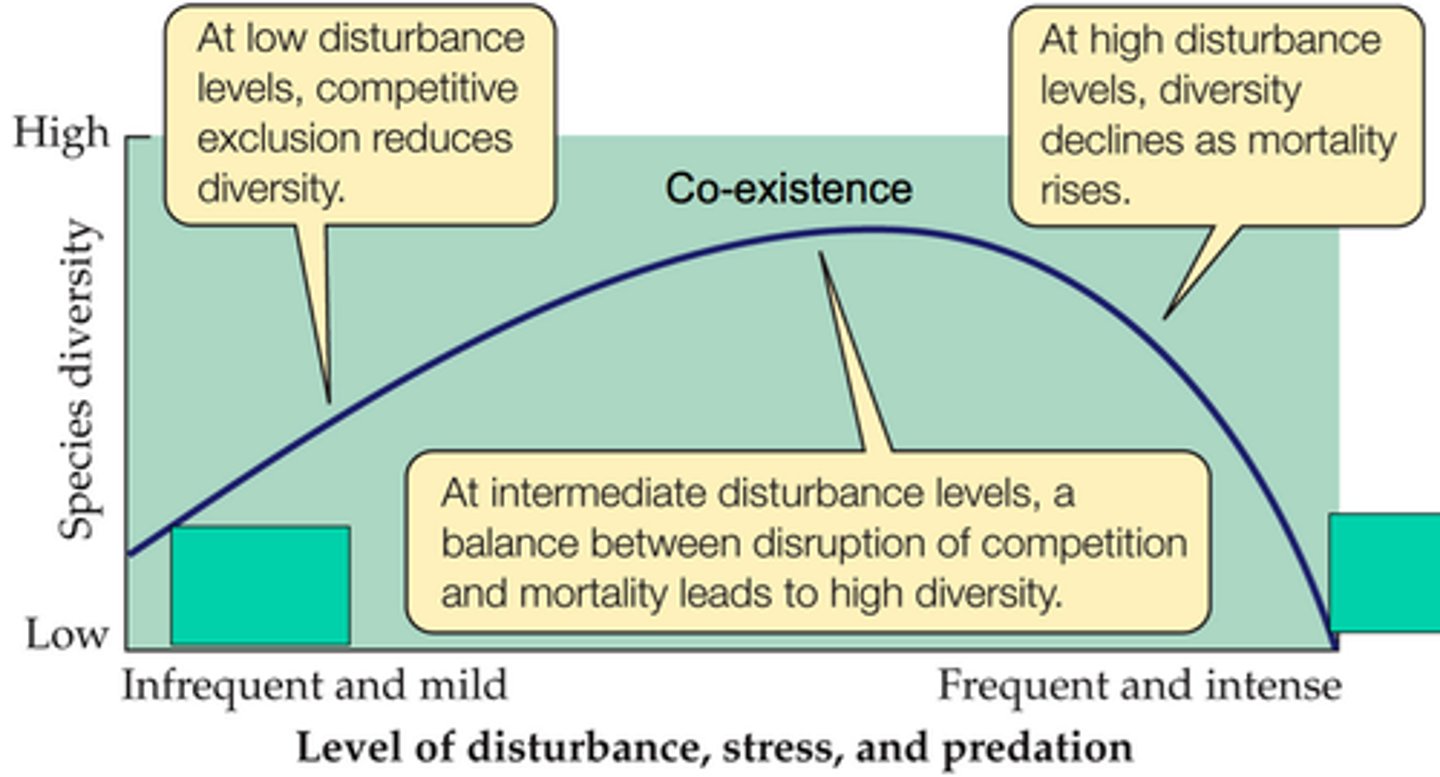
intermediate predation hypothesis
diversity is maximized at intermediate levels of predation
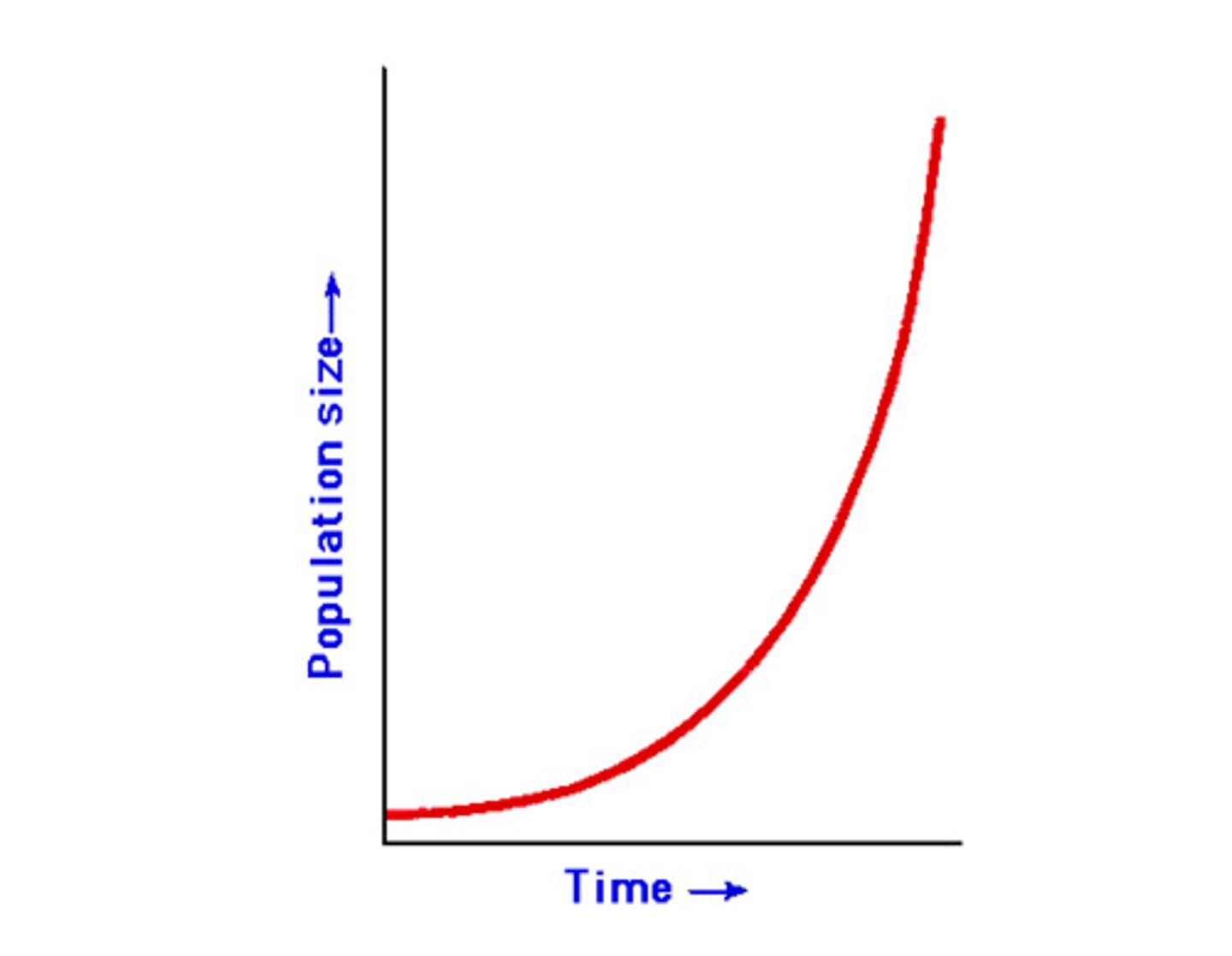
exponential growth
Growth pattern in which the individuals in a population reproduce at a constant rate
A symbiotic relationship in which both species benefit is
mutualistic relationship
a symbiotic relationship in which one benefits and has no effect on the other
commensalism
parasitic relationship
only the infecting organism benefits from the relationship
allopatric
geographic isolation
Dobzhansky-Muller incompatibility
breakup of "coadapted gene complexes" by independent mutations in isolated populations (creates low fitness)
Reproductive isolation mechanisms
Post zygotic (after fertilization)- hybrid inviability- zygote is formed but because of genetic incompatibilities it will not develop
Hybrid sterility- develop into adults but the offspring will not have viable gametes
Hybrid breakdown- fertile hybrids form but they have low reproductive success
Gametic incompatibility
gametes are incompatible and will not form a zygote
evolutionary radiation
rapid proliferation of many species from a common ancestor
Inhibition
early colonist makes environment less suitable for subsequent colonization
Indirect effect
a change in the abundance of one species resulting from its interaction with another species which is affected by a third species
Trophic Cascade
powerful indirect interactions that can control entire ecosystems, occurring when trophic level in a food web is suppressed
Niche Partitioning
Natural Selection drives competing species into different patterns of resource use
Maintenance of Diversity
Intermediate disturbance , predation, and productivity hypotheses > local species diversity is maximized when ecological disturbance is neither too rare nor too frequent
Maintenance of Diversity explained
Niche Partitioning
Intermediate disturbance, predation, and productivity
Competitive intrasitivities
Fluctuations in environmental conditions
Intermediate disturbance hypothesis
Species richness is greatest on medium sized boulders > supports the intermediate disturbance
hypothesis
Intermediate Productivity Hypothesis
Diversity is maximized @ intermediate levels of productivity and predation
Keystone species
species that have major effects on a community structure and an effect disproportionate to their abundance
Foundation species
species that have a major effect on a community structure by virtue of their high biomass and habitat forming characteristics
Cyclical Succession
a pattern of change in community composition (succession) due to recurring events or changing interactions with plants and animals
prezygotic isolation (prevents fertilization)
Prezygotic isolation (prevents fertilization)
Geographic (allopatry) - little opportunity for gene flow or mating, species with low dispersal can be isolated by short distances
Ecological- If two sympatric species use different habitats, they will rarely encounter one another
Because the 2 species never encounter one another, they never actually mate so they are reproductively isolated
Sympatric speciation must satisfy
Sister Species
Currently sympatric
Genetically based reproductive isolation
No historic phase of geographic isolation
phylogenetic diversity
A measure of biodiversity using the pattern of the relationships of lineages to one another over time.
periodic disturbances
Catastrophic disturbances, including fires, hurricanes, tornadoes, and volcanic eruptions, can devastate biological communities. After the disturbance, (1) the area is recolonized by organisms or repopulated by survivors, but (2) the structure of the community undergoes a succession of changes during the rebound. Several communities actually depend on periodic fire to maintain them.
microbial succession
The initial microbes change the environment so that other microorganisms can thrive
cyclic succession
succession may increase chances of disturbance, buildup of understory leads to intense fire
infection duration
the amount of time it takes for a virus to go away
optimal foraging theory
compromise between benefits of nutrition and costs of obtaining food.
aerobic metabolism
Metabolism that can proceed only in the presence of oxygen.
Eukaryotic cells
Contain a nucleus and other organelles that are bound by membranes.
genetic drift
A change in the allele frequency of a population as a result of chance events rather than natural selection.
examples of genetic drift
bottleneck effect, founder effect, gene flow, mutations
Example of allopolyploid speciation***
Formation of a fertile new salt marsh grass species from a sterile hybrid between two other species
independent assortment
One of Mendel's principles that states that genes for different traits can segregate independently during the formation of gametes
hair gene has no effect on eye gene
Pleiotropy
A single gene having multiple effects on an individuals phenotype
The species richness of an forest fragment in a deforested landscape is predicted to be_______________
in small fragments compared with large fragments, and ______________ in
isolated fragments compared with fragments closer to undisturbed forest.
lower; lower
intristic growth rate
the maximum potential for growth of a population under ideal conditions with unlimited resources
Breeder's equation
R=h^2S
R=response to selection
S=selection differential
Equation from previous examples:-5/-10= 0.5
carbon dioxide in northern hemisphere
They are highest in the winter, because winter photosynthesis rates are lower than winter respiration rates.
algal bloom
The rapid growth of a population of algae
Acclimation
the process or result of becoming accustomed to a new climate or new conditions
CAN BE REVERSIBLE
what events depend upon the concentration of atmospheric oxygen?
- origin of aerobic metabolism
- giant flying insects
- origin of eukaryotic cells
- origin of multicellular animals
what events DID NOT depend upon the concentration of atmospheric oxygen?
- origin of photosynthesis
Cenozoic
rapid adaptive radiation of mammals, angiosperms, etc. Rise of symbiotic nitrogen fixation; spread of grasslands; Pleistocene ice ages; holocene warming; recent climate change and its causes; anthropocene
what caused spread of grasslands
A lineage of angiosperms evolves symbiosis with N-
fixing bacteria housed in root nodules, increasing
rates of biological N-fixaton in ecosystems