Microbiology
 Call Kai
 Learn
Learn Practice Test
 Spaced Repetition
 Match
Match Flashcards
 Knowt Play
1/185

There's no tags or description
Looks like no tags are added yet.
Name | Mastery | Learn | Test | Matching | Spaced | Call with Kai | Chat |
|---|
No analytics yet
Send a link to your students to track their progress
186 Terms
Break down “Staph aureas”
-is it gram positive or negative? Is this different from strep infections?
-is it catalase positive or negative? How is this different from strep infections?
-coagulase positive or negative?
-is it hemolytic?
-is this a mannitol fermenter? What does this do to agar?
-what is the main virulence factor of Staph. a? What does it do?
-what conditions are common from staph aureus?
-for cases of MRSA, how do we treat?
-for cases of MSSA, how do we treat?
-“staph” meaning grape-like granule(cocci)
-“aureas” meaning golden brown on stain
-gram positive; no, all strep infections are also gram positive
-catalase positive; all strep infections are catalase negative
-coagulase positive
-yes, beta-hemolytic
-yes; turns agar yellow
-protein A(think A for aureus!); prevent compliment binding
-pneumonia(patchy infiltrates, and follows a previous infection); septic arthritis(most common cause of this); acute endocarditis(look for IV drug users); osteomyelitis(most common cause of this); scalded skin syndrome; toxic shock syndrome
-vancomycin
-nafcillin(a penicillin)

Break down: “Staph epidermitis”
-is it gram positive or negative? Is this different from strep infections?
-is it catalase positive or negative? How is this different from strep infections?
-coagulase positive or negative? What does this differentiate from?
-What does it mainly cause issues for?
-why is it so good at the above?
-how to treat?
-this bug is very similar to staph saprophyticus, how do you differentiate?
-“staph” meaning grape-like granule(cocci)
-“epidermitis” meaning inflammation on the skin(its normal skin flora)
-gram positive; no, all strep infections are also gram positive
-catalase positive; all strep infections are catalase negative
-coagulase negative; differentiates from staph aureus
-prosthetic joint infections; Foley catheter infections; endocarditis from artificially implanted heart valve
-secretes a sticky biofilm to stick to metals and plastics
-vancomycin
-this is novobiocin sensitive

Break down: “Staph saprophyticus”
-is it gram positive or negative? Is this different from strep infections?
-is it catalase positive or negative? How is this different from strep infections?
-coagulase positive or negative? What does this differentiate from?
-What does it mainly cause issues for?
-this bug is very similar to staph epidermitis, how do you differentiate?
-“staph” meaning grape-like granule(cocci)
-gram positive; no, all strep infections are also gram positive
-catalase positive; all strep infections are catalase negative
-coagulase negative; differentiates from staph aureus
-UTIs in sexually active females
-this is novobiocin resistant

Break down: “Strep pyogenes”
-also called __
-is it gram positive or negative? Is this different from staph infections?
-is it catalase positive or negative? How is this different from staph infections?
-this has a capsule made up of __(think Hot Apple pie)
-is it hemolytic? What virulence factor allows this?
-another important virulence factor? Why?
-What issues does it mainly cause?
-2 very serious complications of strep pyogenes? State symptoms
-how to treat strep?
-“strep” meaning grape-like(cocci) chains
-“pyogenes” meaning pus-producing
-group A strep
-gram positive; no, all staph infections are also gram positive
-catalase negative; all staph infections are catalase positive
-hyaluronic acid
-beta hemolytic; streptolysin O
-streptokinase; lyses clots
-impetigo; pharyngitis/strep throat; cellulitis(most common cause of this!); scarlet fever(strawberry tongue with pharyngitis and widespread rash affecting everywhere but the face); toxic shock syndrome; necrotizing fasciitis
-rheumatic fever(JONES criteria) and glomerulonephritis(cola-colored urine and puffy cheeks)
-penicillin

What protein/virulence factor causes rheumatic fever?
-M protein
What heart condition primarily comes from rheumatic fever?
-mitral stenosis
Name the 2 severe conditions that stem from strep pyogenes; state which hypersensitivity comes from each
-rheumatic fever(type II) and glomerulonephritis(type III)
When can glomerulonephritis occur from strep pyogenes?
-2 weeks post-strep infection
How to differentiate group A strep from group B strep?
-group A is bacitracin sensitive; group B is bacitracin resistant
Break down: “Strep agalactiae”
-also called __
-is it gram positive or negative? Is this different from staph infections?
-is it catalase positive or negative? How is this different from staph infections?
-what 2 tests are positive in group B strep, and diagnostic for it?
-is it hemolytic?
-what conditions does this cause?
-if mom tests positive for group B strep, how do you prevent the baby from catching it?
--“strep” meaning grape-like(cocci) chains
-“agalactiae” meaning without milk
-group B strep
-gram positive; no, all staph infections are also gram positive
-catalase negative; all staph infections are catalase positive
-hippurate and CAMP
-beta hemolytic
-neonatal meningitis(most common cause of this!); sepsis; pneumonia
-intrapartum penicillin

Break down: “Strep pneumoniae”
-is it gram positive or negative? Is this different from staph infections?
-is it catalase positive or negative? How is this different from staph infections?
-is it hemolytic?
-what is it major virulence factor?
-bile soluble?
-virulence factor?
-what are the 4 conditions that pneumoniae is responsible for?(MOPS)
-patients with what condition are particularly susceptible to this?
-treatment is __
-“strep” meaning grape-like(cocci) chains
-gram positive; no, all staph infections are also gram positive
-catalase negative; all staph infections are catalase positive
-alpha hemolytic
-polysaccharide capsule
-yes
-IgA protease
-meningitis, otitis media; pneumonia, and sinusitis(most common cause of all of these!)
-sickle cell disease
-macrolide(azithro) or 3rd gen cef(ceftriaxone)

What 2 strep infections are alpha-hemolytic?
-strep viridans and strep pneumoniae
Break down: “Strep viridans”
-is it gram positive or negative? Is this different from staph infections?
-is it catalase positive or negative? How is this different from staph infections?
-is it hemolytic?
-lack of what virulence factor differentiates it from strep pneumoniae?
-why else differentiates from strep pneumoniae?
-bile soluble?
-causes what conditions?
-“strep” meaning grape-like(cocci) chains
-gram positive; no, all staph infections are also gram positive
-catalase negative; all staph infections are catalase positive
-alpha hemolytic
-no capsule
-optochin resistant
-no, bile resistant(strep pneumoniae is bile soluble)
-dental caries; mitral valve endocarditis of those with previously damaged heart valves

What bug has a characteristic “lancet shaped diplococci”?
-strep pneumoniae
What bug causes a classic “rust-colored” sputum in a lobar pneumonia?
-strep pneumoniae
Break down: “Enterococcus”
-bile resistant?
-3 main infections caused by this?
-one type of enterococcus, __, is vancomycin resistant; so what do you treat with?
-“entero” meaning intestine
-“coccus” meaning grape-like granule
-bile resistant
-UTIs; endocarditis; biliary tree infections
-faecium; lenozolid or tigecycline

Break down “bacillus anthracis”
-they have a unique capsule made of __, instead of the normal __
-obligate (aerobe/anaerobe)?
-how does it spread?
-this has 2 important toxins, __ and __(generally explain each)
-a special condition off of this is called wool sorter’s disease(explain); what can this lead to if not treated?
-drug of choice for treatment is __, with a close second being __
-“bacillus” means small rods in chains, and “anthracis” means black, coal-like lesions(hinting at the eschar lesions they cause)
-poly D protein; polysaccharide
-obligate aerobe
-it is spore-forming
-lethal factor(LF; functions as a protease that cleaves MAP kinase, causing tissue necrosis, and the textbook black eschar) and edema factor(EF; increases cAMP which pushes fluid into the intercellular space)
-because the spores can survive a long time dormant, it sometimes gets mixed into sheep wool, then eventually this gets shaved by humans who get the anthrax on them, which travels into their lungs and caused a pulmonary anthrax; pulmonary hemorrhagic mediastinitis
-fluoroquinolone; doxycycline
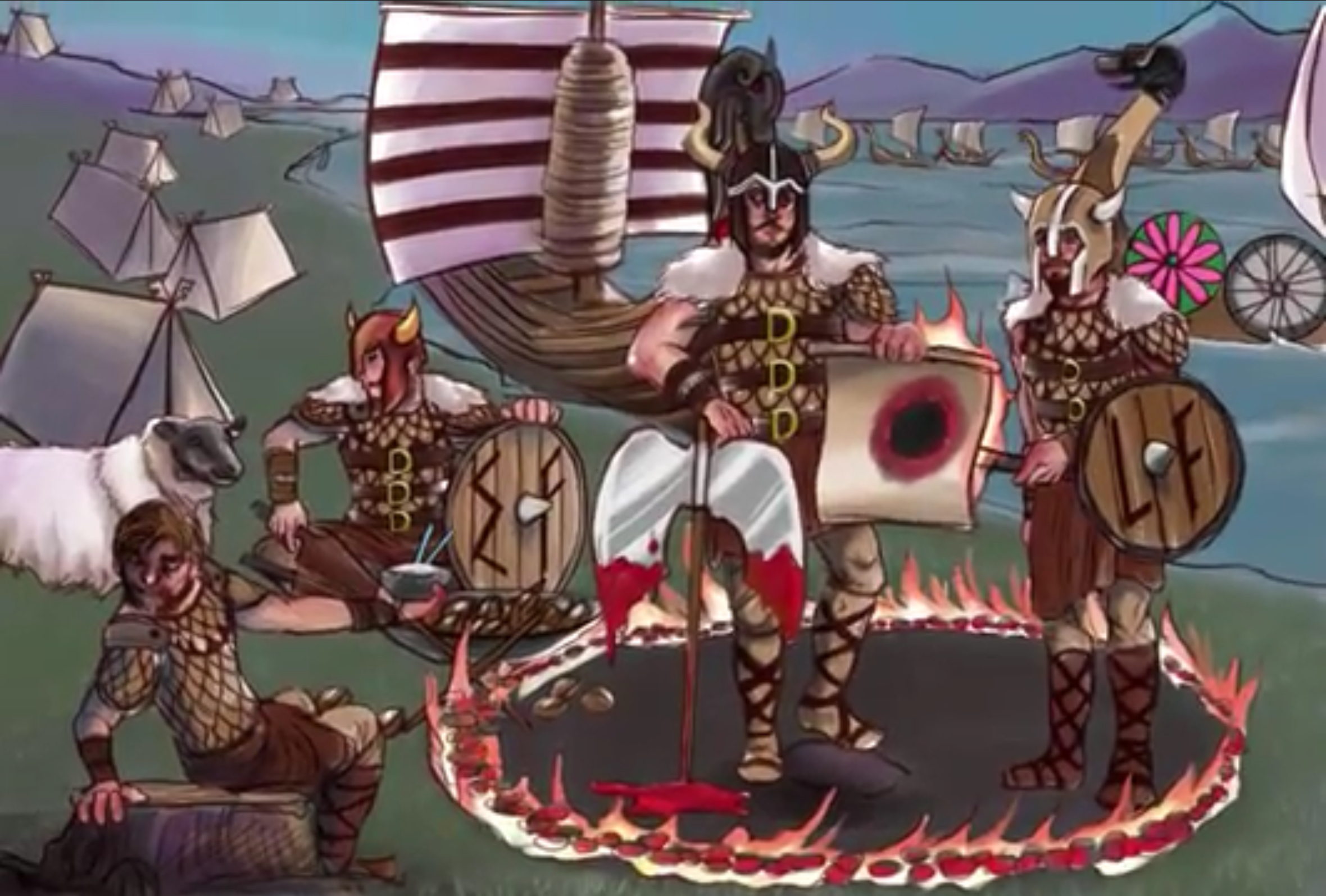
Bacillus cereus
-all similar attributes to __
-associated with? Trick?
-bacillus anthracis
-reheating rice; think cereus is like cereal, which is close to rice
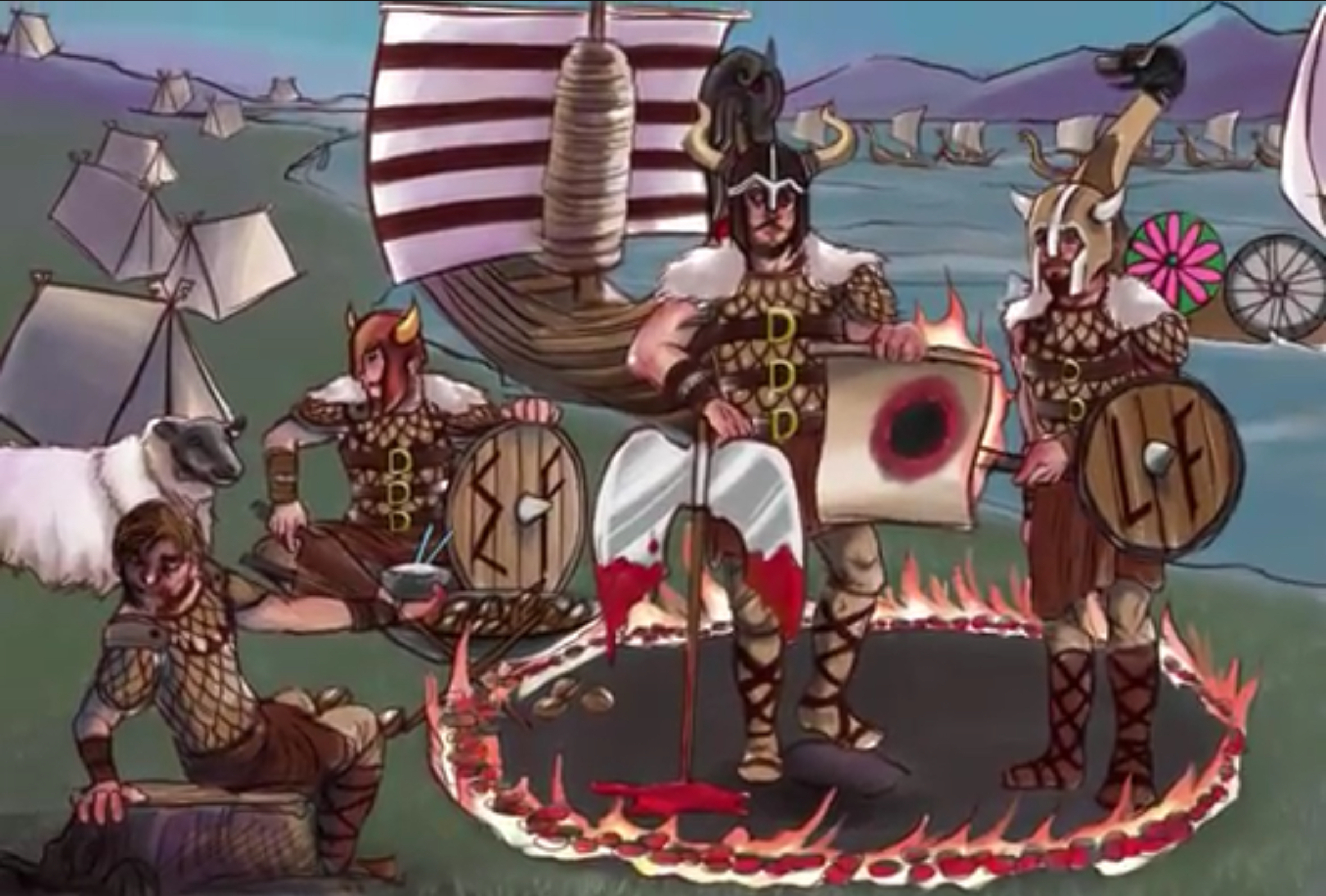
Break down “Clostridium tetani”
-classically causes?
-obligate (aerobe/anaerobe)?
-how does it spread?
-cause of infection?
-presentation? A textbook description of one symptom?
-toxin moves (anterograde/retrograde) along neuron? Why? What does the toxin do?
-treatment?
-tetanus
-“clostridium” means spindle/rod-shaped, and “tetani” means causing spasms
-obligate anaerobe
-through spores
-through a penetrating trauma from rusty metal
-as name implies, muscle spasms and rigidity, with overly arching back; “risus sardonicus“, meaning evil smile, which is lock-jaw
-retrograde; normal movement is spinal cord to muscle, so this toxin moves from the periphery to the spinal cord; cleaves SNARE proteins which inhibits exocytosis of GABA and Glycine from Renshaw cells, into the synapse
-immediate immunoglobulins and metronidazole
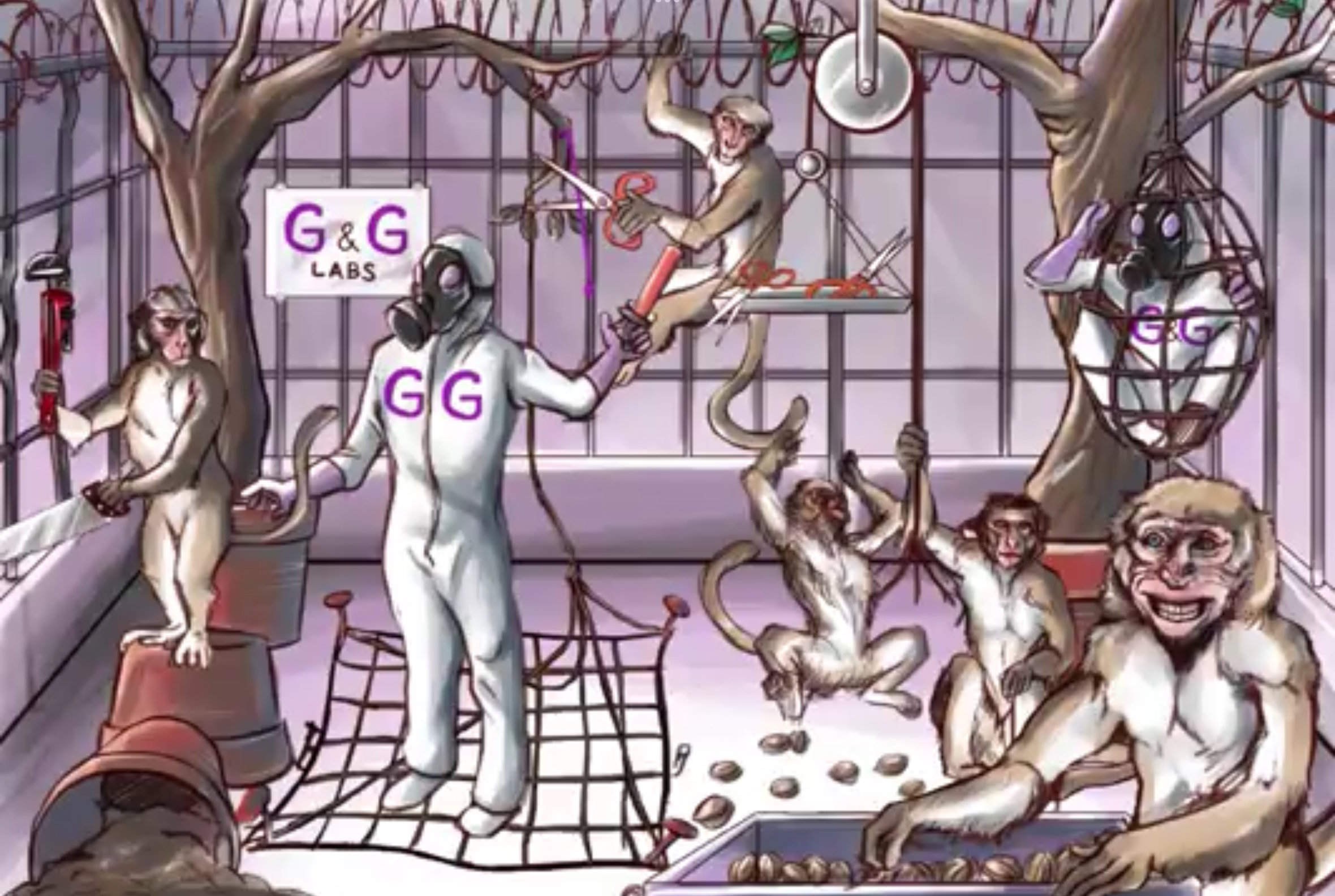
Clostridium botulinum
-classically causes? Presents as?
-traditionally caused by…, which might be too obvious in a question stem, so maybe keep an eye out if multiple family members present similarly, implying they may have eaten the same food from the same cans
-spreads by?
-because of the direction of the paralysis, states above, initial symptoms are likely to be of the __, such as __ or __
-pathophysiology?
-has a special name in babies, called __, where babies generally get it from consuming __
-treatment?
-botulism; a DESCENDING paralysis
-improperly canning of foods
-spores
-eye; ptosis or diplopia
-cleaves SNARE proteins which inhibits exocytosis of Ach into the synapse, inhibiting contraction
-floppy baby syndrome; honey
-immediate antitoxin

If we’re talking spore-forming, what are the 2 big genus? And how do we differentiate these 2?
-bacillus and clostridium; bacillus is aerobic, and clostridium is anaerobic
Clostridium tetani, which causes __, has a toxin that cleaves SNARE proteins, stopping them from releasing the NTs __ and __(if you can’t release (excitatory/inhibitory) NTs, this causes (spastic/flaccid) paralysis)
Clostridium botulinum, which causes __, has a toxin that cleaves SNARE proteins, stopping them from releasing the NT __(if you can’t release (excitatory/inhibitory) NTs, this causes (spastic/flaccid) paralysis)
tetanus; GABA and Glycine; inhibitory; spastic paralysis
-botulism; Ach; excitatory; flaccid paralysis
What is your first thought of babies consuming honey?
-clostridium botulinum/floppy baby syndrome
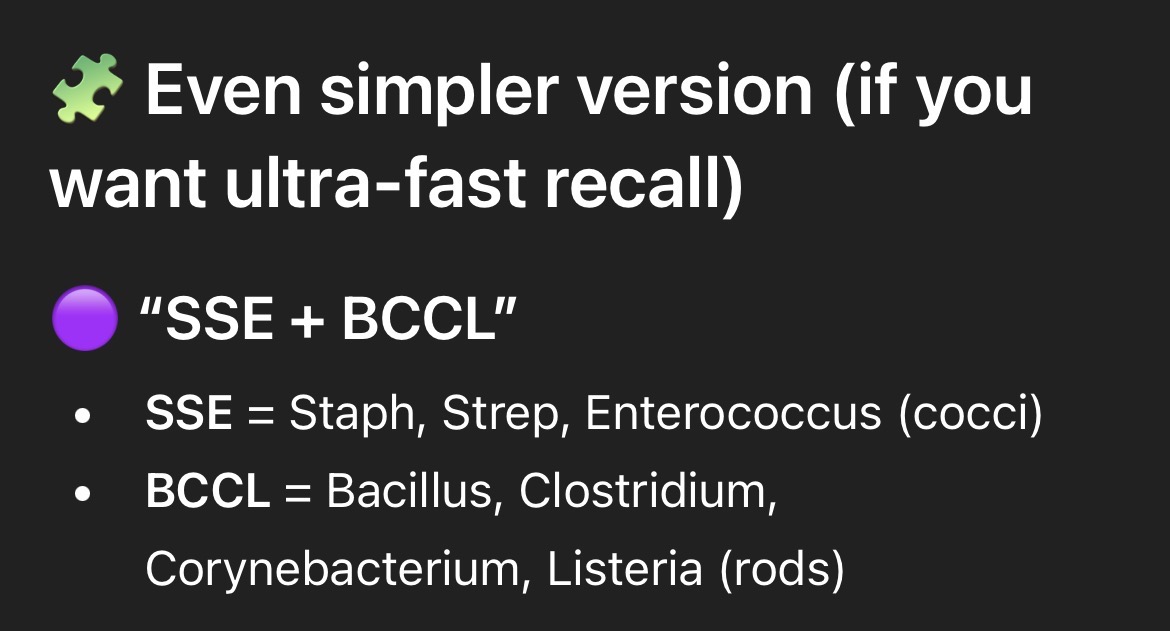
Brain break! Quick trick for knowing all the gram positive bacteria
Clostridium difficile
-gram positive/negative?
-aerobe/anaerobe?
-spores?
-present as normal flora, or not?
-2 ways someone may develop this infection are toxogenic, such as through __, and the other way is through antibiotic use, such as with __
So what classically causes it to cause symptoms?
-symptoms? Worst case?
-classic prevention?
-it has 2 toxins, easily named __ and __, which both work by targeting __ and __(doing what?)
-this infection can lead to a __
-first-line treatment? For severe cases? If a patient cannot take medications, period?
-gram positive
-anaerobe
-yes
-present as normal flora
-nosocomial/hospital-acquired infection; clindamycin and PPIs
-high-volume foul-smelling diarrhea; toxic megacolon
-hand washing hygiene
-toxin A and toxin B; colonic mucosal cells; disrupting cytoskeleton and tight junctions
-pseudomembranous colitis
-vancomycin; metronidazole; fecal transplant from someone with a healthy gut microbiome
Clostridium perfringes
-gram positive/negative?
-aerobe/anaerobe?
-spores?
-2 classic vignettes?
-2 main conditions caused?
-for the first, what are the 2 toxins involved? What do they do?
-Treatment?
-gram positive
-anaerobe
-yes
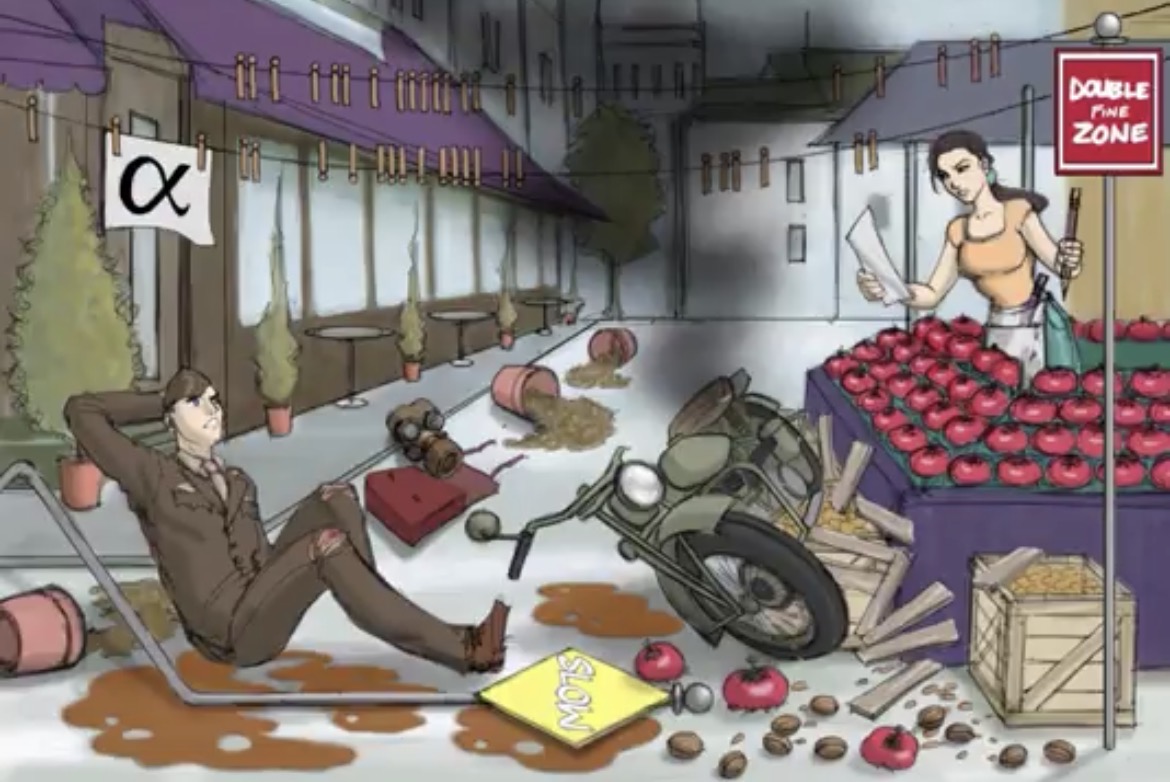
-motorcycle accidents and deep penetrating wounds from combat
-gas gangrene and late-onset food poisoning
-alpha toxin(breaks through cell membranes) and gas toxin(causes the gas, leads to crepitus)
-penicillin
Corynebacterium diphtheriae
-gram positive/negative?
-rod/cocci? Special case with this bug Special granules?
-toxin process?
-the above causes what to occur? Where?
-other symptoms?
-can potentially lead to complications of the __
-texted on 2 special agar…
-because this is preventable with vaccination, the classic vignette will likely include a child who is __
-treatment? When is this given?
-positive
-rod; but it’s especially described as a club-shaped y- or v-formation with metachromatic granules
-A subunit(active) and B subunit(binding), causing ribosylation of EF2 to inhibit protein synthesis
-formation of a pseudomembrane of the throat and tonsils
-bull’s neck due to lymphadenopathy and pharyngeal paralysis
-heart
-telurite and loefler’s agar
-foreign or immigrated
-diphtheria antitoxin(neutralizes toxin) and antibiotics; immediately, as soon as this pathogen is suspected(prevent as much myocardial cell death as possible)

Listeria monocytogenes
-gram positive/negative?
-rod/cocci?
-commonly passed along by what?
-hemolytic?
-how does it move when outside the cell? Textbook description?
-how does it move inside the cell? Textbook description?
-how does it handle temperature?
-what group is this more common in? What could it cause?
-treatment?
-gram positive
-rod
-meat and soft cheeses
-beta hemolytic
-using flagella; “tumbling motility”
-rapidly depolymerizes actin against the bacterial wall, propelling in the opposite direction; “actin rockets”
-can multiply in near-freezing temperatures
-pregnant women; early termination or meningitis of the baby
-ampicillin

Actinomyces israelii
-gram positive/negative?
-rod/cocci? More specific?
-aerobe/anaerobe? Differentiates from what other gram positive branching rod?
-this bacteria normally inhabits where? So infection is normally associated with what? Such as?
-when an infection, actinomyces causes formation of what? And these drain pus with what characteristic feature?
-treatment?
-gram positive
-rod; branching rod
-anaerobe; nocardia
-the oral cavity; jaw trauma; recent dental work
-sinus tracts; yellow sulfur granules
-penicillin G

Abbreviation for gram positive cocci? Rods? Branching rods?
-SSE; BCCL; AN
Between the 2 spore forming gram positive rods, which is aerobic? Which is anaerobic?
-bacillus; clostridium
Nocardia sp.
-gram positive/negative?
-rod/cocci? More specific?
-aerobe/anaerobe? Differentiates from what other gram positive branching rod?
-why does the show up on an acid fast stain?
-targeted groups?
-3 main sites of infection in the body? What they cause at these sites?
-treatment?
-gram positive
-rod; branching rod
-aerobe; actinomyces israelii
-it contains mycolic acid
-immunocompromised
-pulmonary(pneumonia with cavitary lung lesions), CNS(brain abscesses), and cutaneous(pyogenic indurated lesions)
-sulfonamides

What major pathogens stain acid fast/have mycolic acid?
-Nocardia and Mycobacterium species
Neisseria sp.
-gram positive/negative?
-cocci/rod? More specifically?
-what 2 agars can this grow on?
-deficiency of what can allow for more frequent infections from this bacteria?
-what virulence factors does this bacteria have? Include their purpose
-2 important species of Neisseria?
-gram negative
-cocci; diplococci
-chocolate agar and VPN/thayer Martin agar
-C5-C9/MAC complex deficiency
-pili with antigenic variation(to avoid immune response); IgA protease(to survive along mucosal surfaces)
-meningitidis and gonorrheae

What is chocolate agar?
-blood agar that has been heated, de-activating lipids and other elements
Neisseria meningitidis
-review the Neisseria sp. card for info that covers both Neisseria species
-what is a differentiating factor about this species over the other? What is the other?
-important virulence factors? Include their function
-there are 4 types of this species that cause infection(A, B, C, and D), which most commonly causes infection in the US? Why?
-most concerning in what group?
-there is initial inflammation, which causes the capillaries to be? Leading to __(Which presents when there’s?) and __(which can lead to?)
-this can lead to hemorrhaging of the adrenals, all called?
-treatment? And due to this infection being spread by close contact, what is recommended for those who came into contact? Using what?
-this ferments maltose and glucose; gonorrheae ONLY ferments glucose
-capsule(anti-phagocytic); LOS(cause inflammatory response)
-type B; it is tue only form not covered by vaccination of N. meningitidis
-those with sickle cell
-leaky; petechial rashes; thrombocytopenia; hypovolemia; shock
-Waterhouse-Friderichsen syndrome
-ceftriaxone; prophylaxis; rifampin

A petechial rash indicates what lab value? Indicating they’re on their way to developing what?
-thrombocytopenia; DIC
What is Waterhouse-Friderichsen syndrome? What bacterial infection does it present in?
-hemorrhage of the adrenals; Neisseria meningitidis
Neisseria gonorrheae
-review the Neisseria sp. card for info that covers both Neisseria species
-what is a differentiating factor about this species over the other? What is the other?
-how is it transmitted?
-what cells does this bacteria invade?
-capsule? This is as opposed to the other Neisseria species, __
-in men, this infection moves from the urethra, __, and can potentially cause __ or __
-in women, this infection also moves from the urethra, __, but can cause __, leading to __
-following the above condition in women, a complication of PID is the infection moving into the peritoneum, causing __(explain)
-what is the consistency of the discharge present in both men and women, with gonorrhea?
-what joint issue is common in gonorrhea? What joint is most common?
-if a woman with gonorrhea delivers a baby, this can commonly lead to a congenital __ within the first __ days of birth(timing is important, because chlamydia also causes this, but it normally occurs at least __ after birth
-treatment?
-what is the most common co-infection with gonorrhea? How does this change treatment?
-this ferments ONLY glucose; meningitidis ferments maltose AND glucose
-sexually
-polymorphonuclear neutrophils(PMNs)
-NO!; meningitidis
-up; prostatitis or orchitis
-up; PID(pelvic inflammatory disease); infertility
-Fitz-Hugh-Curtis syndrome; adhesions form along the liver, described as “violin string adhesions”
-white and purulent
-asymmetric polyarthritis; most commonly of the knee
-purulent conjunctivitis; 5; 1 week
-ceftriaxone
-chlamydia; add doxycycline to treatment

Moraxella catarrhalis
-gram positive/negative?
-rod/cocci? More specific?
-aerobe/anaerobe?
-typically targets what body region?
-virulence factors? State its function
-conditions caused?
-treatment?
-gram negative
-cocci; diplococci
-aerobe
-nasopharynx
-biofilm(resists antibiotics); beta-lactamase(create resistance within the culture)
-otitis media; bacterial sinusitis; COPD exacerbations
-cephalosporins or amoxicillin-clavulonate

What “sign” is exclusive to Moraxella catarrhalis?
-hockey-puck sign
Enterobacter, Serratia, and Klebsiella
-gram positive/negative?
-rod/cocci?
-enteric, respiratory, or zoonotic?
-2 most common conditions caused by these bacteria?
-nosocomial/hospital acquired? Why is this important?
-what do they all ferment?
-what agar do these grow on? And due to fermenting the above, what color do they grow on this agar?
DIFFERENTIATING THE THREE…
-enterobacter’s only differentiating factor is that it is __
-serratia’s differentiating factors are __ and __
-for Klebsiella, remember the 3 As: __; it also has a __
-contrasting the first 2, Klebsiella is the only one that is __, and is positive for __
-Klebsiella can have the patient producing a __
-gram negative
-rod
-enteric
-pneumonia and UTIs
-yes; multi-drug resistance of bacteria
-lactose
-MacConkey agar; pink colonies
-motile
-motile and production of a red pigment
-abscesses(causes), alcoholics(seen in), and aspiration(get started by); capsule
-immotile; urease
-currant jelly sputum
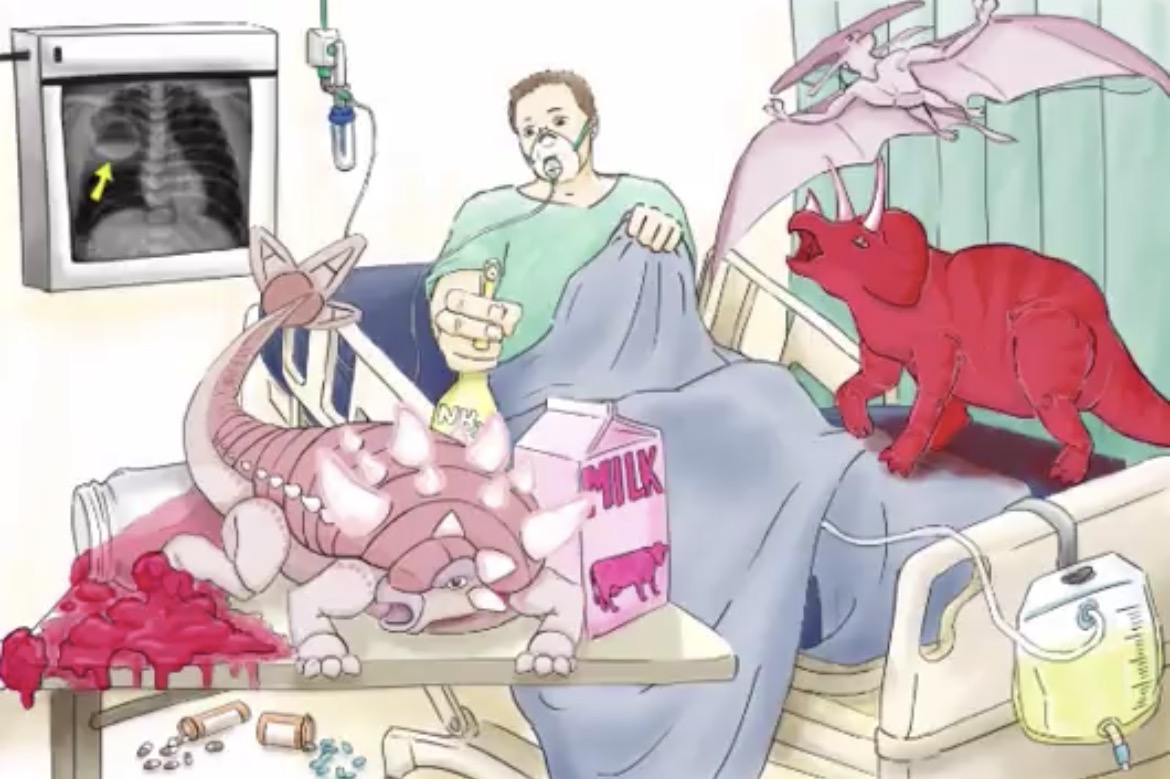
What gram negative ferments maltose?
What gram negatives ferment lactose?
-Neisseria meningitidis
-Enterobacter, Serratia, Klebsiella, and E. coli
Salmonella sp.
-gram positive/negative?
-rod/cocci?
-enteric, respiratory, or zoonotic?
-the 2 main species are __ and __
-motile/immotile?
-capsule?
-what does it produce on Hektoen agar? Why?
-if it spreads into the lymphatics, what cell type does it occupy?
more on the species Salmonella enteritidis:
-acquired from __
-symptoms?
-has a type __ secretion system
more on the species Salmonella typhi:
-harbors in what organ?
-symptoms?
-number 1 cause of osteomyelitis in patients with __
-treatment?
-vaccine option?
-gram negative
-rod
-enteric
-typhi and enteritidis
-motile
-yes
-black colonies; its H2S positive
-macrophages
-undercooked chicken
-inflammatory diarrhea
-3
-gallbladder
-rose-colored macules, pea-soup diarrhea
-sickle cell disease
-fluoroquinolone
-yes!
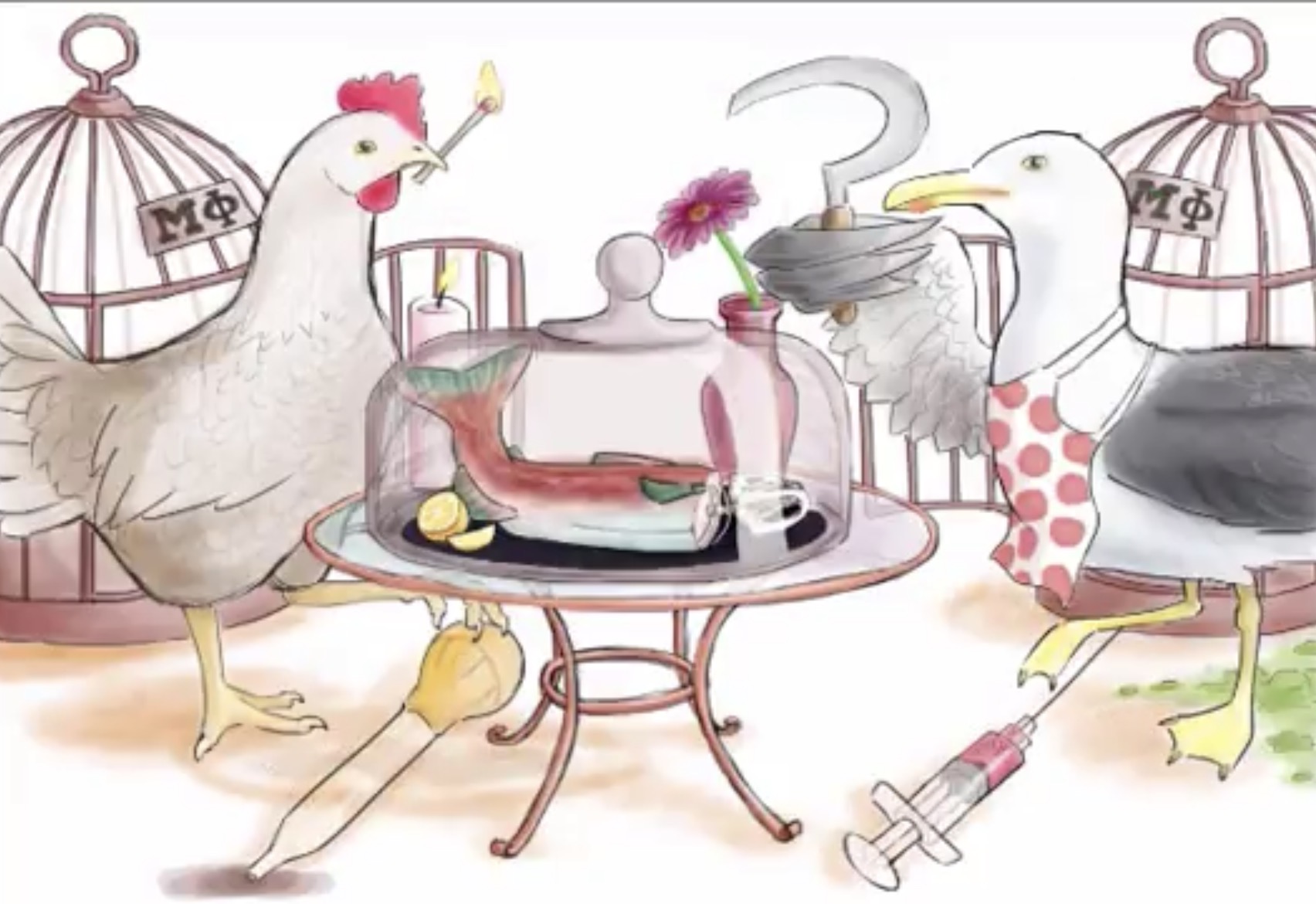
Someone with sickle cell disease gets osteomyelitis?
-salmonella typhi
Shigella
-gram positive/negative?
-rod/cocci?
-enteric, respiratory, or zoonotic?
-acquired from?
-the 2 main species are __ and __
-which of the 2 are most common in the US?
-which of the 2 can precipitate hemolytic uremic syndrome(HUS)? What is the vignette of this?
-what is the MOA of the shiga toxin that allows it to cause HUS?
-what agar does this grow on? What is the appearance of its growth?
-motile/immotile?
-how does shigella transport itself through the body? What cells does it invade?
-symptoms?
-diarrhea caused by a type __ secretion system; just like?
-gram negative
-rod
-enteric
-contaminated food/water in daycares/nursing homes
-sonnei and dysenteriae
-sonnei
-dysenteriae; patient has inflammatory bloody diarrhea, then a week later, they have signs of acute renal failure
-binds/inhibits 60S subunit of ribosomes to inhibit translation
-hektoen agar; green colonies
-immotile
-propels itself with actin filaments; invades M cells
-inflammatory and blood diarrhea
-3; salmonella
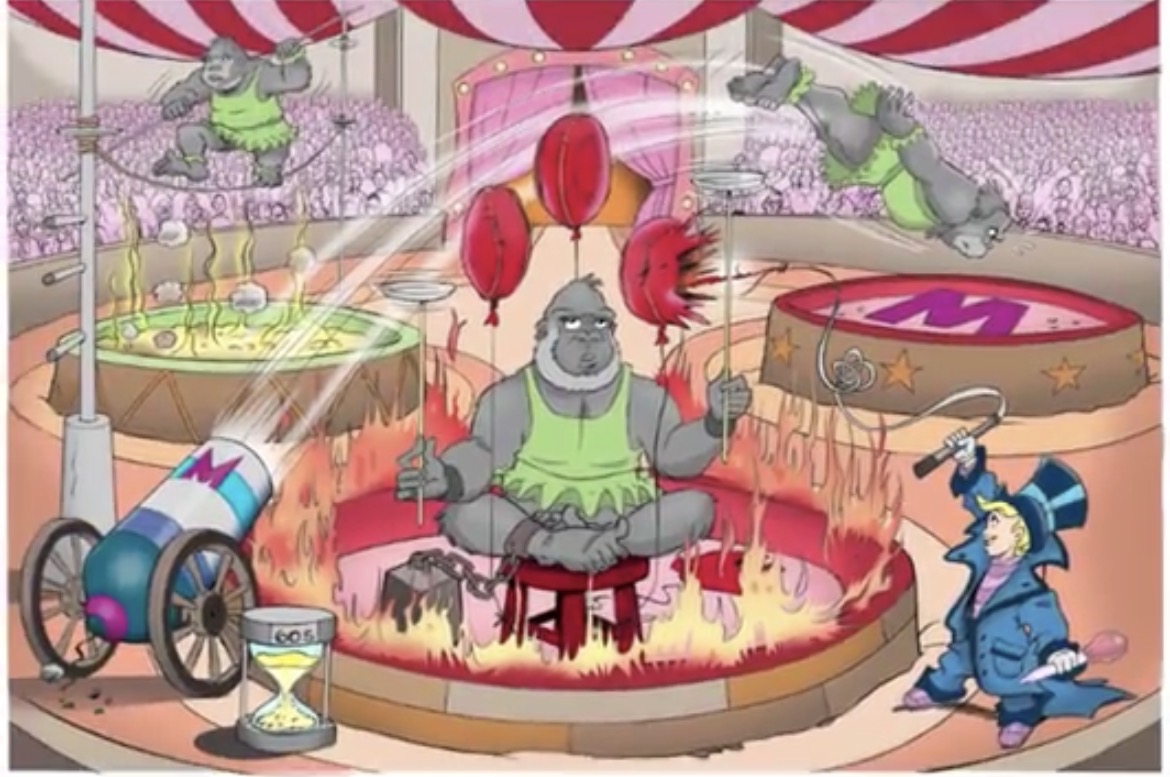
What 3 enteric gram negative rods have a type 3 secretion system causing diarrhea?
-Salmonella, Shigella, and Yersinia
E. coli
-gram positive/negative?
-rod/cocci?
-enteric, respiratory, or zoonotic?
-the 2 main species are __ and __
-ferments __, which grows the color __ and __ agar
-it also grows on EMB agar, giving a __ color
-capsule?
-number 1 cause of __; what virulence factor assists in doing this?
-also causes neonatal __, but ONLY if it’s positive for what antigen?
more on EHEC…
-most commonly caused by eating __
-symptoms?
-how is EHEC unique from its sister subspecies?
-it has a toxin that has the same MOA as the shiga toxin, which is __; for this reason, it’s name is __
-also like shigella, this subspecies can cause __ in children under 10
-what EHEC serotype is associated with outbreaks?
More of STEC…
-also known as __
-passed by __
-classic vignette?
-has 2 toxins, a heat labile(which increases __) and heat stable(which increases __)
-symptoms?
-gram negative
-rod
-enteric
-EHEC and ETEC
-lactose; pink; MacConkey
-green
-yes
-UTIs; fimbriae
-meningitis; K antigen(polysaccharide capsule similar to sialic acid, so the body doesn’t recognize it as foreign)
-undercooked meat
-bloody diarrhea
-the only E. coli that doesn’t ferment sorbitol
-binding/inhibiting 60S subunit of ribosomes to inhibit translation; shiga-LIKE toxin
-HUS
-O157:H7
-traveler’s diarrhea
-infected water
-patient went to Mexico and drank water
-cAMP; cGMP
-watery diarrhea

Number 1 cause of UTIs?
-E. coli
Leading cause of gram negative sepsis?
-E. coli
Which E. coli subspecies is the only one that doesn’t ferment sorbitol?
-EHEC
What is the cause of “traveler’s diarrhea”?
-ETEC
Diarrhea differences between EHEC and ETEC?
-EHEC is bloody diarrhea, ETEC is watery diarrhea
Yersinia sp.
-gram positive/negative?
-rod/cocci?
-enteric, respiratory, or zoonotic?
-the 2 main species are __ and __
-capsule?
-treatment for both?
More on yersinia enterocolitica…
-mainly transmitted by __
-this bacteria is resistant to (warm/cold) temps, similarly to __
-special aspect of staining? Textbook description of stain pattern?
-symptoms? Very unique symptom is that it mimics __
More on yersinia pestis…
-cause behind the famous __
-the main reservoir isn’t humans, but __, and __ transfer it from them to us
-As the name bubonic plague implies, it forms __, which are __
-toxins of this bacteria use a type __ secretion system
-gram negative
-rods
-enteric
-pestis and enterocolitica
-yes
-streptomycin with tetracycline
-puppy feces or contaminated milk
-cold; listeria
-bipolar staining; safety pin
-bloody diarrhea with systemic symptoms; appendicitis
-black death/bubonic plague
-rodents/prairie dogs; fleas
-buboes; swollen lymph nodes
-3
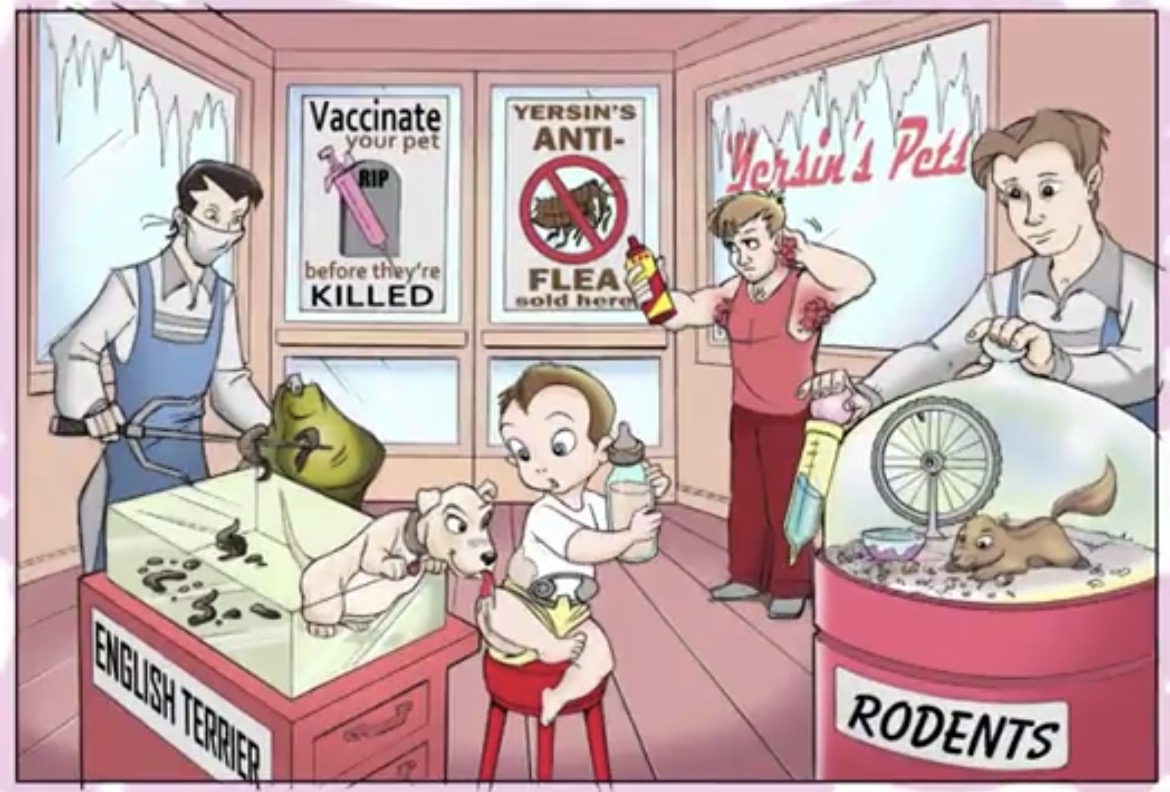
What bacteria has a bipolar staining that appears like a safety pin?
-yersinia enterocolitica
Campylobacter jejuni
-gram positive/negative?
-rod/cocci? Special aspect about the rods?
-enteric, respiratory, or zoonotic?
-how it is transmitted to humans?
-prefers (warm/cold) temps
-symptoms? What special condition can arise from this bacteria?
-self-limiting? If severe?
-gram negative
-rod; curved rods(the 3 are HCV)
-enteric
-poultry
-warm temps(42 Celsius)
-bloody diarrhea, reactive arthritis; Guillaine-Barre syndrome
-YES!; macrolide(azithromycin)
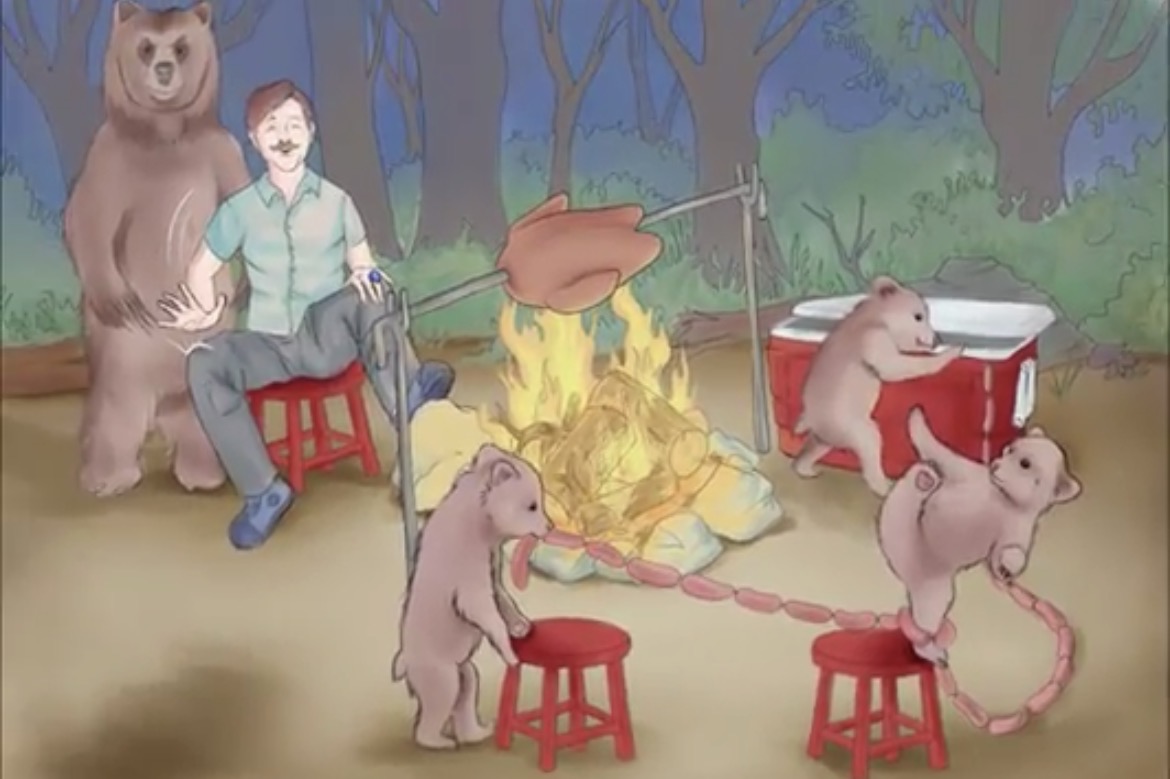
What are the 2 cold-loving rods? Meaning they can be transmitted through?
Which is gram negative and which is gram positive?
-Listeria and Yersinia enterocolitica; milk products
-Yersinia; Listeria
What are the 3 curved gram negative rods?
-Helicobacter, Campylobacter, Vibrio
What condition has an ascending paralysis? What bacteria is it secondary to?
What condition has a descending paralysis? What bacteria is it secondary to?
-Guillain-Barre syndrome; Campylobacter
-Botulism; Clostridium
Vibrio sp.
-gram positive/negative?
-rod/cocci? Special aspect about the rods?
-enteric, respiratory, or zoonotic?
-symptoms?
-common vignette?
-does vibrio cholera invade the mucosa? What does it do?
-how does the cholera toxin work?
-treatment?
-there are 2 other species of Vibrio, vulnificus and parahemolyticus, and the only important note on these is that they are transmitted through __
-gram negative
-rod; curved rod(the 3 are HVC)
-enteric
-PROFUSE watery diarrhea, with a consistency of rice water
-underdeveloped country with poor water sanitation
-NO!; it uses fimbriae to attach
-activates Gs pathway(adenylyl cyclase) which increases cAMP
-rehydration therapy with electrolytes
-contaminated seafood like oysters
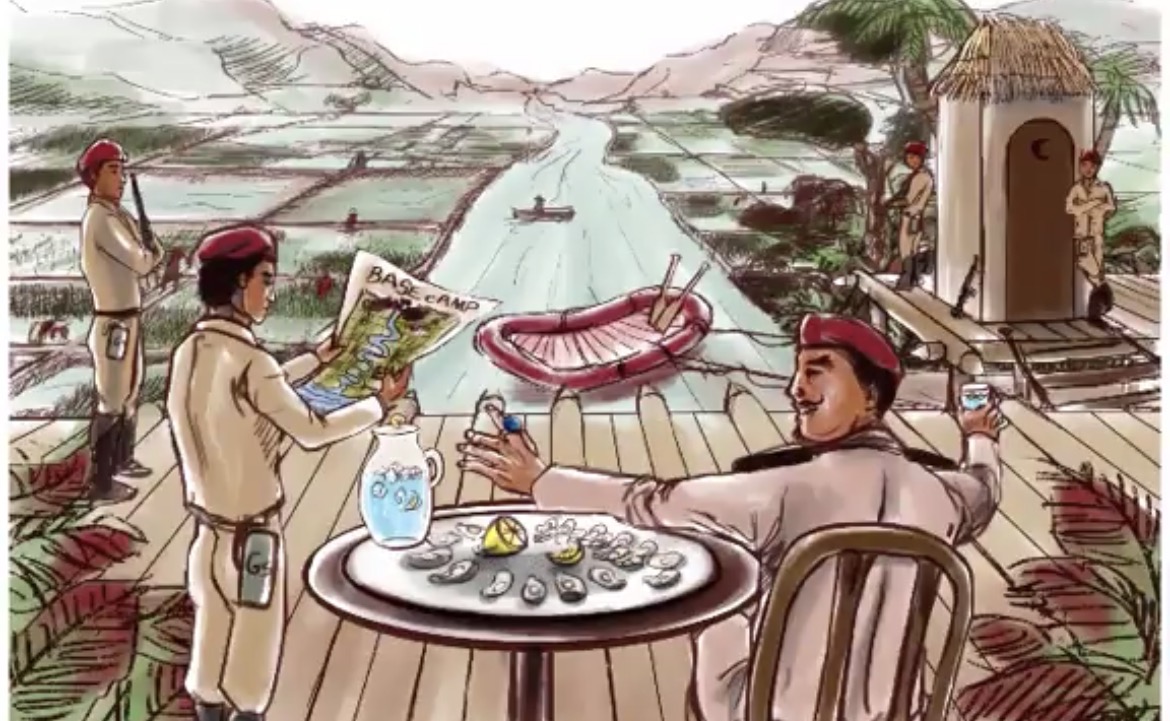
If someone reports with profuse watery diarrhea, with the consistency of rice-water, what bacterial infection do they have?
-Vibrio
-Break down “Helicobacter pylori”
-gram positive/negative?
-rod/cocci? Special aspect about the rods?
-enteric, respiratory, or zoonotic?
-motile/immotile?
-urease? What 2 screening tests does this allow to test positive for?
-infection causes?
-complications if untreated?
-treatment?
-“Helicobacter” meaning helically shaped, and “pylori” telling us it occurs around the pylorus
-gram negative
-rod; curved rod(the 3 are HCV)
-enteric
-motile
-urease positive; urea breath test and biopsy
-ulcers in the duodenum or stomach
-gastric adenocarcinoma and MALT lymphoma
-PPI, amoxicillin, macrolide(clarithromycin)
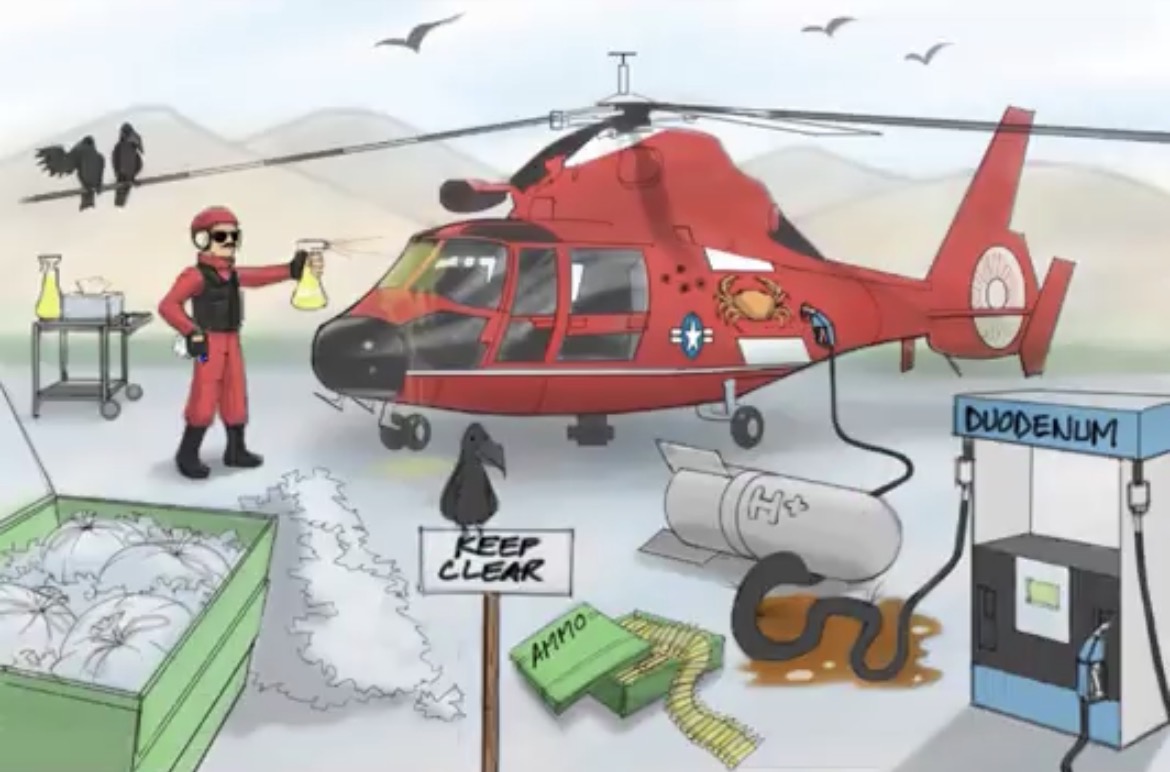
Proteus mirabilis
-gram positive/negative?
-rod/cocci?
-enteric, respiratory, or zoonotic?
-when plated, what textbook description is used?
-causes renal stones with what textbook description? What attribute does it have that allows it to form these?
-the odor of this infection may be described as?
-treatment?
-gram negative
-rod
-enteric
-swarming motility
-staghorn calculi(struvite stones); its urease positive
-fishy
-sulfonamides
If you have a bacterial infection of a gram negative rod with “swarming motility”, what bacteria caused this?
-Proteus mirabilis
Pseudomonas
-gram positive/negative?
-rod/cocci?
-enteric, respiratory, or zoonotic?
-prefers what type of environment?
-when plated, produces a blue-green pigment from what 2 components?
-produces an odor described as __
-aerobe/anaerobe? Why is this important?
-the number 1 cause of __ and __
-IV drug users and diabetics are most likely to develop what from this bacteria?
-also a fatal complication in patients suffering from severe __
-also associated with __
-causes 2 skin infections…
-the last association is with the ear…
-pseudomonas has a key toxin…; what also shares this same toxin?
-treatment?
-gram negative
-rod
-enteric
-aquatic
-pyoverdin and pyocyanin
-fruity and grape-like
-aerobe; it’s the only one of the enteric gram negative bacteria that is
gram negative nosocomial pneumonia; respiratory failure in CF patients
-osteomyelitis
-burns
-nosocomial UTIs
-hot tub folliculitis and ecthyma gangrenosum
-otitis externa(“swimmer’s ear”)
-toxin A(inactivated EF-2); diphtheriae
-piperacillin
What is the only gram negative bacteria that’s an aerobe?
-Pseudomonas
Bordetella pertussis
-gram positive/negative?
-rod/cocci?
-enteric, respiratory, or zoonotic?
-classically causes __
-so these cells invade?
-toxins in these bacteria?
-symptoms? And what stage of the infection does this symptom occur in?
-treatment?
-prevention?
-gram negative
-rod
-respiratory
-whooping cough
-no, they use ‘filamentous hemagglutinin’ to attach to the cells
-bordetella toxin(acts by inhibiting G(i), which increases cAMP); adenylate cyclase toxin(directly increases adenylate cyclase to increase cAMP); tracheal toxin(damages ciliated epithelium of respiratory tract)
-bouts of coughing that result in a whooping when the child breathes in; paroxysmal stage
-macrolides
-Dtap

Haemophilus influenzae
-gram positive/negative?
-rod/cocci?
-enteric, respiratory, or zoonotic?
-grown on what type of agar? What 2 things does this require?
-major conditions caused by this bacteria?
-vaccine? Does it cover all subtypes?
-treatment?
-Anything for people who had close contact with the ground zero patient, as prophylactic?
-gram negative
-coccobacillary shape
-respiratory
-chocolate; factor 5 and 10
-epiglottitis(inflamed epiglottis, inspiratory stridor, and drooling), otitis media, meningitis(only type B haemophilus)
-haemophilus vaccine; it only covers type B haemophilus
-ceftriaxone
-rifampin
If you hear epiglottitis, what infection should be at the top of your differential?
-haemophilus influenzae
Legionella
-gram positive/negative? What is a special added topic on staining this bacteria?
-rod/cocci?
-enteric, respiratory, or zoonotic?
-what agar is needed for this bacteria to grow?
-what 2 conditions does this cause?
-for the more serious condition listed above, what group is it more common in?
-what will x-ray show with the above condition?
-symptoms of above condition?
-treatment?
-gram negative; it doesn’t stain well, so you need a silver stain
-rod
-respiratory
-BCYE(charcoal yeast) agar, with iron and cysteine
-Pontiac fever(self-limited fever and malaise) and Legonnaires’ disease
-smokers
-patchy infiltrates with consolidation of one lobe
-hyponatremia, neuro symptoms(headache and confusion), diarrhea
-fluoroquinolones(-floxacin drugs), then macrolides if it doesn’t work

If you hear pneumonia with diarrhea and hyponatremia, think what?
-Legionella
Bartonella henselae
-gram positive/negative? What special stain is needed to visualize this bacteria?
-rod/cocci?
-enteric, respiratory, or zoonotic?
-2 main conditions caused by this bacteria? Both caused by what?
-for cat scratch fever, an extra symptoms that’s important is __(comment on its movement)
-how do you majorly differentiate the 2, if you have a patient, recently got a new cat, and is presenting with rash and redness?
-treatment of bacillary angiomatosis?
-treatment of cat scratch fever?
-gram negative; warthin-starry stain
-bacilli
-zoonotic
-cat scratch fever and bacillary angiomatosis; cat scratches!
-lymphadenopathy; travels up the single arm and affects the axilla
-cat scratch fever occurs in immunocompetent individuals; bacillary angiomatosis occurs in immunocompromised individuals
-doxycycline
-macrolides

Brucella
-gram positive/negative?
-rod/cocci?
-enteric, respiratory, or zoonotic?
-passed on by direct contact with what? Or indirect contact with what?
-special aspect of the fever this bacteria causes?
-other symptoms?
-treatment?
-gram negative
-rod
-zoonotic
-farm animals; milk and cheese product
-undulating(goes up and down)
-hepatosplenomegaly and osteomyelitis
-doxycycline paired with rifampin
Francisella tularensis
-gram positive/negative?
-rod/cocci?
-enteric, respiratory, or zoonotic?
-what animal is the main reservoir for this bacteria? Passed on by what kind of tick?
-symptoms?
-treatment?
-gram negative
-coccobacilli
-zoonotic
-rabbit; dermacentor
-painful ulcer at bite site, causing movement through lymph nodes and development of granulomas with caseating necrosis within the lymph nodes
-streptomycin(aminoglycoside)
Pasteurella multocida
-gram positive/negative?
-rod/cocci?
-enteric, respiratory, or zoonotic?
-where is this bacteria commonly found? So how it is commonly spread to humans?
-symptoms?
-so classic vignette?
-virulence factor?
-what is a special agar that this bacteria grows on?
-on microscopy, it gives a textbook __ appearance, because it __(what other bacteria gives this appearance?)
-treatment?
-gram negative
-rod
-zoonotic
-dog and cat respiratory tracts; dog and cat bites
-cellulitis, osteomyelitis
-someone develops cellulitis and osteomyelitis after a dog or cat bite
-capsule
-5% sheep’s blood agar
-safety pin; stains most readily at its 2 ends; Yersinia
-penicillin
What 2 bacteria, on microscopy, give a textbook “safety pin” appearance, because of how it stains most readily on its 2 ends
-Yersinia and Pasteurella
Anaplasma phagocytophilum and Erlichia chaffeensis
-gram positive/negative?
-rod/cocci?
-enteric, respiratory, or zoonotic?
-anaplasma is passed on by what tick? And the common reservoirs of this bacteria are?
-erlichia is passed on by what tick? And what is the common reservoir?
-symptoms?
-lab value?
-on blood smear, you will see leukocytes with __
-treatment?
-gram negative
-rod
-zoonotic
-ixodes; mice and deer
-lonestar tick; deer
-mostly systemic(fever, chills, myalgia), and GI(nausea, vomiting)
-pancytopenia
-morulae
-doxycycline

If someone presents with GI and systemic symptoms, and a peripheral blood smear is taken that shows leukocytes with morulae, what 2 bacteria could it be?
-anaplasma or erlichia
Mycobacterium tuberculosis
-acid fast? Why?
-what special agar does this grow on?
-aerobe/anaerobe?
-virulence factors? Explain what they do
-3 possible paths of progression following primary TB infection?
-following primary infection in the lungs, it heals and causes what? What is this called?
-explain miliary TB
-when will patients who have latent TH experience a re-activation? How does it cause it?
-when there is re-activation of TB, does it still target the middle and lower lines of the lungs? What 2 other regions of the body does re-activation TB affect?
-treatment course? What is prophylaxis for those with latent TB?
-yes; due to mycolic acid
-lowenstein-jensen agar
-aerobe
-cord factor(clump of glycolipids that creates a granuloma, walling it off and protecting it from getting destroyed); sulfatides(prevent phagolysosomal fusion, allowing them to exist inside of macrophages without being destroyed by lysosomal hydrolases)
-healed latent infection; systemic infection(miliary TB); reactivation TB
-fibrosis and calcification or the area, and hilar lymph nodes; Ghon complex
-bacteremia occurs, spreading the infection to multiple sites in the body, causing multi-organ failure
-in states of immunosuppression(AIDS, cancer, old age); down-regulation of TNF-alpha
-NO, it targets the upper lobes; skeletal vertebrae(causes Pott’s disease) and CNS(tuberculoma or meningitis)
-RIPE(rifampin, isoniazid, pyrazinamide, ethambutol); rifampin and isoniazid
3 paths of progression following a TB infection?
1. healed latent infection
2. systemic infection(miliary TB)
3. reactivation TB
Primary TB infection primarily affects what portions of the lungs?
-middle and lower lobes
What is a Ghon complex? What is it seen in?
-following primary infection pf TB, fibrosis and calcification of the affected lung parenchyma and hilar lymph nodes
Do TB tests only show positive for active TB?
-NO!, active and latent TB, as well as those who have received the TB vaccine
If you want to put a patient on a TNF-alpha inhibitor, what must you first screen them for? Why?
-TB; re-activation can occur when TNF-alpha is inhibited
Mycobacterium leprae
-bacteria, virus, fungi?
-what main disease does this cause?
-acid fast? Why?
-prefers warm or cold temps?
-main reservoir?
-there’s 2 main presentations, depending on its pathophysiology inside the body, causing the reaction. One type is the tuberculin response, which is caused by __ response(explain), which gives symptoms of __, and will test positive on a __ skin test
-the other type of presentation is the lepromatous response, which is caused by __ response(explain), which gives symptoms of __
-explain what Leonine facies is
-treatment depends on the type of leprosy, with the tuberculin type receiving __, while the lepromatous type receives __
-bacteria
-leprosy(aka: hansen’s disease)
-yes; due to mycolic acid staining
-cold
-armadillos
-Th1; disease contained by macrophages; hairless, well-demarcated pigmented skin plaque; lepromin
-Th2; these people have a very weak Th1 response, so the bacteria cannot be contained by the macrophages, thus break out; symmetric neuropathy with a glove and stocking pattern, as well as Leonine facies
-facial deformities including skin thickening, loss of eyebrows and eye lashes, collapse of the nose, and formation of nodular earlobes
-dapsone and rifampin; the same drugs, plus clofazimine

Borrelia burgdorferi
-main condition this causes?
-special shape? Other 2?
-caused by what tick?
-what 2 stains can pick this bacteria up?
-symptoms occur in levels(Lyme has levels): stage 1 has __, stage 2 has __, stage 3 has __
-treatment? If you’re under 8 years old?
-Lyme disease
-spirochete; leptospirosis and syphilis
-ixodes tick
-wright and giemsa
-bullseye rash; myocarditis-heart block and Bell’s palsy; arthritis and meningitis
-doxycycline; amoxicillin
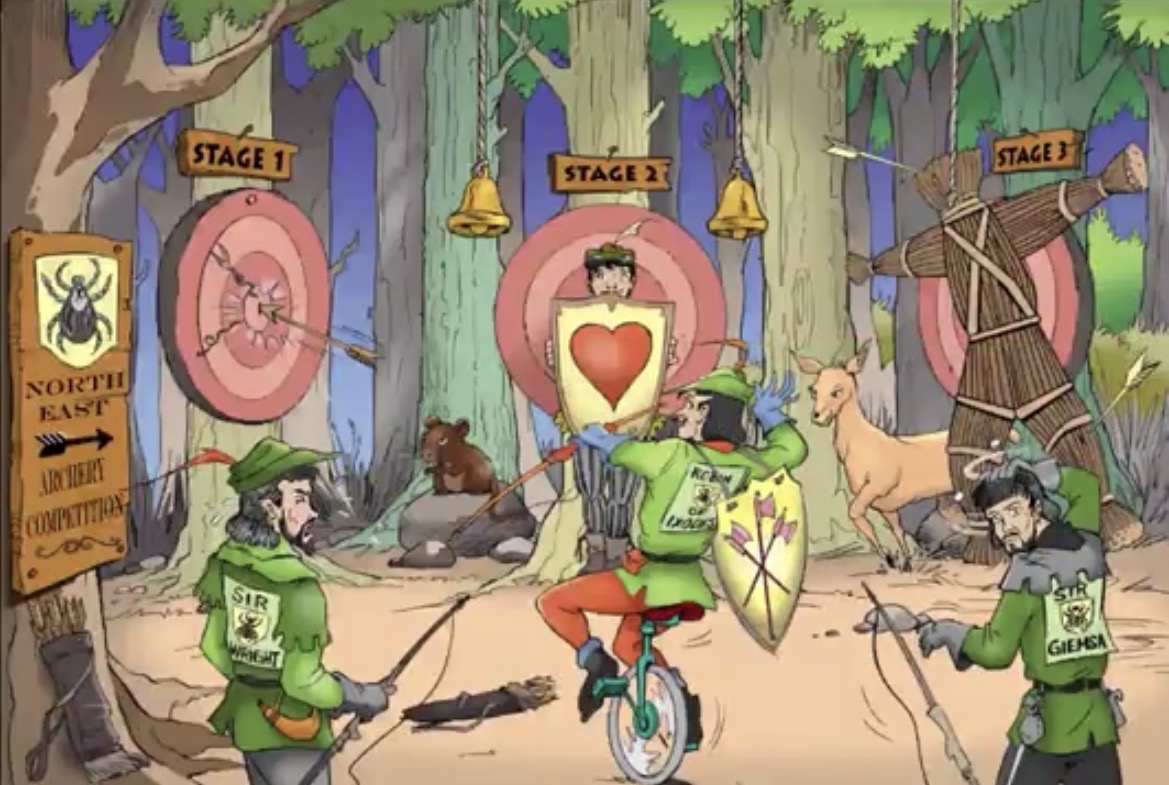
How ixodes tick, what is the reservoir of larvae? What is the reservoir of adults?
-mice; deer
Leptospira interrogans
-main condition this causes?
-special shape? Other 2?
-caused by?
-symptoms?
-leptospirosis(aka: Weil’s disease)
-spirochete; borrelia and syphilis
-water contaminated by animal urine
-conjunctival suffusion(redness around eyes), renal and liver damage
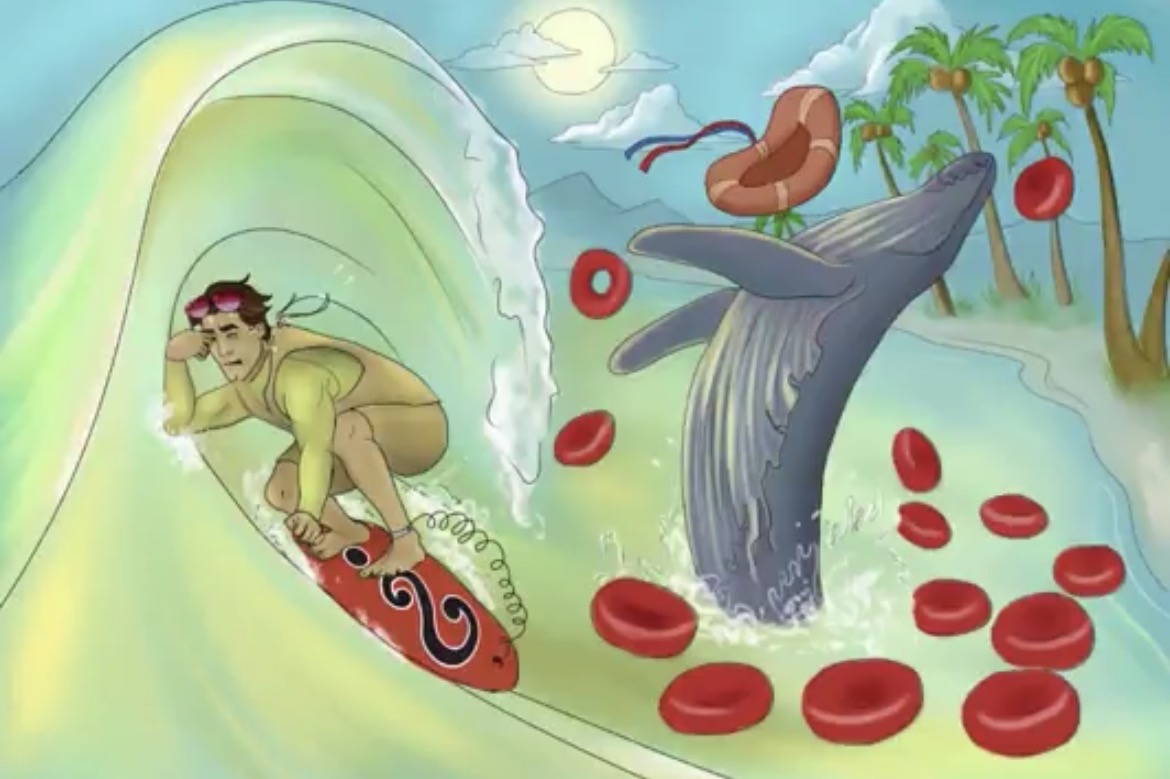
What are spirochetes commonly described as?
-question-mark shaped
Histoplasma capsulatum
-what is it?
-exposure from?
-histology?
-presentation of fungus depends on? Explain?
-symptoms?
-particularly targets what group?
-treatment?
-systemic fungus
-bat dropping, cave diving, chicken dropping, so caves or farms
-macrophages with oval bodies
-temperature; mold in cold, yeast in heat
-largely asymptomatic, but can appear like TB with lung granulomas and a pneumonia, as well as hepatosplenomegaly
-immunocompromised
-azoles for local infection, and amphotericin B for disseminated infection
Blastomycosis dermatitidis
-what is it?
-exposure from?
-histology?
-X-ray?
-presentation of fungus depends on? Explain?
-symptoms?
-particularly targets what group?
-treatment?
-systemic fungus
-aerosolized spores from dirt
-broad-based budding
-patchy alveolar infiltrate with lesions or cavities
-temperature; mold in cold, yeast in heat
-osteomyelitis and pneumonia
-immunocompromised
-azoles for local infection, and amphotericin B for disseminated infection
Coccidioides immitis
-what is it?
-exposure from?
-histology?
-presentation of fungus depends on? Explain?
-symptoms?
-particularly targets what group?
-treatment?
-systemic fungus
-aerosolized spores from dust, like earthquakes
-spherules
-temperature; mold in cold, BUT spherules in heat(not yeast, line the others)
-largely asymptomatic, but pneumonia with lesions and cavities, arthralgia, and meningitis
-immunocompromised
-azoles for local infection, and amphotericin B for disseminated infection
Paracoccidioides brasiliensis
-what is it?
-exposure from?
-histology?
-presentation of fungus depends on? Explain?
-symptoms?
-particularly targets what group?
-treatment?
-systemic fungus
-a
-“captain’s wheel” yeast in the body
-temperature; mold in cold, BUT yeast in heat
-cervical lymphadenopathy, pneumonia with granulomas, mucocutaneous lesions
-immunocompromised
-azoles for local infection, and amphotericin B for disseminated infection
All systemic fungi are __, meaning?
What are the systemic fungi?
-dimorphic; they change appearance based on temperature
-histoplasma, blastomycosis, coccidiomycosis, and paracoccidiomycosis
What systemic fungus creates spherules in the body?
-coccidioides
Paracoccidioides brasiliensis
-what is it?
-exposure from?
-histology?
-presentation of fungus depends on? Explain?
-symptoms?
-particularly targets what group?
-treatment?
-systemic fungus
-a
-“captain’s wheel” yeast in the body
-temperature; mold in cold, BUT yeast in heat
-cervical lymphadenopathy, pneumonia with granulomas, mucocutaneous lesions
-immunocompromised
-azoles for local infection, and amphotericin B for disseminated infection
Malassezia furfur
-what is it?
-appearance?
-it causes? Appearance on skin?
-fungus targets what skin layer?
-high yield individuals at risk?
-treatment?
-cutaneous fungus
-spaghetti and meatballs
-Pityriasis versicolor; hyper-/hypo-pigmented patches
-stratum corneum
-neonates receiving TPN(total parenteral nutrition)
-selenium sulfide
Dermatophytes
-what is it?
-it causes what infection on skin? It causes what infection on nails?
-pruritis?
-3 main types of dermatophytes? Trick?
-appearance?
-at-risk?
-treatment for tinea? Treatment for onychomycosis?
-cutaneous fungus
-tinea; onychomycosis
-yes!
-EMT(epidermophyton, microsporum, and trichophyton)
-ring-shaped lesions with a rust-color
-athletes
-azoles; terbinafine
Sporothrix schenckii
-what is it?
-it causes?
-classically found on?
-dimorphic?
-histology?
-treatment?
-cutaneous fungus
-sporotrichosis(rose gardeners disease)
-rose bushes, tree bark, and plants
-yes!
-cigar-shaped yeast
-azole
Candida albicans
-what is it?
-it causes?
-dimorphic? Appearance in heat? Appearance at body temp?
-causes a white plaque that can scrape off, why is this important?
-histology?
-treatment? Specifically for oral candidiasis?
-opportunistic fungus
-oral candidiasis, vaginal candidiasis, diaper rash, esophagitis(AIDS-defining illness), and endocarditis
-differentiates from leukoplakia, which cannot scrape off, and is pre-cancerous
-yes! Germ tubes; pseudo-hyphae with budding yeast
-azoles; nystatin