Urban Design
 Call Kai
 Learn
Learn Practice Test
 Spaced Repetition
 Match
Match Flashcards
 Knowt Play
1/168

There's no tags or description
Looks like no tags are added yet.
Name | Mastery | Learn | Test | Matching | Spaced | Call with Kai | Chat |
|---|
No analytics yet
Send a link to your students to track their progress
169 Terms
What is the main idea of urban design according to the course?
Urban Design is not only about physical form. Cities are shaped by social, political, economic, cultural, technological, ecological and informal processes
How to act to a new city
Diagnosing: challenges that the city faces in terms of environmental ( car dependency, lack of green space etc), social ( segregation, informal settlements) and governance ( strong top-down planning etc)
Choose tool by its principal: tool should explain/react to a challenge
Don’t copy the tool, adjust it to the given situation
Also show risks of a tool: gentrification etc.
What are the 13 thematic clusters?
Public infrastructure ans sustainable mobility
Social infrastructure
Adequate housing
Informal / hybrid city
Spatial justice and inclusive design
Landscape, biodiversity and nature-based solutions
Regeneration, circularity and heritage
Climate Action
Urban restructuring processes
Micro / temporary programs
Urban governance and democratic management
Destruction/ Reconstruction
Digital systems and interfaces
Why must Urban Design shift from a form-oriented to a process driven approach?
Because cities are complex and constantly changing. Designers must understand the social, political, economic and informal processes that produce urban space, rather than focusing only on its physical form
What key facts demonstrate the importance of cities on the Urban Planet?
More than 50% of people live in cities, while cities cover only about 2% of Earth’s surface and are responsible for the majority of greenhouse-gas emissions and energy consumption. Another 2,5 billion urban residents are expected by 2050
Why does the course emphasize the Global south?
Because much future urban growth will occur there, often under conditions of informality, limited infrastructure, lack of resources and weak institutional support. Urban Design has historically focused too strongly on the Global North
What is informal urban development?
Urban development that occurs with limited or no formal institutional assistance, often involving self-organized housing, infrastructure, and community processes outside conventional planning systems
Why should informality not simply be seen as a problem?
Informality can create flexible forms of urban development and cooperation between communities, NGOs, policymakers, industry, architects, and urban designers. It can therefore provide knowledge for new design approaches
What relationship exists between fast-growing and shrinking cities?
They represent two different sides of contemporary urbanization: fast growing cities are common in the developing world, while shrinking cities occur in parts of the developed world. Both can involve processes of informal development
What should be the role of architects according to the course?
Architects should become advocates for people and active agents of change combining design knowledge with social responsibility and improving people's living conditions
Why is the exchange between the global north and global south important?
Knowledge transfer should work in both directions. Successful urban change combines international expertise with local knowledge instead of simply exporting Western solutions to the global South
What overacting question should be asked when evaluating an Urban Design intervention?
Are people better off than they were before we arrived? The ultimate goal is to improve people's living conditions and strengthen communities
Why can’t urban form be understood only as physical space?
Because cities result from interactions between technology, ecology, culture, politics, economics, experts, social organizations, informal forces, and historical events
What is the main purpose of the Urban Stories course?
To understand how cities developed, extract tested urban tools from real examples, and provide practical knowledge that can support future urban design decisions
What is sustainable development?
Development that meets the needs of the present without compromising the ability of future generations to meet their own needs. It combines environmental, social, and economic development
What are the three main dimensions of sustainable development?
Environmental protection
Social equality
Economic development
Why was Rachel Carson’s Silent Spring (1962) important?
It aired public awareness about environmental pollution and the harmful effects of pesticides, especially DDT, and became an important milestone in the modern environmental movement
What was the main message of the “limits to growth” 1972?
Unlimited population and economic growth cannot continue indefinitely on a planet with finite natural resources and ecological limits
Why is the Brundtland Report “our common future” 1987 important?
It established the widely used definition of sustainable development and connected environmental protection with economic and social development
What is the IPCC and what is its role?
The Intergovernmental Panel on Climate Change (IPCC) was established in 1988. It assesses scientific knowledge about climate change and provides a scientific basis for climate policy
What was the importance of the 1992 Earth Summit in Rio?
The UNCED EARTH SUMMIT connected environmental protection with social and economic development and produced important frameworks such as Agenda 21
What is the UNFCCC?
the United Nations Framework Convention on Climate Change is an international framework for addressing climate change. It established the conference of the parties COP process for international climate negotiations
What is the main goal of the Paris Agreement 2015?
To keep global warming well below 2°C and pursue efforts to limit it further. Countries define their own climate commitments through Nationally Determined Contributions NDCs
What are the sustainable development goals SDGs?
The 17 global goals adopted by United Nations in 2015 as part of the 2030 Agenda, addressing environmental, social, and economic sustainability
What is SDG 11 and why is it especially important for Urban Design?
SDG 11 - Sustainable Cities and Communities aims to make cities inclusive, safe, resilient, and sustainable. It addresses issues such as housing, transport, public space and sustainable urban planning
Why are cities especially important for sustainable development and climate action?
Cities concentrate population, economic activity, energy consumption, and greenhouse-gas emissions. Therefore, urban development is both a major part of the sustainability problem and an important part of the solution
What is the Urban Toolbox?
A collection of tested urban tools derived from real cities. It transforms knowledge from existing urban projects into strategies that can inform future urban design decisions
What is the main purpose of the urban Toolbox?
To learn from existing cities instead of starting from scratch. Successful urban strategies can be understood, adapted, and transferred to other contexts
What is Method Design?
A research-based and participatory design approach in which designers first understand the urban context before proposing solutions
What are important elements of method design?
collect and analyze data
understand the local context
consult experts
involve communities and stakeholders
test ideas
develop resilient and circular solutions
How does Method Design change the traditional role of the architect?
The architect becomes more than a designer of physical objects: they act as a researcher, facilitator, problem solver, and agent of urban change
What is Circular Urban Design?
An approach that considers the long term life cycle of urban resources and interventions, aiming to reduce waste, reuse existing resources, strengthen resilience and create lasting environmental and social value
What is the Anthropocene?
the concept of an era in which human activities have become a major force shaping earth’s climate, ecosystems and environment
What does Anthropocentrism 2.0 mean in the course?
It calls for humans and designers to take responsibility for their impact on the planet and actively create positive environmental and social change rather than simply observing the consequences
What is the main idea behind Climate Care?
Climate change should not be addressed only through technology. Design should combine environmental responsibility, social needs, economic realities and everyday quality of life
What is Urban Prototyping?
Urban Prototyping means testing urban interventions directly in the city receiving feedback, analyzing the results and using this knowledge to improve future solutions
Why is interdisciplinary collaboration important in Method design?
Urban problems are complex, so architects should collaborate with other disciplines, experts and the public to better understand problems and develop appropriate solutions
What is ESG?
Environmental, Social and Governance ESG is a framework used mainly to evaluate how organizations and companies perform regarding environmental responsibility, social issues and governance
What’s the main difference between ESG and the SDGs?
SDGs = global sustainability goals established by the UN
ESG = framework for evaluating environmental, social and governance performance especially within organizations and businesses
What major challenges does contemporary urbanization create for Urban Design?
Rapid urbanization creates challenges such as housing shortages, informal settlements, inequality, unemployment, infrastructure pressure and climate change
How are ESG and the SDGs connected?
Companies can use the UN SDGs as a framework for ESG strategies and reporting. ESG helps companies measure their contribution to environmental, social and governance goals
What overall design philosophy connects method design, circular urban design and the urban toolbox?
Urban Designers should understand before designing, learn from existing solutions, involve stakeholders and create adaptable interventions with long-term social and environmental value
What is the main purpose of the Urban Stories?
Urban Stories analyze real cities and exemplary urban projects to understand why and how particular solutions developed and to extract useful urban tools from them
What is an Urban Tool?
An urban tool is an operational strategy or instrument extracted from a real urban case that can provide knowledge and inspiration for other urban situations
What aspects are considered when analyzing an Urban Story?
Urban stories consider the city’s environmental, social and governance realities and investigate the processes that produced particular urban solutions
Why are Urban Tools transferable but not simply copied?
A tool developed in one city can provide knowledge for another city, but it must be adapted to the specific local context and conditions
How are the urban tools organized in the urban toolbox?
The tools extracted from the case studies are organized into 12 thematic clusters and 3 different tool scales, allowing tools from different cities to be compared
Why are urban tools grouped into thematic clusters?
The clusters connect tools that address similar urban challenges or processes, making it easier to compare approaches from different cities and understand their possible applications
What are the three scales of urban tools?
small S
medium M
large L
What should we learn when comparing urban tools from different cities?
We should understand why and how a tool developed, what problem it addressed and whether its principles could be relevant in another urban context
What is the overall idea behind the urban toolbox methodology?
To learn from real urban experiences, extract operational knowledge, organize it systematically and use it as inspiration for future urban design
Why is John Muir important in the history of environmental thinking?
John Muir was an early advocate for the protection of wilderness and nature. His work, including my first summer in the Sierra, contributed to the development of modern environmental awareness
What was the Kyoto Protocol 1997?
An international climate agreement that established legally binding greenhouse-gas reduction targets for developed countries, based on the UNFCCC
What is AGENDA 21?
Agenda 21 is an action plan for sustainable development created at the 1992 Rio Earth Summit, addressing environmental, social, and economic challenges at global, national and local levels
What was the importance of the Stern Review 2006?
The Stern Review examined the economic consequences of climate change and argued that taking early climate action is economically preferable to dealing with much greater future damage
What is carbon pricing?
Carbon pricing gives CO2 emissions an economic cost, creating an incentive to reduce greenhouse-gas emissions and encourage cleaner alternatives
What is the C40 Cities initiative?
C40 is a global network of major cities working together to address climate change through urban climate action
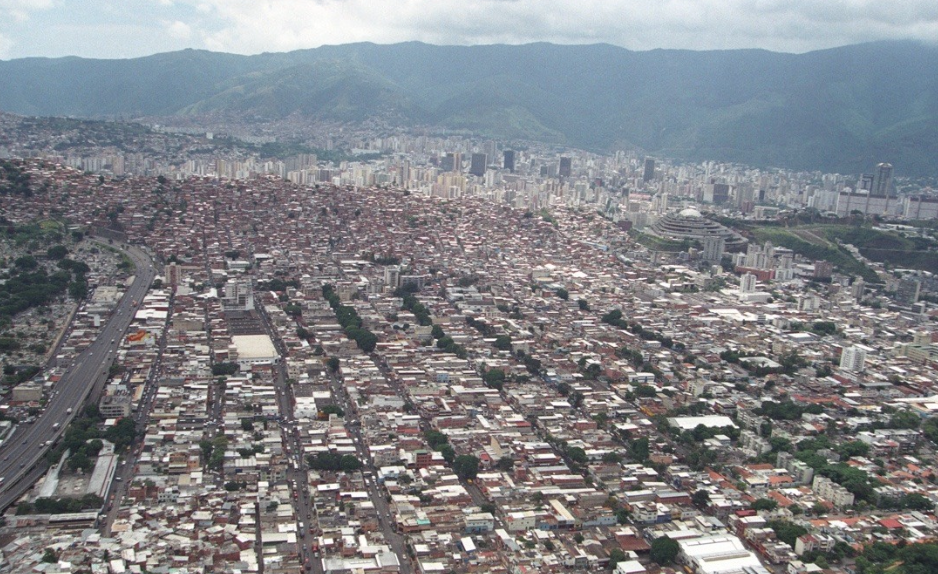
What is the main urban development story of CARACAS?
Caracas changed from a compact colonial city into a fragmented and socially segregated metropolis mainly through the oil economy, migration, modern architecture and automobile culture
What are the 3 urban tools of CARACAS?
Oil and the Automobile City
the hybrid city
multiple hubs
What is Tool 1 of CARACAS?
Oil and the Automobile City → Oil wealth and automobile culture drove Caracas’ outward expansion. Roads and highways became organizing elements of the city, producing dispersed development and contributing to social and spatial segregation
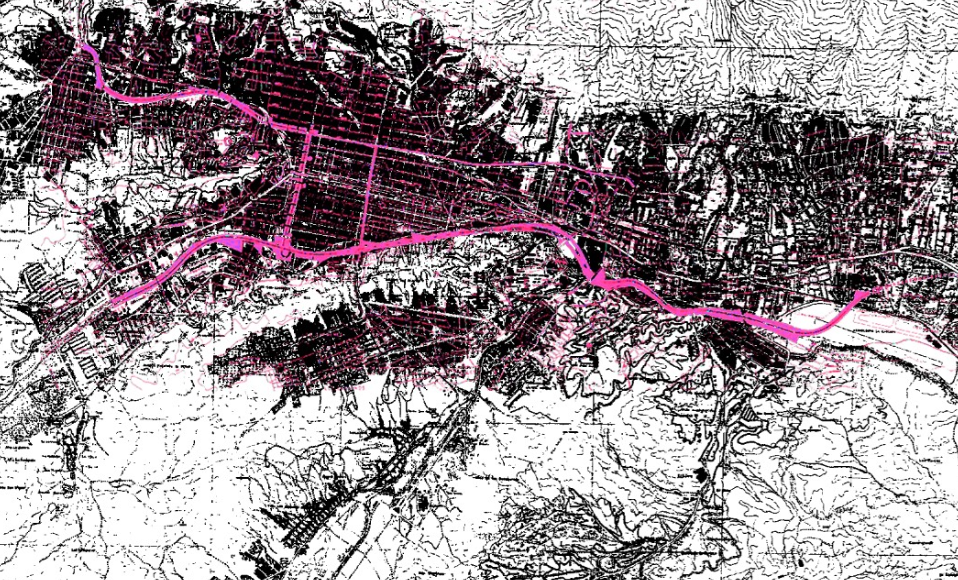
What role did Robert Moses play in the development of automobile-oriented CARACAS?
In 1948, Robert Moses proposed an expansion plan with major urban arteries designed to create more space for automobiles, reinforcing the highway as an organized element of the city
What is Tool 2 of CARACAS?
The Hybrid City → Describes the coexistence and interaction of formal and informal urban structures. Caracas’ informal settlements developed outside formal regulations but became an important part of the functioning city
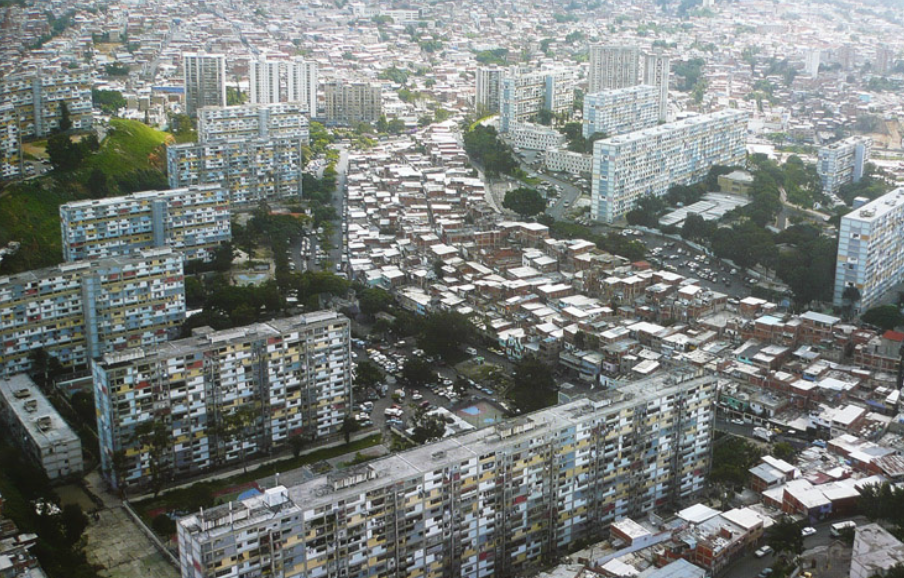
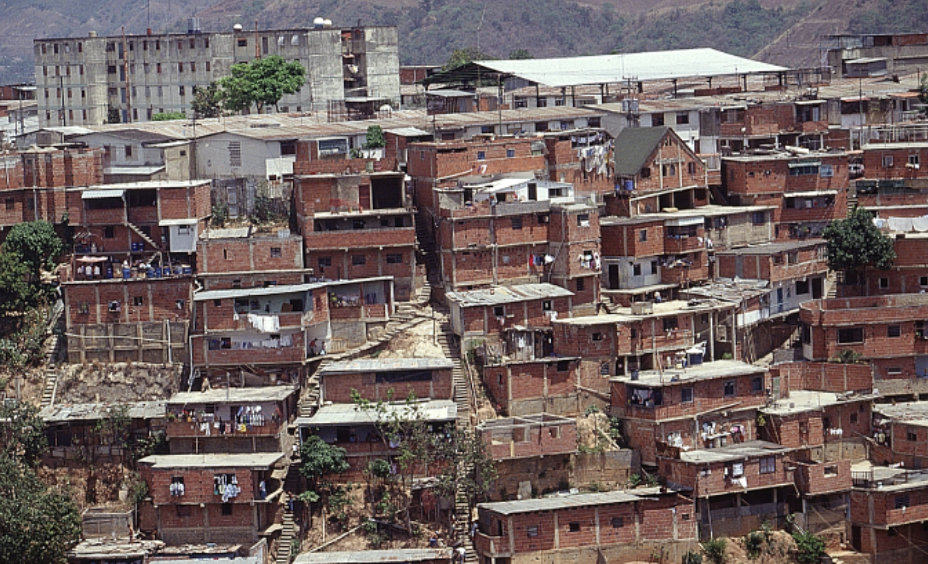
What is important to understand about the “barrios” of CARACAS?
Barrios are not simply problem areas. They are real neighborhoods with housing, economic activity, mobility systems and social structures. Understanding how they function allows targeted improvements instead of simply removing them
What is Tool 3 of CARACAS?
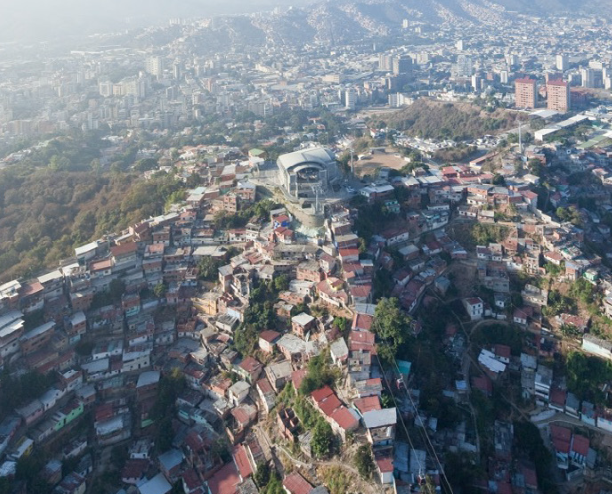
Multiple Hubs → combines mobility with social infrastructure. The metro cable connects the San Agustin barrio to the formal transport network, while its stations function as hubs for social services and community interaction
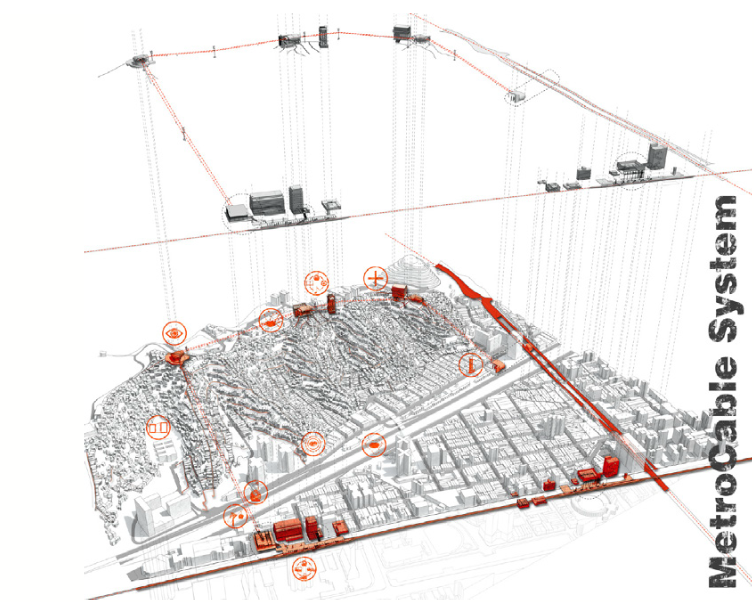
Why is the Metro Cable an important Urban Design lesson from CARACAS?
It improved accessibility and integrated the barrio into the formal city with minimal demolition, unlike a proposed road that could have displaced up to one-third of the inhabitants. It shows how infrastructure can improve both mobility and social integration
What is the main urban development story of DETROIT?
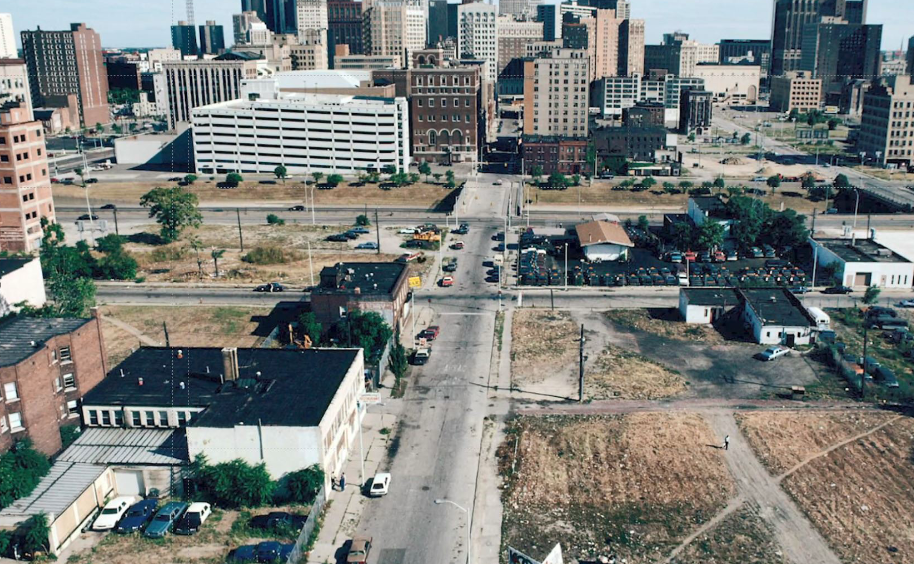
Detroit’s growth was strongly connected to industrialization and the automobile industry. Later, suburbanization, decentralization of manufacturing and industrial decline caused major population loss, abandonment and shrinkage of the urban core
What are the 3 Urban Tools of DETROIT?
Generating Suburbia
Shrinking City
Re-Designing the City
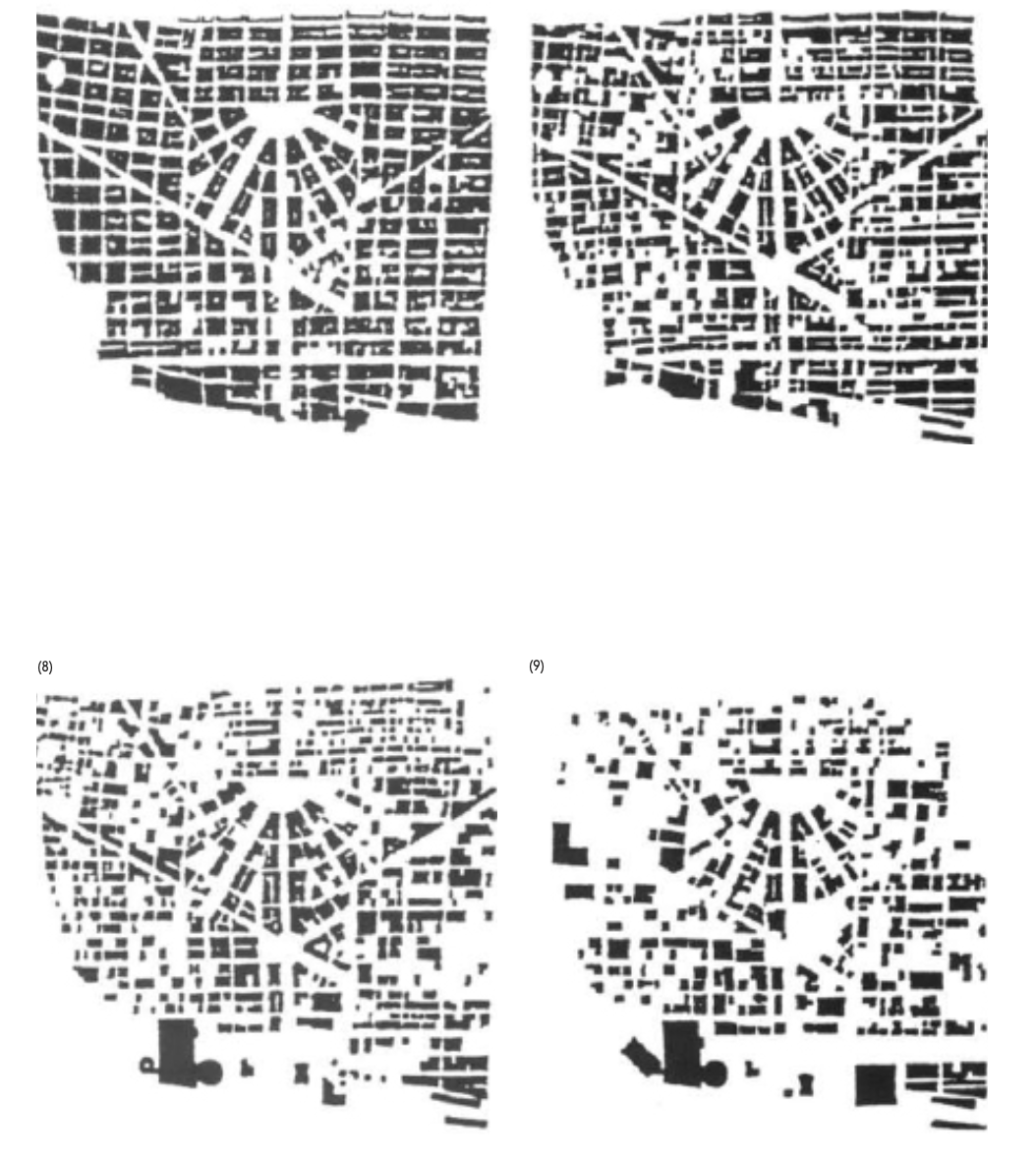
What is Tool 1 of DETROIT?
Generating Suburbia → Automobile culture encouraged people, housing, and industry to move toward the outskirts of Detroit, producing low density suburban development and urban sprawl
How are suburbanization and Detroit’s shrinking city interconnected?
While the suburbs expanded through cheap land, single family housing and automobile mobility, population and economic activity moved away from the urban core, contributing to the loss of services and urban quality in central Detroit
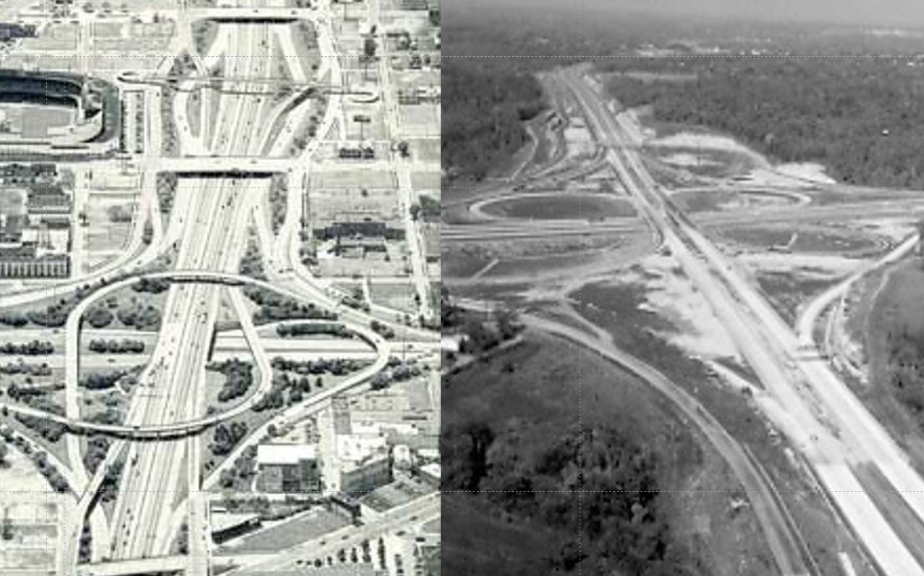
What is Tool 2 of DETROIT?
Shrinking City → Is characterized by population decrease and the emptying of urban areas. In Detroit, industrial decline and decentralization left bonded factories, infrastructure, housing and commercial lots
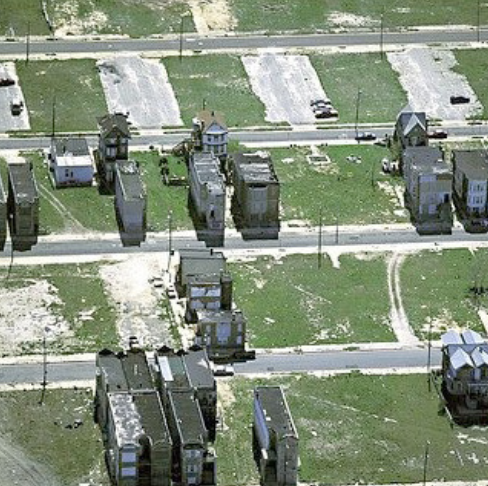
Why does the reader describe Detroit’s shrinkage as both a loss and an opportunity?
Shrinkage produced decay. abandonment, and excess infrastructure, but also created an abundance od space and cheap rents, offering opportunities for new creative and alternative uses
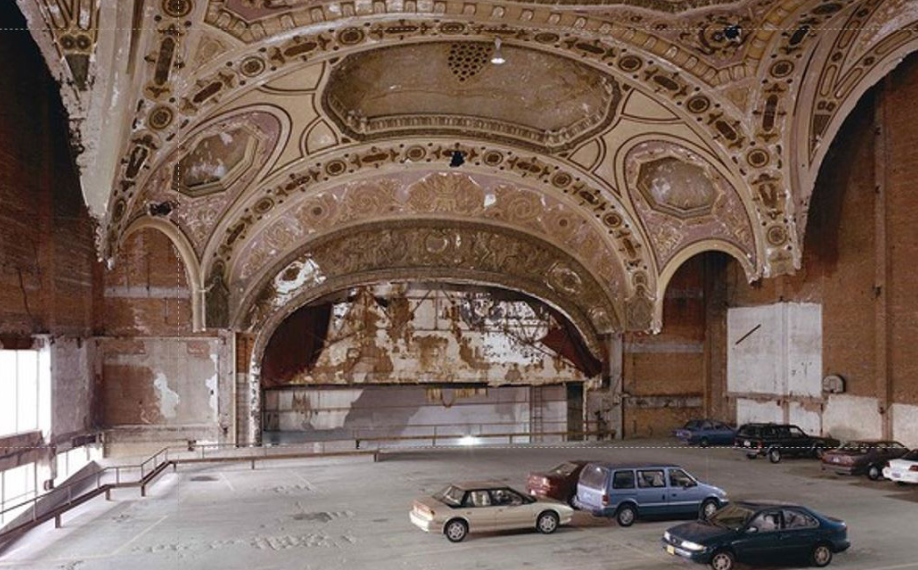
What is Tool 3 of DETROIT?
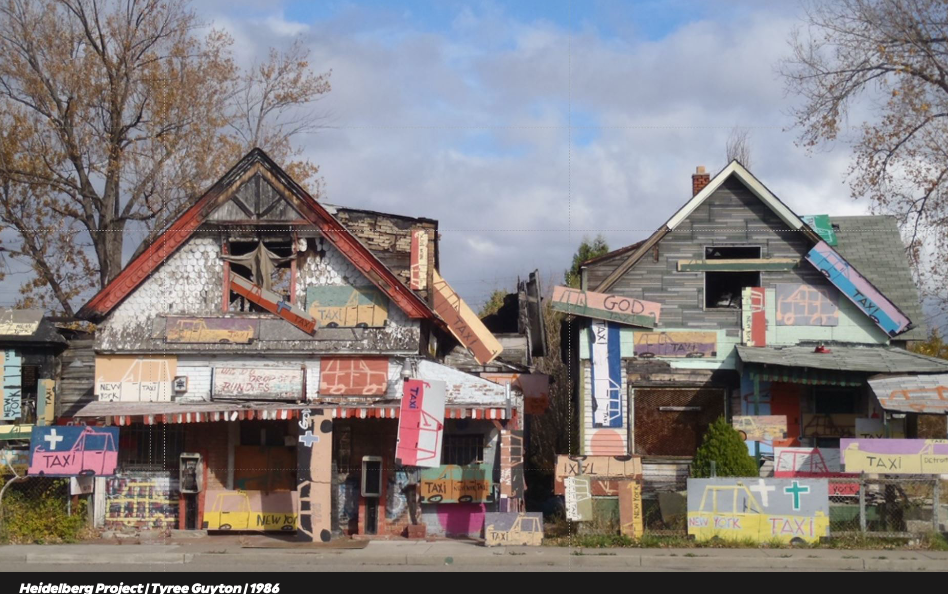
Re-Designing the City → uses DIY social activism, participation, and bottom-up initiatives to transform vacant areas. Examples include urban agriculture, the Heidelberg Project and community-based projects, later combined with formal city planning
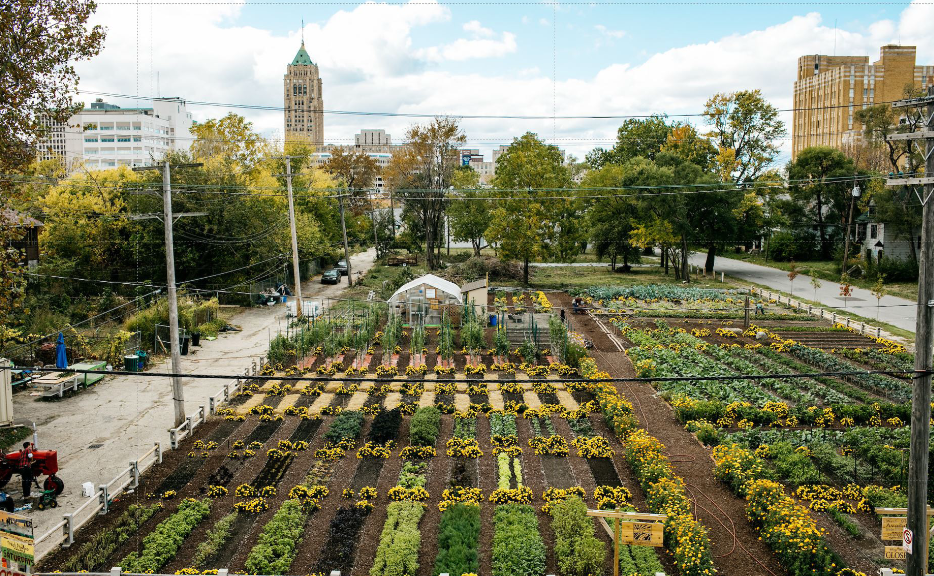
What is the main lesson of Detroit Urban Story?
Detroit shows that cities do not always grow: automobile-driven suburbanization and industrial decline can produce urban shrinkage, but abandoned land and infrastructure can also create opportunities for bottom-up initiatives and new forms of urban development
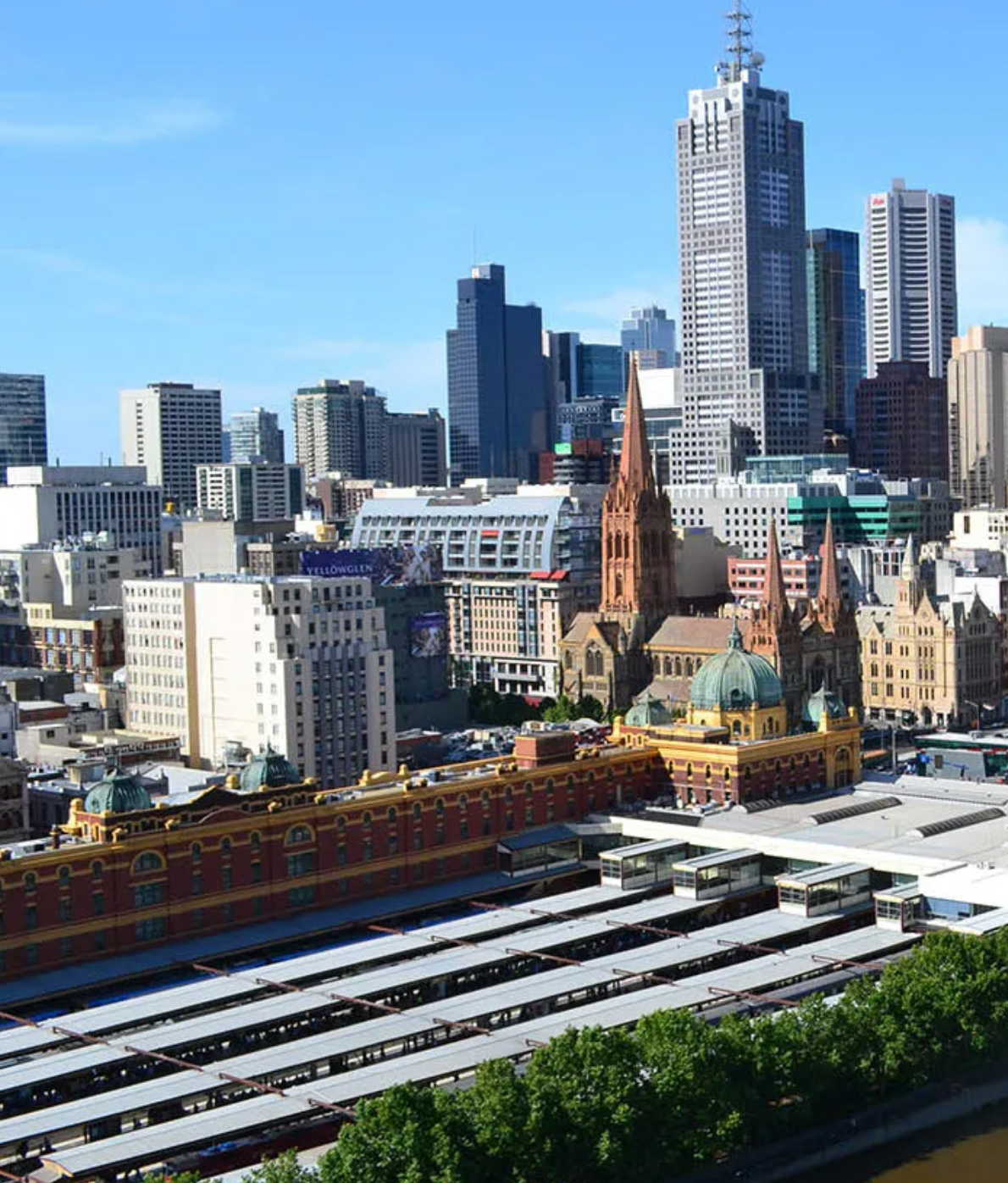
What is the main urban development story of MELBOURNE?
Melbourne has long been a suburban city, but post-war housing shortages strongly accelerated suburbanization. Later, the city also focused on improving public life in the city centre and responding to problems of housing affordability and speculative development
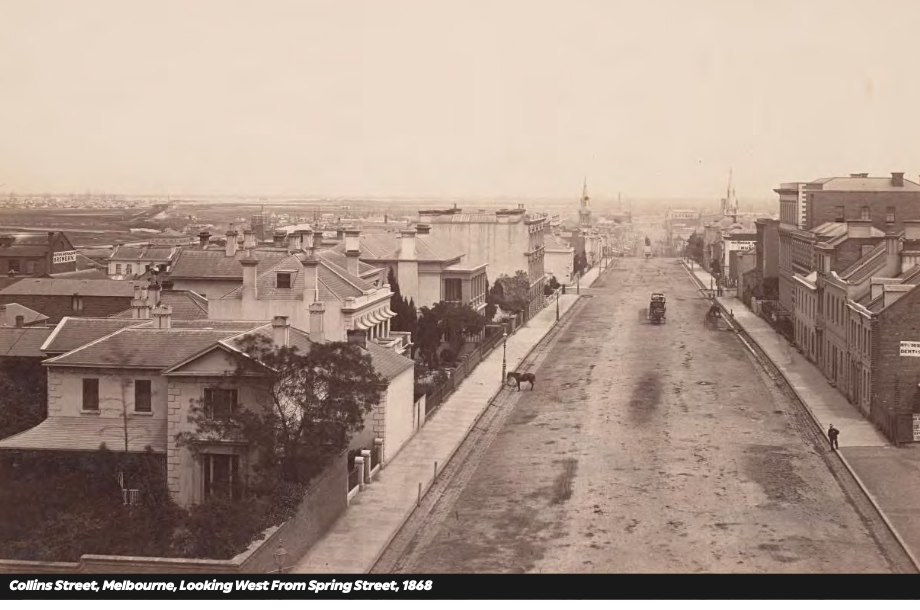
What are the 3 Tools of MELBOURNE?
Designing Suburbia
Places for people
Architect as Developer
What is Tool 1 of MELBOURNE?
Designing Suburbia → It addresses Melbourne’s rapid post-war suburban expansion. Cheap peripheral land, housing shortages, car culture and the ideal of owning a detached house and garden drove the city outward
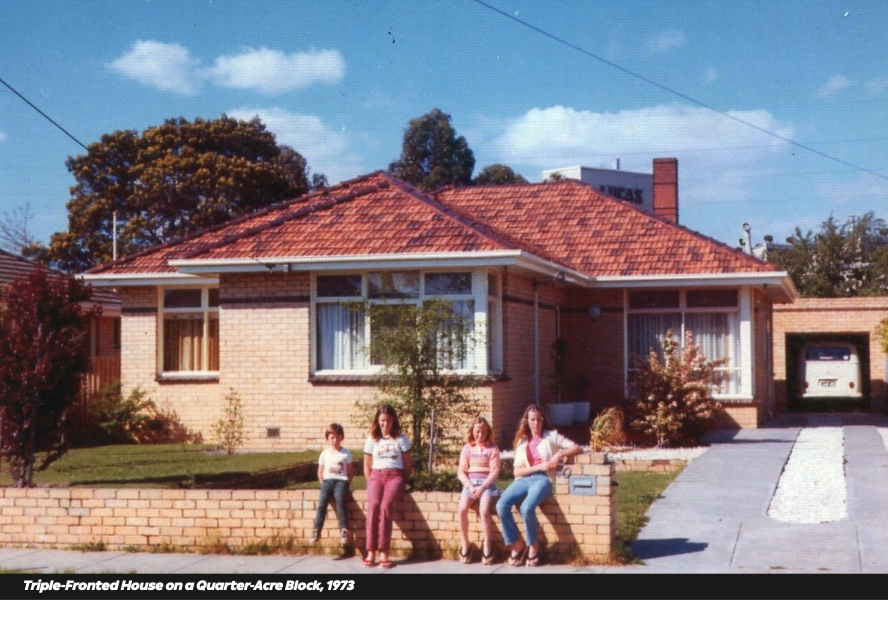
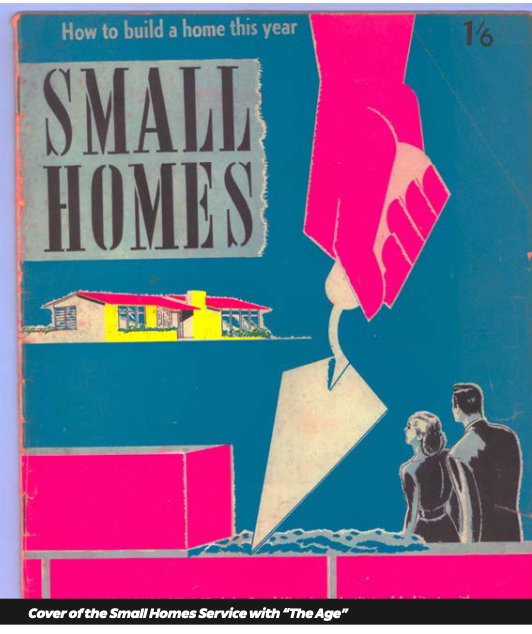
What was the small homes service and why was it important?
Established in 1947 and led by Robin Boyd, it sold affordable, architect-designed standard house plans to improve suburban housing. At ist peak, it influenced about 20% of houses being built in Melbourne
What is Tool 2 of MELBOURNE?
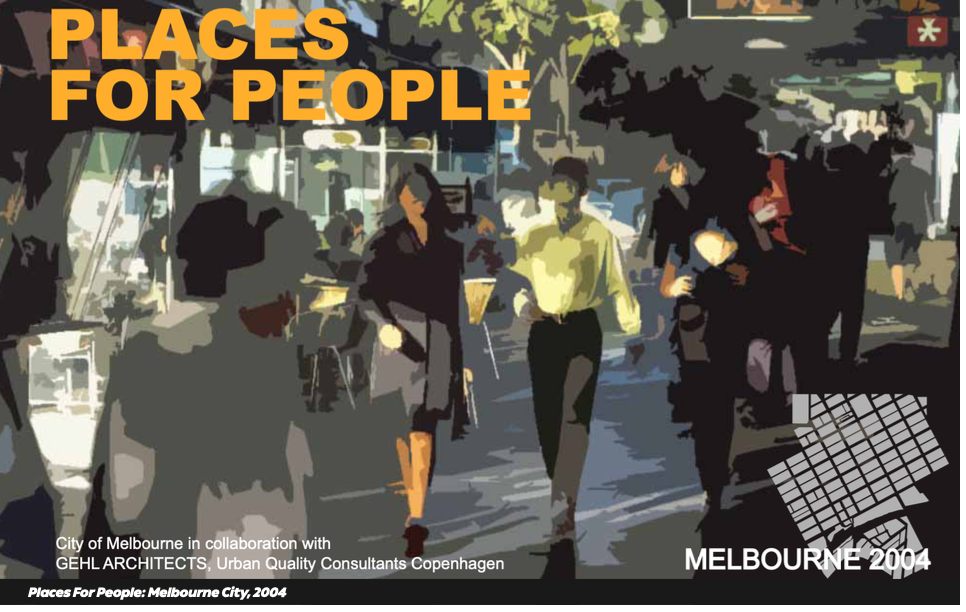
Places for People → Is an ongoing research-based approach that studies public spaces and how people actually use them, using this knowledge to improve Melbourne’s public life and design at the human scale
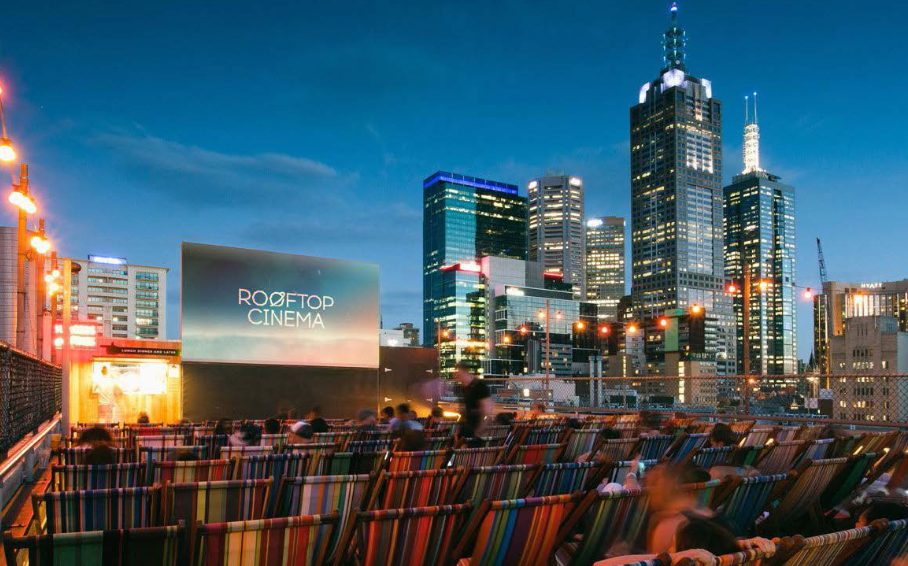
What makes Melbourne’s places for people approach special?
Alongside Copenhagen, Melbourne is presented as one of the few cities with a formal long-term research program for public life, collecting data over more than a decade to understand the character and use of public spaces
What is Tool 3 of MELBOURNE?
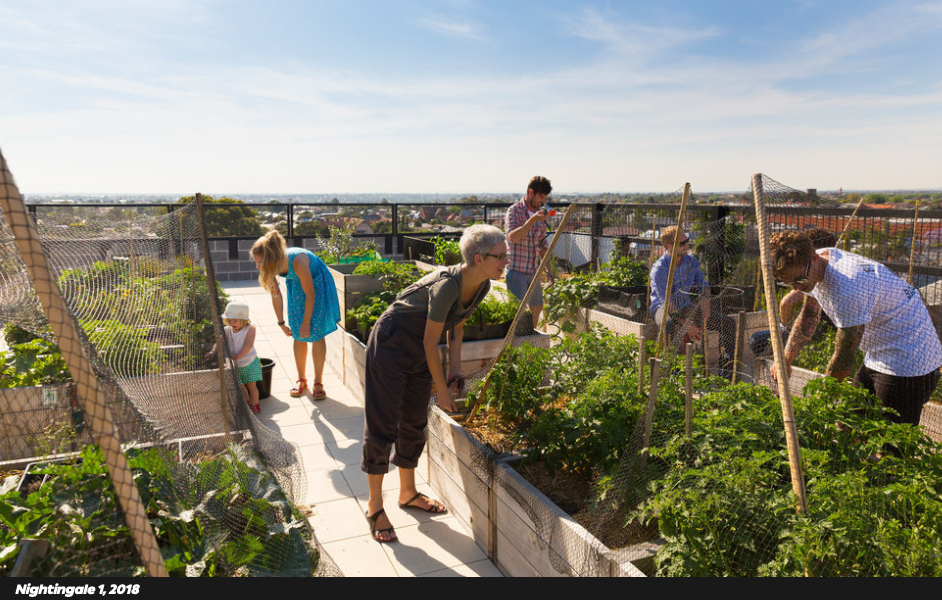
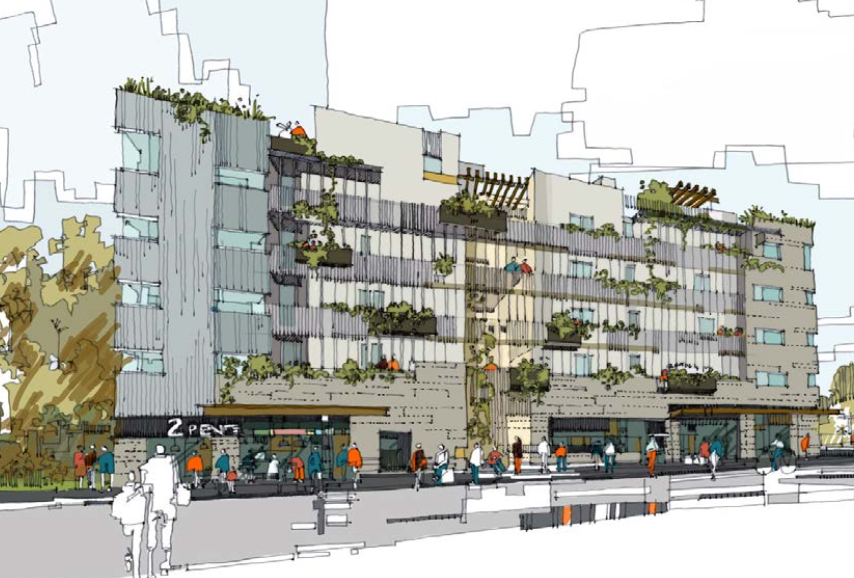
Architect as Developer → It gives architects a stronger role in initiating and leading housing development. The Nightingale Model removes conventional developers, caps profits, reduces operating costs through intelligent design, includes sustainability measures and involves residents in design decisions
What is the main lesson of the MELBOURNE Urban Story?
Melbourne shows how Urban Design can operate at different scales: designing better suburban housing, using research to create people-oriented public spaces, and developing alternative housing models in which architects take greater responsibility for affordability, sustainability and resident’s needs
What is the main urban development story of CAPE TOWN?
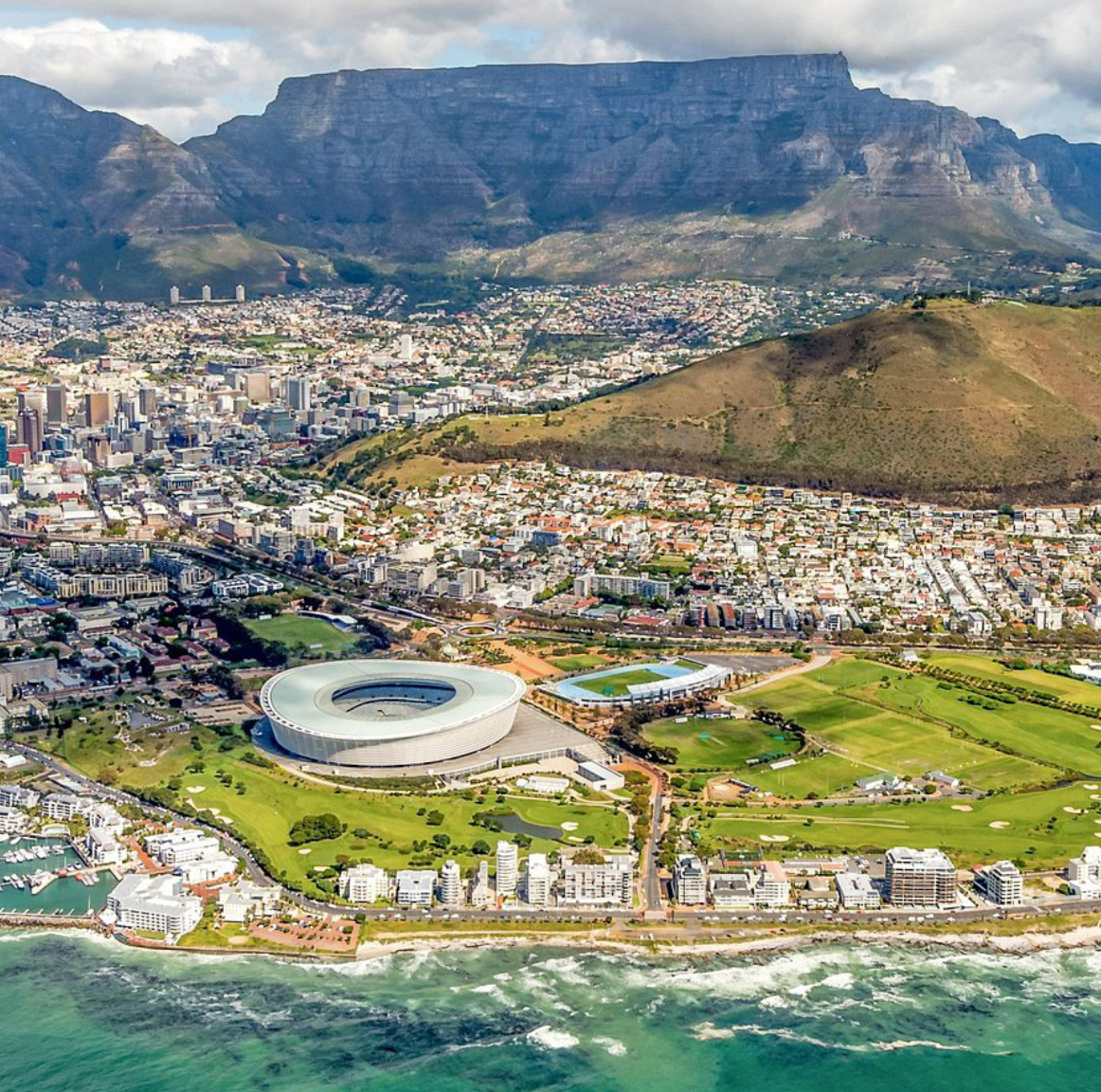
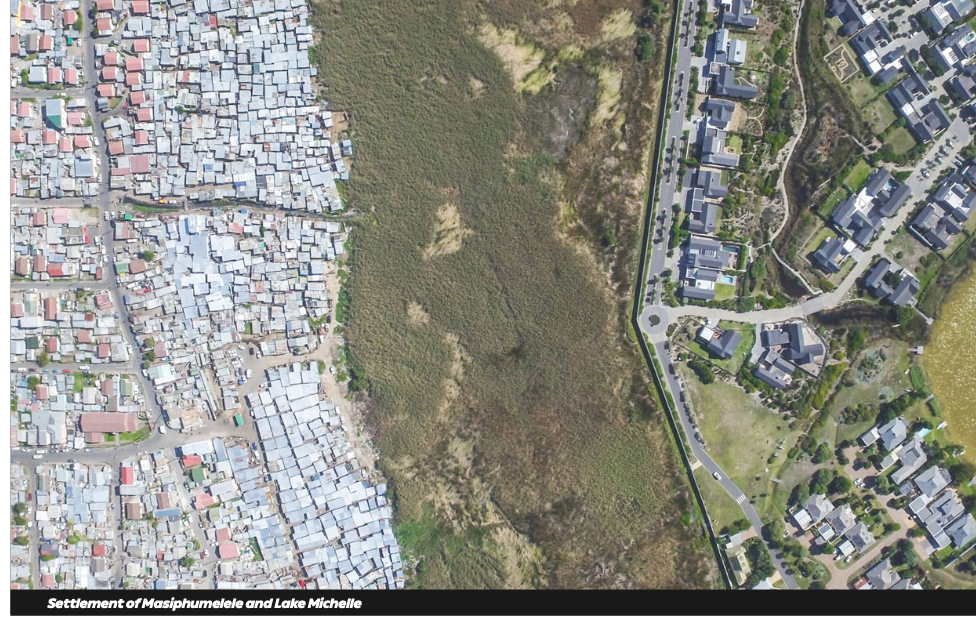
Cape Town is strongly shaped by the spatial legacy of Apartheid, which deliberately separated racial groups and pushed much of the population away from central areas. Overcoming this racial and spatial segregation remains a major urban design challenge
What are the 3 urban tools of CAPE TOWN?
masterplanning segregation
Development through distribution
cooperation and dialogue
What is Tool 1 of CAPE TOWN?
Masterplanning segregation → Apartheid planning used laws and spatial planning to deliberately separate racial groups, controlling where people could live and move, From 1948-1994, it became official urban policy and structured South African cities according to race
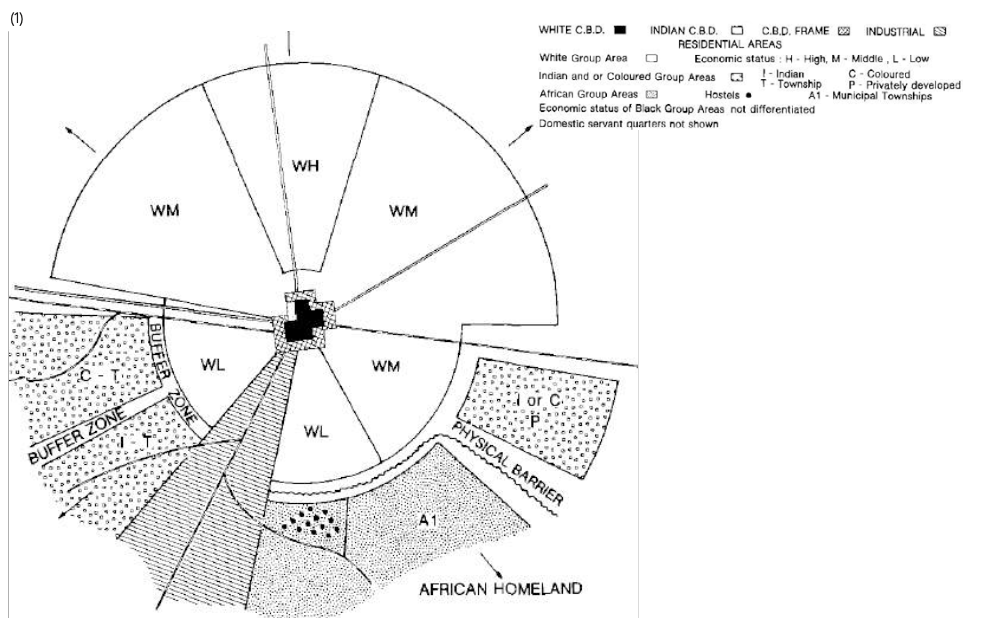
How was Apartheid Planning eventually challenged?
Active resistance, mass protest and alternative forms of participation challenged Apartheid planning. The reader describes these actions as a form of “insurgent planning”, contributing to the reversal of the planning acts in 1991
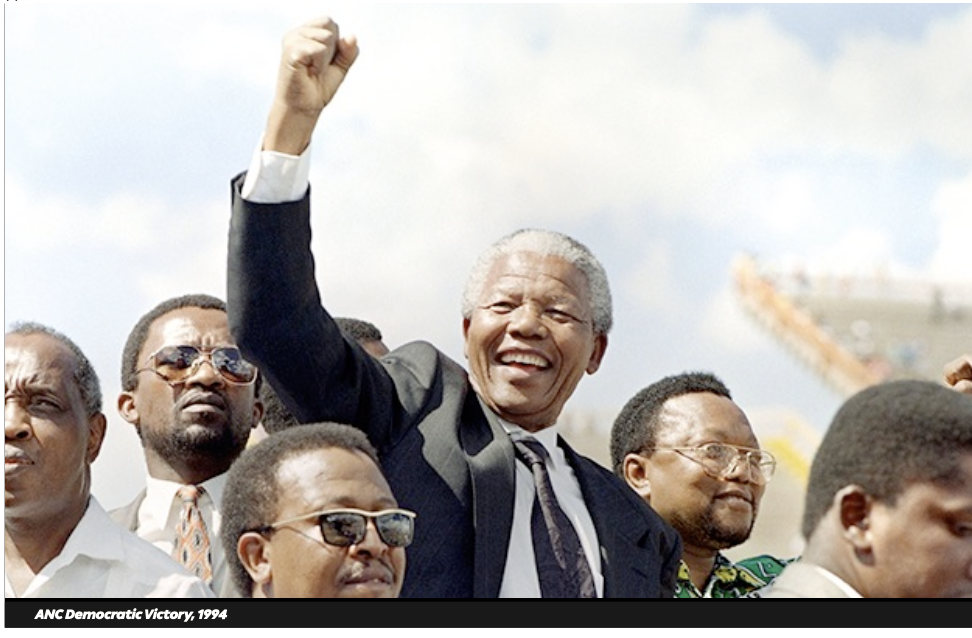
What is tool 2 of CAPE TOWN?
Development through distribution→ describes the shift from simply providing housing toward creating sustainable human settlements. The breaking new ground BNG policy of 2004 promotes access to infrastructure, amenities, social and economic facilities, different tenure options and diverse housing types
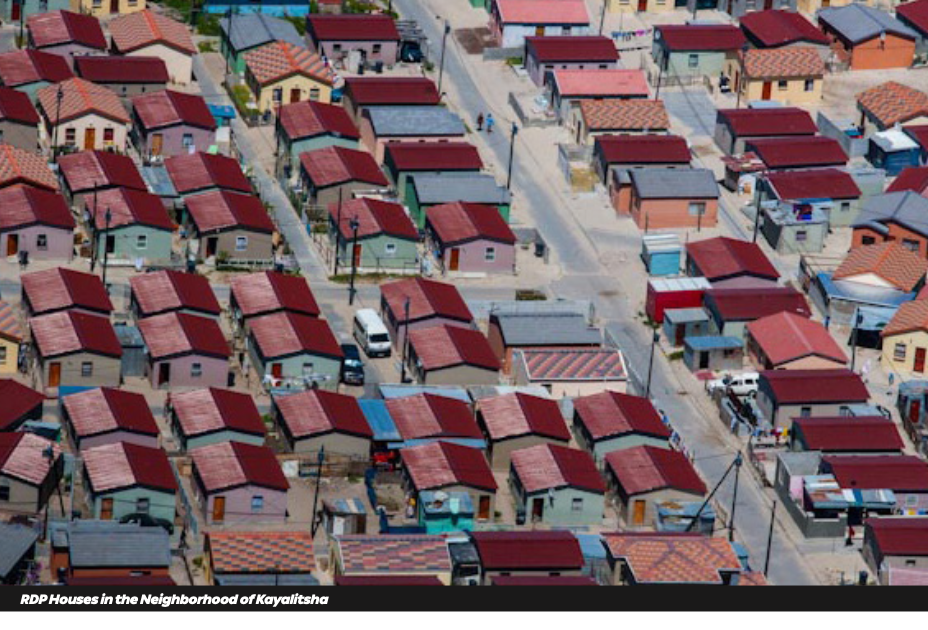
How does Development through Distribution change the approach to informal settlements?
The approach shifts from relocating informal settlements to upgrading them in situ, with more flexible planning, improved services, rehabilitation of well-located land, and greater participation of residents in decision-making.
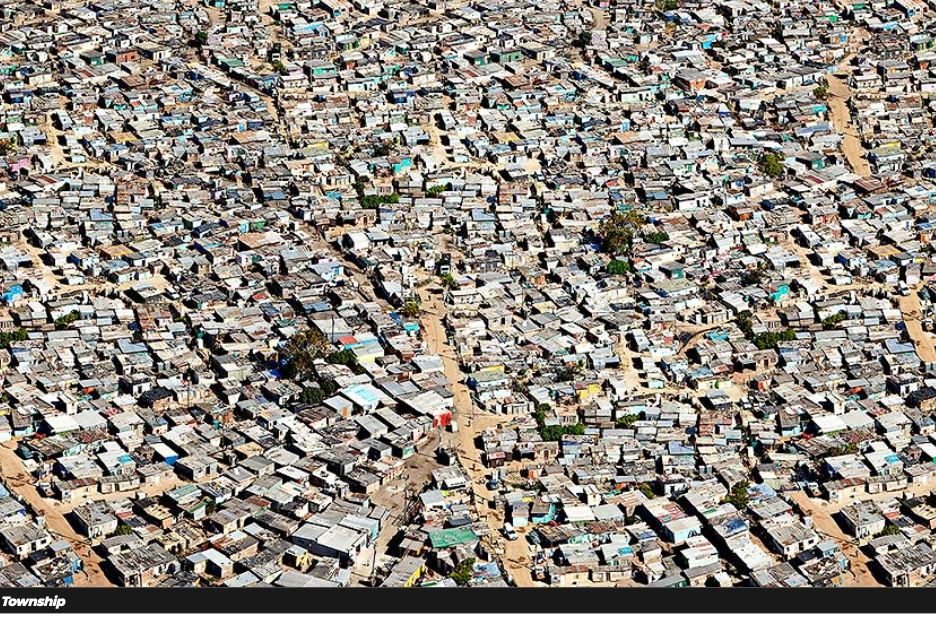
What is Tool 3 of CAPE TOWN?
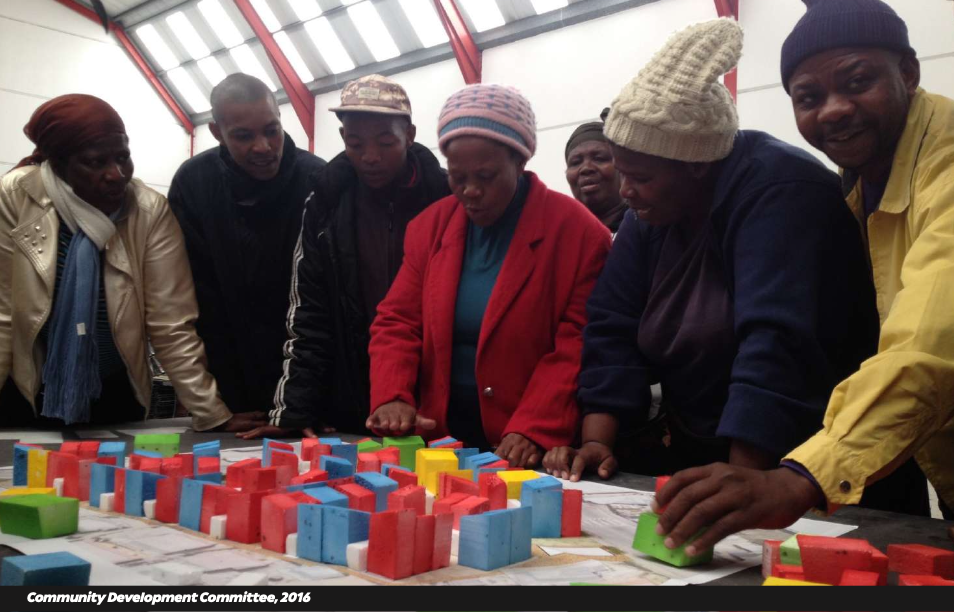
Cooperation and Dialogue → Uses participatory planning, co-design, implementation, and management to improve infrastructure in informal settlements. Government, NGOs, researchers and residents wirk together, using tools such as participatory data collection, theatre workshops and virtual reality
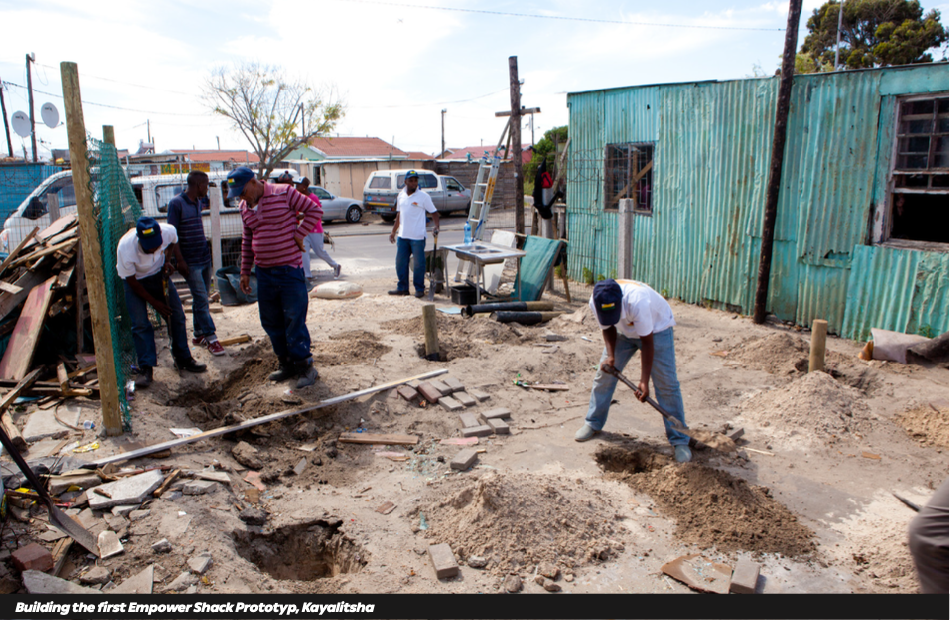
What is the main lesson of the CAPE TOWN urban story?
Cape Town shows how planning can create segregation but can also help overcome it. Moving toward inclusive cities requires upgrading existing settlements, recognizing residents’ needs and involving communities directly through cooperation and participation
What is the main urban development story of ZÜRICH?
Zürich faces the challenge of accommodating population and economic growth while limiting outward expansion. The city therefore focuses on using existing urban areas more efficiently through densification, redevelopment, and cooperative housing.
What are the 3 urban tools of ZÜRICH?
Planning the metropolitan Area
re-densification
formalizing informality
What is Tool 1 of ZÜRICH?
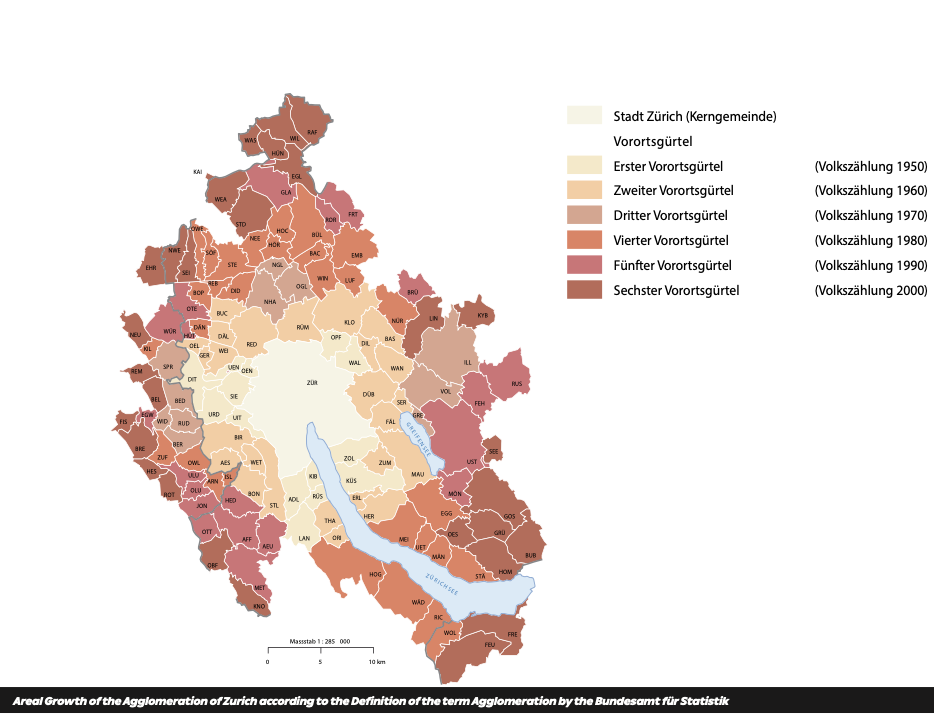
Planning the metropolitan area → Zürich’s urban agglomeration has expanded far beyond its administrative boundaries, requiring new policies and cooperation between federal, cantonal and municipal planning authorities
How does infrastructure contribute to Zürich’s metropolitan development?
Railways, highways and especially the S-Bahn network helped create a polycentric metropolitan region, with densification hubs around railway stations becoming important social and economic sub-centers
What is Tool 2 of ZÜRICH?
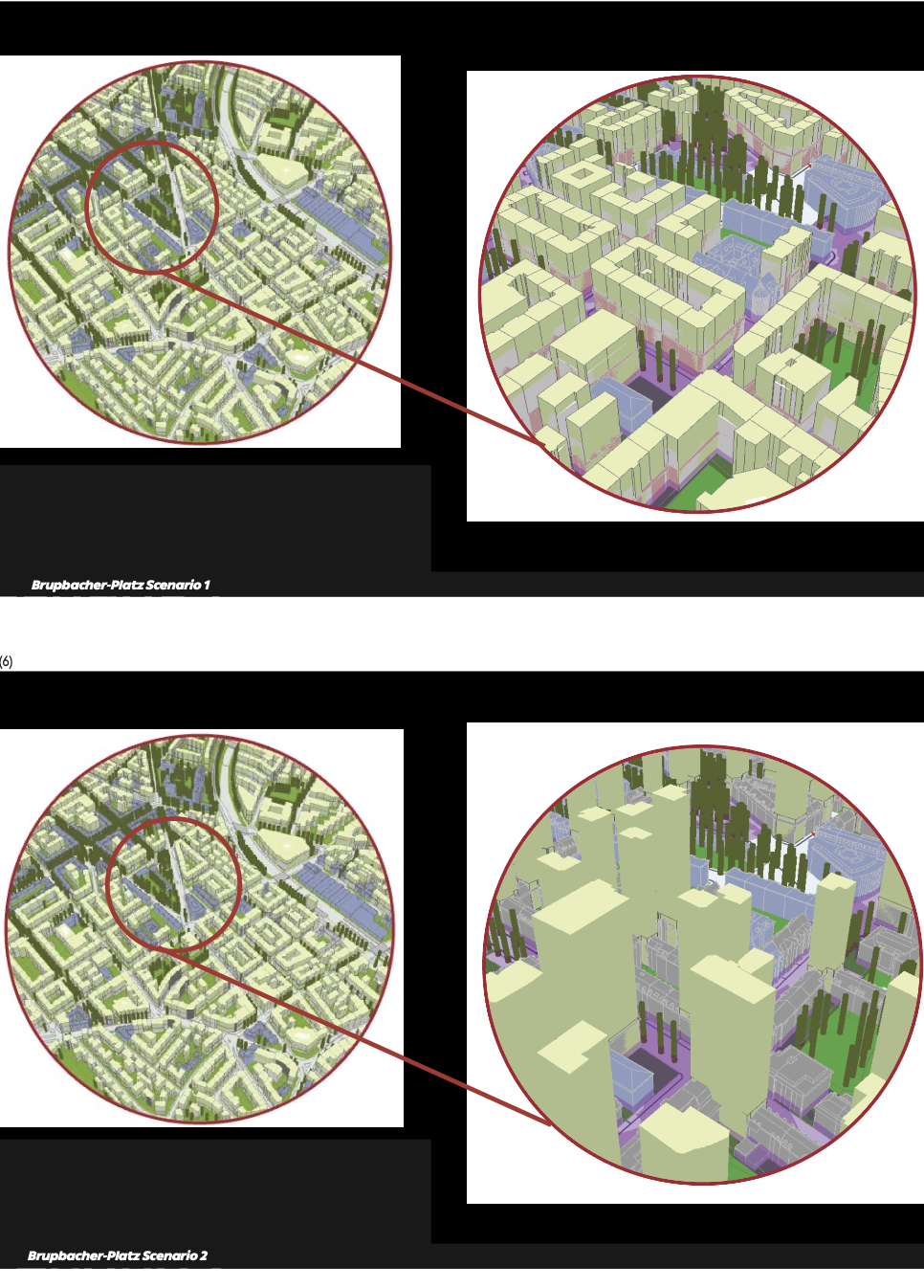
Re-Densification → means adding functions and programs to already urbanized ares. Because Zürich has few undeveloped buildable areas, future growth must largely be absorbed through densification inwards
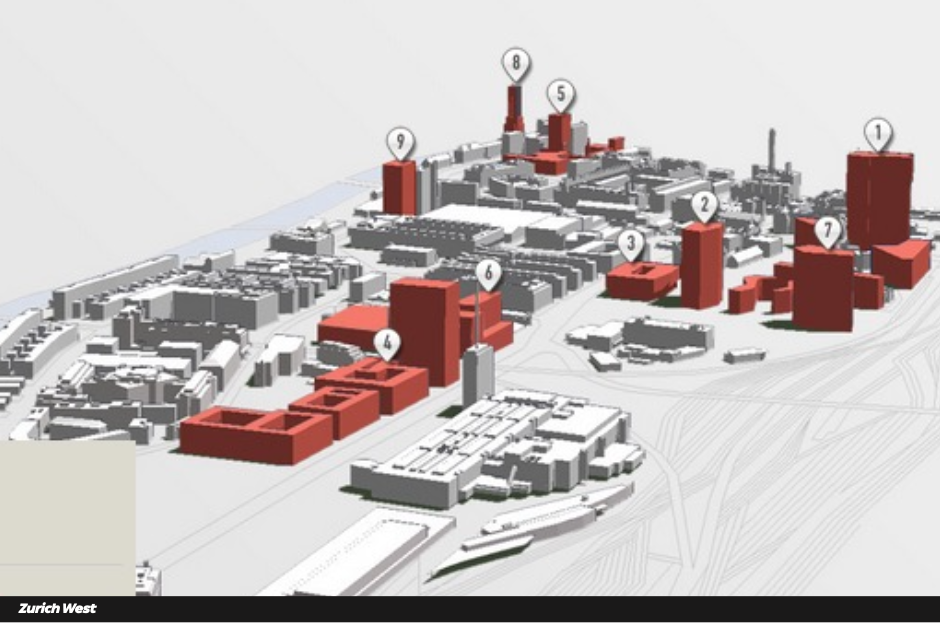
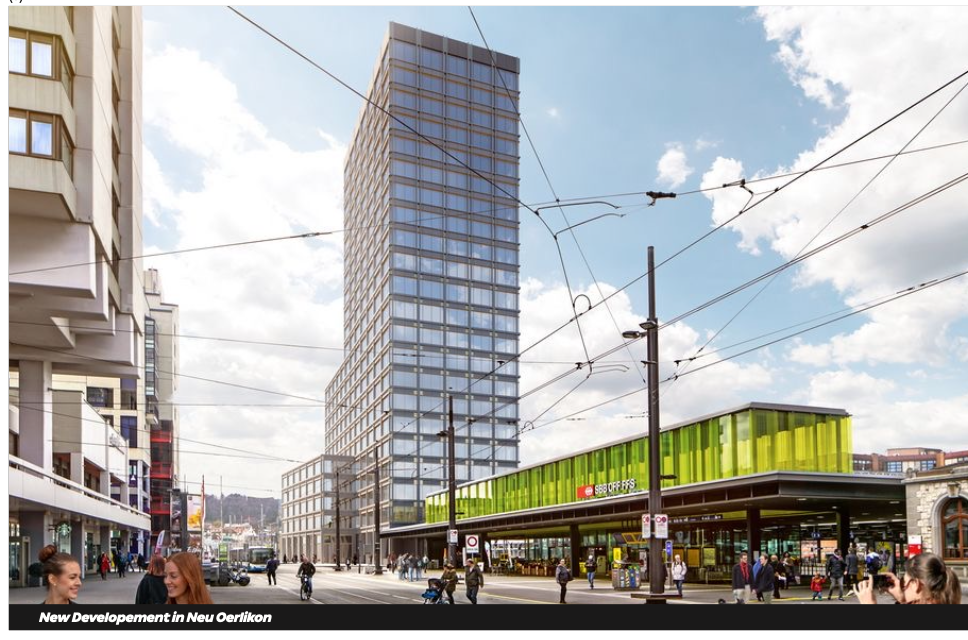
How does Neu-Oerlikon demonstrate Re-Densification?
Former industrial sites in Neu-Oerlikon were converted into a new living and working district. The transformation required new housing, offices, open spaces, infrastructure and special building regulations
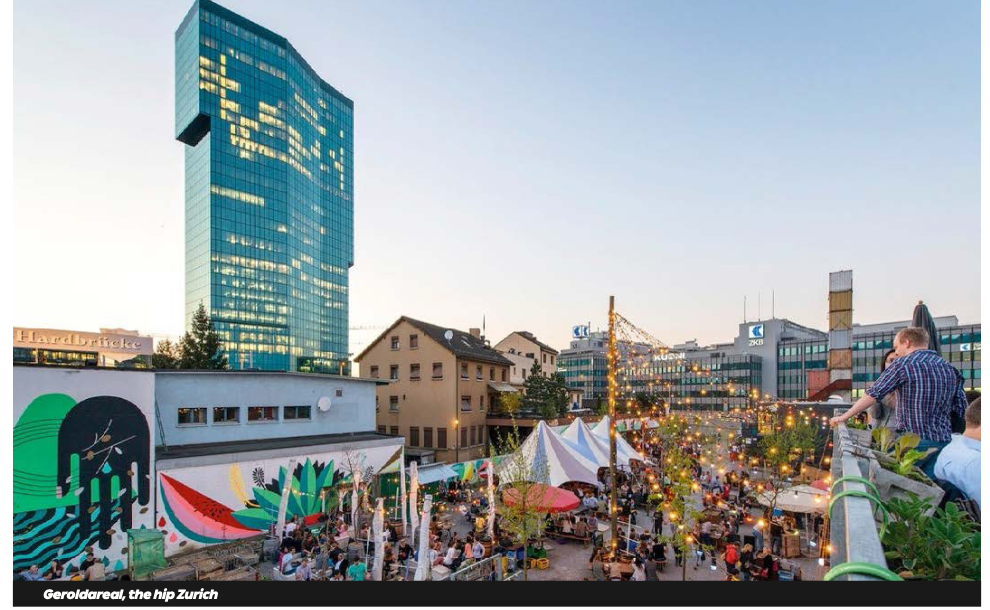
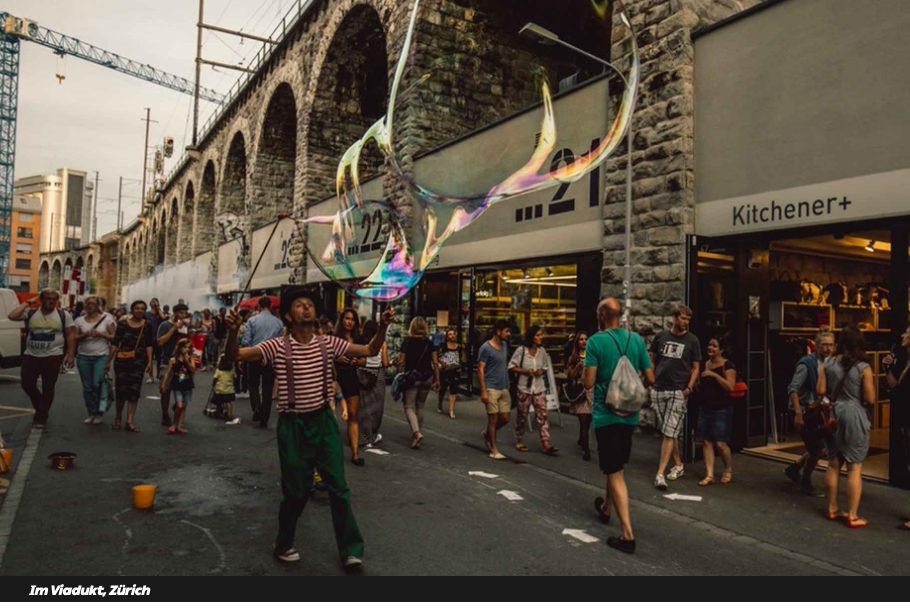
What is Tool 3 of ZÜRICH?
Formalizing informality → Zürich supports informal temporary urban activities as spaces for creativity and experimentation, but these spaces can later become formalized through planning, regulation, redevelopment and commercialization
What is the main lesson of the ZÜRICH Urban Story?
Zürich shows how a growing city can respond through metropolitan-scale cooperation, inward re-densification and the management of informal creative spaces. These processes demonstrate how governance, physical development and social activity interact
What is the main urban development story of NEW YORK?
New York shows how a dense metropolis is shaped through planning regulations, infrastructure, and the interaction of top-down planning with bottom-up initiatives. Its urban identity is strongly connected to Manhattan’s grid, vertical development and continuous transformation of streets and infrastructure
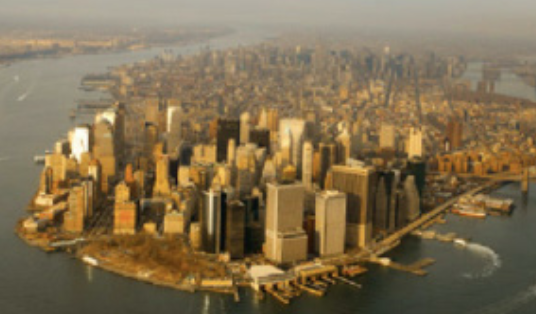
What are the 3 urban tools of NEW YORK?
Horizontal-Vertical Grid
Re-Purposing Infrastructure
Bottom-Up vs. Top-Down planning initiatives
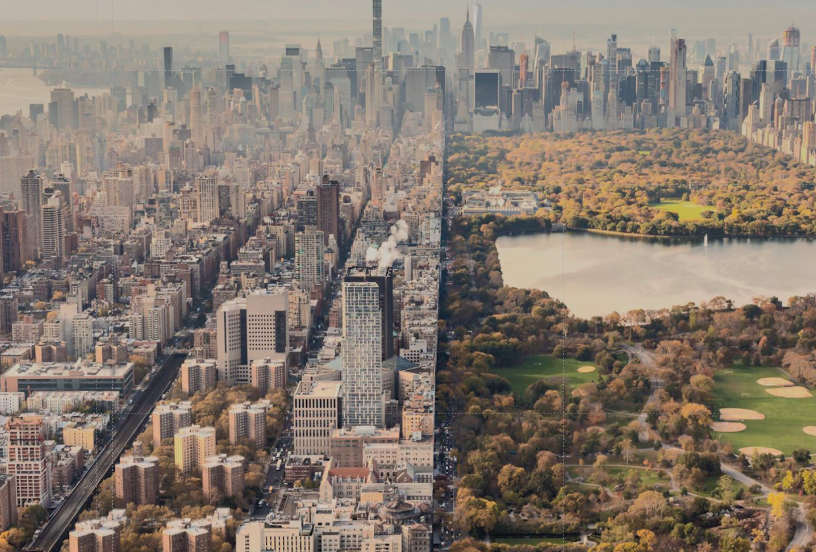
What is Tool 1 of NEW YORK?
Horizontal-Vertical Grid → Manhattan combines the horizontal grid of the 1811 Commissioners Plan with vertical development regulated by the 1916 Zoning Plan, which controlled building height, setbacks and land use. Together they created the basis for New York’s high density urban form