2.7 Intern. Connection Types
 Call Kai
 Learn
Learn Practice Test
 Spaced Repetition
 Match
Match Flashcards
 Knowt Play
1/26

There's no tags or description
Looks like no tags are added yet.
Name | Mastery | Learn | Test | Matching | Spaced | Call with Kai | Chat |
|---|
No analytics yet
Send a link to your students to track their progress
27 Terms
Requirement of satellite internet?
Requires line of sight to the satellite
Weather can cause rain fade
Satellite Internet Speeds and latency
~100 Mbps down / ~ 5 Mbps up
High latency (often ~500 ms round trip)
Modern systems like Starlink reduce latency to about 25–60 ms.
Where is Satellite internet used?
Rural remote areas
What are the characteristics of fiber internet?
Fiber uses light signals through fiber-optic cables.
Characteristics:
Very high speeds
Long-distance communication
Common in WAN backbone networks
Expensive installation and repair
What technologies does fiber use?
SONET Synchronous Optical Networking
Wavelength Division Multiplexing
What is cable broadband internet?
Internet service delivered through TV coaxial cable networks.
Characteristics:
Uses broadband frequencies for multiple services
Supports data, voice, and video
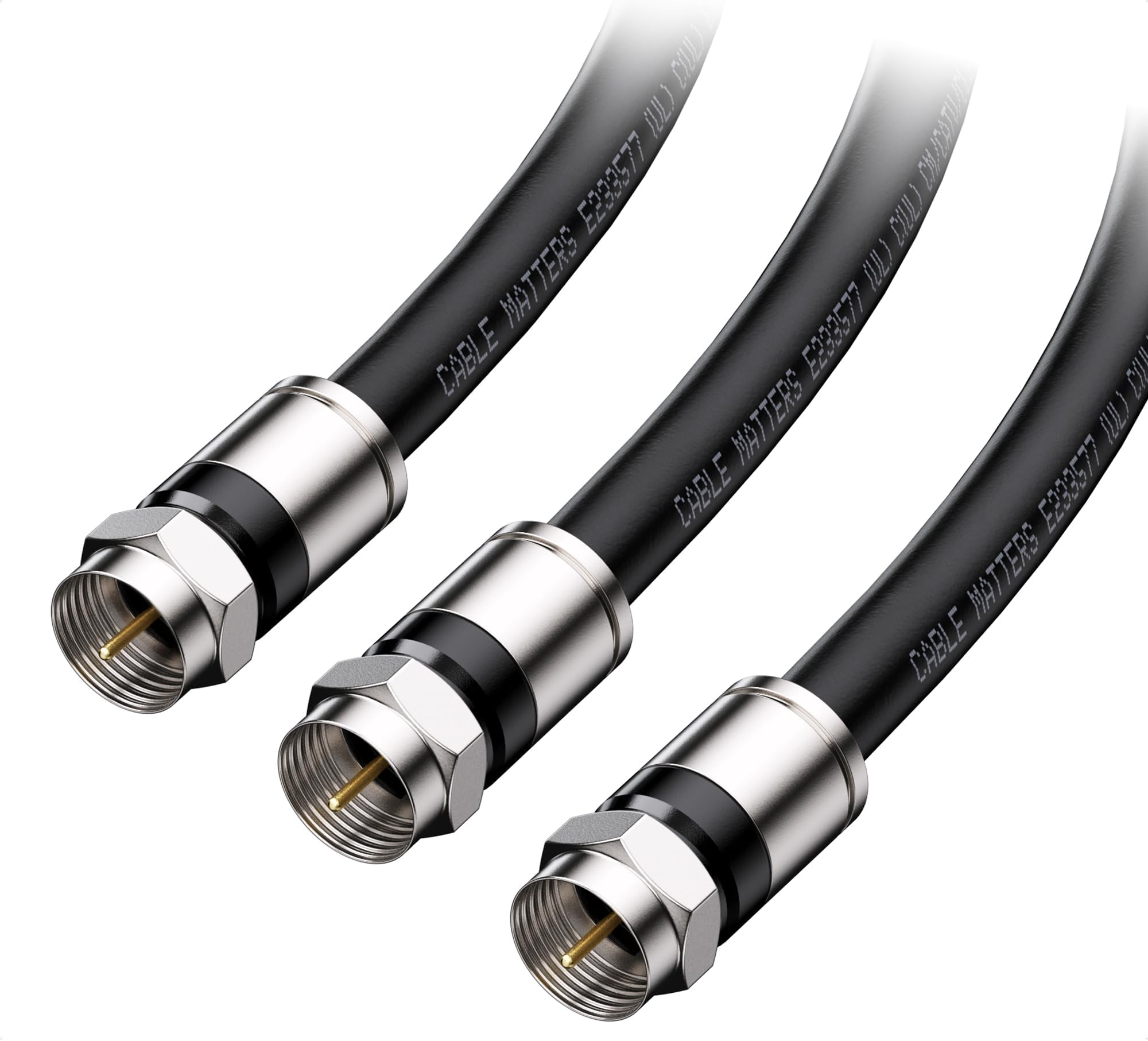
What standard does cable broadband internet use?
DOCSIS (Data Over Cable Service Interface Specification)
Cable broadband internet speed
Speeds typically 50 Mbps – 1 Gbps+
What is DSL internet?
Digital Subscriber Line uses telephone lines for internet access.
Characteristics:
Asymmetric speeds (download faster than upload)
Distance limit of about 10,000 ft from the central office
DLS speeds
Example speeds: ~200 Mbps down / ~20 Mbps up
What is cellular internet?
Internet delivered through mobile cellular networks.
What is a WISP?
A Wireless Internet Service Provider delivers internet using terrestrial wireless signals.
Technologies may include:
IEEE 802.11 mesh networks
5G home internet
proprietary wireless systems
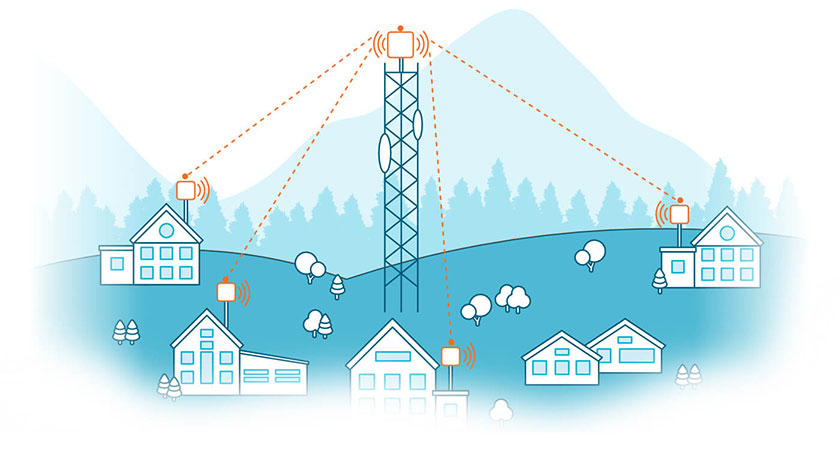
Where is WISP used and what do you need to use it?
Common in rural areas
Requires outdoor antenna
WISP speeds?
Speeds range ~10 Mbps to 1 Gbps
What is a LAN?
A Local Area Network is a network that connects devices in a limited geographic area, such as:
a home
an office
a building or campus
Characteristics:
high-speed connectivity
commonly uses Ethernet or Wi-Fi
What is a WAN?
A Wide Area Network connects multiple LANs over large geographic distances.
Characteristics:
spans cities, countries, or the globe
usually slower than LAN connections
Technologies include:
Multiprotocol Label Switching (MPLS)
point-to-point links
The internet is the largest WAN.
What is a PAN?
A Personal Area Network connects devices around one person.
Examples:
phone ↔ headphones
smartwatch ↔ phone
car ↔ smartphone
Technologies include:
Bluetooth
Near Field Communication
infrared
What is a MAN?
A Metropolitan Area Network covers a city or metropolitan area.
Characteristics:
larger than a LAN
smaller than a WAN
Often uses metro Ethernet and may be owned by local governments or municipalities.
What is a SAN?
A Storage Area Network is a high-speed network dedicated to storage.
Characteristics:
provides block-level storage access
appears to servers like a local hard drive
optimized for fast data reads and writes
Often uses dedicated high-speed networks.
What is a WLAN?
A Wireless Local Area Network is a LAN that uses wireless networking.
Characteristics:
based on IEEE 802.11 (Wi-Fi)
provides mobility
coverage can be expanded using multiple access points
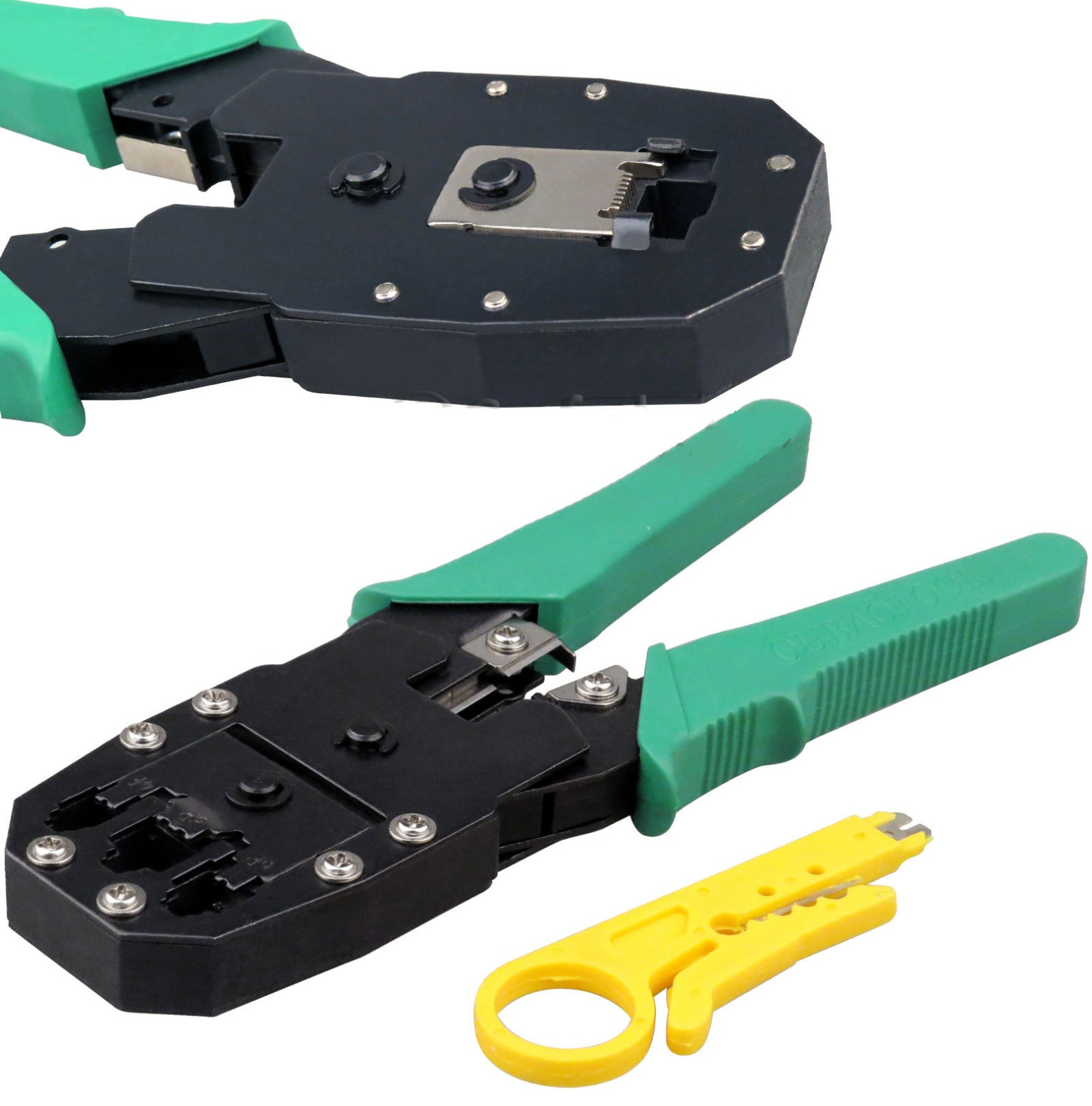
What is a cable crimper used for?
A cable crimper attaches a modular connector (such as RJ-45) to a network cable.
Process:
pushes metal pins through the wire insulation
secures the connector onto the cable sheath
final step when making Ethernet cables
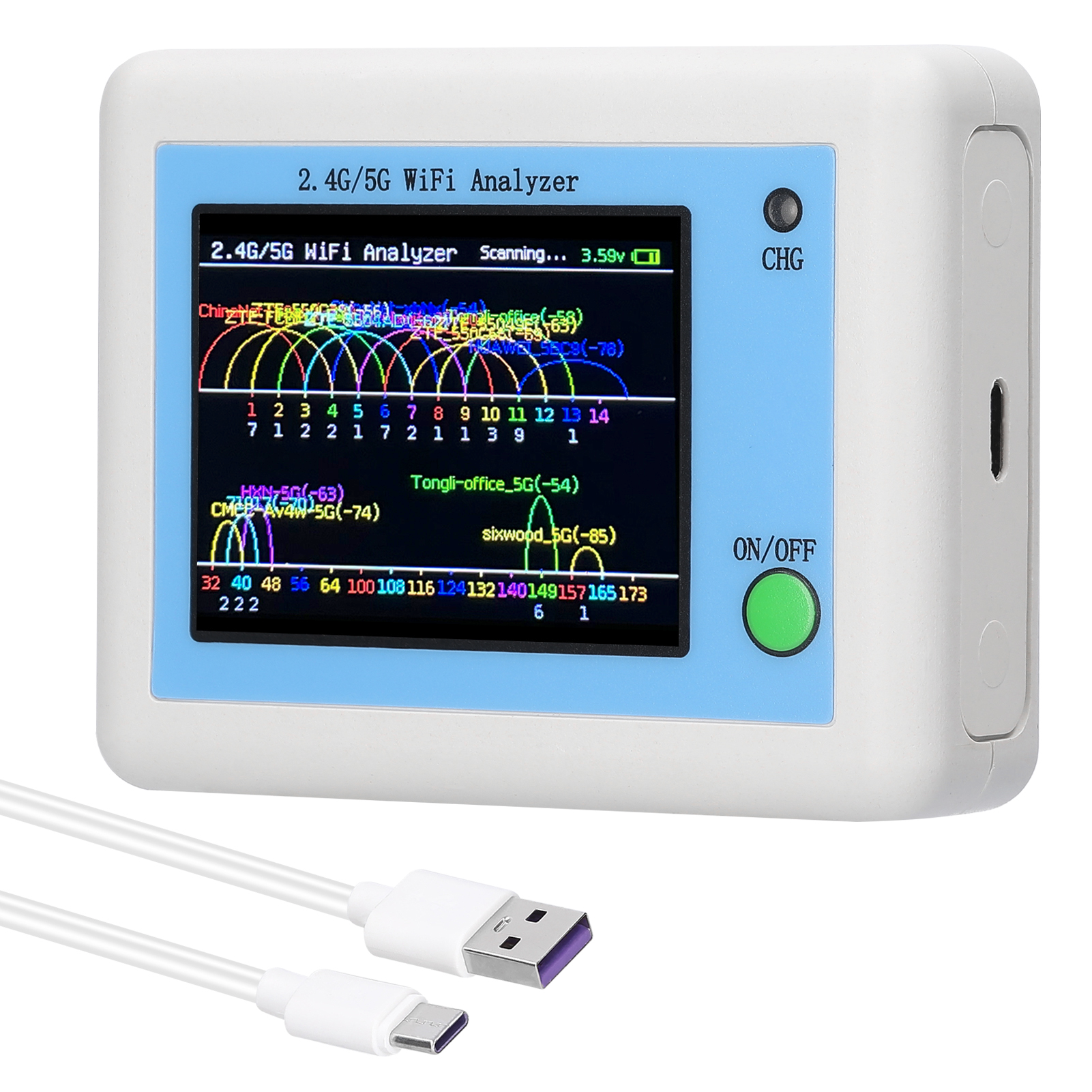
What does a Wi-Fi analyzer do?
A Wi-Fi analyzer monitors wireless networks to analyze:
signal strength
channels and frequencies
nearby access points
interference sources
Used for troubleshooting wireless networks.
Works with IEEE 802.11 wireless signals.
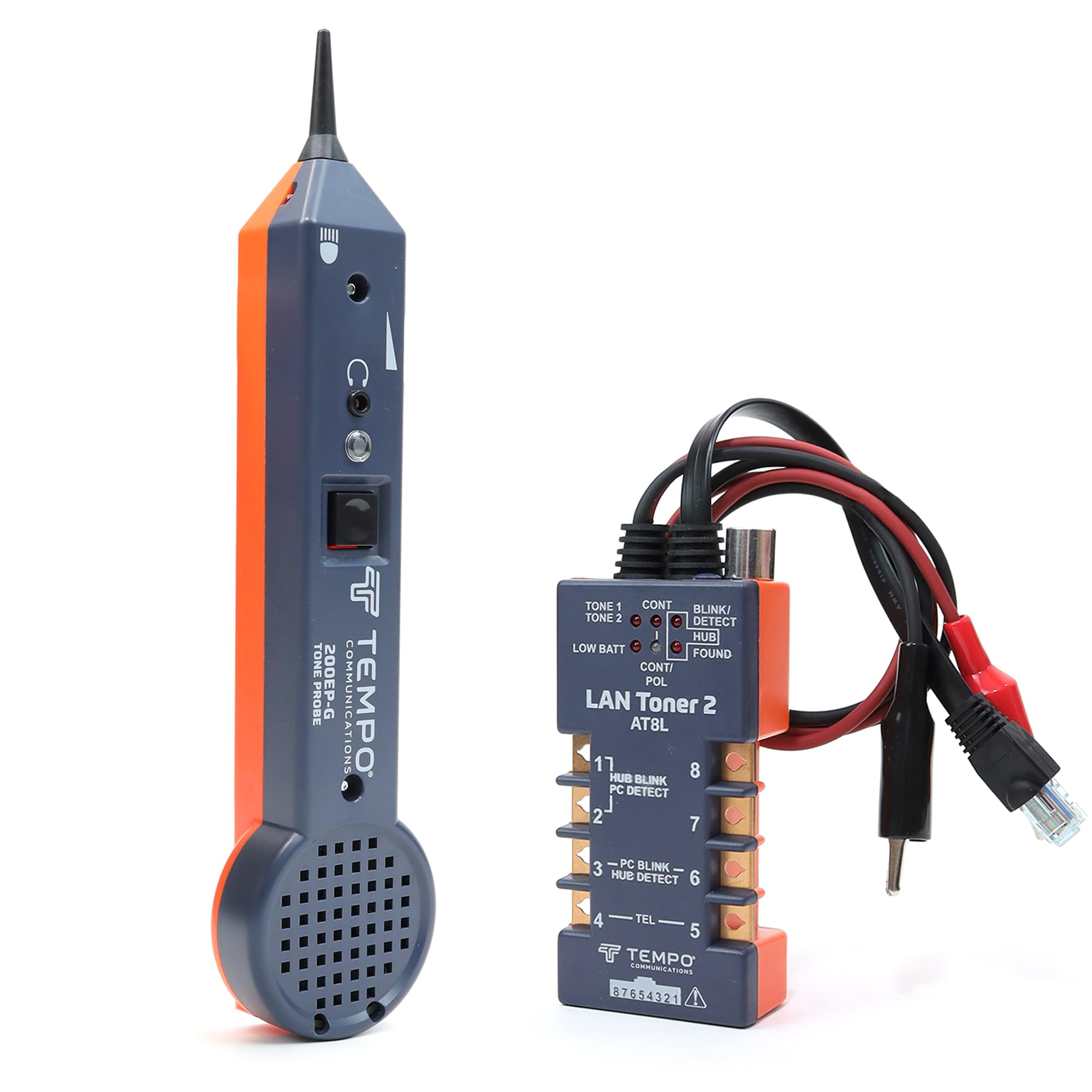
What is a tone generator and probe used for?
A tone generator sends a tone signal through a cable, and the probe detects it.
Used to:
trace cables
identify where a wire runs
locate cables in complex wiring environments
Also called a toner probe.
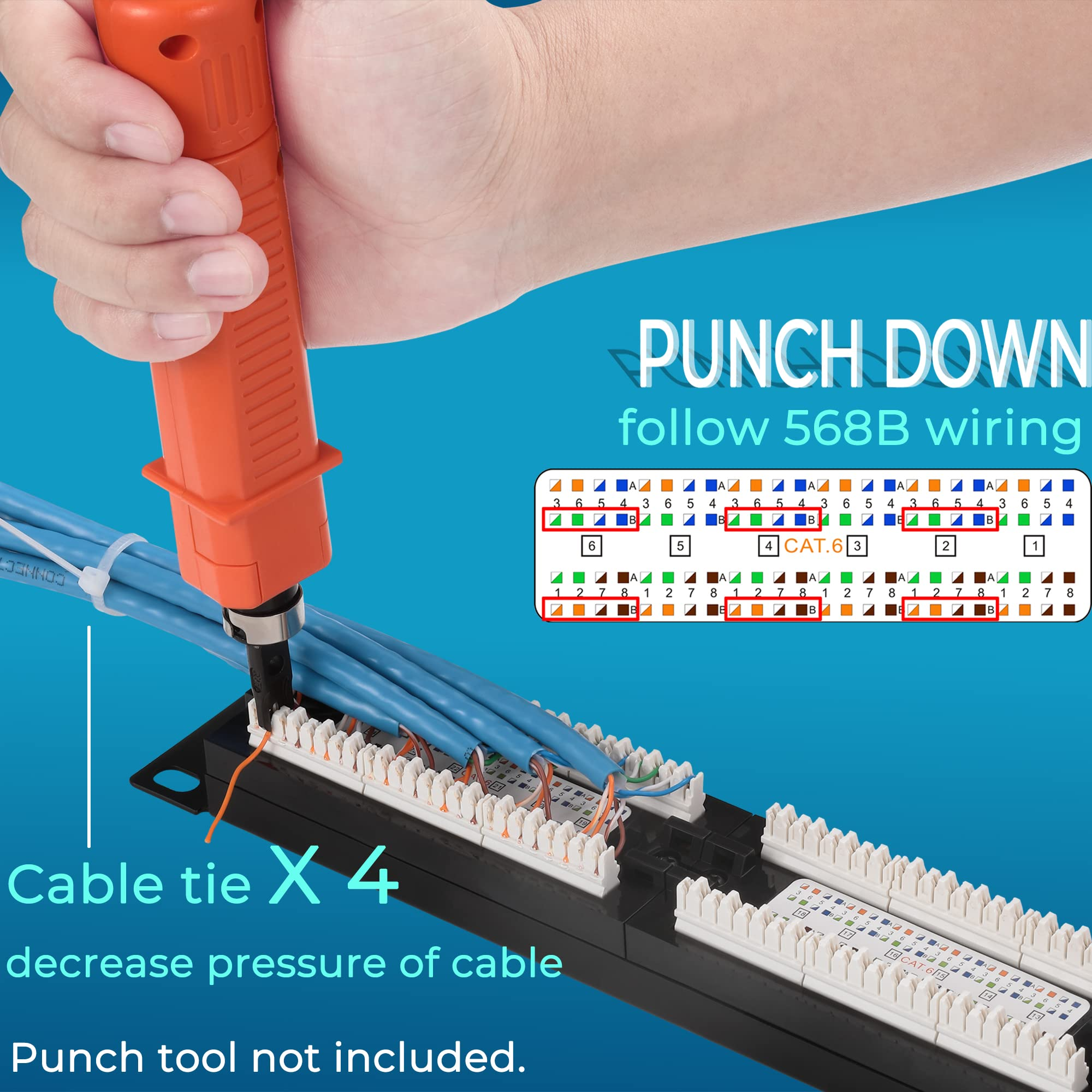
What is a punch down tool used for?
punch down tool inserts and secures wires into a punch-down block.
Common blocks:
66 block
110 block
The tool:
pushes wire into the connector
trims excess wire
ensures a solid connection
Often used with patch panels and structured cabling.
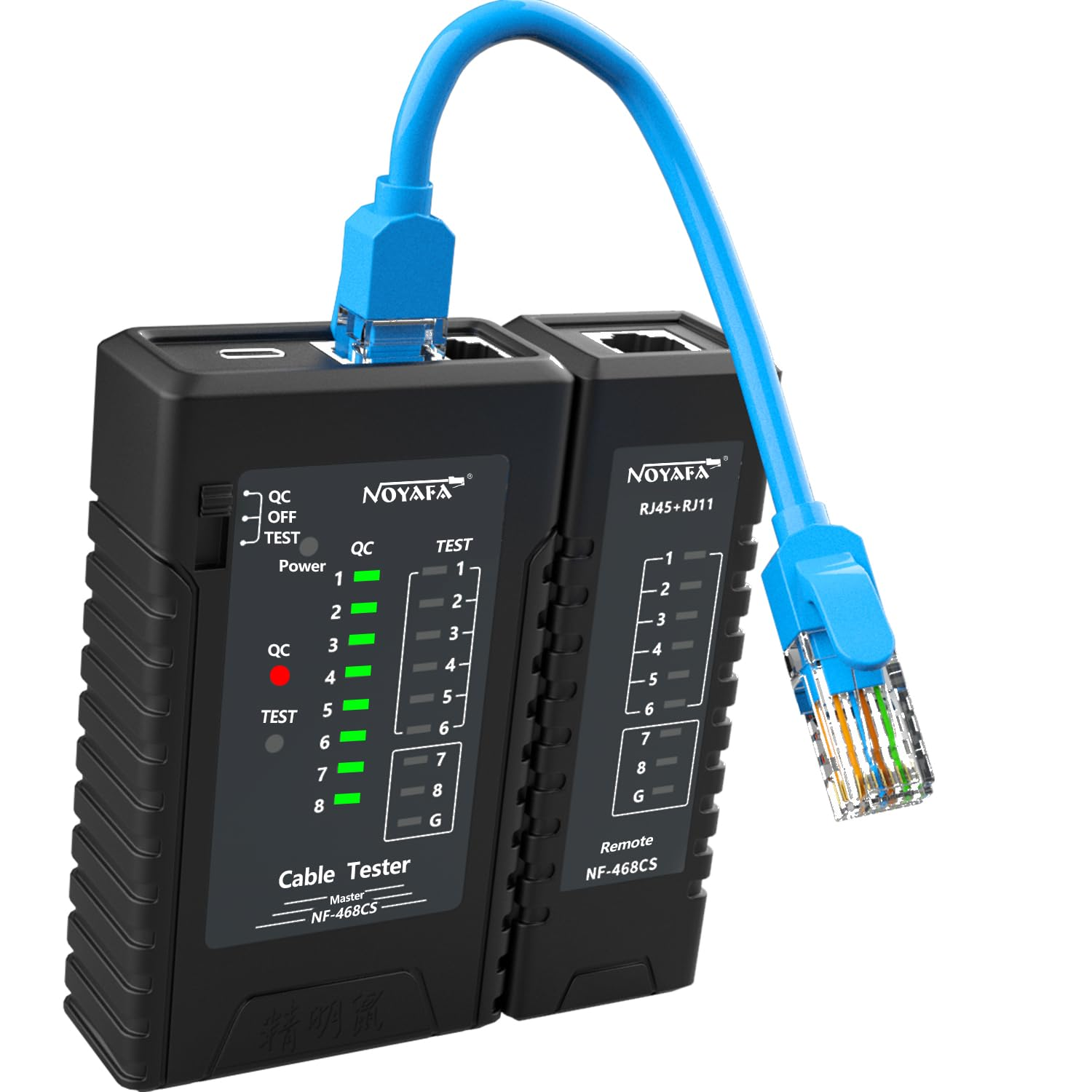
What does a cable tester check?
A cable tester verifies proper wiring in network cables.
Tests include:
continuity
wire mapping (pin-to-pin)
missing pins
crossed wires
Used to confirm Ethernet cables are correctly wired.
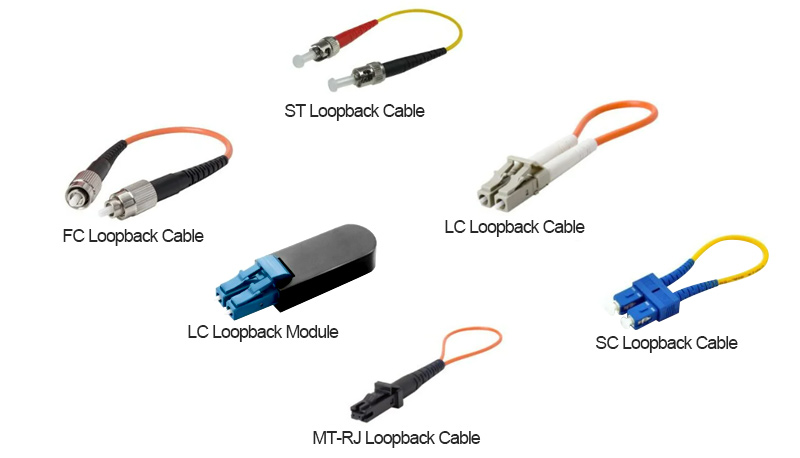
What is a loopback plug used for?
A loopback plug tests network or serial ports by sending transmitted signals back to the receive pins.
If the port works properly:
sent data = received dataUsed to test ports such as:
Ethernet
serial connections
fiber links
What is a network tap or port mirror used for?
Used to capture and analyze network traffic.
Types:
Network TAP
physical device placed inline with the network cable
Port Mirror (SPAN)
switch feature that copies traffic from one port to another
Used for packet analysis and monitoring.