Modern Biology 1: Chapter 3 Biological Macromolecules
 Call Kai
 Learn
Learn Practice Test
 Spaced Repetition
 Match
Match Flashcards
 Knowt Play
1/27

There's no tags or description
Looks like no tags are added yet.
Name | Mastery | Learn | Test | Matching | Spaced | Call with Kai | Chat |
|---|
No analytics yet
Send a link to your students to track their progress
28 Terms
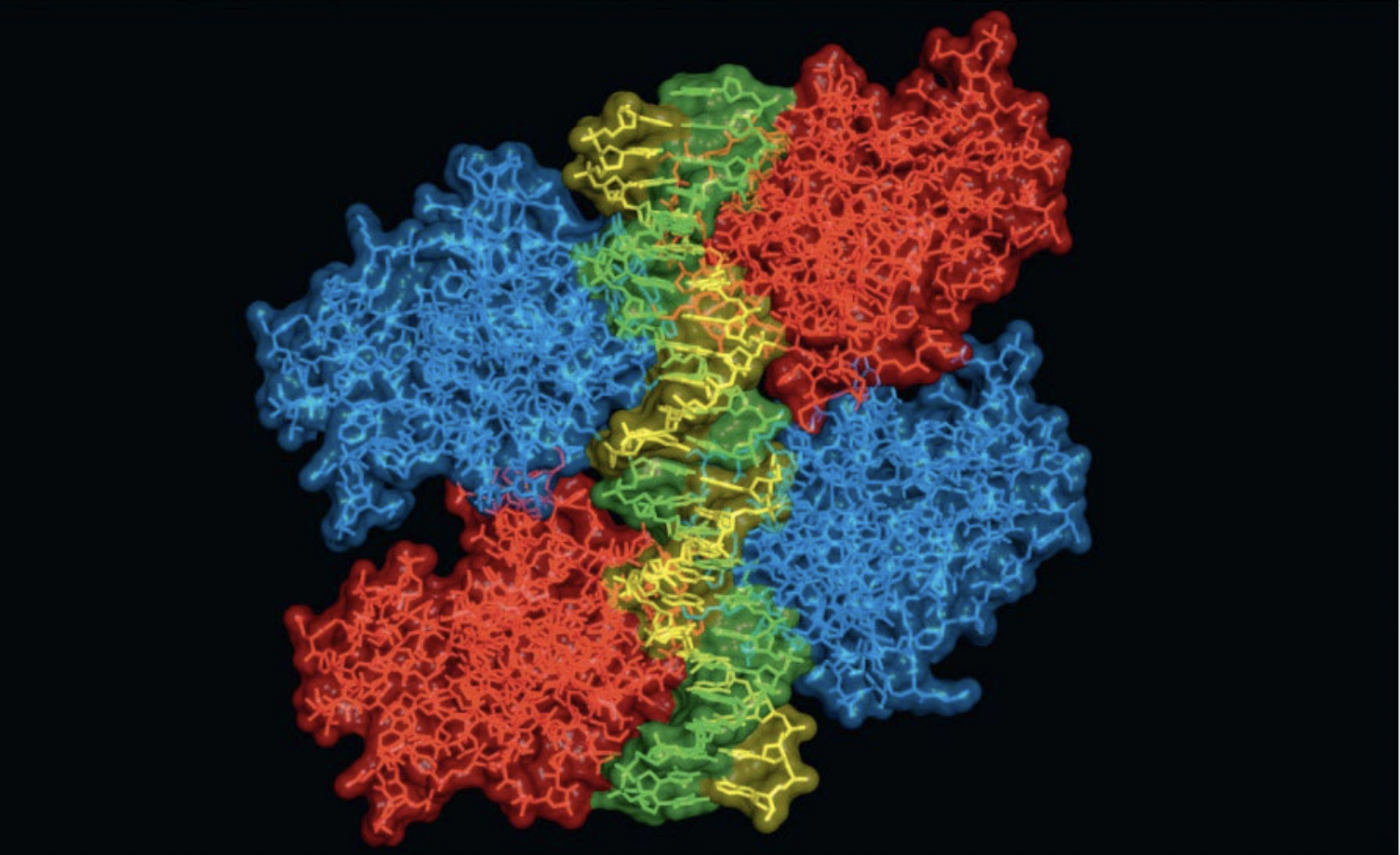
Regulatory Protein and DNA
(The Macromolecules, interact with each other)
What are the four major classes of Organic Molecules found in living organisms?
Carbohydrates, Lipids, Proteins, and Nycleic acids
Carbon atoms will bond in what way?
Covalently
Molecules consisting of carbon linked only to hydrogens atoms are called?
Hydrocarbons
Traits of Hydrocarbons consists of?
They are non-polar (Water-hating), and when functional groups are added they confer
Covalent Bonds store?
Considerable Energy
Functional groups are what?
Small reactive groups of atoms which give larger molecules specific chemical properties
Name the most relevant Functional Groups?
Hydroxyl, Carbonyl, Carboxyl, Amino, Phosphate, and Sulfhydryl
What to know about about Hydroxly?
An Alcohol, and Polar

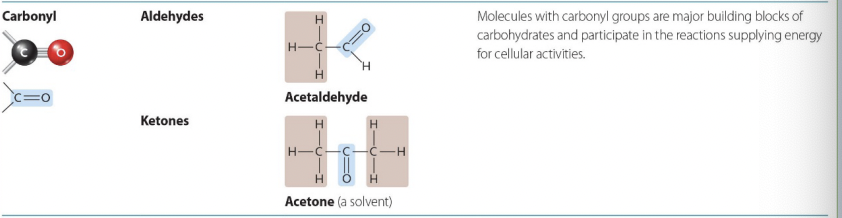
What to know about Carbonyl?
Aldehydes, Ketones, and where it is located in a molecule
What to know about Carboxyl?
An Acid, ends with the last name acid

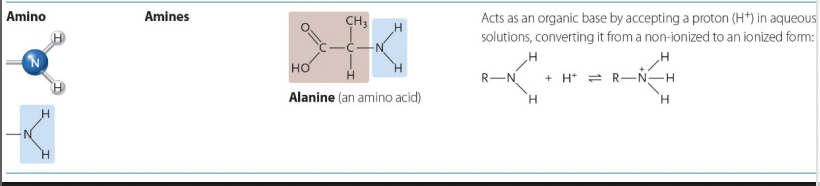
What to know about Amino?
Amines, (Amino Acid, has an Amino and a Carboxyl)
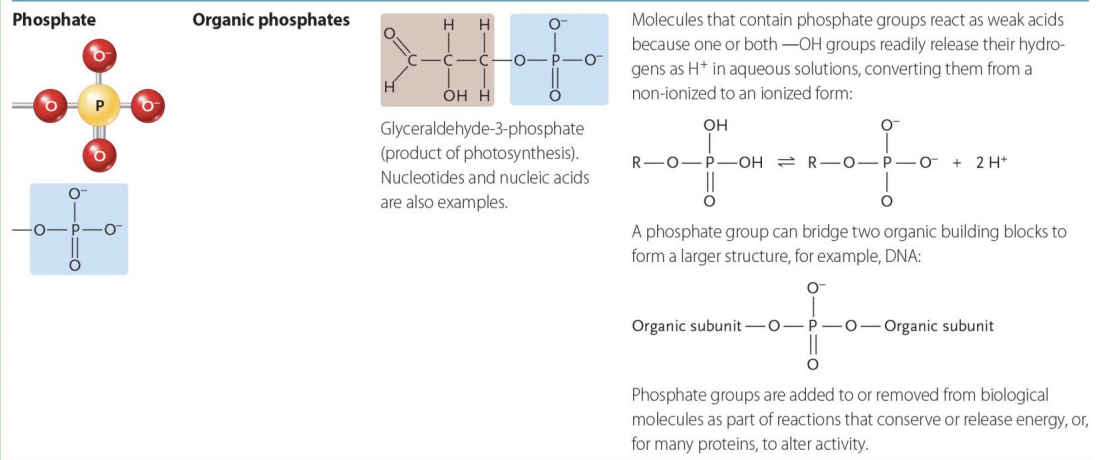
What to know about Phosphate
Present a lot, Every Macromolecule has Phosphate
(Organic Phosphates)
What to know about Sulfhydryl
Thiols
(Cystine has the Sulfhydryl group, and if their are two Cystines, they can make the Disulfide linkage making the whole protein tighter

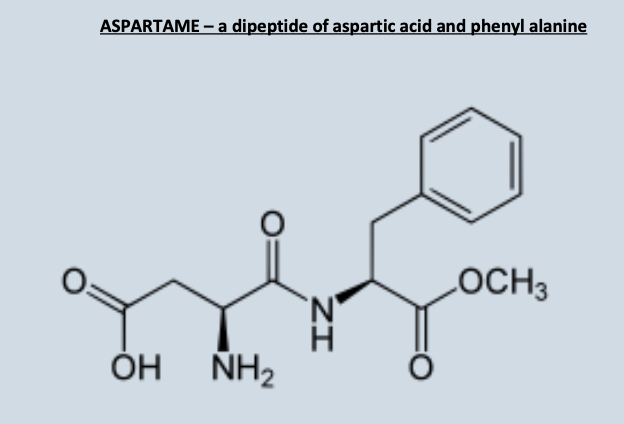
Aspartame
Makes stuff sweet, made of a Dipeptide of Aspartic acid and Phenyl alanine
-Contains a Carboxyl, Hydroxyl, Amio
Isomers are molecules with the?
Same molecular or empirical formula but different molecules
Theirs two being Structural Isomers and Stereoisomers, what are they?
Structural Isomers: Same chemical formula, but different arrangement of atoms
Stereoisomers: Differs in how groups attached
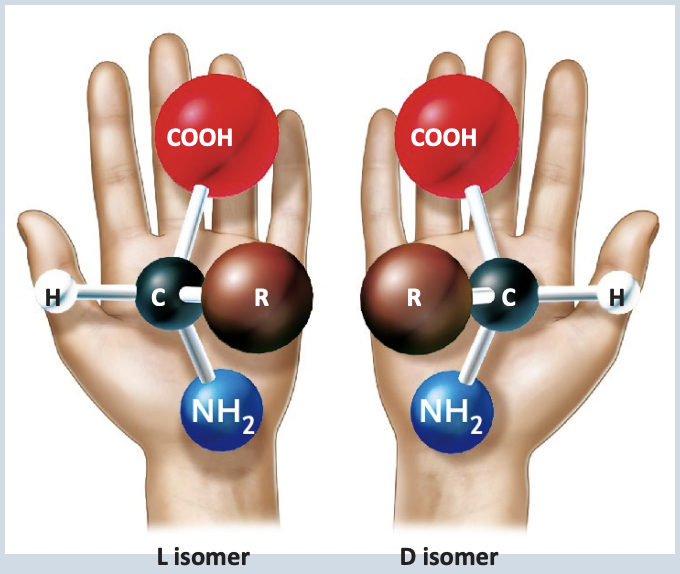
Look at these Stereoisomers, what makes L and D different?
-If an Isomer polarizes light to the right it is a D Isomer (dextrorotatory)
-If an Isomer polarizes light to the left it is a L isomer (levorotatory)
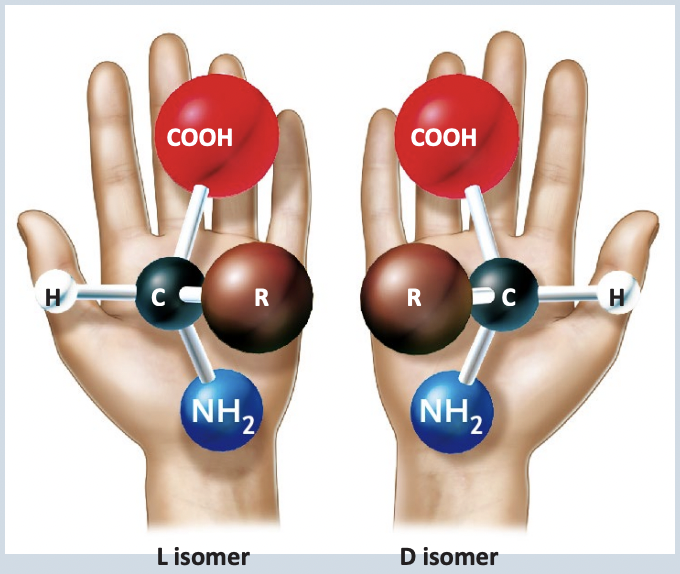

Image of Structural and Stereoisomers
What is a Polymer?
Built by linking Monomers
What is a Monomer?
Small, similar chemical subunits
Dehydration Synthesis is the?
Formation of large molecules by removal of waters
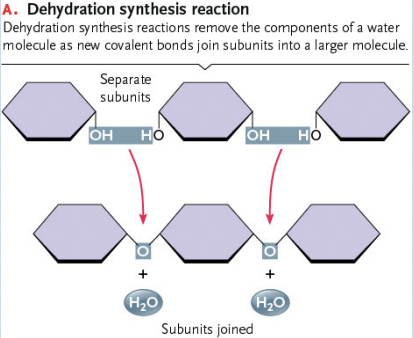
The Monomers in Dehydration Synthesis are?
Joined to form polymers
Hydrolysis is the?
Breakdown of large molecules by adding water
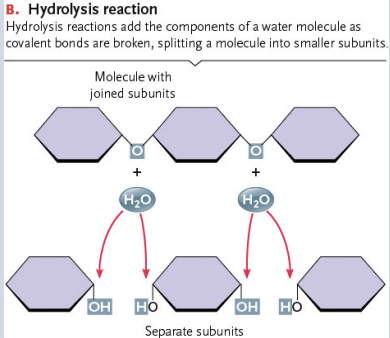
The Polymers of Hydrolysis are?
Broken down to monomers
look through slide 19-20
Go from slide 20-24
Amylose and Glycogen are made from Alpha Glucose, while Cellulose and Chitin is made from Beta Gluclose