Lab 1 Intro and Homeostasis
 Call Kai
 Learn
Learn Practice Test
 Spaced Repetition
 Match
Match Flashcards
 Knowt Play
1/38

There's no tags or description
Looks like no tags are added yet.
Name | Mastery | Learn | Test | Matching | Spaced | Call with Kai | Chat |
|---|
No analytics yet
Send a link to your students to track their progress
39 Terms
Anatomy
studies the form and structure of the body
Physiology
examines the function of body structures, typically focusing on the molecular and cellular level
Independent Variable
The variable set during the experiment by the researcher to determine its impact
Dependent Variable
The variable measured during the experiment to evaluate changes that occur related to the independent variable
Confounding variable
An unaccounted for variable that may affect experimentation by having an unknown impact on both the independent and dependent variables
Hypothesis
A testable prediction or educated guess about the relationship between variables in an experiment.
Anatomical Position
refers to the body in the upright position, facing forward, with the legs shoulder-width apart and parallel, and the palms of the hands facing forward.
Prone
when laying down on the stomach (face down)
Supine
when laying down on the back (face up)
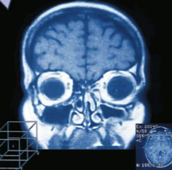
What plane is this?
coronal (frontal)
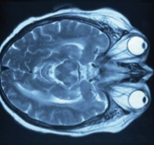
What plane is this?
Transverse
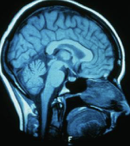
What plane is this?
Midsagittal
Oblique Plane
passes at an angle to the other planes
Sagittal Plane
a longitudinal, vertical plane that is parallel to the midline
Anterior and Posterior
direction relative to front (belly side) or back of the body
Anterior
in front of; toward the front surface
Posterior
in back of; toward the back surface
Superior and Inferior
direction relative to the head or bottom of the body
Superior
closer to the head
Inferior
closer to the feet
Medial, Lateral, Deep, Superficial
direction relative to the midline of the body
Medial
toward the midline of the body
Lateral
away from the midline of the body
Deep
closer to the inside, internal to another structure
Superficial
closer to the outside, external to another surface
Proximal and Distal
direction relative to point of attachment of appendage
Proximal
closer to point of attachment to trunk
Distal
farther away from point of attachment to trunk
Homeostasis
a self-regulating process that allows biological systems to remain stable while responding to shifting environmental factors
What is the order of the Homeostatic control mechanism?
Stimulus
Receptor
Control Center
Effector
Homeostasis restored
Receptor
detects change in a variable
Control center
interprets input from the receptor and initiates changes through effector
Effector
the structure that brings about changes to alter the stimulus
Stimulus
changes in a regulated variable (ex. temperature)
Set Point
the physiological, ideal value or narrow range that the body works to maintain for homeostasis
Vasodilation
An increase in the diameter of blood vessels results in increased blood flow toward the surface of the skin
How does vasodilation affect body temperature?
Increased capillary blood flow enhances heat loss by radiation cooling the body
Vasoconstriction
decrease in the diameter of blood vessels results in reduced blood flow toward the surface of the skin
How does vasoconstriction affect body temperature?
reduces heat loss by radiation, helping maintain core body temperature