acid base disturbances smythe
 Call Kai
 Learn
Learn Practice Test
 Spaced Repetition
 Match
Match Flashcards
 Knowt Play
1/68

There's no tags or description
Looks like no tags are added yet.
Name | Mastery | Learn | Test | Matching | Spaced | Call with Kai | Chat |
|---|
No analytics yet
Send a link to your students to track their progress
69 Terms
brownsted lowry definition of acid
acid HA donates proton to a solution when it dissociates into H and conjugate anion A-
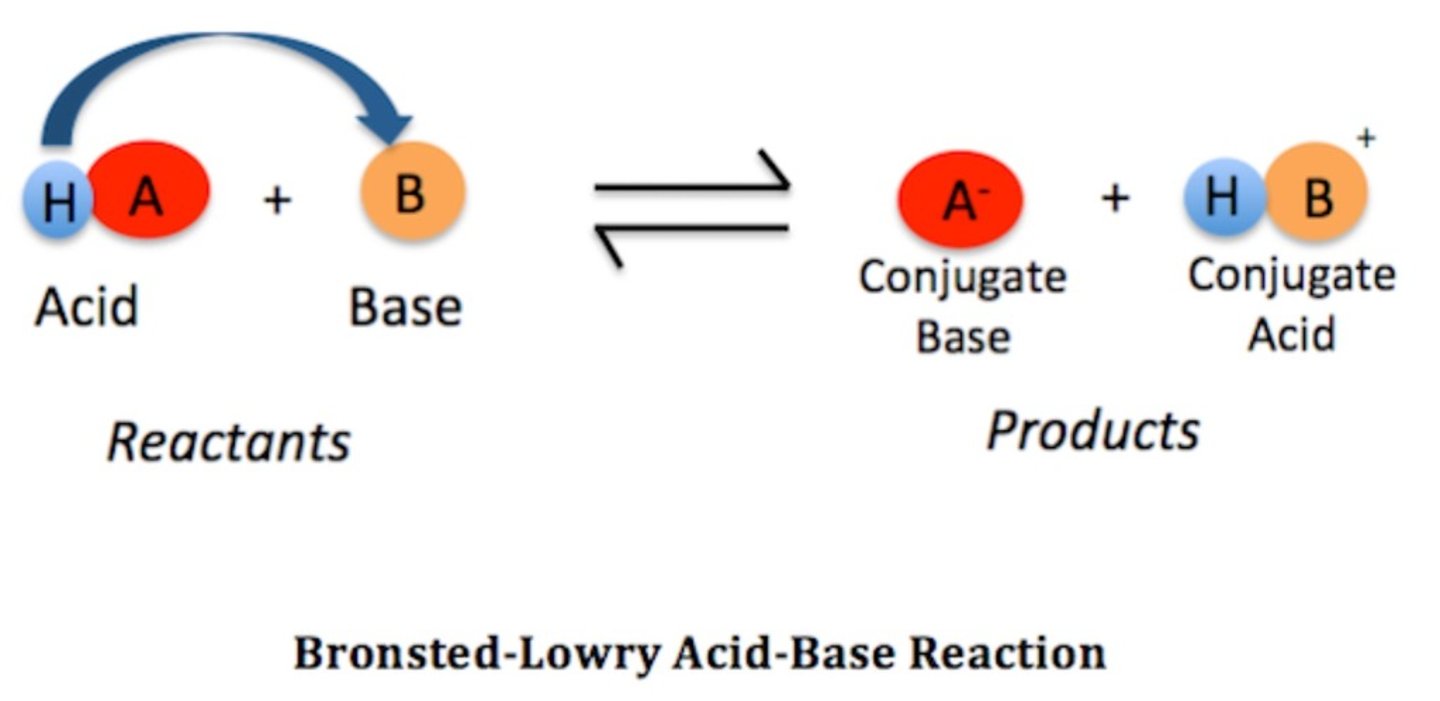
the amount of acidity (H+) in the blood can be expressed by which equation
henderson hasselbach equation
ph = pka + log (A/HA)
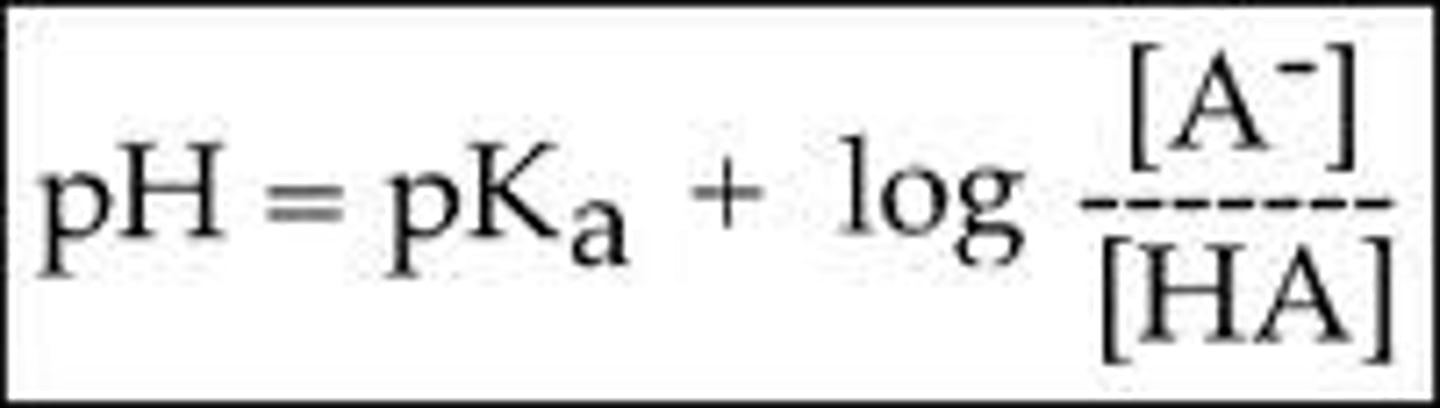
alter the henderson hasselbach equation in terms of CO2 and HCO3
ph = pka + log HCO3/CO2
CO2 is the acid and HCO3 is the base

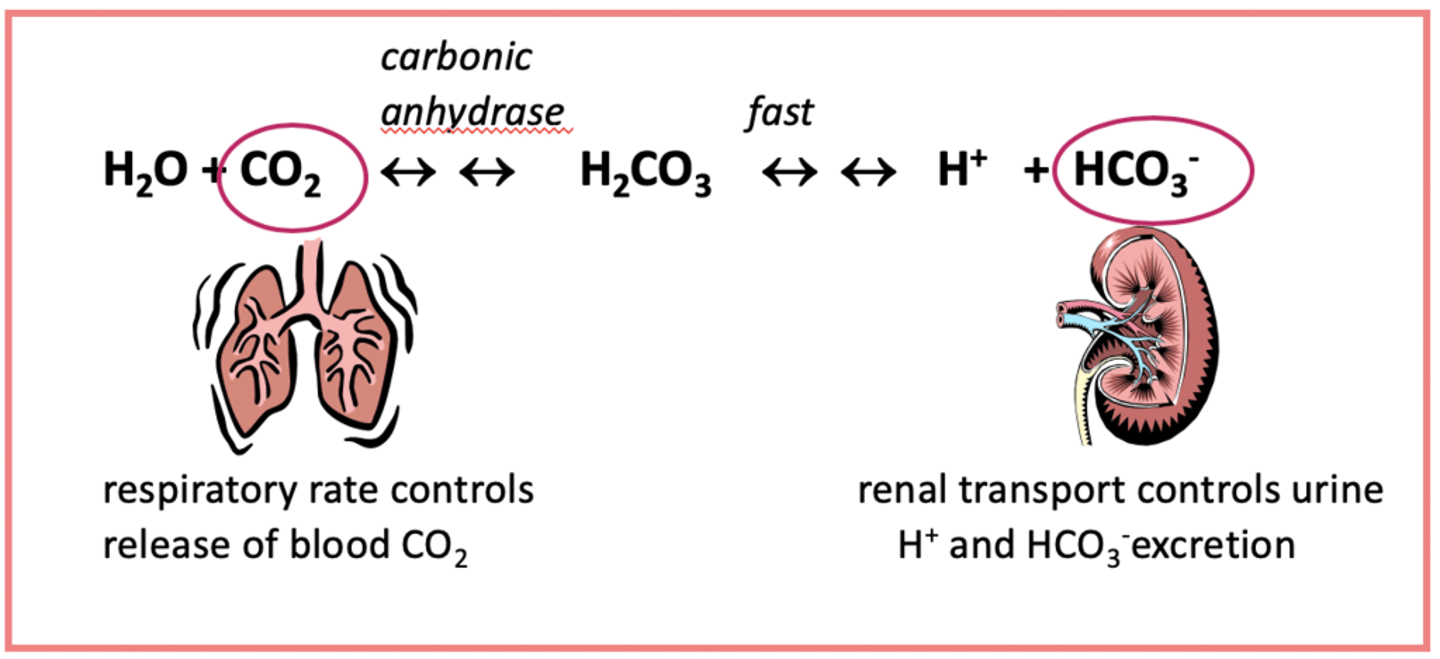
what is the equation for the carbonic acid and bicarb buffer system
H2O + CO2 <--(carbonic anhydrase)---> H2Co3 <----> H+ + HCO3-

the buffer system in our body involves which 2 compounds
carbonic acid and bicarbonate
the conversion of CO2 to H2CO3 is slowly catalyzed by
carbonic anhydrase
when an acid is added to the system, it combines with _______ to form CO2 and be eliminated via lungs
HCO3- (forms H2CO3 and dissociates to H2O and Co2)
when a base is added to the system, it combines with _____ to form HCO3- which is eliminated via kidneys
H2CO3
what depends on acid base balance in our bodies
-pH dependant enzymes, transport proteins
-arterial muscle tone
- glycemic control and insulin
- immune system fxns
- neurotransmission, CNS function
-myocardial fxn
sources of acid in body
MAJORITY= carbon dioxide (15k mmol/day)
beta-hydroxybutyrate
phopshoric acid
fatty acids
sulfuric acid
lactic acid
acetoacetate
which organs modulate CO2 and HCO3
lungs= CO2
kidneys= HCO3
how much H+ is produced via diet and metabolism
40-70meq/h
the __________ is the specific site where respiratory control of CO2 occurs based on blood pH
alveoli
describe process of respiratory control of pCO2
1. chemoreceptors in CNS detect increase in blood acidity-> alert resp center
2. respiratory center INCREASES ventilation rate
3. more CO2 exhaled to offset extra acid
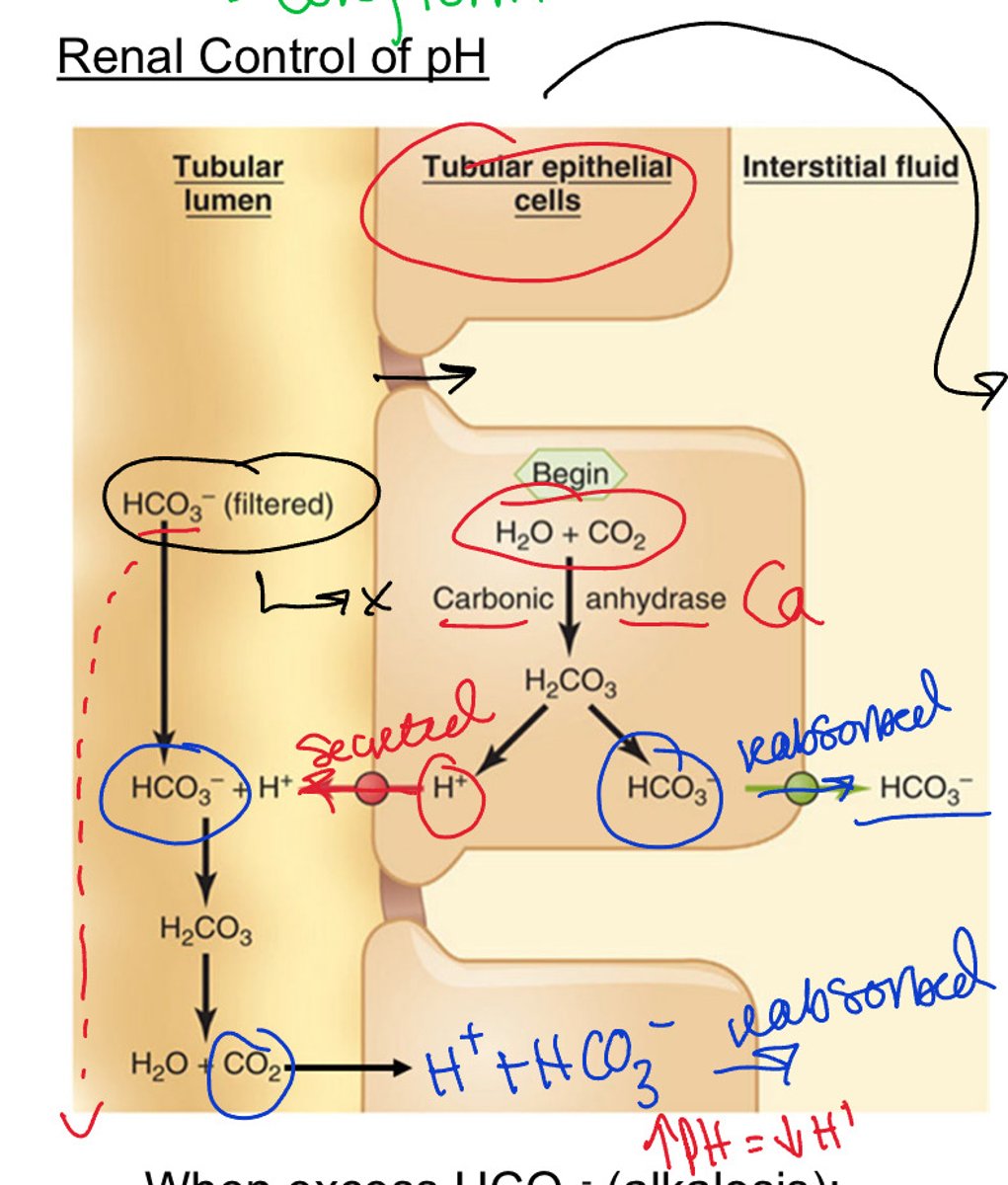
describe renal control of HCO3/ pH balance (what is absorbed/ eliminated)
1. reabsorbs filtered HCO3
2. eliminates acid via NH4+ elimination
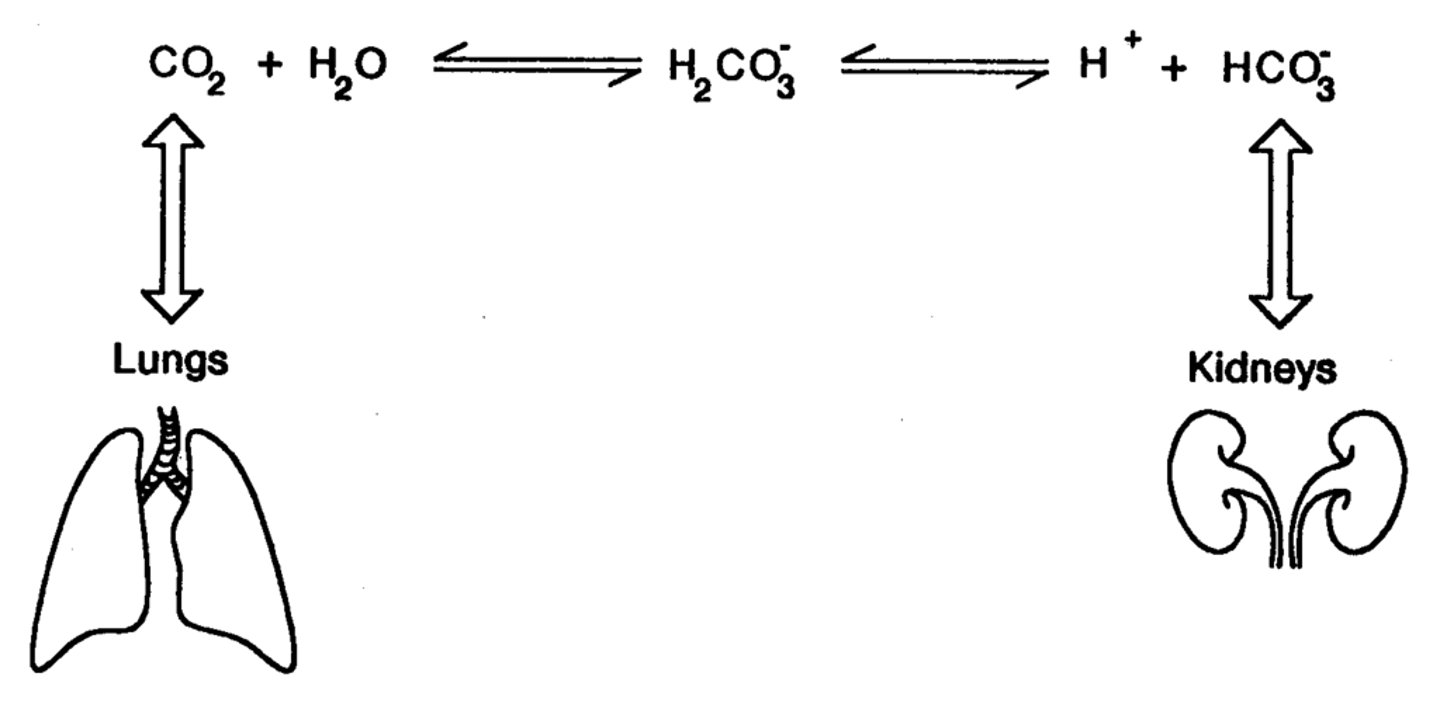
pCO2= _____ regulation
HCO3-= ______ regulation
pCo2= respiratory regulation
HCO3= metabolic regulation (kidney)
what is the primary reabsorption site of bicarb?
proximal tubule (but reabsorbed at diff locations in glomerulus)
acid secretion is considered _________ to HCO3 production
equivalent
in what form is acid removed from the kidneys
NH4+ (ammonium)
describe the steps in the kidney that allows H+ to become HCO3 for reabsorption
1. H+ secreted into lumen-> reacts with HCO3 via carbonic anhydrase
H⁺ + HCO₃⁻ → CO₂ + H₂O
2. Co2 and H2O are formed in the lumen-> diffuse back into renal cell
3. Co2 and h2o undergo another carbonic anhydrase rxn
CO₂ + H₂O → H₂CO₃ → H⁺ + HCO₃⁻
4. HCO3- enters sodium cotransporter and enters back into blood
is arterial or venous blood gas used for determining acid-base status
arterial bc it hasnt picked up tissue metabolic byproducts (unlike venous blood)
which pH range is considered incompatible with life
ph< 6.8
pH>7.8
normal arterial pH?
pCO2?
PO2?
HCO3-?
pH= 7.35-7.45
pCO2= 35-45 mmHg
pO2= 80-100mmHg
HCO3= 22-26 meq/L
which pH is considered acidemia? alkalemia?
acidemia: pH<7.35
alkalemia: pH >7.45
why must plasma be electrically neutral
net charge imbalance in solution is physically impossible. charges will always redistribute until balance is restored
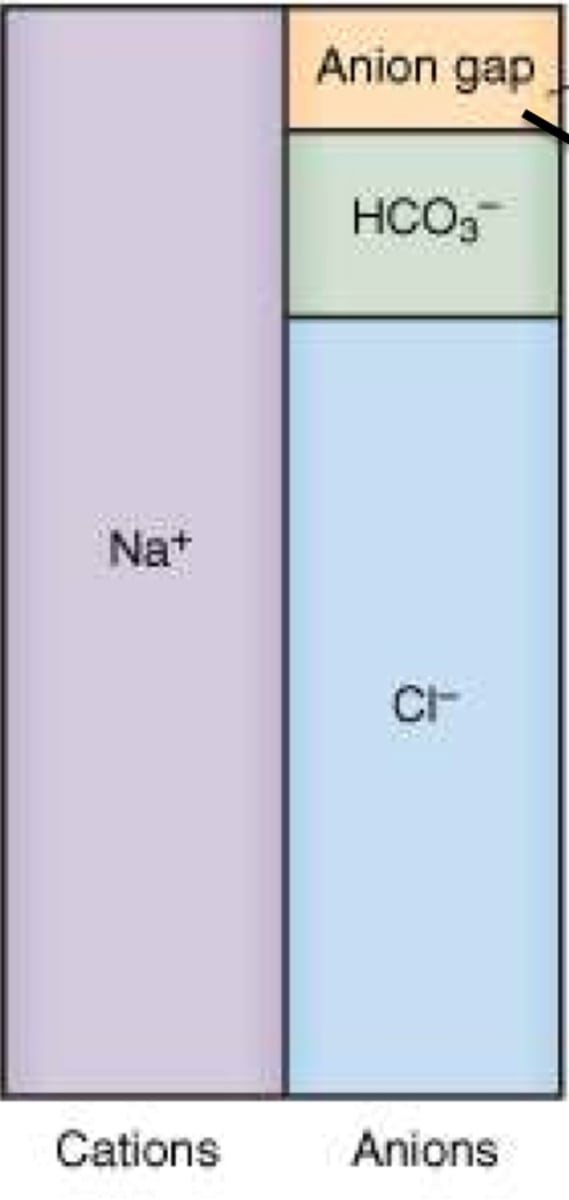
what is the anion gap?
normal range?
equation?
major blood cations - major blood anions
usually, AG is 8-12 since there are more unmeasured anions than cations. anions can be protein, sulfates, ketones,etc. cations are calcium, Mg, K, etc.
anion gap= [Na] - [Cl- + HCO3-]
![<p>major blood cations - major blood anions</p><p>usually, AG is 8-12 since there are more unmeasured anions than cations. anions can be protein, sulfates, ketones,etc. cations are calcium, Mg, K, etc.</p><p>anion gap= [Na] - [Cl- + HCO3-]</p>](https://assets.knowt.com/user-attachments/8e692449-92a0-40b7-a817-27dc34f84c28.jpg)
why is the anion gap only calculated in acidosis?
differentiates btwn AGMA (rise in acids consumes bicarb= rise) and NAGMA (Cl rises and compensates for bicarb loss)
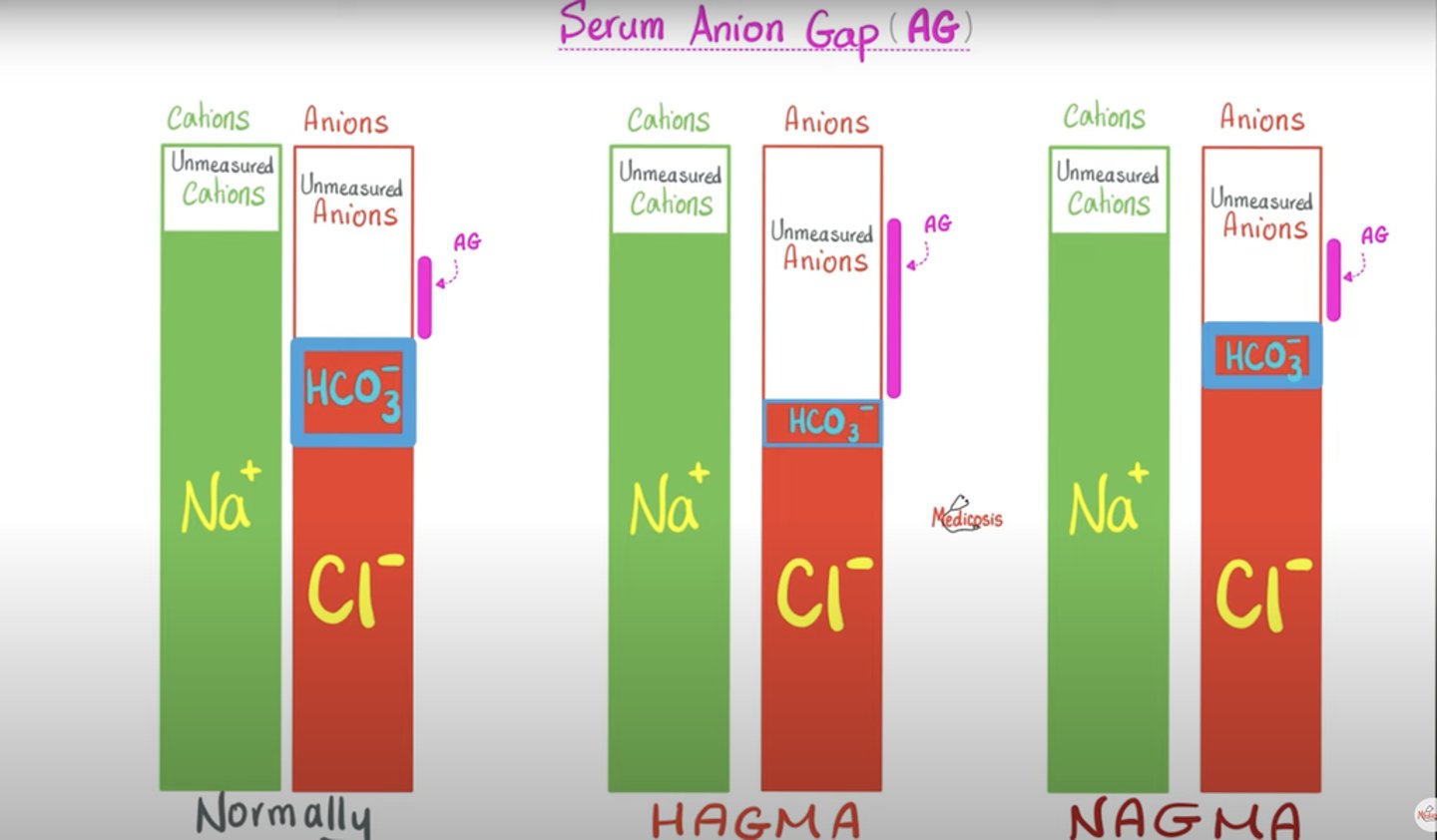
more unmeasured anions is represented by an anion gap > ____
AG>12
if an acid base disturbance occurs, what does the body do
1. buffer system
2. respiratory compensation (lungs within hours)
3. metabolic compensation (kidneys within 3 days)
how is arterial blood gas obtained? what values does it provide?
obtained via percutaneous needle puncture
gives pH, pCO2, pO2, HCO3-
what are the 5 steps used after obtaining arterial blood gas (summary)
1. evaluate the pH and categorize it as acidosis or alkalosis
norm: 7.35-7.45
acidosis: <7.35
alkalosis: >7.45
2. evaluate pCO2
norm: 35-45mmHg
saME direction as pH is metabolic
opposite is respiratory
3. categorize metabolic or respiratory
(saME or opposite=resp)
4. if metabolic acidosis, calculate anion gap
if AG>12 then AGMA
5. evaluate for compensation. Winter's for acidosis, alkalosis equation if alkalosis
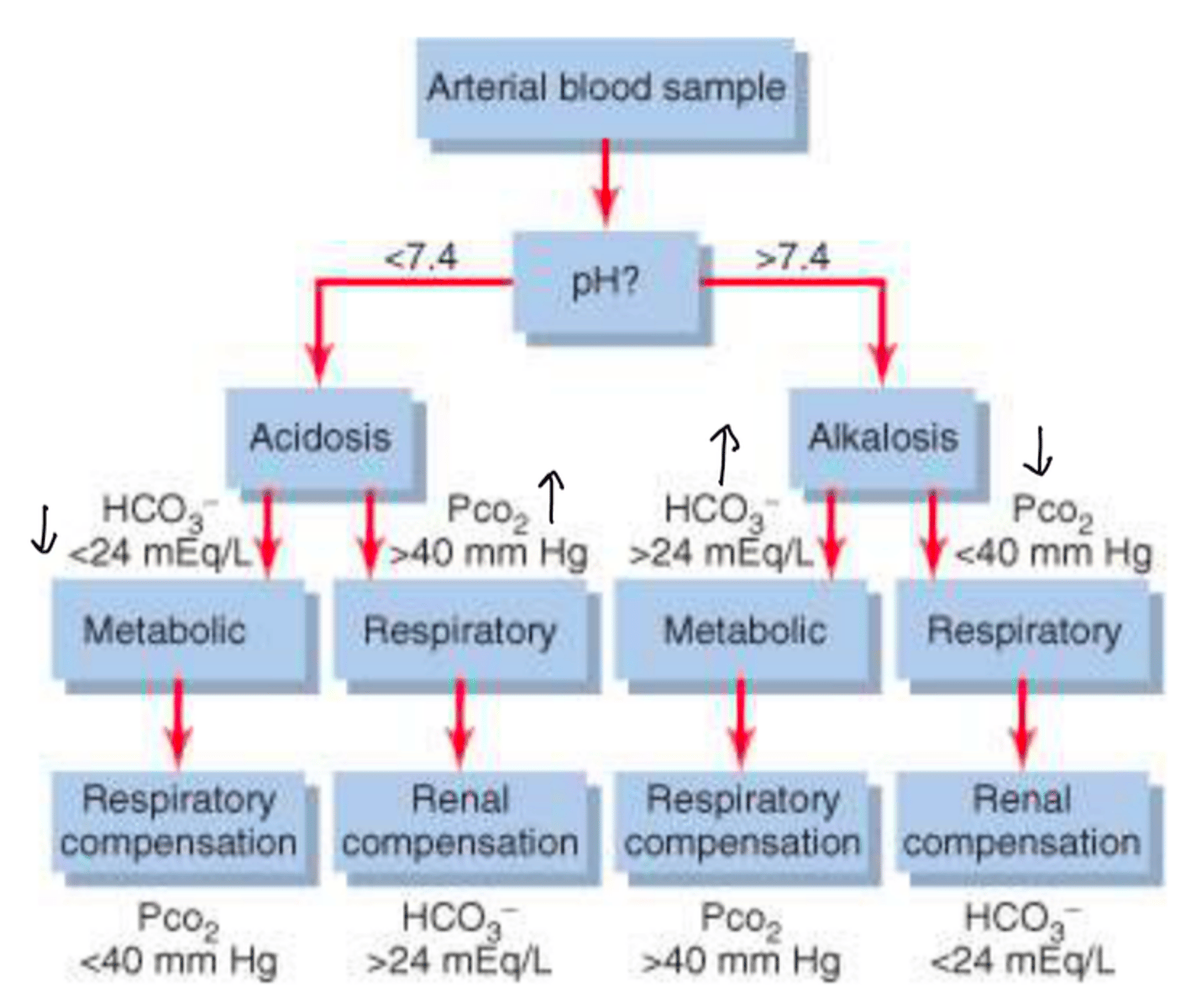
pH
norm:
acidosis:
alkalosis:
norm: 7.35-7.45
acidosis: <7.35
alkalosis: >7.45
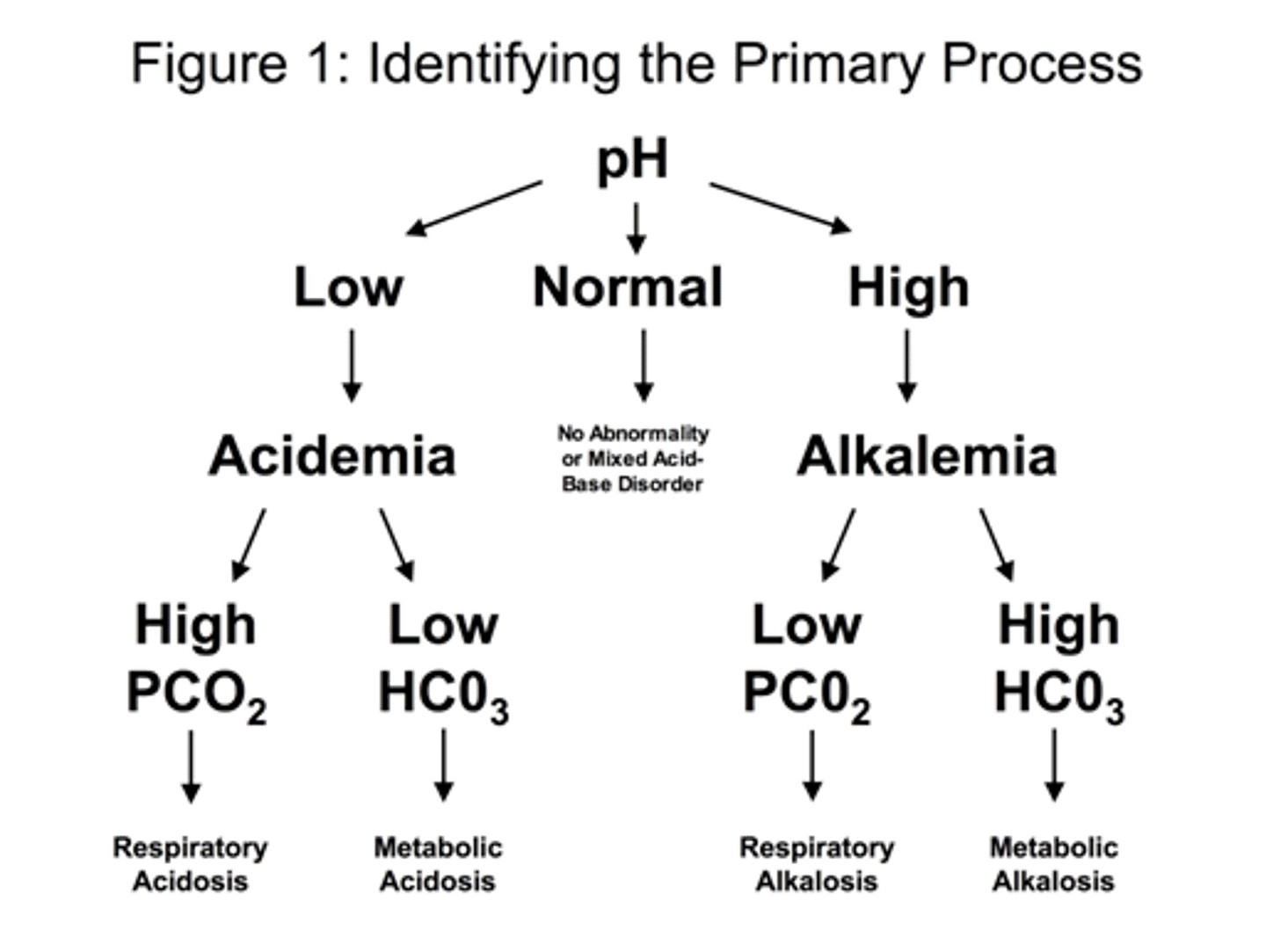
how to evaluate pCo2 and categorize metabolic or respiratory
normal pCO2: 35-45mmHg
-if abnormal, look at direction of change
- if saME direction as pH, then metabolic
if opposite than respiratory
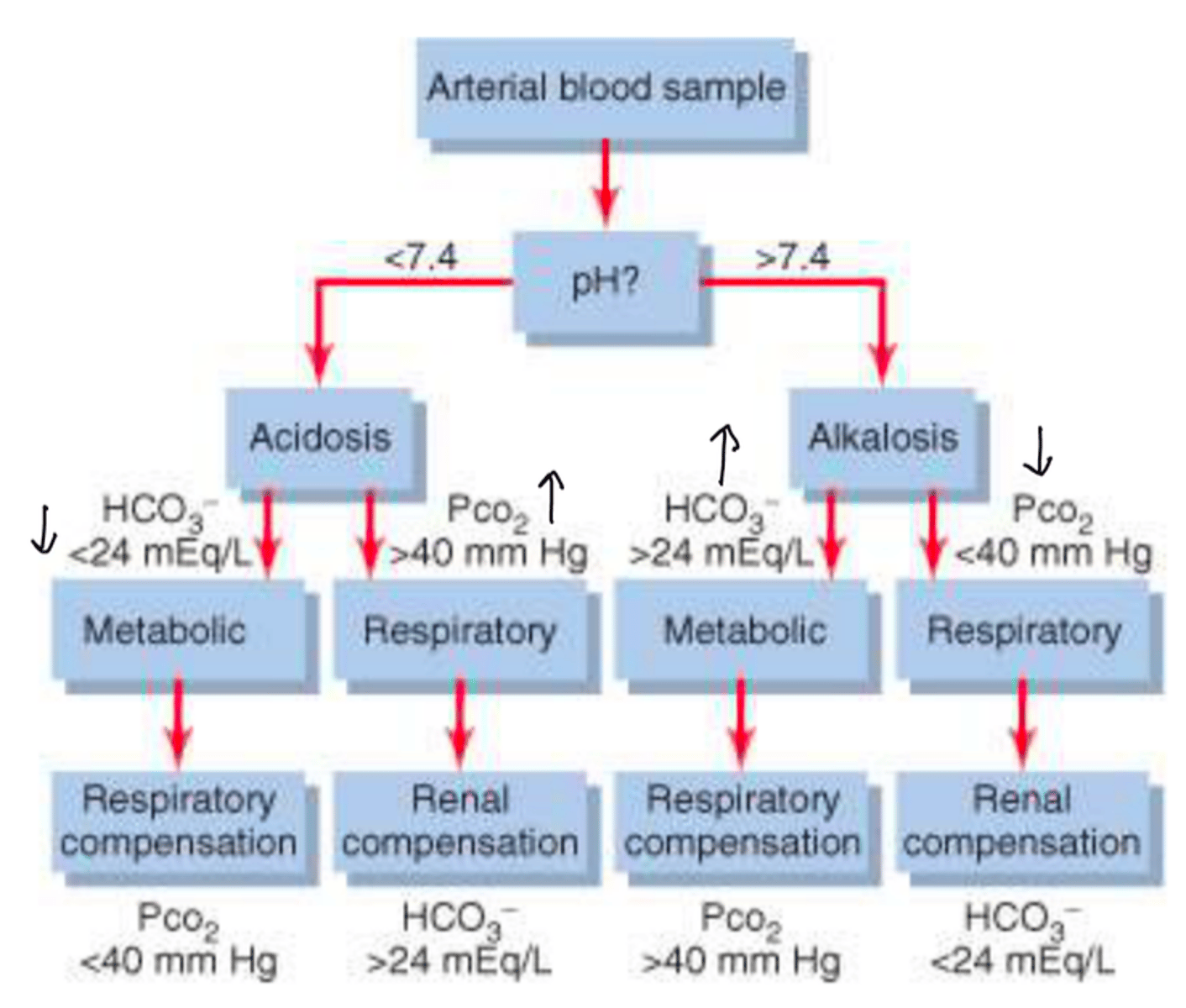
classify the following as alkalosis or acidosis and as metabolic or respiratory disturbance
pH= 7.32
pCo2= 55
pH=7.32 is less than 7.35-7.45 range-> acidosis
pCO2= 55 (norm 35-45). so pH lowers but pCO2 increases so that is OPPOSITE direction= respiratory disturbance
this is primary respiratory acidosis
classify the following as alkalosis or acidosis and as metabolic or respiratory disturbance
pH= 7.51
pCo2= 49
pH is above 7.45-> alkalosis
pCO2=49 is above 35-35 range
both above= saME direction= metabolic
this is metabolic alkalosis
classify the following as alkalosis or acidosis and as metabolic or respiratory disturbance
pH= 7.25
pCo2= 51
7.25-> below, acidosis
51-> above
opposite= respiratory
this is respiratory acidosis
if __________ acidosis exists, calculate the anion gap
metabolic
(respiratory changes CO2, not plasma anions so they dont affect AG)
if anion gap is ____, then AG metabolic acidosis can be present
>12
what is the compensatory change for metabolic acidosis? alkalosis?
metabolic acidosis: decrease PCO2
metabolic alkalosis: increase PCO2
what is the compensatory change for respiratory acidosis? alkalosis?
resp acidosis: increase HCO3-
resp alkalosis: decrease HCO3-
(issue is with CO2, need metabolic compensation)
what is winters formula and why is it used?
used to predict respiratory compensation (PCO2) for metabolic acidosis
acidosis: pCO₂= 1.5×[HCO₃⁻] + 8 ±2
![<p>used to predict respiratory compensation (PCO2) for metabolic acidosis</p><p>acidosis: pCO₂= 1.5×[HCO₃⁻] + 8 ±2 </p>](https://assets.knowt.com/user-attachments/d143e568-74dc-4309-9f92-5323ff38b495.jpg)
what is alkalosis compensation equation
alkalosis: pCO2= 0.7×[HCO₃] + 21 ±2
![<p>alkalosis: pCO2= 0.7×[HCO₃] + 21 ±2</p>](https://assets.knowt.com/user-attachments/c9ae974c-4bdf-49fa-8604-6b8c7cbd5dc7.undefined)
compensation is considered appropriate if ___________
calculated value and measured value are within 10% of each other
what is the acid-base disorder and is it compensated
pH= 7.22
pCO2= 29
HCo3= 10
pH is below= acidosis
CO2 is below
SAME= metabolic acidosis
pCO₂= 1.5×[HCO₃⁻] + 8 ±2
pCO2= 1.5(10) + 8+-2
= 21-25
calc= 21-25
actual= 29
not fully compensated. PCO2 needs to be lower
AGMA vs NAGMA
AGMA= anion gap metabolic acidosis (>12)
- extra acids consume HCO3 so AG widens (Cl doesnt rise here since we have neg charge from acids)
NAGMA= non anion gap MA (normal 8-12 AG)
-HCO3 loss causes Cl to rise and AG is maintained (or Cl loss causes HCO3 rise)
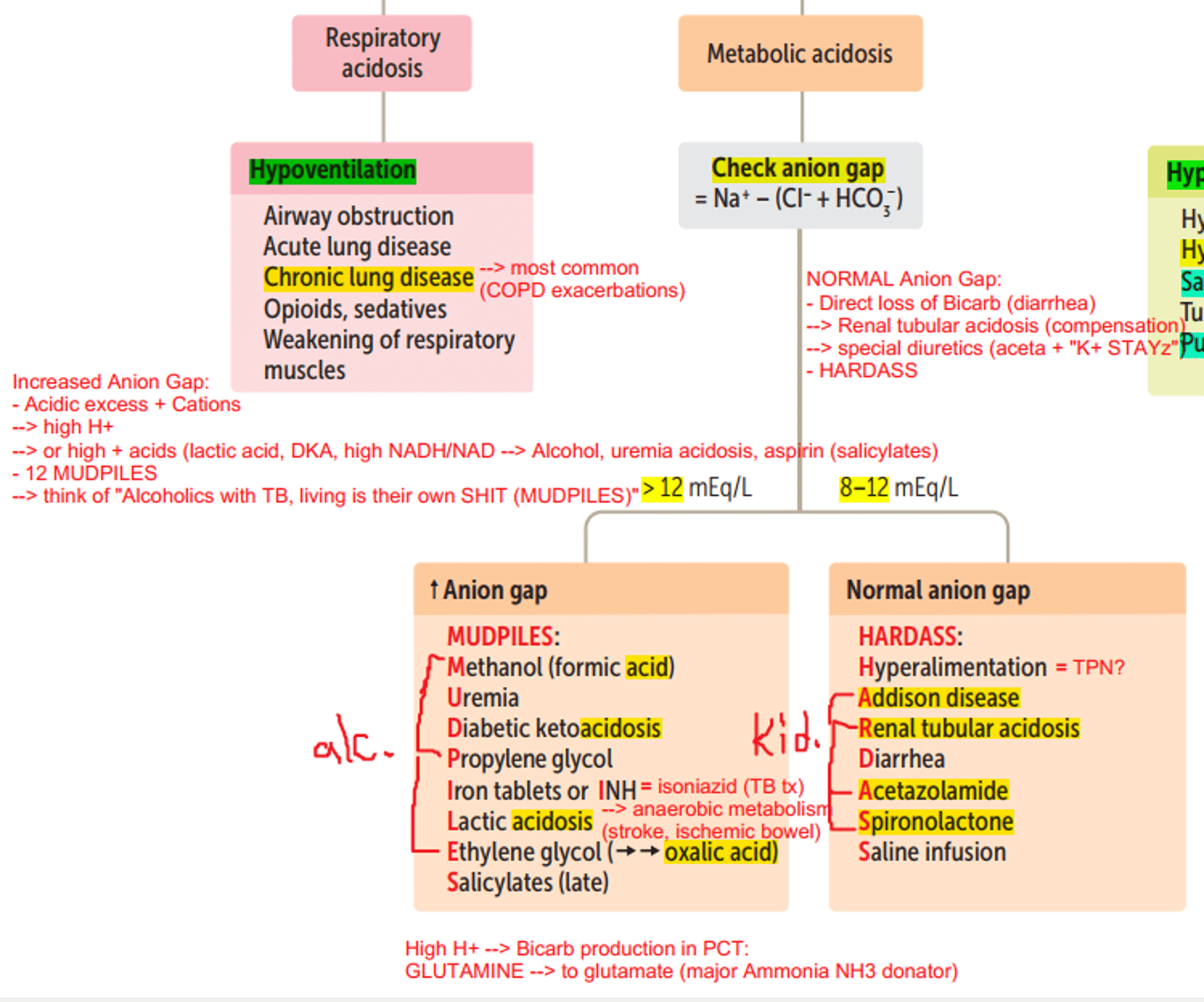
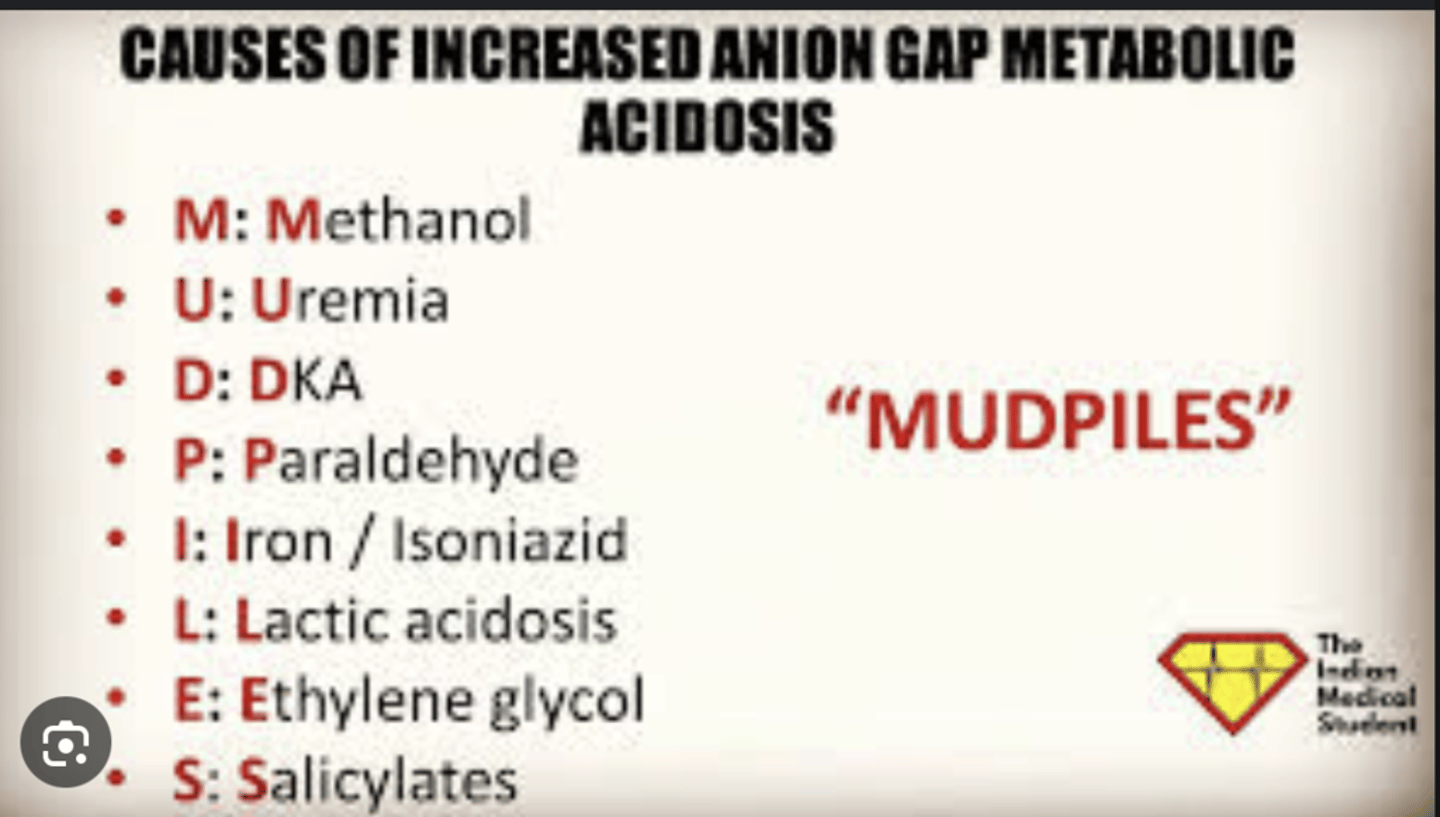
anion gap acidosis- MUDPILES
Methanol (toxic ingestions)
Uremia (renal failure)
Diabetic Ketoacidosis
Propylene glycol (drug diluent toxicity)
Isoniazid/ iron (toxic drug exposure)
Lactic acidosis (hypoperfusion)
Ethylene glycol (toxic ingestion)
Salicylates (toxic ingestion)
drugs with propylene glycol diluents that could cause metabolic acidosis
can be continuous infusion/ greater implications: "el pen"
esmolol
lorazepam
pentobarbital
etomidate
nitroglycerin
other:
phenobarbital
phenytoin
digoxin
drug induced AG metabolic acidosis
beta agonists
metformin
propofol
linezolid
nucleoside reverse transcriptase inhibitors
propylene glycol
what is non-anion gap acidosis
results from issues with measured ions (Na, Cl, HCo3)
- usually from loss of bicarb via GI
- sometimes bc of exogenous Cl intake (ex NS)
compare to AG acidosis-> which is from anions that are NOT measured (AG>12)
non anion gap acidosis- ACCRUED
Acetazolamide
Chloride administration (NS)
Cholestyramine
Renal tubular acidosis
Ureteral diversion
Endocrinopathies
Diarrhea
metabolic alkalosis results from gain of _____ or loss of ______
pH _______
HCO3 _______
gain of HCO3 or loss of H
pH increase
HCO3 increase
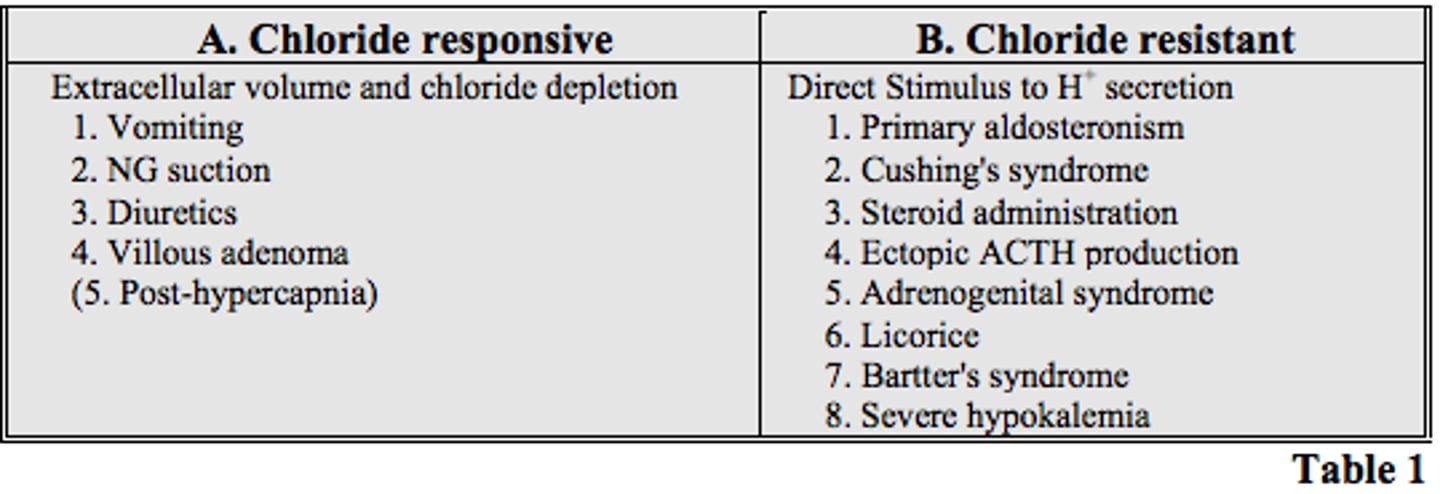
chloride responsive vs non responsive metabolic alkalosis
chloride responsive (low urine Cl <10)
- vomiting
-NG suctioning
-loop or thiazides
=== there is depletion of Cl; replace it w NaCl or KCl
chloride NON-responsive (norm or high >10)
- excess mineralocorticoids
-cushing syndrome
hypokalemia and mineralocorticoids cause HCO3 reabsorption
== must correct hypokalemia or remove mineralocorticoid to tx
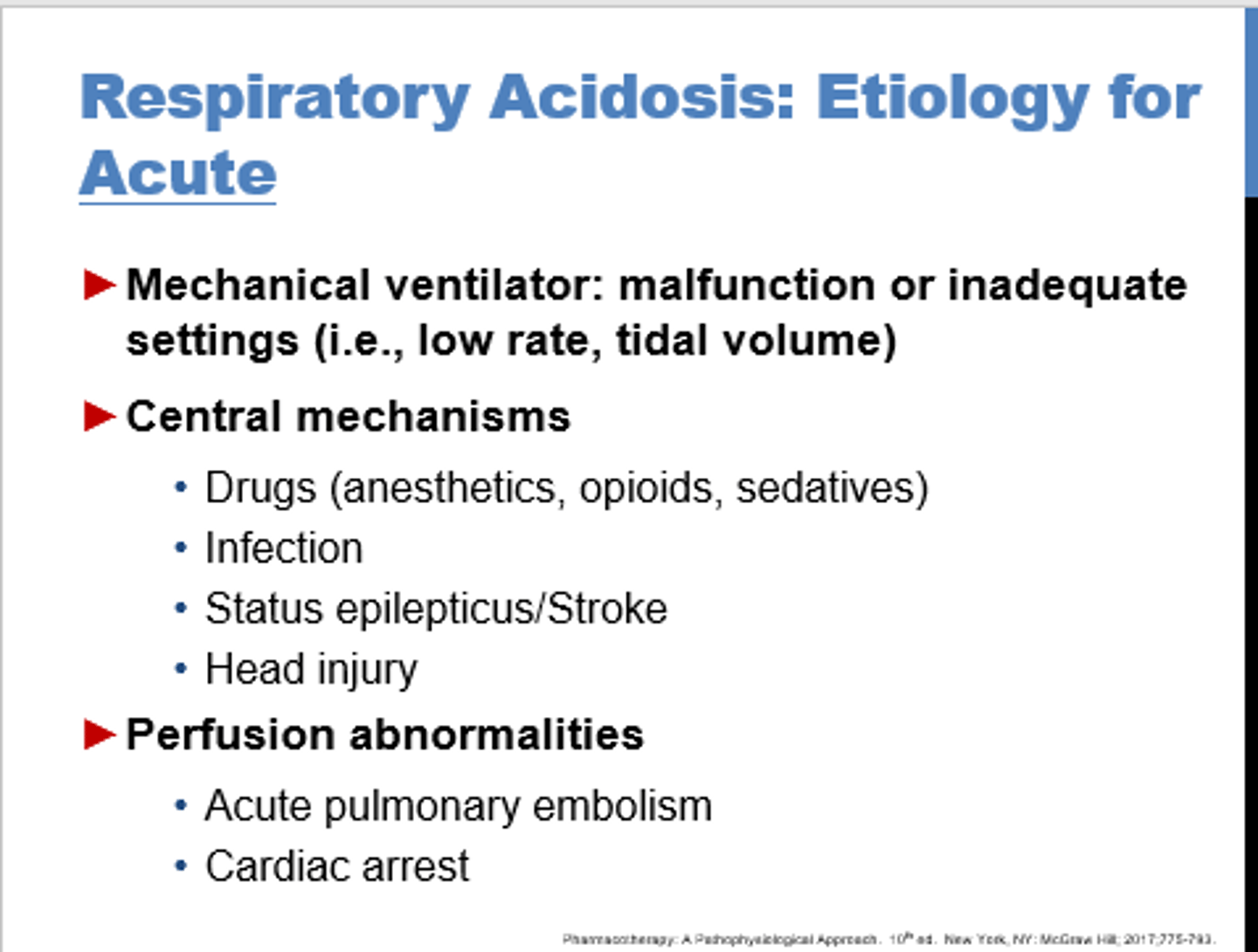
scenarios that ________ the respiratory rate and/or tidal volume will cause respiratory acidosis
decrease
-bc CO2 is building up which is causing acidosis
hypercapnia
elevated CO2 in blood
decrease in respiratory rate causes CO2 buildup and respiratory acidosis
tidal volume
how much air you exhale or inhale in single normal breath
_______ the respiratory rate and _____ tidal volume will eliminate more CO2
increasing; increasing
causes of respiratory acidosis vs alkalosis
acidosis:
-meds: opioids, sedatives, alcohol
-pneumonia
-COPD
alkalosis:
- mechanical ventilation, ANXIETY
summarize how lungs and kidneys work to maintain acid homeostasis
1st: lungs
- HCO3 moved to lungs and exhaled as CO2
- increase or decrease respiratory rate as response
2nd: kidneys
- retain (in acidosis) or excrete (in alkalosis) HCO3-
- generates ammonia NH3 which secretes H and makes new HCO3
renal compensation begins ________ after acid-base derangement but can take ____________ for full compensation
6-12hrs
3-5 days
this is why this second line of defense and lungs are first
hypoventilation results in _______ CO2
hyperventilation results in _______ Co2
Hypoventilation → ↑ CO₂ (hypercapnia)
Hyperventilation → ↓ CO₂ (hypocapnia) bc breathing more off
compensation can be classified as
uncompensated, partially compensated, fully compensated (pH is near normal)
in low albumin states, add ____ to the calculated AG for every 1g/dL of albumin <4
2
normal AG range? metabolic acidosis can be present if AG___
normal: 8-12
metabolic acidosis if AG>12
an AG > _______meq indicates a primary metabolic acidosis regardless of pH or serum HCO3
>20 (if >12 metabolic acidosis might be present but not guaranteed)
acidosis occurring from toxic metabolites of methanol and ethylene glycol can be managed by _______, an alcohol dehydrogenase inhibitor
fomepizole
how is chloride responsive and non responsive metabolic alkalosis corrected
chloride responsive: replace Cl loss with NaCl or KCl
non responsive: correct low K or remove the mineralocorticoid
t/f: on a daily basis, we generate a daily base load that must be excreted
false. we generate daily acid load
which 2 acids are generated in DKA
beta-hydroxybutyrate
acetoacetate
hypoperfusion can cause which acid base disturbances and which
hypoperfusion causes lactic acidosis-> metabolic acidosis