Biology Lecture Notes: Chapter 5 - Membranes
 Call Kai
 Learn
Learn Practice Test
 Spaced Repetition
 Match
Match Flashcards
 Knowt Play
1/31

Earn XP
Description and Tags
Vocabulary flashcards covering the components of the fluid mosaic model, types of membrane proteins, and the mechanics of passive, active, and bulk transport.
Name | Mastery | Learn | Test | Matching | Spaced | Call with Kai |
|---|
No analytics yet
Send a link to your students to track their progress
32 Terms
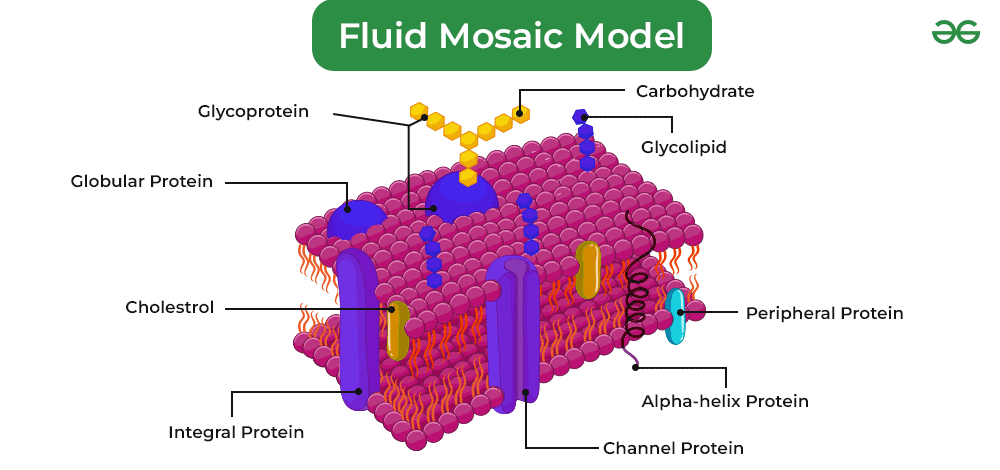
Fluid mosaic model
A model of membrane structure proposed in 1972 by Jonathan Singer and Garth J. Nicolson stating that proteins are embedded in a fluid lipid bilayer.
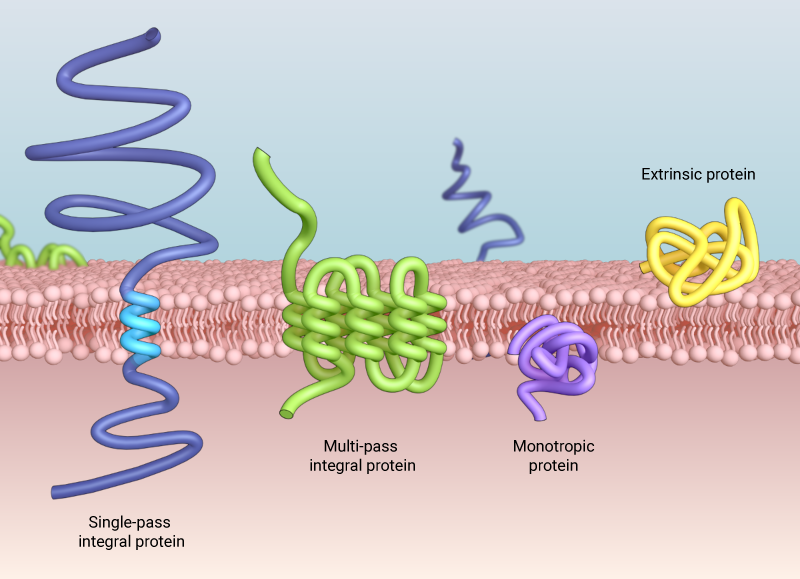
Integral membrane proteins
Integral membrane proteins (IMPs) are permanently attached biological proteins that span or penetrate the lipid bilayer. Because their hydrophobic domains integrate directly into the cell membrane's core, isolating them requires strong detergents or nonpolar solvents
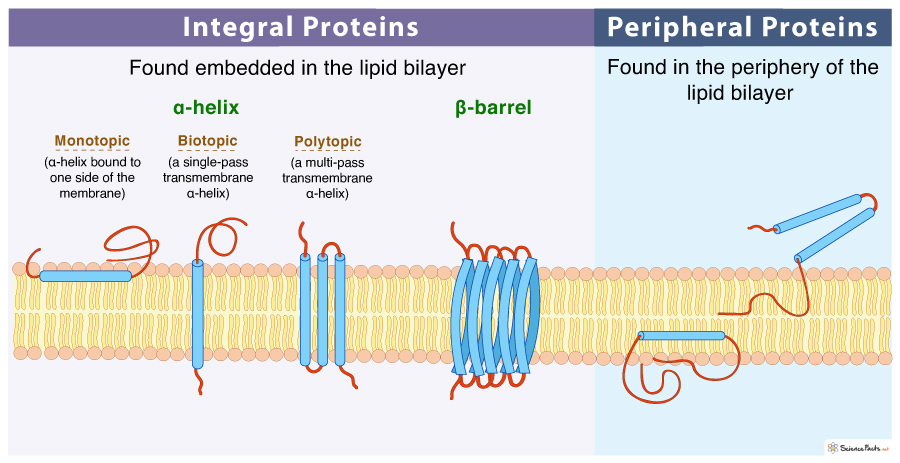
Peripheral membrane proteins
Proteins attached to the inner or outer surface of the cell membrane. They do not pass through the membrane. Their functions include cell signaling (communication between cells), providing structural support, anchoring the cytoskeleton, and helping enzymes carry out chemical reactions.
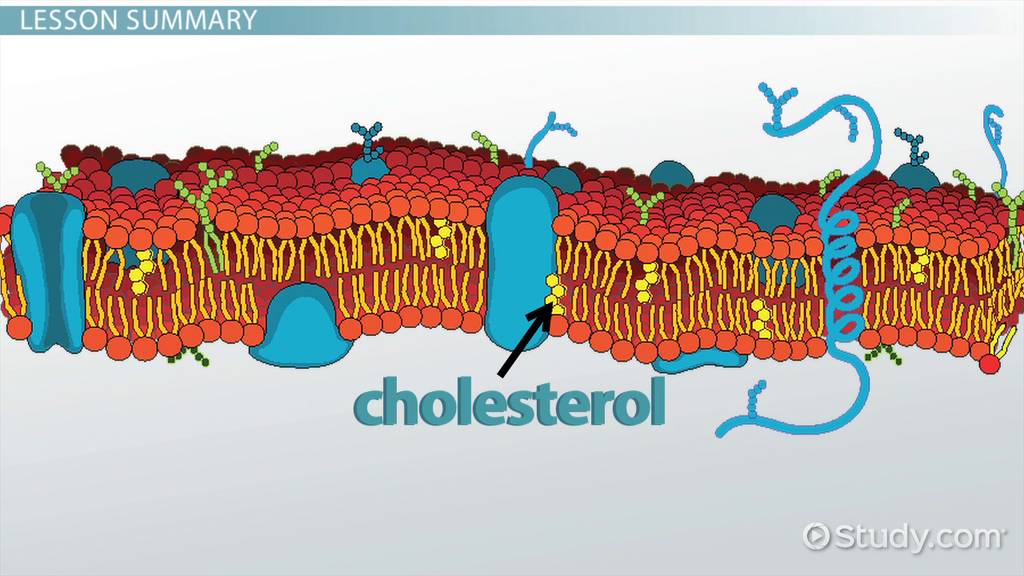
Cholesterol
The main sterol in animal membranes; it interacts with the hydrophobic tails of phospholipids to stabilize membrane structure and affect fluidity. A type of lipid (fat-like molecule) found in animal cell membranes. It helps keep the membrane stable and flexible, preventing it from becoming too rigid or too fluid.
Cholesterol functions (steroid)
Functions of cholesterol:
Maintains cell membrane stability.
Helps regulate membrane fluidity.
Serves as a precursor for steroid hormones, vitamin D, and bile acids.
note: A steroid lipid found in animal cell membranes. serves as the precursor for steroid hormones such as testosterone and estradiol.
Transmembrane domain (TMD)
A region of a membrane protein that spans (crosses) the cell membrane. It is usually made of hydrophobic amino acids, allowing the protein to stay embedded in the lipid bilayer.
Function:
Anchors the protein in the membrane and can help transport substances or transmit signals across the membranes.
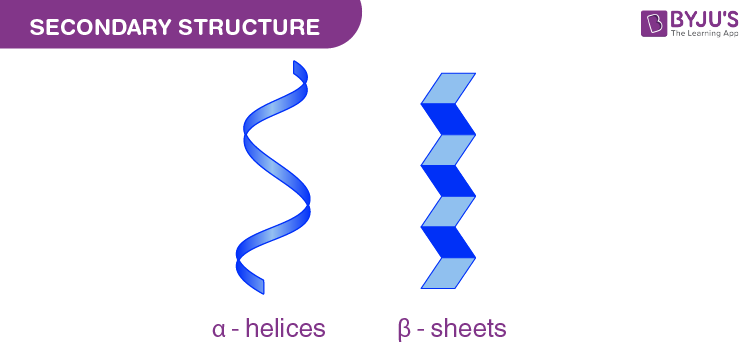
α-helix (alpha helix):
A protein structure where the amino acid chain spirals like a spring. It is held together by hydrogen bonds. It is very common in membrane proteins because it is stable in the fatty (hydrophobic) environment.
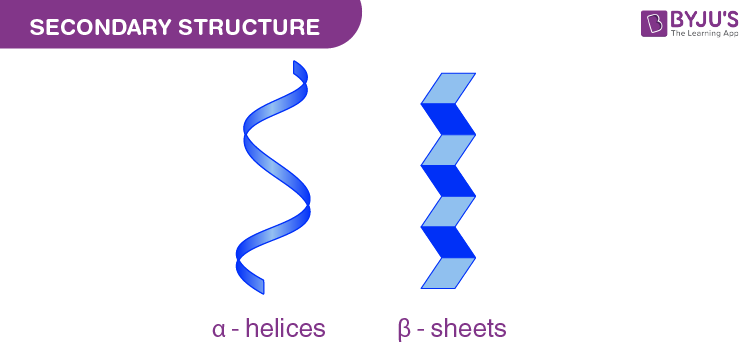
β-pleated sheet (beta sheet)
A protein structure where the amino acid chain folds into a zig-zag shape and forms flat sheets. Different strands lie next to each other and are held together by hydrogen bonds.
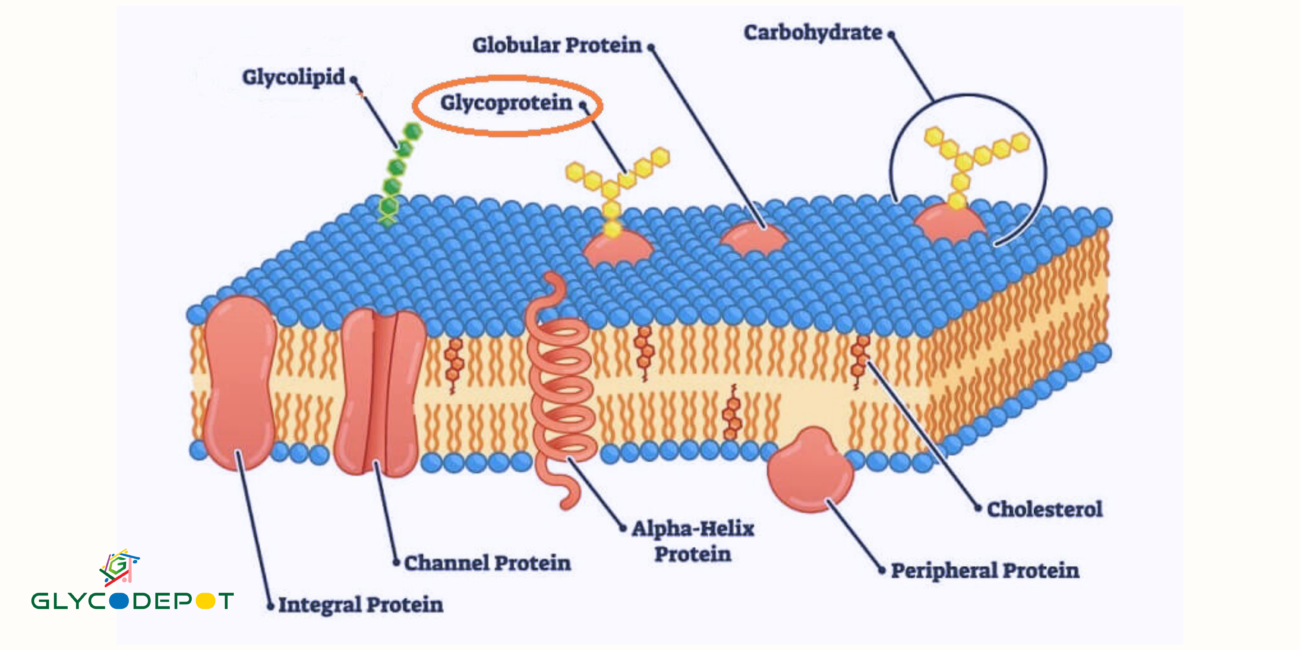
Glycoproteins
A protein that has carbohydrate (sugar) chains attached to it. These sugars are usually found on the outside of the cell membrane.
Functions:
Cell recognition (helps cells identify each other)
Cell signaling (communication between cells)
Immune response (helps the body recognize foreign cells)
Cell adhesion (helps cells stick together)
Spectrin
Spectrin:
A structural protein found underneath the cell membrane (especially in red blood cells). It forms a flexible mesh or scaffold that supports the cell.
Functions:
Maintains cell shape (keeps red blood cells flexible and biconcave)
Provides mechanical strength so cells don’t break easily
Helps the membrane stay stable when cells are stretched or squeezed
Fatty acid desaturases
Enzymes in bacteria that introduce double bonds into fatty acids to increase membrane fluidity and cold tolerance.
They are enzymes (proteins that speed up chemical reactions) that modify fats.
What they do:
They remove hydrogen atoms from a fatty acid
They create a double bond (C=C) in the chain
What this means:
A saturated fatty acid has a straight chain
After the enzyme acts, the chain gets a “bend” because of the double bond
Function:
Makes fats more fluid and flexible
Helps keep the cell membrane from becoming too rigid
Passive transport
The movement of substances across a membrane down a concentration gradient without the expenditure of cellular energy.
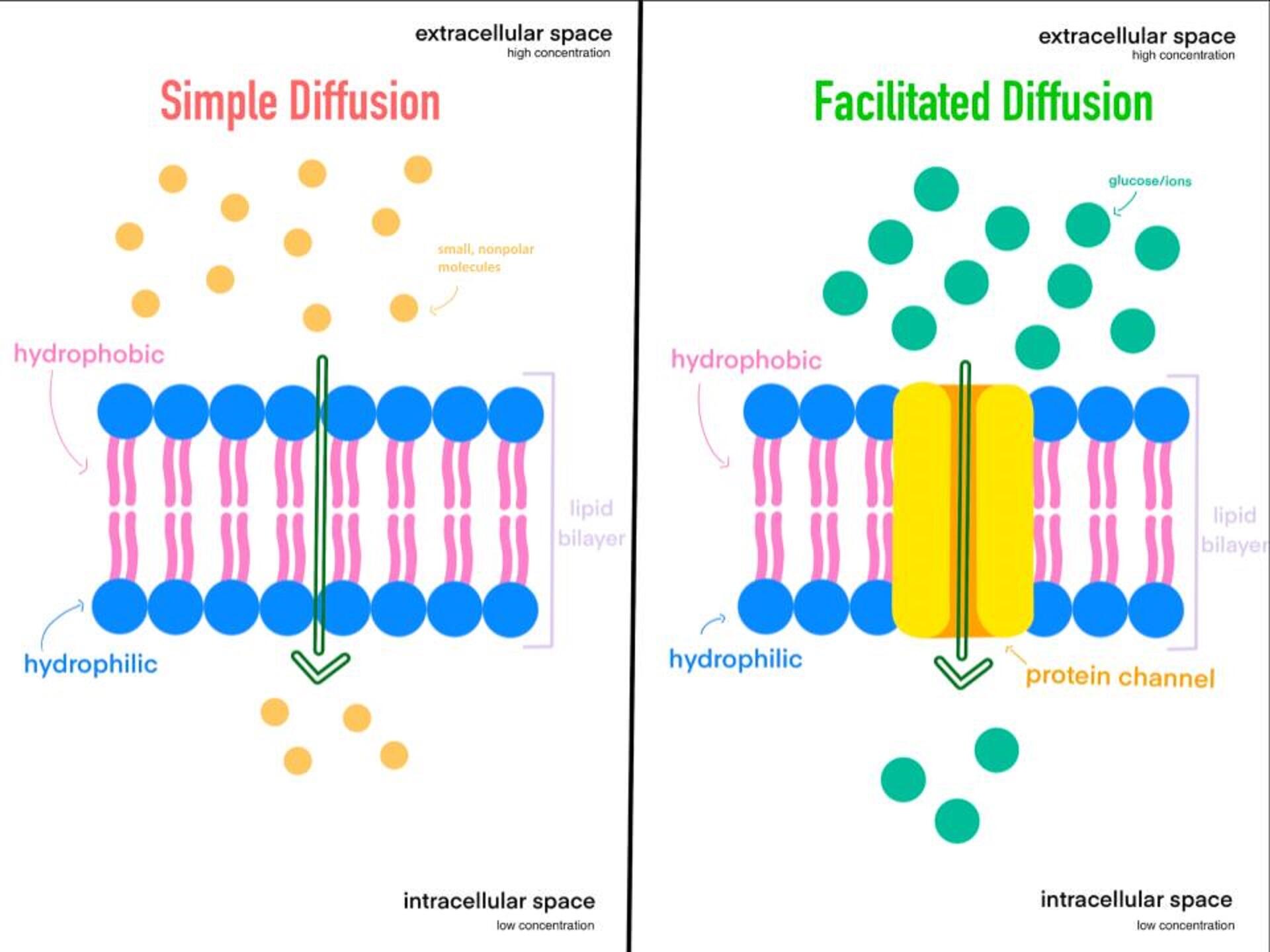
Facilitated diffusion
A type of passive transport where molecules move across the cell membrane with the help of transport proteins, but without using energy (ATP).
How it works:
Molecules move from high concentration → low concentration
They pass through channel proteins or carrier proteins
Needed for molecules that cannot cross the membrane easily (like glucose or ions)
ATP (Adenosine Triphosphate)
A molecule that acts as the cell’s main energy source.
What it does:
Stores energy in its chemical bonds
Releases energy when one bond is broken
Powers cell processes like active transport, movement, and chemical reactions
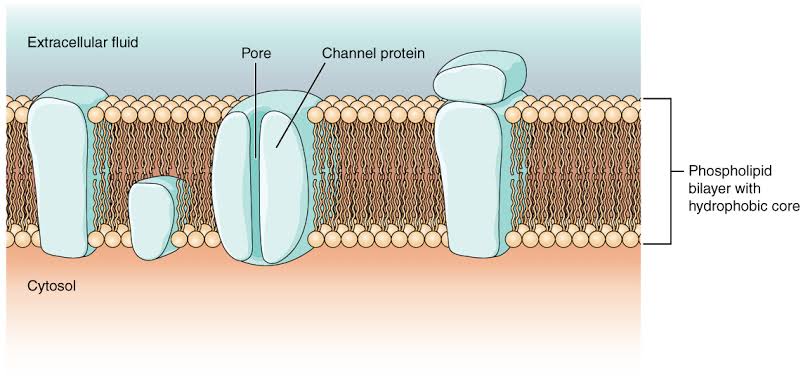
Channel proteins
Channel proteins:
Son proteínas en la membrana que forman como un “túnel” o “puerta”.
¿Qué hacen?
Dejan pasar sustancias pequeñas como agua o sales (iones)
Las sustancias entran o salen sin gastar energía
Solo pasan si la proteína lo permite (no todo puede pasar)
Carrier proteins
Proteins in the cell membrane that connects to a specific molecule and carry it across the membrane.
How they work:
* A molecule attaches to the protein
* The protein changes shape
* It releases the molecule on the other side of the membrane
Function:
* Help transport substances like glucose or amino acids
* Can work in facilitated diffusion (no energy) or active transport (uses ATP)
Osmosis
The movement of water across a cell membrane from an area with more water (less solute) to an area with less water (more solute).
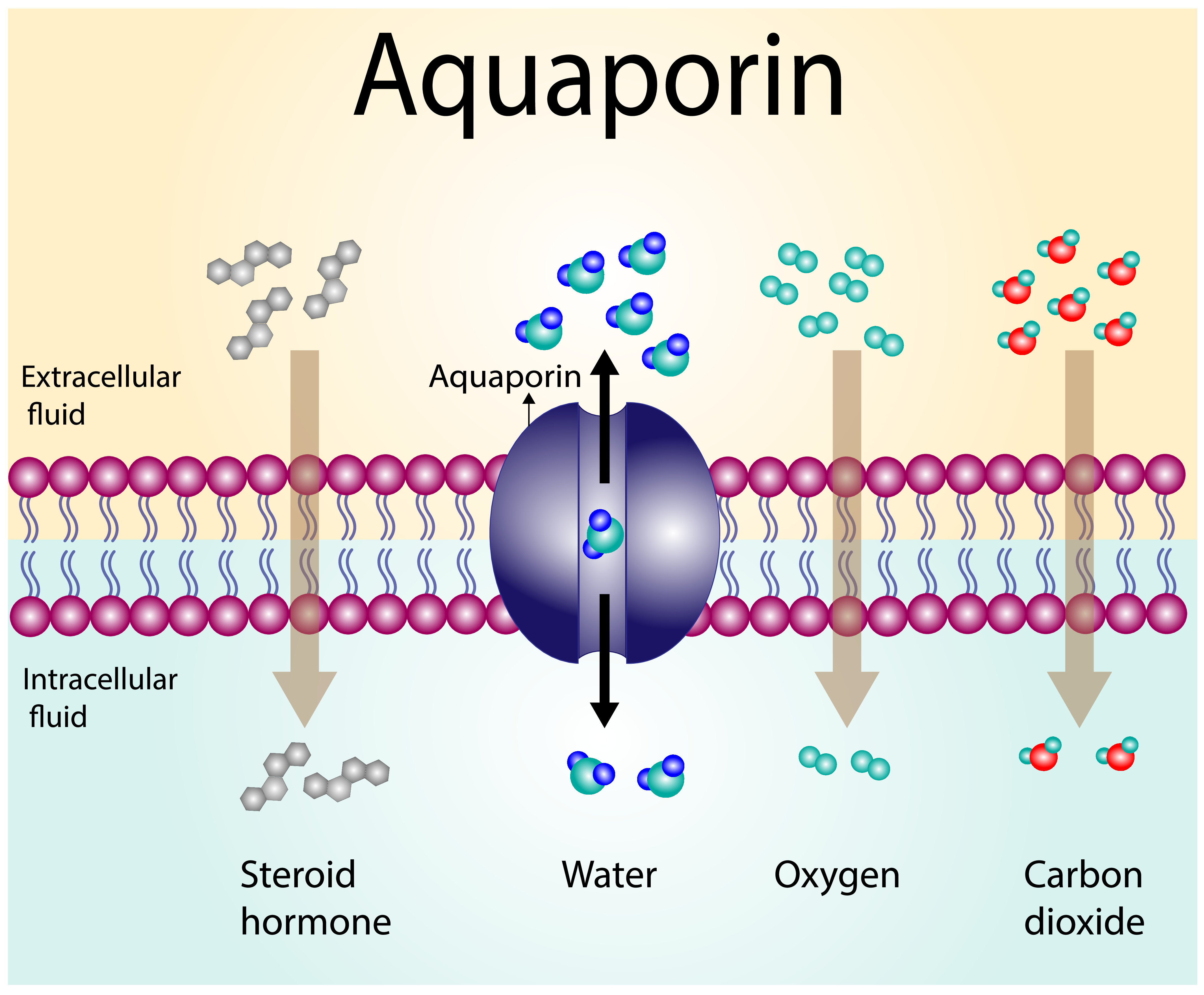
Aquaporins
Specialized channel proteins that facilitate the flow of water across cellular membranes.
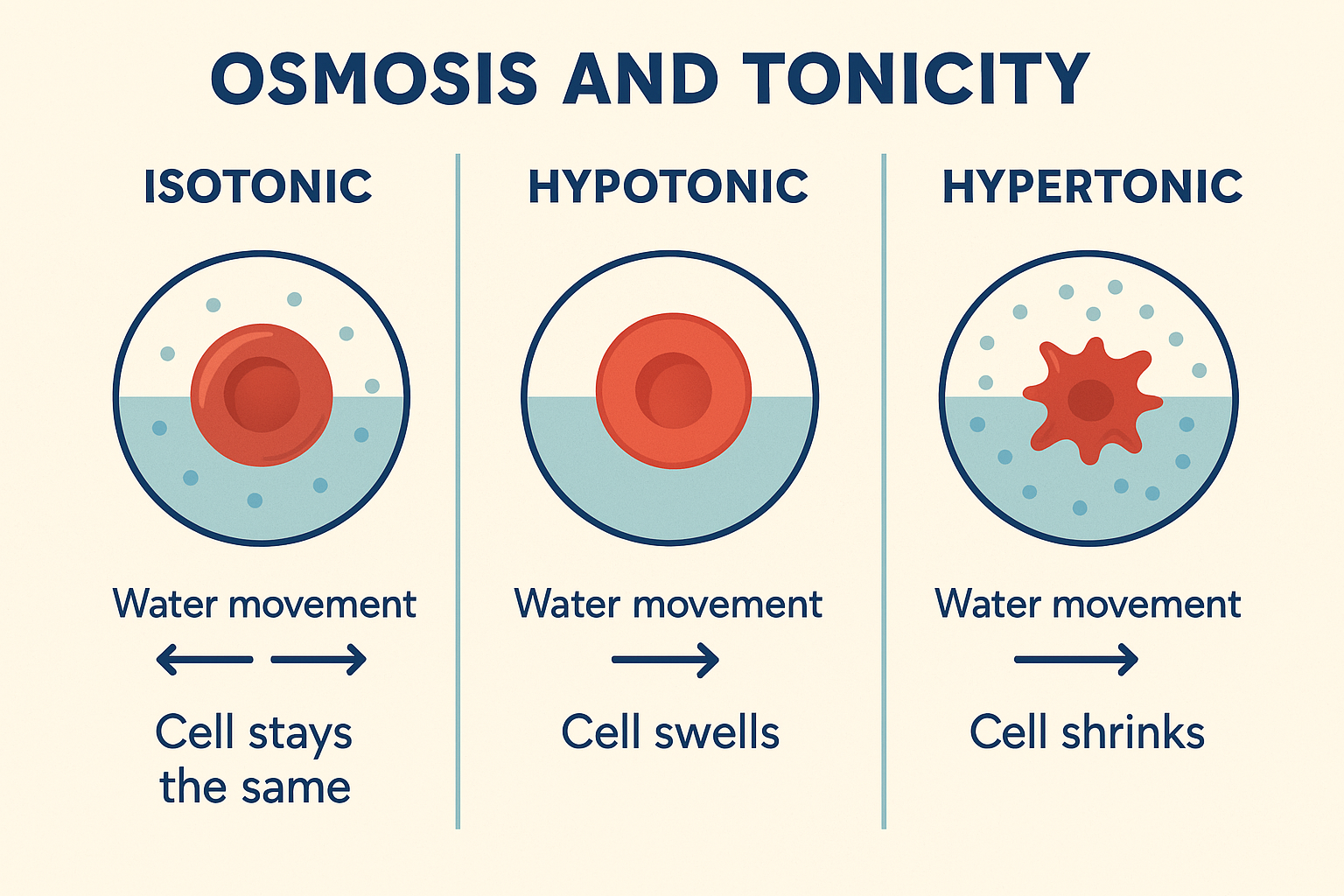
Hypertonic
Hay más “cosas” fuera de la célula que dentro.
El agua sale de la célula.
La célula se encoge.
Hypotonic
Hay menos “cosas” (solutos como sal o azúcar) fuera de la célula que dentro.
El agua entra a la célula.
La célula se hincha.
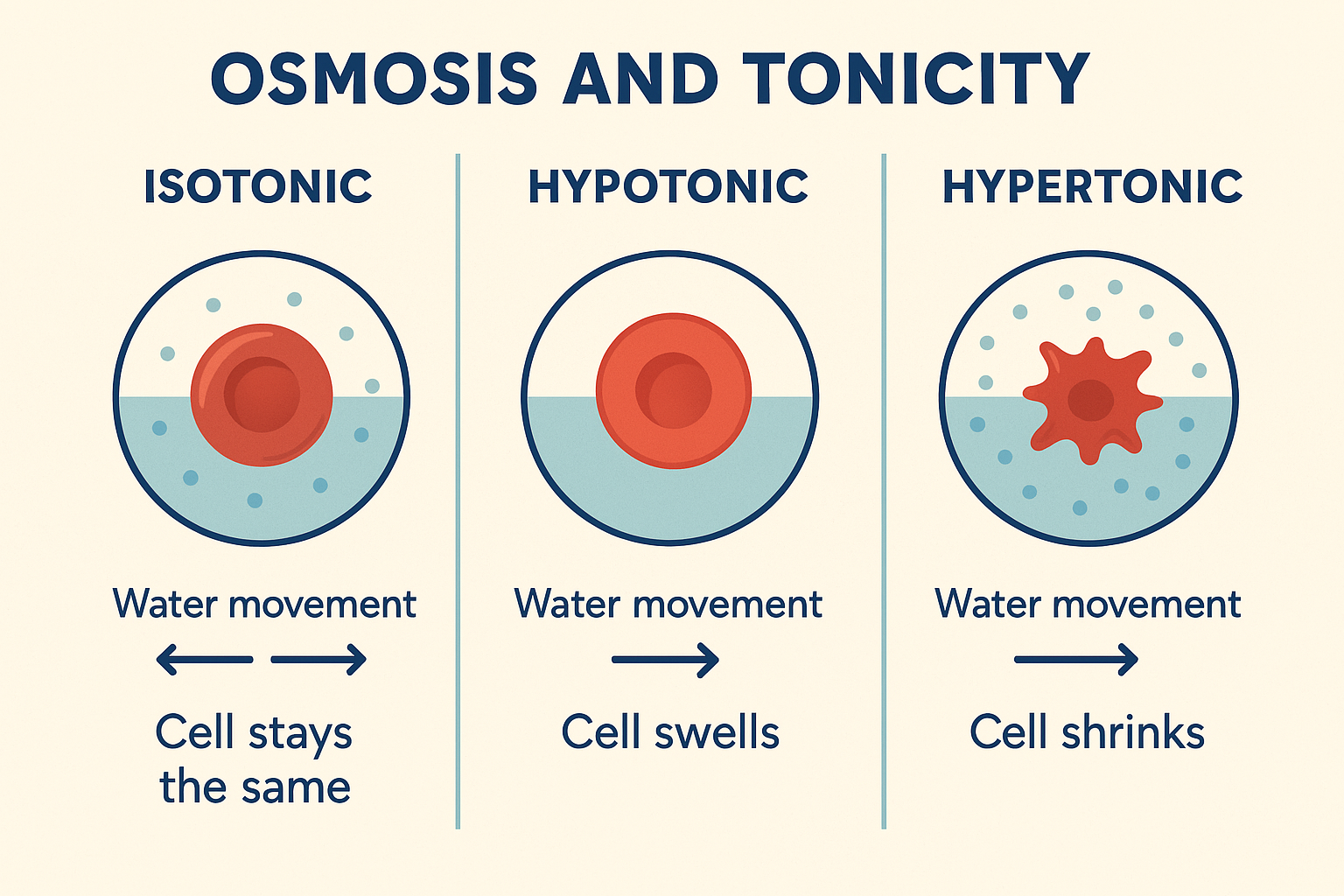
Isotonic
Hay la misma cantidad de “cosas” dentro y fuera.
El agua entra y sale igual.
La célula no cambia
Turgor pressure
Internal hydrostatic pressure in plant cells that presses the plasma membrane against the cell wall, making the cell rigid.
Active transport
The process of moving substances across a cell membrane up their concentration gradients using energy, typically from ATP.
Sodium-potassium (Na+/K+) pump
A carrier protein that uses energy from ATP to move three Na+ out of the cell and two K+ into the cell against their gradients.
Symporters
Carrier proteins that transport two different molecules together in the same direction across the membrane.
Antiporters
Carrier proteins that transport two different molecules in opposite directions across the membrane.
Coupled transport
A process where the energy released as one molecule moves down its gradient is used to move a different molecule against its gradient.
Phagocytosis
A type of endocytosis where the cell plasma membrane envelops particulate matter, such as an organism or organic fragment.
Pinocytosis
A type of endocytosis where the cell takes in liquid material from the extracellular environment.
Receptor-mediated endocytosis
A specific process where target molecules bind to receptors in the membrane and are internalized in clathrin-coated pits.
Clathrin
A protein that coats the cytoplasmic side of indented pits, facilitating the formation of vesicles during receptor-mediated endocytosis.
Exocytosis
The discharge of material from vesicles at the cell surface by fusing the vesicle membrane with the plasma membrane.